
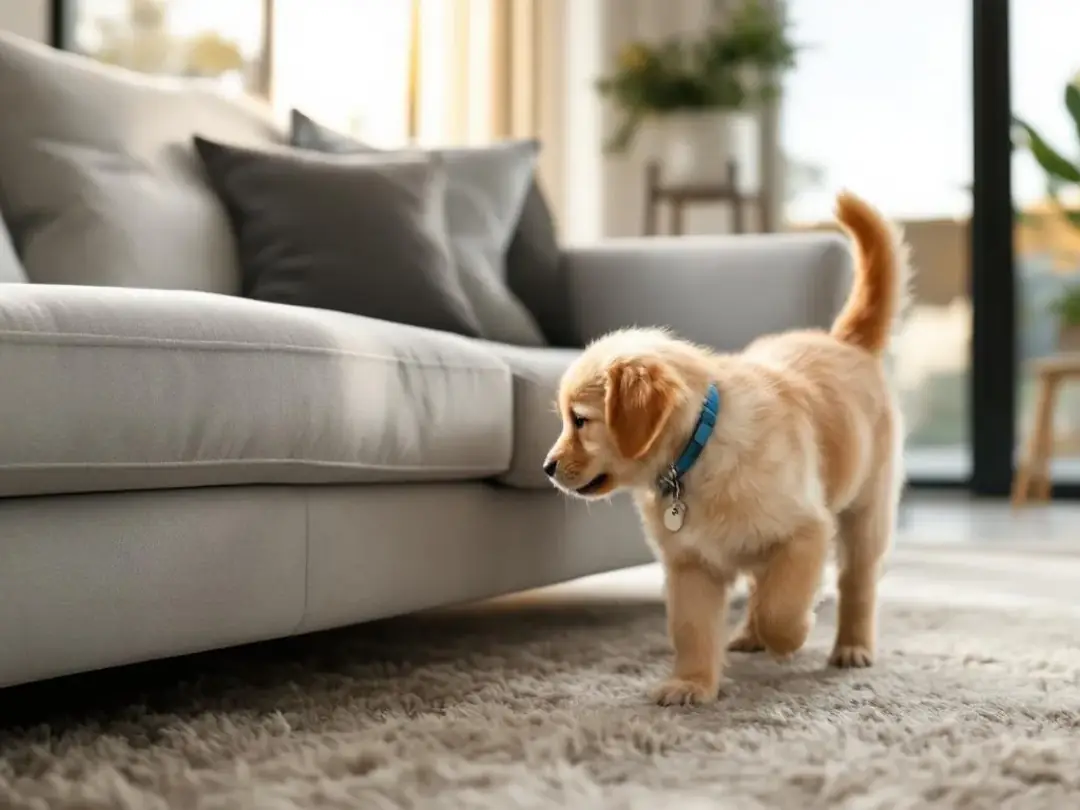

Bringing your new puppy home to an apartment creates unique safety challenges that house-dwelling pet owners never face. While your furry friend explores their new environment with boundless curiosity, apartment living presents specific hazards-from balcony railings to shared elevator access-that require targeted puppy proofing strategies. It's especially important to create a safe place for your puppy in your apartment, ensuring they have a secure and comfortable area to call their own.
Unlike puppy proofing a house with yards and separate rooms, apartments demand creative solutions for limited space, shared walls, and vertical living. Your curious puppy will investigate every corner, cord, and cabinet within reach, making comprehensive pet proofing essential from day one. This guide provides apartment-specific strategies to create a safe environment where your pup can thrive while protecting your belongings and security deposit.
Essential Steps to Start Puppy Proofing Your Apartment
Remove or secure everything within 3 feet of floor level to keep items out of your puppy's reach that could be chewed, swallowed, or destroyed. This includes remote controls, shoes, books, decorative items, and any small objects that present choking hazards. Remember that puppies grow quickly-what's out of reach today may be accessible next month.
As part of puppy proofing, it's also important to keep your apartment in good repair. Regular cleaning and maintenance help prevent hazards and create a safer environment for your puppy.
Key Differences: Apartment vs House Puppy Proofing
Limited outdoor access fundamentally changes how you approach puppy care and safety. While house owners have yards for immediate outdoor relief, apartment dwellers need indoor solutions like balcony grass patches or washable pee pad holders positioned away from main living areas. These alternatives require additional safety considerations to prevent accidents and maintain hygiene.
Shared walls make noise control critical for maintaining good neighbor relationships. Provide sound-absorbing toys and avoid squeaky toys during quiet hours, typically early morning and late evening. Your puppy's barking, running, or toy play affects others in ways house pets never do, requiring thoughtful toy selection and training timing.
Balcony safety demands immediate attention with pet-proof barriers installed on railings regardless of height. Even second-floor balconies pose serious risks for puppies who might accidentally fall through gaps or attempt climbing. Puppies are at risk of accidentally falling through balcony railings or off the edge, so always ensure barriers are secure and gaps are covered. Secure sliding door locks prevent independent balcony access that could lead to falls or exposure to weather extremes.
Elevator training becomes essential life skills for apartment dogs. Practice short rides during off-peak hours, teaching your puppy to remain calm in small spaces with unfamiliar sounds and movements. Emergency stair navigation training prepares for situations when elevators malfunction, ensuring your pet can safely navigate multiple flights when necessary.
Storage limitations force creative vertical solutions for hazardous materials. Unlike houses with basements, garages, or abundant closet space, apartments require using high cabinets and wall-mounted organizers for cleaning products, medications, and dangerous items. Every square foot of floor space serves multiple purposes, making organization crucial for safety.
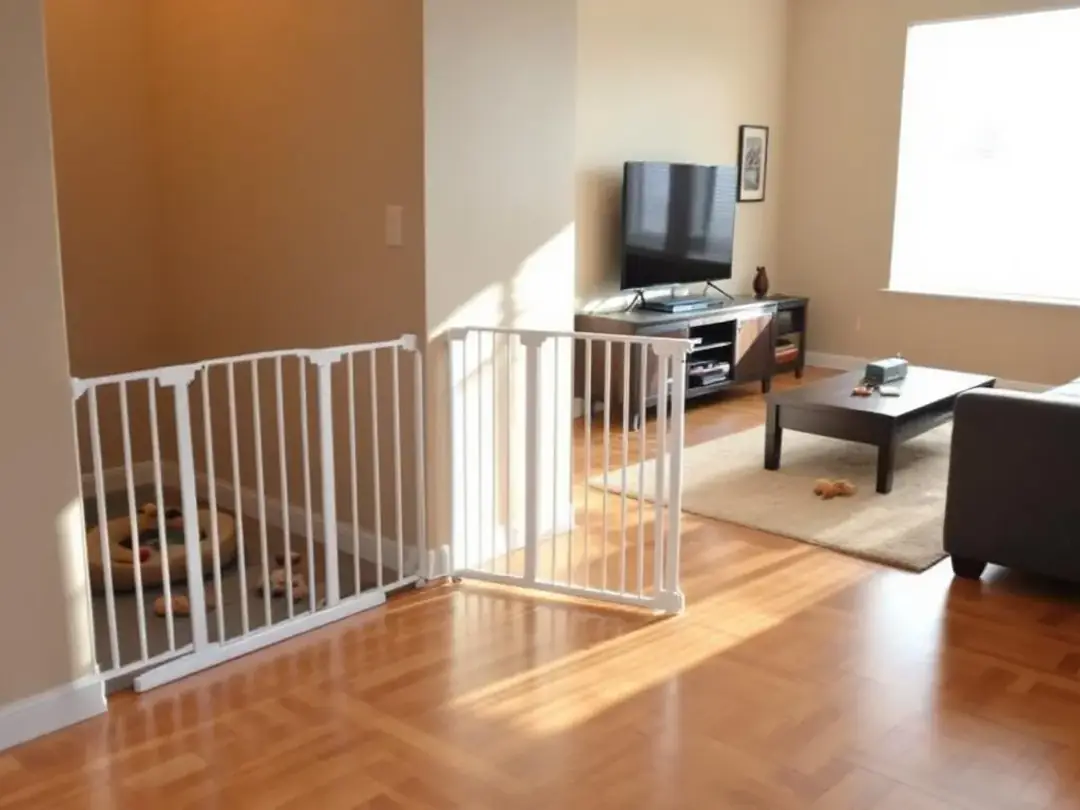
In apartments with limited space, consider using a small room as a designated puppy-safe zone. This allows you to set up a puppy pen or boundary area, making training and safety management easier even in compact living environments.
Room-by-Room Puppy Proofing Strategy
Secure TV and entertainment center cables using spiral cable wrap, cord protectors, or a cable managing tube that completely encases and organizes wiring. Entertainment centers concentrate multiple electrical cords in puppy-accessible areas, creating significant electrical shock risks if cables are chewed. Route cords behind furniture or through cable managing tubes to eliminate access entirely.
Living Room Safety Measures
Install furniture corner guards on coffee tables and sharp-edged furniture to prevent injuries during energetic play sessions. Puppies lack spatial awareness and often run into furniture corners during enthusiastic exploration or when startled by sudden sounds common in apartment buildings.
Use cord shorteners for lamp cords and secure them behind furniture where curious mouths can't reach. Standard lamp cord lengths often create dangerous loops or accessible sections that invite chewing. Power strips should be elevated or enclosed in cord management boxes to prevent electrical accidents. Secure electronic devices such as DVD players, TVs, and stereos to prevent puppies from accessing or knocking them over, reducing the risk of injury or accidents caused by exposed cords or components.
Remove decorative items under 24 inches high including candles, small plants, knick knacks, and breakable objects that become fair game for investigation. Apartments often use vertical decorating strategies that place attractive nuisances within puppy reach. Replace with safe alternatives or relocate to high shelves.
Block access behind couches and under furniture where puppies can get stuck or trapped. Small spaces between furniture and walls appear inviting to puppies but can become dangerous if they panic while stuck. Use foam pool noodles or furniture pads to eliminate these gaps.
These safety measures are also important for other pets, such as cats, who may be equally curious and at risk in the household environment.
Kitchen and Dining Area
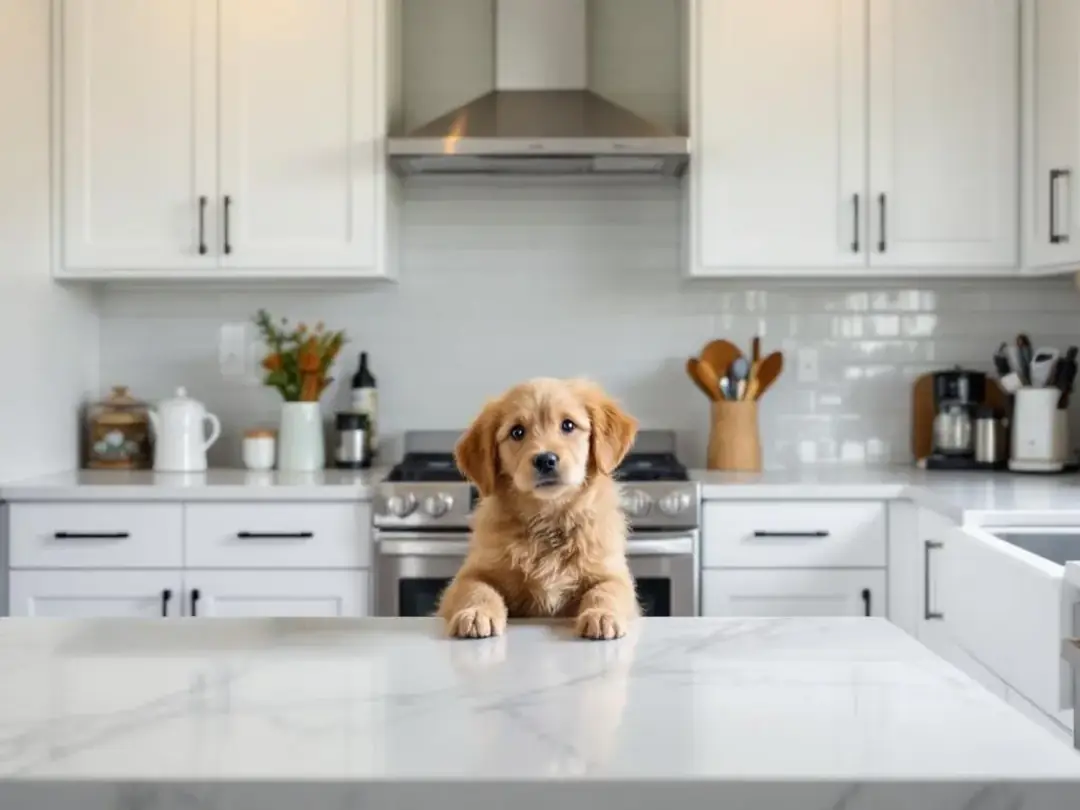
Install magnetic childproof locks on cabinets containing cleaning supplies, dishwasher detergent, and trash bags. Kitchen cabinets house the highest concentration of toxic substances in most apartments, making reliable locking mechanisms essential. Magnetic locks provide security while maintaining adult convenience for daily access.
Secure refrigerator water lines and dishwasher connections from curious puppy teeth that might puncture flexible tubing. These apartment-specific utilities often run along floors or inside accessible cabinets, creating unique hazards not found in house kitchens. Protective covers or rerouting prevents costly water damage.
Use appliance locks on dishwasher, oven, and refrigerator doors to prevent access to dangerous interior components or spoiled food. Modern apartment appliances often have touch controls that puppies can accidentally activate, potentially creating safety hazards or operational problems.
Store food items in sealed containers on countertops or in upper cabinets away from puppy access. Open food packages attract curious noses and can lead to consumption of foods toxic to dogs. Apartment kitchens typically have limited storage, making organization critical for safety.
Place weighted lids on trash cans or install under-cabinet trash pull-outs that eliminate floor-level access. Smells coming from trash bins can attract puppies and increase the risk of them accessing hazardous materials. Trash bins contain numerous choking hazards, toxic food scraps, and dangerous items like chicken bones or discarded medications. Apartment kitchens often lack space for traditional lidded bins, requiring creative solutions.
Bedroom Puppy Safety
Keep closet doors closed and use door knob covers if necessary to prevent access to shoes, clothing, and stored items. Energetic pups are especially prone to exploring bedroom areas, increasing the risk of them getting into closets and chewing on personal belongings. Bedroom closets often contain the highest concentration of chewable personal belongings, from leather shoes to fabric items that can cause intestinal blockages if swallowed.
Store shoes in closed containers or hanging organizers that completely eliminate floor access. Shoes retain appealing scents and provide satisfying chewing textures that attract puppies and pups seeking comfort items. Apartment bedrooms often lack sufficient closet space, making organized storage essential.
Secure dresser drawers with safety latches to prevent clothing access that could lead to fabric ingestion. Puppies and pups find clothing particularly appealing for comfort and scent, but swallowed fabric pieces create serious choking hazards or require surgical removal.
Use cord organizers for phone chargers, alarm clock wires, and bedside lamp cords that typically run along floors or hang at puppy height. Bedroom electrical cords often remain plugged in continuously, creating constant temptation for chewing that could result in electrical shock.
Remove small items like jewelry, hair ties, and coins from nightstands and dressers where curious puppies or pups might knock them to the floor. These small objects present immediate choking hazards and are often forgotten during initial puppy proofing efforts.
Bathroom Hazard Prevention
Install toilet lid locks to prevent drowning risks and eliminate access to contaminated water that could cause illness. Toilet bowls present dual hazards-small puppies can fall in and drown, while toilet water often contains cleaning chemicals or bacteria harmful to pets.
Secure medicine cabinets and vanity drawers with childproof latches to protect access to medications that are toxic to dogs. Bathrooms contain concentrated pharmaceutical hazards including prescription medications, over-the-counter drugs, and personal care products containing dangerous ingredients like xylitol.
Store razors, medications, and personal care items in high cabinets completely out of puppy reach. These items present cutting, poisoning, and choking hazards that require absolute prevention rather than deterrence. Apartment bathrooms often have limited storage, making organization crucial.
Use non-slip mats to prevent falls on wet bathroom floors that become slippery during normal use. Puppies lack coordination and experience with wet surfaces, making bathroom floors particularly dangerous during and after showers or cleaning.
Keep bathroom doors closed when not in use to eliminate unsupervised access to concentrated hazards. Bathrooms contain more dangerous items per square foot than most other rooms, making access control the most effective safety strategy.
Critical Hazard Categories to Address
Electrical Safety Solutions
Cover all electrical outlets with sliding plate covers or plug protectors that prevent puppy access while maintaining adult functionality. Standard outlet covers can become choking hazards if removed, while sliding plate covers provide secure protection that moves aside for adult use.
Use heavy-duty cord protectors for areas where cords cannot be hidden behind furniture or routed through walls. Running cords along baseboards or across floors creates irresistible chewing targets for teething puppies seeking relief from sore gums.
Secure power strips in cord management boxes or mount them under desks where they remain accessible to adults but protected from curious mouths. Power strips concentrate multiple electrical connections in tempting packages that could cause severe electrical shock if chewed.
Replace damaged extension cords and avoid daisy-chaining multiple cords that increase electrical hazards and create more chewing opportunities. Damaged cords pose immediate electrical shock risks, while multiple connected cords create longer sections of accessible wiring.
Install GFCI outlets in areas where water and electricity meet, particularly in kitchens and bathrooms where spills could create dangerous conditions. Apartment kitchens and bathrooms often have limited GFCI protection, making upgrades important for puppy safety.
Toxic Substance Management
Store human medications in locking medicine boxes rather than relying on high shelves that growing puppies may eventually reach. Prescription and over-the-counter medications cause more pet poisoning incidents than any other household item, requiring absolute security rather than height-based deterrence.
Remove toxic house plants including pothos, philodendron, lily, and sago palm that cause serious illness or death if chewed or ingested. Replace with puppy safe alternatives like spider plants or cat grass that satisfy plant curiosity without health risks.
Secure cleaning products with cabinet locks, including toilet bowl cleaners and bleach that concentrate toxic chemicals in small containers. Apartment storage limitations often place cleaning supplies in low cabinets where childproof locks become essential safety measures.
Store antifreeze, automotive fluids, and maintenance supplies in locked areas or high cabinets where even curious climbing attempts cannot reach dangerous chemicals. These products often taste sweet to animals but cause rapid kidney failure and death if consumed.
Keep chocolate, grapes, onions, garlic, and xylitol-containing gum away from all puppy access points including purses, backpacks, and low storage areas. These common foods cause serious toxicity in dogs, with symptoms ranging from digestive upset to organ failure.
Choking and Swallowing Prevention
Remove items smaller than a golf ball from floor areas including coins, buttons, hair elastics, and paper clips that present immediate choking hazards. The "golf ball test" provides a simple size guideline-anything smaller poses choking risks for most puppies and should be eliminated from accessible areas.
Secure or remove children's toys with small parts like building blocks, action figures, and craft supplies that could break apart during chewing. These items often contain multiple small components that become choking hazards when investigated by curious puppy mouths.
Store craft supplies including pins, needles, rubber bands, and small beads in sealed containers placed in high cabinets. Craft areas concentrate numerous small, dangerous items that require complete elimination from puppy access rather than simple deterrence.
Check under furniture weekly for dropped items like earrings, screws, and food particles that accumulate in areas not reached by regular cleaning. Puppies explore these hidden areas thoroughly, finding hazards that escape normal household maintenance.
Use vacuum regularly to remove small debris and potential choking hazards from floors, paying special attention to areas under furniture and appliances. Regular vacuuming prevents accumulation of dangerous small items while removing food particles that attract puppy investigation.
Creating Safe Spaces and Boundaries
Set up a puppy pen covering at least 24 square feet with washable flooring in your main living area where your furry friend can safely explore while you work on comprehensive apartment puppy proofing. This contained space provides immediate safety while allowing natural puppy behavior like playing with safe toys and resting.
Install pressure-mounted baby gates at bedroom and bathroom doorways to control access without permanent apartment modifications that might violate lease agreements. Baby gate systems create flexible boundaries that adapt as your puppy grows and training progresses.
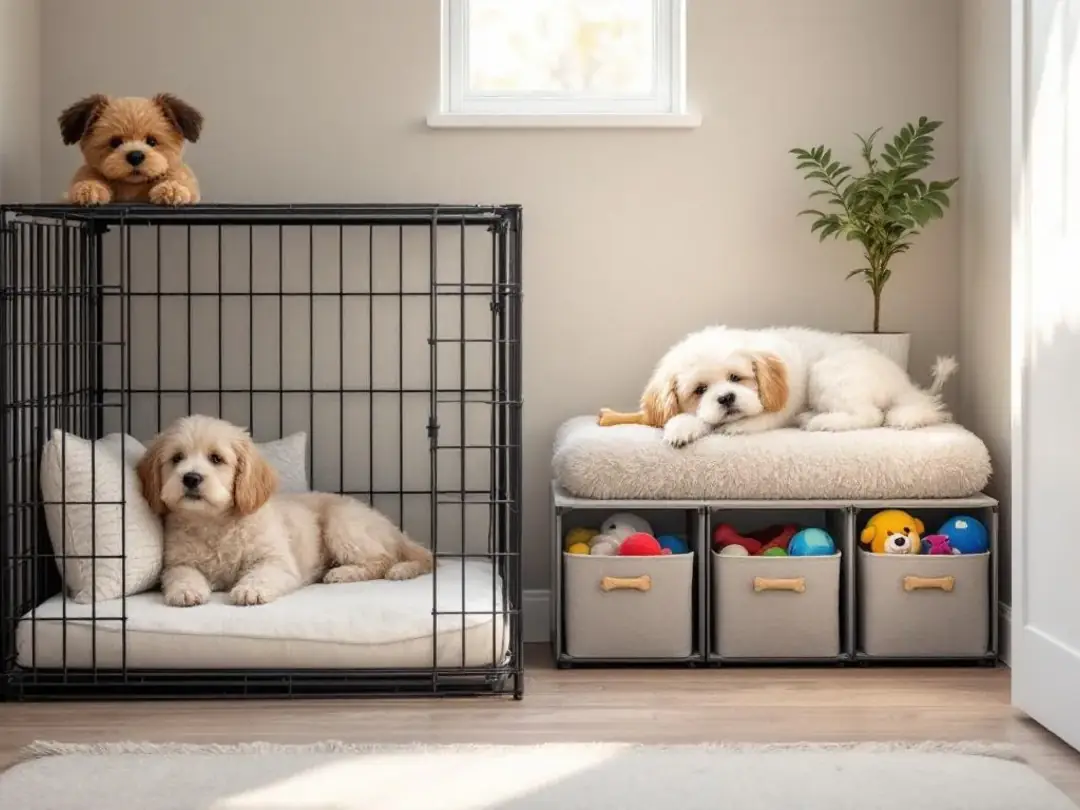
Create a designated sleeping area with a properly-sized crate measuring 36-48 inches for most breeds, positioned away from high-traffic areas but within sight of family activities. Crates provide security for anxious puppies while preventing nighttime exploration of un-puppy-proofed areas.
Establish a feeding station with non-slip food and water bowls positioned away from foot traffic to prevent accidental spills and allow peaceful eating. Apartment living requires thoughtful placement of feeding areas that don't interfere with daily activities while remaining easily accessible for cleaning.
Designate a toy storage area using a washable toy box or basket that allows easy cleanup while keeping chew toys, safe toys, and interactive puzzles organized. Apartment storage limitations make organized toy storage essential for maintaining clean living spaces while providing puppy enrichment.
Safe Toys and Enrichment for Puppies
A key part of successful puppy proofing in apartments is making sure your curious puppy has plenty of safe toys and enrichment activities to keep them busy-and out of trouble. Puppies naturally explore the world with their mouths, so providing the right chew toys and interactive playthings is essential for both their development and your peace of mind.
When choosing toys for your new puppy, look for options that are specifically labeled as puppy safe. Durable, non-toxic chew toys, puzzle feeders, and interactive toys are excellent choices that satisfy your pup's urge to chew and help prevent boredom. Avoid toys with small parts, sharp objects, or loose strings, as these can quickly become a choking hazard. It's also a good idea to rotate your puppy's toys regularly to keep things fresh and exciting, which helps deter them from seeking out potentially harmful items around your apartment.
Creating a dedicated puppy-safe play area is another important step in pet proofing your home. A sturdy puppy pen or a sectioned-off space with baby gates can give your furry friend a secure place to play and rest, especially in small rooms or apartments where space is at a premium. Make sure this area is free from electrical cords, power strips, and cleaning supplies, and always keep trash bins, laundry supplies, and medications well out of your puppy's reach-ideally in high shelves or locked cabinets.
Don't forget to keep toilet lids closed and consider using a toilet lid lock to prevent your puppy from accessing the bathroom area. Block access to small spaces where your puppy could get stuck, and use childproof locks on dresser drawers and cabinets to keep belongings safe. House plants should be moved to high shelves or replaced with non-toxic varieties, as many common plants can be dangerous if chewed.
Regularly inspect your apartment for new potential hazards, especially as your puppy grows and becomes more adventurous. By providing a variety of safe toys and chews, using childproofing tools, and staying vigilant about potential dangers, you'll create a welcoming, puppy-proof environment where your new dog can thrive.
Balcony and Outdoor Area Safety
Install clear acrylic or mesh barriers between balcony railings to prevent falls while maintaining apartment aesthetics and avoiding lease violations. Standard balcony railings often have gaps of 4-6 inches that allow small puppies to squeeze through or get stuck, creating serious fall risks even from low floors.
Secure sliding door locks and consider door alarms for independent balcony access that could occur if doors aren't properly latched. Puppies quickly learn to operate sliding doors, potentially accessing balconies unsupervised where they face weather exposure, fall risks, or escape opportunities.
Remove toxic outdoor plants and use pet-safe alternatives like cat grass or spider plants that satisfy puppy curiosity about greenery without health risks. Balcony plants often include species toxic to dogs, while apartment dwellers frequently choose decorative plants without considering pet safety.
Store balcony furniture cushions and decorative items that could be chewed, creating choking hazards or expensive replacements. Outdoor furniture materials often prove irresistible to teething puppies seeking relief, while cushion filling presents serious choking and intestinal blockage risks.
Provide shade and water access for supervised balcony time, ensuring your puppy can safely enjoy outdoor experiences without overheating or dehydration. Apartment balconies often lack natural shade, making artificial shade and fresh water essential for safe outdoor time.
Ongoing Maintenance and Monitoring
Conduct weekly safety walks checking for new hazards or worn puppy proofing materials that may have loosened or failed over time. Puppies continuously test boundaries and safety measures, requiring regular inspection to ensure continued effectiveness of your pet proofing efforts.
Replace damaged cord protectors, cabinet locks, and outlet covers immediately upon discovery to maintain continuous protection. Safety equipment experiences regular wear from daily use and puppy testing, making prompt replacement essential for maintaining secure environments.
Adjust safety measures as your puppy grows and reaches new heights, with large breed puppies potentially reaching 36 inches or higher by maturity. What seems safely out of reach for a small puppy becomes accessible as your pet grows, requiring ongoing assessment and modification of safety strategies.
Keep emergency veterinarian contact information posted on your refrigerator along with poison control numbers for immediate access during potential emergencies. Apartment living often means less familiar neighborhood veterinary resources, making emergency contact organization crucial for rapid response.
Review apartment lease pet policies and maintain security deposits through preventive measures that avoid damage to floors, walls, and fixtures. Proper puppy proofing protects both your pet and your financial interests by preventing damage that could result in deposit forfeiture or additional charges.
By following this comprehensive approach to puppy proof your apartment, you'll create a safe environment where your new puppy can explore, learn, and grow while protecting both your furry friend and your living space. Remember that puppy proofing is an ongoing process-what works for a 8-week-old puppy will need adjustment as your pet matures and develops new abilities. Start with the most critical safety measures like electrical hazards and toxic substances, then systematically work through each room to create a completely secure environment for your beloved companion.


