
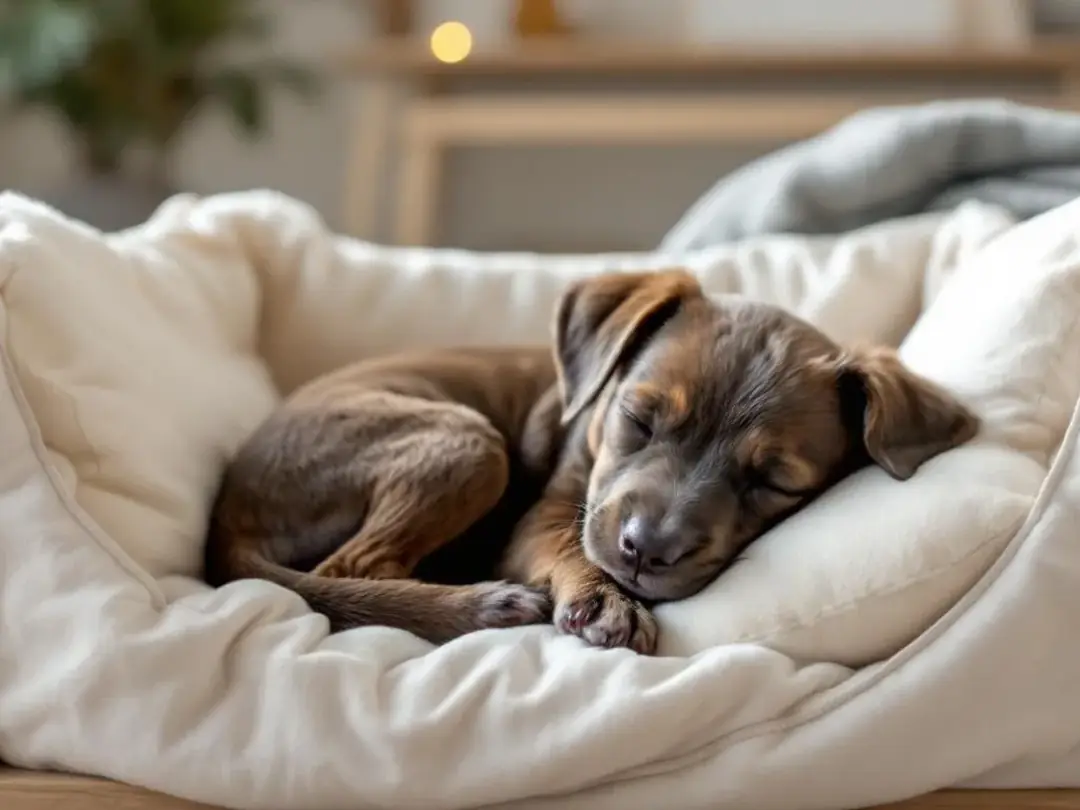

Your adorable new puppy seems to go from zero to chaos in seconds, then crash completely. This isn't just puppy behavior-it's a clear sign that your little one needs more structured rest. Creating a consistent puppy crate naps schedule isn't just about giving yourself a break (though you deserve one)-it's essential for your puppy's physical development, mental health, and successful house training.
Most new dog owners underestimate how much puppies sleep and why enforced naps matter. Without proper rest, even the sweetest pup can turn into a biting, whining, accident-prone handful. Let's fix that with a science-backed approach to crate nap scheduling that works for real families.
Why Puppy Crate Naps Are Essential
Young puppies aren't just being lazy when they sleep 18-20 hours daily-they're literally growing their brains and bodies. During these first few weeks and months, puppies sleep to consolidate learning, develop immunity, and support rapid physical growth. Without enough sleep, you'll see increased puppy biting, difficulty with potty training, and a generally stressed pup who can't settle.
Crated naps prevent the overtired spiral that many puppies experience. When very young puppies skip naps, they become overstimulated and actually have more trouble falling asleep-just like human babies. The crate provides a safe place where they can't get into trouble, chew inappropriate items, or have accidents while you're not watching.
Scheduled crate naps also establish predictable potty breaks, making house training significantly easier. A well-rested puppy learns faster, settles more easily, and develops better relationships with family members and other dogs. Think of enforced naps as an investment in your puppy's future behavior and your own sanity.
Crate Nap Schedule by Age
Different ages require different approaches to napping. A 8 week old puppy has vastly different needs than a 5-month-old who's gaining independence. Here's how to adjust your approach as your pup grows.
8-12 week old puppies need the most structure. Plan for 2-hour naps after every hour of awake time. These little puppies can't regulate their own energy levels and will push through tiredness until they're completely overwhelmed.
3-4 month old puppies can handle slightly longer awake periods-about 1.5 hours-before needing a 1.5-2 hour nap. Their attention spans are improving, but they still need frequent rest to process new experiences.
5-6 month old puppies are transitioning toward more adult-like patterns. They still need 14-16 hours of total sleep but can manage longer play sessions and shorter, less frequent naps during the day.
Sample Schedule for 8-12 Week Old Puppies
Here's a realistic day for most puppies in their first few weeks home:
6:00 AM: Wake up, immediate potty break, breakfast 7:00 AM: Short play session and mental stimulation 7:30 AM: First crate nap (2 hours) 9:30 AM: Potty break, brief training session 10:00 AM: Quiet time with chew toy 11:00 AM: Second crate nap (2 hours) 1:00 PM: Potty break, lunch, gentle play 2:00 PM: Third crate nap (2 hours) 4:00 PM: Potty break, longer play session 5:30 PM: Fourth crate nap (1.5 hours) 7:00 PM: Dinner, family time, final potty break 8:30 PM: Bedtime routine, settle in crate for the night
This schedule ensures your week old puppy gets adequate rest while building positive crate associations. Adjust meal times based on your vet's feeding recommendations, but keep the nap-activity rhythm consistent.
Sample Schedule for 3-6 Month Old Puppies
As puppies mature, they can handle more stimulation and longer awake periods:
7:00 AM: Morning routine with extended play period and training 8:30 AM: Breakfast and brief calm down time 9:00 AM: First crate nap (1.5-2 hours) 11:00 AM: Potty break, training session, socialization 12:30 PM: Lunch and quiet time 1:00 PM: Second crate nap (1.5-2 hours) 3:00 PM: Longer play session, walks (if fully vaccinated) 4:30 PM: Down time with frozen kong or chew toys 5:30 PM: Third crate nap (1 hour) 6:30 PM: Dinner, family interaction, exercise 8:30 PM: Calming activity before bed 9:00 PM: Final potty break, settle for night
This schedule accommodates an older puppy's increased energy levels while maintaining necessary rest periods.
Setting Up the Perfect Crate Nap Environment
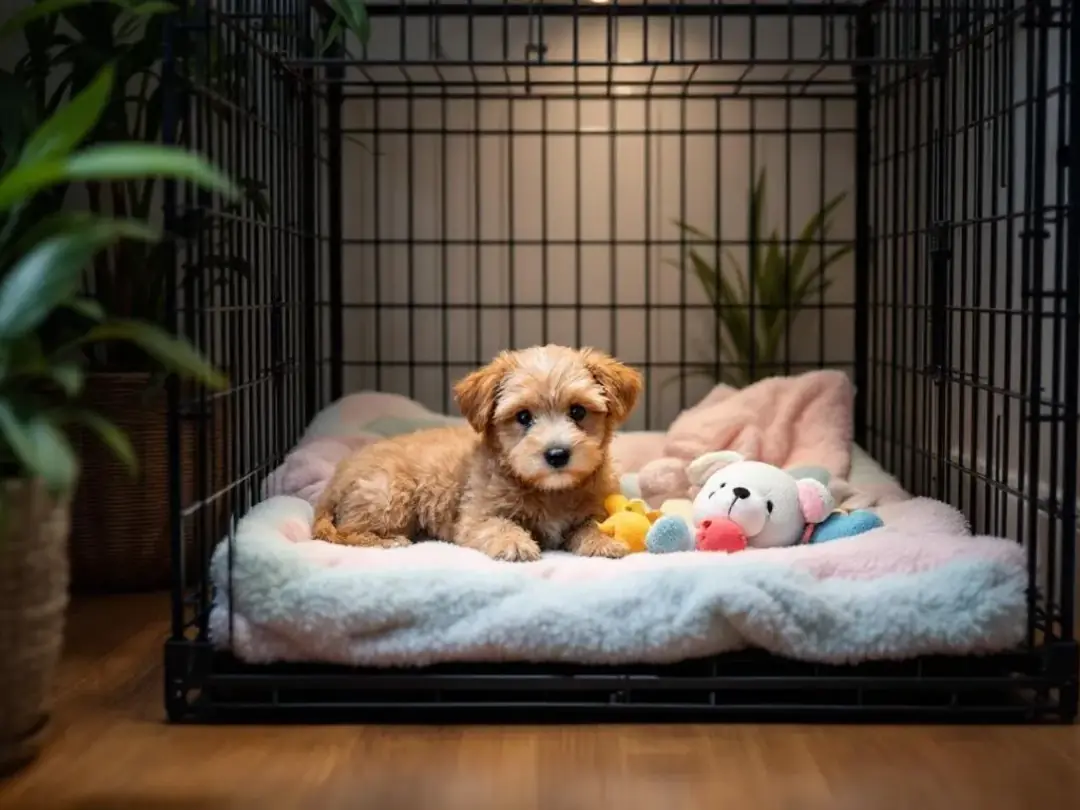
Location matters more than you might think. Choose a quiet, low-traffic area away from the kitchen chaos and family room activity. Many puppies sleep better in a dark room or with the crate partially covered with a blanket to create that den-like atmosphere their ancestors preferred.
Inside the crate, provide soft bedding that's easy to wash (accidents happen). Include one or two comfort items-a small stuffed animal or a worn t-shirt that smells like you. Avoid overcrowding the space with too many toys, which can be stimulating rather than calming.
Consider adding gentle background noise to mask household sounds. A white noise machine, soft classical music, or even a quietly humming fan can help mask the doorbell, footsteps, or other dogs that might interrupt nap time. Some puppies also respond well to calming pheromone sprays designed for stress reduction.
Temperature control is crucial too. Puppies can't regulate their body temperature as well as adult dogs, so ensure the area isn't too hot or cold. The water bowl should be available but not so full that a sleeping puppy creates a mess.
Creating a Successful Crate Nap Routine
Consistency turns chaos into calm. Start every nap period with the same sequence: potty break, brief calm-down period, then into the crate with a specific verbal cue like "nap time" or "crate." This signals to your puppy what's expected and helps them mentally prepare for rest.
Time your naps strategically. Puppies naturally want to sleep after eating, playing, or training sessions when they're genuinely tired. Don't try to force a nap on an energetic pup who just woke up-you'll both be frustrated.
Start with shorter durations and gradually increase. If your puppy has never been crated, begin with 30-minute periods and slowly work up to the full 2 hours. This builds positive associations rather than creating anxiety about confinement.
Pre-Nap Checklist
Before each crate session, run through this quick checklist:
-
Potty break completed within the last 15 minutes
-
Puppy has had appropriate exercise for their age and energy level
-
Water bowl is available but not overfilled
-
Crate environment is comfortable and distraction-free
-
Calming activity immediately before crating (not exciting play)
This routine prevents most accidents and reduces resistance to crate time.
Troubleshooting Common Crate Nap Issues
Even with the best preparation, you'll encounter challenges. Here's how to handle the most common issues without derailing your progress.
Excessive whining usually falls into two categories: genuine need (potty break, discomfort) or attention-seeking behavior. Learn your puppy's different vocalizations. Urgent, escalating whines often mean a bathroom emergency. Rhythmic, lower-level whining is typically a test to see if you'll respond. Wait for quiet moments to let them out, never during active complaining.
Difficulty settling often indicates the puppy wasn't quite ready for rest. Next time, try a longer calm-down period or ensure they're truly tired before crating. Some puppies benefit from a brief training session right before nap time-mental exercise can be more tiring than physical play.
Inconsistent nap lengths are normal as puppies adjust to schedules. Track patterns to identify your puppy's natural rhythms, then adjust accordingly. Some days they'll sleep longer due to growth spurts or increased activity; other days they'll be ready to play sooner.
Resistance to crate naps requires patience and positive reinforcement. Feed meals in the crate, provide special treats that only appear during crate time, and never use the crate as punishment. If your puppy has developed negative associations, you may need to restart crate training with very short, positive experiences.
When to Adjust the Schedule
Your puppy crate naps schedule should evolve with your growing dog. Watch for these signs that adjustments are needed:
-
Consistently sleeping much longer or shorter than scheduled
-
Changes in appetite, energy levels, or bathroom habits
-
Growth spurts requiring additional sleep periods
-
Seasonal changes affecting natural sleep patterns
-
Successful potty training milestones allowing longer crate periods
Remember, the schedule serves your puppy's needs, not the other way around.
Transitioning Away from Enforced Crate Naps
Most puppies can begin self-regulating their sleep between 6-12 months of age, depending on the breed and individual development. Large breeds often mature more slowly and may need structured naps longer than smaller dogs.
Start the transition gradually by leaving the crate door open during one nap period while staying nearby to supervise. If your puppy chooses to nap elsewhere, that's fine-but watch for signs of overtiredness or behavioral regression that indicate they still need structure.
Many dogs benefit from keeping the crate available as a quiet retreat space throughout their adult life. Don't rush to remove this safe place just because your dog can theoretically manage without it. Cats often appreciate having multiple resting spots, and dogs do too.
Monitor energy levels and behavior during the transition. A well-adjusted dog will naturally seek quiet spots when tired, settle easily for bedtime, and maintain good house training habits. If you see backsliding in any of these areas, return to a more structured schedule temporarily.

Benefits of Consistent Crate Nap Schedules
The payoff for your consistency extends far beyond easier days. Puppies with regular sleep schedules show improved house training success because their elimination patterns become predictable. You'll know when potty breaks are needed, reducing accidents and speeding up the training process.
Well-rested puppies exhibit fewer destructive behaviors. That chewed shoe or destroyed couch cushion often happens when an overtired puppy can't settle and looks for stimulation. Adequate rest prevents most of these expensive mishaps.
Socialization outcomes improve dramatically with proper rest. A tired puppy meeting new people, other dogs, or experiencing novel environments is more likely to be fearful or reactive. A well-rested puppy approaches new experiences with curiosity rather than stress, leading to better lifelong social skills.
Travel becomes easier when your dog is comfortable spending time in a crate. Whether visiting relatives, staying in hotels, or managing emergencies, a dog who views their crate as a safe space adapts more readily to new situations.
For family members, especially young children, a predictable schedule means knowing when the puppy will be calm and when they'll be playful. This helps everyone interact appropriately and reduces the stress that comes with an unpredictable household routine.
Your puppy crate naps schedule forms the foundation for a lifetime of good sleep habits, emotional regulation, and positive family relationships. Like most aspects of dog training, consistency and patience matter more than perfection. Start with the structure that fits your puppy's age, adjust based on their individual needs, and remember that every nap is building toward a calmer, happier dog.
The effort you invest now in establishing good sleep routines will pay dividends for years to come in the form of a well-behaved, emotionally stable adult dog who knows how to rest when tired and play when it's time for fun.


