

Watching your puppy experience car sickness can be distressing for any pet owner. Both puppies and older dogs can experience car sickness. The good news is that motion sickness affects approximately one in four puppies, and most young dogs naturally outgrow motion sickness by their first birthday as their inner ear fully develops. Until then, a combination of immediate relief strategies, preventive measures, and gradual training can help your pup travel comfortably.
This comprehensive guide covers evidence-based puppy car sickness remedies ranging from quick relief techniques to long-term desensitization training. Motion sickness in dogs shares many similarities with motion sickness in humans, such as nausea and distress, so recognizing these symptoms is important for timely intervention. Whether you're dealing with a car sick puppy for the first time or looking for better solutions, these proven methods can help reduce nausea, prevent vomiting, and create positive associations with car travel.
Immediate Remedies for Puppy Car Sickness
Quick Relief During Travel
When your puppy shows signs of car sickness during a trip, these immediate interventions can provide relief:
Environmental adjustments form the foundation of quick relief. Keep your car cool by maintaining temperatures between 68-72°F using air conditioning. This optimal temperature range helps reduce nausea and prevents overheating, which can worsen motion sickness symptoms. Proper ventilation and cool temperatures can also help reduce drooling, a common symptom of motion sickness in puppies.
Open side windows slightly to promote fresh air circulation. The gentle airflow helps stabilize your puppy's sensory input and reduces the stuffy environment that can intensify nausea. Ensure the window opening is small enough to prevent your puppy from sticking their head out, which can actually worsen motion sickness by increasing conflicting visual signals.
Strategic breaks are essential for longer car trips. Stop every 30-45 minutes to allow your puppy short walks and fresh air breaks. These brief intermissions help reset their vestibular system and provide relief from continuous motion. During breaks, offer small sips of fresh water but avoid large amounts that could contribute to stomach upset.
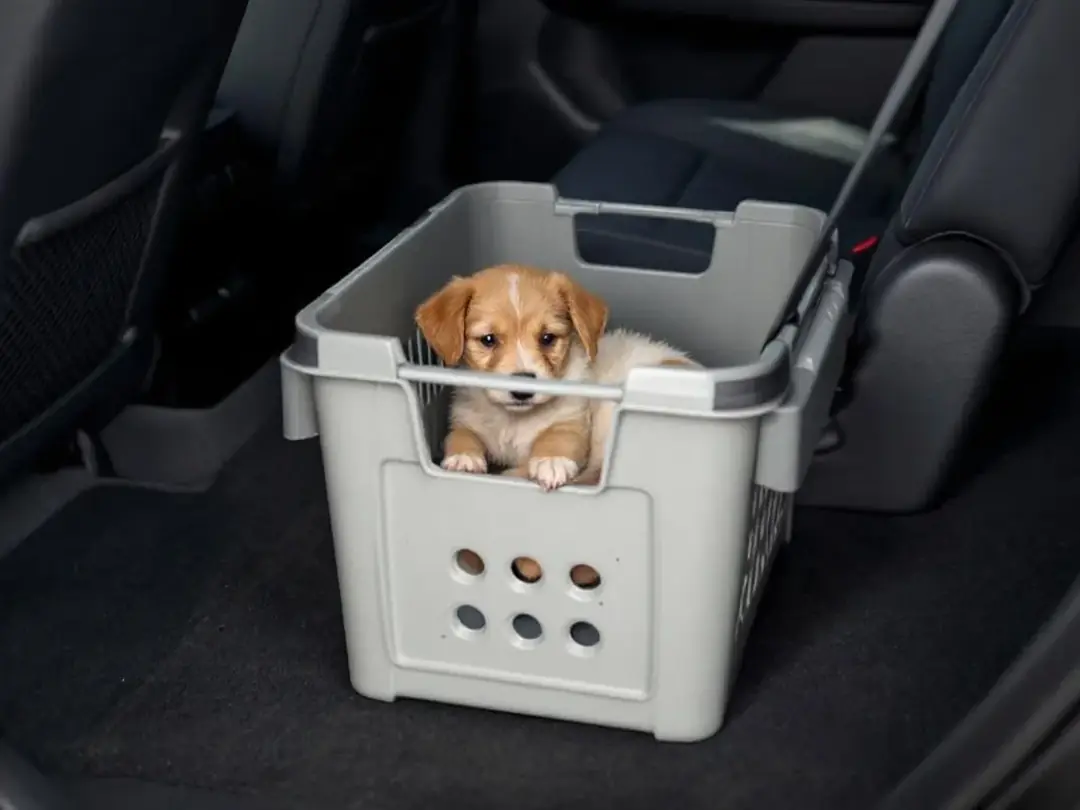
Proper positioning can significantly impact comfort levels. Secure your puppy in a crate positioned on the car floor rather than on seats. The floor location provides the most stable position with minimal motion sensation. Ensure the crate faces forward, as this orientation aligns with the direction of travel and reduces sensory conflict.
Emergency Comfort Measures
When your puppy shows severe distress or begins vomiting, immediate action is necessary. It's crucial to recognize when your dog shows signs of severe distress or dehydration so you can respond quickly and appropriately.
Safety first - pull over safely at the earliest opportunity. Never attempt to comfort a distressed puppy while driving, as this compromises everyone's safety. Once stopped, assess your puppy's condition and provide appropriate care.
Comfort items can provide psychological relief during distressing episodes. Use familiar blankets or their favorite toy with comforting scents from home. The familiar smells help reduce anxiety and provide emotional support during uncomfortable moments.
Physical comfort techniques may offer relief for some puppies experiencing motion sickness. Gentle pressure applied to the base of your puppy's ears can sometimes help alleviate inner ear discomfort, though this technique doesn't work for all dogs and should be used cautiously.
Preparation is key - always travel with cleaning supplies including paper towels, water, and mild cleaner. Motion sickness episodes can be messy, and being prepared reduces stress for both you and your pet.
Monitor for complications such as dehydration signs including pale gums, lethargy, or excessive panting. A sign of dehydration is pale gums. If these symptoms appear, contact your veterinarian promptly for guidance.
Why Puppies Experience Car Sickness
Understanding the underlying causes of motion sickness in dogs helps inform effective treatment strategies. Young dogs are particularly susceptible due to several physiological and psychological factors.
Underdeveloped vestibular system represents the primary cause of puppy car sickness. The dog's inner ear structures responsible for balance and spatial orientation aren't fully developed in puppies under 12 months old. This immaturity means the dog's vestibular system cannot properly process motion signals, leading to the sensory confusion that triggers nausea and vomiting.
Sensory conflict occurs when visual input conflicts with inner ear sensations. While traveling in a vehicle, a puppy's eyes may see stationary objects inside the car, but their inner ear detects motion. This conflicting information confuses the brain's balance center, triggering the nausea response as a protective mechanism. Limiting a dog's field of vision during travel, such as by using a crate with solid sides, can help reduce motion sickness by minimizing conflicting visual input.
Anxiety and stress can either cause or exacerbate physical symptoms of car sickness. Many dogs develop negative associations with car rides, especially if early experiences involved trips to the veterinarian or other stressful destinations. This psychological component can perpetuate motion sickness even after the vestibular system has matured.
Environmental factors including car temperature, air quality, and motion intensity can influence the severity of symptoms. A hot, stuffy vehicle with rapid acceleration and frequent turns creates ideal conditions for triggering motion sickness in susceptible puppies.
The encouraging news for pet owners is that most puppies naturally outgrow motion sickness as their inner ear structures fully develop, typically by 12 months of age. However, if negative associations with car travel become established, some adult dogs may continue experiencing motion sickness even after their vestibular system has matured.
Pre-Travel Preparation Remedies
Feeding Schedule Management
Strategic feeding management represents one of the most effective ways to prevent dog motion sickness before it starts. The timing and amount of food consumption directly impacts your puppy's likelihood of experiencing nausea during car travel.
Age-appropriate fasting periods help minimize stomach contents that could contribute to vomiting. For puppies under 4 months old, withhold food for 2-3 hours before travel. Older puppies can safely go 4-6 hours without food before longer trips. This approach reduces the volume of stomach contents while avoiding dangerous extended fasting periods inappropriate for growing dogs.
Hydration timing requires careful balance. Provide a small amount of fresh water about 30 minutes before departure to ensure adequate hydration without creating a full stomach. Avoid large water quantities immediately before travel, as this can contribute to nausea and increase the likelihood of accidents.
Post-travel feeding should focus on easily digestible options. Pack bland snacks like plain rice cakes or small portions of their regular food for after successful trips. This approach helps create positive associations with car travel while addressing any appetite changes following motion stress.
Meal timing optimization involves scheduling trips between regular meal times when possible. This natural approach works with your puppy's existing routine while minimizing the risk of travel occurring on either an empty stomach or immediately after eating.
Natural Calming Remedies
Natural approaches can help reduce anxiety-related components of car sickness without pharmaceutical intervention:
Pheromone therapy using canine-specific pheromone sprays applied 10 minutes before travel can help reduce anxiety levels. These synthetic versions of natural calming pheromones mimic the comforting scents mother dogs provide to their puppies.
Aromatherapy with dog-safe scents like diluted lavender or chamomile can create a calming environment in the car. Introduce these scents gradually in the puppy's carrier or crate, ensuring they're not overpowering or irritating to sensitive canine noses.
Auditory comfort through soft classical music or white noise can help mask startling car sounds that might increase anxiety. Many dogs find consistent, gentle sounds soothing during stressful situations like car travel.
Familiar objects including favorite toys and comfort items from home provide psychological security during uncertain experiences. The familiar scents and textures help counteract the stress of new environments and sensations.
Pressure therapy using anxiety wraps or thundershirts may benefit nervous puppies by providing gentle, consistent pressure that can have a calming effect. These garments work particularly well for anxiety-driven motion sickness cases.
Positioning and Safety Remedies
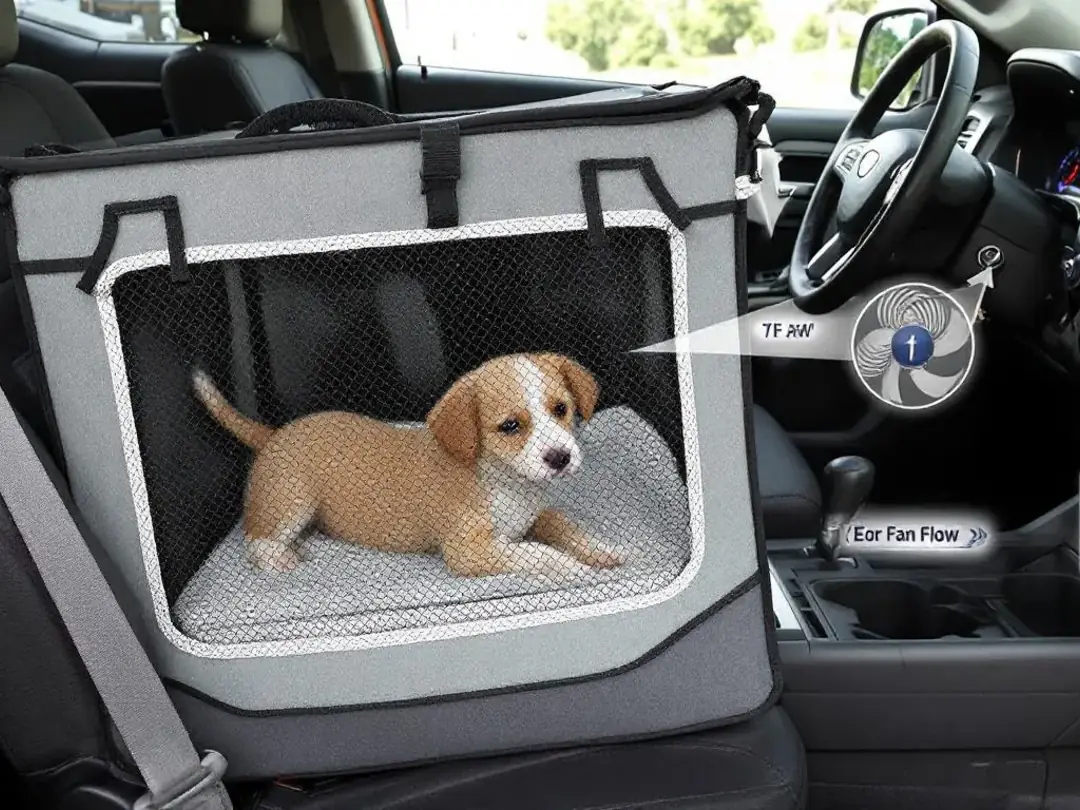
Proper positioning within the vehicle significantly impacts motion perception and overall comfort during travel. Strategic placement can minimize the sensory conflicts that trigger motion sickness while ensuring safety.
Crate positioning on the car floor provides the most stable location with minimal motion sensation. Rear-facing crate placement can further reduce visual stimulation that contributes to sensory conflict. Ensure the crate is properly secured to prevent sliding during normal driving maneuvers.
Safety harness alternatives work for puppies who cannot tolerate crate confinement. Use crash-tested pet safety harnesses designed specifically for cars, ensuring proper fit and attachment to appropriate anchor points. Never use regular collars or leashes, as these can cause injury during sudden stops.
Visual restriction helps many dogs experiencing motion sickness. Before actual travel, start acclimating your puppy by placing them in a parked car to help them get used to the environment. Avoid allowing your puppy to look out side windows during travel, as the rapidly passing scenery can intensify sensory confusion. Instead, encourage them to face forward or rest with minimal visual stimulation. Consider crate placement that restricts the dog's field of view to further reduce sensory input.
Environmental controls within the vehicle should prioritize stability and comfort. Position the crate away from direct sunlight and air conditioning vents that could create temperature fluctuations or excessive air movement. Ensure proper ventilation without creating drafts that might be uncomfortable.
Strategic location within the vehicle matters significantly. The middle seat or floor area typically experiences less motion than positions near the front or rear axles. This reduced motion sensation can make a substantial difference for motion-sensitive puppies.
Medical Remedies and Supplements
Veterinary Medications
When behavioral and environmental modifications prove insufficient, prescription medications can provide effective relief for severe motion sickness cases. Several FDA-approved and off-label options are available through veterinary consultation.
Cerenia (maropitant citrate) represents the gold standard for treating motion sickness in dogs. This medication is specifically designed to prevent motion sickness in dogs during travel by blocking the neurokinin-1 receptors in the brain that mediate nausea and vomiting. Approved for puppies 4 months and older, Cerenia demonstrates approximately 90% effectiveness in preventing vomiting when administered 2 hours before travel. The medication is generally well-tolerated, with mild salivation being the most common side effect.
Antihistamines offer off-label alternatives for motion sickness prevention. Dramamine (dimenhydrinate) given 30-60 minutes before travel can help reduce vestibular stimulation. Other options include meclizine and diphenhydramine, though proper veterinary guidance is essential for safe dosing based on your puppy's weight and age.
Anti-anxiety medications may benefit puppies whose motion sickness stems primarily from travel-related stress. These prescription medications work best when combined with behavioral modification techniques and should always be used under veterinary supervision.
Timing considerations are crucial for medication effectiveness. Most motion sickness medications require administration 2-3 days before travel for optimal results, particularly for severe cases. This advance timing allows the medication to reach therapeutic levels and provides maximum protection during travel.
Always consult your veterinarian before administering any medication to your puppy. Proper dosing calculations based on weight, age, and health status are essential for both safety and effectiveness.
Natural Supplements
Natural supplements can provide gentler alternatives for mild motion sickness or complement other treatment approaches:
Ginger supplements offer natural anti-nausea properties that may help some dogs. Typical dosing ranges from 5-10mg per pound of body weight, though veterinary guidance ensures appropriate amounts for your specific puppy. Ginger works by affecting serotonin receptors involved in nausea sensation.
CBD oil formulated specifically for dogs shows promise for anxiety-related motion sickness components. Quality, third-party tested products designed for pets provide the safest options, though veterinary consultation remains important for proper dosing and safety verification.
Probiotics can support overall digestive health and may help puppies who experience stomach upset related to travel stress. Regular probiotic supplementation before travel periods can help maintain healthy gut bacteria balance.
Flower essences such as Rescue Remedy or other Bach flower preparations are sometimes recommended for travel anxiety. While scientific evidence is limited, many pet owners report success with these gentle approaches for stress-related symptoms.
Safety verification with your veterinarian is essential before starting any supplement regimen. Even natural products can interact with other medications or cause adverse effects in some puppies, making professional guidance valuable for safe implementation.
Driving Techniques to Reduce Puppy Sickness
Your driving style directly impacts the intensity of motion sensations your puppy experiences. Smooth, predictable driving techniques can significantly reduce the likelihood of triggering motion sickness symptoms. It's also important for drivers to stay calm during travel, as a calm demeanor can help reduce your puppy's anxiety and motion sickness symptoms.
Acceleration and braking patterns should be as gradual as possible. Sudden speed changes create intense motion sensations that can overwhelm a puppy's developing vestibular system. Practice smooth acceleration from stops and gentle braking well before intersections or turns.
Turning techniques make a substantial difference in motion intensity. Take wide, gentle turns instead of sharp corners whenever safely possible. Sharp turns create lateral motion forces that can be particularly troublesome for motion-sensitive puppies.
Speed consistency helps minimize motion variation. Maintain steady speeds between 45-55 mph when road conditions allow. Frequent speed changes, even within legal limits, create motion variations that can trigger symptoms in susceptible dogs.
Route planning should prioritize smooth roads over scenic but winding alternatives. Avoid mountainous or hilly routes that require frequent elevation changes and sharp curves. The shortest, most direct route often provides the smoothest travel experience for car sick puppies.
Traffic considerations matter more than many pet owners realize. Stop-and-go traffic creates frequent acceleration and deceleration patterns that can be particularly challenging for motion-sensitive dogs. When possible, time travel to avoid peak traffic periods.
Long-Term Desensitization Remedies
Systematic desensitization represents the most effective long-term solution for preventing motion sickness and building positive car associations. This evidence-based approach gradually exposes your puppy to car-related experiences at a pace they can handle successfully.
Gradual Car Exposure Training
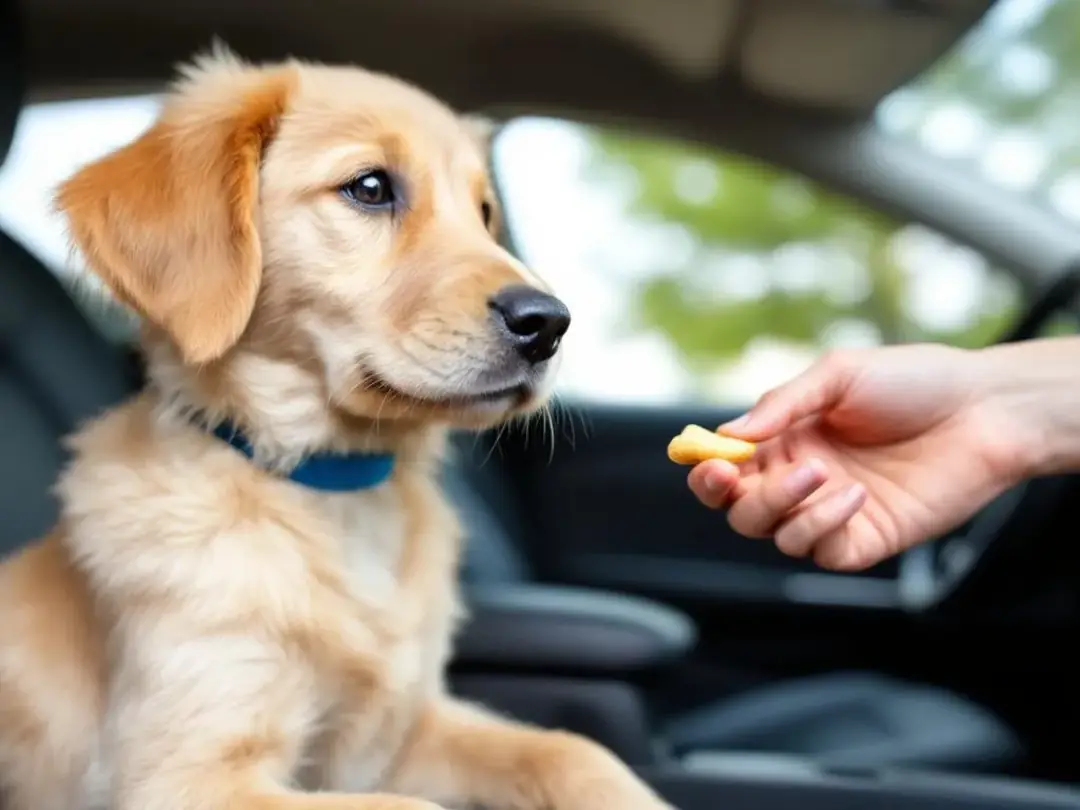
Week 1 foundation involves sitting with your puppy in a stationary car for 5-10 minutes daily. During these sessions, provide high-value treats and praise to create positive associations with the car environment. Keep the engine off and focus on making the car a comfortable, rewarding space.
Week 2 progression introduces engine noise while remaining stationary. Start the engine and sit for 10-15 minutes while continuing to provide treats and positive reinforcement. This step helps your puppy adjust to car sounds and vibrations without the complexity of motion.
Week 3 movement introduction begins with very short drives around the block lasting only 2-3 minutes. End these initial trips at your starting location to avoid creating anxiety about destinations. Focus on smooth driving techniques and immediate positive reinforcement upon return.
Week 4 expansion extends trips to 10-15 minutes while introducing enjoyable destinations like dog parks or pet-friendly stores. This step begins building positive associations between car rides and fun experiences rather than just veterinary visits or other necessities.
Ongoing progression continues building up to longer journeys over 4-6 weeks, always monitoring your puppy's comfort level and adjusting the pace as needed. Some puppies progress faster than others, and patience with individual differences ensures long-term success.
Positive Association Building
Creating strong positive associations with car travel helps counteract any negative conditioning that may have developed from early motion sickness experiences.
Destination strategy involves deliberately ending car rides at enjoyable locations. Plan short trips to dog parks, pet stores, or friends' houses where your puppy can have positive experiences. This approach helps your dog learn that car rides lead to good things rather than just necessary but stressful appointments.
High-value reinforcement during calm car behavior strengthens positive associations. Use your puppy's favorite treats, special toys, or preferred activities as rewards for relaxed behavior in the car. The key is making the car experience more rewarding than staying home.
Timing optimization involves practicing car rides before meal times when your puppy is naturally motivated by food rewards. This hunger-driven motivation can help overcome mild anxiety or reluctance about car travel.
Clicker training provides precise communication about desired behaviors. Mark and reward the exact moment your puppy displays calm, relaxed behavior in the car. This clear feedback helps accelerate the learning process and builds confidence.
Patience and consistency remain essential throughout the training process. Never force or rush the desensitization process, as this can create setbacks and reinforce negative associations. Gradually progress through each stage ensures lasting success and prevents regression.
When to Seek Veterinary Help
While most puppy car sickness resolves with time and appropriate management, certain situations require professional veterinary intervention to ensure your pet's health and safety.
Severe dehydration following vomiting episodes represents a serious concern requiring immediate attention. Signs include pale or tacky gums, lethargy, loss of skin elasticity, and decreased urination. Young puppies can become dangerously dehydrated quickly, making prompt veterinary care essential.
Persistent symptoms beyond 6 months of age warrant professional evaluation. While most puppies naturally outgrow motion sickness by their first birthday, continued symptoms may indicate underlying conditions requiring medical attention or more intensive treatment approaches. For dog motion sickness dogs, management and recovery strategies may include dietary recommendations such as feeding smaller, easily digestible meals before travel, as well as medication options prescribed by your veterinarian to help control symptoms and support recovery.
Extended appetite loss lasting more than 24 hours post-travel should prompt a veterinary consultation. Puppies need consistent nutrition for healthy growth and development, making prolonged appetite suppression a concern requiring professional assessment.
Signs of inner ear infections including head tilting, balance issues, unusual head shaking, or discharge from ears require immediate veterinary examination. Ear infections can worsen motion sickness symptoms and need specific medical treatment to resolve completely.
Extreme anxiety that doesn't respond to training and natural remedies may benefit from prescription anti-anxiety medications or professional behavior consultation. Some puppies develop severe phobias around car travel that require more intensive intervention than standard desensitization protocols.
Breathing difficulties during or after car rides, including excessive panting, wheezing, or labored breathing, should be evaluated immediately. These symptoms could indicate more serious conditions beyond simple motion sickness.
Contact your veterinarian promptly if you observe any of these warning signs. Early intervention often prevents complications and improves long-term outcomes for puppies struggling with severe car sickness. Your veterinary team can also provide personalized recommendations based on your puppy's specific breed, health status, and individual needs.
Conclusion
Successfully managing puppy car sickness requires a comprehensive approach combining immediate relief strategies, preventive measures, and long-term conditioning. Most young dogs will naturally outgrow motion sickness as their inner ear fully develops, but implementing these evidence-based remedies can significantly improve their comfort during the transition period.
Remember that every puppy is unique, and what works best may vary between individuals. Start with environmental modifications and gradual desensitization training, adding medical interventions when necessary under veterinary guidance. Patience and consistency in your approach will help your puppy develop positive associations with car travel that last throughout their adult life.
The key to success lies in preventing motion sickness from becoming a deeply ingrained fear or conditioned response. By implementing these puppy car sickness remedies systematically and maintaining realistic expectations about the timeline for improvement, you can help your young dog become a confident, comfortable travel companion.
If your puppy's car sickness persists despite implementing these strategies, don't hesitate to consult your veterinarian for personalized recommendations. Professional guidance ensures you're using the most appropriate and safe approaches for your specific situation, setting the foundation for years of enjoyable car trips together.


