Understanding what to expect during your male dog's neuter recovery can significantly reduce anxiety for pet owners and ensure the best possible outcome for your furry companion. Dog neuter surgery is considered a routine procedure in veterinary medicine, but proper post operative care remains crucial for smooth recovery and your dog's long term health.
This comprehensive day-by-day guide walks you through every stage of the healing process, from the moment your dog comes home through complete recovery. Most dogs experience uncomplicated healing when pet parents follow appropriate activity restrictions and monitoring protocols. However, knowing the warning signs and understanding normal recovery milestones helps ensure your pet's surgery results in optimal health outcomes.
The recovery period typically spans about two weeks, though internal healing continues beyond what's visible externally. Each phase brings specific care requirements and potential concerns that responsible pet ownership demands you understand thoroughly.
Day of Surgery: What to Expect When Your Dog Comes Home
Most dogs return home the same evening with a small incision near the scrotum and shaved surgical area. The incision site will appear pink or mildly red with visible sutures or surgical glue holding the edges together. This small surgical site represents where the veterinarian accessed and removed the testicles during the procedure.
Expect drowsiness and grogginess for 12-24 hours due to anesthesia effects. General anesthesia impacts coordination and alertness, so your dog may seem unsteady or disoriented initially. Most male dogs prefer to sleep extensively during this period, which supports the healing process.
Offer a small meal (quarter of normal portion) if your dog shows interest in food. Many dogs experience reduced appetite or upset stomach from anesthesia, making smaller portions more appropriate than forcing normal feeding schedules. Fresh water should remain available, though some pets drink less initially.
Provide a quiet, comfortable resting area away from stairs and other pets. Choose a small room or crate where your dog can rest undisturbed. Other dogs may attempt to play or investigate the surgical area, potentially disrupting healing.
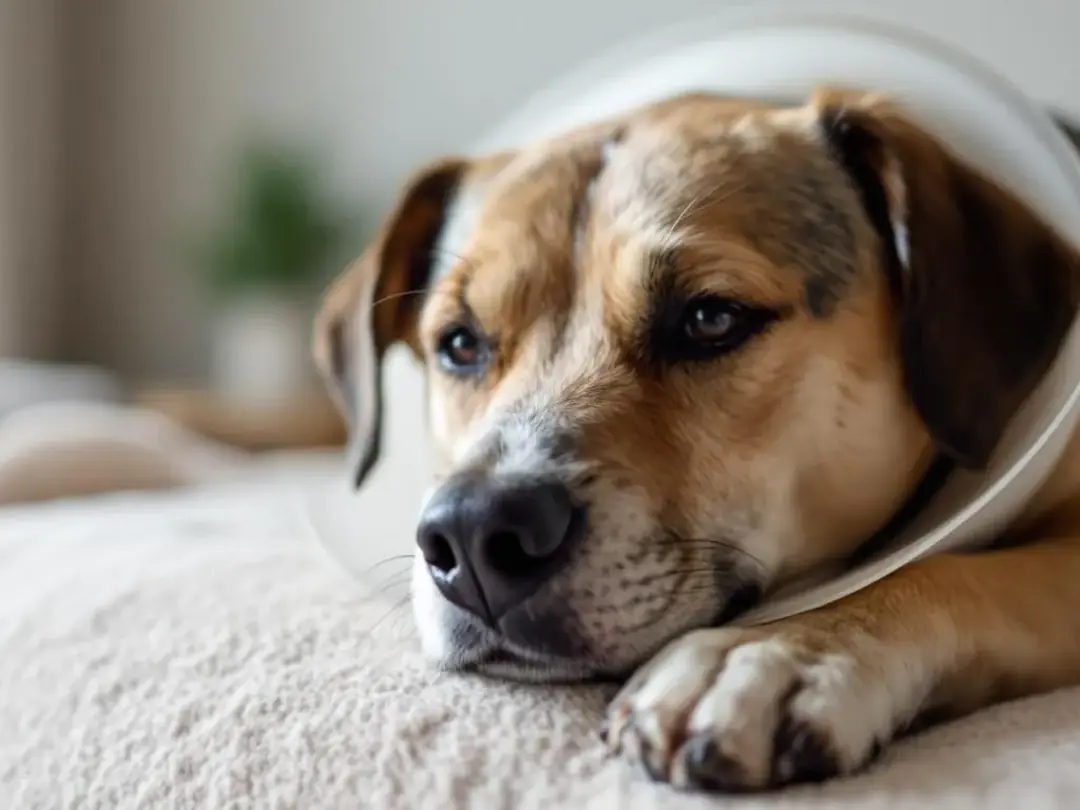
Begin using the e collar immediately to prevent licking the surgical site. The recovery cone prevents access to the incision, which is essential since even gentle licking can introduce bacteria and delay proper healing. Most pets adjust to wearing the collar within 24-48 hours.
Monitor breathing and responsiveness - contact your veterinarian if your dog appears unusually sluggish or unresponsive beyond normal post-anesthesia effects. While drowsiness is expected, complete unresponsiveness or labored breathing requires immediate attention.
Days 1-2: Initial Recovery Phase
Continue monitoring for anesthesia effects which should completely wear off by 24-48 hours. Your dog's coordination and alertness should steadily improve during this timeframe. Persistent grogginess beyond 48 hours may indicate complications requiring veterinary evaluation.
Resume normal feeding schedule if no vomiting or gastrointestinal upset occurs. Most dogs regain their appetite within 24-48 hours. If your dog refuses food beyond this period or shows signs of nausea, contact your veterinarian for guidance about the dog's diet modifications.
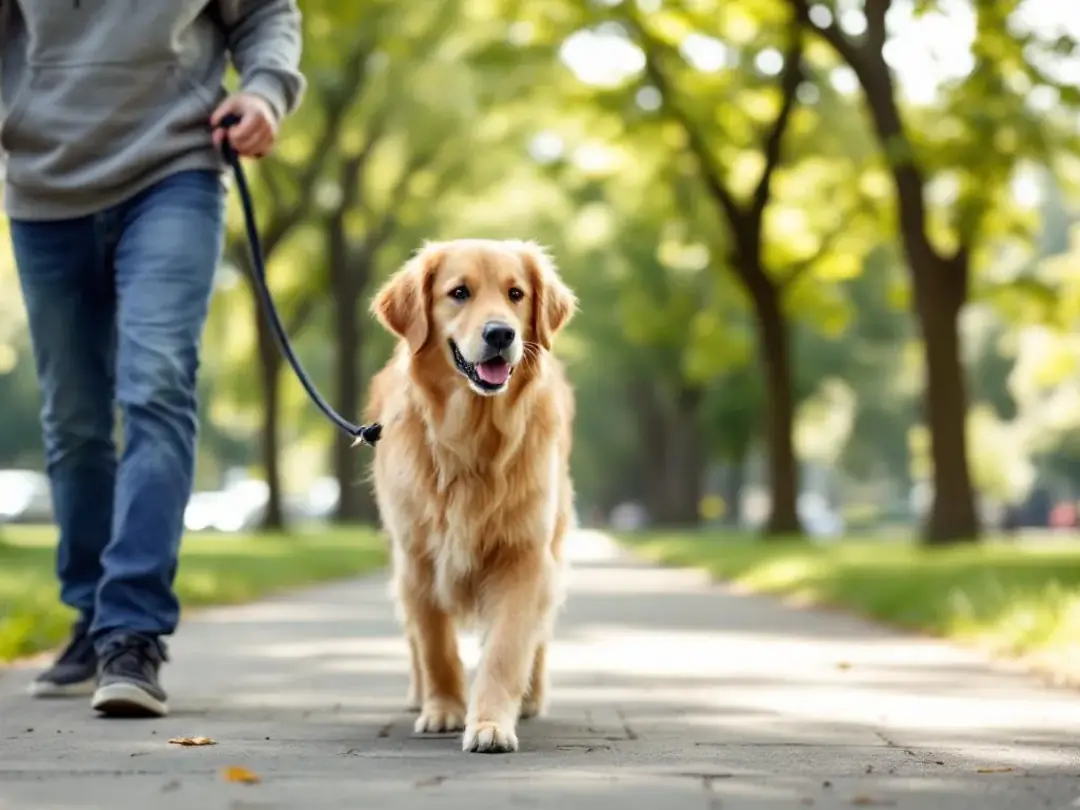
Allow only short, supervised bathroom breaks on leash - no running or jumping. These brief outings should focus solely on elimination needs. The internal healing process remains fragile during these initial days, making activity restriction absolutely critical for preventing complications.
Mild swelling around incision edges is normal and should begin improving by day 2. Some localized inflammation supports the natural healing process. However, excessive swelling that worsens or doesn't begin resolving by day 2 requires veterinary assessment.
Small amounts of clear or blood-tinged drainage in the first 24-72 hours is expected. This minimal discharge represents normal tissue fluid and healing responses. Persistent heavy drainage, pus, or foul-smelling discharge indicates potential infection requiring immediate attention.
Begin twice-daily incision checks for redness, swelling, or discharge. Establish a routine examination schedule to monitor healing progress consistently. Document changes with photos if possible, as this helps track improvement and provides valuable information for your veterinarian if concerns arise.
Administer prescribed pain medications exactly as directed by veterinarian. Pain relief supports comfortable recovery and prevents stress that can impair healing. Never substitute human pain medications, as many common analgesics prove toxic to dogs. Anti inflammatory medications may be prescribed to manage both pain and swelling.
Keep the surgical site clean and dry - no bathing during the recovery period. Moisture can soften healing tissues and increase infection risk. If the area becomes soiled, gently clean with veterinarian-approved antiseptic wipes rather than water exposure.
Days 3-7: Active Healing Week
Energy levels typically return to normal but continue strict activity restrictions. Many pet owners notice their dog seems completely recovered during this phase, but so healing remains incomplete internally. The incision may appear healed superficially while deeper tissues continue repairing.
The incision should show signs of healing with edges beginning to seal together. Healthy healing appears as edges drawing closer, reduced redness, and minimal swelling. The surgical site should feel less warm to touch as inflammation subsides.
Some bruising and scab formation around the surgical site is normal. Light bruising may become more visible as initial swelling decreases. Small scabs protect healing tissue underneath and should not be removed or disturbed.
Continue e collar use 24/7 to prevent licking and chewing the incision. Even brief periods without the recovery cone can result in significant damage to healing tissues. Dogs often attempt to remove sutures or irritate the area when left unsupervised without protection.
Maintain leash-only bathroom breaks and avoid contact with other dogs. Social interactions can trigger excitement leading to jumping or running, which strains healing tissues. Other pets may also investigate or play roughly around the surgery site.
Monitor for seromas (fluid-filled swellings) which can develop from overactivity. These soft, fluctuant swellings result from tissue fluid accumulation and typically resolve with continued rest. However, large seromas may require drainage by your veterinarian.
No strenuous activities including running, jumping, climbing stairs, or rough play. Physical activity increases blood pressure and movement that can disrupt internal sutures. Even activities that seem mild can cause significant complications during this critical healing phase.
Keep your dog separated from unspayed female dogs to prevent mounting behaviors. Testosterone levels remain elevated for several weeks post-surgery, so intact females may still trigger sexual behaviors that involve pelvic thrusting and increased activity levels.
Days 8-14: Final Healing Phase
The incision should be well-healed with sealed edges and minimal to no swelling. By this stage, the surgery site typically appears as a thin line with surrounding tissue returning to normal coloration. The area should feel cool and comfortable to gentle touch.
Sutures or staples may be ready for removal around day 10-14, though your veterinarian will determine the exact timing. Some practices use surgical glue or dissolvable sutures that don't require removal. Non-dissolvable sutures need professional removal to prevent tissue irritation.
Continue activity restrictions until your veterinarian clears your dog for normal activity. Even when the incision appears fully healed, internal tissues may still be strengthening. Premature return to vigorous exercise can cause complications not visible externally.
Gradually reduce pain medication as directed - never stop abruptly. Some dogs may still experience mild discomfort during this phase, particularly larger dogs or those healing more slowly. Follow veterinary guidance about tapering pain medications rather than stopping suddenly.
Schedule a follow-up appointment for suture removal and healing assessment. This recheck allows your veterinarian to evaluate healing progress and provide clearance for returning to normal activities. Many practices include this visit in the initial surgery cost.
Watch for any signs of infection including persistent redness, discharge, or foul odor. While rare at this stage, late-developing infections can occur and require immediate treatment. Trust your instincts if something seems abnormal about the surgical site appearance or smell.
The e collar should remain on until your veterinarian confirms complete healing. Removing protection too early can result in self-trauma that delays recovery or causes complications requiring additional treatment. Most pets need cone protection for the full two weeks.
Begin planning return to normal exercise routine pending veterinary approval. Once cleared, gradually increase activity over several days rather than immediately returning to full exercise. This progressive approach helps ensure internal healing can support increased demands.
Daily Care Essentials Throughout Recovery
Check the incision site twice daily for changes in appearance or healing progress. Establish consistent timing, such as morning and evening, to monitor the surgical site systematically. Good lighting helps identify subtle changes that might indicate developing problems.
Maintain strict activity restrictions to protect internal sutures and healing tissue. Internal healing lags behind external appearance, making continued restrictions essential even when dogs seem completely normal. Premature activity represents the most common cause of complications during dog neuter recovery.
Ensure the e collar stays on at all times - even during supervised moments. Many complications occur during brief periods when well-meaning pet parents remove the cone "just for a few minutes." Dogs can cause significant damage very quickly when given access to the healing incision.
Keep the surgical area dry and clean - postpone baths until veterinary approval. Water exposure can soften healing tissues and introduce bacteria. If your dog becomes dirty, use pet-safe wipes to clean other areas while protecting the incision site.
Monitor appetite, water intake, and elimination patterns daily. Changes in these basic functions can indicate developing complications or pain that affects your dog's wellbeing. Most pets should return to normal patterns within 48-72 hours post-surgery.
Administer medications on schedule and never give human pain relievers. Consistency in pain medication timing helps maintain comfortable recovery. Human medications like ibuprofen or acetaminophen can be toxic to dogs and should never be substituted for prescribed veterinary medications.
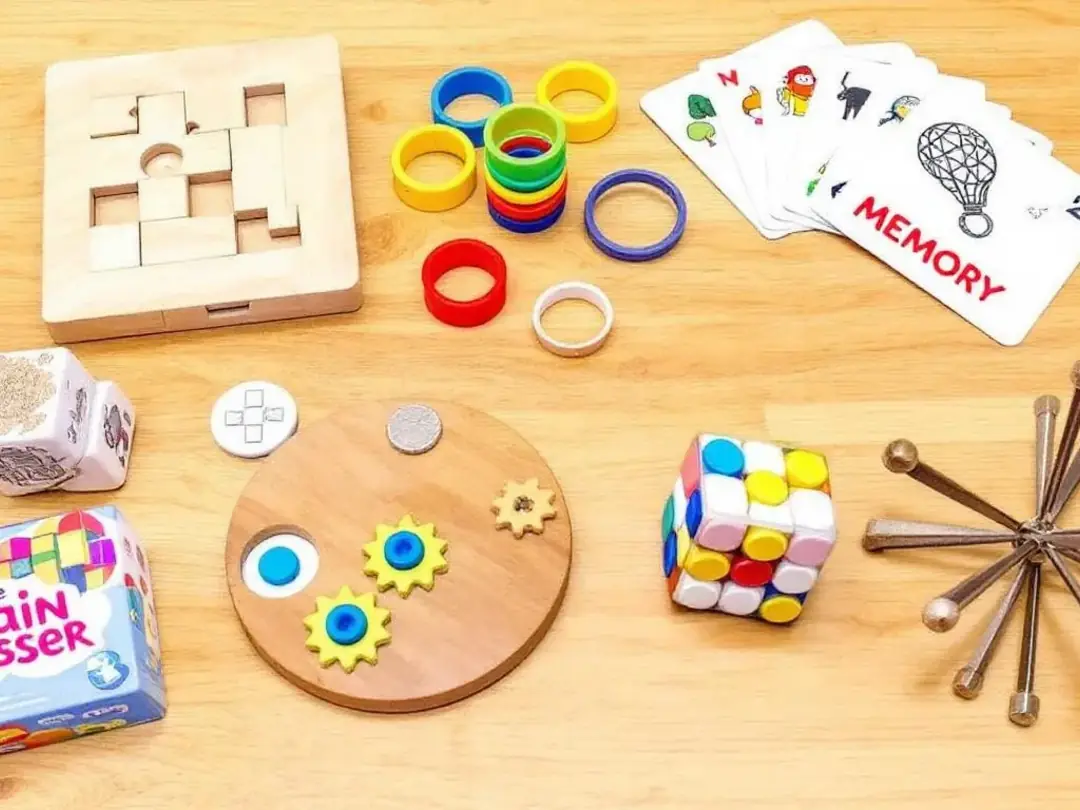
Provide mental stimulation through puzzle toys since physical activity is limited. Boredom can lead to increased focus on the incision site or restless behavior that impedes healing. Interactive toys, training sessions, and gentle mental exercises help maintain your dog's psychological wellbeing during pet rest periods.
Document any concerns or changes to discuss with your veterinarian. Keep a simple log noting daily observations about appetite, elimination, incision appearance, and behavior. This information helps your veterinary team make informed decisions if problems arise.
Warning Signs Requiring Immediate Veterinary Attention
Excessive bleeding, persistent oozing, or foul-smelling discharge from the incision requires immediate evaluation. While minimal drainage is normal initially, continuing or increasing discharge suggests infection or healing complications. Blood-tinged fluid should decrease steadily rather than persist or worsen.
Incision gaps opening, missing sutures, or significant swelling after day 3 indicates serious healing problems. Wound dehiscence (opening) can occur from excessive activity or poor healing and may require surgical repair. Missing sutures might indicate your dog accessed the site despite the e collar.
Difficulty breathing, pale gums, or signs of hemorrhaging suggest potential internal bleeding complications. While rare, internal bleeding can be life-threatening and requires emergency veterinary care. Weakness, collapse, or abnormal gum color warrant immediate attention.
Persistent vomiting, diarrhea, or complete loss of appetite beyond 24 hours may indicate medication reactions or other complications. Gastrointestinal upset should resolve quickly in healthy dogs. Continuing problems can lead to dehydration and impaired healing.
Extreme lethargy, unresponsiveness, or inability to urinate normally suggests serious complications requiring urgent care. While some tiredness is expected, extreme changes in consciousness or elimination patterns indicate potential medical emergencies.
Scrotal swelling persisting beyond 48 hours or worsening over time needs veterinary assessment. Some initial swelling is normal, but progressive enlargement or swelling that doesn't begin resolving suggests complications like seroma formation or infection.
Signs of severe pain despite prescribed pain medication indicate inadequate pain control or developing complications. Dogs may show pain through reluctance to move, excessive panting, restlessness, or vocal complaints. Effective pain relief should keep your dog comfortable throughout recovery.
Any behavioral changes suggesting distress or complications warrant veterinary consultation. Sudden personality changes, aggression when touched near the surgical area, or other unusual behaviors may indicate pain or medical problems requiring professional evaluation.
Activity Restrictions and Exercise Guidelines
Confine your dog to a crate or small room when unsupervised during the first week. Controlled environments prevent accidental injury from jumping off furniture, running, or interacting with other pets. Most dogs adjust well to temporary confinement when provided with comfortable bedding and mental stimulation.
Use a harness instead of collar for bathroom breaks to avoid pressure on the neck. Harnesses distribute pulling force across the chest rather than concentrating pressure on the neck area near potential drainage or swelling. This equipment change supports comfortable, controlled movement during healing.
No running, jumping, playing with other dogs, or climbing stairs for 10-14 days represents the most critical restriction for successful recovery. These activities create internal pressure and movement that can disrupt healing tissues or cause suture failure. Even seemingly gentle play can result in sudden movements that compromise healing.
Avoid swimming, bathing, or any activities that could wet the incision. Water exposure softens healing tissues and provides an environment for bacterial growth. Even rain exposure should be minimized by using protective coverings during necessary outdoor trips.
Consider mild sedatives if your dog becomes overly excited or difficult to contain. High-energy breeds or anxious dogs may benefit from veterinary-prescribed calming medications to support rest during recovery. Never use human sedatives, as these can be dangerous for dogs.
Gradually increase activity only after veterinary clearance at the recheck appointment. Even with professional approval, return to normal exercise should be progressive over several days. Start with longer leash walks before progressing to off-leash activity or play with other pets.
Resume normal exercise routine slowly over several days following veterinary approval. Sudden return to vigorous activity can strain healing tissues that may still be strengthening internally. Monitor your dog for any signs of discomfort or unusual fatigue during activity increases.
Monitor for any signs of strain or complications when activity increases. Watch for limping, reluctance to move, or changes in the incision site appearance when exercise levels rise. These signs may indicate healing isn't complete despite external appearances.
Long-term Recovery and Behavioral Changes
Full hormonal changes and behavioral modifications may take 2-4 weeks to appear following dog neutering. Testosterone levels decline gradually rather than stopping immediately after surgery. Some behaviors driven by hormones require time to diminish as hormone levels decrease.
Separation from unspayed female dogs should continue for 30 days post-surgery to prevent unwanted litters. Neutered dogs can still reproduce for several weeks while residual testosterone and viable sperm remain in their system. This precaution prevents unwanted puppies and protects your dog from excitement that could disrupt healing.
Some behaviors like marking and aggression may persist if already learned habits rather than purely hormonal responses. Dog spay and neuter procedures address hormone-driven behaviors but don't eliminate learned behavioral patterns. Additional training may be needed for established unwanted behaviors.
Personality and basic temperament typically remain unchanged after neutering, contrary to some concerns about major surgery affecting character. Most dogs retain their individual personalities while potentially showing reduced hormone-driven behaviors like roaming or mounting.
Monitor weight gain tendencies and adjust your dog's diet as metabolism may slow slightly following neutering. Some neutered dogs gain weight more easily due to hormonal changes affecting metabolism. Early intervention with diet modifications helps maintain healthy body condition.
Schedule regular check-ups to monitor the long-term health benefits of neutering, including reduced risks of testicular cancer and certain prostate problems. Responsible ownership includes ongoing veterinary care to maximize the health advantages of spay and neuter procedures.
Discuss any persistent behavioral concerns with your veterinarian or qualified dog trainer. Professional guidance helps address behavior issues that don't resolve with neutering alone. Many dogs benefit from continued training and socialization regardless of neuter status.
Maintain proper identification since neutered dogs may be less likely to roam but can still become lost. Pet insurance and identification tags remain important for all dogs regardless of reproductive status. Microchipping provides permanent identification that supports reunion if separation occurs.
Ensuring Successful Recovery
Neuter recovery day by day requires patience, vigilance, and strict adherence to veterinary guidelines, but most pets achieve full recovery within two weeks when provided with proper care. The healing process progresses predictably when pet parents understand each phase and maintain appropriate restrictions throughout the recovery period.
Success depends on consistent monitoring, appropriate activity limitations, and prompt attention to any warning signs that indicate complications. While the majority of dogs experience uncomplicated healing, being prepared for potential issues ensures the best possible outcomes for your furry companion.
The investment in careful post operative care pays dividends in your dog's long term health, reduced risk of certain cancers, and elimination of unwanted behaviors. Many dogs show improved focus and reduced anxiety once hormonal fluctuations stabilize following complete recovery.
Remember that every dog heals at a slightly different pace, with factors like age, size, and overall health influencing recovery timelines. Older pets or larger dogs may need additional time, while young, healthy animals often heal at the faster end of the normal range. Trust your veterinarian's guidance about your individual dog's progress and clearance for returning to normal activities.