Key Takeaways
-
Mini goldendoodles typically weigh 15-35 pounds and stand 13-20 inches tall when fully grown
-
They reach full adult size between 11-13 months of age, with growth plateauing around 7-10 months
-
Size is primarily determined by genetics from golden retriever and miniature poodle parents
-
Three main size categories exist: Miniature (15-30 lbs), Small Standard (30-45 lbs), and Large Standard (45-90 lbs)
-
Proper nutrition, exercise, and veterinary care are essential for healthy development
Understanding Mini Goldendoodle Size Basics
When you're considering bringing home a mini goldendoodle puppy, one of the first questions that comes to mind is: "How big will this adorable furry friend actually get?" Understanding your mini goldendoodle's size isn't just about curiosity-it's about making sure this versatile breed fits your living space, lifestyle, and long-term plans.
A mini goldendoodle is a hybrid breed created by crossing a golden retriever with a miniature poodle or toy poodle. This intentional combination aims to capture the best traits from both parent breeds: the golden retriever's friendly temperament and the poodle's hypoallergenic coat qualities. The result is a compact size dog that typically weighs between 15-35 pounds and stands 13-20 inches tall at full maturity.
Comparing mini goldendoodles to other goldendoodle sizes helps put their dimensions in perspective. While standard goldendoodles can weigh 50-90 pounds and stand over 20 inches tall, and toy goldendoodles might only reach 10-20 pounds, mini goldendoodles occupy that perfect middle ground. They're larger than toy goldendoodles but significantly smaller than their standard counterparts, making them ideal for families seeking a manageable yet robust companion.
The hybrid breed characteristics mean that predicting exact size can be challenging. The size, height, and weight of mini goldendoodles can vary depending on genetics, diet, exercise, and overall health. Unlike purebred dog breeds with established standards, mini goldendoodles show natural variation due to their mixed ancestry. Most mini goldendoodles will fall within the expected range, but individual dogs may be slightly larger or smaller depending on which parent breeds contribute more to their genetic makeup.
This size variation is actually one reason why potential dog owners should work with reputable breeders who can provide information about the parent dogs' sizes and previous litter outcomes. Understanding these basics helps set realistic expectations for your goldendoodle puppy's growth journey.
Mini Goldendoodle Size Categories
The mini goldendoodle's size isn't quite as straightforward as a single measurement range. Breeders and enthusiasts typically recognize three distinct size categories within what's broadly called "mini" goldendoodles, each with specific characteristics and breeding backgrounds.
Miniature goldendoodles, as a group, are known for their small stature, friendly temperament, and suitability as family pets. Compared to other breeds, miniature goldendoodles often have a low-shedding, wavy or curly coat that requires regular grooming, and they are prized for their affectionate nature and adaptability to various living environments.
Miniature Category: 15-30 pounds, 13-20 inches tall
The classic miniature goldendoodle represents what most people expect when they hear "mini." These dogs result from crossing a golden retriever with a miniature poodle, producing dogs that typically weigh between 15-30 pounds and stand 13-20 inches tall. This size category offers the perfect balance for families wanting a dog that's substantial enough for active play but small enough for apartment living and easy handling.
Small Standard Category: 30-45 pounds, 17-20 inches tall
Small standard mini goldendoodles push the upper boundaries of what's considered "mini" but remain popular for good reason. Weighing 30-45 pounds and standing 17-20 inches tall, these dogs often result from breeding with a smaller standard poodle rather than a true miniature. They offer slightly more substance while remaining manageable for most families.
Large Standard Category: 45-90 pounds, 20-24 inches tall
This category technically crosses into standard goldendoodle territory, but some breeders market these larger dogs as "large mini" goldendoodles. At 45-90 pounds and 20-24 inches tall, these dogs appeal to families who want the goldendoodle temperament in a more substantial package while still being smaller than the largest standard goldendoodles.
The breeding combinations that produce each category depend heavily on the poodle parent. A toy poodle crossed with a golden retriever might produce the smallest miniatures, while a standard poodle parent will likely result in the larger categories. Understanding these distinctions helps you communicate clearly with breeders about your size preferences and expectations.
Growth Timeline and Development Stages
Watching your mini goldendoodle puppy grow is one of the most rewarding parts of dog ownership, but understanding the timeline helps you track healthy development and plan accordingly. Monitoring your mini goldendoodle's growth through these stages is essential to ensure healthy development and set realistic size expectations. The growth patterns of mini goldendoodles follow predictable stages, though individual dogs may progress slightly faster or slower.
Early Growth Stage (1-2 months): 1.5-9 pounds
During the early months, goldendoodle puppies experience rapid growth. At one month, most mini goldendoodle puppies weigh between 1.5-2 pounds. By two months, when many families bring their new puppy home, weights typically range from 2-4 pounds for males and 2-3 pounds for females. Heights at this stage usually measure 4-8 inches tall.
This rapid growth phase requires careful attention to proper nutrition and gentle handling. The puppy's bones and joints are developing quickly, making this a crucial time for establishing healthy growth patterns through a balanced diet and appropriate activity levels.
Mid-Growth Stage (3-6 months): 4-15 pounds
Between three and six months, mini goldendoodles typically weigh 4-15 pounds and stand 5-9 inches tall. This stage marks significant developmental milestones beyond just physical growth. Around four to five months, most puppies reach approximately half their adult weight, making this a useful predictor for final size.
The growth timeline during this period shows noticeable changes weekly rather than daily. Owners often notice their puppy's legs getting longer, their coat changing texture, and their overall proportions shifting toward a more adult-like appearance.
Late Growth Stage (7-12 months): Approaching Full Size
From seven months onward, the growth stages shift from rapid expansion to gradual filling out. By six months, male mini goldendoodles often weigh 14-18 pounds while females typically reach 10-12 pounds. The rate of growth slows significantly, but dogs continue gaining weight and muscle mass through their first year.
When Mini Goldendoodles Stop Growing
Most mini goldendoodles reach their full maturity between 11-13 months, though some may continue minor growth until 18 months. By 12 months, nearly all mini goldendoodles have achieved their adult size in terms of height, with only minor weight fluctuations as they develop muscle tone and reach their ideal body condition.
Puppy Development Phases
Understanding the behavioral and mental development phases helps you support your mini goldendoodle's growth beyond just physical measurements.
Toddler Stage (3-8 weeks): During this critical socialization period, puppies learn bite inhibition and basic social skills. Most reputable breeders keep puppies with their mothers and littermates through this entire phase.
Flight Instinct Period (4-8 months): As puppies develop confidence and independence, they may test boundaries and show increased curiosity about their environment. This phase coincides with significant physical growth.
Adolescence Phase (7-10 months): Just like human teenagers, goldendoodle puppies may show some behavioral challenges during adolescence. They're approaching their adult size but still developing mentally and emotionally.
Maturity Stage (1-3 years): While physical growth is complete, personality development continues through the first few years of life. Your mini goldendoodle's adult temperament fully emerges during this period.
Factors That Influence Mini Goldendoodle Size
Understanding the factors influencing mini goldendoodle size is essential for owners who want to ensure healthy growth and development. These factors include genetics, parent breed size, diet, exercise, and health conditions, all of which work together to determine your mini goldendoodle's final size.
Genetics as the Primary Factor
The most significant factor influencing your mini goldendoodle's size comes from the parent breeds. The poodle parent-whether toy, miniature, or small standard-contributes heavily to the final size outcome. A mini goldendoodle with a toy poodle parent will likely be smaller than one with a miniature poodle parent, while golden retriever parents contribute their own genetic influence toward a slightly larger frame.
Male mini goldendoodles typically grow 2-5 pounds heavier than females from the same litter, following patterns seen in both parent breeds. This size difference becomes more pronounced in larger categories but remains consistent across the breed.
Poodle Parent Size Impact
The poodle parent's size acts as a primary limiting factor for the mini goldendoodle's growth. Toy poodles weighing 4-6 pounds will produce notably smaller offspring than miniature poodles weighing 10-15 pounds. When breeding dogs specifically for mini goldendoodles, experienced breeders carefully select poodle parents based on desired size outcomes.
Golden Retriever Genetics Contribution
While the poodle parent often determines the upper size limit, golden retriever genetics influence bone structure, chest depth, and overall body proportions. Golden retriever parents contribute to the sturdy, athletic build that distinguishes goldendoodles from other poodle crosses.
Nutrition and Diet Quality Effects
Proper nutrition during the growth journey directly impacts healthy development. A balanced diet with appropriate protein levels supports steady growth without encouraging rapid weight gain that can stress developing joints. Overfeeding during puppyhood can lead to larger adult sizes and potential health issues, while underfeeding may result in smaller stature and developmental problems.
Exercise and Lifestyle Factors
Regular exercise appropriate for the puppy's age supports healthy muscle development and joint formation. However, excessive exercise during rapid growth phases can potentially impact joint development, while too little activity may contribute to obesity and poor muscle tone.
Health Conditions Affecting Growth
Certain health issues can influence growth patterns. Progressive retinal atrophy and other genetic conditions may affect overall development, while parasites or nutritional deficiencies can slow normal growth. Regular vet check ups help identify and address any factors that might impact your mini goldendoodle's growth timeline.
Size Comparison with Other Dog Breeds
Understanding how mini goldendoodles compare to other popular dog breeds helps potential owners visualize the size and determine compatibility with their lifestyle and preferences.
Mini goldendoodles share similar size ranges with several well-known breeds, making them familiar in scale to many dog lovers. Cocker Spaniels, weighing 20-30 pounds and standing 13-15 inches tall, offer a close comparison to smaller mini goldendoodles. However, mini goldendoodles typically have a leaner build and longer legs due to their poodle heritage. On average, mini goldendoodles weigh between 15-35 pounds, which places them in a similar weight range to cocker spaniels but significantly lighter than standard goldendoodles and many other larger breeds.
Comparing mini goldendoodles to standard goldendoodles reveals significant differences. Standard goldendoodles typically weigh 50-90 pounds and stand over 20 inches tall, making them substantial larger dogs more suited for families with ample space and experience with bigger breeds. The mini version provides similar temperament and characteristics in a more manageable package.
Medium goldendoodles, which fall between mini and standard sizes at roughly 35-50 pounds, represent another option for families wanting something larger than minis but smaller than standards. Medium sized goldendoodles appeal to families who love the goldendoodle breed but need a size that fits between the two extremes.
Toy goldendoodles, at the smaller end of the spectrum, typically weigh 10-20 pounds and appeal to those wanting an even more compact companion. However, the small stature of toy goldendoodles can make them more delicate and potentially less suitable for families with young children.
The size advantages of mini goldendoodles for apartment living and urban environments are considerable. Unlike larger dogs that may feel cramped in smaller living spaces, mini goldendoodles adapt well to apartments, condominiums, and urban homes. Their compact size also makes them easier to transport, whether for vet visits, travel, or everyday activities.
For families with children, the mini goldendoodle's size offers an ideal balance. They're large enough to handle the enthusiastic attention of children without being fragile, yet small enough that they won't accidentally knock down small children during play. This makes them great family pets for households with kids of various ages.
Nutrition Requirements for Optimal Growth
Feeding your mini goldendoodle properly during their growth stages sets the foundation for lifelong health and helps ensure they reach their genetic potential for size and development.
Puppy Feeding Schedules
Growing mini goldendoodles need more frequent meals than adult dogs to support their rapid development. Puppies under four months should eat 3-4 meals daily, spaced evenly throughout the day. This frequent feeding schedule helps maintain stable blood sugar levels and provides consistent nutrients for growth.
As puppies mature, you can gradually reduce meal frequency. By six months, most mini goldendoodles do well with twice-daily feeding, a schedule that can continue into adulthood. The key is consistency-feeding at the same times each day helps establish routine and aids digestion.
Transitioning from Puppy to Adult Food
The timing for switching from puppy to adult food depends more on your dog's development than their age. Since mini goldendoodles typically reach full maturity between 11-13 months, the transition usually occurs around 10-12 months of age. However, dogs that reach their adult size earlier may transition sooner, while late bloomers might benefit from puppy food slightly longer.
Make the transition gradually over 5-7 days, mixing increasing amounts of adult food with decreasing amounts of puppy food. This prevents digestive upset while allowing your dog to adjust to the new nutritional profile.
Nutritional Needs Through Growth Phases
During the early months of rapid growth, mini goldendoodles need higher protein and fat content to support their developing muscles, bones, and organs. Puppy formulas typically contain 25-30% protein and 14-18% fat, providing the concentrated nutrition growing dogs require.
As growth slows in the later stages, nutritional needs shift toward maintenance rather than development. Adult formulas with 18-25% protein and 8-14% fat better match the needs of mature mini goldendoodles.
Portion Control and Target Weight
Proper portion control prevents both underfeeding and overfeeding, both of which can impact final adult size. Follow feeding guidelines on your chosen food as a starting point, but adjust based on your individual dog's body condition and growth rate.
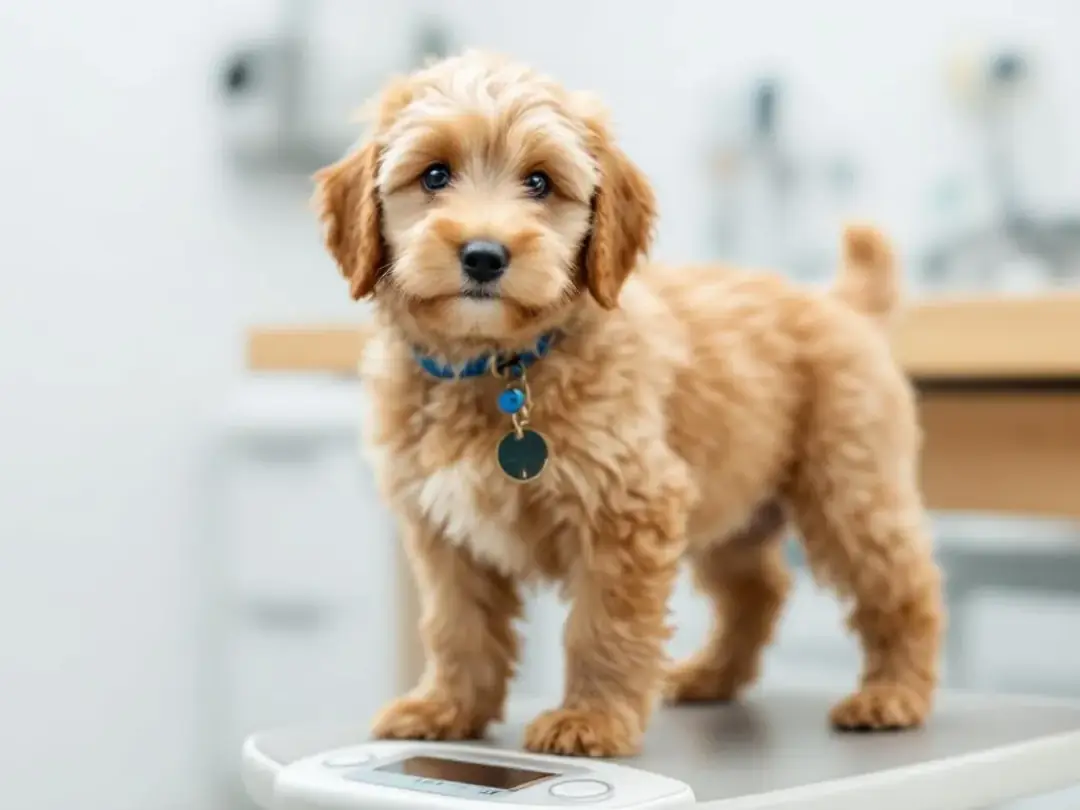
Monitor your puppy's weight gain using a kitchen scale for young puppies or a bathroom scale for older ones. Healthy weight gain follows a steady upward trend without dramatic spikes or plateaus. Your veterinarian can help you track whether your puppy's growth follows expected patterns.
High-Quality Diet Importance
The quality of your mini goldendoodle's diet directly impacts their healthy development. Look for foods with named meat sources as the first ingredient, appropriate levels of calcium and phosphorus for bone development, and essential fatty acids for coat and skin health.
Avoid foods with excessive fillers, artificial preservatives, or inappropriate calcium levels, which can interfere with proper growth. The investment in high-quality nutrition during puppyhood pays dividends in long-term health and proper development.
Monitoring Your Mini Goldendoodle's Growth
Keeping track of your mini goldendoodle's development helps ensure they're growing at a healthy rate and allows for early intervention if any concerns arise. Pet owners should actively monitor their mini goldendoodle's growth to ensure proper development and address any concerns early.
Regular Veterinary Check-ups
Schedule regular vet check ups every 3-4 months during your puppy's first year to monitor growth progress. Your veterinarian can track weight gain, assess body condition, and identify any deviations from normal growth patterns. These visits also provide opportunities for vaccinations, parasite prevention, and health screenings that support optimal development.
During these appointments, discuss your observations about your puppy's growth rate, appetite, and energy levels. Your vet can provide guidance on whether your mini goldendoodle is developing normally and suggest adjustments to diet or care if needed.
Home Monitoring Techniques
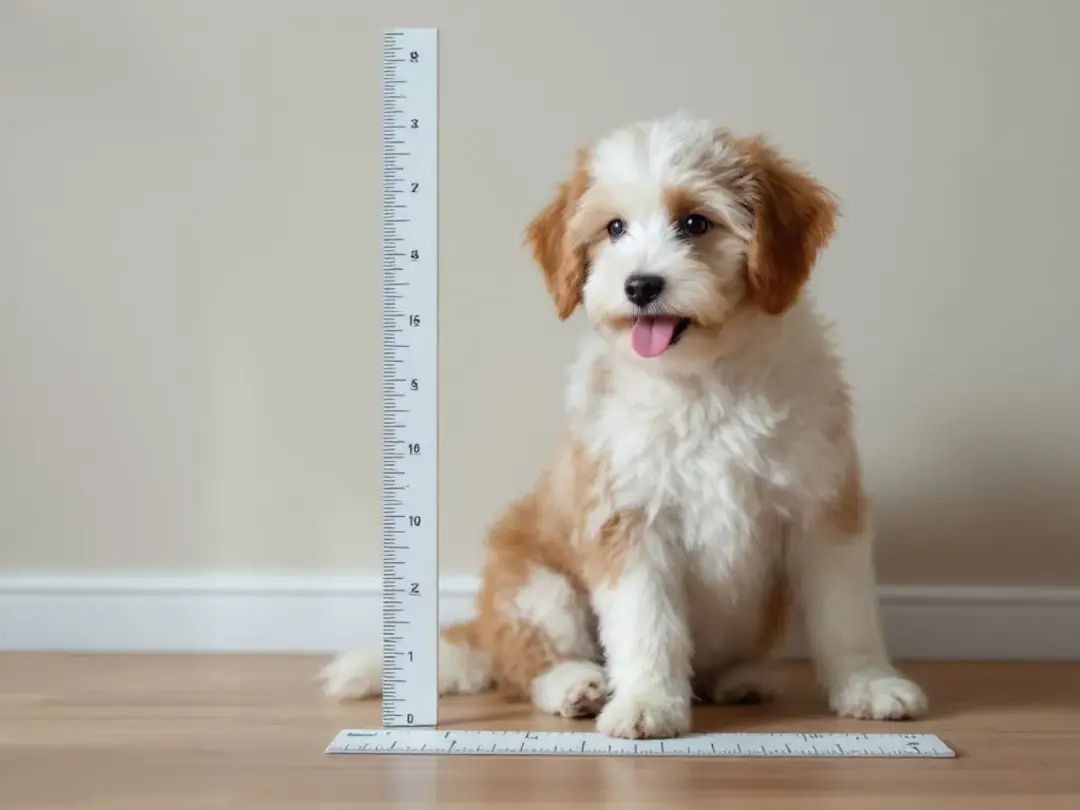
Between veterinary visits, you can monitor your mini goldendoodle's growth at home using simple techniques. Weigh your puppy weekly using a kitchen scale for small puppies or a bathroom scale for larger ones. Track both weight and height measurements, noting them in a growth journal or smartphone app.
Feel your puppy's ribs regularly to assess body condition. You should be able to feel the ribs easily without pressing hard, but they shouldn't be prominently visible. This hands-on assessment helps you gauge whether your puppy is maintaining an appropriate weight for their frame size.
Signs of Healthy vs. Concerning Growth
Healthy growth follows a steady upward trend with consistent energy levels, good appetite, and normal elimination. Your puppy should gain weight consistently without dramatic fluctuations, and their proportions should develop harmoniously.
Concerning signs include sudden growth spurts or plateaus, loss of appetite, lethargy, or difficulty moving. Extremely rapid growth can stress developing joints, while unusually slow growth might indicate nutritional or health issues requiring veterinary attention.
When to Consult a Veterinarian
Contact your veterinarian if you notice significant deviations from expected growth patterns, changes in appetite or energy levels, or any signs of discomfort during movement. Early intervention can address potential issues before they impact your mini goldendoodle's long-term health and development.
Keeping Growth Records
Maintain detailed records of your puppy's weight, height, and general observations about their development. These records help your veterinarian assess growth trends and can be valuable if you ever need to consult specialists about growth-related concerns.
Exercise and Activity Needs by Size
The exercise requirements for mini goldendoodles vary somewhat based on their final size, but all sizes benefit from regular physical activity and mental stimulation tailored to their development stage and energy level.
Daily Exercise Requirements
Most mini goldendoodles need 30 minutes to 1 hour of exercise daily, split into multiple sessions. This total includes walks, playtime, and mental stimulation activities. Smaller mini goldendoodles may be satisfied with the lower end of this range, while larger ones often appreciate more activity.
The key is variety and consistency rather than marathon sessions. Two 15-20 minute walks plus some indoor play often works better than one long outing, especially for younger dogs still developing stamina and attention spans.
Age-Appropriate Activities
For puppies under six months, focus on short, frequent play sessions that match their developing attention spans and physical capabilities. Five to ten minutes of active play followed by rest periods prevents overexertion while supporting healthy development.
As mini goldendoodles mature, you can gradually increase activity duration and intensity. Adult mini goldendoodles enjoy hiking, swimming, fetch games, and agility activities that challenge both their bodies and minds.
Exercise Modifications by Final Size
Smaller mini goldendoodles may prefer indoor games and shorter walks, while larger ones in the small standard category often enjoy more vigorous outdoor activities. Adjust expectations based on your individual dog's energy level and physical capabilities rather than strictly following size-based guidelines.
Mental Stimulation Needs
The intelligent nature of both parent breeds means mini goldendoodles need regular mental exercise alongside physical activity. Puzzle toys, training sessions, and interactive games help prevent boredom and destructive behaviors while supporting cognitive development.
Indoor vs. Outdoor Activities
The compact size of mini goldendoodles makes them excellent candidates for indoor exercise when weather or circumstances limit outdoor time. Hallway fetch, tug games, and training sessions can provide meaningful activity even in small spaces.
However, outdoor time remains important for socialization, mental stimulation, and physical development. Secure yards, dog parks, and leashed walks all contribute to a well-rounded exercise program.
Health Considerations Related to Size
The size of mini goldendoodles influences certain health considerations, with some advantages over larger breeds and some specific areas requiring attention.
Common Health Issues
Like their parent breeds, mini goldendoodles can be prone to hip dysplasia, though the incidence is often lower than in larger goldendoodles due to reduced stress on joints from body weight. Eye conditions, including progressive retinal atrophy, can affect dogs of all sizes and require screening from reputable breeders.
Ear infections can be a concern due to the floppy ears inherited from both parent breeds. The enclosed ear canal can trap moisture and debris, making regular cleaning and monitoring important for maintaining overall health.
Size-Related Health Advantages
The smaller size of mini goldendoodles offers several health advantages over larger dog breeds. They typically have longer lifespans, with many living 12-15 years compared to 8-10 years for giant breeds. The reduced stress on joints and organs from lower body weight often translates to fewer mobility issues in senior years.
Their compact size also makes them easier to lift and handle during medical procedures, grooming, and general care activities. This can be particularly important as dogs age and may need assistance with mobility.
Weight Management Importance
Maintaining a healthy weight is crucial for mini goldendoodles throughout their lives, but especially during growth phases. Excess weight during development can stress growing joints and potentially contribute to orthopedic problems later in life.
The smaller size of mini goldendoodles means that even small amounts of excess weight represent a significant percentage of their total body weight. A five-pound weight gain on a 25-pound dog represents a 20% increase, which would be equivalent to a 30-pound gain on a 150-pound person.
Regular Health Screenings
Work with reputable breeders who conduct health testing on parent breeds, including hip and elbow evaluations, eye clearances, and genetic testing for conditions common to golden retrievers and poodles. These screenings help reduce the likelihood of inherited health issues affecting your mini goldendoodle's well being.
Preventive Care Planning
Establish a relationship with a veterinarian experienced with the goldendoodle breed and familiar with the specific considerations for hybrid breeds. Regular check-ups, appropriate vaccinations, and parasite prevention form the foundation of preventive care that supports lifelong health.
Choosing the Right Size for Your Lifestyle
Selecting the appropriate mini goldendoodle size requires honest assessment of your living situation, activity level, and long-term plans for your furry companion.
Living Space Considerations
Different mini goldendoodle size categories work better in different living situations. Smaller living spaces like apartments or condominiums often suit the 15-25 pound range better, while larger homes with yards can comfortably accommodate mini goldendoodles up to 35 pounds or even small standard sizes.
Consider not just current space but potential future housing situations. A dog that fits your current apartment might be challenging if you move to a smaller space, while choosing too small a dog might leave you wanting more presence if you later move to a larger home.
Activity Level Matching
Your personal activity level should align with your chosen dog's size and energy needs. Highly active individuals and families often enjoy larger mini goldendoodles that can participate in hiking, running, and extended outdoor activities. Those preferring quieter lifestyles might find smaller mini goldendoodles a better match.
Remember that the goldendoodle breed generally has moderate to high energy needs regardless of size. Even smaller mini goldendoodles require regular exercise and mental stimulation to remain happy and well-behaved.
Family Composition Considerations
Families with young children often benefit from mini goldendoodles in the 20-35 pound range, which provides enough substance to handle enthusiastic children while remaining manageable for parents. Very small children might accidentally injure toy-sized dogs, while very large dogs might accidentally knock down small children.
Consider the ages of your children and how they might change over the dog's 12-15 year lifespan. A size that works for toddlers should also work when those children become active teenagers.
Grooming Requirements by Size
Larger mini goldendoodles require more time and potentially higher costs for professional grooming, while smaller ones can often be managed more easily at home. However, all goldendoodles require regular brushing and professional grooming every 6-8 weeks regardless of size.
The unique characteristics of the goldendoodle coat-combining poodle texture with golden retriever length-create grooming needs that scale somewhat with size but remain significant for all size categories.
Long-term Care Planning
Consider the long-term implications of your size choice. Smaller dogs often live longer but may require different types of care as they age. Larger mini goldendoodles might face mobility challenges sooner but often retain their playful demeanor longer.
Plan for potential future needs including stairs, vehicle access, and your own physical ability to lift and handle your dog throughout their lifetime. A 35-pound dog that's easy to lift at age two might be challenging when you're both older.
The wonderful companions that mini goldendoodles make in any size category means that choosing within the range often comes down to personal preference and practical considerations rather than dramatic differences in temperament or care requirements. Their playful demeanor and desirable traits remain consistent across size variations, making any choice within the mini range a rewarding one for families seeking these delightful hybrid dogs.
FAQ
How can I predict my Mini Goldendoodle puppy's adult size?
The most reliable way to predict your mini goldendoodle puppy's adult size is to look at the parent dogs' sizes and weights. Reputable breeders should provide information about both the golden retriever and poodle parent, including their weights and heights. Additionally, by 4-5 months of age, most puppies have reached approximately half their adult weight, which can serve as a useful predictor. Growth charts specific to your puppy's lineage, if available from the breeder, provide the most accurate estimates.
Do male and female Mini Goldendoodles differ significantly in size?
Yes, male mini goldendoodles typically grow 2-5 pounds heavier and slightly taller than females from the same litter. This size difference follows patterns seen in both parent breeds and becomes more pronounced in larger size categories. However, the difference is generally modest enough that both genders work well for most families, and personality and individual characteristics often matter more than gender-based size differences.
Can Mini Goldendoodles be smaller than 15 pounds when fully grown?
While uncommon, some mini goldendoodles may be smaller than 15 pounds due to toy poodle genetics or other factors. However, extremely small sizes (under 12 pounds) may indicate health concerns or result from breeding practices focused on producing unusually tiny dogs, which can compromise health. If you're seeking a very small goldendoodle, work with reputable breeders who prioritize health over extreme size reduction and consider whether a toy goldendoodle might better meet your needs.
What should I do if my Mini Goldendoodle isn't growing as expected?
If your mini goldendoodle's growth seems significantly slower or faster than expected, consult your veterinarian promptly. Slow growth might indicate nutritional deficiencies, health issues, or parasites, while unusually rapid growth can stress developing joints. Keep detailed records of weight and height measurements to share with your vet, and ensure you're providing proper nutrition appropriate for your puppy's age and size. Early intervention can address most growth-related concerns effectively.
Is there such thing as a "Teacup" Mini Goldendoodle?
"Teacup" is not a recognized size category for goldendoodles and often indicates questionable breeding practices aimed at producing extremely small dogs. These very small dogs (typically under 10 pounds) may suffer from health problems including fragile bones, dental issues, and organ problems. Instead of seeking "teacup" sizes, consider toy goldendoodles from reputable breeders who focus on health and temperament rather than extreme miniaturization.
Introduction to Goldendoodles
Goldendoodles are a beloved hybrid breed, created by crossing a golden retriever with a poodle. This unique combination brings together the best qualities of both parent breeds, resulting in a dog that is intelligent, affectionate, and adaptable. The goldendoodle breed is especially popular for its friendly temperament and low-shedding, often hypoallergenic coat, making it a great choice for families and individuals with allergies. One of the standout features of goldendoodles is their versatility in size. Whether you're drawn to the tiny toy goldendoodle, the ever-popular mini goldendoodle, or the larger standard goldendoodle, there's a goldendoodle to fit nearly every lifestyle. The mini goldendoodle, in particular, offers the perfect balance of the golden retriever's loving nature and the poodle parent's intelligence and compact size, making it an ideal companion for those seeking a smaller dog without compromising on personality or charm.
Medium Goldendoodles: How Do They Compare?
Medium goldendoodles are an excellent choice for families who want a dog that's not too big and not too small. Typically weighing between 30-45 pounds and standing about 17-20 inches tall at the shoulder, medium goldendoodles offer a wonderful middle ground between the mini goldendoodle and the standard goldendoodle. When comparing mini goldendoodles to medium goldendoodles, you'll find that the medium size is slightly larger, which can be a significant factor for those who have a bit more space at home or enjoy more active lifestyles. While mini goldendoodles are perfect for smaller living spaces and those seeking a more compact companion, medium goldendoodles may require a bit more room to roam and regular exercise to stay happy and healthy. Both sizes share the same affectionate, intelligent nature inherited from their golden retriever and poodle parents, and both adapt well to a variety of households. Ultimately, whether you choose a mini or medium goldendoodle, you'll be welcoming a playful, loving dog into your family.
Training and Socialization for Mini Goldendoodles
Training and socialization are essential for every mini goldendoodle, helping them grow into well-mannered and confident dogs. Thanks to their intelligence and eagerness to please, mini goldendoodles typically excel in positive reinforcement training environments. Starting training early, with consistent routines and gentle guidance, sets the foundation for good behavior throughout their lives. Socialization is equally important-exposing your mini goldendoodle to new people, other dogs, and a variety of environments helps them develop a playful demeanor and reduces the likelihood of fear or anxiety in unfamiliar situations. Puppy classes, visits to dog-friendly parks, and regular outings are great ways to build your dog's confidence. In addition to mental stimulation, mini goldendoodles benefit from regular exercise, such as daily walks and interactive play, to keep them physically fit and mentally engaged. With the right approach to training and socialization, mini goldendoodles become adaptable, loving companions who thrive in all kinds of families and living situations.
Conclusion
In conclusion, mini goldendoodles are a delightful addition to any household, offering a unique blend of intelligence, affection, and a low-shedding coat that makes them stand out among dog breeds. Understanding their size, growth patterns, and care requirements is key to ensuring your mini goldendoodle thrives as a wonderful companion. Whether you're considering a mini goldendoodle, a medium goldendoodle, or another size within the goldendoodle breed, taking the time to learn about their unique characteristics will help you make the best choice for your family. With proper training, socialization, and attention to their needs, goldendoodles of all sizes can flourish and bring joy to your life. Their versatility-from toy to standard-means there's a goldendoodle to suit nearly every lifestyle and living space. As you welcome a goldendoodle into your home, remember that patience, love, and consistent care will reward you with a loyal friend and a lifetime of happy memories.