
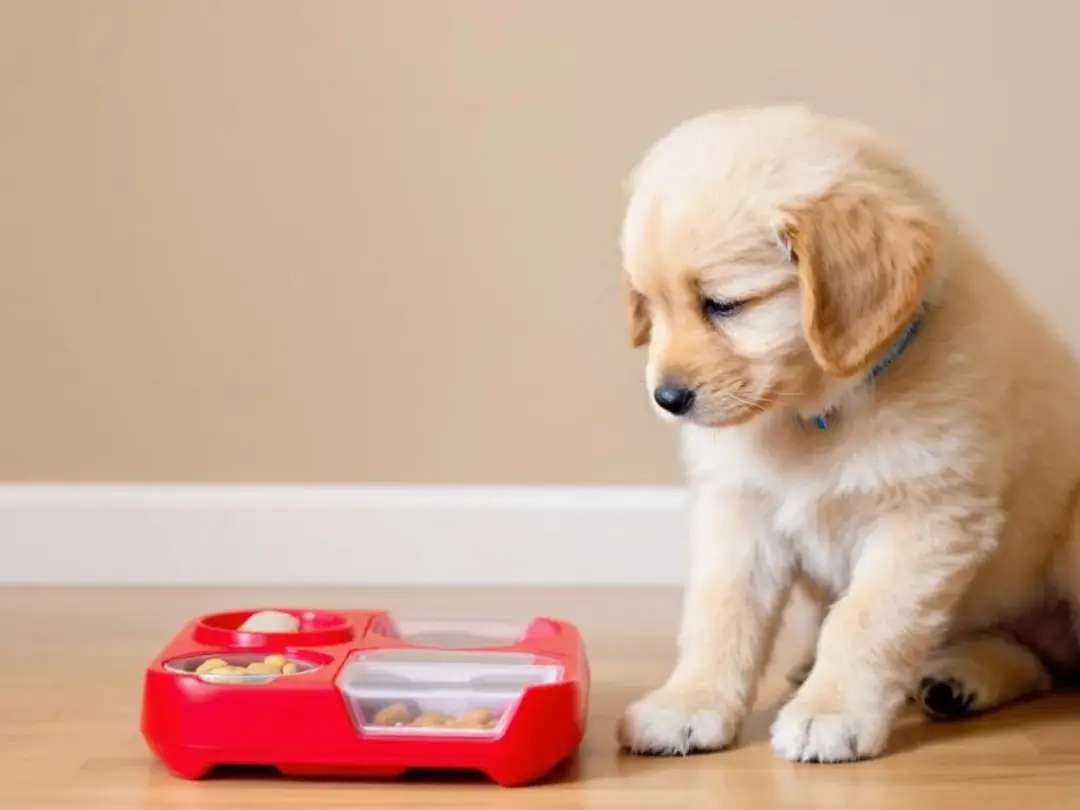

Your new puppy bounces off the walls even after a long walk around the neighborhood. Sound familiar? While physical exercise is important, your growing pup needs something more-mental stimulation. Just like human babies, puppies have developing brains that crave challenges, problem-solving opportunities, and enriching experiences that go far beyond a simple game of fetch.
Mental stimulation for puppies isn't just about keeping them busy; it's about fostering healthy brain development during the most critical learning period of their lives. The right activities can prevent destructive behaviors, build confidence, and set the foundation for a well-adjusted adult dog. If you're still building early routines, our guide to first 48 hours with puppy can help you create a calmer start at home.
What is Mental Stimulation for Puppies?
Mental stimulation refers to activities that challenge your puppy's brain, engage their natural problem solving skills, and encourage them to think through tasks rather than simply run around. Unlike physical exercise, which primarily targets your pup's muscles and cardiovascular system, mental exercise works their cognitive abilities, decision-making skills, and learning capacity.
For puppies, mental activities serve a dual purpose. They provide environmental enrichment that mimics the complex challenges dogs would face in natural settings, while also channeling their curious energy into productive learning experiences. When you hide kibble in a snuffle mat or teach your puppy to sit before meals, you're giving their developing brain the workout it needs.
The key difference between puppies and adult dogs lies in duration and complexity. While most dogs can handle 15-30 minute training sessions, puppies need shorter, more frequent mental stimulation sessions lasting just 5-10 minutes. Their attention spans are limited, and they require 18-20 hours of sleep daily to support proper brain development.
Think of it this way: if physical exercise tires your dog's body, mental stimulation satisfies their need to explore, solve problems, and engage with their environment in meaningful ways.
Why Mental Stimulation is Crucial for Puppy Development
During the critical socialization period between 8-16 weeks, your puppy's brain is like a sponge, absorbing information and forming neural pathways that will influence their behavior for life. This is when mental stimulation has its greatest impact on cognitive development.
| Benefit Area | How Mental Stimulation Helps |
|---|---|
| Brain development | Builds learning pathways during key growth stages |
| Behavior | Reduces boredom-related chewing, barking, and chaos |
| Confidence | Helps puppies approach new situations more calmly |
| Training | Improves focus, impulse control, and learning ability |
| Bonding | Creates positive interaction between puppy and owner |
Puppies who receive regular mental exercise develop stronger focus, better impulse control, and enhanced learning capacity. They're more likely to approach new experiences with confidence rather than fear or anxiety. When you provide mental stimulation through puzzle toys or training sessions, you're literally helping build neural connections that support lifelong learning.
Beyond brain development, mental stimulation serves as powerful prevention for common puppy problems. A mentally stimulated puppy is less likely to chew your favorite shoes, bark excessively, or develop separation anxiety. When their minds are engaged and tired, they naturally settle into calm, restful states that support healthy growth.
Mental exercise also strengthens the bond between you and your furry friends. Training sessions, brain games, and interactive play create positive associations and clear communication patterns. Dogs thrive on structure and mental challenges, and providing both helps establish you as a trusted leader and teacher.
Perhaps most importantly, mental stimulation helps with crate training and independence. A puppy who has learned to work through puzzles and engage their mind is better equipped to handle alone time without stress or destructive behaviors.
Age-Appropriate Mental Stimulation Activities
For Young Puppies (8-12 Weeks)
Young puppies need gentle introduction to mental challenges that match their developmental stage. Start with simple treat-dispensing toys designed for puppy teeth and jaws. A puppy-safe Kong filled with their favorite treats or a small portion of their kibble provides safe mental engagement while supporting teething needs.
Basic hide-and-seek games work wonderfully in one room where your pup can easily find you. Call their name enthusiastically and reward with tasty treats when they locate you. This builds recall training while keeping the dog engaged and mentally active.
For scent-based enrichment, try hiding individual pieces of kibble under soft towels or in different corners of a safe room. Watch as your puppy learns to use their nose to problem-solve and forage-behaviors that come naturally but provide great mental stimulation.
Short training sessions teaching "sit" and "stay" commands should last no more than 3-5 minutes. Use high-value treats and lots of praise to keep sessions positive and engaging. Remember, at this age, socialization and gentle exposure to new experiences are just as mentally stimulating as structured activities.
For Older Puppies (3-6 Months)
| Puppy Age | Good Activity Types | General Session Length |
|---|---|---|
| 8-12 weeks | Simple food toys, easy scent games, short recall games | About 3-5 minutes |
| 3-4 months | Basic puzzle toys, short training, simple hide-and-seek | About 5-10 minutes |
| 4-6 months | Snuffle mats, more advanced puzzles, beginner agility | About 10-15 minutes |
As your pup matures, you can introduce more complex puzzle toys with sliding panels, rotating wheels, or treat compartments. These dog puzzle toys challenge problem-solving abilities while providing longer engagement periods-perfect for a high energy pup who has outgrown simpler activities.
Hide-and-seek games can expand throughout the house, with family members hiding in different rooms. Teach your puppy to "go find" specific people, turning the game into a fun training exercise that builds both mental skills and family bonds.
A snuffle mat becomes an excellent tool for foraging behavior during this stage. Scatter your dog's kibble or small treats throughout the mat and watch them use natural hunting instincts to find every piece. This activity can keep them mentally stimulated for 10-15 minutes while satisfying their need to work for food.
Introduction to basic agility obstacles adds physical and mental challenges. Even simple tunnels made from cardboard boxes or low jumps using household items help develop coordination, confidence, and problem-solving skills.
Easy DIY Mental Stimulation Ideas
You don't need expensive gadgets to provide mental stimulation. Toilet paper rolls (with all tape and staples removed) make excellent treat puzzles. Simply fold the ends closed with kibble or small treats inside, and let your puppy figure out how to access the food reward. Supervise closely and remove cardboard pieces to prevent ingestion.
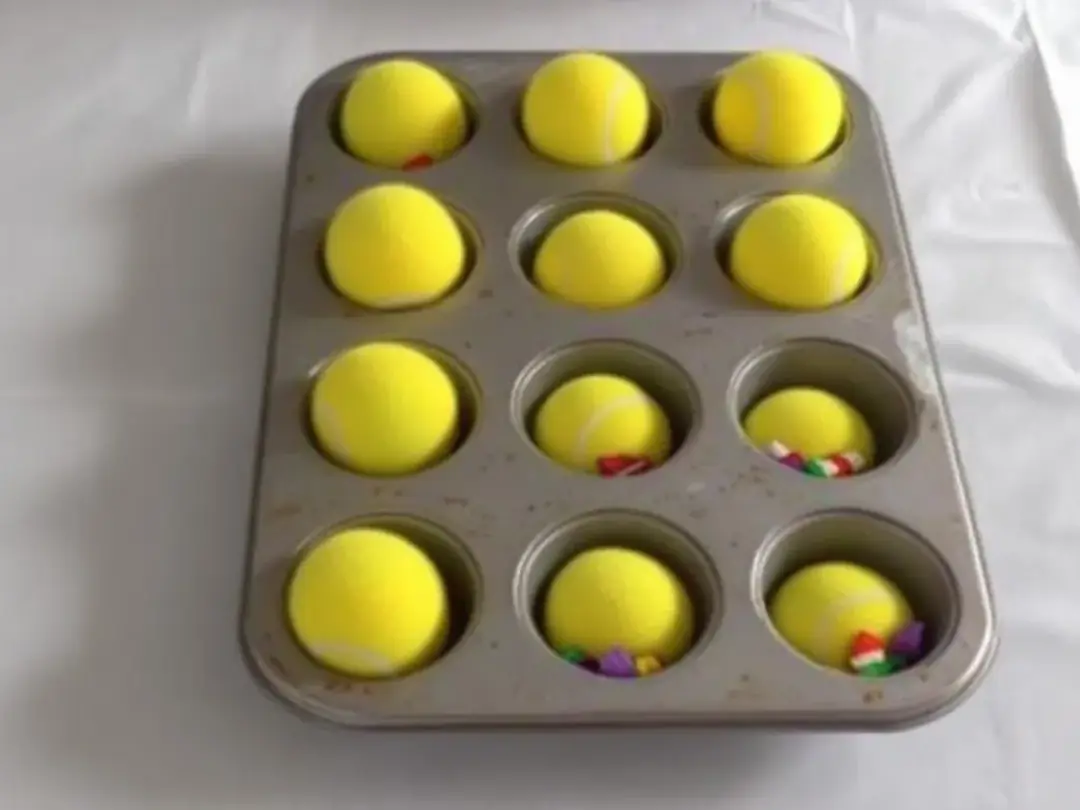
The muffin tin game offers great fun using tennis balls and your pup's daily kibble. Place treats in several cups of a muffin tin, then cover each cup with a tennis ball. Your puppy must remove the balls to access their treats, engaging both their mind and natural foraging instincts.
Frozen Kong recipes provide long-lasting mental engagement, especially helpful during teething. Mix wet puppy food with a small amount of plain yogurt or low-sodium broth, stuff into a Kong, and freeze. This creates a challenging, soothing activity that can keep your pup occupied for 20-30 minutes.
Cardboard box digging games satisfy natural digging instincts while providing mental exercise. Fill a large box with safe items like empty toilet paper rolls, crumpled paper (no ink), or clean towels. Hide treats throughout and let your puppy explore and problem-solve their way to rewards.
Towel wrapping games challenge your dog's mind while using household items. Fold treats into towels in various ways-simple folds for beginners, more complex wrapping for advanced puppies. This encourages natural problem solving skills while providing safe, supervised entertainment.
Food-Based Mental Enrichment
Transform mealtime from a 30-second gulp-fest into meaningful mental exercise. Scatter feeding involves spreading your dog's kibble across grass, a snuffle mat, or even clean kitchen tiles. This mimics natural foraging behaviors and can extend eating time from seconds to several minutes of mentally stimulating activity.
Lick mats spread with puppy-safe peanut butter (xylitol-free), wet food, or plain yogurt provide calming mental engagement. The repetitive licking action releases endorphins while challenging your pup to work for their food. These work particularly well for anxious puppies or during crate training.
Frozen treat recipes using your puppy's regular food mixed with water or low-sodium broth create challenging puzzle meals. Pour the mixture into ice cube trays, Kong toys, or freezer-safe bowls for extended mental engagement that also soothes teething discomfort.
Rotate between different puzzle feeders to maintain interest and challenge. Interactive toys with varying difficulty levels prevent your puppy from becoming bored with the same mechanism. Start simple and gradually increase complexity as your dog's problem-solving skills develop.
Teaching "wait" before meals builds impulse control while providing mental exercise. Start with just a few seconds, gradually increasing duration as your puppy learns patience. This simple training transforms every meal into a brief mental workout while establishing important life skills.

Scent Work and Nose Games
Dogs possess incredible olfactory abilities-up to 220 million scent receptors compared to our mere 5 million. Engaging this natural superpower provides excellent mental stimulation while building confidence and focus.
Start with simple "find the treat" games in one room. Let your puppy watch you hide their favorite toy or a special treat, then encourage them to "seek" and find it. Use enthusiastic praise and additional treats when they succeed, building positive associations with nose work.
Progress to hiding favorite toys around the house without your puppy watching. Begin with easy hiding spots and gradually increase difficulty. This game teaches independence, builds confidence, and provides mental exercise that can tire a pup as much as physical activity.
Introduce different scents by placing safe aromatics like vanilla extract or cinnamon on toys (avoid essential oils, which can be toxic). This expands their scent vocabulary and adds complexity to search games while keeping them mentally stimulated and engaged.
Teaching "go find" commands with specific family members creates useful skills while providing mental exercise. Start by having a family member hide nearby, then send your puppy to find them. This combines training, mental stimulation, and family bonding into one rewarding activity.
Create scent trails using treats or toys, starting with short, straight paths and progressing to longer, more complex routes. This advanced nose work challenges your dog's mind while satisfying their natural hunting and tracking instincts. If you're also trying to prevent boredom-related behavior, our do dogs get bored guide gives more context on why enrichment matters so much.
Training as Mental Exercise
Short, focused training sessions provide excellent mental stimulation while building essential life skills. Teaching basic commands like "sit," "down," and "touch" in 5-minute sessions challenges your puppy's brain while establishing communication and bonding.
Puppy socialization training involves controlled exposure to new sights, sounds, and experiences. Each positive encounter with unfamiliar stimuli provides mental enrichment while building confidence and adaptability. Take walks to different environments, play various sounds at low volumes, and introduce new textures for your pup to explore.
Clicker training adds precision to mental exercise by marking exact moments of correct behavior. The mental engagement required to understand the click-reward connection provides cognitive stimulation while accelerating learning. Most dogs quickly learn to problem-solve their way to earning clicks and rewards.
Name recognition and recall training in safe environments builds essential skills while providing mental challenges. Practice calling your puppy's name from different rooms, rewarding immediately when they respond. This combines mental stimulation with practical safety training.
Simple trick training like "shake," "roll over," or "play dead" for older puppies provides fun mental exercise while strengthening your bond. Keep sessions short and positive, using high-value treats to maintain engagement and enthusiasm.
Safety Considerations for Puppy Mental Stimulation
Choose age-appropriate toys that won't break into small, swallowable pieces. Puppy teeth and jaws require softer materials than adult dog toys. Regularly inspect puzzle toys for wear and replace damaged items immediately to prevent ingestion of dangerous fragments.
Always supervise mental stimulation activities, especially with DIY projects. While creativity saves money, safety must come first. Remove and discard any broken pieces immediately, and never leave your puppy unsupervised with cardboard, rope, or small objects.
Watch for signs of overstimulation-excessive panting, inability to settle, or loss of interest may indicate your puppy needs a break. Mental exercise should leave them pleasantly tired, not stressed or overwhelmed. If your pup seems frustrated or anxious, simplify the activity or end the session.
Use only puppy-safe treats and foods in puzzle toys. Avoid chocolate, grapes, xylitol-containing products, and other toxic substances. When in doubt, stick to their regular kibble or vet-approved treats designed specifically for puppies.
Ensure all DIY toys are free from toxic materials like certain inks, adhesives, or treated papers. Natural materials like cardboard boxes, plain paper, and untreated wood scraps are safer choices for creative enrichment projects.
Signs Your Puppy Needs More Mental Stimulation
Excessive chewing on inappropriate items like shoes, furniture, or household objects often indicates insufficient mental engagement. A bored puppy will create their own entertainment, usually at the expense of your belongings. Providing appropriate mental challenges redirects this energy productively.
Restlessness and inability to settle down for naps, despite adequate physical exercise, suggests your puppy's mind isn't getting enough workout. Mental stimulation helps dogs learn to relax and can be more tiring than physical activity alone.
Destructive behaviors when left alone for even short periods may indicate anxiety or boredom. Puppies who receive regular mental stimulation tend to handle brief separations better and are less likely to engage in destructive behaviors.
Hyperactivity that persists even after walks, play sessions, and physical exercise often means your puppy needs more brain games and mental challenges. A tired mind leads to a calm body-mental exercise can be just as exhausting as long walks.
Attention-seeking behaviors like excessive barking, jumping, or demanding constant interaction may indicate your puppy needs more structured mental engagement. When their minds are appropriately challenged, they're more content to rest and relax independently.

Creating a Daily Mental Stimulation Routine
Structure your puppy's day around natural energy peaks and sleep cycles. Morning puzzle feeding sessions before breakfast take advantage of overnight hunger while providing gentle mental wake-up activities. This sets a positive tone for the entire day.
| Time of Day | Good Mental Activity | Why It Works |
|---|---|---|
| Morning | Puzzle feeding or simple scent work | Uses natural hunger and starts the day with focus |
| Mid-day | Short training session | Matches natural energy peaks and supports learning |
| Evening | Lick mat, calm puzzle, or easy nose game | Helps puppies wind down before rest |
Mid-day training sessions during natural energy peaks maximize learning potential while providing necessary mental exercise. Keep these sessions short (5-10 minutes) but consistent, focusing on one or two skills per session to prevent overwhelm.
Evening scent games or toy rotation before bedtime help your puppy wind down while satisfying their need for mental engagement. Calming activities like lick mats or gentle puzzle toys create positive associations with quiet time and preparation for sleep.
Balance mental activities with adequate puppy nap time-remember, growing puppies need 18-20 hours of sleep daily. Mental stimulation should enhance rest, not prevent it. A well-exercised mind settles more easily into restorative sleep.
Adjust activities based on your puppy's individual energy levels and interests. Some pups love scent work, others prefer puzzle toys, and many enjoy training sessions most. Pay attention to what keeps your dog engaged and motivated, then build your routine around their preferences.
Remember that consistency matters more than perfection. A few minutes of daily mental stimulation provides more benefit than occasional marathon sessions. Keep activities positive, age-appropriate, and fun for both you and your furry friend.
Your puppy's developing brain needs mental challenges just as much as their growing body needs physical exercise. By providing regular mental stimulation through puzzles, training, scent work, and creative play, you're investing in their cognitive development and emotional well-being. Start simple, stay consistent, and watch as your mentally stimulated puppy grows into a confident, well-adjusted adult dog. The effort you put in now will pay dividends in the form of a calmer, smarter, and happier companion for years to come.
FAQ
Common Questions About Mental Stimulation for Puppies
These quick answers cover common questions about timing, activity length, boredom, and how to safely build enrichment into a puppy's day.
How much mental stimulation does a puppy need each day?
Most puppies do best with several short sessions spread through the day rather than one long session. The exact amount depends on age, temperament, and energy level.
Can mental stimulation tire out a puppy?
Yes. Mental work can be surprisingly tiring and often helps puppies settle more effectively than physical exercise alone.
What are easy mental stimulation ideas for very young puppies?
Simple food toys, easy scent games, short recall practice, and gentle training sessions are good starting points for young puppies.
How do I know if my puppy is bored?
Common signs include destructive chewing, restlessness, excessive barking, trouble settling, and constant attention-seeking behavior.
Are puzzle toys safe for puppies?
They can be, as long as they are age-appropriate, supervised when needed, and checked regularly for damage or loose pieces.
Should mental stimulation replace walks and play?
No. Puppies usually need both physical exercise and mental enrichment. The best routine balances movement, learning, rest, and calm downtime.


