
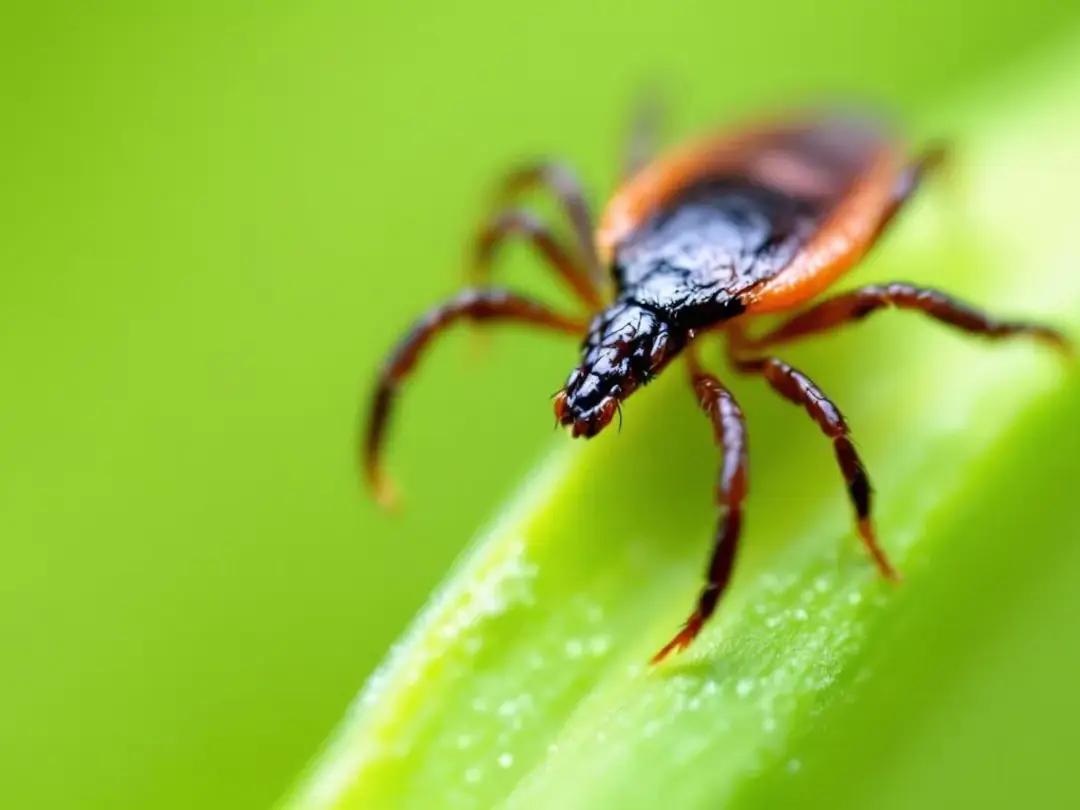

Lyme disease in dogs is a tick-borne bacterial infection caused by Borrelia burgdorferi and spread through the bite of infected blacklegged ticks.
If you are comparing Lyme disease with other serious dog illnesses that can cause weakness, pain, or general decline, our lupus in dogs guide is a helpful next read because some symptoms can overlap even when the causes are very different.
The decision becomes easier after comparing tick exposure as long as owners also consider shifting leg lameness for Lyme disease in dogs. Add fever to the notes so the next choice reflects the household routine.
Key Takeaways
- Lyme disease is spread by infected blacklegged ticks, often after they have been attached for a day or more.
- Many infected dogs never show obvious symptoms.
- When symptoms do appear, lameness, fever, joint swelling, lethargy, and poor appetite are common.
- Diagnosis often combines blood testing, symptoms, and tick exposure history.
- Prevention usually includes tick control, tick checks, and in some cases vaccination.
How Dogs Get Lyme Disease
Dogs get Lyme disease from the bite of infected blacklegged ticks, often called deer ticks. The tick usually has to stay attached for a significant amount of time before transmission happens, which is one reason quick tick removal matters.
That timing is important for prevention.
The tick bite is the problem, but the length of attachment often changes the risk.

Why It Can Be Hard to Spot
Not every infected dog looks obviously sick.
Many dogs exposed to Lyme disease never develop clear symptoms, which can make the disease confusing. Others may not show signs until weeks or months after the tick bite. That delay can make it hard for owners to connect the illness to a past tick exposure.
This is one reason veterinarians ask about travel, outdoor habits, and tick prevention history.
The infection may start long before the symptoms make sense.

Common Signs and Symptoms
When dogs do get sick, the signs often center around pain and inflammation.
Common signs include shifting leg lameness, swollen joints, fever, lethargy, stiffness, and reduced appetite. Some dogs seem painful one day in one leg and then another day in a different leg. In more severe cases, kidney complications can develop.
That shifting lameness is one of the more classic clues.
When the pain seems to move, Lyme disease often enters the conversation.
How It Is Diagnosed
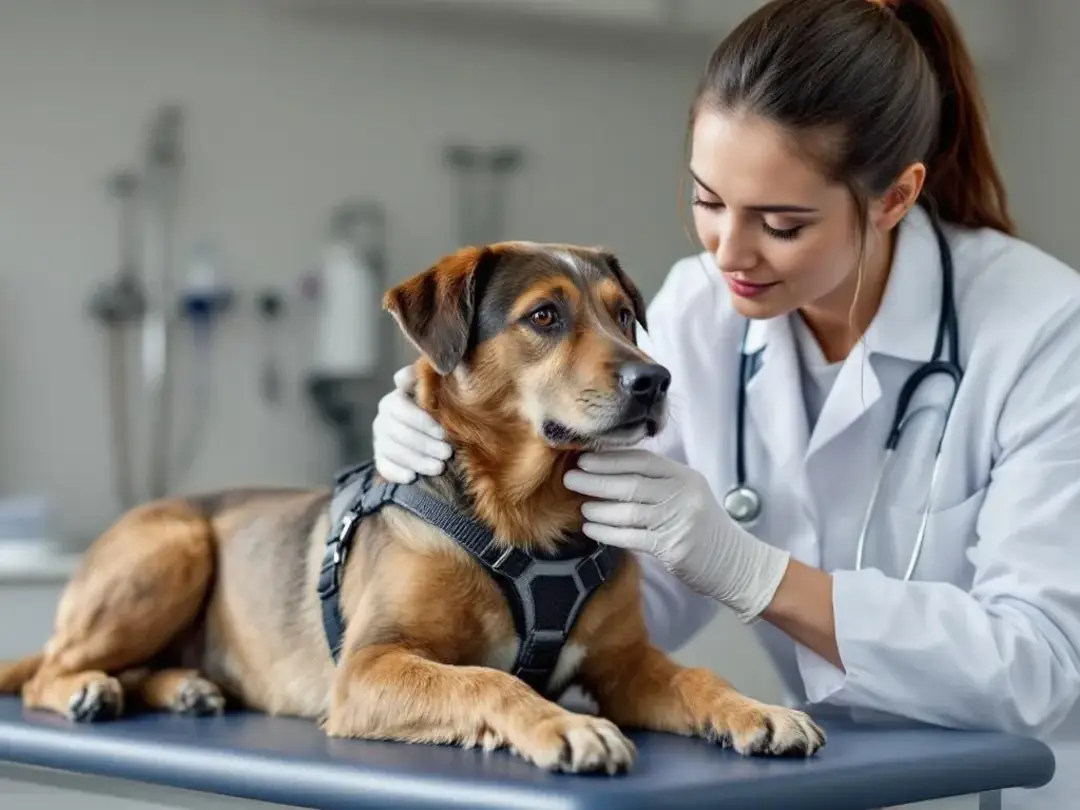
Diagnosis often involves blood tests such as SNAP 4Dx or C6 testing, along with the dog's symptoms and history of tick exposure. A positive test alone does not always mean the dog is actively sick, so veterinarians usually interpret results in context.
That distinction matters a lot.
Exposure and illness are related, but they are not always the same thing.
What Treatment Usually Involves
Most treated dogs receive antibiotics, often doxycycline.
Treatment usually includes a course of antibiotics for at least several weeks, and many dogs improve quickly once treatment starts. Pain relief and supportive care may also be needed, especially if the dog is very uncomfortable or has complications.
That quick improvement can be encouraging, but it does not mean follow-up stops mattering.
Feeling better fast is good. Finishing the plan still matters.
How to Help Prevent It
Prevention is mostly about reducing tick exposure and catching ticks early.
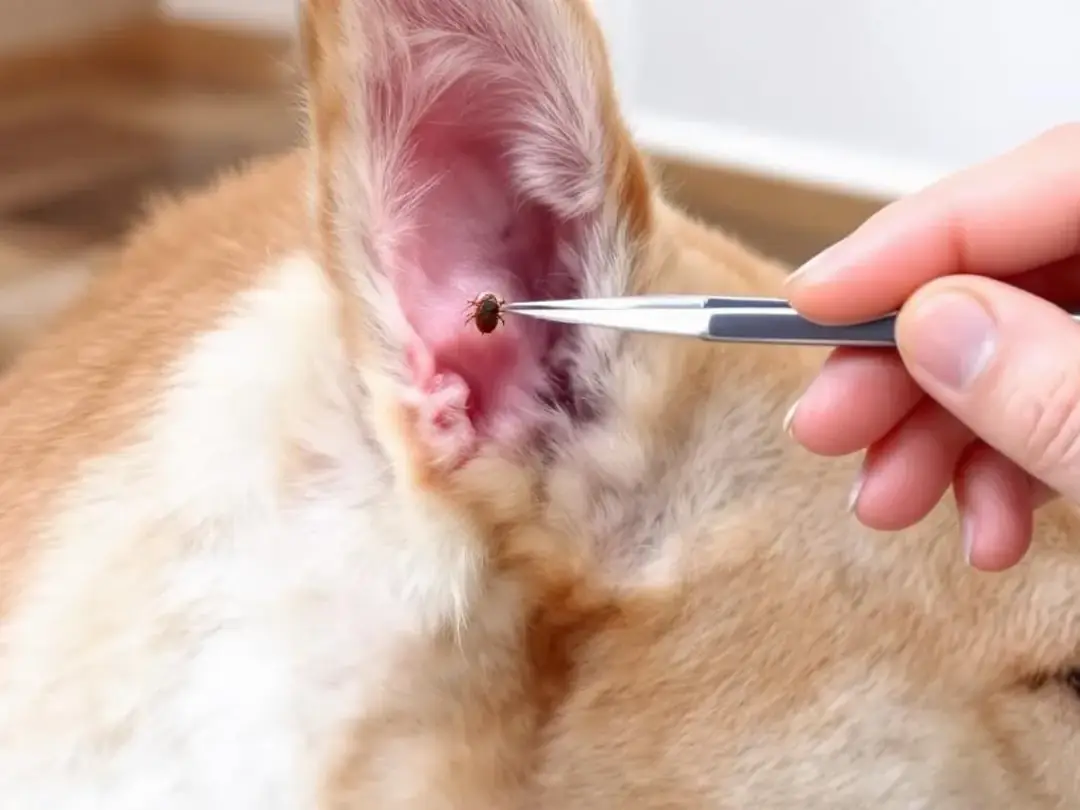
Year-round tick preventatives, regular tick checks, avoiding heavy tick habitat when possible, and prompt tick removal all help reduce risk. In some dogs, especially those in high-risk areas, Lyme vaccination may also be part of the prevention plan.
That layered approach usually works best.
With Lyme disease, prevention is often a system, not a single product.
Bottom Line
Lyme disease in dogs can range from silent exposure to a painful and sometimes serious illness. The most important steps are prevention, early recognition of symptoms, and prompt veterinary care when something seems off.
That is what gives the best chance for a smooth recovery.
With tick-borne disease, the best outcomes usually start before the symptoms do.
What This Usually Looks Like at Home
In real life, lyme disease in dogs: signs, causes, treatment, and when to call tends to matter most when it starts changing what the dog can comfortably do in a normal day. A family may first notice it in walks, sleep, mealtimes, play, handling, or simply how much recovery time the dog seems to need.
When lyme disease feels unclear, pause at gum color, simplify activity, and keep symptom record easy to repeat.
Once owners start reading the whole pattern instead of one sign, the situation usually usually feels easier to explain and easier to act on.
Why the Bigger Pattern Matters
With Lyme Disease in Dogs: Signs, Causes, Treatment, and When to Call, owners often feel more confident once they think beyond the headline and ask how the issue is affecting the dog's actual day. Is the dog resting well, eating normally, moving comfortably, and recovering from routine activities the way you would expect?
Those questions matter because they connect the issue to the dog's lived experience instead of treating it like a stand-alone fact. In most homes, health questions are really about whether the dog's normal rhythm still looks and feels like the dog's own normal.
That makes tracking much more useful. Small changes often tell a clearer story when they are placed next to sleep, appetite, behavior, and routine rather than judged on their own.
The more clearly a family can see that wider pattern, the steadier the next decision usually becomes.
FAQ
FAQ: Common Questions About Lyme Disease in Dogs
For lyme disease, use energy as the baseline; change schedule only after steady pace is understood.
What signs make this more urgent?
The family can handle lyme disease more clearly by naming movement, watching timing, and saving risk limit.
Which changes around Lyme Disease in Dogs: Signs, Causes, Treatment, and When to Call matter most?
Lyme disease works better when temperature is separated from comfort, then checked against triage point.
What should families watch most closely with Lyme Disease in Dogs: Signs, Causes, Treatment, and When to Call?
A family handling lyme disease should watch temperature, protect comfort, and document warning sign.
When is outside help worth getting for Lyme Disease in Dogs: Signs, Causes, Treatment, and When to Call?
The lyme disease decision should stay close to training, especially when movement or home routine changes.
How can owners make Lyme Disease in Dogs: Signs, Causes, Treatment, and When to Call easier to manage at home?
Keep lyme disease practical: note cough, review medication, and make the warning sign change only once.
Quick Reference Table
| Focus | Why it matters | Useful next step |
|---|---|---|
| Pattern to watch | The lyme disease takeaway is more useful when sleep explains the pattern and duration guides safety line. | Lyme disease deserves a slower choice when gum color worsens, trigger disappears, or emergency cue feels unsafe. |
| Home notes | Lyme disease deserves a slower choice when water worsens, training disappears, or meal plan feels unsafe. | The lyme disease takeaway is more useful when meal explains the pattern and coat guides early clue. |
| Get help sooner | With lyme disease, one useful pass is gum color first, recovery second, and pain signal after that. | This lyme disease detail matters most when breathing changes, recovery stacks up, or clinic question becomes unclear. |


