Goldendoodle Blog Banner

Loose Leash Walking Techniques

Bricks Coggin

Bricks Coggin ยท Director of Services

Published

Every dog owner knows the shoulder-straining reality of being pulled down the sidewalk by an enthusiastic pup. Your dog's nose leads the charge while you stumble behind, wondering why your furry friend seems determined to drag you to every interesting smell within a five-mile radius.


Loose leash walking isn't the same as strict heel position-it's about teaching your dog that walks become more enjoyable when the leash stays slack. Unlike formal heeling, loose leash walking allows your dog some freedom to sniff and explore while maintaining a comfortable walking pace for both you and your four-legged companion.


The techniques in this guide follow a systematic approach that most dogs can master with consistent practice. Whether you're dealing with a young puppy who hasn't learned leash manners or an adult dog with years of pulling habits, these eight proven methods will transform your daily dog walks from a wrestling match into an enjoyable experience.

Essential Foundation Techniques

These are the core techniques every owner should master first. Think of them as the foundation skills that make everything else possible. Without solid groundwork, advanced techniques become much more challenging for both you and your dog.


The "Stop and Go" Method


When your dog pulls and the leash goes tight, immediately stop walking. Stand still like you've hit an invisible wall. The moment your dog notices the lack of forward progress and allows the leash to go slack, resume walking. This teaches your dog that pulling stops all forward movement, while a loose leash means the adventure continues.


Most dogs figure this out within a few practice sessions, though some persistent pullers may test your patience initially. The key is absolute consistency-every single instance of a tight leash must result in stopped movement.


Direction Changes


Make sudden 180-degree turns when your dog pulls ahead. This technique redirects your dog's attention back to you and teaches them to pay attention to your movement. When your dog starts pulling forward, simply turn around and walk in the opposite direction with enthusiasm.


Call your dog's name cheerfully as you turn, and reward them when they catch up to your side. This method works particularly well for dogs who tend to forge ahead, as it makes staying near the handler more rewarding than charging forward.


The "Tree" Technique


Become stationary like a tree until your dog returns to your side. This is similar to stop-and-go, but you remain completely still until your dog not only stops pulling but actually comes back toward you. Only then do you resume walking.


This technique teaches your dog that not only does pulling fail to create forward progress, but they must actively choose to return to you to continue the walk. It's especially effective for dogs who like to stand and wait when you stop, rather than immediately releasing leash pressure.


Leash Pressure Release Training


Apply gentle pressure on the leash and immediately reward when your dog yields to that pressure by moving toward you. Start this exercise indoors where distractions are minimal. Hold the leash with light tension and wait for your dog to step toward you, then immediately release the pressure and deliver treats.


This foundational skill helps your dog understand that yielding to leash pressure is rewarding, making all other loose leash walking techniques more effective.

Positive Reinforcement Techniques

Success in loose leash walking depends heavily on making the experience rewarding for your dog. These techniques focus on creating positive associations with proper walking position and behavior.


Treat Positioning Strategies


Deliver treats at your hip level to encourage proper walking position. When your dog is walking nicely beside you with a slack leash, reach down and offer the treat right at your side. This teaches your dog that the most rewarding place to be during walks is close to your leg.


Avoid feeding treats when your dog is in front of you or pulling, as this rewards the wrong position. The "magic cookie area" should always be right beside your leg where you want your dog to walk.


High-Value Reward Timing


Use high-value treats like freeze-dried liver, cheese cubes, or cooked chicken, and deliver them the exact moment the leash goes slack. Timing is crucial-the reward must happen within two seconds of the desired behavior for your dog to make the connection.


Many dog trainers recommend using a clicker or marker word like "yes" to mark the precise moment your dog does something right, then following with the food reward. This clear communication helps your dog understand exactly which behavior earned the reward.


Variable Reward Schedules


Once your dog understands the basic concept, use intermittent reinforcement to strengthen the behavior. Instead of treating every few steps, reward randomly when your dog is walking well. This creates a stronger habit than constant treats, as your dog never knows when the next reward is coming.


Mix food rewards with life rewards-allow your dog to sniff an interesting spot or greet people as rewards for good leash walking. This teaches your dog that maintaining a loose leash leads to all sorts of good stuff.


Environmental Rewards


Allow sniffing and exploration as rewards for good leash walking. When your dog has been walking nicely for several steps, say "go sniff" and allow them to investigate something interesting. This turns the environment itself into a reward system.


Your dog learns that polite walking leads to permission for the activities they find rewarding during walks. This is particularly effective because it uses what your dog already wants to do as motivation for better behavior.

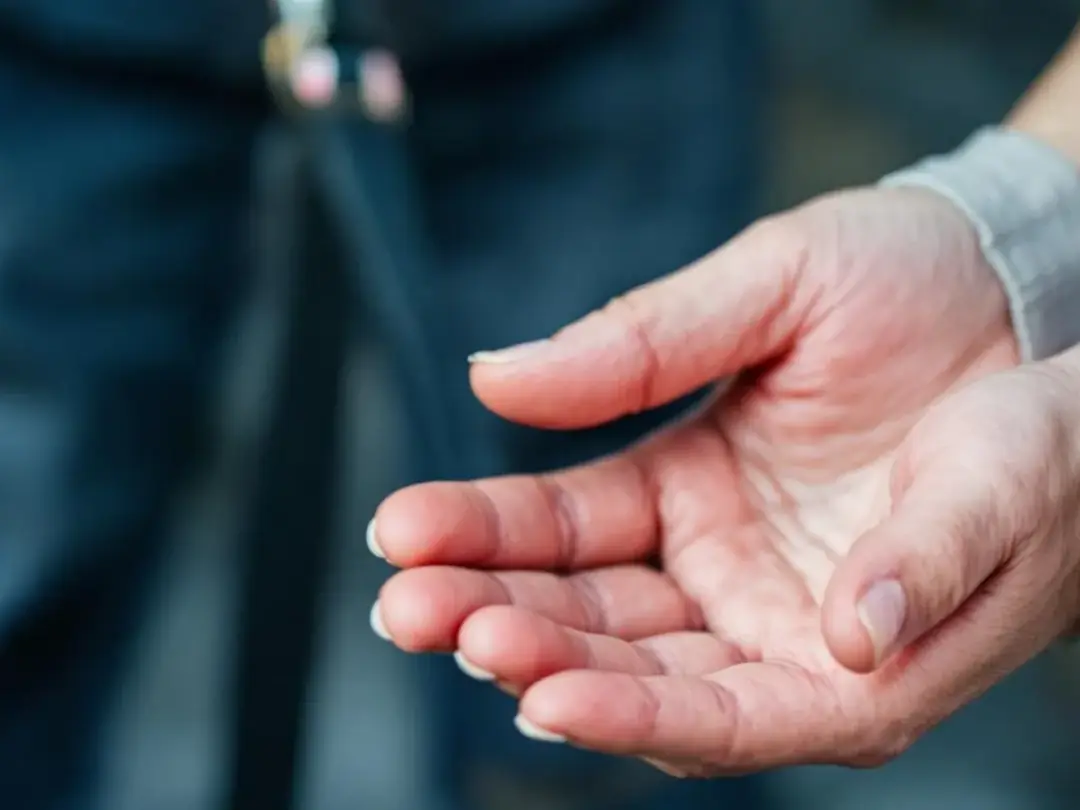
The image shows a close-up of hands demonstrating the proper two-handed leash holding technique, emphasizing the...

Leash Management Techniques


Proper leash handling makes a huge difference in your success with loose leash walking. These physical techniques help you communicate clearly with your dog while maintaining control.


Proper Leash Length


Use a 6-8 foot standard leash for most training, or a 10-15 foot long line when working in secure areas. The longer leash gives your dog more freedom to make choices while still maintaining your ability to manage the situation.


Avoid retractable leashes during training, as they teach dogs that constant tension on the leash is normal. The mechanism actually rewards pulling by extending when the dog applies pressure, which directly contradicts what you're trying to teach.


The "Gather and Dip" Method


Maintain slack without losing control by gathering excess leash in your non-treat hand and allowing it to dip slightly. This gives your dog freedom while keeping you ready to manage the leash length if needed.


When your dog moves closer to you, gather more leash. When they move away (but stay within appropriate bounds), let out more line. This dynamic management keeps the leash loose while maintaining your connection.


Two-Handed Leash Holding Technique


Hold the leash handle in your right hand if your dog walks on your left side, and use your left hand to manage treats and extra leash length. This positioning gives you better control and communication while keeping your treat hand free for rewards.


Keep the leash hand relaxed-a tense, rigid arm communicates stress to your dog through the leash. Your dog can feel tension through the leash connection, so staying calm and loose in your handling helps your dog remain calm too.


Leash Tension as Communication


Use light pressure as a signal rather than constant pulling. A gentle lift or slight tension can redirect your dog's attention, but this should be followed immediately by slack when your dog responds appropriately.


Think of the leash as a communication tool rather than a control device. The goal is for your dog to respond to your movement and voice rather than needing physical management through the leash.

Equipment Selection for Success

The right equipment can reduce pulling and make training more effective for both you and your dog.


Front-Clip Harness Benefits


Front-clip harnesses redirect your dog's forward momentum to the side, making pulling less effective and more awkward for your dog. When fitted properly, these harnesses can reduce pulling by up to 70% compared to traditional collars.


Look for harnesses with adjustable straps across the chest and behind the front legs. The front ring should sit at the center of your dog's chest, not off to one side. Popular options include the Easy Walk Harness and Freedom Harness, both designed specifically to discourage pulling.


Back-Clip Harness vs. Collar Comparison


Back-clip harnesses work well for dogs who don't pull strongly, as they distribute pressure across the chest rather than concentrating it on the neck. However, for dogs who do pull, back-clip harnesses can actually make pulling more efficient by engaging their strongest pulling muscles.


Traditional flat collars are suitable for dogs who already have good leash walking skills, but they concentrate all pressure on the neck area. For puppies and dogs still learning, harnesses are generally safer and more comfortable.


Head Halter Introduction


Head halters like the Gentle Leader can be highly effective for strong pullers, as they control the dog's head direction. However, most dogs need a gradual introduction process, as the sensation around their muzzle can be initially uncomfortable.


Spend several days letting your dog wear the head halter for short periods with lots of treats before attempting to use it for walks. Never jerk or yank on a head halter, as this can injure your dog's neck.


Avoid Retractable Leashes


Retractable leashes undermine loose leash walking training because they reward pulling with more freedom. The constant tension these leashes maintain teaches dogs that a tight leash is normal and acceptable.


Stick with fixed-length leashes that allow you to maintain consistent communication and control. Save retractable leashes for specific situations like beach walks or large open areas where you want to give your dog maximum freedom.

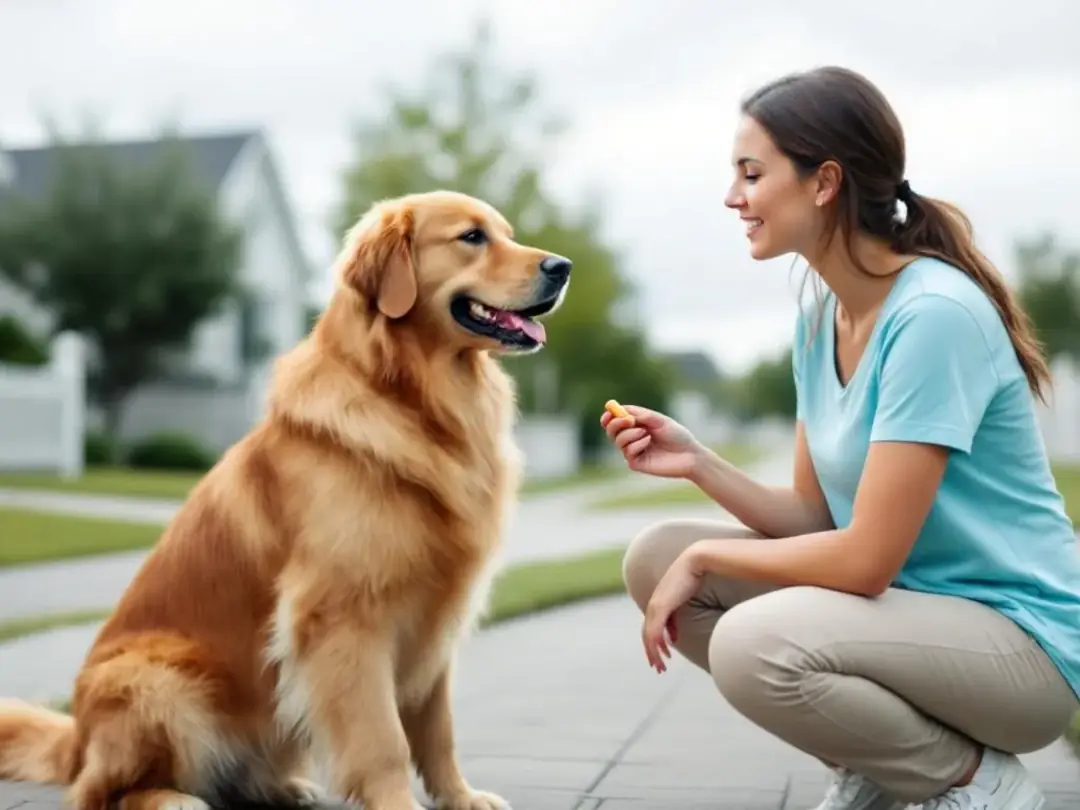
A dog and its owner are practicing loose leash walking skills on a quiet street in a residential neighborhood...

Progressive Training Techniques


Successful loose leash walking requires systematic progression from easy environments to more challenging situations.


Indoor Foundation Work


Start practicing in hallways and living rooms where distractions are minimal. Your dog can focus entirely on learning the new skills without competing stimuli. Practice walking back and forth in your hallway, rewarding your dog for staying beside you with a slack leash.


Use furniture and walls to help guide your dog's position initially. Walking along a wall with your dog between you and the wall naturally encourages proper positioning. Indoor work should be mastered before moving outside.


Backyard Progression


Add mild distractions like family members walking around or toys scattered on the ground. Your backyard provides a controlled environment where you can practice with slightly more stimulating conditions while still maintaining security.


Practice direction changes and the stop-and-go method in your yard. Set up simple exercises like walking in figure-8 patterns around chairs or trees. This helps your dog generalize the skills to different environments.


Quiet Street Training


Choose low-traffic areas for initial outdoor practice. Early morning or late evening walks on quiet residential streets provide the perfect stepping stone between your yard and busier environments.


Start with very short distances-just to the end of your block and back. Focus on quality over quantity during these initial outdoor sessions. It's better to have a successful 5-minute walk than a frustrating 20-minute struggle.


Gradual Distraction Introduction


Slowly add challenging environments like parks, busy sidewalks, and areas with other dogs. Each new level should be introduced only after your dog has demonstrated reliable loose leash walking skills in the previous environment.


Timeline expectations vary by dog, but most dogs need 2-4 weeks to master indoor loose leash walking and another 6-8 weeks to achieve outdoor reliability. Rushing this progression often results in setbacks and frustration for both you and your dog.

Advanced Handling Techniques

Once your dog has mastered the foundation skills, these advanced techniques help maintain attention and improve responsiveness in challenging situations.


Pace Variation Training


Alternate between slow walks and normal speed to keep your dog paying attention to your movement. Dogs who get bored with a steady pace often start seeking their own entertainment, which usually involves pulling toward interesting distractions.


Practice sudden stops, slow motion walking, and slightly faster movement. Your dog learns to watch you for cues about pace and direction rather than assuming every walk follows the same pattern.


Circle and Figure-8 Patterns


Practice walking in circles and figure-8 patterns to improve your dog's attention and coordination. These exercises require your dog to adjust their position constantly, which builds body awareness and responsiveness to your movement.


Start with large, gentle curves and gradually make the patterns tighter as your dog's skills improve. This type of practice translates to better responsiveness during regular walks when you need to navigate around obstacles or change direction.


Emergency Redirection Techniques


Learn to quickly redirect your dog's attention when you encounter high-distraction situations. Use your dog's name followed by an enthusiastic "let's go!" while changing directions abruptly. Have high-value treats ready for immediate reward when your dog follows.


Practice these redirection skills regularly during low-distraction times so they're reliable when you really need them. The goal is to interrupt your dog's fixation on a distraction before it becomes an unmanageable situation.


Reading Dog Body Language


Recognize pulling triggers before they happen by watching your dog's body language. Forward-leaning posture, intense staring, and quickened pace often signal that your dog is about to pull toward something interesting.


Early intervention is much more effective than trying to correct pulling after it starts. When you see these warning signs, use redirection techniques or increase your reward rate to maintain your dog's attention.


Handler Positioning and Movement


Your own body language and movement patterns influence your dog's behavior significantly. Walk with confident, purposeful movement rather than hesitant or distracted walking. Dogs pick up on uncertainty and may take the lead when they sense their handler isn't focused.


Keep your shoulders back and maintain an upbeat pace. Your energy level affects your dog's excitement, so remain calm but engaged throughout your walk.

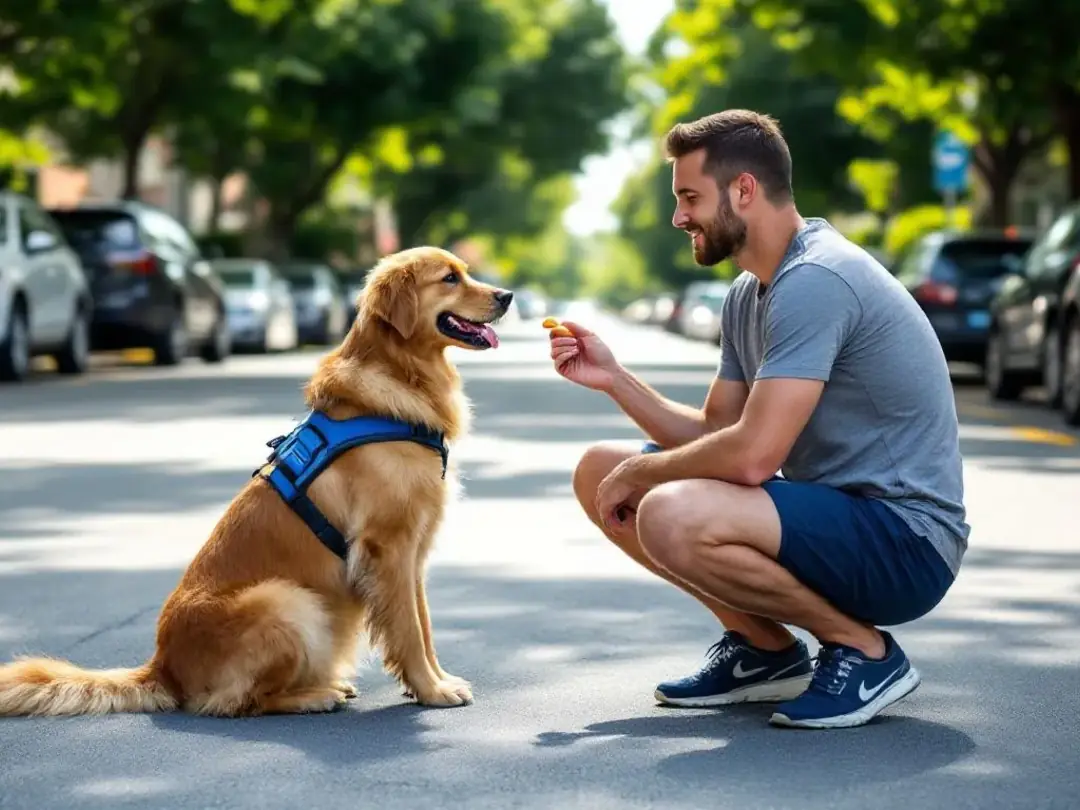
A dog is walking calmly on a busy street, exhibiting loose leash walking skills as it passes various distractions...

Troubleshooting Common Challenges


Even with good technique, you'll encounter specific challenges that require targeted solutions.


Dealing with Reactive Dogs


For dogs who bark or lunge at other dogs, people, or objects, create distance and use counter-conditioning techniques. The goal is to help your dog remain calm and focused on you rather than reacting to triggers.


Practice the "look at me" command and reward your dog generously for making eye contact when potential triggers are visible but at a safe distance. Gradually decrease the distance as your dog's comfort level improves.


Multi-Dog Walking Techniques


Managing multiple leashes requires practice and patience. Start by mastering loose leash walking with each dog individually before attempting to walk them together. Use a hands-free leash system or separate leashes to prevent tangling.


Keep dogs who walk well together on the same side, and separate dogs who tend to play or distract each other during walks. Many dogs who pull individually actually walk better when paired with a calm walking companion.


Weather and Terrain Adaptations


Modify your techniques for different conditions. Icy sidewalks require shorter steps and more frequent rewards, as both you and your dog need to focus on footing. Rainy weather often makes dogs more distracted or reluctant to walk.


Hot pavement can make dogs uncomfortable and affect their walking behavior. Check pavement temperature with your hand and adjust your route or timing accordingly. Your dog's comfort directly impacts their ability to focus on training.


Age-Specific Modifications


Puppies under 6 months have short attention spans and tire easily. Keep training sessions brief (5-10 minutes) and focus on one skill at a time. Puppy muscles and joints are still developing, so avoid long training walks.


Senior dogs over 8 years may have physical limitations that affect their walking. Arthritis or other health issues can make sudden direction changes uncomfortable. Adapt your techniques to accommodate your older dog's physical needs while still maintaining training consistency.


Specific Scenarios


When encountering other dogs, create distance and keep moving rather than stopping for greetings unless both dogs are calm and focused. Use treats to keep your dog's attention on you rather than the approaching dog.


For cyclists or runners approaching, step to the side and have your dog sit while they pass. This prevents your dog from chasing or becoming overly excited by fast-moving objects.


When greeting people, ask your dog to sit before allowing interaction. This prevents jumping and maintains the calm, controlled energy you've been building during your walk.

Consistency and Maintenance Techniques

Long-term success with loose leash walking requires ongoing attention and practice, even after your dog has mastered the basic skills.


Daily Practice Schedule


Dedicate 15-20 minutes daily to focused training walks separate from your dog's regular exercise walks. These training sessions should emphasize quality over distance, with frequent rewards for good behavior.


Regular exercise walks can become more relaxed as your dog's skills improve, but maintain your standards. Don't allow pulling during regular walks just because you're not in "training mode"-this confuses your dog and undermines your progress.


Family Member Coordination


Ensure all household members use the same techniques and maintain the same standards. Mixed messages from different family members slow progress and can create confusion for your dog.


Hold a family meeting to review the techniques and make sure everyone understands the importance of consistency. Provide written guidelines if necessary, especially for techniques like treat positioning and response to pulling.


Refresher Training Sessions


Even well-trained dogs benefit from monthly skill maintenance sessions. Life changes, seasonal variations, and normal behavioral drift can affect your dog's loose leash walking skills over time.


Schedule brief refresher sessions to practice the foundation techniques, especially after breaks in routine due to illness, travel, or major life changes. Prevention is much easier than correcting bad habits that have returned.


Long-Term Success Strategies


Preventing regression during periods of excitement or stress requires maintaining your training mindset even when life gets busy. Holiday seasons, new environments, and changes in routine all challenge your dog's established habits.


Continue carrying treats during walks even after your dog is well-trained. Intermittent rewards help maintain enthusiasm for good walking behavior throughout your dog's life.


Remember that loose leash walking is a learned skill that requires lifetime maintenance, not just initial training. Dogs who were excellent walkers as adults may need refresher training as seniors if physical changes affect their comfort or ability.


The investment you make in establishing good loose leash walking skills pays dividends throughout your dog's life. Walks become enjoyable bonding time rather than stressful battles, and your dog gets the mental stimulation and exercise they need to remain calm and happy at home.


Start with the foundation techniques, be patient with the learning process, and celebrate small improvements along the way. Your consistent effort will transform both your dog's behavior and your relationship, making every walk together a pleasure instead of a chore.

ABCs Puppy Zs

ABCs Puppy Zs Ensures Healthy, Lovingly Raised Goldendoodles, for an Exceptional Experience in Pet Ownership.

Could you ask for more? You bet: