
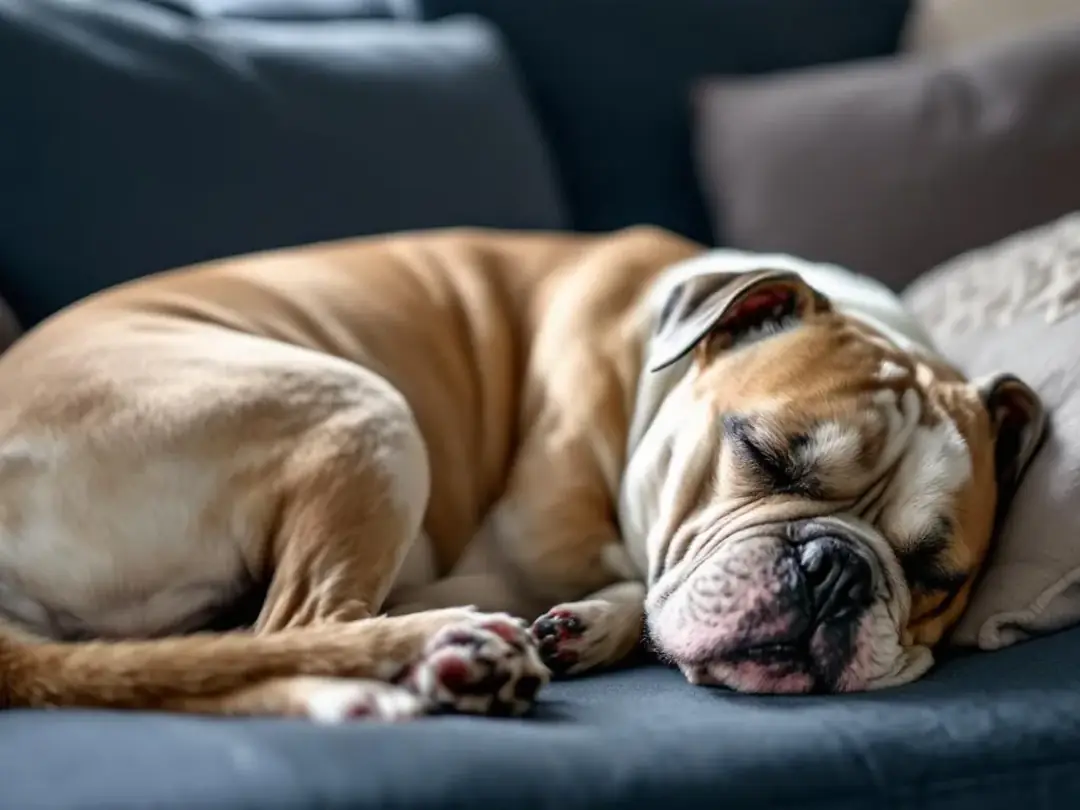

Lazy dog breeds are usually lower-energy breeds that tend to be more content with calm routines, moderate exercise, and lots of downtime compared with high-drive working dogs.
If you are trying to match a dog's energy level to your home life, our do dogs get bored guide is a useful next read because even calmer dogs still need the right kind of mental and physical enrichment.
Key Takeaways
- "Lazy" usually means lower energy, not no needs.
- Many calmer breeds still need daily walks, enrichment, and weight management.
- Some small, medium, and large breeds are known for being more relaxed indoors.
- Breed tendencies matter, but individual dogs can still vary a lot.
- The best dog is the one whose energy level fits your real lifestyle.
What People Usually Mean by "Lazy Dog Breeds"
When people say lazy dog breeds, they usually mean dogs that are calmer, less demanding physically, and more content with moderate exercise and indoor downtime. It does not mean the dog never needs walks, play, or mental stimulation.
It usually means the dog is easier to satisfy, not that the dog has no needs.
Low energy is not the same thing as no maintenance.
Why Some Breeds Are More Relaxed
Some breeds were developed more for companionship, guarding, or short bursts of work rather than all-day endurance. Others simply have body types or temperaments that make them less driven toward constant activity. That breeding history often shapes what daily life with them feels like.
Still, breed history is only part of the story.
Genetics set the tone, but the individual dog still writes the details.
Examples of Smaller Relaxed Breeds
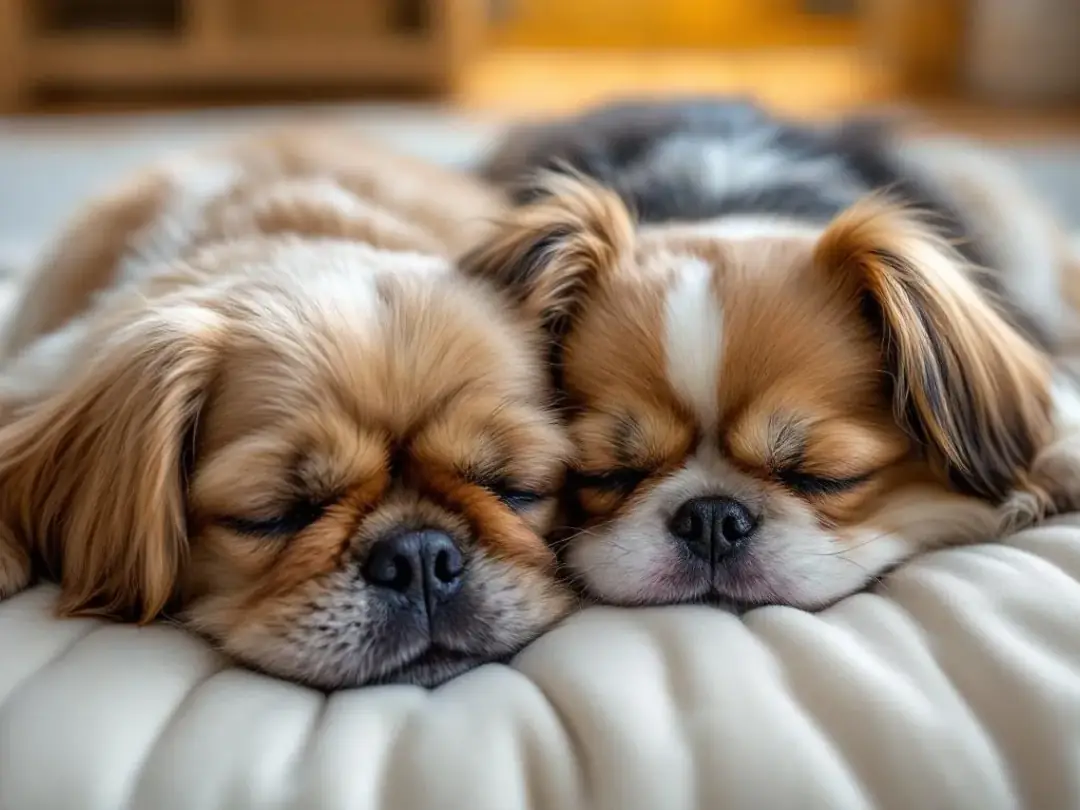
Some smaller breeds are known for being especially content indoors.
Breeds often mentioned in this category include the Cavalier King Charles Spaniel, Pekingese, Japanese Chin, Maltese, Pug, and some Chihuahuas. These dogs can still be playful and alert, but many are happy with shorter walks and lots of companionship time.
That makes them appealing for apartments and quieter households.
Small does not always mean hyper.
Examples of Medium Relaxed Breeds
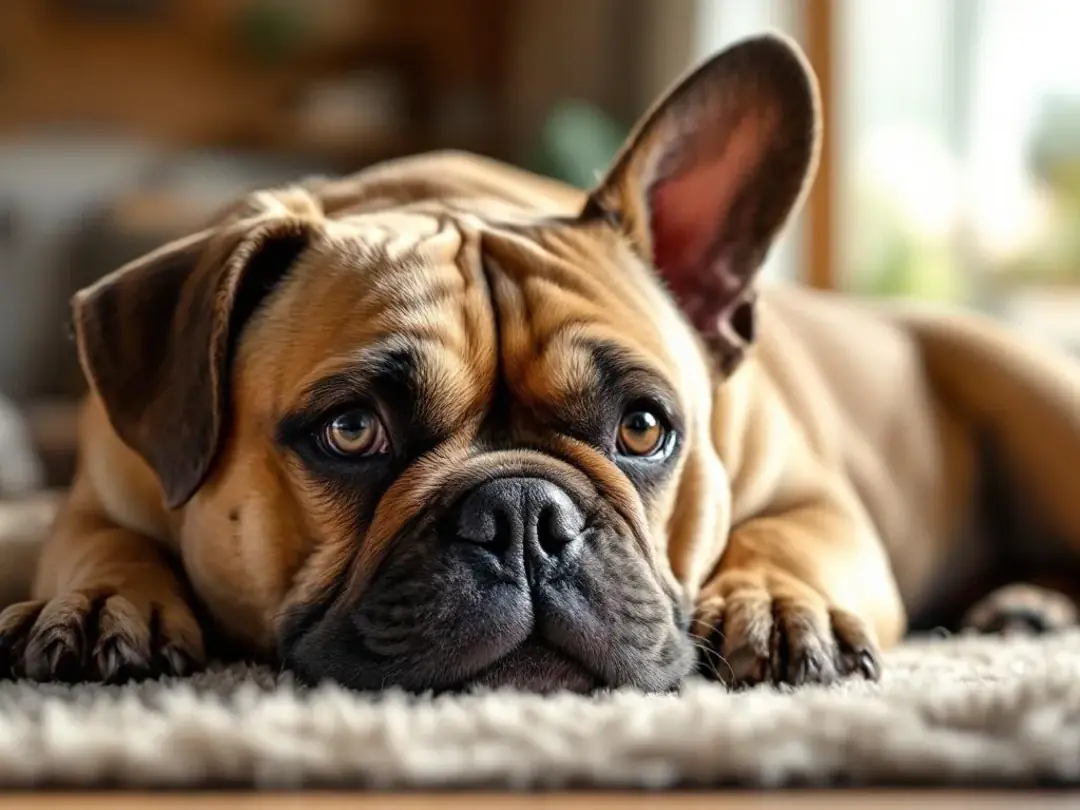
Some medium breeds are known for being calm without being tiny.
French Bulldogs, English Bulldogs, Basset Hounds, and some Chow Chows are often listed as lower-energy options. These breeds may still need regular walks and structure, but they are often less demanding than high-drive sporting or herding breeds.
That can make them feel more manageable for the right home.
Calm is often about the daily rhythm, not just the breed label.
Examples of Larger Relaxed Breeds
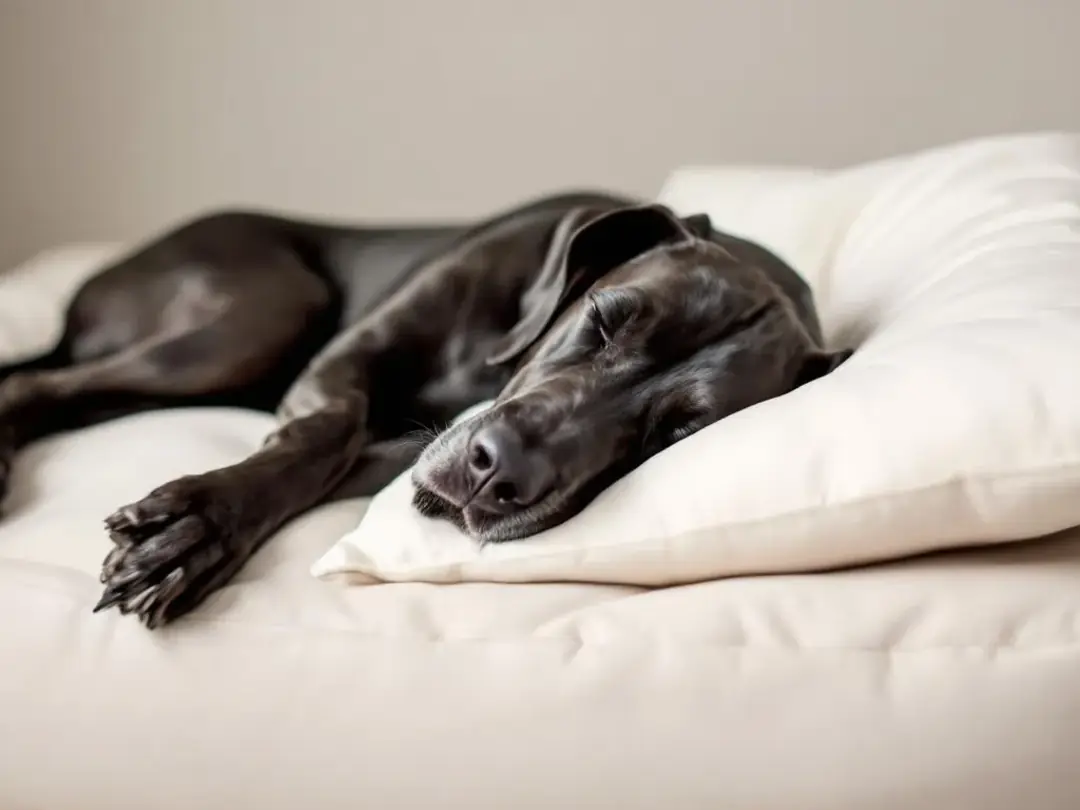
Big dogs are not always high-energy dogs.
Great Danes, Saint Bernards, Newfoundlands, Bernese Mountain Dogs, and retired Greyhounds are often surprisingly calm indoors. Some of these breeds are known as gentle giants because they can be large, affectionate, and relatively low-key in the home.
Of course, their size still changes the practical side of ownership.
Low energy does not mean low impact when the dog weighs over a hundred pounds.
What to Watch Out For
Lower-energy breeds can still have important care needs. Some are prone to obesity, breathing issues, joint problems, or heavy grooming demands. A dog that likes to lounge can become unhealthy fast if "lazy" turns into under-exercised and overweight.
That is why calm dogs still need intentional care.
Easygoing should never become neglected.
How to Choose the Right One
The best lower-energy breed for you depends on more than exercise level. You also need to think about size, grooming, health risks, noise level, trainability, and whether you want a dog that is independent or very people-focused. A calm dog that does not fit your real life is still the wrong dog.
That is why lifestyle matching matters more than a simple "lazy breed" list.
The right dog is not just low energy. It is low friction for your actual home.

Bottom Line
Lazy dog breeds can be wonderful for the right lifestyle, but "lazy" is not a free pass.
Many calmer breeds make excellent companions for people who want a more relaxed dog, but they still need walks, enrichment, health care, and thoughtful management. The best choice is the breed whose energy level, size, and care needs actually fit your day-to-day life.
That is what makes a dog feel easy to live with.
The goal is not the laziest dog. It is the best-matched dog.
FAQ
Common Questions About Lazy Dog Breeds
These quick answers cover common questions about lower-energy breeds, apartment living, and what "lazy" really means in dogs.
What does "lazy dog breed" really mean?
It usually means a lower-energy breed that is more content with moderate exercise and lots of downtime.
Do lazy dog breeds still need walks?
Yes. Even calmer breeds still need regular walks and basic physical activity for health.
Are lazy dog breeds good for apartments?
Many are, especially smaller and quieter breeds, but size, noise, and grooming still matter.
Are big dogs always more active?
No. Some very large breeds are actually quite calm indoors.
Can a lazy breed still get bored?
Yes. Lower-energy dogs still need mental stimulation, routine, and some daily engagement.


