Goldendoodle Blog Banner

Indoor Games for Dogs

Bricks Coggin

Bricks Coggin ยท Director of Services

Published

When harsh weather hits, your living space feels cramped, or your canine companion needs a low-impact activity day, outdoor adventures aren't always possible. But here's the thing-your dog still needs both mental and physical stimulation to stay happy and healthy. Indoor games for dogs aren't just backup plans; they're essential tools that keep your dog mentally stimulated, physically active, and behaviorally balanced.


These fun indoor games do more than just pass time. They strengthen the bond between both you and your pooch, prevent destructive behaviors that stem from boredom, and tap into your dog's natural instincts in safe, controlled ways. Whether you're dealing with a rainy week, recovering from an injury, or simply want to add variety to your routine, the right indoor activities can transform your house into an engaging playground.

Why Indoor Games Are Essential for Your Dog

Life happens. Storms roll through, apartments don't come with yards, and sometimes your dog needs gentler activities due to age or health considerations. These situations don't mean your dog has to settle for a boring day.


Indoor games provide crucial mental stimulation that many dogs actually crave more than pure physical exercise. A tired dog's mind often matters more than tired legs-puzzle-solving and scent work can leave your pup as satisfied as a long hike. This mental engagement helps prevent anxiety, reduces destructive chewing, and gives high-energy breeds an outlet that works within your four walls.


Beyond keeping your dog busy, these activities strengthen your relationship. Training sessions disguised as games build communication and trust. When you play with your dog indoors, you're creating positive associations with home time rather than just waiting for the next outdoor adventure.


The behavioral benefits add up quickly. Dogs who regularly engage in structured indoor play show fewer signs of separation anxiety, less reactive barking, and better impulse control. It's preventive care that pays dividends in a calmer, more confident canine companion.

Interactive Games That Engage Your Dog's Mind

Hide and Seek


This classic game taps into your dog's natural hunting instincts while reinforcing basic commands. Start simple: have your dog sit and stay in one room while you hide behind a door or large piece of furniture. Call their name and praise enthusiastically when they find you.


Once your dog understands the concept, increase the challenge. Hide in closets, behind curtains, or even under blankets. Use a consistent verbal cue like "find me" to signal the start of the game. Most dogs catch on quickly and will start using their nose to track your scent.


For advanced players, incorporate family members. Have one person hold your dog while another hides, then release them to seek. This variation keeps the game fresh and teaches your dog to respond to different people.


Treasure Hunt and Scent Games


Transform your dog's powerful sense of smell into entertainment by hiding treats throughout your home. Start obvious-place treats in plain sight and gradually work toward more challenging locations like under furniture edges or behind household items.


The cup game offers a perfect introduction to scent work. Place a treat under one of three cups, let your dog watch, then shuffle the cups and encourage them to choose. As their skills improve, hide the treat without letting them see which cup you use.


Create treasure trails by placing treats every few steps along a path through your house. This activity naturally slows down fast eaters while providing sustained mental engagement. Dogs who love this game often develop impressive problem-solving skills and increased confidence.


Find the Toy Game


Teaching your dog to identify specific toys by name builds their vocabulary while creating an engaging retrieve game. Start with one favorite toy, use its name consistently ("Where's your rope?" or "Find the ball"), and reward when they bring the correct item.


Gradually add new toys to their vocabulary, always using distinct names. Store toys in a basket and ask for specific ones. This mental exercise can keep your dog entertained for extended periods while reinforcing useful skills like "drop it" and "bring it here."


Advanced dogs can learn dozens of toy names, turning cleanup time into a fun game where they help put toys away in specific locations.

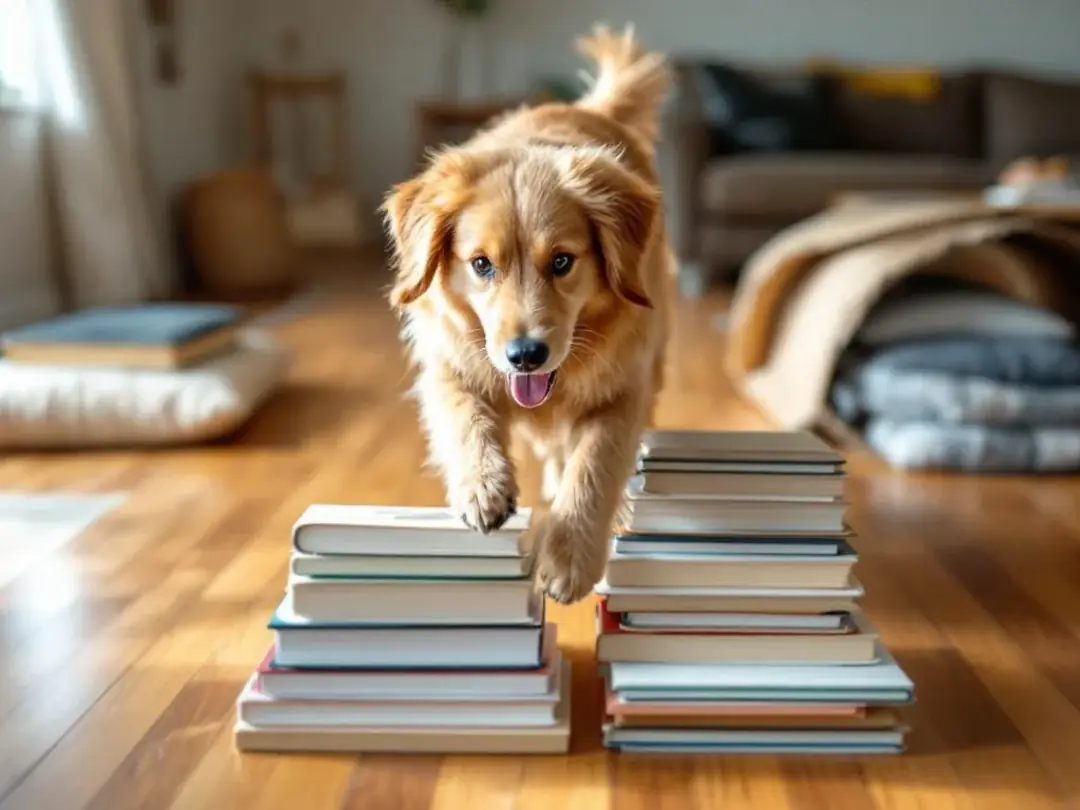
A dog is navigating through a homemade indoor obstacle course made of pillows and household items, showcasing its...

Active Indoor Games for Physical Exercise


Adapt this outdoor favorite for indoor spaces by choosing soft toys that won't damage walls or furniture. Hallways work perfectly for longer throws, while living rooms suit shorter tosses with plush balls or rope toys.


Indoor Fetch


Playing fetch indoors requires some rule modifications. Teach a reliable "drop it" command to prevent destructive tug sessions when you retrieve the toy. Use softer throwing techniques-rolling or gentle tosses work better than hard throws in confined spaces.


For smaller dogs, even a few throws down a hallway can provide meaningful physical exercise. Larger dogs benefit from multiple short sessions rather than one long indoor fetch marathon, protecting both your furniture and their joints.


Tug of War


A sturdy rope toy transforms into an excellent energy outlet when paired with clear rules. Teaching "take it" and "drop it" commands makes tug of war a controlled exercise that builds confidence without encouraging aggressive behavior.


Keep sessions short-a few minutes of intense tugging provides substantial physical stimulation for most dogs. Always end the game while your dog still wants to play, and ensure you maintain control by winning about half the time.


This game particularly benefits nervous dogs, as controlled opposition helps build confidence. The physical engagement also strengthens your bond while teaching your dog that exciting play happens under your guidance.


Indoor Obstacle Course


Transform your living space into an agility course using chairs, pillows, blankets, and cardboard boxes. Set up jumps using broomsticks balanced on books, create tunnels with chairs and blankets, and use pillows as weaving poles.


Start with simple obstacles and guide your dog through using treats and encouragement. Most dogs naturally enjoy jumping and climbing, making this one of the most versatile indoor activities for physical exercise.


Adjust height and complexity based on your dog's size and fitness level. Senior dogs can walk through lower obstacles, while energetic young dogs can tackle more challenging courses. The setup process itself becomes part of the fun as your dog watches you create their playground.

Creative and Unique Indoor Activities

Bubble Chase


Dog-safe, non-toxic bubbles create instant entertainment in minimal space. The unpredictable movement challenges your dog's coordination while providing gentle cardio exercise. You can purchase pet-safe bubble solutions at most pet stores or make your own using dog-safe dish soap.


This simple activity works particularly well for dogs with limited mobility or in very small spaces. The visual stimulation engages dogs who might not respond strongly to scent-based games, and the light physical activity suits dogs recovering from injuries.


Blow bubbles at different heights and speeds to keep the game challenging. Some dogs become quite skilled at catching bubbles, turning this into an impressive trick for visitors.


Food Puzzle Games


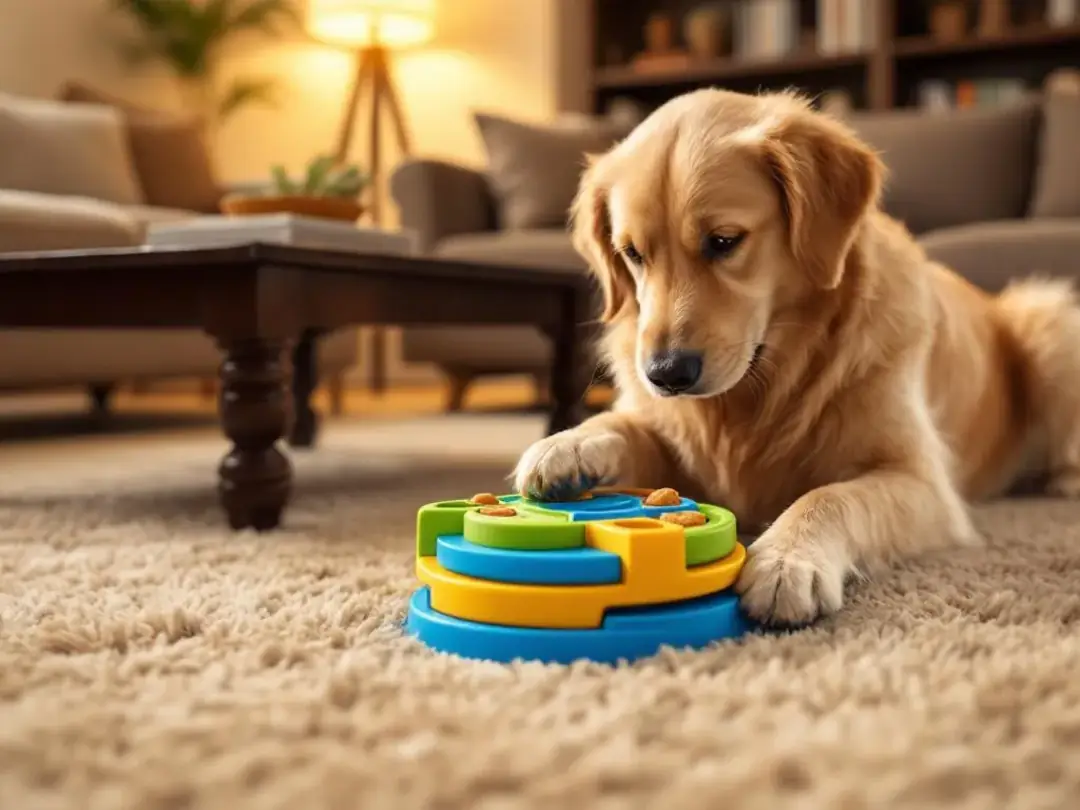
Turn mealtime into mental exercise using puzzle toys and DIY challenges. A muffin tin with tennis balls covering treats in each cup creates an engaging feeding puzzle. Toilet paper rolls stuffed with kibble, towels hiding treats, or ice cube trays with frozen treats all provide sustained mental stimulation.


Commercial puzzle feeders offer varying difficulty levels, from simple treat-dispensing balls to complex multi-step puzzles. Stuffed kongs remain one of the most versatile options-freeze them with wet food or peanut butter for extended engagement.


These feeding puzzles naturally slow down fast eaters while exercising your dog's brain. Dogs who regularly use food puzzles often show improved problem-solving skills and reduced food-related anxiety.

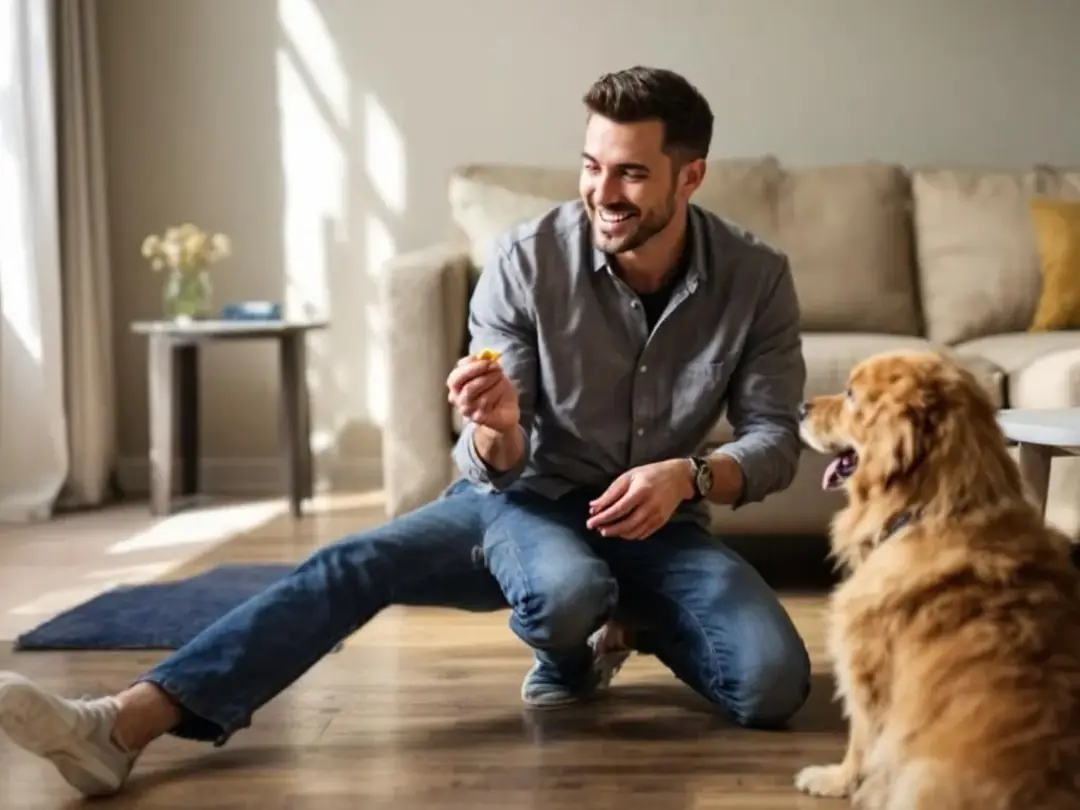
A dog owner is in a cozy living room, teaching their canine companion a new trick using treats and positive...

Training Games and Trick Learning


Transform training sessions into entertainment by teaching new tricks as games rather than formal lessons. Break complex behaviors like "roll over" or "play dead" into small steps, rewarding each component separately before linking them together.


Short, frequent training sessions work better than long practice periods. A few seconds of focused work followed by play and praise maintains your dog's attention while building skills. Quality time spent teaching tricks strengthens communication and gives your dog a sense of accomplishment.


Start with basic commands like teaching your dog to sit, then add fun variations. "Shake" leads to "other paw," which evolves into "high five." These building blocks create an expanding repertoire of tricks perfect for rainy day entertainment.


The reward-based approach used in trick training naturally encourages your dog to think creatively and try new behaviors. Dogs who regularly learn new tricks often become more confident and adaptable in other situations.

Tips for Successful Indoor Play Sessions

Creating a routine around indoor games prevents boredom before it starts. Schedule regular play sessions throughout the day, especially during typical high-energy periods. Early morning or evening games can help settle your dog before quiet times.


Rotate toys and games regularly to maintain novelty. What excites your dog today might bore them next week. Store some interactive games and bring them out only occasionally to preserve their special appeal. This rotation strategy keeps your dog engaged without requiring constant new purchases.


Adjust game intensity based on your dog's age, energy level, and physical condition. Puppies need frequent short bursts of activity followed by rest. Senior dogs benefit from gentler mental challenges that don't stress aging joints. High-energy breeds might need combination sessions that include both mental and physical challenges.


Safety considerations matter indoors just as much as outdoors. Remove fragile items from play areas, ensure adequate space for movement, and supervise games involving small parts that could become choking hazards. Create boundaries so your dog learns which areas are appropriate for active play.


Know when to end sessions. Dogs can become overstimulated indoors just like outdoors. Watch for signs of fatigue, stress, or frustration, and end games on a positive note. A tired dog should be calm and satisfied, not wound up or anxious.


Monitor your dog's response to different activities. Some dogs prefer mental challenges, others crave physical activity, and many need both. Pay attention to which games naturally engage your dog and build your routine around their preferences while gradually introducing variety.


Keep sessions positive and pressure-free. Indoor games should feel like fun, not work. If your dog seems uninterested or stressed, try a different approach or take a break. The goal is to keep your dog entertained and enriched, not to perfect performance.


Building a collection of go-to indoor activities takes time, but the investment pays off during challenging weather periods or when outdoor activities aren't possible. Dogs who regularly enjoy indoor games often become more adaptable and content, knowing that entertainment doesn't depend on going outside.


Start with simple games that match your dog's current skill level and gradually introduce more complex challenges. With a little creativity and consistency, your home can become a source of daily enrichment that keeps your dog mentally stimulated, physically active, and deeply bonded with you-regardless of what's happening outside your door.

ABCs Puppy Zs

ABCs Puppy Zs Ensures Healthy, Lovingly Raised Goldendoodles, for an Exceptional Experience in Pet Ownership.

Could you ask for more? You bet: