
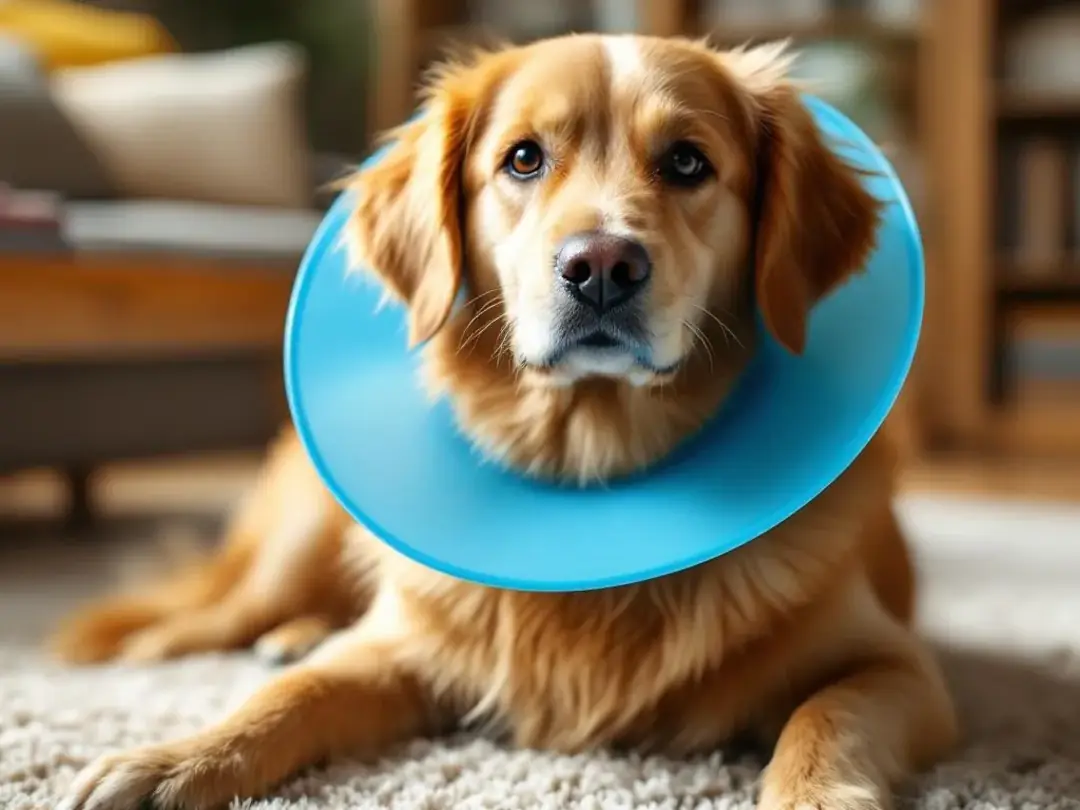

The moment your dog comes home from surgery, one instinct dominates their behavior: the urge to lick their incision. This natural response, while instinctive, poses serious risks to your pet's healing process and can lead to complications that extend recovery time by weeks. Understanding how to prevent licking immediately after surgery is crucial for protecting your dog's wound and ensuring a smooth recovery.
Most dogs will attempt to access their surgical site within hours of returning home, making prevention strategies essential from day one. The bacteria in pets mouths can quickly contaminate the incision site, leading to infections that require additional veterinary intervention. This comprehensive guide provides evidence-based methods to keep your dog from licking their incision, ensuring optimal healing and avoiding costly complications.
Immediate Solutions to Stop Incision Licking
When your dog returns from surgery, implementing protection measures immediately is critical. The first few days post-surgery represent the highest risk period for wound disruption, as tissue strength is at its weakest during initial healing.
The most effective immediate solution is the elizabethan collar, commonly known as the plastic cone or "cone of shame." This device should be applied before your dog fully recovers from anesthesia, as most pets will attempt to lick their incision as soon as they regain awareness. Proper sizing ensures the collar extends beyond the tip of your dog's nose, preventing access to the surgical site.
If you notice your dog has already started licking the incision, contact your veterinarian immediately. Even a small amount of saliva contact can introduce harmful bacteria and compromise the healing process. Clean the area gently with a cotton swab and sterile saline if instructed by your vet, then immediately implement protective measures.
Emergency steps include:
-
Apply an e collar or alternative barrier immediately
-
Monitor for signs of swelling, discharge, or separation at the incision site
-
Document any licking episodes with photos for your veterinarian
-
Schedule a recheck appointment if the protective device fails repeatedly
Most dogs require continuous protection for 10-14 days, depending on the type of surgery and individual healing rate. This timeline cannot be shortened even if the incision appears healed, as internal tissue requires additional time to achieve full strength.
Why Dogs Lick Surgical Incisions
Understanding why dogs lick surgical wounds helps pet owners recognize this as normal behavior that requires management rather than punishment. Licking serves multiple purposes in canine behavior, making it a persistent challenge during recovery periods.
Pain and discomfort drive much of this behavior. Just as humans rub sore spots for relief, dogs instinctively lick areas experiencing discomfort. The surgical site produces sensations that feel foreign to your pet, triggering their natural response to "fix" the problem through licking. This behavior intensifies during the healing process when tissues begin regenerating.
Itching sensations typically begin 5-7 days post-surgery as the healing process progresses. New tissue growth creates irritation that dogs attempt to relieve through licking and chewing. This timing often coincides with when pet owners mistakenly believe protection is no longer necessary, leading to complications during the most vulnerable healing phase.
Anxiety and stress responses significantly contribute to excessive licking behavior. The unfamiliar sensations around the incision site, combined with restricted activity and altered routines, can trigger compulsive behaviors in some dogs. Boredom during recovery periods exacerbates this tendency, as inactive pets may fixate on the surgical site for mental stimulation.
Greyhounds and other sighthounds, along with anxious breeds, may be particularly prone to obsessive licking behaviors. These dogs often require additional behavioral support alongside physical prevention methods to ensure successful recovery.
Risks of Allowing Incision Licking
The consequences of unprotected surgical sites extend far beyond simple irritation. Bacterial contamination from saliva represents the most immediate and serious risk, as canine mouths harbor numerous pathogenic organisms including Pasteurella, Staphylococcus, and Streptococcus species.
Post-operative infection rates increase dramatically without proper protection. Studies indicate that protected wounds maintain infection rates of 2-5%, while unprotected incisions can experience infection rates approaching 20%. These infections require antibiotic treatment, extended recovery periods, and additional veterinary costs that often exceed the original surgery expense.
Suture removal and wound reopening pose equally serious risks. The mechanical action of licking can pull at stitches, dissolve tissue adhesives, or cause wound dehiscence (reopening). In abdominal surgeries, this complication can lead to life-threatening herniation or evisceration requiring emergency intervention.
Delayed healing extends suffering for your pet and increases overall treatment costs. Even minor disruption of the incision site can add weeks to the recovery timeline, prolonging discomfort and extending activity restrictions. Granuloma formation and excessive scar tissue development create long-term complications that may require additional surgical correction.
Secondary complications include:
-
Systemic infections that can progress to sepsis
-
Chronic inflammation leading to persistent wounds
-
Development of lick granulomas requiring separate treatment
-
Psychological associations that create compulsive licking behaviors
The economic impact of these complications often exceeds thousands of dollars in additional veterinary bills, making prevention both medically and financially prudent.
Elizabethan Collar Solutions
The elizabethan collar remains the gold standard for incision protection, with decades of veterinary medicine supporting its effectiveness. Modern e collar designs address many comfort concerns while maintaining superior protection compared to alternative methods.
Traditional hard plastic cone collars provide the most reliable protection across all dog breeds and incision locations. Proper sizing requires measuring from your dog's neck to the tip of their nose, then adding 2-3 inches to ensure adequate extension. The collar should fit snugly around the neck without restricting breathing or causing discomfort.
Fitting techniques require attention to both security and comfort. The collar should allow one to two fingers between the device and your dog's neck, preventing both escape and excessive pressure. Most pets adapt to wearing the collar within 24-48 hours, though initial resistance is normal and expected.
Duration guidelines mandate continuous wear for the entire healing period, typically 10-14 days post-surgery. Removing the collar for short periods, even for eating or drinking, can result in rapid incision damage. Dogs often wait for these brief opportunities to access their surgical site, making consistent use essential.
Feeding and drinking adaptations help improve collar tolerance. Elevated food and water bowls reduce the need for head lowering, making eating easier for dogs wearing protection. Some pets require hand-feeding or assistance during initial adjustment periods, particularly with dry food.
Alternative Collar Options
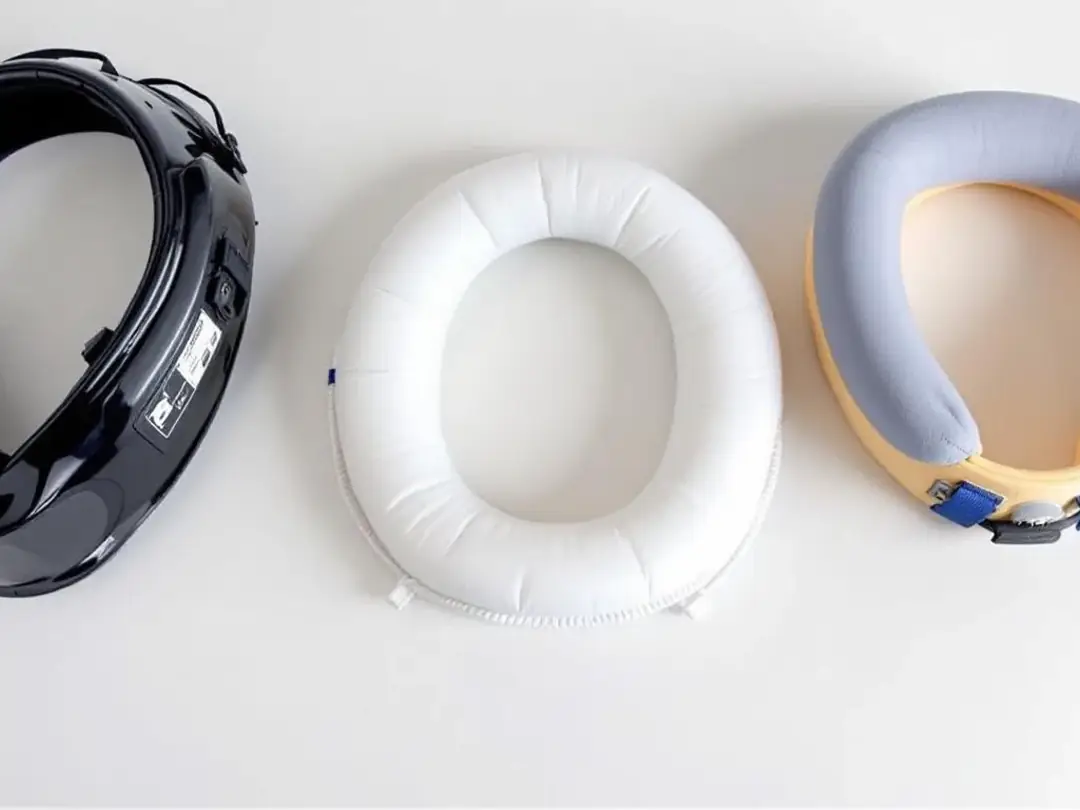
Soft fabric E-collars offer improved comfort for dogs struggling with traditional hard plastic cone designs. These collars use padded materials that reduce anxiety and improve peripheral vision while maintaining effective protection. However, determined dogs may be more successful at manipulating soft collars, requiring close monitoring.
Inflatable collar options, such as donut-shaped devices, provide comfort advantages for certain incision locations. These collars restrict neck flexion rather than creating a physical barrier, making them less effective for extremity wounds or incisions that flexible dogs can still reach. Thin-necked breeds like greyhounds may not achieve adequate restriction with inflatable collars.
Clear plastic collars address peripheral vision concerns while maintaining the protective effectiveness of traditional cones. These devices help reduce spatial disorientation and improve adaptation rates, particularly beneficial for anxious or elderly pets who struggle with vision obstruction.
Neck brace style collars prevent downward head movement without creating a cone-shaped barrier. These devices work well for trunk incisions but provide insufficient protection for leg, paw, or tail surgical sites. Dogs with long snouts may still reach certain areas despite neck restriction.
Important considerations for alternative collars include:
-
Reduced effectiveness compared to traditional e collars
-
Higher risk of failure in determined or flexible dogs
-
Specific incision location requirements for optimal function
-
Potential for easy puncture or damage with inflatable options
Most veterinarians recommend traditional elizabethan collar use unless specific contraindications exist, with alternatives serving as secondary options for dogs who cannot tolerate standard protection.

Protective Clothing and Bandaging
Recovery suits designed specifically for post-surgical pets provide an alternative approach to incision protection. These garments cover the surgical site directly while allowing normal movement and behavior patterns. Professional veterinary recovery suits offer superior fit and function compared to improvised alternatives.
DIY clothing solutions using human garments can provide temporary protection for certain incision types. T shirts work well for trunk incisions when properly sized and secured, while baby onesies can protect abdominal surgical sites. However, these improvised solutions require careful monitoring to ensure they don't create pressure points or restrict movement.
Professional bandaging techniques applied by veterinary staff offer superior protection for specific incision types, particularly extremity surgeries. Bandages provide both physical protection and psychological deterrent effects, though they require expertise for proper application and regular monitoring for complications.
Key bandaging considerations include:
-
Professional application to avoid constriction or pressure injuries
-
Regular inspection schedules every 24-48 hours
-
Waterproof covering for outdoor activities
-
Signs of swelling, discharge, or odor indicating complications
Protective clothing works best when combined with other prevention methods rather than as standalone solutions. Dogs may still attempt to remove garments or access covered areas, making supervision and backup protection essential.
Veterinary staff should assess clothing fit and provide specific instructions for monitoring covered incisions. Improper covering can mask infection signs or create moisture retention that promotes bacterial growth.
Distraction and Environmental Management
Mental stimulation and environmental enrichment play crucial support roles in preventing incision licking. Puzzle toys filled with treats provide mental engagement that redirects attention away from the surgical site. Food-dispensing toys like Kong Classic devices stuffed with peanut butter or treats can occupy dogs for extended periods.
Increased supervised interaction during recovery helps reduce boredom and anxiety that contribute to obsessive licking behaviors. New trick training sessions, adapted for limited mobility, provide mental stimulation without physical exertion. Short, frequent training sessions using treats for positive reinforcement can effectively distract from incision fixation.
Environmental modifications that keep your dog busy include rotating toy selection, providing window viewing opportunities, and maintaining social interaction within activity restrictions. These strategies work best as supplements to physical protection rather than primary prevention methods.
Anti-lick sprays containing bitter apple or citrus deterrent flavors can provide additional protection when applied to unbroken skin around the incision site. These products should never be applied directly to wounds or stitches, and their effectiveness varies significantly between individual dogs. Some pets actually develop a preference for bitter flavors, making taste-testing essential before relying on these products.
Supervision requirements during the first few days post-surgery cannot be overstated. Most pets will attempt to access their incision within hours of anesthesia recovery, making constant monitoring essential during the initial healing period. Video monitoring systems can help track behavior when direct supervision isn't possible.
Signs Your Dog's Incision Needs Veterinary Attention
Recognizing infection and complication signs enables prompt intervention that can prevent serious health consequences. Daily inspection of the incision site should become routine throughout the healing period, with photo documentation helping track changes over time.
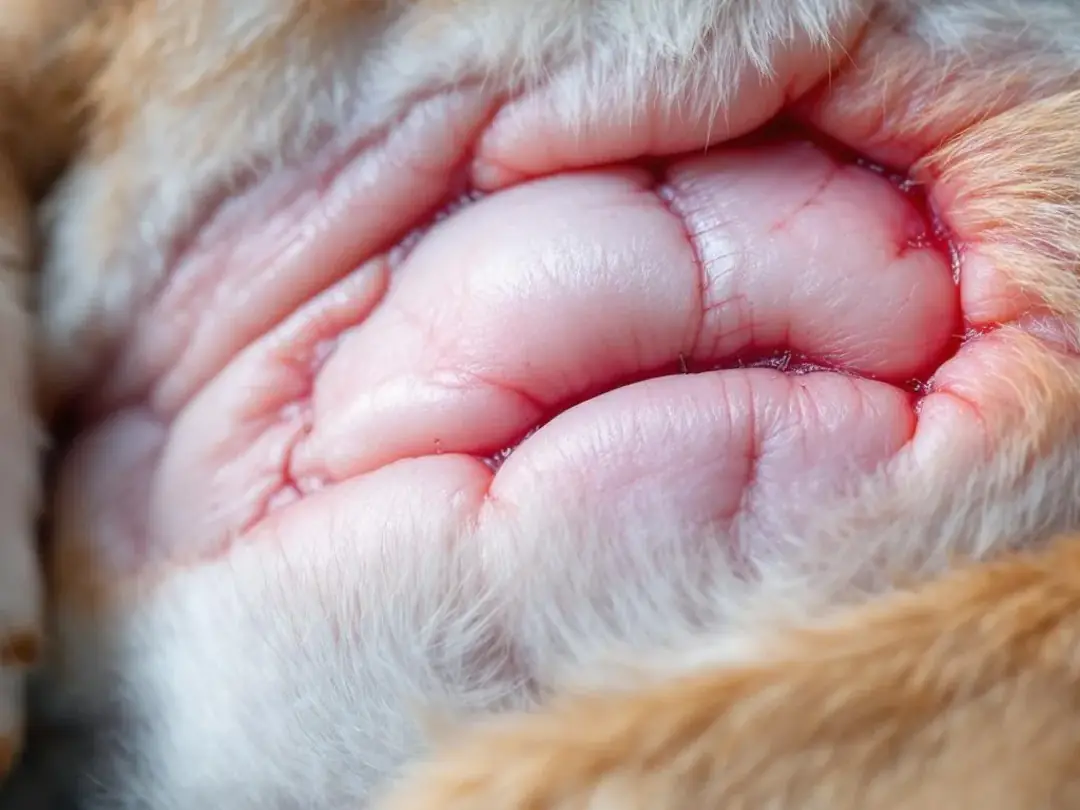
Red, swollen tissue around incision margins indicates developing infection requiring immediate veterinary attention. Normal healing produces minimal swelling that decreases over time, while infection causes progressive inflammation and heat around the surgical site. Excessive pain responses when the area is gently examined also suggest complications.
Discharge from the dog's wound requires immediate professional evaluation. Normal healing may produce minimal clear or slightly bloody drainage for 24-48 hours post-surgery, but yellow, green, or foul-smelling discharge indicates bacterial infection. Any discharge after the first few days warrants veterinary consultation.
Separation of incision edges or visible gaps in stitches represents surgical emergency requiring immediate intervention. This dehiscence can occur rapidly, particularly in the first 72 hours when tissue strength is minimal. Dogs showing signs of persistent licking despite prevention attempts need reassessment of protective strategies.
Additional warning signs include:
-
Persistent attempts to remove protective devices
-
Behavioral changes indicating increased pain or discomfort
-
Loss of appetite or lethargy beyond normal post-surgical expectations
-
Fever, indicated by warm ears or nose, lethargy, and decreased activity
Emergency veterinary consultation becomes necessary when protective measures repeatedly fail or when any signs of infection appear. Early intervention prevents minor complications from progressing to serious health threats requiring extensive treatment.
Recovery Timeline and Monitoring
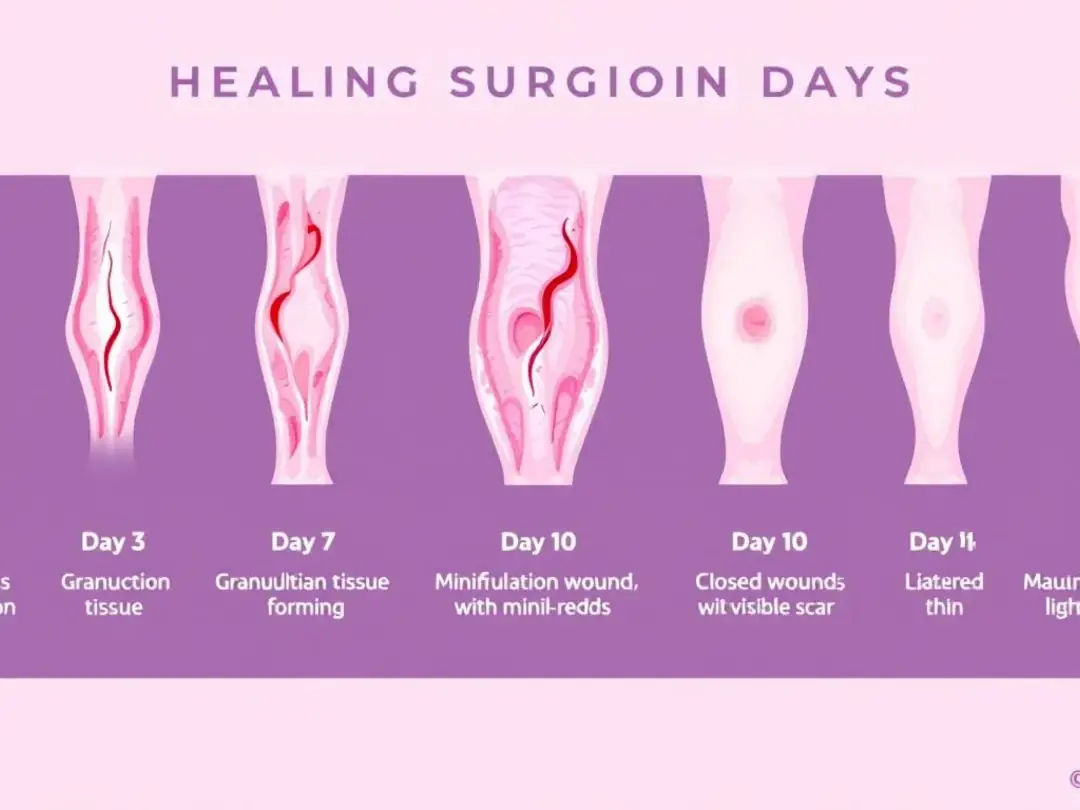
Understanding the expected healing timeline helps owners maintain appropriate protection throughout the critical recovery period. The first 72 hours represent the highest risk for wound disruption, as tissue strength remains minimal during initial healing phases.
Day 1-3 requires constant supervision and collar use, with many dogs attempting their first licking episodes during this period. Anesthesia effects may initially mask the urge to lick, but this behavior typically emerges as medication effects diminish. Protective devices should remain in place continuously, with brief removal only under direct supervision for feeding if absolutely necessary.
Day 4-7 marks the beginning of tissue strength development, though protection remains critical. Many pet owners mistakenly reduce vigilance during this period, leading to preventable complications. Itching sensations often intensify as healing progresses, increasing the motivation to lick the surgical site.
Day 8-14 represents the final healing phase when licking urges typically decrease as discomfort subsides. However, protection should continue until veterinary clearance, as internal tissue healing lags behind external appearance. Premature removal of protective devices during this phase can still result in serious complications.
Daily photo documentation provides objective assessment of healing progress and helps identify subtle changes that might indicate complications. Photos should capture the entire incision from multiple angles, with consistent lighting and positioning for accurate comparison.
Monitoring schedules should include twice-daily incision inspection, documentation of protective device tolerance, and behavioral observation for signs of pain or anxiety. Successful recovery requires consistent application of prevention methods throughout the entire healing timeline, with veterinary clearance confirming when protection can safely be discontinued.
Conclusion
Preventing your dog from licking their incision represents one of the most critical aspects of post-surgical care, directly impacting healing success and preventing serious complications. The elizabethan collar remains the most effective protection method, though alternative options may suit specific situations or sensitive pets when properly selected and monitored.
Success requires commitment to continuous protection throughout the entire 10-14 day healing period, regardless of how well the incision appears to be healing. Most pets adapt to protective devices within 48 hours, making initial persistence essential for long-term comfort and compliance.
Your veterinarian serves as your essential partner throughout this process, providing guidance on device selection, healing assessment, and complication management. Professional support ensures optimal outcomes while providing peace of mind during your pet's recovery. Consistent prevention measures protect your dog's health while avoiding the emotional and financial costs of surgical complications.


