
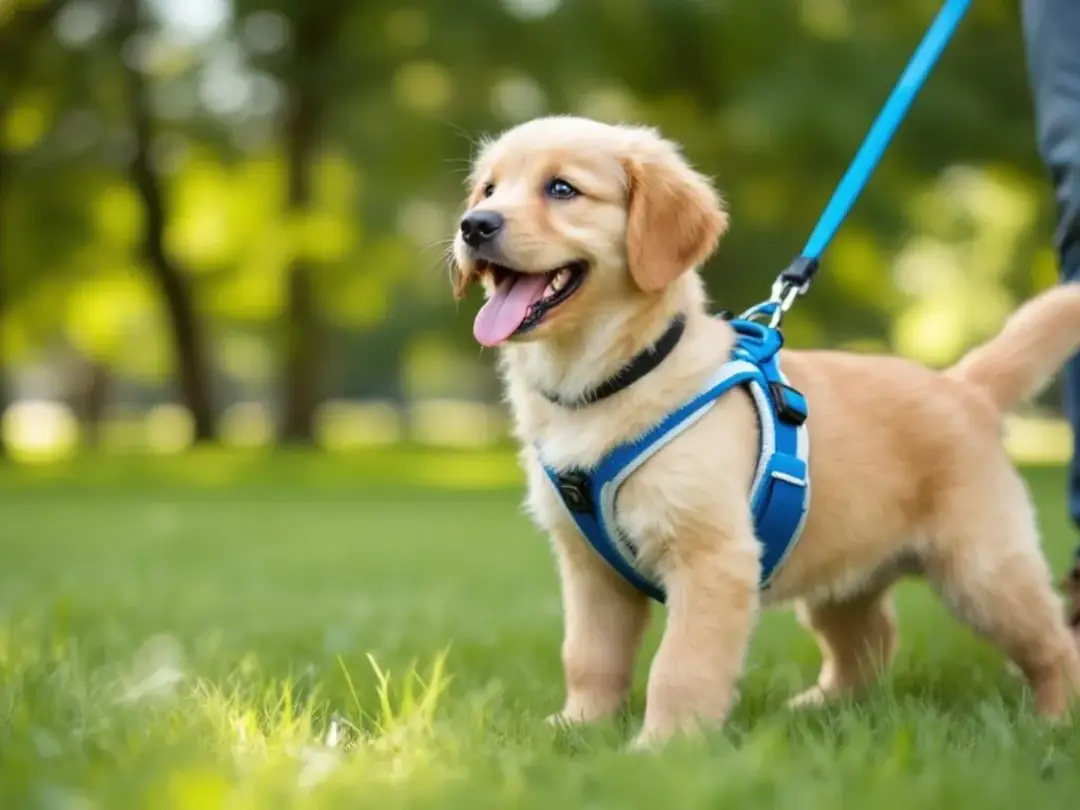

Your puppy's first harness fitting sets the foundation for years of comfortable, safe walks together. Getting the fit right isn't just about comfort-it's about protecting your growing dog's delicate trachea, preventing escapes, and building positive associations with essential training gear.
Puppies need properly fitted harnesses more than adult dogs. Their necks are softer, their bodies are still developing, and they're learning everything about the world-including how to walk on a leash. A poorly fitted dog harness can cause breathing problems, create negative training experiences, or even allow your escape artist to slip free during crucial socialization walks.
This step by step guide will walk you through everything you need to know about fitting a puppy harness properly, from initial measurements to ongoing adjustments as your furry friend grows.
Why Proper Harness Fit Matters for Puppies
Puppies have delicate tracheas and developing respiratory systems that make them more vulnerable to neck injuries from collars. A properly fitted dog harness distributes pressure across your dog's chest and shoulders instead of concentrating force on the neck area. This becomes especially important during training when your puppy is learning not to pull.
Young dogs are also notorious escape artists. Their flexible joints and smaller bone structure mean they can squeeze out of poorly fitted gear more easily than adult dogs. A puppy that slips its harness once may become a repeat offender, making every walk a potential safety hazard.
The rapid growth phase presents another challenge. Puppies can outgrow equipment in weeks, and a harness that fit perfectly last month might now be restricting movement or creating pressure points. Regular fit checks become essential during this developmental period.
Most importantly, puppies are forming their opinions about wearing gear. A comfortable, properly fitted harness creates positive associations, while a pinching or restrictive one can lead to resistance that lasts into adulthood. Taking time to get the fit right from the start pays dividends in training success.
Measuring Your Puppy for the Right Harness Size
Before shopping for any dog harness, you need accurate measurements. The most critical measurement is your dog's chest circumference at the thickest part, right behind the front legs. This is where most harnesses sit and bear the majority of pressure during walks.
Use a soft tape measure rather than a rigid ruler. Have your puppy stand in a natural position-sitting or lying down will give you inaccurate measurements. Wrap the tape around the broadest part of the chest, ensuring it sits level and parallel to the ground without twisting.
For overhead-style harnesses, you'll also need your dog's neck measurement. Measure around the lowest part of the neck where it meets the shoulders, not up high near the head. This is where the neck strap of most harnesses will sit.
Record your puppy's weight as well. Many manufacturers provide size charts that combine chest measurements with weight ranges to help you select the right size harness. The interaction between these measurements matters-a 20-pound puppy with a deep chest needs different sizing than a 20-pound puppy with a barrel-shaped torso.
Keep your puppy calm during measuring with treats and praise. If you have a squirmy pup, recruit a helper to offer distractions while you take measurements. Getting accurate numbers is worth the extra effort.
When measurements fall between sizes, choose the larger option for growing puppies. Most harnesses have multiple adjustment points that allow you to snug up a slightly large harness, but you can't add material to one that's too small.
Types of Puppy Harnesses and Fitting Methods
Different harness styles require different fitting approaches. Understanding these differences helps you choose the right harness for your puppy's temperament and your training goals.
Step-In Harnesses for Puppies
A step in dog harness works exceptionally well for nervous or head-shy puppies who resist having things pulled over their heads. This style eliminates the overhead component entirely, making it less intimidating for sensitive dogs.
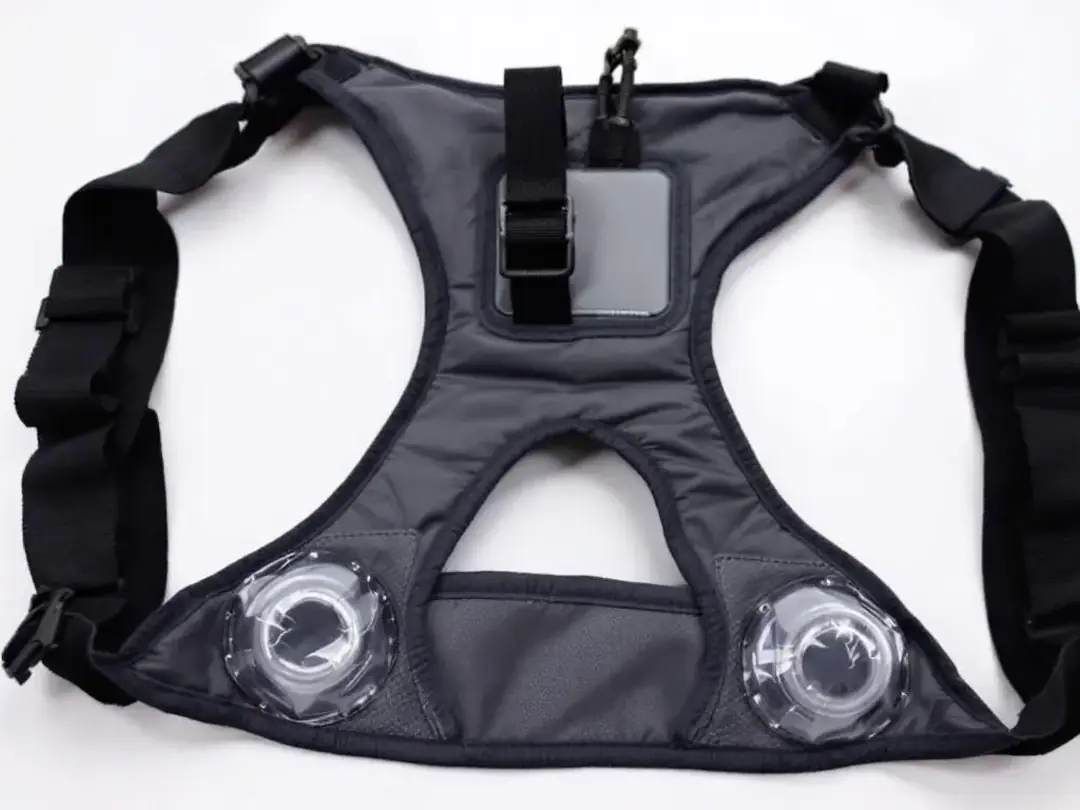
To fit a step in harness, start by laying it flat on the ground with all the straps fully loosened. The two triangles formed by the straps should be clearly visible-these are where your puppy's front legs will go.
Guide your puppy to step into the loops, positioning one front paw in each triangle. Some puppies need encouragement with treats to step forward into the loops. Once both front legs are positioned correctly, lift the back piece of the harness up and around your dog's torso, then secure the buckles behind the rib cage.
The key advantage of this style for puppies is the gradual introduction. Your dog can see and investigate the harness before putting it on, which builds confidence. This positive introduction often translates to easier harness acceptance throughout your dog's life.
Step-in harnesses typically have multiple adjustment points along the chest strap and belly strap. Start with all straps loose, then gradually tighten to achieve the proper fit without overwhelming your puppy with sudden restriction.
Overhead Harnesses for Puppies
Overhead harnesses work well for confident, calm puppies who don't mind having gear slipped over their heads. This style often provides more adjustment options and can offer better control for training purposes.
Begin by loosening all the straps completely. Hold the harness with the D ring or metal ring facing upward and identify which loop is larger (chest) and which is smaller (neck). The chest piece should go on first.
Gently slip the larger loop over your dog's head and position it around the chest area behind the front legs. The smaller neck loop should sit comfortably around the neck without restricting breathing. Then guide each front leg through the appropriate openings and buckle the chest strap under your dog's body.
For puppies with fluffy coats, you may need to compress the fur slightly to get accurate fit assessment. Don't rely on how the harness looks-focus on how it feels against your dog's body underneath the coat.
Make this process positive by offering treats and praise throughout. If your puppy shows anxiety about the overhead motion, slow down and let them investigate the harness first. Some dogs need several positive exposures before they're comfortable with the overhead approach.
Front-Clip vs Back-Clip for Puppies
The leash clip placement significantly affects training outcomes. Front clip harness designs naturally discourage pulling by redirecting your puppy's forward momentum back toward you when they pull. This makes them excellent choices for puppies learning leash manners.
When your puppy pulls with a front-clip harness, the mechanical advantage works against them rather than with them. Instead of being able to use their full body weight to pull forward, the harness redirects their energy and naturally encourages them to slow down and check in with you.
Back-clip harnesses allow your puppy to pull with their full body weight, which can be appropriate for well-trained puppies who don't pull excessively. These can be more comfortable for casual walks and less training-intensive activities.
Many quality puppy harnesses feature dual D rings, giving you both front and back clip options. This versatility allows you to adjust your training approach as your puppy develops better leash manners.
Achieving the Perfect Fit: Adjustment and Testing
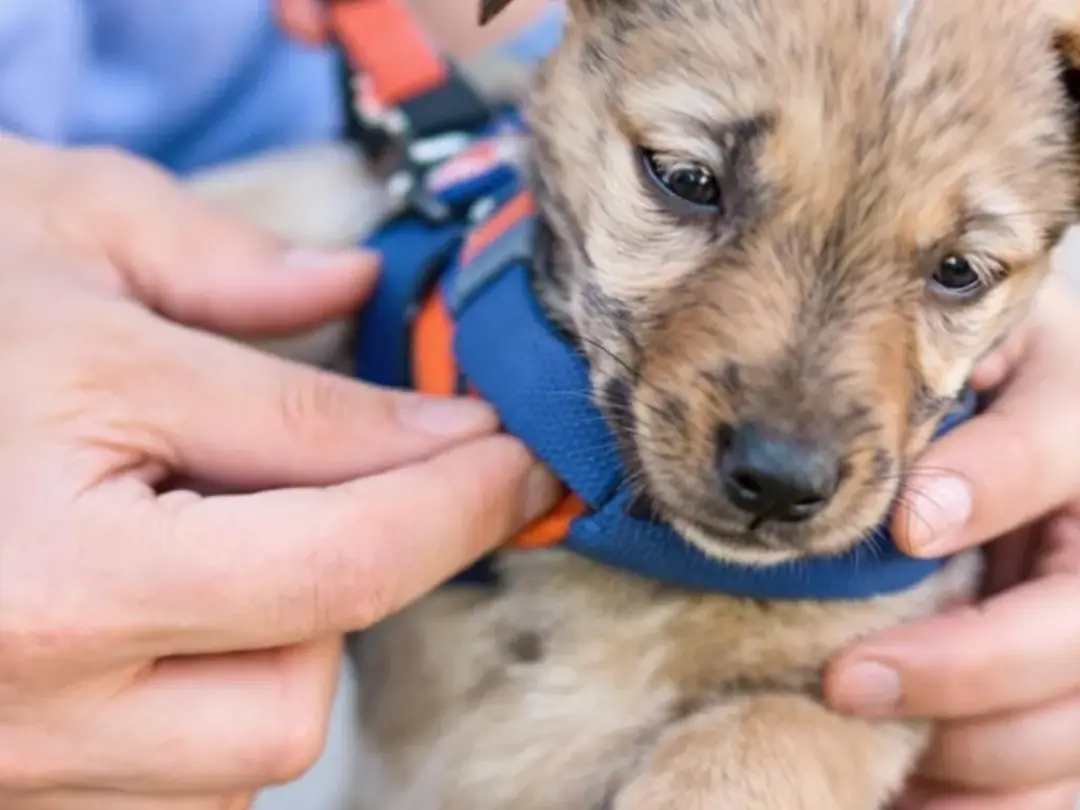
The two fingers rule provides a reliable standard for harness tightness. When properly fitted, you should be able to slip exactly two fingers between any strap and your puppy's body. This ensures enough room for comfort and natural movement while maintaining security.
Test the fit systematically by checking each adjustment point. Start with the chest strap, then the belly strap, and finally any neck components. Remember that growing puppies may have different proportions than adult dogs, so don't assume even pressure distribution.
After adjusting all the straps, perform a security test. Gently try to pull the harness over your puppy's head while they're wearing it. A properly fitted harness should resist this motion without causing discomfort. If you can easily slip it over the head, tighten the adjustments gradually.
Check that your puppy can move naturally in all directions. Have them sit, lie down, and walk around while wearing the harness. Watch for any signs of restricted movement, altered gait, or discomfort. The harness should move with your dog's body rather than shifting or sliding around.
Pay special attention to where the leash clip sits. For back-clip harnesses, the D ring should rest comfortably on your dog's back without sliding to either side. For front-clip designs, the ring should sit at the center of the chest without pulling the harness to one side.
Signs of Proper vs Improper Harness Fit
Signs Your Puppy's Harness Fits Correctly
A properly fitted harness allows your puppy to move naturally without any change in their normal gait. They should be able to pant normally, with no restriction to breathing patterns. You'll notice the harness stays in position during play, walks, and normal activities without shifting or riding up.
Your puppy should show no resistance to wearing the harness and may even get excited when they see it, associating it with walks and positive experiences. The pressure distribution should be even across contact points, with no areas of concentrated tension.
Watch for consistent comfort over time. A well-fitted harness won't leave marks, indentations, or signs of rubbing after your puppy wears it. Your dog should be able to wear the harness for normal walk durations without any signs of discomfort or fatigue.
Warning Signs of Poor Harness Fit
Red marks, chafing, or areas where hair is wearing thin indicate pressure points that need immediate attention. These signs suggest the harness is too tight or positioned incorrectly, creating friction against your puppy's skin.
If your puppy can back out of their harness during walks, it's definitely too loose. This escape behavior often happens when puppies get spooked or try to avoid something, and a properly fitted harness should prevent it completely.
Changes in breathing patterns, including excessive panting, coughing, or difficulty breathing, signal that the harness may be restricting the airway or chest expansion. This requires immediate adjustment or harness replacement.
Watch for behavioral changes like reluctance to move, altered walking patterns, or resistance to putting the harness on. Puppies are honest about discomfort-if they're showing avoidance behaviors, the fit likely needs attention.
Harness rotation during normal movement indicates poor fit. The piece rotates because it's either too loose or the proportions don't match your puppy's body shape. This can lead to rubbing and uneven pressure distribution.
Special Considerations for Growing Puppies
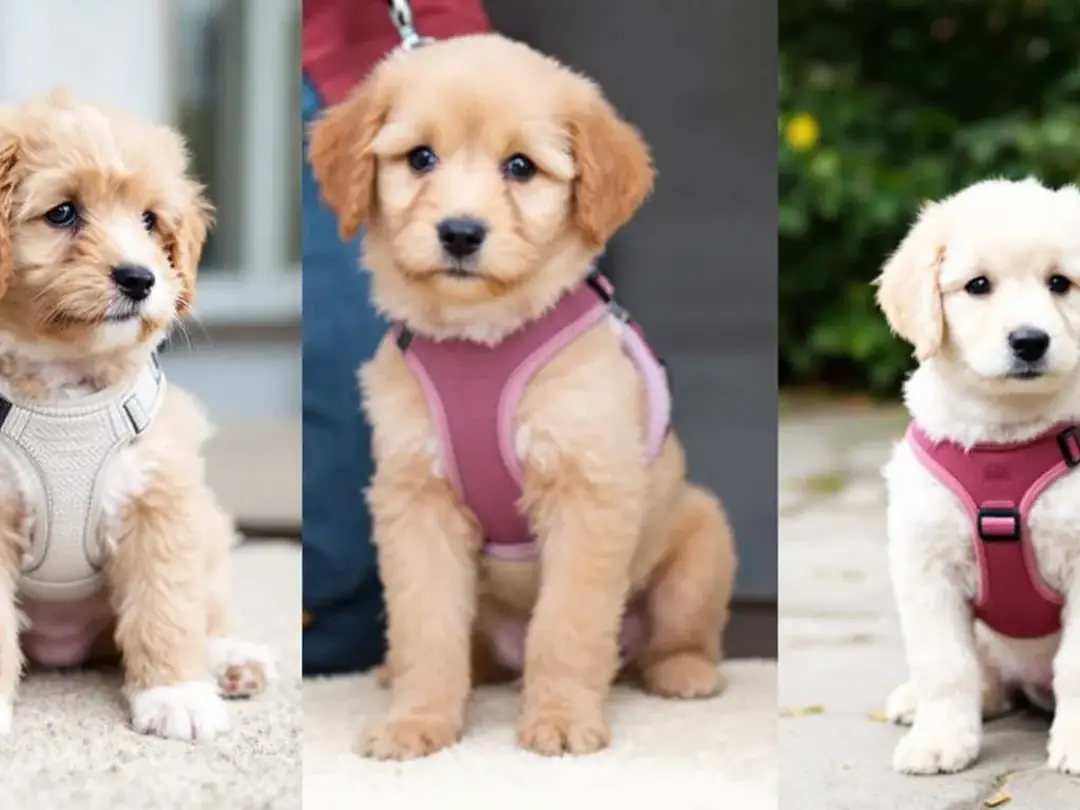
Puppy growth happens fast, especially in larger breeds. A harness that fits perfectly today might be too tight in just a few weeks. Plan to reassess fit every 3-4 weeks during rapid growth phases, or whenever you notice your puppy seeming uncomfortable or restricted.
Different breeds grow at different rates and reach different proportions. Giant breed puppies may need size adjustments monthly, while toy breeds might wear the same harness size for several months. Know your breed's typical growth pattern to anticipate sizing needs.
Investment in adjustable features pays off during the puppy phase. Look for harnesses with multiple adjustment points rather than fixed-size options. Quality adjustable harnesses can often accommodate 2-3 months of growth, making them more economical than repeatedly buying new fixed-size gear.
Budget-conscious dog owners can consider buying two harness sizes when their puppy is between sizes. Use the smaller one immediately and keep the larger one ready for the growth spurt. This approach ensures you always have a properly fitted harness available.
Signs it's time to size up include the two-finger test becoming difficult, visible marks after wearing the harness, or your puppy showing discomfort or resistance that wasn't there before. Don't wait until the harness is obviously too small-puppies can develop negative associations quickly.
Training Your Puppy to Accept the Harness
First impressions matter enormously with puppies. Introduce the new harness gradually, letting your puppy investigate and sniff it before attempting to put it on. Some puppies benefit from having the harness near their food bowl or sleeping area for a day or two before the first fitting.
Start with very short wearing sessions-just a few minutes initially while offering treats and praise. Gradually increase the duration as your puppy becomes comfortable. The goal is building positive associations rather than rushing into long walks.
Make harness time enjoyable by pairing it with good things. Put the harness on before meals, play sessions, or other activities your puppy enjoys. This creates positive anticipation rather than dread when the harness appears.
Address common challenges proactively. If your puppy tries to chew the straps, redirect them to appropriate chew toys and consider using bitter apple spray on the harness temporarily. For puppies who freeze when wearing a harness, start with very loose fits and gradually adjust to proper tightness over several sessions.
Consistency in your approach helps puppies learn the routine. Use the same gentle, encouraging tone each time you put the harness on. Most harnesses become easier to fit as both you and your puppy practice the routine together.
If your puppy shows significant anxiety or resistance, slow down the process. Some dogs need weeks of gradual introduction rather than days. Patience during this phase creates better outcomes than forcing compliance.
Building Lifelong Positive Associations
Learning how to fit a puppy harness properly sets the foundation for years of enjoyable walks together. The time you invest in getting the fit right, introducing the harness positively, and monitoring your growing puppy's needs pays dividends in training success and your dog's comfort.
Remember that every puppy is different. Some adjust to harness wearing immediately, while others need more gradual introduction. Both approaches are normal-follow your puppy's lead and maintain patience throughout the process.
Regular fit checks become routine as your puppy grows. Mark your calendar to reassess harness fit monthly during the rapid growth phase. This proactive approach prevents problems before they develop and ensures your puppy stays comfortable and secure.
The right harness, properly fitted, becomes a tool that enhances your relationship with your dog rather than creating stress. When your puppy sees their harness, they should think "adventure time" rather than feeling restricted or uncomfortable.
Take your time, stay positive, and remember that both you and your puppy are learning together. With patience and proper technique, harness fitting becomes a quick, easy part of your daily routine that both you and your furry friend can enjoy.


