

Every new pet parent faces the same worry: how long can a puppy be left alone without causing stress, accidents, or behavioral problems? Whether you're returning to work after bringing home your furry friend or simply need to run errands, understanding safe alone time limits is crucial for your canine companion's well-being.
The answer isn't one-size-fits-all. Your puppy's age, breed, and individual temperament all play vital roles in determining appropriate alone time. Different ages require different approaches-puppies of various ages have unique needs and capacities for being left alone. Most importantly, puppies are social animals who need gradual training to feel comfortable when left alone. Rush the process, and you risk creating separation anxiety that can last into adulthood.
This guide provides specific time limits by age, practical setup tips, and training strategies to help your pup become confidently independent while keeping them safe and happy. When determining how long to leave your puppy alone, always consider your dog's age, as this greatly influences their ability to cope. Throughout the article, you'll also find practical advice to support you and your pet.
Quick Answer: Maximum Time Limits by Puppy Age
Here are the essential time limits every pet parent should know, based on different ages:
8-10 weeks old: 30-60 minutes maximum Your young puppy has virtually no bladder control and needs constant supervision. Use this time only for quick errands.
10-12 weeks old: 1-2 hours maximum Bladder control improves slightly, but your pup still needs frequent potty breaks and shouldn't spend long periods alone.
3-4 months old: 2-4 hours maximum This is when gradual alone time training can begin in earnest. Start with shorter periods and build up slowly.
5-6 months old: 4-5 hours maximum Older puppies can handle moderate alone time, but six hours should be the absolute limit.
General rule: 1 hour alone time per month of age A 3-month-old puppy can typically handle three hours alone, a 4-month-old can manage four hours, and so on.
Never leave puppies under 6 months alone for more than 6 hours Even at six months, many dogs aren't emotionally ready for extended periods of isolation. Adult dogs can sometimes be left alone for up to eight hours, but this depends on their age, breed, and individual needs.
These guidelines assume your puppy is healthy, properly crate trained, and has been gradually introduced to alone time. If you need to leave a puppy alone, always follow the recommended time limits to prevent stress and behavioral issues. When you leave your dog alone, consider their age and temperament to ensure their comfort and well-being. Individual puppies may need shorter durations based on their unique needs.
Key Factors That Determine Safe Alone Time
Several important factors influence how long you can safely leave a dog alone. Understanding these helps you make the best decision for your specific situation. Owners play a crucial role in ensuring their puppy's well-being by considering all aspects of care before leaving.
Puppy's current age and developmental stage Younger puppies have immature bladder and bowel control. Their ability to "hold it" develops month by month, with significant improvements around 12-16 weeks.
Bladder control and potty training progress An untrained puppy will have accidents within 1-2 hours, while a partially trained pup might manage 2-3 hours. This directly impacts how long they can stay comfortable alone. Always provide a toilet break before leaving your puppy to help prevent accidents.
Individual temperament and anxiety levels Some young dogs are naturally more independent, while others experience separation anxiety even during short absences. Watch your dog's reactions to gauge their comfort level.
Previous experience being left alone Puppies who've been gradually acclimated to alone time handle longer periods better than those thrust into isolation suddenly.
Health condition and any medical needs Sick puppies, those on medication, or pups with digestive issues may need more frequent check-ins and shorter alone periods. Make sure your puppy is fed and has access to food and water before being left alone.
Breed characteristics and energy levels High-energy breeds may become destructive when bored, while calmer breeds might rest peacefully. Size also matters for bathroom needs. Exercising your puppy before leaving can help them settle and reduce anxiety.
If your dog shows signs of distress or anxiety when left alone, such as excessive barking, destructive behavior, or pacing, consider adjusting your routine or seeking professional advice.
Establishing a routine to feed your puppy before leaving can help them feel secure and meet their physical needs.
Potty Training Stage Impact
Your puppy's current potty training progress significantly affects safe alone time:
Untrained puppies need bathroom breaks every 1-2 hours Young puppies simply cannot control their bladders longer than this. Always give your puppy a toilet break right before leaving them alone to help prevent discomfort and accidents. Expecting them to wait longer sets them up for accidents and stress.
Partially trained puppies can hold bladder for 2-3 hours Once basic potty training begins showing results, you can gradually extend alone time, but proceed cautiously. You can also train your puppy to hold their bladder for longer periods by slowly increasing the time between toilet breaks.
Fully house-trained puppies (4+ months) can wait 4-5 hours Well-trained older puppies can manage moderate alone periods, but this assumes consistent training success. As your puppy's training progresses, focus on gradually increasing the time they are left alone to build their independence.
Accidents increase stress and set back training progress When puppies are forced to soil their space, it creates anxiety and confusion that can delay house training for weeks.
Breed and Size Considerations
Different breeds have varying alone time tolerance based on their physical and temperamental characteristics:
If you're wondering how long your pooch can be left alone, it's important to consider their breed and size, as each pooch has unique needs and tolerances.
Small breeds (Chihuahuas, Yorkies) have smaller bladders, need more frequent breaks Tiny dogs often need bathroom breaks every 2-3 hours even as adults, so puppy limits should be even shorter.
Large breeds (Golden Retrievers, Labs) may handle slightly longer periods Bigger bladders and generally calmer temperaments can mean slightly extended alone time, but don't push limits.
High-energy breeds require more mental stimulation when alone Border Collies, Jack Russell Terriers, and similar breeds may become destructive without adequate mental exercise before alone time.
Independent breeds (Basenjis, Akitas) may adapt faster to alone time Some breeds are naturally more self-sufficient, but puppies of all breeds still need gradual training.
Remember that individual dogs within breeds vary significantly. Your Labrador puppy might be more anxious than expected, while your Chihuahua might be surprisingly independent.
Proper training and considering your pooch's breed needs will help ensure they feel safe and content in the long run.
Setting Up a Safe Space for Your Puppy
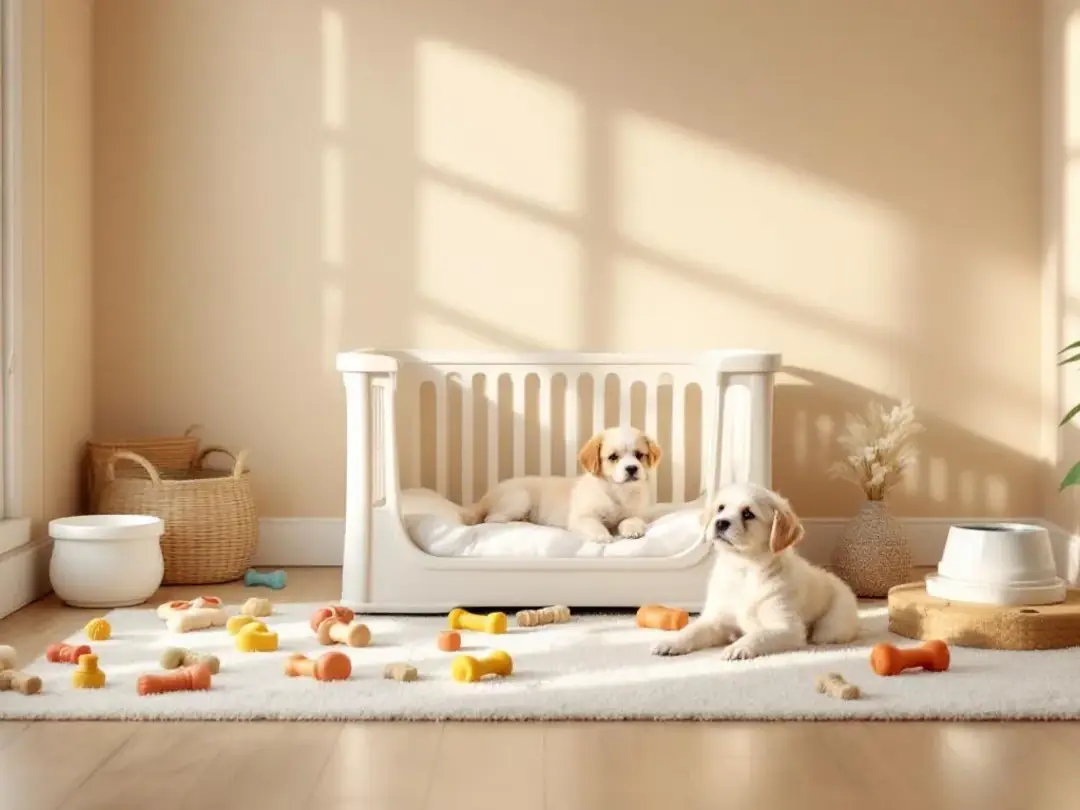
Creating the right environment is crucial for successful alone time. Your setup directly impacts your puppy's comfort, safety, and behavior while you're away.
Use a crate sized appropriately (large enough to stand, turn, lie down) The crate should allow natural movement but not be so large that your puppy can use one end as a bathroom. Crate training provides security and aids potty training.
Puppy-proof one room with baby gates as alternative to crating If you prefer giving your pup more space, choose one small room and remove all hazards. Kitchens or laundry rooms often work well.
Remove hazardous items like electrical cords, toxic plants, small objects Puppies explore with their mouths. Ensure nothing dangerous is within reach, including medications, cleaning supplies, and choking hazards.
Provide comfortable bedding and favorite toys Familiar items reduce anxiety. Choose chew-safe toys and bedding that won't pose risks if destroyed. Providing appropriate toys helps prevent your belongings from being chewed when your puppy is bored or stressed.
Ensure fresh water is always available Hydration is essential, especially for young puppies. Use a spill-proof bowl or water bottle attachment. If you'll be gone for an extended period, make sure your puppy has enough food and water for the entire day.
Place puppy pads in designated bathroom area For longer alone periods or emergencies, provide a specific spot for bathroom needs away from sleeping and eating areas.
Your puppy's space should feel like a safe retreat, not a prison. Take time to ensure everything promotes comfort and security.
Training Your Puppy to Be Comfortable Alone
Top tips for training your puppy to be comfortable alone
Successful alone time requires patient, gradual training. Rushing this process often creates separation anxiety that's difficult to resolve later.
Start with 10-15 minute departures and gradually increase Begin with very short absences while your puppy is sleepy or content. Return before they become distressed.
Practice leaving puppy in safe space while you're still home Put your pup in their designated area while you're in another room. This builds positive associations without the stress of true abandonment.
Make departures and returns calm and low-key Avoid emotional goodbyes or excited hellos. Treat leaving and returning as normal, unremarkable events.
Use special "alone time" toys that only come out when you leave Puzzle toys, stuffed Kongs, or long-lasting chews create positive associations with your departure.
Exercise puppy before leaving to encourage rest Exercising your puppy before you leave helps tire them out, making it easier for them to rest peacefully. Plan a good play session or walk before alone time.
Build up to target duration over 4-6 weeks minimum Focus on gradually increasing alone time by 15-30 minutes weekly. This gradual approach prevents overwhelming your puppy.
Here's a sample timeline for a 12-week-old puppy:
-
Week 1: 15-30 minutes
-
Week 2: 30-45 minutes
-
Week 3: 45-75 minutes
-
Week 4: 75-90 minutes
-
Week 5: 90-120 minutes
To safely leave my puppy alone, follow these steps and adjust the duration based on your puppy's comfort level. Remember to spend time with your puppy when you are home to strengthen your bond and support their well-being.
Signs Your Puppy Isn't Ready for Longer Alone Time
Watch for these warning signs that indicate you're pushing too fast. Always observe if your dog shows signs of distress or anxiety, as early recognition is key to addressing the problem:
Excessive barking, whining, or howling Persistent vocalization suggests distress, not just attention-seeking. Reduce alone time and slow your training progression.
Destructive behavior like chewing furniture or shoes Anxiety-driven destruction differs from normal puppy mischief. It's often more frantic and focused on escape routes.
House accidents despite being potty trained Stress can cause regression in potty training. If accidents increase with longer alone periods, reduce the duration.
Attempts to escape crate or designated area Scratching at doors, trying to climb out of crates, or other escape behaviors indicate high stress levels.
Loss of appetite or refusing treats Stress affects appetite. If your puppy won't eat favorite treats when left alone, they're likely too anxious.
Pacing, panting, or other stress behaviors Physical signs of anxiety include drooling, trembling, or restlessness. These require immediate attention and training adjustments.
Senior dogs may also show these signs and often need special attention due to age-related health issues or increased sensitivity to being left alone.
If you notice multiple signs, step back in your training timeline and consider consulting a professional dog trainer or veterinary behaviorist. A senior dog may require more frequent check-ins and shorter alone periods to ensure their comfort and well-being.
Monitoring Your Dog's Activity
As a dedicated pet parent, keeping tabs on your dog's well-being while you're away is just as important as setting up a safe space or following age-based alone time guidelines. Whether you have a young puppy still learning the ropes or an adult dog who could experience separation anxiety, monitoring your furry friend's activity can give you peace of mind and help prevent unwanted behaviors.
One of the best ways to stay connected with your canine companion is by using a pet camera or dog camera. These handy devices let you check in on your dog home alone in real time, no matter where you are. Look for features like motion detection, two-way audio, and night vision-these allow you to see, hear, and even talk to your dog, offering comfort and reassurance during your absence. Some advanced models even have treat dispensers, so you can reward your pup for calm behavior or simply let them know you're thinking of them.
Beyond just watching, it's important to keep your dog engaged. For young puppies, establish a routine that includes regular potty breaks, crate training, and short periods of alone time. Make sure your pup has access to fresh water, a cozy crate or safe room, and special toys or puzzle feeders to keep their mind busy. Interactive toys filled with treats, like a Kong, can help prevent boredom and destructive behavior.
Adult dogs also benefit from regular exercise and mental stimulation. If you're away for extended periods, consider hiring a dog walker to provide a midday walk or potty break, or enroll your dog in doggy daycare for social interaction and playtime with other dogs. For longer absences, a trusted pet sitter can check in, ensuring your dog gets the attention and care they need.
Alternatives When You Must Be Away Longer
Sometimes life demands longer absences than your puppy can handle. Here are practical solutions that keep your furry friend safe and happy:
Hire professional dog walker for midday visits ($15-25 per 30-minute visit) A reliable dog walker can provide crucial potty breaks, social interaction, and exercise during long workdays. Many offer puppy-specific services.
Ask trusted neighbor or family member to check in Friends or family can often help with quick visits. Provide clear instructions about feeding, potty breaks, and emergency contacts.
Hire a dog sitter for overnight or extended stays A dog sitter can provide companionship, feeding, and supervision when you need to leave your dog for longer periods, ensuring your pet is not left alone for too long.
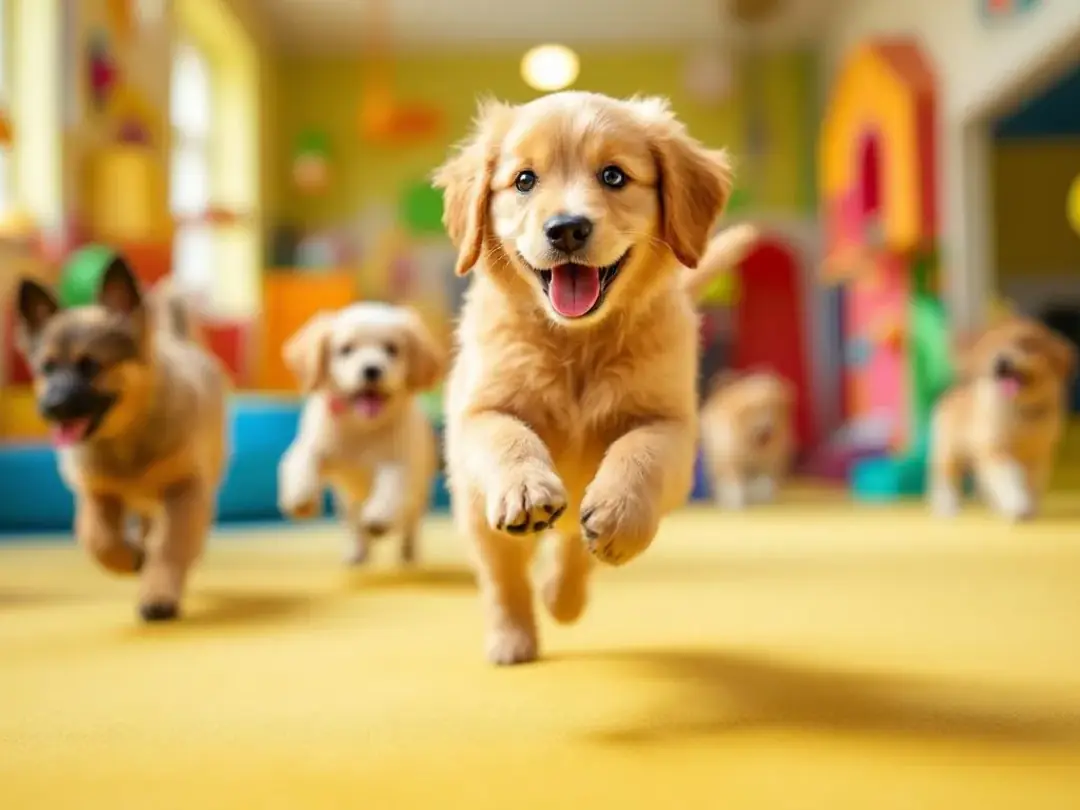
Enroll in puppy daycare 2-3 days per week ($25-50 per day) Doggy daycare offers socialization, exercise, and supervision. Start with short visits to ensure your puppy enjoys the experience and doesn't get overwhelmed.
Consider bringing puppy to dog-friendly workplace if possible Some employers allow well-behaved pets. This solves the alone time problem while maintaining your work schedule.
Use lunch breaks to come home and let puppy out If you live close to work, midday visits can break up long alone periods and provide essential potty breaks.
Arrange flexible work schedule during first 6 months Many employers offer temporary flexibility for new pet parents. Remote work options or adjusted hours can ease the transition period.
If you need to leave my dog for an extended time, make sure they have access to fresh water, food, and a safe environment. When leaving your dog alone, gradually increase the time apart to help them adjust and reduce separation anxiety.
The key is planning ahead. Don't wait until the last minute to arrange care for longer absences. Proper preparation is essential when leaving your dog alone to ensure their well-being and comfort.
Common Mistakes to Avoid
Learn from others' experiences by avoiding these frequent errors that can harm your puppy's development and your relationship. Spending quality time with your puppy is essential for building trust, ensuring proper socialization, and strengthening your bond.
Leaving 8-week-old puppies alone for 4+ hours (causes bladder/bowel accidents) Young puppies physically cannot hold their bladder this long. Forcing them to wait causes distress and sets back potty training significantly. Owners should arrange appropriate care if they need to be away.
Punishing puppy for accidents or destruction after returning home Puppies don't connect punishment with earlier actions. Post-return discipline only increases anxiety and fear of your return.
Making big deal of departures and arrivals (increases anxiety) Emotional goodbyes and excited hellos teach your puppy that your leaving and returning are dramatic events worth getting upset about.
Expecting puppy to hold bladder longer than physically possible The one-hour-per-month-of-age rule exists for physiological reasons. Pushing beyond this limit causes unnecessary suffering.
Using alone time as punishment or timeout Alone time should feel safe and pleasant, never punitive. Using isolation as punishment creates negative associations that make training much harder.
Rushing the training process due to work schedule demands While work pressures are real, rushing alone time training often backfires, creating separation anxiety that takes months to resolve.
Owners should prioritize their puppy's needs and avoid neglecting their responsibilities, as consistent care and attention are crucial for healthy development.
Remember that patience during the puppy months prevents years of behavioral problems. The investment in proper training pays dividends throughout your dog's life.
When to Seek Professional Help
Sometimes despite best efforts, puppies develop serious alone time issues that require expert intervention:
Puppy shows severe separation anxiety after 6 weeks of gradual training If your pup still shows extreme distress despite consistent, patient training, professional help can identify underlying issues and create targeted solutions. Seeking advice from vets is important if you notice persistent behavioral or medical concerns, as they can provide expert recommendations tailored to your puppy's needs.
Destructive behavior escalates despite proper setup and training Increasing destruction often indicates rising anxiety levels. A professional can assess whether medical or behavioral intervention is needed.
House training regression occurs with appropriate alone time limits If accidents increase even with age-appropriate alone periods, consult your vet to rule out medical issues, then consider behavioral consultation.
Veterinary behaviorist consultation costs $200-400 for initial assessment Board-certified veterinary behaviorists can prescribe anti-anxiety medication if needed and create comprehensive behavior modification plans.
Dog trainer specializing in separation anxiety charges $75-150 per session Certified trainers with separation anxiety expertise can provide targeted training plans and ongoing support.
Anti-anxiety medication may be recommended in severe cases Some puppies benefit from temporary medication to reduce anxiety during training. This should only be prescribed by a veterinarian.
Don't wait until problems become severe. Early intervention is more effective and less stressful for both you and your puppy. Many professional consultations can be conducted virtually, making expert help more accessible than ever. Getting advice from vets and professionals early on can make a significant difference in your dog's well-being in the long run.
Leaving your puppy alone doesn't have to be stressful when you follow age-appropriate guidelines and invest in proper training. Remember that every puppy develops at their own pace, and what works for your neighbor's dog might not suit your canine companion perfectly.
Start with short periods, create a safe and comfortable space, and gradually build your puppy's confidence through patient training. When you must be away longer than recommended, arrange reliable care rather than pushing your puppy beyond their limits.
The effort you invest in proper alone time training during puppyhood creates a confident, well-adjusted adult dog who can handle reasonable periods of independence without stress. Your future self-and your fully grown furry friend-will thank you for taking the time to do it right. Early intervention and seeking professional advice will benefit your dog in the long run.


