


Key Takeaways
-
The American Heartworm Society recommends year-round heartworm prevention for all dogs using monthly chewables, topical treatments, or injectable medications
-
Popular preventive medications include HEARTGARD Plus, Tri-Heart Plus, Interceptor, and Revolution, which protect against heartworms and other parasites
-
Treatment for infected dogs involves melarsomine injections over several months with a 98% success rate when protocol is followed properly
-
Prevention costs significantly less than treatment, which can range from hundreds to thousands of dollars depending on disease severity
-
Dogs over 7 months old should be tested annually, and newly adopted dogs require testing and retesting after 6 months
Types of Heartworm Prevention Medications
Heartworm preventives work by killing larvae before they develop into adult worms that occupy the heart and lungs. These medications are available in three main delivery methods, each offering unique advantages for different dogs and owners.
Monthly oral medications remain the most popular choice among veterinarians and pet owners. These dog safe chewables contain active ingredients like ivermectin or milbemycin oxime that eliminate heartworm larvae while often protecting against intestinal parasites as well. Most dogs eagerly accept these beef-flavored tablets as treats, making monthly administration straightforward.
Topical treatments provide an excellent alternative for dogs who refuse oral medications or have digestive sensitivities. Applied between the shoulder blades, these spot-on treatments absorb through the skin to provide systemic protection. Products like Revolution and Advantage Multi offer broad-spectrum parasite control, protecting against heartworms, fleas, and other common parasites.
Injectable medications offer the longest-lasting protection, with ProHeart formulations providing either 6 or 12 months of coverage with a single injection. These injectable medication options work well for dogs whose owners struggle with monthly compliance or for those who frequently travel. However, they must be administered by veterinarians in clinical settings.
Combination products have gained popularity by addressing multiple parasite concerns simultaneously. These medications protect against heartworms while controlling fleas, ticks, and various intestinal parasites, simplifying parasite prevention into a single monthly routine.
Popular Heartworm Prevention Brands
Understanding the specific options available helps you and your veterinarian choose the most appropriate heartworm preventives for your dog's needs and lifestyle.
HEARTGARD Plus stands as one of the most trusted names in heartworm prevention. This ivermectin-based medication comes in palatable beef-flavored chewables that most dogs readily accept. Beyond heartworm disease prevention, HEARTGARD Plus controls hookworms and roundworms, making it an efficient choice for comprehensive parasite protection.
Tri Heart Plus offers the same active ingredients and protection as HEARTGARD Plus but typically at a lower cost. This generic alternative provides identical heartworm disease prevention while offering potential savings for budget-conscious owners who want proven protection without premium pricing.
Interceptor and Sentinel utilize milbemycin oxime as their active ingredient, making them suitable alternatives for dogs sensitive to ivermectin-based products. Sentinel adds flea control through lufenuron, which prevents flea eggs from developing into adults, providing an integrated approach to parasite management.
Revolution and Advantage Multi represent the topical treatment category, with Revolution containing selamectin and Advantage Multi featuring moxidectin. Both products offer broad-spectrum protection, controlling heartworms, fleas, and other parasites through convenient monthly application.
Each product has undergone rigorous testing and received ANADA registration numbers, confirming their safety and efficacy for heartworm disease prevention when used according to veterinary recommendations.

Heartworm Testing and Diagnosis of a Heartworm Infection
Regular blood tests form the foundation of responsible heartworm disease prevention, even for dogs receiving consistent preventive medication. The American Heartworm Society recommends annual testing because no prevention method achieves 100% efficacy, and missed doses or drug resistance can lead to breakthrough infections.
Dogs over 7 months old should receive annual heartworm antigen testing during routine veterinary visits. This timing allows for detection of adult worms, which take approximately 6-7 months to mature after initial infection through mosquito bites. Testing younger dogs rarely yields accurate results since immature parasites don't produce detectable antigens.
Comprehensive diagnostic protocols for suspected cases often include additional tools beyond basic antigen testing. Veterinarians may recommend echocardiography to visualize adult heartworms in the heart chambers, chest X-rays to assess lung damage, and complete blood counts to evaluate overall health status before beginning treatment.
Newly adopted or rescued dogs require special attention to testing protocols. These animals should receive immediate testing followed by retesting after 6 months, regardless of their reported prevention history. This approach accounts for the heartworm development timeline and ensures accurate diagnosis before establishing long-term prevention routines.
Dogs testing positive for heartworm disease undergo additional diagnostic procedures including complete blood count, chemistry panels, and urinalysis. These tests help veterinarians stage the disease severity and develop appropriate treatment protocols while identifying any underlying health concerns that might complicate therapy.
Heartworm Treatment Medications and Protocols
Treating heartworms requires a sophisticated, multi-phase approach that addresses both the adult worms and their bacterial symbionts while minimizing treatment complications. The American Heartworm Society has established standardized protocols that achieve excellent outcomes when followed properly.
Melarsomine injections serve as the gold standard for killing adult heartworms, with clinical studies demonstrating 98% effectiveness when administered according to protocol. This arsenical compound targets mature worms that have established themselves in the heart and pulmonary arteries, effectively eliminating the source of ongoing disease progression.
The standard treatment protocol begins with doxycycline therapy administered for 4 weeks before melarsomine injections. This antibiotic doesn't directly kill heartworms but eliminates Wolbachia bacteria that live symbiotically within the parasites. Removing these bacteria weakens the worms and reduces inflammatory complications when they die.
Prednisone therapy often accompanies the treatment period to manage lung inflammation and prevent complications from dying worms. As adult heartworms die and decompose, they can cause significant inflammatory responses in the lungs. Careful steroid management helps control this process while allowing the body to safely absorb dead parasite material.
The three-injection melarsomine protocol involves an initial injection followed by two additional injections administered 24 hours apart, typically one month later. This staged approach maximizes adult worm killing while reducing the risk of pulmonary complications from massive worm die-off.
Exercise restriction remains absolutely critical throughout the treatment period and for 6-8 weeks following the final injection. Physical activity increases blood flow and can cause fragments of dying worms to block vital blood vessels, potentially creating life-threatening complications. Most dogs require strict crate rest or leash walking only during this recovery phase.
Treatment by Disease Stage
Treatment protocols vary based on disease severity, with more advanced cases requiring additional stabilization before addressing the heartworm infection directly.
Stages 1-2 disease typically follows the standard 3-injection melarsomine protocol with supportive medications. These dogs generally have lower worm burdens and less severe clinical signs, making them good candidates for routine treatment approaches.
Stage 3 disease involves dogs with heart failure signs requiring stabilization before heartworm treatment begins. Veterinarians must address fluid accumulation, improve heart function, and stabilize breathing before implementing the standard treatment protocol.
Caval syndrome represents the most severe form, where large numbers of adult heartworms physically block blood flow through the right side of the heart. These cases require emergency surgical removal of worms before any medical treatment can begin, and the prognosis depends heavily on how quickly intervention occurs.
Alternative slow-kill protocols using preventive medications only may be considered when melarsomine is contraindicated due to advanced age, severe heart disease, or other medical complications. While these approaches take much longer and may not eliminate all adult worms, they can provide symptomatic relief for dogs who cannot tolerate standard treatment.
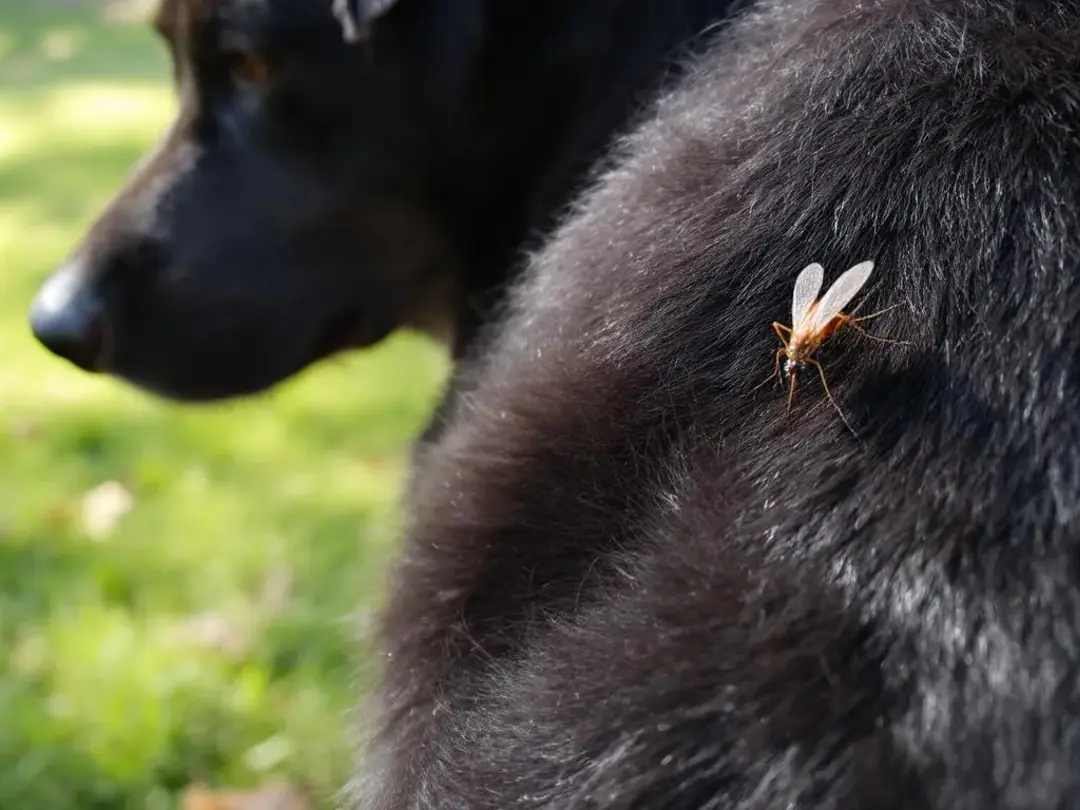
Transmission and Life Cycle of Heartworms
Understanding how heartworm disease spread helps explain why prevention must be year-round and why treatment protocols require such precision timing. The complex life cycle of Dirofilaria immitis involves multiple stages and requires specific environmental conditions to complete.
Mosquito transmission begins when mosquitos feed on infected dogs carrying microfilariae (baby heartworms) in their bloodstream. These microscopic larvae develop inside the mosquito for 10-14 days, maturing into infective stage larvae that can establish new infections.
When infected mosquitoes bite healthy dogs, they inject these infective larvae into the skin. The larvae then migrate through tissues over several months, eventually reaching the heart and lungs where they mature into adults measuring 10-12 inches long. This development process takes approximately 6-7 months from initial infection to adult worm establishment.
Adult heartworms can survive for 5-7 years inside dogs, continuously producing microfilariae that mosquitoes can pick up to continue the transmission cycle. A single infected dog can harbor dozens of adult worms, each producing thousands of offspring annually.
Geographic distribution concentrates heavily in the southeastern United States and Mississippi River Valley, where warm weather months support large mosquito populations. However, heartworm disease has been reported in all 50 states, with climate change and increased pet travel expanding the risk zones.
Dogs serve as the definitive host for heartworms, meaning the parasites can only complete their full life cycle in canines. However, cats and ferrets can also become infected, though they typically develop different clinical presentations and require different management approaches.
Clinical Signs and Symptoms
Heartworm disease often progresses silently in its early stages, making regular testing essential since dogs may not show obvious symptoms until significant damage has occurred. Understanding the progression helps owners recognize when veterinary evaluation becomes urgent.
Mild disease frequently produces no visible clinical signs, particularly when worm burdens remain low. Dogs may continue normal activities without apparent discomfort, which explains why many infections go undetected without routine blood testing. This asymptomatic period can last for years while worms continue reproducing and causing gradual damage.
Moderate disease typically manifests as exercise intolerance, with dogs becoming tired more quickly during walks or play sessions. A persistent soft cough often develops, particularly after exercise, as worms irritate the airways and blood vessels in the lungs. Some dogs may show subtle weight loss despite maintaining normal appetites.
Severe disease produces obvious breathing difficulties, with dogs showing labored respiration even at rest. The right side of the heart begins failing as it struggles to pump blood through blocked pulmonary vessels. Abdominal enlargement may occur as fluid accumulates, and dogs often lose significant weight despite treatment attempts.
Caval syndrome represents the most severe manifestation, where massive worm burdens physically obstruct blood flow through the right heart. Dogs develop sudden weakness, fainting episodes, pale gums, and dark-colored urine. This condition requires emergency intervention, as dogs can progress from apparent wellness to critical illness within hours.
The timeline for symptom development reflects the slow progression of heartworm disease. Most dogs don't show signs until worms have been present for months or years, emphasizing why prevention remains far superior to treatment for maintaining long-term health.
Treatment Costs and Prognosis
Understanding the financial and medical realities of heartworm treatment helps underscore why prevention represents such a wise investment in your dog's long-term health and your family's budget.
Treatment costs vary significantly based on disease severity, geographic location, and individual veterinary practices, typically ranging from hundreds to thousands of dollars. Basic treatment for uncomplicated cases might cost $800-1,500, while severe cases requiring hospitalization, emergency interventions, or extended supportive care can exceed $3,000-5,000.
The treatment protocol requires multiple veterinary visits over several months, including pre-treatment diagnostics, medication administration, and follow-up monitoring. Each phase involves prescription medications, professional injections, and blood work to ensure safe progression through the protocol.
Prevention cost comparison dramatically favors routine preventive care over treatment expenses. Annual prevention typically costs $50-200 depending on the dog's size and chosen medication, while treatment costs can easily exceed 10-20 times that amount. This financial reality makes prevention an obvious choice for budget-conscious owners.
Success rates for properly administered treatment protocols reach 98% for adult worm elimination, providing excellent prognosis for most dogs when treatment begins before severe complications develop. However, some dogs may experience long-term consequences from lung or heart damage that occurred before treatment.
Recovery timeline requires significant commitment from owners, with the complete treatment and recovery process spanning 4-6 months. Dogs need multiple veterinary visits, strict exercise restriction, and careful monitoring for complications throughout this period. Most dogs return to normal activity levels within 2-3 months after completing treatment, though some may have permanent limitations depending on disease severity.
Post-treatment blood testing confirms elimination of all heartworm life stages, typically performed 6 months after completing treatment. Dogs testing negative can then begin or resume preventive medication protocols to prevent reinfection.

Prevention Best Practices
Implementing effective heartworm disease prevention requires more than simply giving monthly medication-it involves developing comprehensive strategies that ensure consistent protection throughout your dog's lifetime.
Year-round prevention remains the American Heartworm Society's primary recommendation, regardless of climate or seasonal mosquito patterns. Many owners mistakenly believe they can stop prevention during winter months, but indoor heating allows mosquitos to survive year-round in many regions. Additionally, irregular dosing schedules increase the likelihood of missed doses and subsequent infections.
Monthly administration schedules work because heartworm preventives eliminate larvae during their vulnerable development stages. Missing even a single dose creates windows where larvae can mature beyond the point where preventives remain effective. Establishing consistent monthly routines, such as giving medication on the same date each month, helps maintain optimal protection.
Mosquito control measures provide supplementary protection but should never replace prescription heartworm prevention. Reducing standing water around homes, using EPA-approved repellents during outdoor activities, and maintaining window screens can decrease mosquito exposure. However, these environmental controls cannot provide reliable protection against heartworm transmission.
Reinfection risk affects previously treated dogs just as much as those never infected, making lifelong prevention essential even after successful treatment. Dogs don't develop immunity to heartworms, so they remain susceptible to new infections through mosquito bites throughout their lives.
Compliance importance cannot be overstated, as irregular medication schedules contribute to drug resistance development and treatment failures. Veterinarians report that most heartworm infections occur in dogs with inconsistent prevention histories rather than those receiving regular monthly protection.
Pet owners should work closely with their veterinarians to select appropriate preventive medications and establish sustainable administration routines that fit their lifestyles and their dogs' specific needs.
FAQ
Can I treat my dog for heartworms at home?
Heartworm medications require veterinary prescription and some need professional administration, though most recovery happens at home under veterinary supervision. Melarsomine injections must be given by trained veterinarians due to their potential for serious complications, but the majority of the treatment period involves at-home care with strict exercise restriction and medication administration.
Can humans get heartworms from dogs?
Human infection is extremely rare with only 81 US cases since 1941, occurring through mosquito bites rather than direct dog contact. Humans are not suitable hosts for dog heartworms, so you cannot catch heartworms by touching, petting, or living with infected dogs. The few human cases result from mosquito transmission, not dog-to-human spread.
What happens if I miss giving my dog heartworm prevention?
Missing doses increases infection risk and may require testing 7 months later due to heartworm development timeline. If you miss a dose by more than a few days, contact your veterinarian immediately. They may recommend restarting prevention immediately and scheduling testing 6-7 months later to detect any potential infections that occurred during the unprotected period.
Are there any side effects from heartworm prevention medications?
Most dogs tolerate preventives well, but some breeds like Collies may be sensitive to ivermectin-based products. Side effects are generally mild and uncommon, but can include vomiting, diarrhea, or lethargy. Herding breeds with MDR1 gene mutations may experience more severe reactions to certain medications, making breed-specific product selection important.
How long does heartworm treatment take to complete?
Treatment typically spans 4-6 months including pre-treatment medications, injections, and recovery period with strict activity restriction. The process begins with 4 weeks of doxycycline, followed by the melarsomine injection series, then 6-8 weeks of exercise restriction. Follow-up testing occurs 6 months after treatment completion to confirm successful worm elimination.


