Goldendoodle Blog Banner

Goldendoodle Traits

Bricks Coggin

Bricks Coggin ยท Director of Services

Published

Key Takeaways

  • Goldendoodles are intelligent, friendly, and affectionate hybrids combining Golden Retriever temperament with Poodle coat benefits

  • They come in three sizes (Miniature 15-35 lbs, Small Standard 40-50 lbs, Large Standard 50-90 lbs) with low-shedding, hypoallergenic coats

  • These versatile dogs excel as family pets, therapy dogs, and service animals due to their trainable and gentle nature

  • Daily exercise of 30-60 minutes and regular grooming are essential for maintaining their physical and mental health

  • Common health concerns include hip dysplasia and hypothyroidism, making reputable breeder selection crucial

  • Goldendoodles are recognized by organizations such as the America Inc International Designer Canine Registry, as well as other hybrid and designer dog registries.

  • Among challenging dog breeds, Goldendoodles may require specialized training and attention due to their intelligence and energy.

Introduction to Goldendoodles

The Goldendoodle is a beloved hybrid breed, created by crossing the gentle Golden Retriever with the intelligent Poodle. This designer dog combines the best qualities of its parent breeds, resulting in a friendly, affectionate, and highly trainable companion. Goldendoodles are renowned for their gentle nature, making them excellent choices for families, therapy work, and as service dogs. While Goldendoodles are not recognized by the American Kennel Club, they are acknowledged by organizations such as the American Canine Hybrid Club, Designer Dogs Kennel Club, and other hybrid club designer dogs registries. These clubs help set standards and provide resources for dog owners interested in this unique and versatile breed.

History and Development

Goldendoodles first appeared in the 1990s, when breeders set out to create a dog that combined the low-shedding coat of the Poodle with the friendly, intelligent temperament of the Golden Retriever. The initial breeding efforts began in Australia and quickly gained traction in North America, where dog owners were drawn to the breed's hypoallergenic potential and loving personality. Today, Goldendoodles are a top choice for families, individuals, and those with allergies. The role of reputable breeders, including those registered with the Goldendoodle Association of North America, is crucial in maintaining the health, temperament, and integrity of the breed, ensuring that each Goldendoodle is a wonderful companion for years to come.

Physical Characteristics and Appearance

The physical appearance of goldendoodles varies significantly based on which parent breeds dominate their genetics. A miniature goldendoodle typically stands 13-20 inches tall, while small standards reach 17-20 inches, and large standards tower at 20-24 inches. This size variation directly correlates with whether the Poodle parent was toy, miniature, or standard size.


Weight ranges reflect this diversity dramatically. Miniature goldendoodles weigh between 15-35 pounds, making them perfect for apartment living. Medium-sized goldendoodles typically weigh 30-45 pounds, while standard goldendoodles can reach 50-90+ pounds. The pounds medium size weigh category offers an ideal balance for active families seeking a substantial but manageable companion.


Coat characteristics represent one of the most sought-after goldendoodle traits. These friendly dogs display three primary coat types: curly (most Poodle-like), wavy (the most common), and straight (more Golden Retriever-like). Colors span a beautiful spectrum including cream gold apricot chocolate, red, black, gray, and striking parti patterns combining multiple hues.


The athletic build inherited from both parent breeds creates dogs with balanced proportions, oval-shaped compact feet, and natural grace. Facial features often include distinctive eyebrows and beards, giving goldendoodles their characteristically endearing expressions that have captured the hearts of pet parents worldwide.


While goldendoodles are not recognized by traditional dogs kennel club dog organizations such as the American Kennel Club, they are registered with specialized kennel club dog registry groups like the International Designer Canine Registry and Inc International Designer Canine organizations. This recognition by designer dogs kennel club dog registries highlights their status as a popular hybrid breed.

Size and Coat Variations

Goldendoodles come in a variety of sizes, thanks to the influence of their parent breeds. Miniature Goldendoodles typically weigh between 15-35 pounds, while Small Standards range from 40-50 pounds, and Large Standards can reach 50-90 pounds. This size diversity allows dog owners to choose a Goldendoodle that best fits their lifestyle and living space. In addition to size, Goldendoodles display a range of coat types-curly, wavy, or straight-each requiring regular grooming to prevent matting and tangling. Their coats come in a beautiful array of colors, including gold, apricot, chocolate, gray, black, and even unique combinations. Regular grooming is essential, especially for Goldendoodles with curly or wavy coats, to keep them looking and feeling their best.

A happy goldendoodle with a gentle nature is interacting playfully with children in a cozy living room, showcasing its...

Temperament and Goldendoodle Personality Characteristics


The goldendoodle personality shines through their remarkable combination of intelligence, friendliness, and confidence. These traits stem directly from their golden retriever and Poodle heritage, creating dogs with extreme loyalty gentle nature that makes them exceptional with children and elderly family members alike.


Their affectionate nature drives a strong desire for human companionship, making them ideal for families who want dogs that truly integrate into daily life. However, this same trait can lead to separation anxiety when left alone for extended periods. Pet parents should gradually condition their goldendoodles to alone time from a young age.


The eager-to-please attitude facilitating training sets goldendoodles apart from many other dogs. This characteristic, combined with their gentle nature, makes them excellent candidates for families with multiple pets or those seeking therapy animals. Their patient temperament allows them to handle the unpredictable energy of young children while remaining calm and protective.


Social needs run high in goldendoodles, reflecting their heritage as companion animals. They thrive on interaction and can become destructive when their social and mental stimulation needs aren't met. Understanding this aspect of temperament goldendoodles helps owners create appropriate environments for success. Goldendoodle common behavioral issues include separation anxiety, destructiveness, and excessive barking, so it is important to address these through proper training, positive reinforcement, and giving them adequate attention.

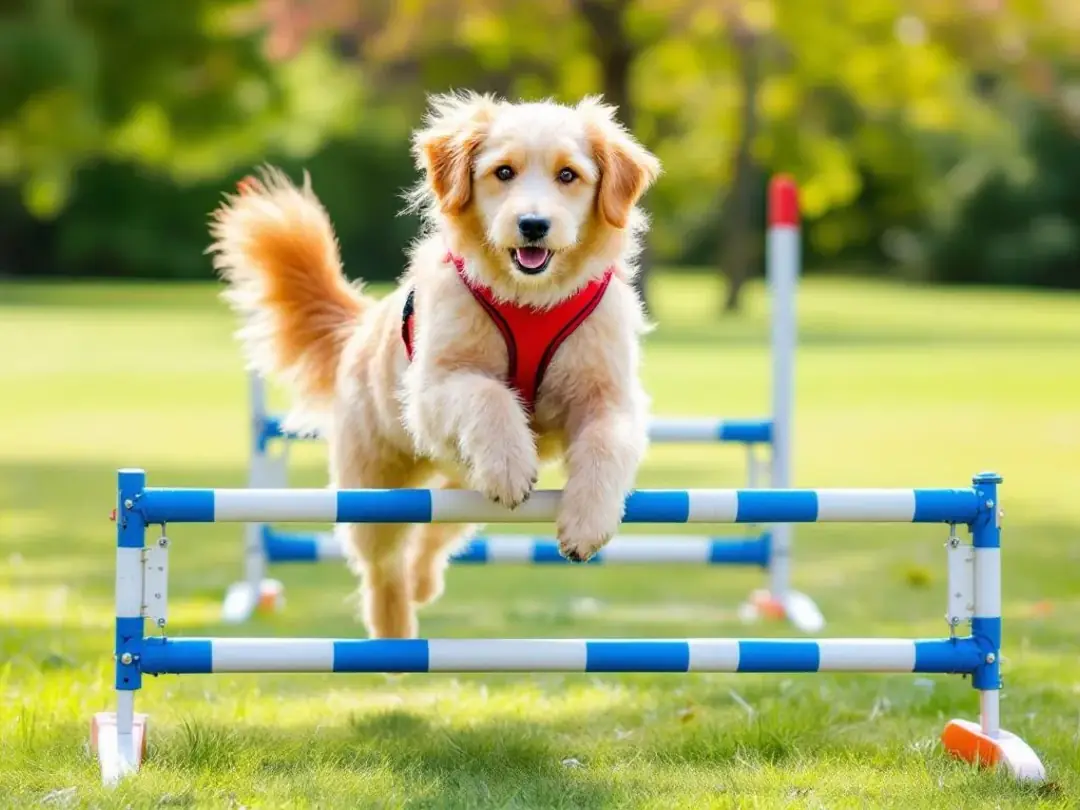
A goldendoodle is skillfully navigating agility training obstacles in an outdoor setting, showcasing its athleticism...

Intelligence and Training Your Goldendoodle


High intelligence inherited from both golden retrievers and Poodles makes goldendoodles exceptionally responsive to training. This intelligence manifests in quick learning ability for basic commands, complex tricks, and specialized tasks. Many bark busters trainers specialize in working with intelligent breeds and consistently rate goldendoodles among the most teachable designer dogs. Bark busters dog training offers specialized services that address the unique training needs and behavioral challenges of Goldendoodles.


Training your goldendoodle becomes remarkably efficient when using positive reinforcement methods. Their eagerness to please, combined with food motivation inherited from golden retrievers, creates ideal conditions for successful training sessions. Early socialization and puppy training classes recommended for optimal development help channel their intelligence constructively. A well behaved dog bark is often the result of meeting a Goldendoodle's core needs through structured training.


Professional trainers like bark busters trainer michael konstantaras on goldendoodles emphasize the importance of mental stimulation alongside physical exercise. The dog bark busters guide is a comprehensive resource for training and behavioral management, offering structured advice for Goldendoodle owners. These dogs excel in various roles including therapy work, service dog duties, and agility competitions because they genuinely enjoy working with humans.


The bark busters trainer jeff drier approach of proper guidance early training proves especially effective with goldendoodles. Their intelligence can work against them if not properly directed, potentially leading to destructive behaviors or anxiety. However, well-trained goldendoodles become model companions that many bark busters trainers teach pet owners to appreciate. Many owners have found success with behaved dog bark busters programs, which focus on understanding and modifying Goldendoodle behavior.

Exercise and Activity Requirements

Goldendoodles are definitely active sporting dogs requiring 30-60 minutes of daily exercise to maintain physical and mental health. This exercise should include varied activities: brisk walks, swimming sessions, fetch games, and mental stimulation through puzzle toys and training sessions.


Their athletic nature makes them excellent companions for hiking, running, and dog sports. However, exercise needs vary by size-miniature goldendoodles may be satisfied with shorter, more frequent play sessions, while standard goldendoodles need more substantial physical challenges.


Mental stimulation proves equally important as physical exercise. Interactive games, training sessions, and puzzle feeders help prevent the destructive behaviors that emerge when intelligent dogs become bored. Many dog owners find that a tired goldendoodle is a well-behaved dog.


When enjoying outdoor play, safety tips for dog and safety tips for dogs include ensuring your yard has secure fencing and that your dog wears proper identification at all times to prevent wandering or escape. If you have a pool, pool safety for dogs is crucial-always supervise your dog around water and teach them how to safely exit the pool to prevent accidents.


Indoor living works well for goldendoodles provided they have access to secure outdoor spaces for exercise and play. Their energy levels require consistent engagement, making them ideal for active families who enjoy incorporating their pets into outdoor adventures and daily activities.


Some tips for dog owners and tips for pet owners to keep your goldendoodle safe and healthy during exercise and play include providing plenty of fresh water, monitoring for signs of overheating, and using positive reinforcement during training.

A professional groomer is meticulously working on a goldendoodle's coat using various grooming tools, showcasing the...

Grooming and Coat Care


Regular grooming represents one of the most important aspects of goldendoodle care. Their low to non-shedding coats require brushing 2-3 times weekly to prevent matting and maintain the hypoallergenic qualities that make them suitable for families with allergies.


Professional grooming every 6-8 weeks keeps coats healthy and manageable. Between professional sessions, dog owners should focus on brushing thoroughly, paying special attention to areas prone to matting like behind the ears, under the legs, and around the collar area.


The hypoallergenic benefits vary depending on which parent breed's coat traits dominate. F1B goldendoodles (backcrossed to Poodle) typically have more reliable hypoallergenic qualities than F1 crosses, making them preferable for families with severe allergies.


Bathing should occur only when necessary to preserve natural coat oils. However, regular nail trimming, dental care, and ear cleaning form essential parts of routine maintenance. Many reputable breeders provide grooming guidance to help new owners establish proper care routines from puppyhood.

Health Considerations and Common Injuries and Illnesses

Generally healthy dogs with 10-15 year lifespans, goldendoodles benefit from hybrid vigor that can reduce some genetic health risks found in their parent breeds. However, potential inherited conditions including hip dysplasia, elbow dysplasia, and various eye problems require attention from responsible breeders and owners.


Common injuries and illnesses affecting goldendoodles include hypothyroidism, von Willebrand's disease, and certain heart conditions. Reputable breeders conduct health clearances from organizations like OFA (Orthopedic Foundation for Animals) and CERF (Canine Eye Registry Foundation) before breeding.


The american kennel club doesn't recognize goldendoodles as a standardized breed, but organizations like the american canine hybrid club and international designer canine registry work to establish breeding standards. The goldendoodle association of north america (GANA) promotes ethical breeding practices and health testing among reputable breeders.


Regular veterinary care, including preventive screenings for breed-specific conditions, helps ensure long, healthy lives. Pet parents should research their breeder's health testing protocols and maintain ongoing relationships with veterinarians familiar with designer dogs kennel club recommendations.

In a cozy home setting, a friendly Goldendoodle is peacefully coexisting with other family pets, showcasing its gentle...

Family Compatibility and Social Traits


Goldendoodles excel as family dogs due to their gentle interactions with children of all ages. Their patient temperament, combined with their size options, allows families to choose goldendoodles that fit their specific household dynamics. Whether dealing with toddlers or teenagers, these dogs adapt their energy and interaction style appropriately.


Good compatibility with other dogs and pets emerges through proper socialization from a young age. Their friendly nature typically extends to cats, other dogs, and even small pets when introductions are handled correctly. However, their size means supervision remains important around very small animals.


Adaptability to various family structures makes goldendoodles suitable for single-person households, large families, and everything in between. Their strong bonds with family members create dogs that want inclusion in daily activities rather than being relegated to backyard pets.


The desire for human companionship means goldendoodles do best with families who spend significant time at home or can provide adequate socialization through daycare, dog walkers, or family members. They may bark excessively become aggressive towards guests if not properly socialized, making early exposure to various people and situations crucial.

Service and Working Abilities

Goldendoodles have found successful careers as guide dogs, therapy animals, and emotional support dogs. Their combination of intelligence, gentle temperament, and hypoallergenic coats makes them ideal for service work where traditional breeds might not suit individuals with allergies.


Natural aptitude for service work stems from traits inherited from both parent breeds. Golden retrievers have long histories as guide dogs and therapy animals, while Poodles contribute intelligence and problem-solving abilities essential for complex service tasks.


Size options allow placement in various service roles based on handler needs. Miniature goldendoodles work well for mobility alert tasks, while standard goldendoodles can provide physical support and stability for individuals with mobility challenges.


Their calm demeanor in public settings, combined with their eagerness to please, makes them effective therapy dogs in hospitals, schools, and care facilities. Many organizations specifically seek goldendoodles for therapy work because their appearance is approachable and non-threatening to people of all ages.

Feeding and Nutrition Needs

High-quality diets with meat as the first ingredient support the active lifestyle that goldendoodles require. Feeding amounts range from 1-4 cups daily depending on size, age, and activity level, with larger standards requiring substantially more food than miniature varieties.


Divided meals twice daily help prevent bloat, a serious condition that can affect deep-chested dogs. This feeding schedule also helps maintain steady energy levels throughout the day and can aid in house training routines for puppies.


Weight monitoring becomes crucial as goldendoodles can be prone to weight gain, especially as they age or if exercise decreases. Pet parents should regularly assess body condition by feeling for rib coverage and watching for the gentle waist tuck that indicates proper weight maintenance.


Fresh water should always be available, and treats should be used judiciously primarily for training rewards. Many dog owners find that using small pieces of their regular kibble as training treats helps maintain proper nutrition while rewarding good behavior.

Common Behavioral Challenges

Separation anxiety represents one of the most common behavioral challenges in goldendoodles. Their strong desire for human companionship can create distress when left alone, leading to destructive behaviors, excessive barking, or attempts to escape.


Potential for destructive behavior when bored or under-exercised requires proactive management. These intelligent dogs need mental stimulation and physical exercise to remain content. Without adequate engagement, they may chew furniture, dig, or develop other problem behaviors. In case of sudden destructive episodes or escape attempts, emergency tips for pet owners include having a secure environment, a plan for quick recovery if your dog escapes, and access to calming tools to reduce stress during behavioral crises.


Jumping and mouthing behaviors often emerge during puppyhood and require early training intervention. While these behaviors stem from friendly intentions, they can become problematic as dogs grow larger. Consistent training helps redirect these natural impulses into appropriate greetings.


High energy levels may overwhelm unprepared owners who underestimate the exercise and mental stimulation requirements. This is where many dog owners might need dog training assistance from professionals who understand the specific needs of intelligent, active breeds. Many owners hear from Bark Busters about successful strategies for overcoming common behavioral challenges in Goldendoodles.


The need for consistent leadership and boundaries prevents behavioral issues from developing. Goldendoodles respond well to clear expectations and routine, making them excellent candidates for positive training methods that establish household rules while maintaining their friendly, confident personalities.


For owners unable to manage behavioral challenges, rescues animal welfare shelters can be valuable resources for rehoming Goldendoodles in a humane and responsible way.

Rescue and Rehoming

While Goldendoodles are highly sought after, some still find themselves in need of new homes due to changes in their owners' circumstances. If you're considering adding a Goldendoodle to your family, adopting from a reputable rescue organization is a wonderful option. Groups like IDOG Rescue and Big Fluffy Dog Rescue specialize in finding loving homes for Goldendoodles and provide valuable support and resources for new pet parents. Additionally, many reputable breeders, including those affiliated with the Goldendoodle Association of North America, offer rehoming services to ensure that every Goldendoodle has the chance to become a cherished member of a new family.

Breed Organizations and Resources

For those interested in learning more about Goldendoodles or seeking guidance on finding a reputable breeder, several organizations offer invaluable support. The Goldendoodle Association of North America provides breed standards, health information, training tips, and breeder directories to help dog owners make informed decisions. These organizations also offer rescue services and educational resources for both new and experienced pet parents. Beyond official organizations, online communities and forums dedicated to Goldendoodle lovers are excellent places to connect, share experiences, and find answers to common questions about this wonderful designer breed. Whether you're a first-time dog owner or a seasoned pet parent, these resources can help you provide the best care for your Goldendoodle.

FAQ

Are all Goldendoodles hypoallergenic?

While most goldendoodles have low-shedding coats, not all are completely hypoallergenic. F1B generation (backcrossed to Poodle) typically have more hypoallergenic qualities than F1 crosses. Individual reactions vary, so potential owners with severe allergies should spend time with specific dogs before committing.


How much does a Goldendoodle puppy cost?

Goldendoodle puppies from reputable breeders typically cost $2,000-$3,000, with miniature varieties and rare colors commanding higher prices up to $4,000 or more. This investment reflects health testing, proper breeding practices, and early socialization that reputable breeders provide.


Do Goldendoodles make good apartment dogs?

While adaptable, goldendoodles are better suited to homes with yards due to their size and exercise needs. Apartment living requires committed daily exercise and mental stimulation. Miniature goldendoodles adapt more easily to apartment life than their larger counterparts.


What's the difference between F1, F1B, and F2 Goldendoodles?

F1 represents a first-generation cross (50% Golden Retriever, 50% Poodle), F1B is backcrossed to Poodle (75% Poodle, 25% Golden Retriever), and F2 is second-generation (F1 x F1 breeding). Each generation offers different trait combinations, with F1B typically having more Poodle-like coats.


How often should I groom my Goldendoodle?

Professional grooming every 6-8 weeks maintains coat health and appearance, while home brushing 2-3 times weekly prevents matting. During coat changes or growth periods, daily brushing may be necessary to maintain the low-shedding qualities that make goldendoodles appealing to many families.


What are some essential tips for dog owners and pet owners of Goldendoodles?

Some essential tips for dog owners and pet owners of Goldendoodles include providing regular exercise, consistent grooming, early socialization, and positive reinforcement training. It's also important to maintain a healthy diet, schedule routine vet visits, and ensure your Goldendoodle has plenty of mental stimulation and safe playtime. These tips for dog owners and tips for pet owners help keep Goldendoodles happy, healthy, and well-behaved.

ABCs Puppy Zs

ABCs Puppy Zs Ensures Healthy, Lovingly Raised Goldendoodles, for an Exceptional Experience in Pet Ownership.

Could you ask for more? You bet: