


Key Takeaways
-
Goldendoodles are commonly grouped into mini, medium, and standard size categories
-
The poodle parent size is one of the biggest influences on adult size
-
Growth timelines vary, with larger Goldendoodles often taking longer to fully mature
-
Size affects space needs, exercise planning, travel, and daily management
-
Choosing the right size is often more about lifestyle fit than simply preferring a certain look
If you're comparing adult size with growth expectations, our goldendoodle height chart and goldendoodle puppies guides can help connect puppy size questions with what to expect later.
Introduction to Goldendoodles
Goldendoodles are popular partly because they come in several size ranges, which gives families more options than many other breeds. That flexibility is a big part of their appeal.
But size is not just a label. It affects exercise, handling, travel, grooming logistics, and how the dog fits into daily life.
Understanding Goldendoodle Size Categories
Goldendoodle size categories are usually based on the poodle parent and the expected adult range. Different breeders may use slightly different labels, so it helps to ask for actual height and weight expectations rather than relying only on category names.
| Size Category | Typical Weight | Typical Height |
|---|---|---|
| Mini | 15-35 pounds | 13-20 inches |
| Medium | 30-45 pounds | 17-20 inches |
| Standard | 50-90 pounds | 20-24 inches |
Those ranges are useful guides, but individual dogs can still land near the edges depending on genetics and breeding lines.

Standard Goldendoodle Size
Standard Goldendoodles are the largest common size group.
They are often a strong fit for active families who are comfortable with a larger dog in the home, car, and daily routine. Their size can be a benefit for some households, but it also means more space, more food, and more physical management.
Medium Goldendoodle Size
Medium Goldendoodles often appeal to families who want a dog that feels substantial without being as large as a standard. For many homes, this size can feel like a practical middle ground.
They may still need plenty of exercise and structure, but they are often easier to transport and manage than the largest size category.
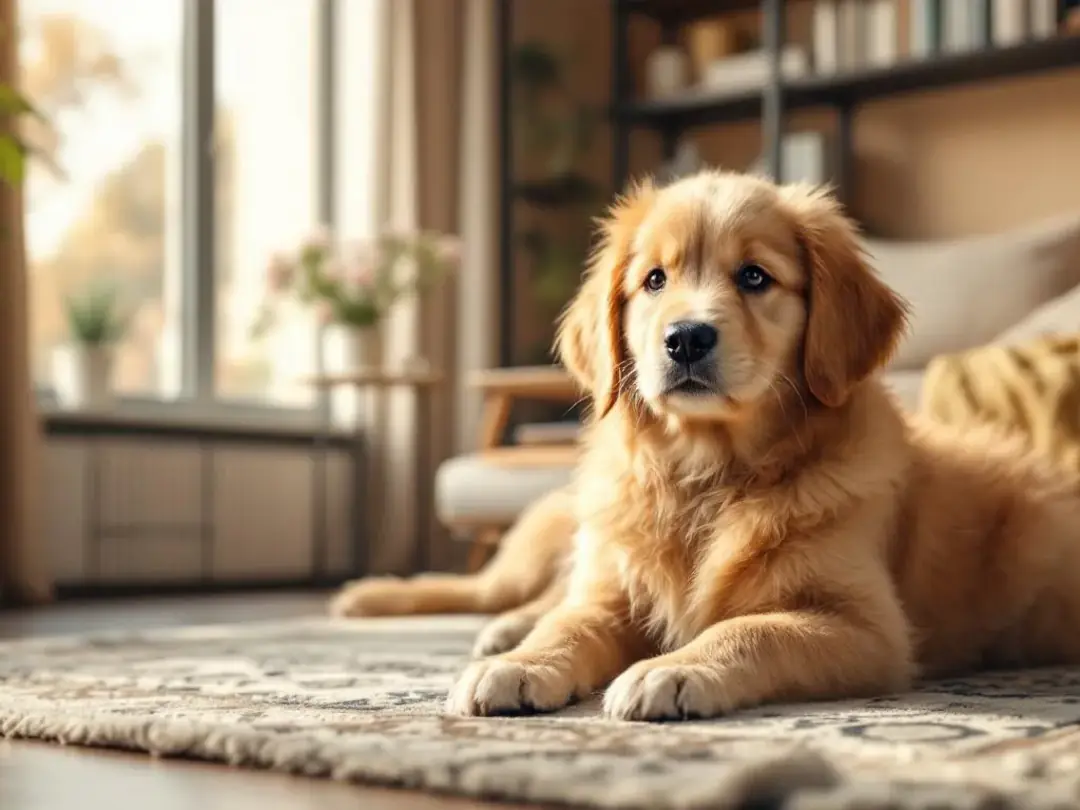
Mini Goldendoodle Size
Mini Goldendoodles are often chosen for smaller homes, easier travel, and a more compact daily footprint.
That smaller size can be very convenient, but it does not automatically mean lower energy or lower maintenance. Many minis are still active, social, and in need of regular training and stimulation.
Toy and Micro Mini Varieties
Some breeders also use labels like toy or micro mini for especially small doodles. These dogs can be very portable, but they also require more careful handling and may not be the best fit for every household.
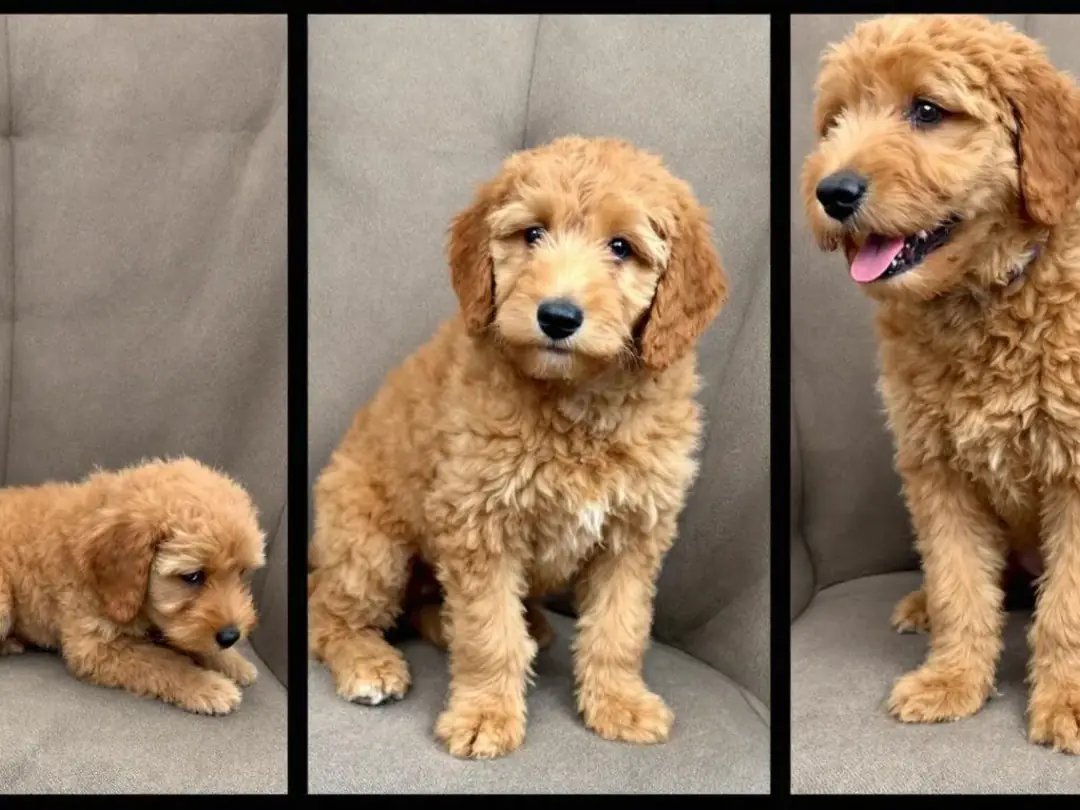
Goldendoodle Growth Timeline and Development
Goldendoodles do not all mature at the same pace.
| Size | Typical Maturity Window | General Pattern |
|---|---|---|
| Mini | Around 11-13 months | Often matures earlier than larger sizes |
| Medium | Around 12-15 months | Usually falls between mini and standard timelines |
| Standard | Around 15-18 months | May take longer to fully fill out and mature |
That is one reason owners should be careful about assuming a puppy's current size tells the whole story too early.
Factors Influencing Final Goldendoodle Size
Parent size is the biggest factor, but it is not the only one. Generation, breeding line, nutrition, and individual genetics can all influence where a dog lands within a size range.
That is why size predictions are best treated as informed estimates rather than exact promises.
Training and Socialization for Goldendoodles
Size can influence training logistics, but all Goldendoodles benefit from early socialization, clear routines, and positive reinforcement. A larger dog may need more physical management, while a smaller dog may be easier to handle but still just as active or smart.
In other words, size changes the details, but not the importance of training.
Nutrition and Diet for Different Goldendoodle Sizes
Food needs scale with size, but not always in a simple way. Larger dogs usually need more total food, while smaller dogs may need more careful portioning and meal timing depending on age and energy level.
That is why feeding should be based on the individual dog and life stage, not just the size label alone.
Exercise and Activity Needs by Size
All Goldendoodles need exercise, but the way that exercise looks can vary by size and temperament. Larger dogs may need more room and longer outings, while smaller dogs may still need plenty of stimulation even if they are easier to manage physically.
Energy level often matters just as much as size when planning activity.
Choosing the Right Goldendoodle Size for Your Family
Choosing the right size is usually about fit, not just preference. A family may love the look of a standard but be better matched with a medium, or assume a mini is easier when their lifestyle would actually suit a larger, calmer dog better.
| Lifestyle Factor | Why Size Matters |
|---|---|
| Living space | Larger dogs usually need more room to move comfortably |
| Travel | Smaller dogs are often easier to transport |
| Children | Size can affect handling, sturdiness, and supervision needs |
| Exercise routine | Some sizes fit certain activity levels more naturally |
| Daily management | Food, lifting, grooming, and handling all change with size |
The best size is usually the one that fits your real daily life, not just the one that sounds most appealing on paper.
Preparing for a Goldendoodle
Before bringing a Goldendoodle home, it helps to think through how size will affect your setup. Crate size, car space, feeding costs, grooming logistics, and exercise planning all become easier when you are realistic about the dog's likely adult size.
That kind of planning usually makes the transition smoother for both the dog and the family.
Size-Specific Care Requirements
Care needs change with size, especially when it comes to food, exercise, grooming time, and health monitoring. Larger dogs may need more support around joints and mobility, while smaller dogs may need more careful handling and different feeding routines.
Those differences are not necessarily deal-breakers. They are just part of choosing the right fit intentionally.
FAQ
How big will my Goldendoodle get?
Adult size depends mostly on the poodle parent and the breeding line, but mini, medium, and standard ranges can give you a useful estimate.
When do Goldendoodles usually stop growing?
Many minis mature earlier, while larger standards may keep growing and filling out longer, often into the 15-18 month range.
Is a mini Goldendoodle always easier than a standard?
Not always. Minis are easier to transport and handle physically, but they can still be energetic, smart, and in need of plenty of structure.
What size is best for first-time owners?
That depends more on lifestyle than experience alone, though many families find medium sizes to be a practical middle ground.
Can two puppies from the same litter end up different sizes?
Yes. Even within the same litter, individual genetics can create some variation in final size and build.
Should I choose size based on my home or my activity level?
Ideally both. Space matters, but so do exercise habits, travel needs, and how much dog you want to manage every day.


