Goldendoodle Blog Banner

Goldendoodle Puppy Training

Bricks Coggin

Bricks Coggin ยท Director of Services

Published

Key Takeaways

  • Start training your Goldendoodle puppy immediately upon arrival home to establish good habits and prevent behavioral issues

  • Begin training at a young age to ensure your Goldendoodle develops into a well-behaved and happy family pet

  • Use positive reinforcement methods like treats, praise, and clicker training for effective and humane training results

  • Focus on essential basics: potty training, crate training, and basic commands (sit, stay, come) during the first 4-6 months

  • Maintain consistent daily routines and short 5-10 minute training sessions to match your puppy's attention span

  • Early socialization between 8-16 weeks is crucial for developing a confident, well-adjusted adult dog

When to Start Training Your Goldendoodle Puppy

Start training your new puppy the moment they arrive home, typically around 8 weeks old. Young puppies can learn simple commands by 7-8 weeks despite their short attention spans. This early age represents a critical learning window when your goldendoodle puppy's brain is most receptive to new experiences and habits.


Beginning training immediately prevents bad habits from forming rather than trying to correct established behaviors later. Dog training experts consistently emphasize that starting with a "clean slate" proves far more effective than breaking unwanted patterns that have already developed.


During the first few weeks, focus on basic routines rather than complex commands. Your puppy needs to learn their name, understand meal times, and begin recognizing family member voices and expectations. Even simple interactions like sitting before meals count as valuable training sessions.


Formal obedience training typically starts around 4-6 months when your puppy's attention span improves. However, the groundwork you establish during those early weeks determines how successfully your goldendoodle will respond to more advanced training later. Around 10 to 12 weeks, you can start teaching more advanced commands and impulse control techniques as your puppy becomes ready for them. Many dog breeders actually begin basic training before puppies leave their mothers, giving you a head start on the training process.


The key is matching your expectations to your puppy's developmental stage. Young puppies can handle 5-10 minute training sessions but need frequent breaks. As your puppy grows, you can gradually extend training sessions and introduce more challenging concepts.

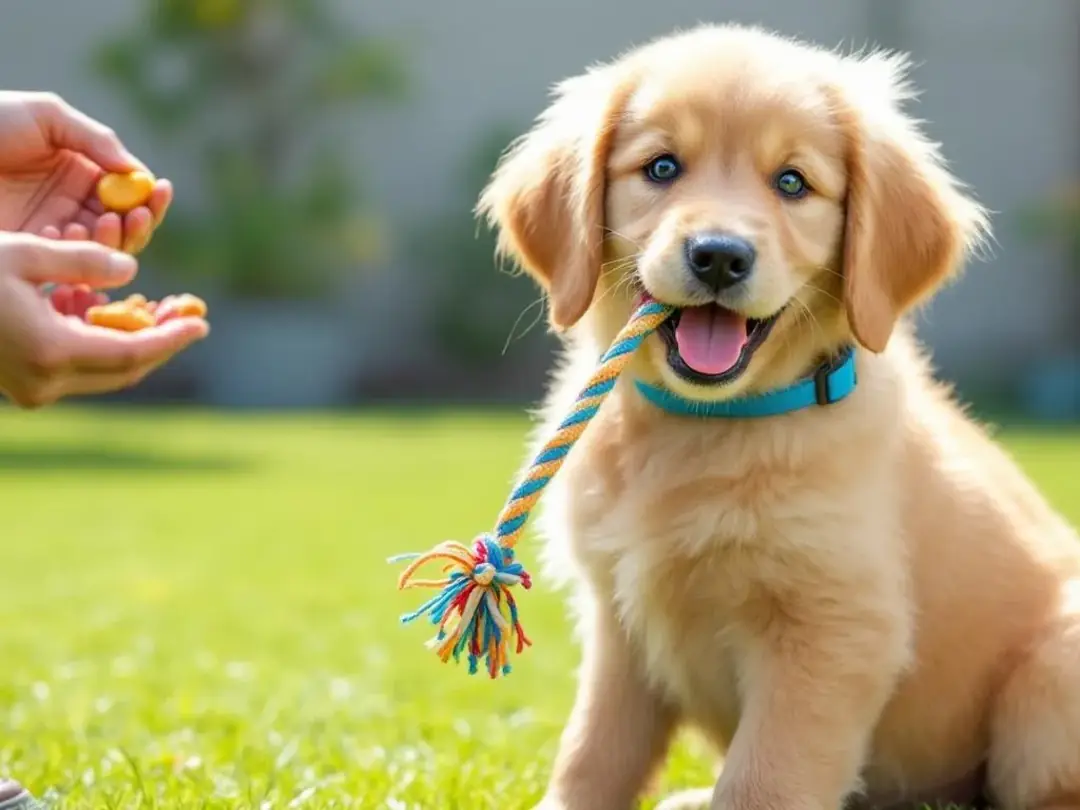
A happy Goldendoodle puppy is joyfully playing with a rope toy, which serves as a reward during its training session...

Essential Goldendoodle Training Methods


Successful goldendoodle training relies on four main positive reinforcement approaches that work exceptionally well with this intelligent hybrid breed. These methods leverage your puppy's natural desire to please while building confidence and strengthening your bond. It's important to tailor your training methods to your dog's unique personality and preferences, as understanding your dog's needs can make training more effective.


Positive Reinforcement Training


Positive reinforcement training rewards good behavior with treats, praise, or toys to increase the likelihood of repetition. This training method works particularly well with goldendoodle puppies because they inherit strong food motivation from golden retrievers and respond eagerly to human approval.


Use high-value treats like small pieces of cooked chicken, cheese, or plain Cheerios during training sessions. The key is timing-reward immediately when your puppy displays the desired behavior. Even a two-second delay can confuse your puppy about which action earned the reward.


Avoid punishment-based methods that can cause fear, anxiety, and aggression. Instead of correcting bad behavior, redirect unwanted actions to positive alternatives followed by rewards. For example, if your puppy chews furniture, immediately redirect them to an appropriate chew toy and praise enthusiastically when they comply.


Keep training sessions short, lasting 5-10 minutes maximum, and always end on positive notes. Goldendoodle puppies have limited attention spans but learn quickly when the experience remains enjoyable and rewarding.


Clicker Training for Goldendoodles


Clicker training uses a small device that makes a distinct clicking sound to mark exact moments of good behavior. This training method speeds up the learning process by providing precise feedback that bridges the gap between action and reward.


Purchase a clicker device at any pet store for $3-5 and pair the click sound with immediate treats or praise. The clicker marks the instant your puppy performs correctly, even before you can deliver the actual reward. This precision helps your goldendoodle puppy understand exactly which behavior earned approval.


Eventually, the click sound becomes rewarding itself, reducing your dependency on food rewards. Start by clicking and treating randomly to establish the association, then begin using the clicker during actual training sessions. The sound travels better than verbal praise, making it especially useful for outdoor training or when working with distractions.


Professional dog trainer recommendations emphasize clicker training's effectiveness with intelligent breeds like goldendoodles. The clear communication helps prevent confusion and accelerates learning of both basic commands and complex behaviors.


Food Reward Training


Goldendoodle puppies respond exceptionally well to food rewards due to genetics inherited from golden retrievers. However, successful food reward training requires choosing appropriate treats and managing portions to maintain your puppy's health and motivation.


Use small, easily consumed treats that won't disrupt training momentum. Suitable options include small kibble pieces, freeze-dried liver, raw carrot bits, or commercial training treats broken into tiny portions. Avoid large or rich treats that require significant chewing time or might cause stomach upset during training sessions.


Vary your food rewards to maintain interest. What excites your puppy during morning training sessions might seem boring by evening. Keep several different treat options available and rotate them based on your puppy's response and energy level.


Time meals strategically around training sessions. A slightly hungry puppy shows more food motivation, but avoid training with a starving puppy who might become too excited to focus. Many successful pet parents schedule short training sessions before meal times to maximize food reward effectiveness.


Praise and Play Rewards


Goldendoodle puppies are naturally people-oriented, making verbal praise and physical affection powerful training tools. Combine enthusiastic verbal praise with gentle petting or brief play sessions to communicate approval and strengthen your bond. Spending quality time during training and play not only shapes your puppy's development but also deepens the connection between you and your pet.


Use excited, happy voice tones when praising good behavior. Your puppy reads emotional cues from your voice, so genuine enthusiasm matters more than specific words. Phrases like "good puppy!" or "yes!" work well when delivered with appropriate energy and timing.


For puppies with high play drive, incorporate favorite toys as rewards. A quick game of tug or fetch can be more motivating than treats for some goldendoodles. This approach works especially well for training sessions focused on recall or leash training where play naturally follows the desired behavior.


Build confidence through consistent positive feedback. Goldendoodle puppies thrive on human interaction, and regular praise sessions help develop the secure attachment that makes all other training more effective.

Crate Training Your Goldendoodle Puppy

Crate training provides your goldendoodle puppy with a safe, comfortable space while supporting house training and preventing destructive behavior. It is important to learn how to crate train your Goldendoodle puppy to create a safe and positive environment that helps with housebreaking and provides a secure space for your dog. Success depends on making the crate a positive environment rather than a punishment tool.


Choose a crate large enough for your puppy to stand, turn around, and lie down comfortably, but not so large that they can eliminate in one corner and sleep in another. For goldendoodle puppies who will grow significantly, consider a crate with adjustable dividers or plan to upgrade sizes as your puppy grows.


Make the crate cozy with soft bedding, safe toys, and occasional treats. Feed meals inside the crate with the door open to create positive associations. Never use the crate as punishment, which can undo weeks of careful conditioning and create anxiety around crate time.


Start with short periods-just a few minutes initially-and gradually increase duration. Young puppies can stay crated for approximately one hour per month of age, with a maximum of three hours during the day. Overnight crating can extend longer since puppies naturally sleep for extended periods.


Place the crate in a family area during the day so your puppy doesn't feel isolated. For nighttime, many successful dog owners keep the crate in their bedroom initially, then gradually move it to the final location once the puppy adjusts to the routine.


Support house training by taking advantage of dogs' natural instinct not to soil their sleeping areas. A properly sized crate encourages bladder control and helps establish predictable potty schedules that make house training more successful.

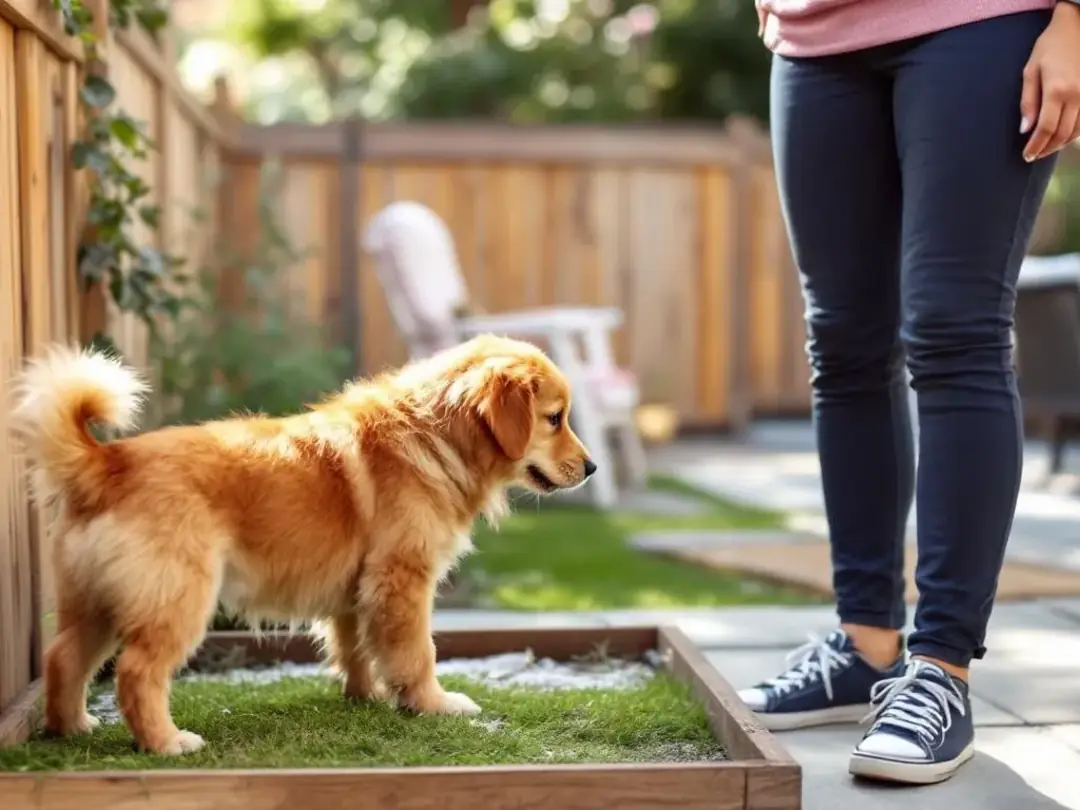
A goldendoodle puppy is seen eliminating in a designated outdoor area while its owner watches nearby, emphasizing the...

House Training and Potty Training


Potty training represents one of the most important aspects of goldendoodle puppy training, typically requiring 3-6 months of consistent effort. Success depends on establishing predictable schedules, providing frequent opportunities, taking your puppy to the same spot outside for potty breaks, and responding appropriately to both successes and accidents.


Establishing a Potty Schedule


Take your goldendoodle puppy outside every 20-30 minutes during waking hours, especially during the first few weeks. This frequent schedule prevents accidents and provides multiple opportunities for success each day.


Schedule potty breaks after meals, naps, play sessions, and before bedtime. Puppies typically need to eliminate within 15-30 minutes after eating and immediately upon waking. Active playtime also stimulates bladder and bowel movements, making post-play breaks essential.


Use the same outdoor spot consistently and introduce verbal cues like "go potty" or "bathroom break." Consistency helps your puppy understand expectations and eventually allows you to encourage elimination on command. Choose a spot that's easily accessible during all weather conditions.


Praise enthusiastically and offer treats immediately after successful elimination. The timing of positive reinforcement is crucial-reward while your puppy is still in the elimination area so they clearly understand which behavior earned approval.


Expect overnight potty breaks every 2-4 hours until your puppy reaches 4-5 months old. Young bladders simply cannot hold urine for extended periods. Set alarms if necessary to maintain the schedule and prevent overnight accidents that can slow house training progress.


Preventing and Managing Accidents


Supervise constantly when your goldendoodle puppy is not crated during the first few months. Watch for signs like sniffing, circling, whining, or sudden restlessness that indicate the need to eliminate. These warning signs give you seconds to redirect your puppy to the appropriate location.


Clean accidents thoroughly with enzymatic cleaners specifically designed for pet odors. Regular household cleaners may remove visible stains but leave scent markers that encourage repeat elimination in the same spots. Complete odor removal is essential for preventing future accidents.


Never punish accidents, which only teaches your puppy to hide elimination from you rather than learning appropriate locations. Instead, interrupt accidents in progress with a firm "no," immediately carry your puppy outside, and reward enthusiastically if they finish eliminating in the correct spot.


Confine your puppy to easily cleaned areas when you cannot provide direct supervision. Baby gates can restrict access to carpeted rooms while allowing freedom to move and play in tile or hardwood areas where accidents are easier to clean.


Many puppies achieve reliable potty training by four to six months of age with consistent effort. Individual progress varies based on size, maturity, and consistency of training, but most goldendoodle owners see significant improvement within the first month of dedicated training.

Teaching Basic Obedience Commands

Basic commands form the foundation of all goldendoodle training and make daily life safer and more enjoyable. Start with four essential commands that provide immediate practical benefits: sit, stay, come, and place.


Start with "sit" as the foundation command for all other training. Hold a treat close to your puppy's nose, slowly lift it over their head, and say "sit" as their bottom naturally touches the ground. Reward immediately and practice this sequence 5-10 times per training session.


Progress to "stay" once your puppy reliably sits on command. Begin with your hand in a "stop" gesture, take one small step backward, wait 2-3 seconds, then return and reward. Gradually increase distance and duration, but always return to your puppy rather than calling them to you during stay practice.


Teach reliable "come" command in safe, enclosed areas before trying outdoors. Start with your puppy just a few feet away, crouch down, open your arms, and say "come" in an excited voice. Reward generously with treats, praise, or brief play sessions when your puppy reaches you.


Add "place" or "go to bed" for designated resting spots around your home. This command helps manage your puppy during meals, when guests arrive, or when you need them settled in a specific location. Practice by leading your puppy to their bed, saying "place," and rewarding when they lie down.


Practice basic commands in different locations to ensure consistency. A puppy who sits perfectly in the kitchen might ignore the same command in the backyard without practice in various environments. Gradually introduce distractions like other family members, toys, or outdoor sounds while maintaining command reliability.


Use consistent verbal cues and hand signals across all family members. Mixed signals confuse puppies and slow learning progress. Hold a family meeting to establish which words and gestures everyone will use for each command.

Goldendoodle Socialization Training

Early socialization between 8-12 weeks creates confident, well-adjusted adult dogs who handle new experiences calmly. This critical period shapes your goldendoodle's personality and responses to unfamiliar situations throughout their life.


Begin controlled exposure to various people, including children, men, women, elderly individuals, and people wearing hats, uniforms, or using mobility aids. Each positive interaction builds confidence and prevents fear-based reactions later. Keep initial meetings brief and always pair new people with treats or play.


Introduce different environments like parks, pet stores, quiet streets, and various surface types including grass, concrete, gravel, and metal grates. Carry unvaccinated puppies in your arms or a stroller to safely expose them to new sights, sounds, and smells before their immune system can handle ground contact.


Arrange controlled meetings with vaccinated, friendly adult dogs who are known to be gentle with young puppies. Other puppies can also provide valuable socialization, but ensure all interactions remain positive and don't overwhelm your goldendoodle puppy.


Expose your puppy to household sounds like vacuum cleaners, dishwashers, television, and doorbell rings during this critical window. Start with low volumes and gradually increase as your puppy shows comfort. Use treats and calm praise to create positive associations with potentially startling sounds.


Use treats and enthusiastic praise to create positive associations with all new experiences. Your puppy should learn that encountering unfamiliar people, places, and situations leads to good things happening. This foundation prevents anxiety and fearfulness that can be difficult to overcome later.


Monitor your puppy's body language during socialization activities. Signs of stress include excessive panting, trembling, hiding, or loss of bladder control. If your puppy shows these signs, end the session calmly and try again later with less intensity or fewer distractions.

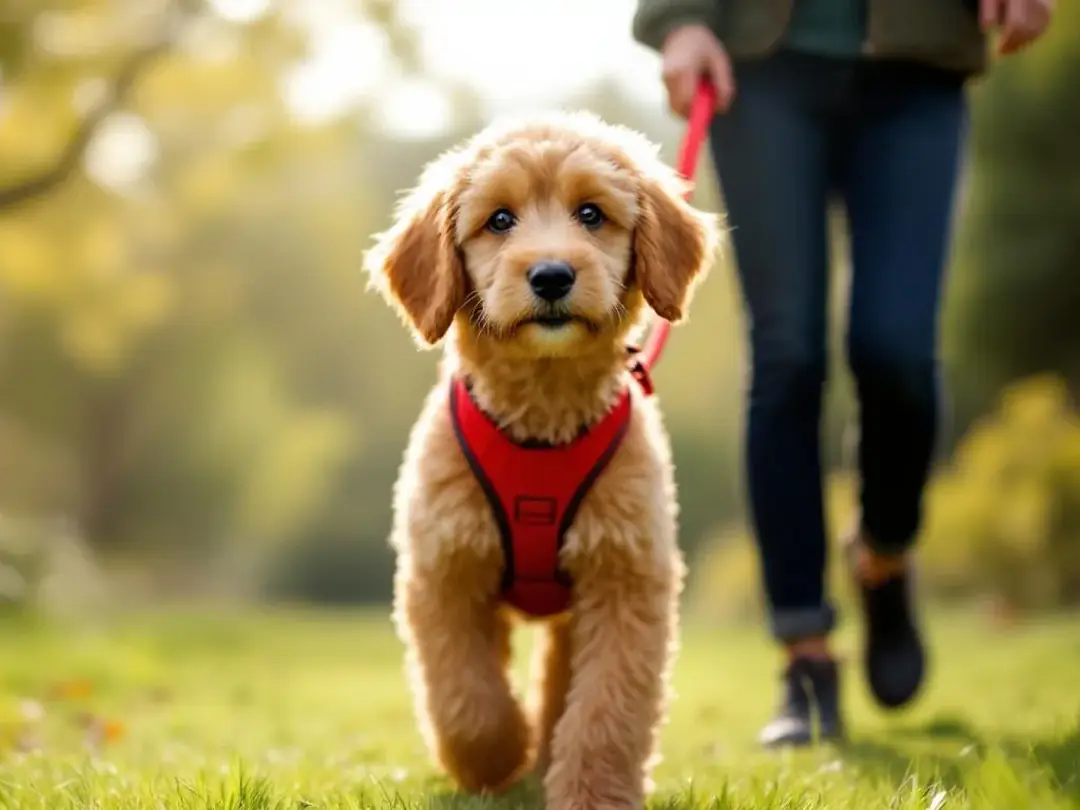
A goldendoodle puppy is walking on a leash during an outdoor training session, displaying good behavior as it learns...

Sample Daily Training Schedule by Age


Structured daily schedules help goldendoodle puppies learn routines while ensuring adequate training, exercise, and rest. The consistency of a daily schedule plays a crucial role in shaping your pup's behavior, as regular activities, rest, and interaction all contribute to positive development. Adjust timing based on your puppy's individual needs and your family's schedule.


8-12 Week Schedule


7:00 AM: Wake up, immediate potty break, breakfast, short play session
Focus on establishing morning routines and successful elimination. Keep play gentle and brief to avoid overstimulation.


9:00 AM: Potty break, 5-minute training session, crate nap
Practice basic commands like name recognition and sit. End with crate time to prevent overtiredness.


11:00 AM: Potty break, supervised play, another potty break, crate time
Allow exploration under close supervision, then provide rest before the puppy becomes cranky.


1:00 PM: Lunch, potty break, outdoor exploration if vaccinated
Midday meals help maintain blood sugar and provide another training opportunity. Limit outdoor time based on vaccination status.


3:00 PM: Potty break, training session, play time, crate nap
Afternoon training sessions often show good results as puppies are alert but not overly excited.


5:00 PM: Potty break, dinner, family interaction time
Include your puppy in family activities while maintaining supervision and structure.


7:00 PM: Training session, supervised play, potty break
Evening training reinforces daily lessons and provides mental stimulation before bedtime routines.


9:00 PM: Final potty break, quiet time, bedtime preparation
Wind down activities and establish consistent bedtime routines.


Overnight: 2-3 potty breaks as needed
Set alarms every 3-4 hours to maintain house training progress.


4-6 Month Schedule Modifications


Extend training sessions to 10-15 minutes with more complex commands as your puppy's attention span improves. Introduce commands like "down," "wait," and "leave it" during longer sessions.


Reduce daytime naps but maintain an afternoon rest period. Most puppies still need one daytime nap even as their stamina increases.


Increase outdoor exploration and socialization opportunities. Fully vaccinated puppies can safely interact with other dogs and explore public spaces.


Begin leash training and walking practice in familiar areas before progressing to busier environments. Start with short distances and focus on loose leash walking rather than distance goals.


Reduce overnight potty breaks to 1-2 times maximum as bladder control improves. Most goldendoodle puppies can sleep 6-8 hours by 5-6 months of age.

Addressing Common Goldendoodle Behavioral Issues

Goldendoodle puppies may develop specific behavioral challenges that require targeted training approaches. Address these issues early to prevent them from becoming ingrained habits.


Jumping on People


Teach "sit" as the default greeting behavior instead of jumping. Practice this command frequently so it becomes your puppy's automatic response when people approach.


Ignore jumping completely-provide no attention, eye contact, or verbal response when your puppy jumps. Turn away and cross your arms until your puppy settles down. Attention of any kind, even negative attention, can reinforce jumping behavior.


Reward with treats and praise only when all four paws remain on the ground. Ask family members and visitors to follow the same protocol consistently. Mixed messages from different people slow progress significantly.


Practice greeting scenarios with family members first, then gradually introduce strangers. Have someone knock on the door, enter, and ignore your puppy until they sit calmly. Only then should the person acknowledge and pet your puppy.


Consistency from all visitors is essential for success. Prepare a brief explanation for guests about your training goals and ask for their cooperation. Most people appreciate helping with puppy training when they understand the purpose.


Excessive Barking


Identify triggers like doorbell sounds, other dogs passing by, or boredom-related barking. Understanding the cause helps you choose appropriate training strategies.


Teach "quiet" command using treats when barking stops naturally. Wait for a pause in barking, say "quiet," and immediately reward the silence. Gradually extend the quiet period before rewarding.


Provide adequate mental stimulation through puzzle toys, training sessions, and interactive games. Many goldendoodle puppies bark from boredom or excess energy that needs appropriate outlets.


Address separation anxiety with gradual alone-time conditioning. Start with very brief departures (30 seconds) and gradually increase duration as your puppy learns that you always return.


Never yell or use shock collars, which can increase anxiety and make barking worse. These harsh methods often create additional behavioral problems while failing to address the underlying cause of excessive barking.


Destructive Chewing


Provide appropriate chew toys like Kong toys stuffed with treats, rope toys, and frozen treats that satisfy natural chewing needs. Rotate toys regularly to maintain interest and prevent boredom.


Puppy-proof your home by removing shoes, electronics, valuable items, and anything dangerous within your puppy's reach. Prevention is always easier than correction after damage occurs.


Redirect chewing to appropriate items immediately when you catch your puppy chewing something inappropriate. Say "no," remove the forbidden item, and immediately offer an appropriate chew toy. Praise enthusiastically when your puppy accepts the redirect.


Ensure adequate exercise and mental stimulation to reduce energy-driven destructive behavior. A tired puppy is generally a well-behaved puppy. Combine physical exercise with training sessions for the best results.


Use bitter apple spray on furniture legs, baseboards, and other targets as a deterrent. This safe, unpleasant taste discourages chewing while you work on training alternative behaviors.

Professional Training Options

Professional trainers can provide valuable support for persistent behavioral issues or when your schedule limits consistent training time. Several options exist to match different needs and budgets.


Consider professional trainers for challenges like severe separation anxiety, aggression, or when multiple behavioral issues develop simultaneously. A good trainer can assess your specific situation and create customized training plans.


Board-and-train programs offer intensive 2-4 week training foundations where your puppy lives with the trainer. These programs can address multiple issues quickly but require follow-up work at home to maintain progress.


Private in-home sessions provide personalized attention for specific challenges while allowing the trainer to see your puppy's behavior in their natural environment. This option works well for addressing issues like excessive barking or jumping that occur primarily at home.


Group puppy classes combine training with socialization opportunities as your puppy learns alongside other puppies. These classes typically cost $150-300 and provide excellent value for basic obedience training and socialization.


Research trainers' certifications and training methods before choosing. Look for trainers who use positive reinforcement methods and avoid those who rely on shock collars, alpha rolling, or other punishment-based techniques.


Costs range from $150-300 for group classes to $1,500-3,000 for intensive board-and-train programs. Private sessions typically cost $75-150 per hour. Consider this investment in your puppy's future behavior and your family's quality of life.

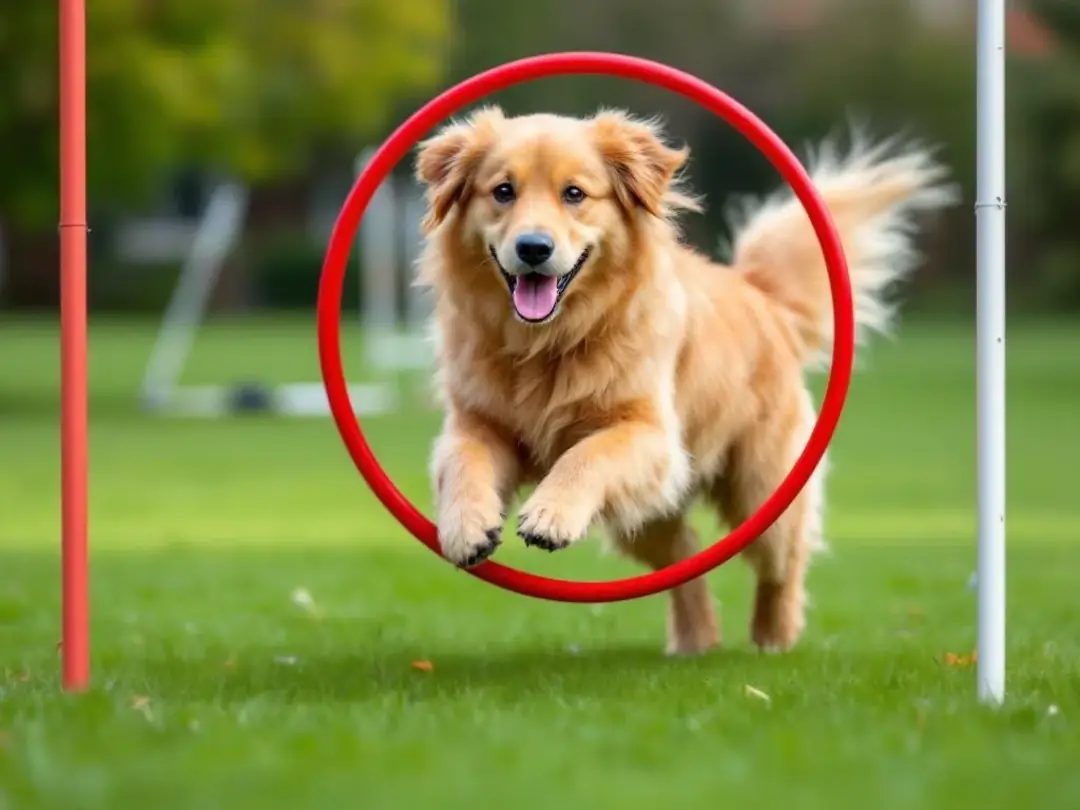
A goldendoodle puppy is enthusiastically jumping through a hoop as part of its agility training, showcasing its energy...

Advanced Training for Goldendoodles


Once your goldendoodle masters basic obedience, advanced training provides mental stimulation and strengthens your bond while developing impressive skills.


Introduction to agility training using household items like tunnels, jumps, and weave poles can begin around 6 months of age. Start with low heights and simple obstacles to build confidence before progressing to more challenging courses.


Therapy dog preparation suits goldendoodles with naturally calm temperaments and strong socialization backgrounds. This advanced training requires passing evaluations and can lead to opportunities visiting hospitals, schools, or nursing homes.


Canine Good Citizen certification represents an excellent goal for well-trained dogs. This American Kennel Club program tests basic obedience, socialization, and good manners in real-world situations.


Trick training provides mental stimulation while entertaining family and friends. Teach shake, roll over, play dead, or spin using the same positive reinforcement principles used for basic commands.


Scent work activities engage goldendoodles' natural abilities and provide excellent mental exercise. Hide treats around the house and encourage your dog to find them, gradually increasing difficulty as skills improve.


Training your goldendoodle puppy requires patience, consistency, and commitment to positive methods, but the rewards last a lifetime. These intelligent, eager-to-please dogs respond beautifully to kind, consistent training that respects their sensitive nature while channeling their energy constructively.


Remember that every puppy learns at their own pace. Some goldendoodles master house training in six weeks, while others need several months. Focus on consistent daily practice, celebrate small victories, and maintain realistic expectations based on your puppy's age and individual development.


The effort you invest during these crucial early months shapes your goldendoodle's behavior for years to come. Start with the basics, stay consistent with your chosen methods, and don't hesitate to seek professional help when needed. Your patient, positive approach will create the well behaved goldendoodle you've dreamed of-a confident, happy companion who enriches your family's life immeasurably.

FAQ

How long does it take to fully train a Goldendoodle puppy?

Basic house training typically takes 3-6 months with consistent effort, though individual progress varies significantly. Most goldendoodle puppies master basic commands like sit, stay, and come within 2-3 months of regular practice. Full maturity and completely reliable behavior usually develops by 12-18 months of age. The timeline depends heavily on consistency of training methods, the puppy's individual temperament, and how much time you dedicate to daily training sessions.


What makes Goldendoodles easier to train than other breeds?

Goldendoodles inherit intelligence from Poodles combined with the Golden Retriever's natural eagerness to please family members. This combination creates dogs with both the cognitive ability to learn quickly and the motivation to follow human guidance. Their strong food motivation makes positive reinforcement training highly effective, while their social nature means they respond enthusiastically to praise and human interaction. Additionally, their strong desire to bond with family members drives them to learn household rules and follow established routines.


Should I use puppy pads or go straight to outdoor potty training?

Direct outdoor training is generally more effective for preventing confusion about appropriate elimination locations. Puppy pads can actually delay full house training by teaching that indoor elimination is acceptable under certain circumstances. Most professional trainers recommend outdoor-only training unless you live in a high-rise apartment without easy yard access. If you must use pads temporarily due to living situation or weather, plan to transition to outdoor-only training by 4-5 months maximum to avoid creating long-term indoor elimination habits.


How do I train my Goldendoodle puppy not to bite during play?

Immediately stop all play and ignore your puppy when their teeth touch human skin, even gently. This teaches bite inhibition by removing the fun consequence of rough play. Redirect biting behavior to appropriate chew toys and praise enthusiastically when your puppy uses them instead. Make a high-pitched "ouch" sound to mimic the feedback they would receive from littermates. Ensure your puppy receives adequate physical exercise and mental stimulation, as excess energy often manifests as mouthy behavior. Avoid roughhousing with your hands, which inadvertently encourages biting during play.


When can I start taking my Goldendoodle puppy to public places?

Wait until two weeks after your puppy's final vaccination series (usually 16-18 weeks) before allowing ground contact in public areas. However, you can safely carry your puppy in your arms or use a stroller for early socialization before full vaccination. Visit pet-friendly stores like Home Depot or Lowe's for controlled exposure to new sights, sounds, and people. Arrange controlled meetings with known vaccinated dogs during the early weeks, and consider puppy classes that often accept puppies after their second vaccination around 12 weeks, provided all participants are up-to-date on shots.

Introduction to Goldendoodle Puppy Training

Training a Goldendoodle puppy is an exciting journey that sets the stage for a lifetime of good behavior and companionship. As a hybrid breed, Goldendoodles combine the intelligence of the Poodle with the friendly, eager-to-please nature of the Golden Retriever, making them highly receptive to training. However, their smarts and energy mean they need clear guidance from the start. By implementing a well-structured training plan that includes crate training, potty training, and basic obedience, you'll help your Goldendoodle puppy develop into a well-mannered adult dog. Positive reinforcement is key-rewarding your furry friend for good behavior encourages them to repeat those actions. As a dedicated pet parent, investing time and patience in training will not only prevent undesirable habits but also strengthen the bond you share with your puppy. Start training early, stay consistent, and enjoy watching your Goldendoodle grow into a confident, happy companion.

Understanding Goldendoodle Behavior

Goldendoodles are renowned for their affectionate personalities, high intelligence, and boundless energy. These traits make them wonderful family dogs, but they also come with unique behavioral needs. Goldendoodles thrive on attention and interaction, so they may develop separation anxiety or resort to excessive barking if left alone for too long. Understanding your Goldendoodle's body language-such as tail wagging, ear position, and vocalizations-can help you recognize when your puppy is feeling stressed, excited, or anxious. By tuning into these signals, you can adjust your training approach to better support your dog's emotional well-being. If you encounter persistent challenges, working with a good trainer can provide valuable insights and tailored strategies for addressing issues like separation anxiety or excessive barking. Ultimately, understanding your Goldendoodle's behavior is the foundation for effective training and a harmonious relationship.

Establishing a Consistent Routine

A consistent routine is one of the most powerful tools in Goldendoodle puppy training. Puppies thrive when they know what to expect, so setting regular times for feeding, potty breaks, play, and crate training helps your Goldendoodle puppy feel secure and learn good habits. Incorporate short, focused training sessions throughout the day to reinforce basic commands and encourage positive behavior. As your puppy grows, you can gradually increase the length and complexity of these sessions, introducing new skills and activities to keep them engaged. Don't forget to reward good behavior with positive reinforcement-treats, praise, and playtime all help motivate your puppy to learn. Following a sample schedule that includes consistent potty breaks and crate time will not only support house training but also prevent accidents and destructive behavior. With a steady routine and plenty of encouragement, your Goldendoodle puppy will develop into a well-behaved and confident companion.

Training Goldendoodle Owners

Training a Goldendoodle puppy isn't just about teaching your dog-it's also about learning as an owner. Understanding how to communicate clearly, set boundaries, and use positive reinforcement is essential for building a strong relationship with your Goldendoodle. A skilled dog trainer can guide you through the basics of crate training, house training, and early socialization, ensuring you're equipped to handle common challenges like leash pulling, jumping, or mouthing. By actively participating in your puppy's training, you'll learn how to reinforce good behavior and address issues before they become habits. Early socialization and consistent routines are especially important for Goldendoodle puppies, helping them grow into well-adjusted adult dogs. Remember, training is a team effort-when both you and your puppy are learning together, you'll enjoy a smoother, more rewarding journey.

Conclusion

Training a Goldendoodle puppy is a rewarding experience that requires patience, consistency, and a commitment to positive reinforcement. By understanding your puppy's unique behavior, establishing a consistent routine, and learning effective training techniques, you'll set the stage for a lifetime of good behavior and companionship. Start training early, be gentle and patient, and always reward your Goldendoodle for good behavior. Whether you're a first-time pet parent or an experienced dog owner, following a thoughtful training plan and seeking guidance from a good trainer when needed will help you raise a well behaved Goldendoodle. With dedication and love, your puppy will grow into a loyal, happy member of your family, bringing joy and companionship for years to come.

ABCs Puppy Zs

ABCs Puppy Zs Ensures Healthy, Lovingly Raised Goldendoodles, for an Exceptional Experience in Pet Ownership.

Could you ask for more? You bet: