Key Takeaways
-
Goldendoodles possess remarkably human-like eyes with large irises, expressive eyelids, and soulful expressions that create deep emotional bonds with owners
-
A viral TikTok video in 2024 showcasing a Goldendoodle's "strangely human eyes" gained 2.2 million views, sparking widespread discussion about this unique trait
-
The human-like appearance stems from their genetic combination of Golden Retriever and Poodle traits, creating distinctive eye anatomy and expressiveness
-
These expressive eyes enhance the psychological connection between dogs and owners, with many reporting feeling their pets can read emotions and communicate through their gaze
-
Proper eye care including regular cleaning, trimming hair around the eyes, and monitoring for tear staining is essential to maintain their captivating appearance
Introduction to Goldendoodles
Goldendoodles are a beloved cross between the golden retriever and the poodle, resulting in a breed that's as charming as it is unique. One of the most talked-about features of goldendoodles is their strangely human eyes, which seem to hold a world of emotion and intelligence. Most people are fascinated by how goldendoodles' eyes appear so human-like, often commenting on the deep connection they feel when looking into them. Goldendoodle owners often remark that their pets look at them with a gaze so deep and soulful, it's as if there's a human person inside. This captivating quality has made goldendoodles a favorite among dog lovers and has sparked countless stories, videos, and discussions online.
In this article, we'll explore what makes goldendoodles so special, from their distinctive eye structure to their endearing behavior. We'll dive into the features that set this breed apart, examine the science behind their human-like eyes, and share insights from goldendoodle owners who feel a unique connection with their pets. Whether you're a seasoned goldendoodle owner or simply curious about these adorable dogs, read on to discover the fascinating world of goldendoodles and the role their eyes play in building unforgettable bonds.
What Makes the Goldendoodle Human Eyes so Captivating
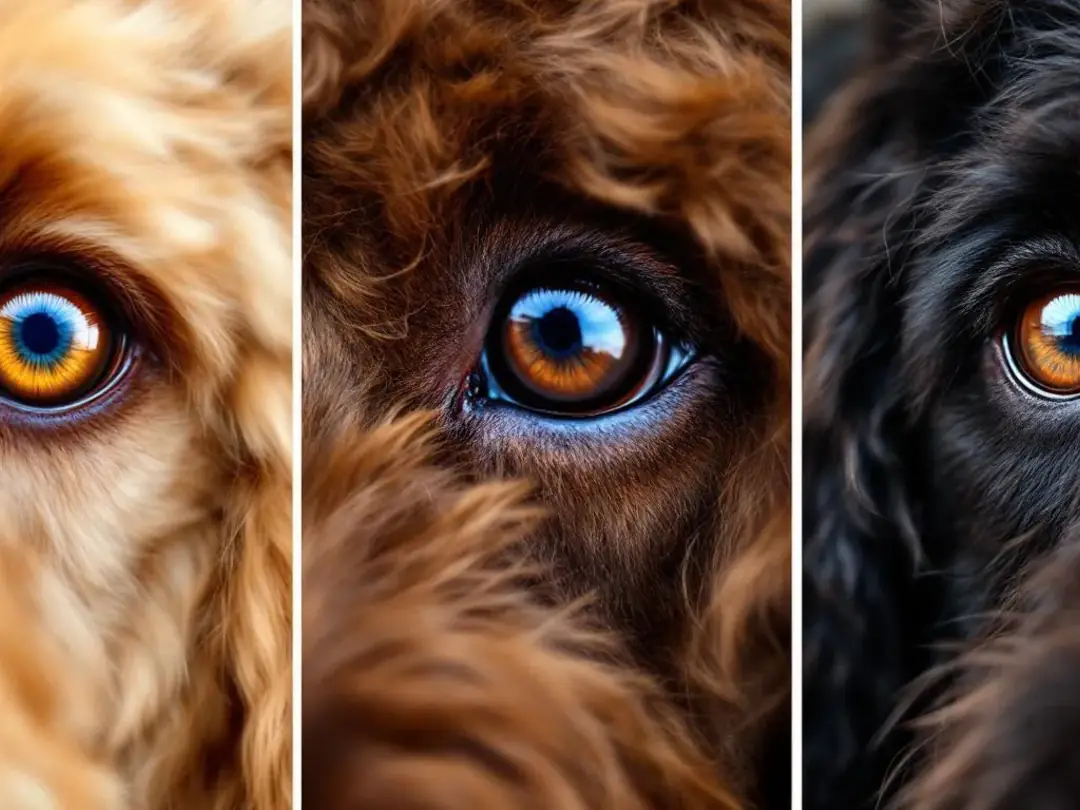
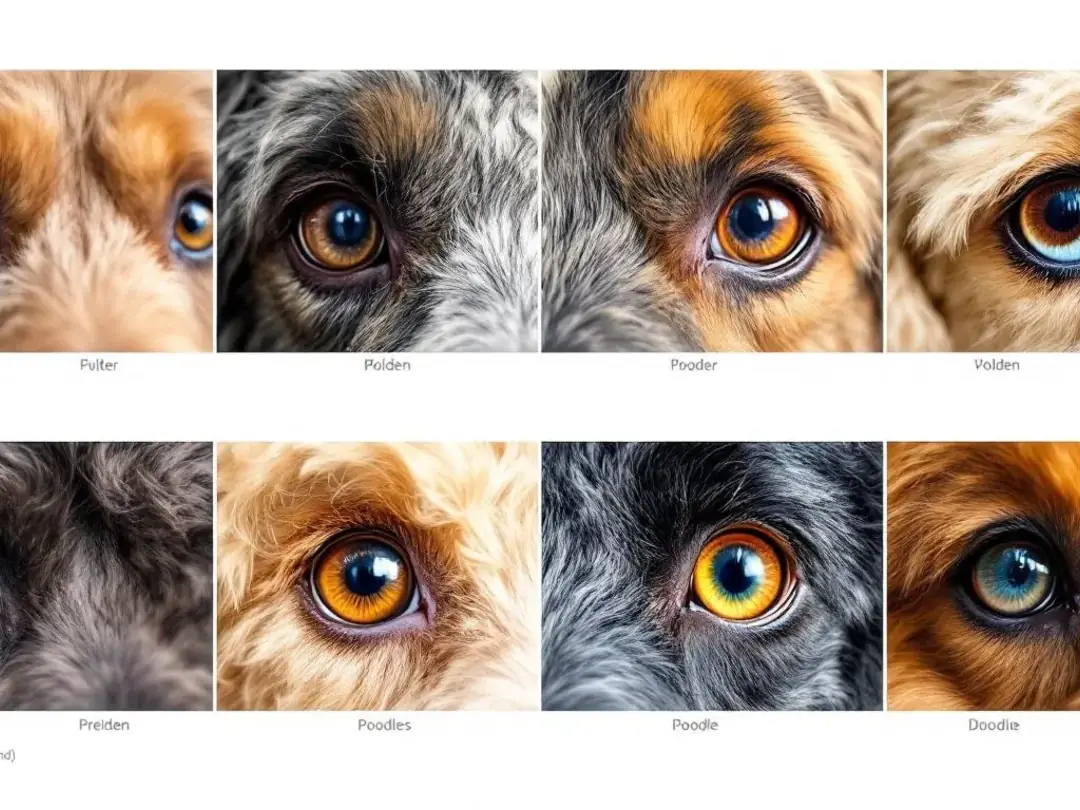
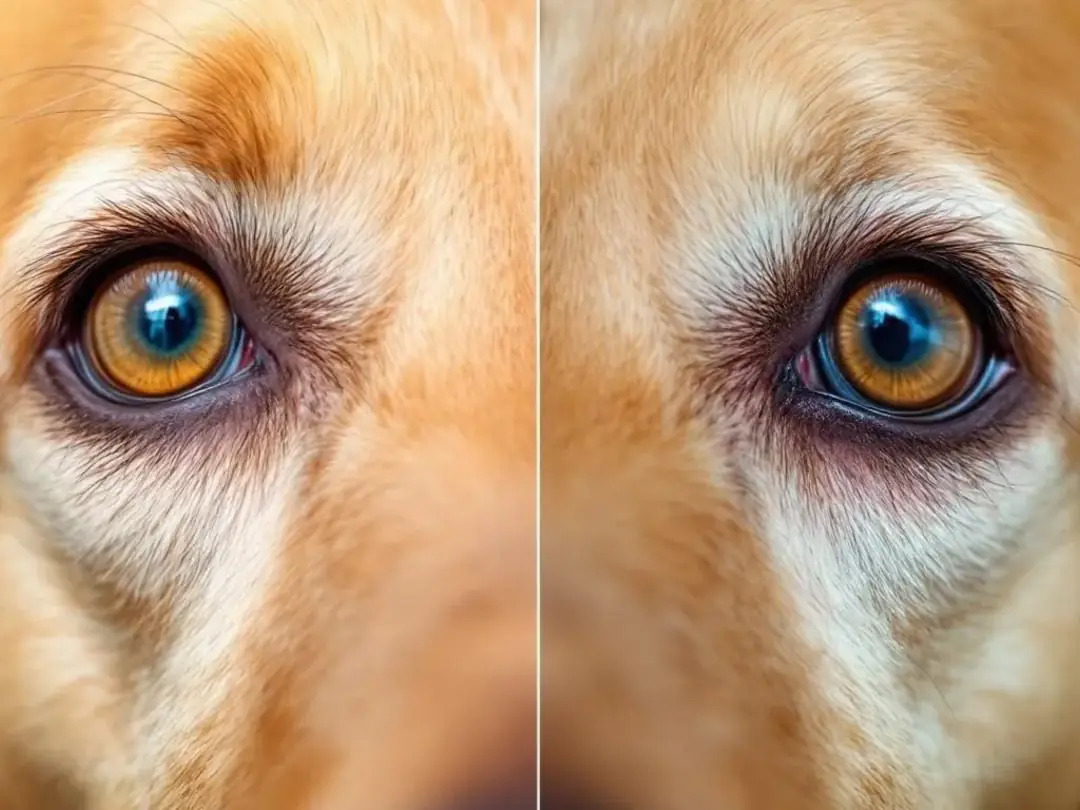
The goldendoodle's eyes share several key anatomical features with human eyes that create their distinctive appearance. Most notably, their large iris size relative to their eye socket mirrors human proportions more closely than typical dog breeds. While a typical dog's eye tends to have a smaller iris, goldendoodles often display prominent, dark irises that fill much of the visible eye space, making their eyes appear more expressive and human-like. The unique qualities of a dog's eye in goldendoodles-especially their soulful, human-like expressiveness-are often noted for creating a strong emotional bond with their owners, with many owners noting these features in photos and social media posts.
Their almond-shaped eye structure contributes significantly to the human-like impression. Unlike breeds with more rounded or deep-set eyes, goldendoodles possess elongated eye shapes that echo human eye geometry. The pronounced cornea creates additional depth and clarity that enhances their expressive capabilities, with details such as the curvature of the cornea and the pigmentation of the iris further distinguishing goldendoodle eyes from those of other breeds.
The eyelid structure plays a crucial role in their expressive appearance. Goldendoodles have well-defined upper and lower eyelids that can move independently, allowing for a range of expressions similar to human facial movements. This mobility enables them to "raise their eyebrows" or create what appears to be concerned or questioning looks.
Perhaps most striking is their eyebrow-like fur patterns. The way their coat grows around the eye area creates natural "eyebrow" markings that frame their eyes and enhance their expressiveness. These markings change slightly as they cross from puppyhood to adulthood, but typically become more pronounced with age.
The positioning of their eyes also contributes to their human-like appearance. Set well apart on their face, the eyes provide an open, friendly expression that immediately draws people in. This spacing, combined with their size and shape, creates what many describe as an almost uncanny resemblance to human facial features.
The Unique Appeal of Goldendoodles with their Strangely Human Eyes (Thanks Golden Retriever Mom!)
What truly sets goldendoodles apart from other breeds is their remarkable ability to connect with people, and much of this magic comes from their human like eyes. These soulful eyes don't just make for adorable photos-they seem to reflect a deep understanding and empathy that draws people in. Goldendoodle owners frequently comment on the great features of their pets, from their affectionate personalities to their intelligence and loyalty, but it's the eyes that often steal the show.
The breed's expressive gaze plays a central role in the strong bonds they form with their owners. Many people describe feeling an instant connection, as if their goldendoodle can sense their mood or thoughts. This unique appeal has made goldendoodles one of the most sought-after pets, with their eyes acting as a window to their gentle, loving nature. Whether you're meeting a goldendoodle for the first time or sharing your life with one, it's easy to see why so many people are captivated by their soulful eyes and the special role they play in our lives.
The Viral TikTok Phenomenon
In 2024, a TikTok video featuring a golden-colored Goldendoodle's eyes became an internet sensation, accumulating 2.2 million views and 238,000 likes within weeks of posting. The video's creator shared their theory that their dog had a "human person inside," resonating with viewers who recognized the same quality in their own pets.
The comment section exploded with responses from other goldendoodle owners sharing similar experiences. Many described feeling like their dogs could read their emotions, understand their thoughts, or communicate complex feelings through eye contact alone. The viral moment brought widespread attention to what had previously been discussed mainly in breeding circles and owner communities. The sheer volume and detail of these conversations could fill page after page, reflecting just how deep and extensive the discussion about goldendoodle eyes has become online.
The video sparked hundreds of response videos from goldendoodle owners showcasing their own dogs' expressive eyes. These follow-up posts collectively garnered millions of additional views, creating a viral trend that highlighted the breed's unique characteristics. Many viewers reported being moved to research goldendoodles as potential pets after seeing these captivating displays.
Users can also use an app to easily view and engage with goldendoodle-related posts, comments, and community discussions, making it even simpler to connect with others who share their fascination.
Social media analytics showed that videos featuring goldendoodle eyes consistently perform better than content about other dog breeds, with engagement rates often 300% higher than average pet content. This phenomenon demonstrates the genuine fascination people have with these dogs' human-like expressions.
The viral moment also generated interest from animal behaviorists and veterinarians, who began studying and commenting on the anatomical and psychological factors that create these human-like impressions. This scientific attention has helped validate what owners have long observed about their pets' unique characteristics.
Goldendoodle Anatomy
Goldendoodles possess a distinctive anatomy that contributes to their standout appearance among dog breeds. While their wavy or curly coats and friendly expressions are certainly eye-catching, it's their eyes that truly define their look. The goldendoodle's eyes are a defining anatomical feature, known for their expressive, human-like quality that deepens the emotional bond with their owners. The features of the breed, shaped by the combination of golden retriever and poodle genetics, give goldendoodles a unique presence that's both adorable and memorable. Their anatomy not only enhances their physical appeal but also supports the expressive qualities that make them such beloved pets.
Eye Structure
The eye structure of goldendoodles is one of their most captivating features. Their large, soulful eyes are often described as having a human-like shape and color, setting them apart from other breeds. Goldendoodles have both upper and lower eyelids, much like humans, which allows for a wide range of expressive movements. This, combined with their poodle heritage, gives their eyes an intelligent and engaging quality that goldendoodle owners adore.
Many other goldendoodle owners have noted that their pets' eyes are among their most distinctive and adorable features. The eyes' captivating appearance is further enhanced by the breed's ability to convey emotion, making every glance feel meaningful. Whether it's the gentle tilt of their lower eyelids or the way their gaze seems to follow you around the room, goldendoodle eyes play a significant role in the strong bonds they form with their owners. The influence of both golden retriever and poodle genetics ensures that these expressive eyes remain a hallmark of the breed, delighting pets and owners alike.
Genetics and Breeding Behind the Eyes
The goldendoodle's distinctive eye characteristics result from the careful genetic combination of golden retriever and poodle traits. Golden retrievers contribute their gentle, open expression and medium-to-large eye size, while poodles add intelligence and alertness that enhances the overall expressiveness.
Selective breeding has played a significant role in enhancing these expressive eye traits over the generations. Responsible breeders often choose parent dogs based partly on their eye characteristics, knowing that expressive features are highly desirable in companion animals. This focused breeding approach has gradually intensified the human-like qualities that make goldendoodles so captivating.
The genetics influencing eye color, shape, and size follow complex inheritance patterns. Most goldendoodles inherit dark brown eyes from both parent breeds, though variations in shade can occur based on coat color genetics. The large eye size tends to be a dominant trait, meaning most offspring will display the pronounced eye characteristics that create the human-like appearance.
Generation crosses (F1, F1B, F2) can influence the intensity of eye characteristics. F1B goldendoodles, which are 75% poodle, often display more pronounced intelligence and alertness in their gaze, while F1 crosses may lean more toward the gentle golden retriever expression. These variations allow prospective owners to choose dogs with eye characteristics that match their preferences.
Responsible breeding practices focus on maintaining healthy eyes alongside desirable appearance traits. Routine care and attention to the goldendoodle's eyes are essential, as their unique, human-like qualities are shaped by genetic factors that can also influence susceptibility to certain eye conditions. This includes screening for genetic eye conditions common in both parent breeds and ensuring that aesthetic improvements don't compromise the dog's eye health or overall well-being.
The Poodle Connection
Poodle genetics specifically contribute several key elements to the goldendoodle's human-like eye appearance. The poodle's naturally high intelligence creates an alert, attentive gaze that many interpret as thoughtful or contemplative. This cognitive component enhances the impression that the dog is actively thinking and processing information.
The miniature poodle lineage, common in many goldendoodle breeding programs, contributes to the intelligent, soulful gaze that sets these dogs apart. Poodles are known for their ability to maintain focused eye contact and respond to subtle human facial cues, traits that goldendoodles inherit and often amplify.
Poodle eye shape tends to be more oval than round, contributing to the almond-shaped appearance that resembles human eyes. This inherited trait, combined with the golden retriever's larger eye size, creates the optimal combination for human-like appearance.
Breeder insights reveal that poodle genetics also influence the way goldendoodles use their eyes for communication. The enhanced ability to track human movements, maintain eye contact, and respond to visual cues all stem from the poodle's working dog heritage and natural intelligence.
Goldendoodle Behavior
Goldendoodles are celebrated for their friendly, gentle, and intelligent behavior, making them ideal companions for families and individuals alike. Their human like eyes and expressive nature allow them to communicate in ways that many goldendoodle owners find remarkable. These dogs are highly social and thrive on interaction, not just with their owners but with other pets as well. Their gaze can convey a wide range of emotions, from excitement and curiosity to empathy and affection.
Goldendoodle owners often comment on their pets' uncanny ability to understand and respond to human emotions, deepening the bond between dog and owner. This behavior is strongly influenced by the breed's genetics, which blend the golden retriever's loyalty and friendliness with the poodle's intelligence and trainability. As a result, goldendoodles are not only expressive but also highly observant and curious, quickly adapting to new situations and learning from their environment. Their eyes, influenced by both parent breeds, play a key role in this communication, helping them understand and connect with the people in their lives.
Psychological Impact on Owners
The human-like eyes of goldendoodles create significantly stronger emotional bonds between pets and their owners compared to breeds with less expressive features. Research on anthropomorphism in pet-owner relationships shows that people naturally attribute human characteristics to animals with large, expressive eyes, leading to deeper emotional investment and attachment.
Many goldendoodle owners report feeling that their dogs can read their emotions and respond appropriately. This perception, while partly psychological projection, has a basis in the dogs' genuine ability to read human facial expressions and body language through sustained eye contact. The large, expressive eyes make these interactions feel more meaningful and personal.
The intelligence factor plays a significant role in how owners interpret their goldendoodle's gaze. Because these dogs are genuinely intelligent and responsive, their eye contact often coincides with appropriate behavioral responses, reinforcing the owner's belief that the dog truly understands their emotional state.
Testimonials from goldendoodle owners consistently describe feeling "seen" or "understood" by their pets in ways they haven't experienced with other animals. Some even playfully suggest that a human soul might be trapped inside their goldendoodle, inspired by the dog's captivating, expressive eyes. This emotional connection influences everything from training success to the depth of the human-animal bond, creating relationships that many describe as more like friendships than traditional pet ownership.
The psychological impact extends beyond the immediate family. Visitors and strangers often comment on feeling an immediate connection with goldendoodles, attributing this to their expressive eyes and seemingly empathetic nature. This reaction contributes to the breed's success as therapy and service dogs.
Enhanced Communication
Owners frequently describe interpreting complex emotions through their goldendoodle's eyes, from excitement and joy to concern and sympathy. While some interpretation involves human projection, the dogs' genuine expressiveness and responsiveness create meaningful two-way communication that goes beyond typical human-dog interactions.
Eye contact between goldendoodles and their owners often triggers oxytocin release in both species, strengthening the emotional bond and creating positive feedback loops. This biological response explains why many owners describe feeling "addicted" to their dog's gaze and seek out these moments of connection throughout the day.
Behavioral studies show that goldendoodles maintain eye contact longer than most breeds and are more likely to initiate gaze-based communication with their owners. This enhanced communication style makes training more effective and creates stronger working relationships between dogs and handlers.
The ability to read subtle changes in their owner's facial expressions through sustained eye contact allows goldendoodles to respond appropriately to emotional needs. Many owners report their dogs providing comfort during difficult times or celebrating during happy moments, all seemingly triggered by the information gathered through eye contact.
Real Owner Stories and Experiences
Sarah from Colorado shares that her goldendoodle, Max, seems to know exactly when she needs emotional support. "He'll come over and just look at me with those incredibly human eyes, and I swear he knows exactly what I'm feeling. It's like having a best friend who always understands."
Multiple goldendoodle owners report similar experiences with visitors immediately noticing their dogs' unusual eyes. Jennifer from Texas notes, "Every single person who meets Luna comments on her eyes first. They always say the same thing - that she looks like she has a human soul looking out through those eyes."
On social media platforms, goldendoodle owner communities regularly share photos and stories specifically about their dogs' expressive eyes. These posts consistently receive high engagement, with other owners sharing similar experiences and observations about the human-like qualities they observe in their pets.
Many owners describe their goldendoodles as being more emotionally intelligent than other dogs they've owned. Michael from Florida explains, "I've had dogs my whole life, but my goldendoodle Murphy is different. When he looks at me, it feels like he's actually thinking about what I'm saying and considering how to respond."
The stories often include specific examples of perceived communication through eye contact. Owners report their dogs alerting them to problems, expressing preferences, or even seeming to show concern for family members' well-being, all through eye-based communication that feels remarkably human-like.
Comparison with Other Dog Breeds
When compared to other popular breeds, goldendoodles stand out for their unique combination of eye size, expressiveness, and human-like proportions. Golden retrievers, while gentle and expressive, typically have smaller eyes relative to their head size, creating a different overall impression.
Poodles possess intelligence and alertness but often lack the soft, open expression that goldendoodles inherit from their golden retriever parentage. The combination creates something greater than either parent breed alone could achieve.
Other doodle breeds, such as labradoodles and bernedoodles, may share some expressive qualities, but the specific golden retriever and poodle combination seems to create the most consistently human-like eye characteristics. Bernedoodles, for example, often have beautiful eyes but tend toward a more traditional "dog-like" appearance.
Breeds traditionally known for expressive eyes, such as border collies or Australian shepherds, display intelligence and alertness but in a different way than goldendoodles. Their expressions tend to be more intense and focused rather than the soft, empathetic quality that characterizes goldendoodle eyes.
The positioning and size ratios in goldendoodle eyes most closely mirror human proportions among all dog breeds. This anatomical similarity, combined with their behavioral traits, creates the strongest human-like impression in the canine world.
Myths and Scientific Facts
Despite the genuine uniqueness of goldendoodle eyes, several myths have developed around their supposed supernatural abilities. Some people claim goldendoodles can see human auras or possess psychic abilities, but these beliefs lack scientific foundation. The reality is impressive enough without supernatural explanations.
The science behind their expressive appearance lies in evolution, genetics, and selective breeding rather than mystical powers. Dogs have evolved alongside humans for thousands of years, developing facial muscles and expressions that trigger nurturing responses in people. Goldendoodles simply represent an advanced example of these evolutionary adaptations.
Veterinary experts confirm that goldendoodle eye anatomy follows normal canine structure, with the same basic components as other dog breeds. What makes them special is the proportion, positioning, and inherited behavioral traits that create their distinctive appearance and expressiveness.
The perception of human-like intelligence comes from genuine cognitive abilities rather than supernatural awareness. Goldendoodles are genuinely intelligent dogs with enhanced social awareness, but their abilities fall within normal canine parameters, even if at the higher end of the spectrum.
Scientific studies on dog-human bonding help explain the strong emotional connections without requiring mystical explanations. The combination of large eyes, expressive features, and responsive behavior creates powerful psychological bonds that feel profound but have biological and evolutionary explanations.
Caring for Your Goldendoodle's Eyes
Maintaining your goldendoodle's captivating eyes requires consistent care and attention to prevent common issues that could affect their appearance and health. Daily eye cleaning helps remove discharge and prevents tear staining that can diminish their expressive quality. It is also important to protect your goldendoodle's eyes from irritants, debris, and potential health issues by keeping their environment clean and monitoring for any signs of discomfort.
Use a damp, clean cloth or veterinary-approved eye wipes to gently clean around the eye area each morning. Work from the inner corner outward, using a separate section of cloth for each eye to prevent cross-contamination. This routine prevents buildup that can lead to staining or irritation.
Regular grooming around the eye area is essential for maintaining clear vision and preventing hair from irritating the eyes. Trim hair carefully using blunt-tip scissors, or have a professional groomer handle this delicate task. Hair that grows into the eye area can cause tearing and discomfort.
Monitor for tear staining, which appears as reddish-brown discoloration around the eyes. While generally cosmetic, persistent staining may indicate underlying issues such as blocked tear ducts, eye infections, or food allergies. Address staining promptly to maintain your dog's appearance and health.
Weekly eye care should include checking for signs of irritation, unusual discharge, or changes in eye color or clarity. Any concerning changes warrant immediate veterinary attention to prevent more serious problems from developing. Owners should continue proper eye care routines to sustain the health, beauty, and expressiveness of their goldendoodle's eyes over time.
Recognizing Eye Health Issues
Watch for warning signs that indicate potential eye problems requiring veterinary care. Excessive tearing, thick or colored discharge, redness, cloudiness, or obvious discomfort all signal the need for professional evaluation.
Goldendoodles can be prone to certain inherited eye conditions from both parent breeds, including progressive retinal atrophy and cataracts. Regular veterinary eye exams help catch these conditions early when treatment options are most effective.
Emergency situations include sudden vision loss, obvious pain, trauma to the eye area, or foreign objects in the eye. These conditions require immediate veterinary attention to prevent permanent damage to your dog's precious eyes.
Prevention strategies include keeping the eye area clean and dry, protecting your dog from environmental irritants, and maintaining regular veterinary care. Many eye problems are preventable with proper care and early intervention.
Goldendoodle Community
The Goldendoodle community is a vibrant and welcoming group, united by a shared love for this remarkable breed and its many great features. One of the most talked-about traits among goldendoodle owners is their dogs' strangely human eyes. These soulful, human-like eyes often spark lively conversations, with many owners commenting that it feels as if there's a human person inside their adorable dogs, quietly observing the world.
Across social media, forums, and local meetups, goldendoodle owners love to share photos and stories that showcase the expressive eyes of their pets. It's not uncommon to see posts filled with close-up shots of those captivating eyes, accompanied by comments marveling at how much emotion and personality they convey. Owners frequently remark on how their goldendoodle's gaze seems to communicate feelings and thoughts in a way that's almost human, making every interaction feel special.
This shared fascination with the breed's human eyes and other unique features has helped create a strong sense of community. Whether it's exchanging tips on care, celebrating milestones, or simply admiring each other's dogs, goldendoodle owners find joy in connecting over the expressive, soulful eyes that set their pets apart. The result is a supportive network where stories, advice, and admiration for these lovable dogs are always just a comment or post away, making every goldendoodle owner feel like part of a larger, enthusiastic family.
FAQ
Do all Goldendoodles have human-like eyes, or is this trait variable within the breed?
While most goldendoodles display some degree of human-like eye characteristics, the intensity varies based on genetics, generation cross, and individual inheritance patterns. F1B goldendoodles (75% poodle) often show more pronounced intelligent expressions, while F1 crosses may display gentler, more golden retriever-like features. The trait is generally consistent within the breed but can range from subtle to remarkably pronounced.
Can the human-like eye appearance change as a Goldendoodle puppy matures into an adult?
Yes, goldendoodle eye characteristics often become more pronounced with age. Puppies may show the basic eye shape and size, but the full expressive quality typically develops as facial features mature and the dogs learn to communicate more effectively with humans. The eyebrow-like fur patterns also become more defined, enhancing the human-like appearance over time.
Are there specific generation crosses (F1, F1B, F2) that are more likely to have pronounced human-like eyes?
F1B goldendoodles, which are 75% poodle, often display the most intense intelligent and alert expressions due to the higher poodle genetics. However, F1 crosses may have softer, more openly expressive eyes inherited from golden retrievers. Both can appear human-like, but in slightly different ways. F2 and multi-generational crosses can vary widely depending on which traits are emphasized in breeding selection.
How can I enhance my Goldendoodle's natural eye expressiveness through training and interaction?
Regular eye contact during training and daily interaction helps develop your goldendoodle's natural expressiveness. Practice maintaining gentle eye contact during positive activities like treats, praise, and play. Teaching commands that require eye contact, such as "watch me" or "focus," can strengthen this communication channel. However, avoid forced or prolonged staring, which can be perceived as threatening.
Is there a correlation between coat color and the intensity of the human-like eye appearance in Goldendoodles?
Coat color doesn't directly affect eye expressiveness, but lighter-colored goldendoodles (cream, apricot) may appear to have more prominent eyes due to contrast with their facial hair. Darker dogs may show less contrast around the eye area, but their expressions remain equally captivating. The eye color itself is typically dark brown regardless of coat color, maintaining the human-like appearance across all color variations.
How does this site use cookies and digital services to improve user experience?
We use cookies and digital services to measure audience engagement, analyze site statistics, and deliver personalized content and advertising. These tools help us improve our services, enhance your experience, and ensure that the information and ads you see are relevant to your interests.