Key Takeaways
-
Goldendoodles come in over 13 different colors ranging from common cream and apricot to rare phantom and merle patterns
-
Most Goldendoodle coat colors will lighten or fade as the puppy matures, with dramatic changes possible in the first 2 years
-
Rare colors like phantom, parti, and merle typically cost more and appear more frequently in second and third generation breeding
-
Golden Retrievers contribute 3-4 colors while Poodles add 7+ colors including unique patterns like abstract and tuxedo markings
-
Coat color doesn't affect health or temperament, though certain rare colors require careful breeding to avoid genetic issues
-
The best color for a Goldendoodle is subjective and depends on the owner's personal preference-there is no single "best color," just the one you love most
Introduction to Goldendoodle Colors
Goldendoodles are beloved for their friendly personalities and their signature hypoallergenic coats, but what truly sets them apart is the incredible variety of colors and patterns they can display. Thanks to the golden retriever's classic golden, cream, and apricot shades and the poodle's wide spectrum of colors-including black, dark brown, gray, and even unique patterns-goldendoodle puppies can be born in an astonishing array of hues. Whether you're drawn to a soft cream, a rich chocolate brown, or a striking black, there's a goldendoodle coat to match nearly every preference.
Beyond solid colors, goldendoodles can also sport eye-catching patterns such as parti (large patches of color and white), phantom (dark base with lighter markings on the eyebrows, muzzle, and legs), and abstract (smaller white markings on a solid base). Some even have tuxedo-like markings or rare merle coats, adding to the breed's visual diversity. With so many possible combinations, each goldendoodle is truly one of a kind, making the search for your perfect puppy an exciting adventure. Whether you prefer a classic golden look or something more unique, the goldendoodle's variety of colors and markings ensures there's a perfect match for every family.
Goldendoodle Coat Types
The goldendoodle's coat is as diverse as its color palette, thanks to the blend of golden retriever and poodle genetics. Goldendoodle coat types generally fall into three categories: curly, wavy, and straight. Curly coats, inherited from the poodle side, are tight and springy, often giving the dog a teddy bear appearance and making them a popular choice for those seeking a low shedding, hypoallergenic dog. Wavy coats, sometimes called "shaggy" or "fleece," are the most common and offer a soft, tousled look that's easy to maintain. Straight coats, which resemble the golden retriever's, are less common and may shed more.
Coat type can also influence the dog's overall appearance and maintenance needs. For example, curly-coated goldendoodles tend to shed the least, making them ideal for allergy sufferers, while wavy and straight coats may require more frequent brushing to prevent tangles and matting. Some goldendoodles may even display a merle coat pattern, adding a marbled or dappled effect to their fur for a truly unique look. Breeders carefully select parent dogs to produce puppies with desirable coat types and patterns, aiming for that perfect balance of beauty, low shedding, and easy care that goldendoodle owners love.
Goldendoodle Coat Texture and Traits
No two goldendoodles are exactly alike, and that's especially true when it comes to coat texture and traits. Some goldendoodles have a luxuriously soft, fluffy coat that feels like a plush toy, while others sport a more wiry, curly texture reminiscent of their poodle heritage. The texture of a goldendoodle's coat can change as the dog matures-puppies often start out with a softer, curlier coat that gradually becomes longer and wavier with age.
Goldendoodles can also display a wide range of coat colors and patterns, from solid shades to parti and phantom combinations, sometimes accented with striking white markings. The interplay of coat type, texture, and color means that each goldendoodle has a one-of-a-kind look and feel. These unique traits not only influence the dog's appearance but can also affect grooming needs and even personality, as some owners find that certain coat types are more playful or cuddly. Whether your goldendoodle has a wavy, curly, or straight coat, their individual texture and markings are part of what makes them such a special companion.
Unfurnished or Flat-Coated Goldendoodles
Unfurnished or flat-coated goldendoodles are a distinctive variation within the breed, characterized by the absence of the signature facial hair-known as "furnishings"-that gives most goldendoodles their teddy bear look. Instead, these dogs have a smoother, more golden retriever-like coat, often with less pronounced eyebrows, mustache, and beard. This coat type can result in a dog that sheds more, similar to a purebred golden retriever, and may require different grooming routines compared to their furnished counterparts.
Some breeders intentionally raise puppies with flat coats to appeal to families who prefer a more classic retriever appearance or who don't mind a bit of extra shedding. Others focus on producing the traditional furnished look. Regardless of preference, it's important for potential owners to understand the differences between furnished and unfurnished goldendoodles, as coat type can impact both maintenance and allergy-friendliness. Ultimately, the best goldendoodle for your family is one whose coat type, temperament, and health align with your lifestyle and expectations. Responsible breeders prioritize the overall well-being and genetic diversity of their dogs, ensuring that every goldendoodle-furnished or not-makes a wonderful companion.
Common Goldendoodle Colors
The variety of colors in goldendoodles stems from the genetic lottery between two very different parent dogs. Golden retrievers bring their classic warm tones, while poodles contribute everything from silver to chocolate to complex patterns. Understanding these common colors helps set realistic expectations for your puppy's development. Like goldendoodles, labradoodles also display a wide range of coat colors thanks to their shared poodle heritage.
Most breeders work primarily with six core colors that appear consistently across litters. These colors represent the most predictable outcomes when breeding goldendoodles, though even these can surprise you as puppies mature into adult dogs.
Cream Goldendoodles
Cream goldendoodles wear the palest end of the color spectrum, often appearing almost white with subtle gold tinting around the ears and tail. These dogs typically start life with slightly darker cream or light apricot coloring that fades to pale shades within their first year.
The cream coat serves as a genetic foundation that breeders use to produce multi-shade litters. When breeding cream dogs to darker colors, you often get beautiful gradations of apricot, gold, and tan in the same litter. For a cream goldendoodle to maintain healthy genetics, they need dark features-specifically a black or dark brown nose, dark eyes, and dark paw pads.
Cream represents the most common goldendoodle color, reflecting the strong genetic influence of the golden retriever parent. These dogs often have the teddy bear appearance that many families seek, with their light, fluffy coats requiring regular brushing to prevent matting.
Apricot Goldendoodles
Apricot goldendoodles display a light creamy-red coloring that falls perfectly between tan and red on the color spectrum. This warm, inviting shade results from a recessive dilute gene affecting red coat pigmentation, creating that signature peachy-orange glow that's become incredibly popular.
The intensity of apricot coloring varies significantly between individual dogs and changes over time. Some apricot puppies maintain their vibrant color into adulthood, while others fade to cream or light tan. The best predictor of adult color often lies in examining the ears and tail, where pigmentation tends to remain most concentrated.
Apricot ranks among the top color preferences for goldendoodle families, partly because it maintains that classic golden retriever warmth while offering something slightly more unique. These dogs photograph beautifully and tend to have that quintessential doodle look that melts hearts in dog parks.
Red Goldendoodles
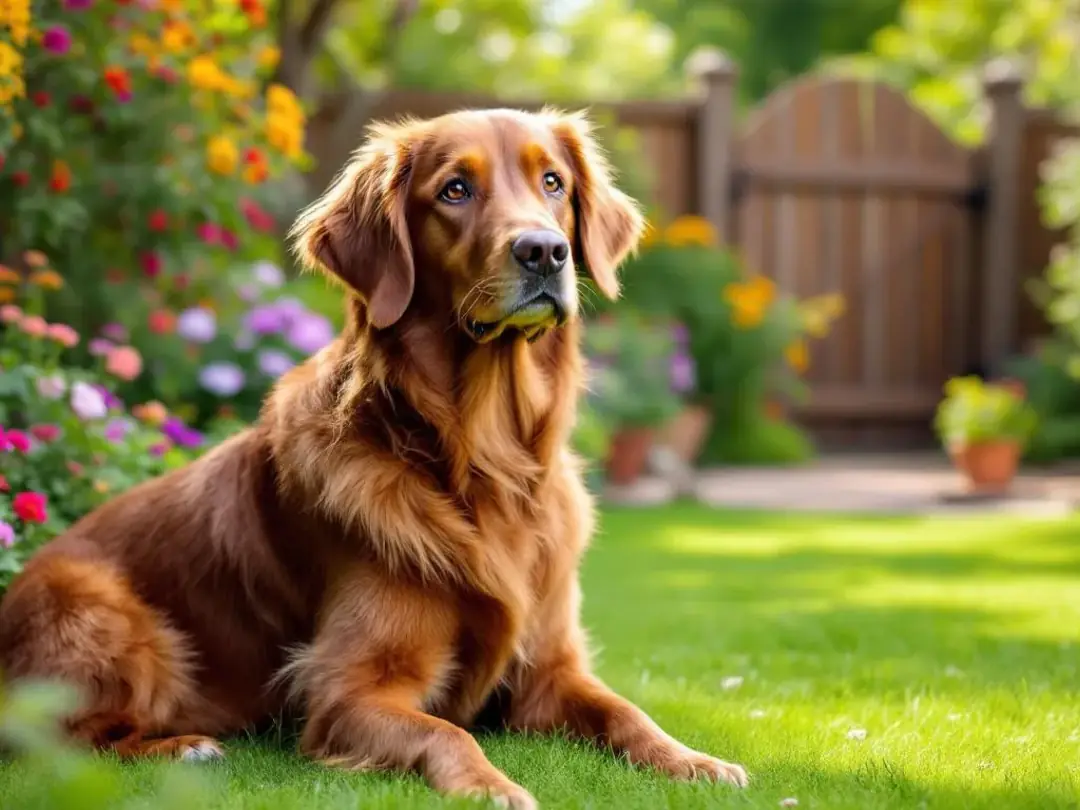
Red goldendoodles showcase vibrant red coats with mahogany tone variations that can range from deep copper to rich burgundy. This coloring comes from specific genetic combinations that produce intense red pigmentation, though the exact shade depends on multiple genetic factors working together.
The red gene, when combined with various dilute genes, can create the entire warm spectrum from cream to deep red. Pure red goldendoodles often start very dark as puppies and may lighten somewhat with age, but they typically retain more color intensity than their apricot cousins.
Red coats require consistent grooming to maintain their lustrous appearance. The darker pigmentation can show dirt and debris more readily than lighter colors, but it also tends to be more forgiving of small stains. Many red goldendoodles develop lighter areas around their muzzle and chest as they age, creating beautiful natural highlights.
Chocolate Goldendoodles
Rich chocolate brown coloring represents one of the more striking departures from traditional golden retriever appearances. This deep, warm brown is inherited entirely from poodle genetics, as golden retrievers don't carry the genes necessary for true chocolate coloring.
Chocolate goldendoodle puppies often appear very dark or even black at birth, progressing to cafe au lait or deep chocolate shades as their adult coat develops. The brown can range from light milk chocolate to deep, dark brown that's almost black in certain lighting.
The frequency of chocolate goldendoodles varies significantly between breeding programs. Since both parent dogs must carry the chocolate gene for this color to appear, and golden retrievers rarely possess this genetic trait, chocolate puppies most commonly appear in F1B or multigenerational litters where poodle genetics are more heavily weighted.
Rare Goldendoodle Colors
Beyond the common palette lies a world of rare goldendoodle colors that captivate with their uniqueness and command premium prices. These colors require specific genetic combinations and often appear only in carefully planned breeding programs using multigenerational dogs.
The genetics behind rare colors are complex, often requiring both parent dogs to carry recessive genes or specific combinations that don't occur naturally in first-generation crosses. Understanding these requirements helps explain both the rarity and the higher costs associated with these special colorations.
Black Goldendoodles
Solid black goldendoodles represent one of the more uncommon color variations, requiring recessive genes from both parent dogs to produce true black coloring. A genuine black goldendoodle must have a solid black coat with matching dark nose, paw pads, and eye rims-any brown or lighter coloring disqualifies them from the black category.
The challenge in producing black goldendoodles lies in the golden retriever genetics, which don't naturally carry the dominant black gene. This means black coloring must come entirely from the poodle lineage, and both parents must contribute the necessary genetic components.
Black goldendoodles often start life appearing solid black but may develop silver or gray highlighting around their face and legs as they mature. Some maintain their deep black coloring throughout life, while others transition into what breeders call "silver" or "blue" variations as they age.
Silver and Gray Goldendoodles
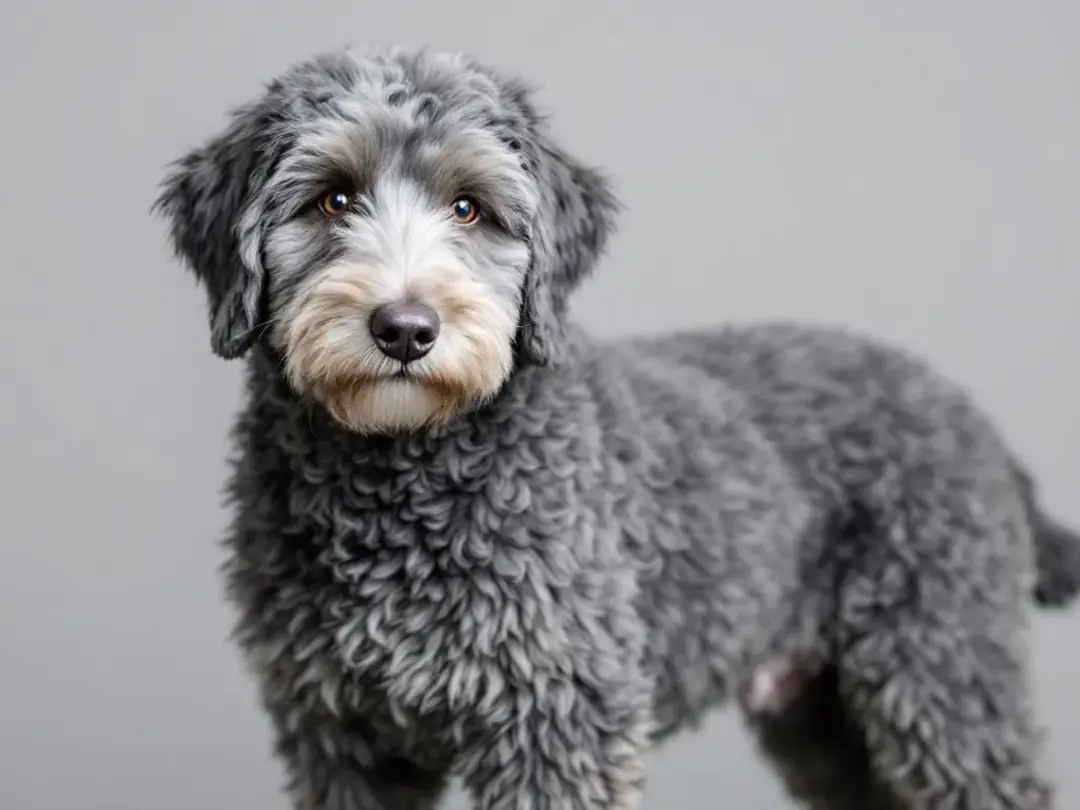
Cool-toned silver and gray variations emerge exclusively from poodle genetics, creating sophisticated colorations that develop gradually over the puppy's first year. Gray goldendoodle puppies are typically born very dark, almost black, then lighten dramatically over their first 6-10 weeks as their adult coat begins to emerge.
The distinction between silver and gray often comes down to undertones and final intensity. Silver goldendoodles tend toward brighter, more metallic appearances, while gray dogs develop softer, muted tones. Both colors usually retain darker coloring around their face and ears, creating natural highlighting that adds character to their appearance.
These colors require patience from owners, as the final adult coloration may not fully develop until the dog reaches 12-18 months old. The transformation can be dramatic-what appears to be a black puppy at 8 weeks might become a stunning silver adult, completely changing their appearance over time.
Blue Goldendoodles
Blue goldendoodles display a dark steel gray coloring that requires specific dilute color genes to achieve. This isn't actually blue in the traditional sense-it's a diluted black that appears blue-gray under certain lighting conditions, similar to the "blue" coloring seen in some poodle lines.
Multi-generation breeding is typically required for blue coat expression, as the genetic combination needed is quite specific and rare. Blue goldendoodle puppies are born very dark and fade over time, eventually settling into their distinctive blue-gray adult coloring.
True blue classification requires matching blue features-specifically a blue-gray nose and paw pads rather than black ones. This color is among the rarest in goldendoodles and often commands significant price premiums when available from reputable breeders who conduct proper genetic testing.
Goldendoodle Coat Patterns
While solid colors capture most attention, goldendoodle coat patterns create some of the most visually striking and unique dogs in the doodle world. These patterns result from complex genetic interactions that control where and how different colors appear across the dog's body.
Pattern genetics operate independently from base color genetics, meaning you can have parti patterns in any base color, or phantom markings over chocolate, black, or even red foundations. Understanding these patterns helps identify what you're seeing and what to expect as your puppy develops.
Abstract/Mismark Patterns
Abstract patterns feature a solid color base with small white markings typically appearing on the blaze (forehead), paws, and chest. These white markings comprise less than 50% of the total coat coverage, distinguishing abstract patterns from parti coloring.
The placement and size of white markings in abstract patterns varies considerably, even within the same litter. Some dogs might have just a small white chest patch, while others display white markings on multiple paws, chest, and face. The pattern tends to be stable from birth, though the contrast may become more or less apparent as the base coat color changes with age.
Abstract patterns occur commonly across most goldendoodle generations and don't require special breeding considerations. Many families find these markings add character and uniqueness to their dog's appearance without the premium pricing associated with rarer patterns.
Parti Goldendoodles
Parti goldendoodles require 50% or more white as their primary coat color, with solid color patches appearing randomly across the white background. This creates a distinctive "patchwork" appearance that's immediately recognizable and highly sought after by many families.
The parti pattern comes from recessive gene inheritance, appearing mainly in F2 and F3 generations when both parents carry the necessary genetic components. The random placement of colored patches means no two parti goldendoodles look exactly alike, even from the same litter.
Parti patterns are distinguished from abstract patterns based purely on the percentage of white coverage. The white areas are typically clean and bright, creating sharp contrast with whatever base color appears in the patches. These dogs often command premium prices due to their rarity and striking appearance.
Phantom Goldendoodles
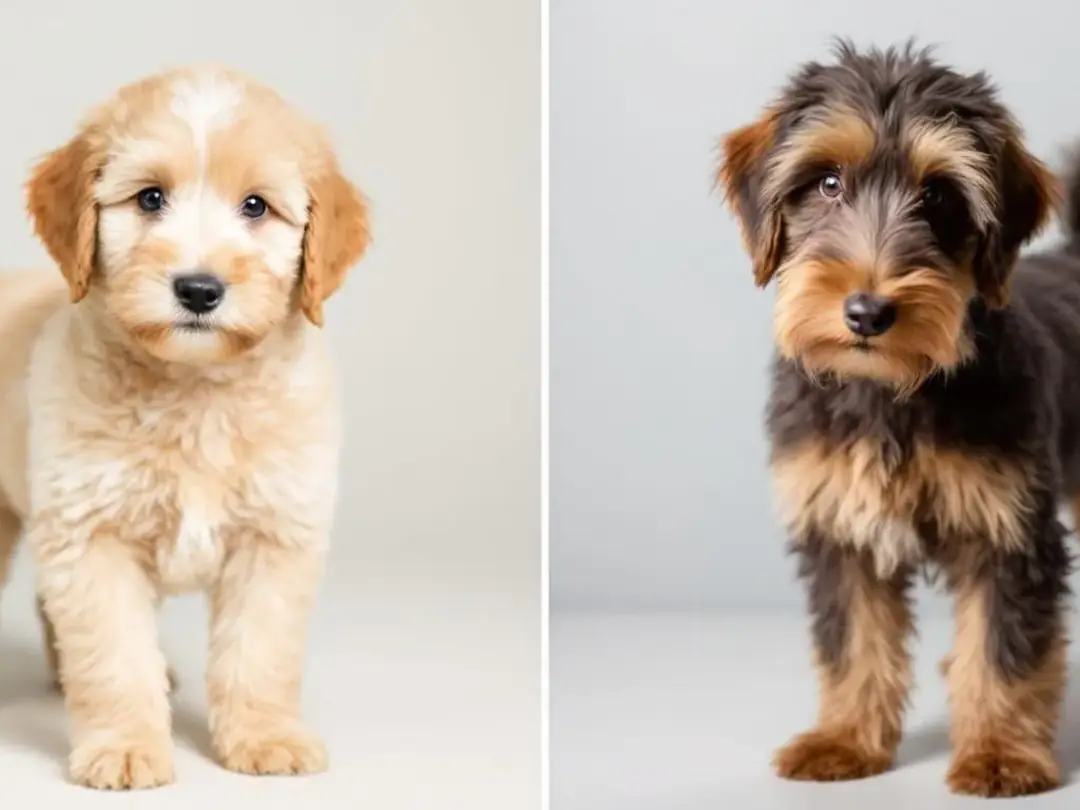
Phantom goldendoodles feature a solid dark base color (typically black or chocolate) with lighter points appearing in specific locations: eyebrows, muzzle, chest, inside legs, and under the tail. This pattern closely resembles the classic Doberman or Rottweiler color scheme.
Unlike solid colors that may fade or change over time, phantom patterns remain stable throughout the dog's life. The contrast between the dark base and light points may intensify or soften slightly, but the pattern itself doesn't disappear or relocate.
Phantom patterns require specific genetic combinations and typically appear in multigenerational breeding programs. The precision of the marking locations makes phantom goldendoodles particularly striking, and their rarity often results in waiting lists and higher prices from breeders who specialize in this pattern.
Tuxedo Goldendoodles
Tuxedo goldendoodles display a distinctive two-tone pattern with white markings specifically on the chest and front legs, creating the appearance of wearing a formal tuxedo suit. The white markings are typically symmetrical and well-defined, though some variation in extent is normal.
This pattern is visible from birth and remains consistent throughout the dog's life. The "tuxedo" effect is most striking when the base coat is a dark color like black or chocolate, creating maximum contrast with the white markings.
Tuxedo patterns are relatively rare and highly desirable among families seeking a distinctive-looking goldendoodle. The formal, elegant appearance created by this specific white marking pattern makes these dogs particularly photogenic and memorable.
Merle Goldendoodles
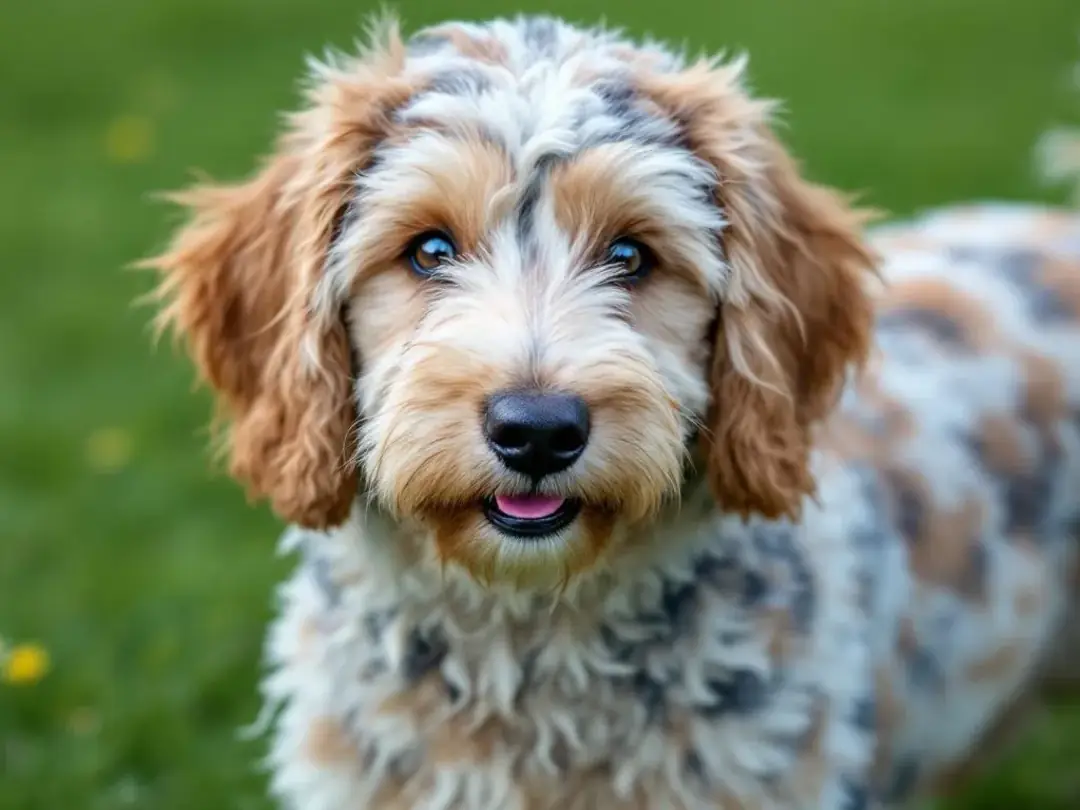
Merle goldendoodles display mottled coat patterns in chocolate or black with varied intensity, creating a unique dappled or marbled appearance. The merle pattern can range from subtle "watercolor" effects to bold, high-contrast patches depending on the specific genetic expression.
Classic merle creates distinct patches of diluted and full-intensity color throughout the coat, while watercolor merle produces softer, more blended transitions between light and dark areas. The pattern affects the entire coat and often extends to create striking eye colors, including blue or heterochromatic eyes.
Merle breeding requires extreme caution due to serious health risks associated with double merle genetics. When two merle dogs are bred together, the resulting puppies can suffer from severe hearing and vision problems. Responsible breeders conduct genetic testing and only breed merle dogs to solid-colored partners to avoid these health complications.
Eye and Nose Color with a Merle Coat
A goldendoodle's charm isn't just in its coat-eye and nose color also play a big role in their unique appearance. Goldendoodles can have a variety of eye colors, including warm brown, striking blue, or even green. Some dogs may have parti-colored or bi-colored eyes, especially those with merle or parti coat patterns, adding an extra dash of individuality. Nose color can also vary, with black being the most common, but brown, pink, or even blue-gray noses appearing in certain color lines.
These features are determined by genetics and can sometimes be linked to specific coat colors or patterns. For example, chocolate goldendoodles often have brown noses, while merle goldendoodles may display lighter or mottled nose and eye colors. While these traits add to the dog's visual appeal, it's important to remember that eye and nose color should never compromise the dog's health or well-being. Reputable breeders focus on producing healthy, well-adjusted puppies, ensuring that every goldendoodle-no matter their eye or nose color-can thrive as a beloved family member.
Golden Retriever Goldendoodle Puppies Color Changes Over Time
The most surprising aspect of goldendoodle ownership for many families is watching their puppy's color transform over their first two years of life. These changes can be subtle gradual shifts or dramatic transformations that completely alter the dog's appearance. The length of a Goldendoodle's coat can influence how noticeable these color changes appear as the dog matures, with longer coats sometimes making shifts more apparent.
Understanding the timeline and patterns of color change helps set realistic expectations and prevents disappointment when your dark red puppy lightens to cream or your black puppy develops silver highlights. The genetics behind these changes are complex, involving multiple genes that activate and modify pigment production at different life stages.
Most goldendoodle color changes follow predictable patterns, though individual variation means some dogs change more dramatically than others. The puppy's ear color often provides the best predictor of adult coloring, as ears typically retain pigmentation more consistently than other body areas.
During the first 6-8 weeks, puppies may darken or lighten from their birth color as their puppy coat develops. The next major change typically occurs between 6-12 months as the adult coat begins replacing the puppy fur. Final color stabilization usually happens by 18-24 months, though some dogs continue to fade gradually throughout their lives.
Red and apricot goldendoodles tend to fade most dramatically, often lightening by several shades from puppy to adult. Black dogs frequently develop silver or gray highlights, particularly around the face and legs. Cream and gold dogs usually experience the least dramatic changes, though they may become lighter or develop more pronounced golden highlights.
Seasonal factors can also affect color appearance. Sun exposure tends to lighten coats gradually, while indoor living may help preserve color intensity. Regular grooming and coat care can influence how vibrant the colors appear, though it won't prevent genetic fading patterns.
Choosing the Right Goldendoodle Color
Selecting a goldendoodle color involves balancing personal preferences with practical considerations and realistic expectations about what you're actually getting. While color is often the first thing that draws people to specific puppies, experienced owners know that temperament, health, and the match with your lifestyle matter far more than appearance.
The best color for a Goldendoodle is highly subjective-what is considered the best color depends entirely on what the owner finds most appealing. Some may prefer classic shades, while others are drawn to unique or rare colors; ultimately, the best color is the one you love most.
Before falling in love with a specific color, consider the maintenance requirements. Lighter colors show dirt more readily but may hide tear stains better. Darker colors are more forgiving of everyday mess but show dust and debris more clearly. All goldendoodle coat types require regular grooming regardless of color.
Health implications should factor into color selection, particularly for rare patterns like merle. Reputable breeders conduct genetic testing to ensure healthy breeding practices, but it's worth understanding which colors require more careful breeding to avoid health issues.
Availability and pricing vary dramatically between common and rare colors. While cream and apricot puppies might be readily available, rare colors like phantom or parti patterns often involve waiting lists and significant price premiums. Consider whether the extra cost and wait time align with your timeline and budget.
Think about your long-term preferences and how color changes might affect your satisfaction with your choice. If you're drawn to a specific shade, understand how likely it is to change and whether you'll still love your dog if they lighten or develop silver highlights over time.
The best approach focuses on finding a healthy puppy from a reputable breeder who prioritizes temperament and health testing over rare colorations. A well-bred goldendoodle with excellent parents and proper health clearances will bring you years of joy regardless of whether they're cream or phantom patterned.
Remember that your goldendoodle's personality, trainability, and health will impact your daily life far more than their coat color. Choose a puppy whose energy level and temperament match your lifestyle, then enjoy whatever beautiful color genetics delivers.
FAQ
Do all Goldendoodle colors shed the same amount?
Shedding in goldendoodles is determined by coat type and genetics rather than color. The furnishing gene inherited from poodles creates the low shedding, hypoallergenic dog qualities that make goldendoodles popular. Dogs with proper furnishings (dense, poodle-like coats) shed minimally regardless of whether they're cream, chocolate, or parti-colored. However, goldendoodles with "improper coats" that lack furnishings will shed more like golden retrievers, and this can occur in any color.
Are there any health problems associated with specific Goldendoodle colors?
Most goldendoodle colors don't carry inherent health risks, but the merle coat pattern requires careful attention. Double merle breeding (merle to merle) can produce puppies with serious hearing and vision impairments. This is why ethical breeders only breed merle dogs to solid-colored partners and conduct genetic testing. Other colors like chocolate, black, or parti patterns don't carry specific health concerns when bred responsibly.
How can I tell what color my Goldendoodle puppy will be as an adult?
The most reliable predictor of adult color is examining the puppy's ears, as ear pigmentation tends to remain most stable throughout development. However, predicting exact adult coloring remains challenging even for experienced breeders. Most color changes occur gradually over the first 18-24 months, with the most dramatic shifts happening between 6-12 months. Dark puppies often lighten significantly, while light puppies may develop more golden tones or remain stable.
Which Goldendoodle colors are most likely to be hypoallergenic?
Hypoallergenic qualities in goldendoodles depend on coat type rather than color. Dogs with curly or wavy coats inherited from poodle genetics tend to be more hypoallergenic regardless of whether they're red, black, or cream colored. The key factor is having proper "furnishings" - the dense, poodle-like coat texture that traps dander and reduces shedding. This trait can appear in any color, so focus on coat type rather than color when seeking hypoallergenic qualities.
Do rare colored Goldendoodles cost more than common colors?
Yes, rare colors and patterns typically command significant price premiums. Common colors like cream and apricot may cost $1,500-$3,000, while rare patterns like phantom, parti, or merle can cost $3,000-$5,000 or more. The higher prices reflect the specialized breeding required to produce these colors, longer waiting lists, and market demand. However, price should never be the primary factor - focus on finding a reputable breeder who health tests their parent dogs and prioritizes temperament regardless of color.
What is special about Goldendoodle eyes?
Goldendoodles are known for their expressive, well-shaped eyes that often make direct eye contact with humans. This expressiveness helps strengthen the human-animal bond, making Goldendoodles especially good at connecting with people and showing affection. Their eyes are a key part of their friendly and engaging temperament.