Goldendoodle Blog Banner

Goldendoodle Coat Care

Bricks Coggin

Bricks Coggin ยท Director of Services

Published

Your goldendoodle's beautiful coat is one of their most striking features, but it comes with its own set of care requirements that differ from both parent breeds. Whether your furry friend inherited the golden retriever's flowing locks or the poodle parent's tight curls, proper grooming will keep your goldendoodle comfortable and looking their best.


Understanding goldendoodle coat care means recognizing that these popular breed crosses bring together two very different coat types. This creates unique characteristics that require a tailored approach to keep your dog's coat healthy and mat free. Let's dive into everything you need to know to maintain your goldendoodle's coat in top shape.

Introduction to Goldendoodle Grooming

Goldendoodle grooming is a vital part of caring for this popular breed, known for their adorable looks and unique coats. Whether your goldendoodle sports curly, wavy, or straight coats, regular grooming is essential to keep their coat healthy, mat free, and looking its best. Understanding your goldendoodle's specific coat type will help you develop a grooming routine that works for both you and your furry friend. With the right tools and techniques, grooming your goldendoodle can become an enjoyable bonding experience, rather than a chore. Consistent grooming sessions not only keep your goldendoodle in top shape, but also help prevent tangles and mats, ensuring your dog stays comfortable and happy. By making goldendoodle grooming a regular part of your routine, you'll be rewarded with a beautiful, healthy coat and a stronger connection with your pet.

Essential Daily and Weekly Coat Care Routine

Your goldendoodle's coat type determines how often you'll need to brush, but consistency matters more than perfection. Regular grooming is essential to keep your goldendoodle's coat clean, healthy, and free of mats and tangles. Here's what works in real life:


Daily Care for Curly Coated Goldendoodles:


  • Use a high quality slicker brush every single day to prevent mats

  • Focus extra attention on high-friction areas like behind the ears, under the arms, and around the collar

  • Spend 10-15 minutes working through the entire coat systematically

  • Check for any tangles forming and address them immediately


Every-Other-Day Care for Wavy Coats:


  • Brush thoroughly with a slicker brush, paying special attention to legs and chest areas

  • Use detangling spray on stubborn areas before brushing

  • This routine prevents the moderate matting tendency of wavy coats


2-3 Times Weekly for Straight Coated Goldendoodles:


  • Focus on removing loose hair with regular brushing

  • Use this time to distribute natural oils throughout the coat

  • Expect more loose fur during seasonal shedding periods


Monthly Bathing Schedule: Bathe your goldendoodle every 4-6 weeks using dog specific shampoo designed for their coat texture. Frequent baths strip natural oils and can cause skin irritation, while too little bathing allows dirt and oils to build up.


Professional Grooming Every 6-8 Weeks: Schedule regular grooming appointments for trimming, nail trimming, ear cleaning, and deep coat maintenance. Professional groomers have the right tools and expertise to keep your goldendoodle's coat healthy between your home care sessions.


Weekly Ear Cleaning: Goldendoodles with floppy ears need weekly attention to prevent ear infections. Clean gently with a vet-approved solution and dry thoroughly.

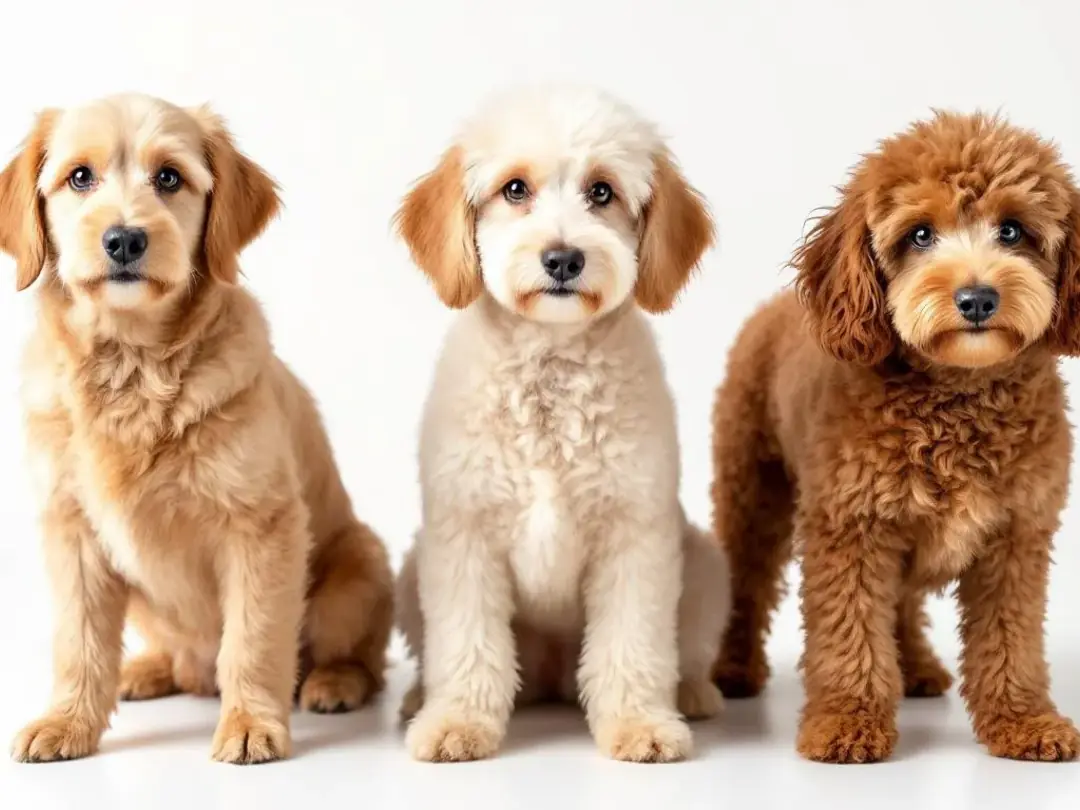
The image features three goldendoodles displaying different coat types: a straight coat, a wavy coat, and a curly coat...

Understanding Your Goldendoodle's Coat Type


Your goldendoodle's coat type becomes clear around 8 months of age, though you'll see hints earlier. Understanding your goldendoodle's coat type is important, as the adult coat that develops between 6-14 months often differs dramatically from the soft goldendoodle puppy fur, so don't make assumptions too early.


The features and grooming needs of your dog's coat will depend on which coat type they inherit. The coat texture inherits traits from both the golden retriever and poodle sides, creating three distinct possibilities:


Straight Coat Characteristics


Straight coats, also known as flat coats, resemble the golden retriever's coat with a flat, flowing appearance. Flat coats closely resemble the golden retriever's straight, flat fur and are influenced by the golden retriever's genetics. If your goldendoodle inherited this coat type:


  • Expect moderate to heavy shedding year-round, with seasonal peaks

  • Plan for regular vacuuming and lint rolling

  • Brush 2-3 times weekly to remove loose hair effectively

  • Accept that this coat type offers less benefit for allergy sufferers

  • Enjoy easier daily maintenance compared to curly options


The golden retriever's coat is flat and straight with no furnishings, which means it sheds more and requires regular brushing, while the goldendoodle's straight coat may still need less frequent grooming than curly or wavy coats but will shed more like the golden retriever's.


Straight fur requires less frequent grooming sessions but more attention to managing loose fur around your home. The grooming routine early in your goldendoodle's life should focus on building positive associations rather than intensive maintenance.


Wavy Coat Characteristics


Also called "fleece coat," this is the most popular goldendoodle coat type because it offers the best balance. Wavy coats feature:


  • Low to non-shedding properties with soft, flowing waves

  • Moderate grooming needs - brushing every other day prevents tangles

  • Good compromise between maintenance time and allergy-friendliness

  • Soft texture that's pleasant to touch and brush

  • Less matting tendency than tight curls but more than straight coats


This coat type responds well to detangling spray when you encounter resistant areas. The wavy or straight appearance can vary even within the same litter.


Curly Coat Characteristics


Tight curls similar to the poodle coat represent the most hypoallergenic option but demand the most attention:


  • Non-shedding coat traps loose hair within the curls

  • Prone to rapid matting without daily brushing

  • Requires the most grooming time and professional maintenance

  • Best choice for families with severe allergies due to low shedding nature

  • Needs careful attention during grooming your goldendoodle sessions


Curly coated goldendoodles benefit most from establishing a grooming routine early and maintaining it consistently. Their coats can transform from beautiful to problematic quickly without proper care.

Factors Influencing Coat Variations

Goldendoodle coats are as unique as the dogs themselves, and several factors influence their appearance and grooming needs. Genetics play a major role, with the golden retriever and poodle parent breeds each contributing different coat characteristics. Goldendoodles with a stronger poodle parent influence often have curly coats, which require more frequent attention to prevent mats and tangles. In contrast, straight coated goldendoodles, who take after their golden retriever lineage, typically need less frequent grooming but may shed more. Environmental factors and overall health can also impact your goldendoodle's coat type and condition. For example, a healthy diet and regular grooming help maintain a shiny, resilient coat, while daily brushing is especially important for curly coated goldendoodles to keep their coats in top condition. By understanding these influences, you can tailor your grooming routine to meet your goldendoodle's unique needs and keep their coat looking its best.

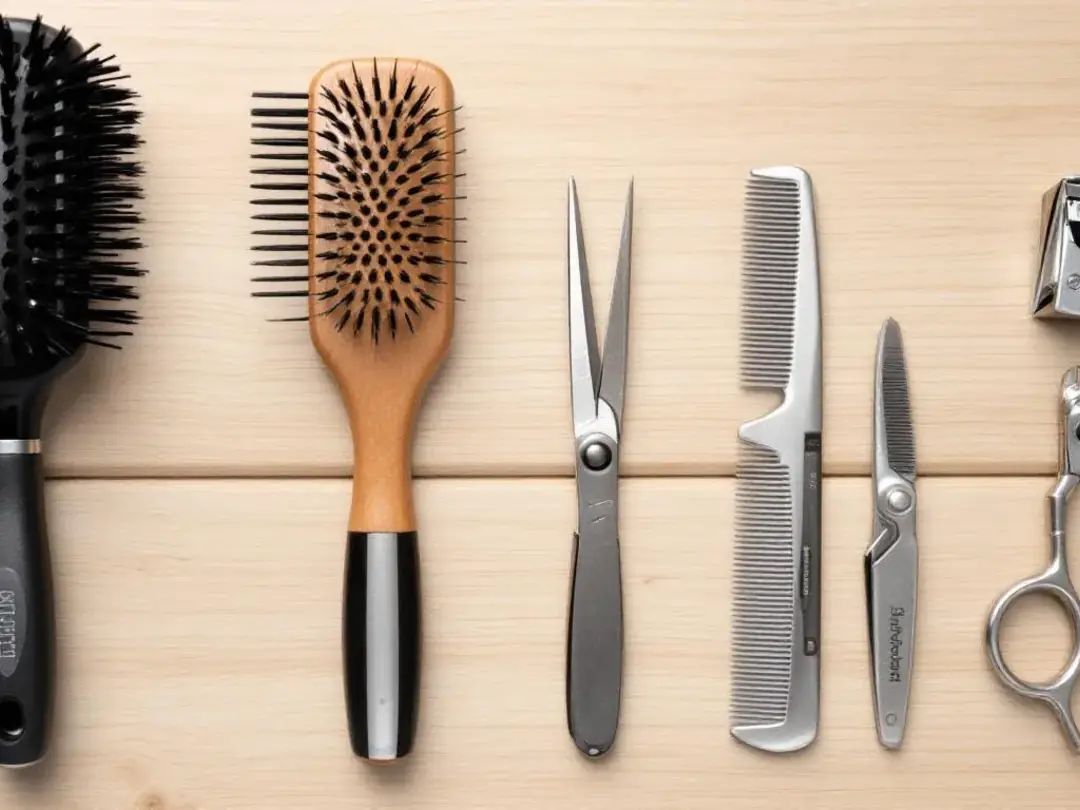
A variety of essential grooming tools for goldendoodles is displayed on a table, including a high-quality slicker...

Essential Grooming Tools and Equipment


Investing in quality grooming tools makes the difference between frustrating sessions and happy grooming experiences. Here's what belongs in your toolkit:


Primary Brushes:


  • High-quality slicker brush with fine wire bristles for daily brushing and mat prevention

  • Pin brush for finishing work and fluffing after initial brushing

  • Metal comb with both wide and narrow teeth for detailed detangling work


Specialized Tools:


  • Grooming scissors for trimming around eyes, paws, and sanitary areas

  • De-matting tool or mat splitter for stubborn tangles (use carefully)

  • Grooming mitt for collecting loose hair during bonding time

  • Undercoat rake for straight coats during heavy shedding seasons


Bath and Finishing Supplies:


  • Dog-specific shampoo and conditioner suitable for your goldendoodle's coat type

  • Detangling spray for working through resistant mats

  • High-velocity dryer or regular blow dryer for preventing post-bath matting

  • Grooming table or non-slip mat for safe, comfortable sessions


Quality tools last longer and work more effectively. A cheap slicker brush can actually damage the coat and make grooming sessions unpleasant for both you and your goldendoodle.

Step-by-Step Home Grooming Process

Proper technique prevents problems and makes grooming sessions enjoyable for your goldendoodle. Follow this systematic approach:


Pre-Bath Preparation:


  1. Start with completely dry brushing to remove all tangles before water contact

  2. Work section by section, brushing from the skin outward to avoid pulling

  3. Use the "line brushing" technique - part the coat and brush small sections thoroughly

  4. Address any mats with detangling spray and patience, never cutting with scissors


Bath Process:


  1. Pre-wet the coat thoroughly with lukewarm water - this takes longer than you expect

  2. Apply dog specific shampoo and massage gently, avoiding harsh scrubbing motions

  3. Rinse completely - leftover soap causes skin irritation and coat dullness

  4. Apply conditioner to mid-lengths and ends, avoiding the root area where it can cause buildup

  5. Rinse again until water runs completely clear


Drying and Finishing:


  1. Blow-dry on cool setting while brushing to prevent matting during the drying process

  2. Work systematically through each section until completely dry

  3. Finish with a final brush-through using a pin brush for smoothness

  4. Trim any overgrown areas around eyes, paws, and sanitary regions with grooming scissors


Never allow your goldendoodle's coat to air-dry completely, especially curly coats. The moisture creates perfect conditions for mat formation.

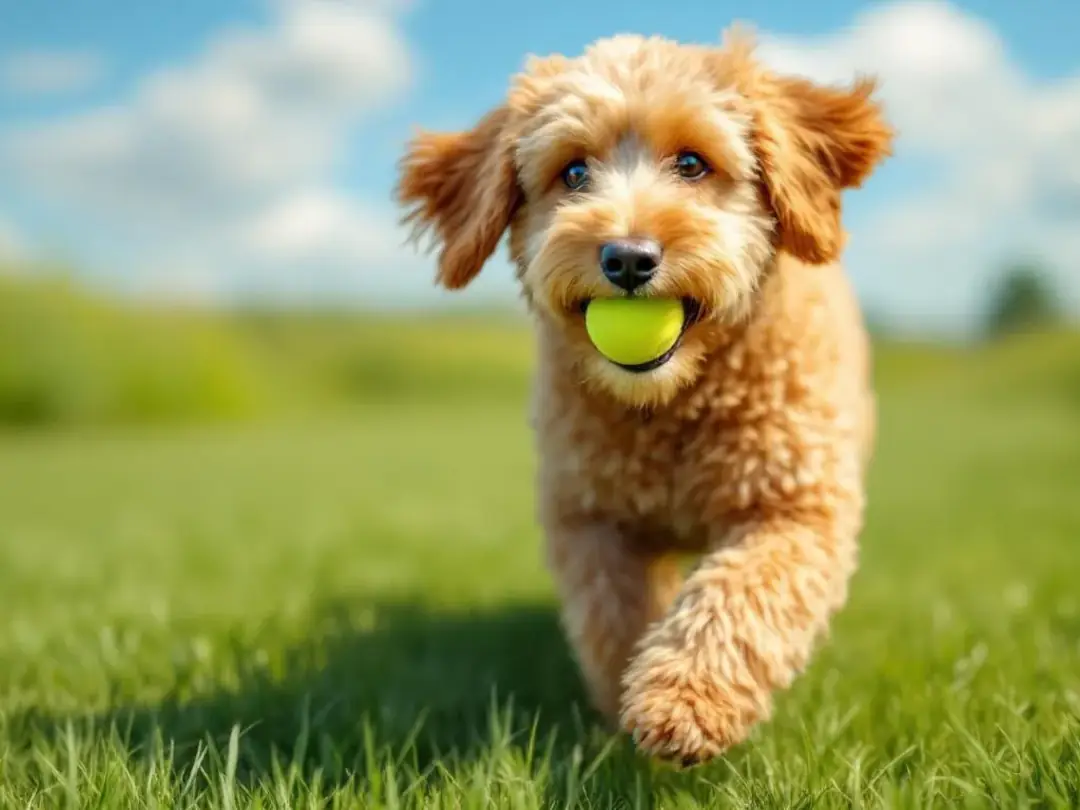
A playful goldendoodle with a healthy, well-maintained curly coat is enjoying the outdoors, showcasing its vibrant...

Preventing and Managing Common Coat Problems


Prevention beats treatment every time when it comes to coat issues. Keeping your goldendoodle's coat properly maintained is essential to prevent common problems like mats, tangles, and skin irritation. Here's how to stay ahead of problems:


Daily Mat Prevention:


  • Check behind ears, under legs, and around the collar area where friction creates tangles

  • Remove small mats immediately using your fingers or detangling spray

  • Work mats out gradually - rushing leads to painful pulling and negative grooming experiences

  • Limit collar wearing time or use wider, softer collars to reduce neck friction


Seasonal Adjustments: During spring and fall, increase brushing frequency as coats naturally change. Straight coated goldendoodles especially need extra attention to remove loose hair during these transitions.


Winter brings dry air that can cause static and brittleness. Use leave-in conditioner designed for dogs to maintain coat moisture. Summer heat calls for shorter cuts to keep your goldendoodle comfortable and reduce matting from increased activity and swimming.


Problem Recognition: Watch for signs that indicate your grooming routine needs adjustment:


  • Increased scratching suggests skin irritation from poor grooming or skin issues

  • Dull, lifeless coat often indicates inadequate brushing or nutritional problems

  • Hot spots during humid months require immediate veterinary attention

  • Changes in coat texture might signal underlying health concerns


Emergency Mat Removal: When you discover severe matting, resist the urge to cut it out with scissors. Instead:


  1. Apply detangling spray liberally to the matted area

  2. Work from the outside of the mat inward using a de-matting tool

  3. Take breaks to prevent skin irritation from prolonged pulling

  4. Consider professional help for extensive matting - sometimes a partial shave is the kindest option

Professional Grooming vs. Home Maintenance

Balancing professional grooming with home care creates the best outcomes for your goldendoodle's coat and your budget.


What Professionals Do Best:


  • Complex cuts and styling that require skill and professional grooming tools

  • Nail trimming for dogs who resist home attempts

  • Anal gland expression and ear cleaning for anxious dogs

  • Complete coat restoration when matting gets out of hand

  • Experienced handling of difficult or anxious dogs during grooming sessions


Your Home Responsibilities: Maintain the coat between appointments with consistent daily brushing and monthly baths. Learn basic trimming techniques for sanitary areas and paw maintenance to extend time between professional visits.


Cost Considerations: Budget $75-150 per professional grooming session depending on your dog's size and coat type. Curly coated goldendoodles at the higher end need more intensive work. However, regular home maintenance reduces the time professionals need, potentially lowering costs.


Combining Both Approaches: The most successful goldendoodle owners use professional groomer expertise for major work while maintaining daily care at home. This partnership keeps costs reasonable while ensuring optimal coat health.


Choosing a Professional Groomer: Look for groomers experienced with goldendoodles and doodle breeds. They understand the unique grooming needs and can educate you about home care techniques specific to your goldendoodle's coat type.


Schedule appointments consistently rather than waiting for problems. Regular grooming prevents issues and keeps your goldendoodle comfortable with the process.

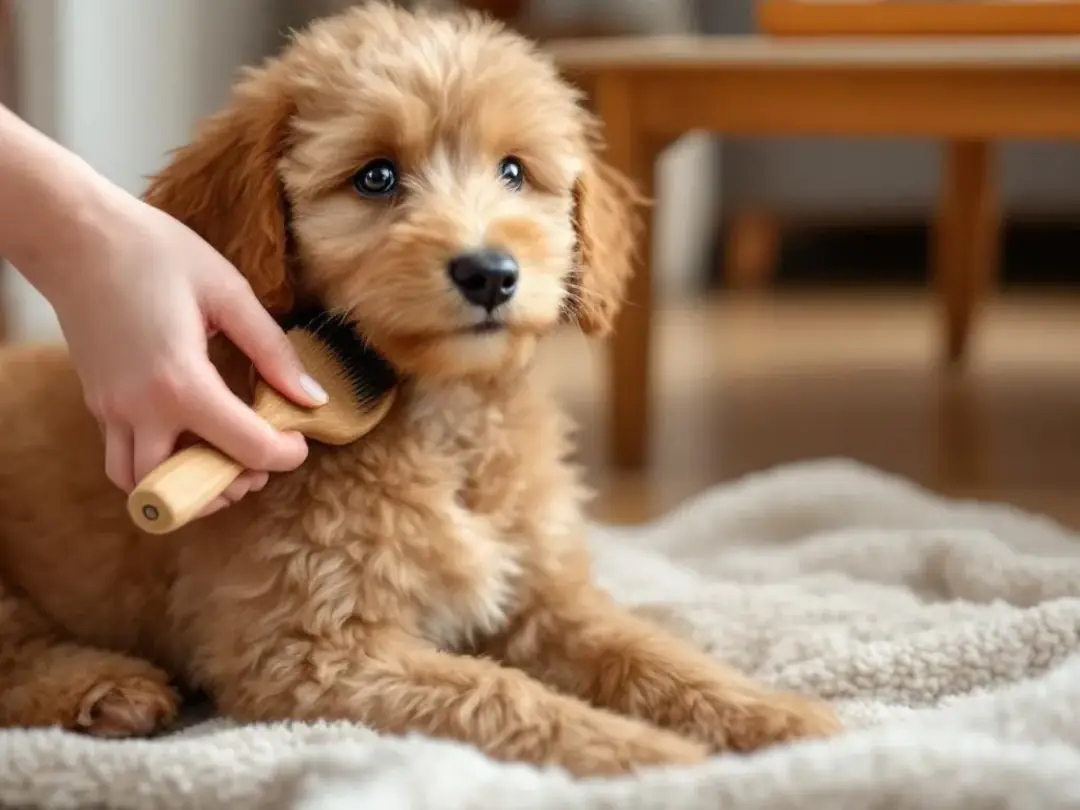
A goldendoodle puppy is being gently introduced to brushing, showcasing the importance of regular grooming for...

Special Considerations for Goldendoodle Puppies


Starting grooming routines early creates lifelong positive associations and makes adult grooming sessions easier for everyone involved.


8-16 Week Foundation: Begin gentle brushing sessions at 8 weeks, keeping them short (5-10 minutes) and reward-based. Use soft brushes initially before transitioning to slicker brushes as your goldendoodle puppy becomes comfortable.


Focus on handling exercises rather than intensive grooming:


  • Touch paws gently to prepare for future nail trimming

  • Handle ears and mouth area for easier cleaning and health checks

  • Practice having your puppy stand still on a grooming table or mat

  • Make the grooming experience positive with treats and praise


First Professional Visit: Schedule the first professional grooming around 4-6 months of age, after complete vaccination. This introductory visit should focus on:


  • Getting comfortable with the grooming environment

  • Basic bath and brush-out

  • Nail trimming and ear cleaning

  • Light trimming around eyes and paws

  • Building positive associations with professional handling


Managing Coat Transitions: Expect dramatic changes as the puppy coat sheds between 6-12 months. During this transition:


  • Increase brushing frequency to help loose puppy fur come out

  • Don't panic if the coat looks patchy or changes texture

  • Work with your professional groomer to manage the transition smoothly

  • Be patient - the adult coat takes time to fully develop


Building Tolerance: Never force grooming on a resistant puppy. Instead:


  • Start with very short sessions and gradually increase duration

  • Use high-value treats throughout the process

  • Take breaks when your puppy shows stress signals

  • End each session positively, even if you didn't accomplish everything planned


Young age training pays dividends throughout your goldendoodle's life, making regular grooming a bonding experience rather than a battle.

Nutrition and Health Impact on Coat Quality

What your goldendoodle eats directly affects their coat quality, shine, and overall health. Proper nutrition supports the intensive grooming routine you're maintaining.


Protein Requirements: Feed high-quality protein (minimum 25%) to support healthy coat growth. Hair is essentially protein, so inadequate dietary protein results in dull, brittle coats that break easily during brushing.


Essential Fatty Acids: Include omega-3 fatty acids through fish oil supplements for natural shine and skin health. These supplements reduce inflammation and can help with skin conditions that affect coat quality.


Key Nutrients for Coat Health:


  • Zinc supports strong hair follicles and prevents excessive shedding

  • Biotin promotes healthy hair growth and prevents breakage

  • Vitamin E protects against environmental damage

  • Adequate hydration affects coat texture - ensure fresh water is always available


Identifying Nutritional Deficiencies: Monitor for signs that diet isn't supporting coat health:


  • Dull, lifeless appearance despite regular grooming

  • Excessive shedding outside normal seasonal patterns

  • Slow coat growth after trimming

  • Dry, flaky skin that causes constant scratching


Food Allergies and Coat Impact: Food allergies often manifest through coat and skin problems before digestive issues appear. Common signs include:


  • Persistent scratching and hot spots

  • Recurring ear infections

  • Dull coat that doesn't respond to improved grooming

  • Skin irritation that worsens despite gentle care


Supplement Considerations: Consult your veterinarian about coat supplements if high-quality diet alone isn't producing the results you want. Some goldendoodles benefit from additional support, especially during coat transitions or seasonal changes.


Remember that nutritional changes take 6-8 weeks to show visible results in coat quality. Be patient and consistent with dietary improvements.

Keeping Your Goldendoodle Comfortable

Ensuring your goldendoodle is comfortable during grooming is key to creating a positive experience for both of you. Start introducing grooming routines at a young age, using gentle techniques and plenty of patience to help your goldendoodle feel at ease. Regular grooming not only keeps your dog's coat in great shape, but also helps prevent common issues like skin problems and ear infections, which goldendoodles can be prone to. Investing in the right grooming tools, such as a high quality slicker brush, makes the process smoother and more enjoyable for your dog. By focusing on your goldendoodle's comfort and using positive reinforcement, you'll build a foundation for a happy, healthy grooming routine that your dog will look forward to. Remember, a relaxed and comfortable goldendoodle is more likely to cooperate, making grooming sessions a pleasant part of your regular routine.

Creating Positive Grooming Experiences

The goal isn't just a beautiful coat - it's a goldendoodle comfortable with regular grooming throughout their life. Building positive associations takes time but pays dividends in easier sessions and stronger bonding.


Foundation Principles:


  • Use high-value treats throughout grooming sessions to build positive associations

  • Keep initial sessions short and gradually increase duration as comfort develops

  • Speak in calm, reassuring tones throughout the entire process

  • Never force grooming - patience builds trust and long-term cooperation


Reading Your Dog's Signals: Learn to recognize when your goldendoodle needs a break:


  • Panting, trembling, or trying to escape indicates stress

  • Lip licking, yawning, or turning away means they're overwhelmed

  • Snapping or growling requires immediate pause and reassessment

  • Freezing in place often means fear rather than cooperation


Making Sessions Enjoyable: Transform grooming from a chore into quality time:


  • Establish a special grooming mat or area that signals care time

  • Keep treats easily accessible and reward frequently

  • Talk to your dog throughout the process

  • Take breaks for play or affection when needed

  • End every session on a positive note, even if you didn't finish everything


Addressing Grooming Anxiety: If your goldendoodle develops negative associations with grooming:


  • Go back to basics with very short, reward-heavy sessions

  • Focus on building trust rather than accomplishing grooming goals

  • Consider professional behavior training for severe anxiety

  • Work with your veterinarian about anti-anxiety options for severely stressed dogs


Building Lifelong Habits: Consistency creates comfort. Dogs thrive on routine, so establishing regular grooming times helps your goldendoodle know what to expect. The bonding experience of gentle, patient grooming strengthens your relationship while maintaining their beautiful coat.


Working with Children: If children want to help with grooming, teach them:


  • Gentle brushing techniques under supervision

  • How to recognize when the dog needs a break

  • The importance of calm, quiet behavior during grooming

  • Proper treat timing and rewards


This involvement helps children develop responsibility while strengthening their bond with the family dog.


Troubleshooting Common Issues:


  • Resistance to paw handling: Practice brief touches during non-grooming time with treats

  • Fear of brushes: Start with hands-only petting, gradually introducing tools

  • Bath anxiety: Use non-slip mats, lukewarm water, and patience

  • Professional grooming fear: Request meet-and-greet visits before actual appointments


Remember that some goldendoodles may always need patience during grooming, and that's okay. The goal is cooperation and comfort, not perfection. With consistent, positive experiences, most dogs learn to tolerate and even enjoy their grooming routine.


Proper goldendoodle coat care requires understanding your dog's unique coat type, maintaining consistent daily and weekly routines, and balancing home maintenance with professional grooming. Whether your goldendoodle has straight fur, wavy coats, or tight curls, the key to success lies in patience, proper tools, and regular attention.


Start with short, positive grooming sessions and build gradually. Invest in quality grooming tools that make the job easier and more effective. Remember that nutrition affects coat health just as much as external care, and always prioritize your goldendoodle's comfort and wellbeing over appearance.


The time you invest in proper grooming becomes a bonding experience that strengthens your relationship while keeping your furry friend healthy, comfortable, and looking their absolute best. Your goldendoodle's beautiful coat is worth the effort - and with the right approach, maintaining it becomes an enjoyable part of your routine together.

Goldendoodle Grooming Tips and Tricks

Keeping your goldendoodle's coat healthy and beautiful is all about following a consistent grooming routine and using the right techniques. Daily brushing helps prevent mats and keeps the coat free of loose hair, while regular bathing with a dog-specific shampoo maintains cleanliness and shine. Don't forget to include occasional trims to manage coat length and keep your goldendoodle looking tidy. Using grooming tools like grooming scissors and a detangling spray can make removing tangles much easier, especially for curly or wavy coats. Incorporate nail trimming and ear cleaning into your routine to support your dog's overall health and prevent common issues. By staying on top of these grooming basics, you'll keep your goldendoodle's coat in top shape and ensure a happy, healthy companion for years to come.

ABCs Puppy Zs

ABCs Puppy Zs Ensures Healthy, Lovingly Raised Goldendoodles, for an Exceptional Experience in Pet Ownership.

Could you ask for more? You bet: