
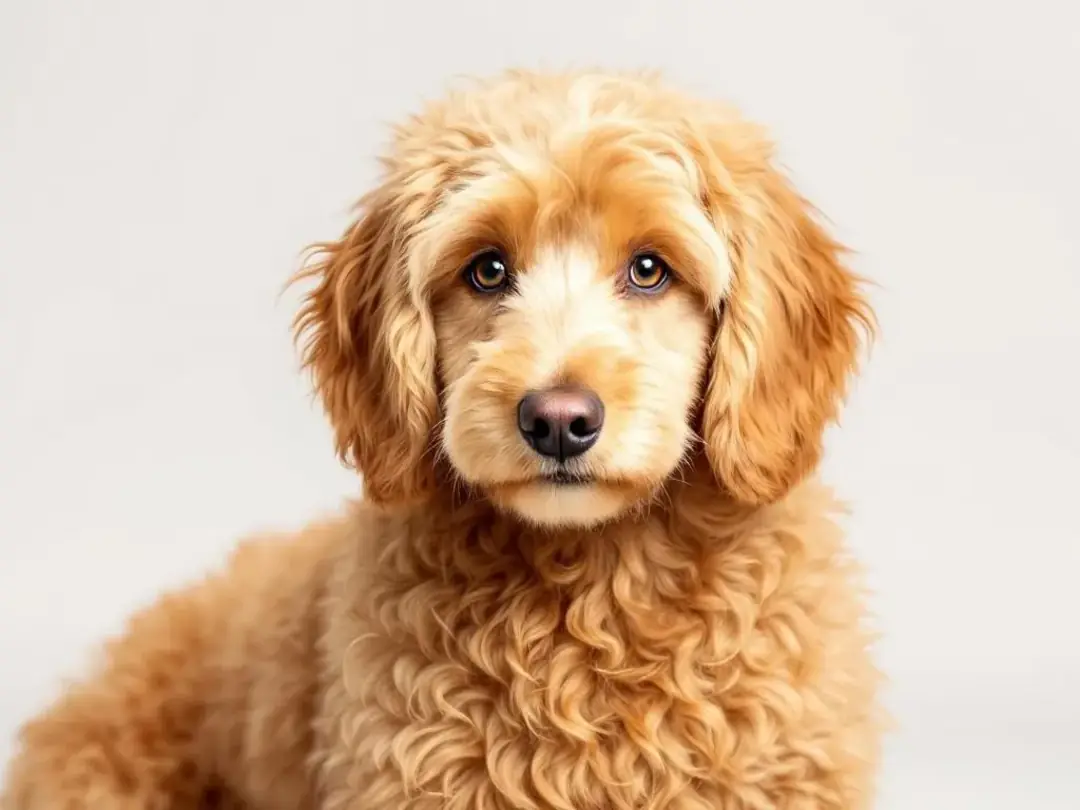

Official Goldendoodle Breed Standard Overview
The Goldendoodle Association of North America created a breed standard to give breeders and families a more consistent way to evaluate quality, structure, coat, and temperament. Because Goldendoodles are not recognized as a traditional purebred by major kennel clubs in the same way as long-established breeds, this type of standard helps define what responsible programs are aiming for.
The standard is especially useful for breeders who want to improve consistency across generations while still protecting health and temperament. If you're comparing how these standards show up in real dogs, our goldendoodle and f1 goldendoodle guides can help connect the standard to everyday ownership.
Physical Characteristics and Appearance for Goldendoodle Owners to Look for
The ideal Goldendoodle should look balanced, athletic, and friendly rather than exaggerated in any one direction. The goal is a dog that combines the retriever's substance and approachable expression with the poodle's refinement and coat qualities.
| Size Category | Height | Typical Weight | General Fit |
|---|---|---|---|
| Miniature Goldendoodle | 13-20 inches | 15-35 pounds | Often works well for smaller homes and apartment living |
| Small Standard | 17-20 inches | 40-50 pounds | A middle-ground size for many active families |
| Large Standard | 20-24 inches | 50-90 pounds | Best for families wanting a larger, substantial companion |
Head shape, eye expression, ear placement, and overall outline all matter in the standard. The dog should look alert, kind, and structurally sound rather than overly narrow, overly heavy, or awkwardly built.
Coat Types and the Color Goldendoodle Breed Standard
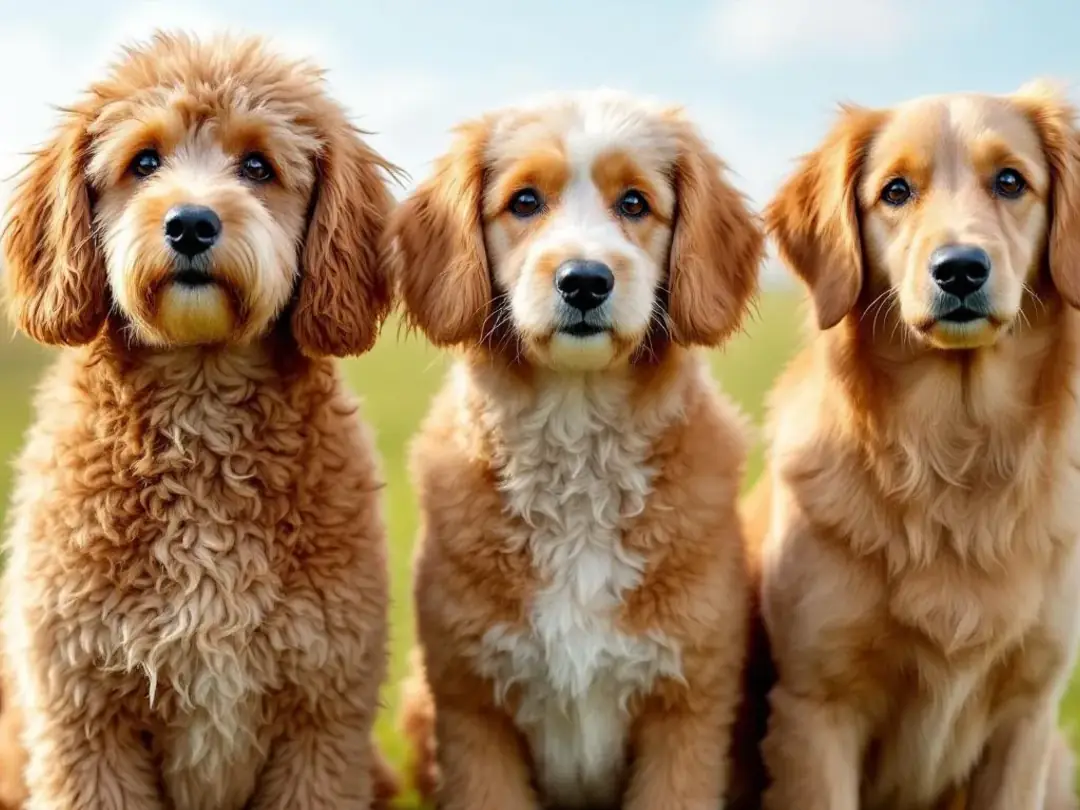
Coat is one of the most recognizable parts of the Goldendoodle standard, and it is also one of the areas families care about most in everyday life.
| Coat Type | Typical Look | Shedding Tendency | Maintenance Level |
|---|---|---|---|
| Curly | Tighter curls, more poodle-like | Usually lowest shedding | Highest grooming demand to prevent matting |
| Wavy | Loose waves, classic doodle appearance | Often lower shedding | Moderate maintenance and common family preference |
| Straight | Smoother coat with softer outline | May shed a bit more | Often easier to maintain than curlier coats |
Facial furnishings are an important part of the classic Goldendoodle look, and coat texture should still support a soft, healthy appearance rather than a harsh or sparse one. Color can vary widely, but breeders should avoid patterns linked to known health concerns.
Body Structure and Movement
Structure matters because it affects how a Goldendoodle moves, exercises, and ages. The standard calls for a balanced body, level topline, good angulation, and efficient movement rather than a dog that looks awkward or exaggerated.
Front and rear structure should support smooth, easy gait. A dog that moves well is more likely to stay comfortable in an active family lifestyle and less likely to show obvious structural weakness early in life.
Temperament Requirements a Responsible Goldendoodle Breeder Focuses On
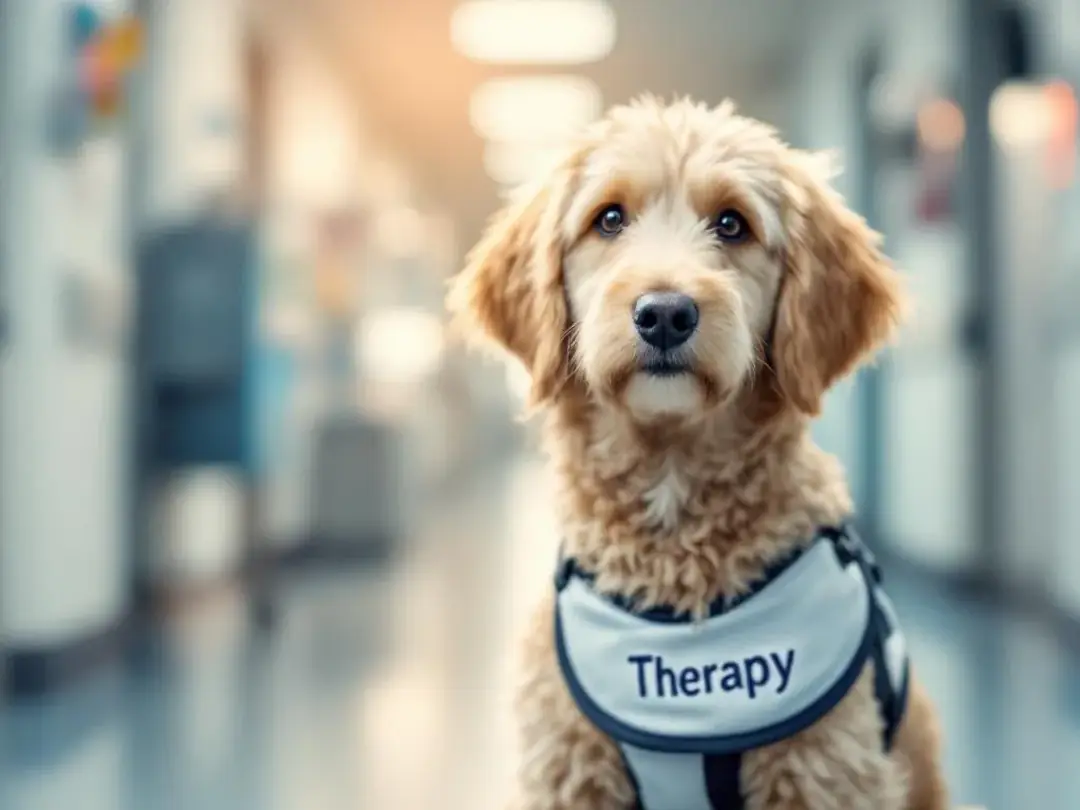
Temperament is one of the most important parts of the Goldendoodle standard because it affects family life, trainability, and long-term suitability.
| Desired Temperament Traits | Disqualifying or Serious Faults |
|---|---|
| Friendly and approachable with people | Hostility toward humans or other animals |
| Reliable and emotionally steady | Extreme timidity that prevents normal socialization |
| Trustworthy in family and public settings | Nervousness that affects daily function |
| Trainable and people-focused | Hyperactivity that makes training unrealistic |
Responsible breeders usually place a huge emphasis on emotional stability, friendliness, and trainability. Early socialization also matters because even a well-bred puppy still needs positive exposure to people, places, and routines to grow into a confident adult dog.
Health Standards and Testing
Health testing is a major part of any serious Goldendoodle breeding program. The standard is not just about appearance. It is also about producing dogs with the best chance of long-term soundness and quality of life.
| Health Area | Typical Screening | Why It Matters |
|---|---|---|
| Hips and elbows | OFA or PennHip evaluations | Helps reduce inherited joint problems |
| Heart | Echocardiogram or cardiac clearance | Screens for inherited heart concerns |
| Eyes | Comprehensive eye examination | Supports long-term vision and breeding quality |
| Genetic conditions | DNA screening panels | Helps breeders avoid passing on known inherited issues |
Working with a breeder who can show real documentation for these tests is one of the best ways to reduce risk when choosing a puppy. Health testing also helps breeders make better long-term decisions about which dogs should and should not be part of a program.
Breeding Guidelines and Generation Types
Generation type affects how much variation a breeder can expect in coat, structure, and overall consistency. That is why understanding generation labels matters when reading about the Goldendoodle standard.
| Generation | Basic Mix | What Breeders Often Expect |
|---|---|---|
| F1 | Golden Retriever x Poodle | More variation in coat and appearance, often strong hybrid vigor |
| F1B | Goldendoodle x Poodle | Often curlier, lower-shedding coats and more poodle influence |
| F2 and beyond | Goldendoodle x Goldendoodle or later crosses | Used to stabilize traits while managing long-term consistency |
Later-generation breeding is often where programs work hardest to create more predictable results in coat, temperament, and structure. That does not mean one generation is automatically better than another, but it does mean the breeder's goals and methods matter a lot.

Care and Maintenance Standards along with Grooming Needs
The standard is not just about how a Goldendoodle looks. It also connects to the kind of care the dog will need in real life.
| Care Area | Typical Need | Why It Matters |
|---|---|---|
| Exercise | 30-60 minutes or more daily | Supports physical and mental balance |
| Brushing | Weekly to several times weekly depending on coat | Prevents mats and keeps the coat healthy |
| Professional grooming | Every 4-8 weeks | Maintains coat length and overall hygiene |
| Training | Early and ongoing | Supports the stable, trainable temperament breeders want |
| Nutrition | High-quality food matched to life stage | Supports coat, weight, and long-term health |
Goldendoodles are usually best suited to indoor family life rather than isolated outdoor living. Their social nature and people focus are a big part of what the standard is trying to preserve.
Training and Exercise Needs
Goldendoodles are often intelligent, affectionate, and eager to please, which makes them highly trainable when owners stay consistent. They usually do best with positive reinforcement, regular routines, and enough mental stimulation to prevent boredom.
Daily exercise, interactive play, and short training sessions all help support the kind of balanced temperament the standard describes. Families who want a dog that is both active and people-oriented often find this part of the breed especially appealing.
FAQ
What makes a Goldendoodle meet breed standard requirements?
A Goldendoodle should show the physical and temperament traits a responsible program is aiming for, including acceptable size, proper coat type, balanced structure, and a friendly, reliable temperament.
Are there disqualifications in the Goldendoodle breed standard?
Yes. Serious temperament faults like aggression, extreme timidity, or unstable behavior can remove a dog from responsible breeding consideration. Some color patterns linked to health concerns may also be excluded.
How do F1 and F1B Goldendoodles differ in relation to the standard?
F1B Goldendoodles often have curlier, lower-shedding coats because of their higher poodle percentage, while F1 dogs may show more variation in coat and appearance. Both can still be evaluated against the broader goals of the standard.
What health testing should breeding Goldendoodles have?
Responsible breeders usually complete hip and elbow evaluations, eye exams, heart screening, and relevant genetic testing before breeding. These checks help reduce inherited health problems in future litters.
Is the Goldendoodle recognized by major kennel clubs as a purebred breed?
Not in the same way as long-established purebred dogs. However, organizations like GANA maintain standards and breeding guidance for Goldendoodles.
Why does breed standard matter if I just want a family pet?
Because the standard reflects the traits responsible breeders are trying to preserve, including sound structure, stable temperament, and healthier breeding decisions. Even for a family pet, those things matter a lot.
Related Resources
More Goldendoodle Breed and Breeder Guides
If you're comparing structure, generations, and breeder quality, these related guides may help.


