


Key Takeaways
-
Golden retriever puppies typically cost between $1,500-$3,000 depending on lineage and breeder reputation; up-to-date prices and availability are often listed on the breeder's website
-
Reputable breeders offer health guarantees, proper socialization, and comprehensive puppy documentation
-
Golden retrievers are ideal family dogs, ranking 4th in intelligence and excelling with children and other pets
-
Puppies require daily exercise, regular brushing, and consistent training from an early age
-
Always visit the breeder in person or arrange safe delivery options for out-of-state purchases
Introduction to Golden Retrievers
Golden retrievers have earned their place as one of the world's most beloved dog breeds, and it's easy to see why. Known for their beautiful golden coats, friendly faces, and loyal personalities, golden retriever puppies quickly become cherished members of any family. Whether you're a first-time dog owner or adding another pet to your household, a golden retriever puppy brings boundless energy, affection, and joy into your life.
Families everywhere are drawn to golden retriever puppies for their gentle nature and ability to bond with both kids and adults. These dogs thrive on companionship and are happiest when they're part of daily family activities, from playtime in the yard to relaxing evenings at home. Their intelligence and eagerness to please make them a favorite among those interested in training and building a strong relationship with their pets.
If you're searching for a new puppy to welcome into your home, golden retriever puppies offer the perfect blend of playfulness, loyalty, and beauty. Their loving temperament and adaptability make them well-suited for families of all sizes, and their friendly disposition ensures they get along with other pets and people alike. Choosing a golden retriever means inviting a lifelong friend into your world-one who will be by your side through every adventure.
Finding Reputable Golden Retriever Breeders
The foundation of a healthy, happy golden retriever starts with responsible breeding. Research breeders with AKC registration and positive customer reviews spanning multiple years. A breeder's reputation builds over time through consistent ethical practices and satisfied puppy families.
Look for breeders who health test parent dogs for hip dysplasia, elbow dysplasia, and eye conditions. These genetic testing protocols aren't just paperwork-they're your insurance against costly health problems down the road. Hip dysplasia affects 10-25% of golden retrievers, making parent screening essential.
Verify that puppies are raised in family environments with proper socialization from birth. Puppies who grow up around household sounds, children, and other pets develop better coping skills and confidence. Ask about early neurological stimulation programs that many top breeders now use to enhance puppy resilience.
Request references from previous puppy buyers and veterinary records. A confident breeder will gladly connect you with families who purchased puppies in recent years. These conversations reveal the real story about puppy health, temperament, and ongoing breeder support.
Avoid puppy mills and backyard breeders by checking breeding facility conditions. Legitimate breeders welcome visits and proudly show their setup. Red flags include reluctance to allow facility tours, multiple breeds available, or puppies always in stock regardless of season.
Ensure breeders provide health guarantees covering genetic conditions for at least 2 years. Responsible breeders stand behind their dogs because they've invested in proper health testing and selective breeding practices.
Golden Retriever Puppy Pricing and What Affects Cost
Champion bloodline puppies range from $2,500-$4,000 due to superior genetics and proven lineage. These pups often come from parents with show titles or working certifications, representing years of careful breeding decisions. While expensive, champion lines frequently offer better health outcomes and predictable temperament traits.
Pet-quality puppies from health-tested parents typically cost $1,500-$2,500. Don't let "pet quality" fool you-these dogs make wonderful family companions. The price difference usually reflects minor conformation details that matter in the show ring but not in your living room.
Geographic location impacts pricing, with urban areas generally commanding higher prices. A golden retriever puppy in New York City might cost $1,000-$4,000, while the same quality puppy in rural Texas could range $2,000-$5,000. Transportation costs often balance out regional price differences.
Seasonal availability affects cost, with spring and summer litters often priced higher. Many families prefer bringing home a new puppy during warmer months for easier housetraining and outdoor activities. Smart buyers who can wait sometimes find better deals on winter puppies.
Include additional costs beyond the purchase price: initial veterinary care ($300-500), supplies ($200-400), and ongoing expenses. Your first year with a golden retriever typically costs $2,000-$3,500 total, including food, preventive healthcare, training, and grooming.
Payment options may include deposits ($200-500) to reserve your chosen puppy. Most breeders require deposits when you select your pup, with final payment due at pickup. Breeders often post current puppy prices and availability on their website, so check online for the latest information. This system helps serious buyers secure their preferred puppy while giving breeders planning certainty.

What to Look for When Visiting Puppies
Schedule appointments with breeders located within driving distance for in-person evaluation. Nothing replaces seeing puppies in person to assess their health, temperament, and the breeding environment. Plan to spend at least an hour during your visit to get a complete picture.
Observe puppy temperament: friendly, curious, and comfortable with human interaction. Healthy retriever puppies should approach strangers with interest rather than fear. Watch how they interact with littermates and respond to gentle handling. A puppy that enjoys being picked up and examined will likely adapt well to family life. When it comes time to pick the right puppy for your family, focus on temperament and connection-both male and female Golden Retrievers can be equally loving, so choose the one that best fits your needs.
Check for clear eyes, clean ears, healthy coat, and proper weight for age (8-12 weeks). Puppies should feel solid but not fat, with bright eyes and clean, sweet-smelling ears. The coat should be fluffy and clean without bald patches or excessive scratching.
Meet at least one parent dog to assess temperament and physical characteristics. Parent personalities strongly predict puppy behavior as adults. A calm, friendly parent suggests similar traits in the offspring. If only one parent is available on-site, ask for detailed information about the other parent's temperament and health.
Evaluate the breeding facility for cleanliness, space, and proper puppy socialization areas. Puppies should have access to indoor and outdoor areas appropriate for their age. Look for evidence of socialization tools like different surfaces, toys, and exposure to household sounds.
Ask for vaccination records, deworming schedule, and microchip information. Responsible breeders maintain detailed health records and provide copies to new owners. Puppies should receive their first vaccinations and deworming treatments before going home.
Golden Retriever Puppy Delivery and Transportation
Professional puppy transport services available for distances over 500 miles make it possible to work with quality breeders nationwide. These services specialize in safe animal transport and understand the specific needs of young puppies during travel.
Flight nanny services ensure puppies travel safely in cabin with experienced handlers. Flight nannies accompany puppies on commercial flights, providing personal attention throughout the journey. This option offers the highest level of care but comes at a premium price.
Ground transport via climate-controlled vehicles for regional deliveries within 8-hour drives provides a middle-ground option. Many transport companies run regular routes between major cities, making ground transport more affordable than flight services.
Delivery costs range from $300-800 depending on distance and transport method. Factor these costs into your total puppy budget, especially when considering breeders in distant locations. Sometimes the extra expense is worthwhile to work with an exceptional breeder.
Puppies must be at least 8 weeks old and have current health certificates for travel. Most states require health certificates issued within 10 days of transport. Your breeder should handle these requirements and coordinate with transport services.
Schedule delivery coordination 2-3 weeks in advance for optimal timing. Popular transport routes fill up quickly, especially during peak puppy season. Early planning ensures your new puppy arrives when you're ready.
Preparing Your Home for a Golden Retriever Puppy
Puppy-proof your home by removing hazardous items and securing electrical cords. Golden retriever puppies explore the world with their mouths, often picking up and carrying objects gently-a trait known as their soft mouth, which allows them to hold delicate items without damaging them. Because they use their mouth to investigate, thorough puppy-proofing is essential. Focus on low-level hazards like shoes, small objects, and cleaning supplies.
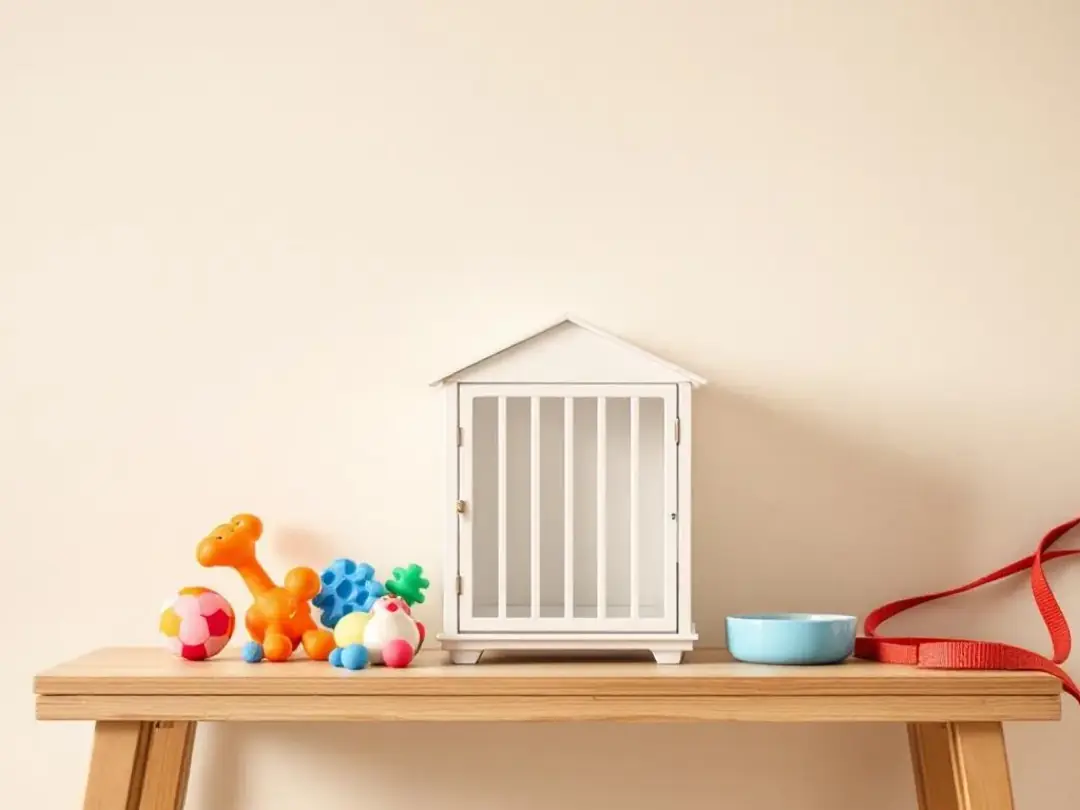
Purchase essential supplies before your puppy arrives: crate, bedding, food and water bowls, collar, leash, and toys. Having everything ready reduces stress for both you and your new puppy. Choose supplies sized for adult golden retrievers to avoid repeated purchases. Be sure to include dental care items, such as toothbrushes or dental chews, to help maintain your puppy's teeth and support good oral hygiene.
Establish designated feeding, sleeping, and play areas before puppy arrival. Consistency helps puppies adjust faster and begin house training sooner. Your golden retriever puppy will thrive with clear boundaries and predictable routines.
Stock high-quality puppy food recommended by the breeder for smooth transition. Sudden food changes can upset sensitive puppy stomachs. Plan to gradually transition to your preferred food over 7-10 days if you choose to switch brands.
Locate nearby veterinarian and schedule first appointment within 48 hours of pickup. Your vet will perform a thorough health examination and discuss vaccination schedules, parasite prevention, and feeding guidelines specific to your puppy.
Plan for initial training supplies including treats, training pads, and cleanup materials. House training accidents are inevitable, so stock up on enzymatic cleaners and plenty of patience. High-value treats make training sessions more effective and enjoyable.

Understanding Golden Retriever Characteristics
Adult size ranges from 21-24 inches tall, weighing 55-80 pounds with a 10-12 year lifespan. Golden retrievers are substantial dogs requiring adequate space and exercise. Consider your living situation and long-term housing plans before committing to this size breed.
Temperament characteristics include friendly, patient, intelligent, and excellent with children of all ages. Golden retrievers consistently rank among the best family dogs due to their gentle nature and high tolerance for kids. They're equally comfortable with toddlers and teenagers. Golden retrievers are generally quiet, but they may bark to alert their owners or show loyalty, especially if they sense something unusual.
Exercise needs require minimum 60 minutes daily including walks, fetch, and swimming. Golden retrievers were bred for active work and need physical outlets for their energy. A tired golden retriever is a well-behaved golden retriever. Many owners find swimming particularly beneficial since goldens naturally love water. Golden retrievers are sensitive to heat, so it's important to provide shade, water, and avoid strenuous activity during hot weather to prevent overheating.
Grooming requirements include daily brushing, monthly baths, and seasonal coat maintenance. Golden retrievers shed year round with heavier shedding seasons in spring and fall. Regular brushing prevents mats and reduces hair around your house. Giving your golden retriever a bath after swimming, playing in mud, or other messy activities helps maintain cleanliness and control odor. Professional grooming every 6-8 weeks keeps coats healthy and manageable.
Trainability ranks exceptionally high-golden retrievers excel in obedience, therapy work, and dog sports. Their intelligence and eagerness to please make training enjoyable for both dog and owner. Golden retrievers are easy to train, quickly learning commands and thriving in structured training sessions. Start training early and keep sessions positive and engaging.
Health considerations include predisposition to hip dysplasia, cancer, and heart conditions requiring monitoring. While generally healthy, golden retrievers face specific breed-related health challenges. Regular vet checks and awareness of symptoms help catch problems early.
Male vs Female Golden Retriever Differences
Males typically measure larger at 65-80 pounds with broader heads, thicker coats, and more outgoing personalities. Male golden retrievers often display more puppy-like behavior well into adulthood. They tend to be more attention-seeking and social with strangers.
Females present smaller frames at 55-70 pounds with narrower features, faster maturation, and often more focused behavior during training sessions. Female goldens frequently show more independence and may be slightly more reserved with new people.
Both genders prove equally loving, loyal, and suitable for families with proper socialization. The differences between males and females are subtle compared to the individual personality variations within each gender. Choose based on the specific puppy's temperament rather than gender stereotypes.
Spaying and neutering timing affects growth and development-consult your veterinarian for optimal scheduling. Recent research suggests waiting until golden retrievers reach physical maturity before spaying or neutering, but individual health factors may influence timing decisions.
Health Testing and Genetic Guarantees
Reputable breeders provide OFA hip and elbow clearances for both parent dogs, demonstrating commitment to breeding healthy dogs. The Orthopedic Foundation for Animals evaluates X-rays and assigns ratings from Excellent to Dysplastic. Only dogs with passing scores should be bred.
Eye clearances from board-certified veterinary ophthalmologists within the past year confirm parents are free from inherited eye diseases. Golden retrievers can develop progressive retinal atrophy, cataracts, and other eye conditions that genetic testing helps prevent.
Heart clearances confirm absence of inherited cardiac conditions like subvalvular aortic stenosis. A veterinary cardiologist should examine breeding dogs annually to ensure heart health. This testing is particularly important given the breed's predisposition to heart problems.
DNA testing for genetic markers including neuronal ceroid lipofuscinosis, ichthyosis, and muscular dystrophy provides additional health assurance. Modern genetic testing can identify carriers of recessive diseases, helping breeders make informed breeding decisions.
Written health guarantees should cover hip dysplasia and major genetic conditions for 24-26 months. These guarantees demonstrate breeder confidence in their breeding program. Read guarantee terms carefully-some require specific veterinary protocols or limit coverage based on owner care.
Buyers must maintain puppy health through proper veterinary care to keep guarantees valid. Most guarantees require regular vet visits, appropriate nutrition, and responsible exercise protocols. These requirements protect both the puppy's health and the breeder's guarantee.
The Importance of Socialization
Socialization is one of the most important steps in raising a well-adjusted golden retriever puppy. Early and positive exposure to a variety of people, places, sounds, and other animals helps your new puppy grow into a confident, friendly adult dog. Golden retrievers are naturally sociable, but proper socialization ensures they develop the skills needed to interact calmly and happily with kids, other dogs, and even other pets in your home.
Introducing your golden retriever puppy to new experiences during the first few months of life is key. Take your puppy on short outings to meet neighbors, visit pet-friendly stores, or explore local parks. Encourage gentle interactions with strangers and supervised play with other dogs to build positive associations. These early lessons teach your puppy how to handle new situations without fear or anxiety, making them more adaptable and less likely to develop problem behaviors later on.
Socialization also means exposing your puppy to everyday household activities-vacuum cleaners, doorbells, visitors, and car rides. The more your golden retriever experiences as a puppy, the more comfortable and well-mannered they'll be as adults. Training classes are another great way to help your puppy learn how to behave around other dogs and people, while also strengthening your bond.
Remember, a well-socialized golden retriever is a joy to have around family, friends, and other pets. Investing time in socialization sets the foundation for a happy, confident dog who will thrive in any environment and bring endless love and companionship to your home.
FAQ
When is the best time to bring home a Golden Retriever puppy?
Puppies should stay with their mother and littermates until 8-10 weeks old for proper development. This critical socialization period with their birth family teaches bite inhibition and social skills that humans cannot replicate.
Spring and early summer provide ideal weather for housetraining and outdoor activities. Mild temperatures make frequent outdoor trips more comfortable for both puppies and owners. However, don't let season alone determine your timing-the right breeder and puppy matter more than weather.
Consider your schedule carefully-puppies need frequent attention and feeding every 3-4 hours initially. Plan for vacation time or flexible work arrangements during the first 2-3 weeks. Puppies require significant time investment that decreases as they mature.
How do I verify a breeder's reputation and avoid puppy mills?
Visit the breeding facility in person to see where puppies are raised and meet parent dogs. Legitimate breeders welcome visits and proudly show their setup. If a breeder makes excuses about visits or suggests meeting in parking lots, look elsewhere.
Request references from veterinarians and previous puppy buyers from recent litters. Good breeders maintain relationships with puppy families and their veterinarians. These references provide honest feedback about breeder practices and puppy quality.
Check Better Business Bureau ratings and online reviews across multiple platforms. Look for patterns in feedback rather than isolated complaints. Established breeders often have websites with detailed information about their dogs and breeding philosophy.
Legitimate breeders will ask you questions about your lifestyle and experience with dogs. They care about where their puppies go and want to ensure good matches. Be wary of breeders who seem more interested in your payment method than your suitability as an owner.
What ongoing costs should I budget for Golden Retriever ownership?
Annual veterinary care including vaccinations and heartworm prevention typically costs $800-1,200. This includes routine wellness exams, vaccinations, and preventive medications. Emergency medical situations can significantly increase these costs.
High-quality dog food for an adult golden retriever runs $600-900 per year. Golden retrievers are large dogs with hearty appetites. Investing in quality nutrition pays dividends in long-term health and coat condition.
Professional grooming every 6-8 weeks costs approximately $600-800 annually. Many owners learn basic grooming skills to reduce costs, but professional grooming helps maintain coat health and allows early detection of skin problems.
Pet insurance premiums range from $300-600 yearly depending on coverage level. Given golden retrievers' predisposition to cancer and orthopedic problems, insurance can provide valuable financial protection for major health issues.
How much exercise and training does a Golden Retriever puppy need?
Puppies under 6 months should get approximately 5 minutes of exercise per month of age, twice daily. So a 3-month-old puppy needs about 15 minutes of structured exercise twice per day. Over-exercising young puppies can damage developing joints.
Focus on mental stimulation through puzzle toys and basic obedience training rather than intensive physical exercise. Teaching basic commands like sit, stay, and come provides mental workout while building your relationship and communication.
Adult exercise needs increase to 60-90 minutes daily including walks, fetch, and swimming. Golden retrievers are athletic dogs bred for active work. Without adequate exercise, they may develop behavioral problems from boredom and excess energy.
Early socialization proves critical during the 8-16 week period for proper development. Expose puppies to different people, animals, sounds, and environments in positive, controlled ways. This early investment prevents fearfulness and behavioral problems later.
Can Golden Retrievers live in apartments or do they need a yard?
Golden retrievers can adapt to apartment living with sufficient daily exercise and mental stimulation. The key is meeting their exercise needs through walks, visits to dog parks, and structured activities rather than relying on yard access alone.
Access to nearby parks, trails, or dog parks becomes essential for physical and mental stimulation in apartment settings. Golden retrievers need space to run and explore beyond what most apartments can provide indoors.
A fenced yard provides additional space but doesn't replace the need for structured exercise and interaction. Many dogs with yards still become overweight and under-stimulated without deliberate exercise and training.
Consider dog walker services or daycare if you work long hours in an apartment setting. Golden retrievers are social dogs who don't thrive when left alone for extended periods. Professional services can provide midday exercise and socialization.
Indoor mental stimulation through training sessions and puzzle toys helps prevent destructive behavior regardless of living situation. A mentally tired golden retriever adapts better to apartment living than a bored dog with a large yard.
Conclusion and Next Steps
Bringing a golden retriever puppy into your family is the start of a rewarding and joyful journey. From choosing a reputable breeder to preparing your home and investing in early training and socialization, every step you take helps ensure a positive golden retriever experience for both you and your new puppy. Golden retrievers are more than just pets-they're loyal companions who quickly become loved members of the family.
As you continue your search for golden retriever puppies for sale, take the time to review breeder websites, schedule visits, and ask questions about health testing, socialization, and puppy care. Prepare your house and family for the arrival of your new puppy by gathering supplies, setting routines, and planning for plenty of play, training, and love.
The journey to finding your perfect golden retriever companion is filled with excitement and anticipation. With the right preparation and commitment, you'll soon welcome a beautiful, friendly, and happy puppy into your life-one who will bring laughter, loyalty, and love to your family for years to come.


