Goldendoodle Blog Banner

Flying With a Puppy

Bricks Coggin

Bricks Coggin ยท Director of Services

Published

Flying with a new puppy for the first time can feel overwhelming, but with proper preparation and understanding of airline requirements, your puppy travel experience can be smooth and stress-free. Most airlines accept pets in cabin, making it possible for pet parents to keep their furry family members close during the journey. This comprehensive guide covers everything you need to know about puppy air travel, from essential health requirements to managing your pup during the flight.

Introduction to Flying with a Puppy

Flying with a new puppy is an exciting milestone for pet parents, but it comes with its own set of challenges and responsibilities. Before you book your flight, it's important to understand that while most airlines accept pets, their rules, fees, and health requirements can vary depending on the airline and your destination. Start by researching your chosen airline's pet policy to ensure your puppy meets all specific requirements for travel. Most airlines require a recent health certificate from your vet, confirming your puppy is healthy and up-to-date on vaccinations. You'll also need to select a pet carrier that fits under the seat in front of you and complies with the airline's size guidelines. By planning ahead and closely following the airline's rules, you can make your puppy travel experience as smooth and stress-free as possible.

Essential Requirements Before Flying with Your Puppy

Before booking your trip, understanding the basic requirements for dogs entering aircraft is crucial. Puppies must be at least 8 weeks old and weaned for 5 days minimum to fly domestically on most flights. This age requirement exists because younger puppies haven't developed the immune system strength needed for travel stress and potential exposure to new environments.


The CDC has introduced new requirements for importing dogs, including health and vaccination protocols. All dogs entering the U.S. require CDC Dog Import Form and rabies vaccination compliance, even for domestic flights with connections. The person bringing the puppy into the U.S. is responsible for completing the required documentation. The CDC requirements vary depending on whether your puppy is traveling domestically or flying internationally, with international travel requiring more detailed information and longer preparation times. If your puppy is coming from a high risk country for rabies, additional precautions and documentation may be needed.


Your vet must provide a health certificate issued within 10 days of travel for most airlines. This document confirms your puppy is healthy enough for air travel and free from contagious diseases. The health certificate must be signed by a USDA-accredited veterinarian and include current vaccination records.


Microchip registration must be current with your contact information. Many airlines require microchip identification as part of their safety protocols, especially for international travel. Ensure your contact details are updated in the microchip database before your trip.


Small dogs may have additional weight restrictions beyond the 8-week rule. While the age requirement is standard, some airlines impose stricter guidelines for toy breeds or puppies that appear particularly fragile, regardless of meeting the minimum weeks old requirement.


If you recently acquired your puppy from a breeder, ensure you have all necessary health records and documentation for travel.

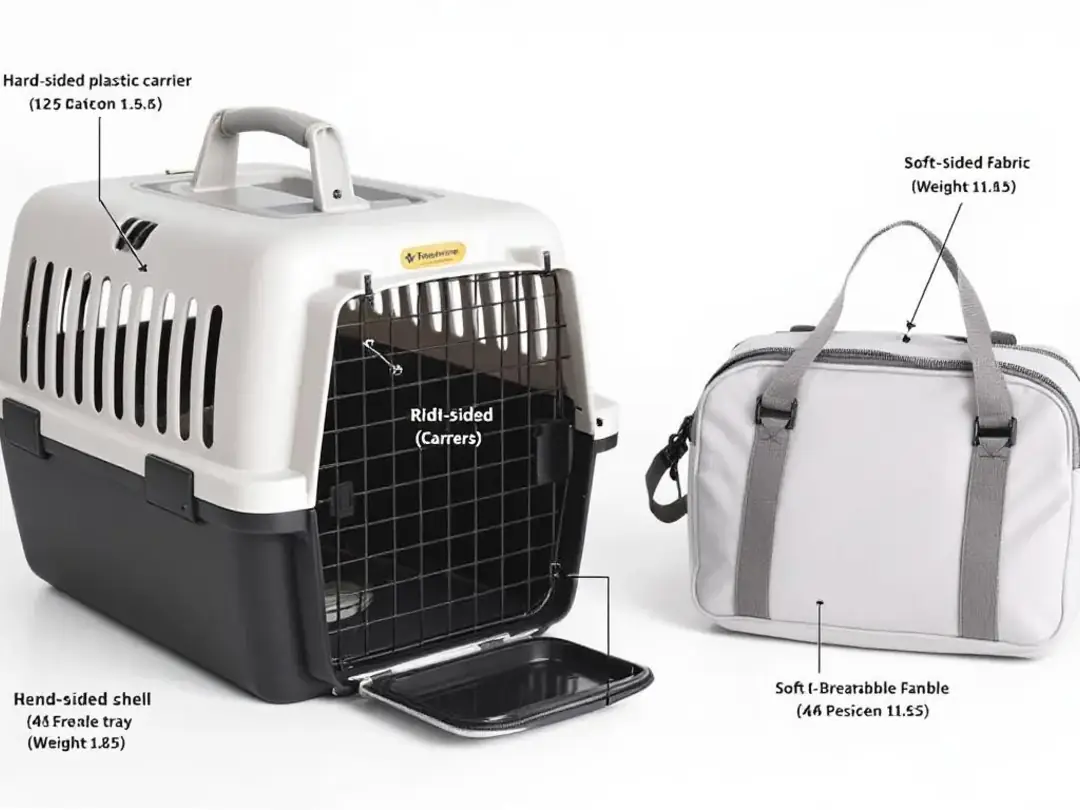
The image showcases a side-by-side comparison of various airline-approved pet carriers, highlighting both hard-sided...

Airline Policies and Booking Your Puppy's Flight


Most airlines charge between $125-$150 each way for in-cabin pet travel, though fees can vary depending on the specific carrier and destination. Southwest offers one of the lower fees at $95, while other major carriers typically charge $150 per segment. These fees are separate from your ticket and must be paid at the ticket counter or during booking. It's essential to thoroughly research your airline's specific policies and requirements, as each airline's rules regarding pet carriers, seating, and paperwork can differ.


Puppies under 20-25 pounds can travel in cabin with you, while larger puppies require cargo transport with significantly more restrictions. The weight limit includes both your puppy and their travel carrier, so factor in the carrier weight when determining if your pup qualifies for cabin travel.


Airlines limit pets per flight, typically allowing 4-6 animals in cabin, so book your puppy's spot when making your reservation. Pet spaces are allocated on a first-come, first-served basis, and popular routes may fill up quickly. Call the airline directly after booking your own seat to reserve space for your puppy. Be sure to coordinate with the airline for both your outbound and return flight to ensure pet accommodations are available for all legs of your journey.


Some airlines restrict pet cargo during summer months (May through September) due to heat safety concerns. This particularly affects larger breeds that can't fit under the seat in front of you. Plan accordingly if you're traveling with a bigger pup during these months.


International flights may have different policies and restrictions. Many countries require quarantine periods, additional health certificates, or have specific rules about dogs entering their borders. Some destinations do not accept pets or have unique entry requirements, so always verify pet policies for your intended destinations. Always call the airline directly to confirm requirements for your destination country.


Major Airline Specific Rules


American Airlines charges a $150 fee and counts pets as your carry on item. They've suspended checked pet services except for military personnel and service animals. Your pet carrier must fit under the seat, and only small dogs are permitted in cabin. Pet strollers must be checked at the counter and count as checked baggage, with additional fees possible.


Southwest offers the most budget-friendly option at $95 per flight segment. They allow a maximum of 6 pets per flight on a first-come basis. Southwest doesn't offer cargo pet services, so your puppy must be small enough for cabin travel.


United charges $150 and allows 2 pets per passenger if you purchase adjacent seats. This can be helpful for families with multiple small pets or if you want extra space for your puppy's comfort during longer flights.


Delta and other major carriers have suspended pet cargo services temporarily, focusing only on cabin travel for animals allowed in the passenger compartment. This trend reflects increased focus on pet safety and passenger comfort.


Most major airlines have similar but separate policies for cats traveling in cabin or as checked pets, and pet parents should review these if traveling with cats.

Choosing the Right Carrier for Your Puppy

Your pet carrier must fit under the airplane seat, with most airlines requiring maximum dimensions of 18" x 14" x 8". However, these measurements can vary slightly depending on the aircraft type and cabin configuration, so verify specific requirements with your airline before purchasing.


Both hard-sided and soft-sided carriers are acceptable for most airlines, though soft sided options often provide slightly more flexibility in tight spaces. Soft carriers can compress slightly to fit under seats, while hard carriers offer more protection but with rigid dimensions.


Your puppy must be able to stand, turn around, and lie down comfortably inside the carrier. This isn't just an airline rule-it's essential for your pup's comfort and well-being during the flight. A cramped carrier can cause stress and physical discomfort during the journey.


The carrier needs proper ventilation on at least two sides to ensure adequate airflow. Look for carriers with mesh panels or ventilation holes that won't be blocked when the carrier is positioned under the seat in front of you.


Order your carrier 2-3 weeks before travel to allow puppy acclimation time. This preparation period is crucial for helping your new puppy feel comfortable and secure in their travel space, reducing anxiety on flight day. Practice having your puppy crated for gradually increasing periods so they get used to being confined. Teaching your puppy to sit and remain sitting in the carrier will also help them stay calm and well-behaved during the flight.

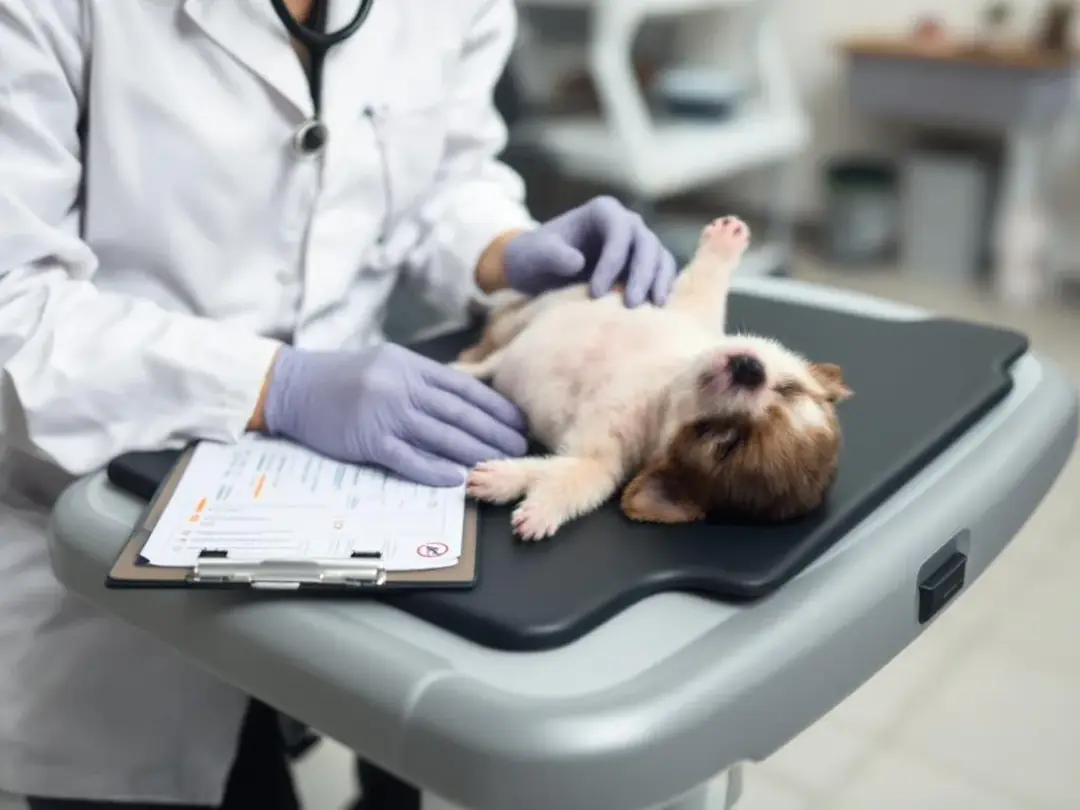
A veterinarian is examining a small puppy on an examination table, with vaccination and health certificates placed...

Veterinary Requirements and Health Preparations


Schedule a vet visit 1-2 weeks before your flight to ensure your puppy is healthy and ready for travel. This appointment should include a thorough physical examination and discussion of any concerns about flying with your specific breed or individual puppy.


Obtain health certificates signed by a USDA-accredited veterinarian. The health certificate serves as official documentation that your puppy is fit for air travel and free from communicable diseases. Keep both original and backup copies with you during travel.


Complete deworming at least 3 days before your travel date. Intestinal parasites can cause digestive upset, and the stress of travel may exacerbate any existing issues. Your vet will recommend the appropriate deworming protocol based on your puppy's age and health status.


Ensure all vaccinations are current for your puppy's age, typically including the DHPP series started at 6-8 weeks. While puppies won't have complete immunity until after their full vaccination series, having age-appropriate vaccines is required and provides some protection.


Discuss anti-anxiety medications with your vet if your puppy shows signs of travel stress or motion sickness during car rides. It is important to consult your veterinarian and closely follow their instructions when administering any calming supplements or medications to ensure your puppy's safety and the effectiveness of the treatment. However, many veterinarians discourage sedation for air travel due to potential respiratory complications at altitude.

Preparing Your Puppy for Air Travel

Start carrier training 2-3 weeks before your flight using treats and positive reinforcement. Place the carrier in a familiar area of your home with the door open, allowing your puppy to explore and investigate at their own pace.


Feed your puppy inside the carrier to create positive associations with the space. This technique helps your pup view the carrier as a safe, comfortable place rather than a source of stress. Gradually increase meal times spent inside the carrier as your departure date approaches.


Include a familiar blanket or toy that smells like their mother and littermates if your puppy is recently weaned. These comfort items provide emotional security during the stressful experience of flying and help maintain connection to familiar scents.


Practice short car rides in the carrier to test for motion sickness and general travel tolerance. Car sickness can be an indicator of how your puppy might handle air travel, allowing you to address any issues before your flight.


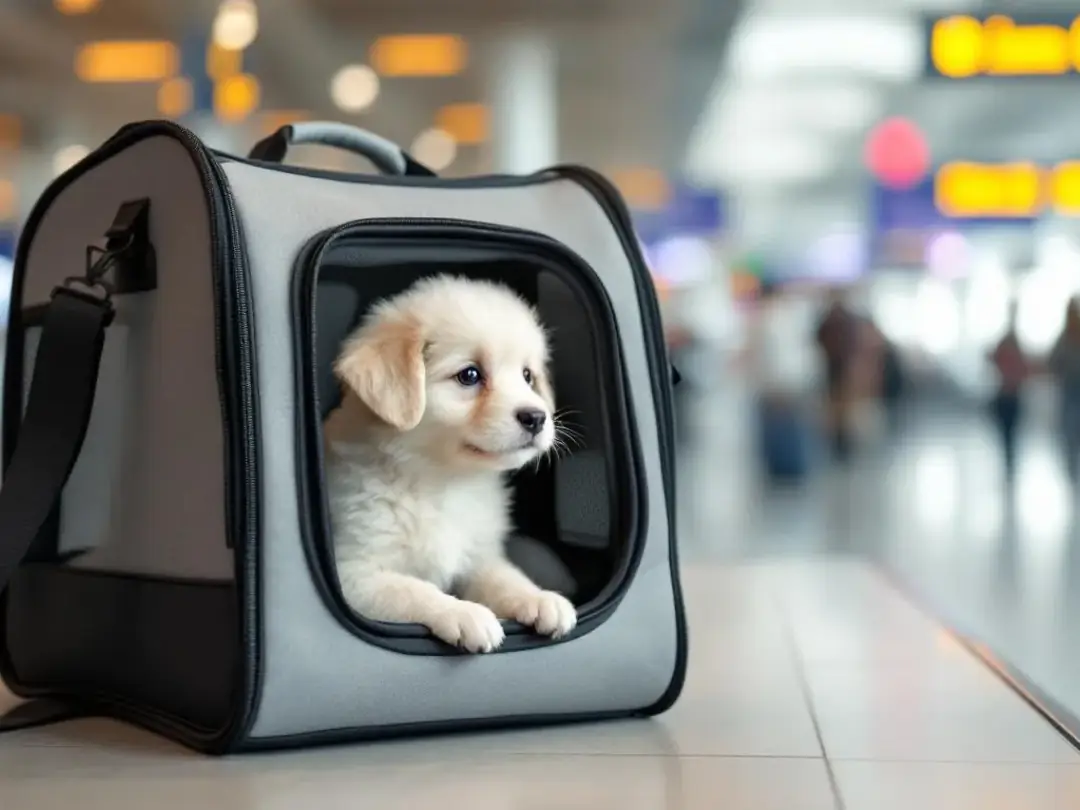
To further prepare your puppy, gradually expose them to crowded places, such as busy airport terminals, so they can adjust to the sights and sounds they will encounter on travel day.


Gradually increase time spent in the carrier leading up to travel day. Start with just a few minutes and work up to several hours, helping your puppy understand that being in the carrier doesn't always mean something dramatic is happening.

Airport Day Procedures and Timeline

Arrive 2 hours early for domestic flights and 3 hours for international travel to allow extra time for pet-related procedures. Airport processes take longer when traveling with animals, and you'll need additional time for check-in, security screening, and potential complications. Different planes may have varying carrier size restrictions and boarding procedures, so confirm these details with your airline before travel day.


Check in at the ticket counter to pay your pet fee and receive a carrier identification tag. Most airlines don't allow online check-in when traveling with pets, requiring you to speak with an agent who can verify your documentation and pet carrier compliance.


Remove your puppy from the carrier during TSA security screening while the carrier goes through the X-ray machine. Hold your puppy securely or use a leash as backup. Some airports offer private screening rooms if you're concerned about your puppy escaping in a crowded security area.


Avoid airport pet relief areas if your puppy isn't fully vaccinated, as these spaces can harbor diseases from other animals. Instead, plan for a final potty time before entering the airport and manage any accidents with the supplies you've packed.


Board early if your airline offers priority boarding for passengers with pets. This extra time allows you to get settled and position your carrier properly without feeling rushed or stressed.


Security Checkpoint Tips


Carry your puppy through the metal detector while holding them securely against your body. Remove any metal items from the carrier first, including food bowls, toys with metal parts, or identification tags that might trigger additional screening.


Bring a leash as backup in case your puppy tries to escape during the screening process. Even well behaved puppies can become startled by the airport environment, and a leash provides an extra layer of security during this vulnerable moment.


Remove water and food bowls from the carrier before X-ray screening, as metal items must be screened separately. Pack these items in your carry on luggage to retrieve after security screening is complete.


Be prepared for additional screening if TSA requests it. Sometimes carriers require hand inspection or testing for explosive residue, which is routine and not cause for concern.

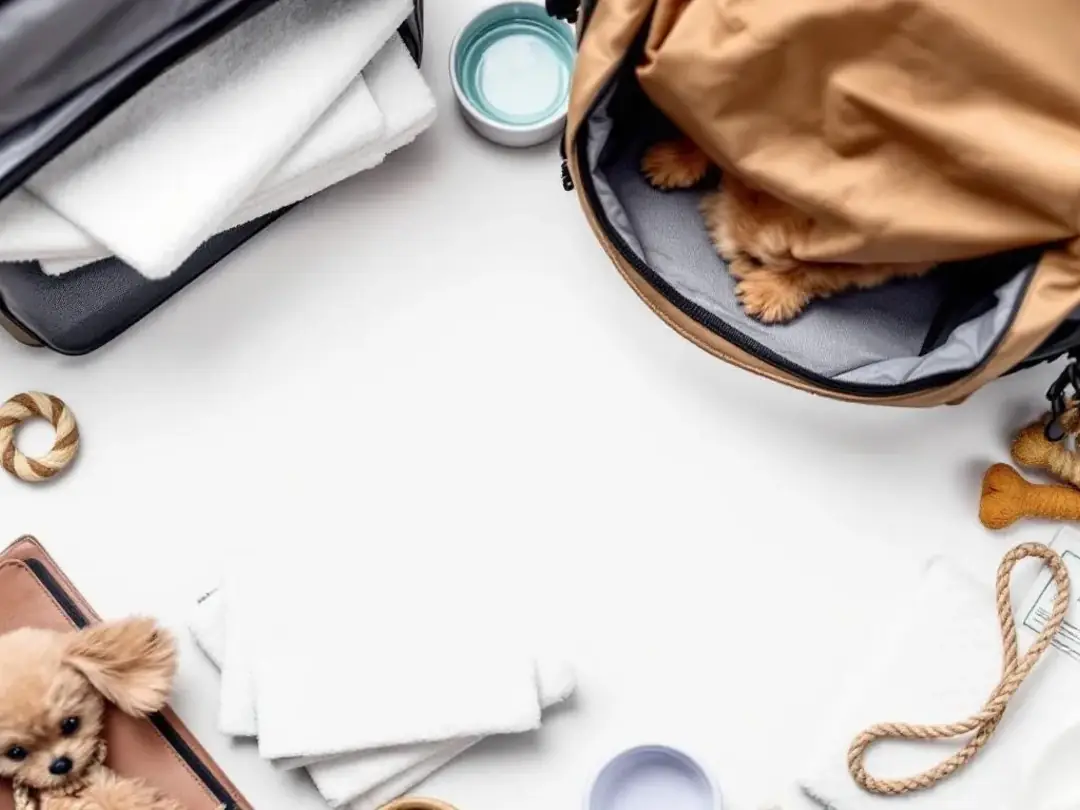
The image shows essential puppy travel items neatly arranged, including a soft-sided pet carrier, puppy pads, a...

During the Flight: Managing Your Puppy


Your puppy must remain in the sealed carrier under the seat for the entire flight duration-this is a non-negotiable safety rule for all airlines. Your puppy must stay in the carrier for the entire time on the plane to ensure safety and compliance with regulations. Opening the carrier during flight violates federal aviation regulations and can result in serious consequences.


Monitor your puppy for signs of overheating or distress, such as excessive panting, drooling, or unusual quietness. While you can't remove your puppy from the carrier, you can speak soothingly and ensure adequate ventilation around the carrier area. Encouraging your puppy to remain sitting or lying down in the carrier can help them stay comfortable and calm during the flight.


Avoid opening the carrier door during the flight, even if your puppy seems distressed. Instead, use your voice to provide comfort and reassurance. Most puppies adapt to the carrier environment once the initial stress of takeoff subsides.


Use a calming voice to reassure your puppy if they become anxious during takeoff, turbulence, or landing. Your familiar voice can be incredibly comforting during these potentially scary moments for a young animal.


Notify flight attendants immediately if your puppy shows signs of serious distress or health emergency. While rare, having a plan for medical emergencies helps ensure your puppy receives appropriate attention if needed.

Essential Items to Pack for Puppy Air Travel

Pack waterproof puppy pads to line the carrier bottom, plus 3-4 extras for managing any accident that may occur in the carrier during the trip. Young puppies have limited bladder control, especially under stress, so being prepared for accidents reduces your stress and keeps your puppy comfortable.


Bring a collapsible water bowl and small amount of food for unexpected delays or long layovers. While you shouldn't feed your puppy a large meal before flying, having food available for extended travel days ensures your pup doesn't become hypoglycemic.


Include comfort items like a favorite toy and blanket with familiar scents from home. These items help reduce anxiety and provide emotional security during the unfamiliar experience of air travel.


Pack cleaning supplies including pet wipes, paper towels, and hand sanitizer for managing any accidents. Also bring a change of clothes for yourself in case of spills or accidents that affect your clothing.


Keep all documentation easily accessible: health certificate, vaccination records, microchip information, and ID tags. Having everything organized in one folder prevents delays and stress if airline staff or authorities need to review your paperwork.


Pre-Flight Feeding and Exercise Schedule


Stop solid food 4 hours before departure to reduce the likelihood of accidents during the flight. This timing allows your puppy's digestive system to process their meal while minimizing bathroom urgency during travel.


Provide a final potty break 30 minutes before heading to the airport. This timing gives your puppy one last opportunity to relieve themselves in a familiar environment before the stress of air travel begins.


Offer small amounts of water up until boarding time to prevent dehydration, but avoid large quantities that might increase bathroom needs. Monitor your puppy's hydration while balancing the practical concerns of limited bathroom access.


Light exercise before airport arrival can help tire your puppy out, potentially leading to sleep during the flight. A tired puppy is often a calmer puppy, making the journey more comfortable for everyone.

Special Considerations for Puppy Breeds and Sizes

Brachycephalic breeds like bulldogs and pugs face additional respiratory risks during flight due to their compressed airways. Many airlines have specific restrictions or outright bans on these breeds, especially during warmer months or for cargo transport.


Large breed puppies that exceed cabin size limits must travel as cargo with much stricter health requirements and additional safety protocols. Cargo travel involves more complex procedures and higher risk, requiring careful consideration of whether the trip is truly necessary.


Toy breeds may need extra warmth during flight due to their small body size and difficulty regulating body temperature. Pack an additional blanket and monitor for signs of being too cold, especially during winter travel or in air-conditioned airport terminals.


Working breeds often have high energy levels and may need additional mental stimulation during long flights. Consider puzzle toys or special treats that can keep your puppy occupied without requiring them to leave the carrier.


Check breed-specific airline restrictions before booking, as some carriers ban certain breeds entirely while others have seasonal restrictions. These policies can change frequently, so verify current rules directly with your airline before finalizing travel plans.


Flying with a puppy requires significant preparation and attention to detail, but thousands of pet parents successfully travel with their pups each year. The key to success lies in early planning, thorough preparation, and understanding that your puppy's safety and comfort should always be the top priority. Start your preparation at least 2-3 weeks before your planned departure, work closely with your vet to ensure all health requirements are met, and remember that most airlines and airport staff are experienced in helping passengers travel safely with their pets. With proper planning and realistic expectations, your puppy's first flight can be the beginning of many fun adventures together.

Climate and Weather Considerations

When planning trips with your puppy, always take the climate and weather at your destination into account. Puppies and small dogs are more sensitive to temperature extremes than adult dogs, making it essential to keep them comfortable during flights and layovers. Airplane cabins, especially the area under the seat where carriers are stored, can get chilly-so pack a soft blanket or a shirt that smells like home to help your puppy feel comfortable and warm. If you're traveling to or from a hot destination, be mindful of how quickly cars and airport waiting areas can heat up, and never leave your puppy unattended in a vehicle. During road trips or layovers, offer frequent water breaks and monitor your puppy for signs of overheating or chills. By preparing for the weather, you'll help ensure your puppy arrives at your destination happy and healthy.

Managing Stress and Anxiety

Traveling can be stressful for both puppies and pet parents, but a little preparation goes a long way in keeping everyone calm. Start by getting your puppy used to their carrier well before your flight-let them explore it at home, and reward them with treats and praise for going inside. On the day of your flight, give your puppy plenty of exercise and a chance for potty time before heading to the airport. If your puppy is prone to anxiety, talk to your vet about safe calming supplements or techniques to help them relax during the journey. Bring along a favorite toy or treat to provide comfort in the carrier, and speak to your puppy in a soothing voice during the flight. Remember, keeping your puppy in their carrier is essential for safety, but you can still offer reassurance and comfort throughout the trip.

Destination Planning

Before you travel, take time to research your destination's pet policies and any specific requirements for dogs entering the country. Some countries have strict rules about vaccinations, health certificates, or even quarantine periods for pets, so it's important to gather detailed information well in advance. Look up pet relief areas at your arrival airport and map out nearby veterinary clinics in case of emergencies. When booking accommodations, choose pet-friendly hotels or rentals, and check if there are any local restrictions on where dogs are allowed. Planning ahead for your puppy's needs at your destination will help ensure a smooth and enjoyable trip for both you and your furry companion.

Post-Flight Care

After your flight, give your puppy plenty of time to rest and recover from the journey. Set up a cozy space with their crate or a familiar blanket to help them feel secure in their new environment. Monitor your puppy's health closely for any signs of stress, illness, or discomfort, and don't hesitate to contact a vet if you notice anything unusual. Gradually introduce your puppy to new sights, sounds, and experiences at your destination, allowing them to adjust at their own pace. With a little patience and care, your puppy will soon settle in and be ready to enjoy new adventures by your side.

ABCs Puppy Zs

ABCs Puppy Zs Ensures Healthy, Lovingly Raised Goldendoodles, for an Exceptional Experience in Pet Ownership.

Could you ask for more? You bet: