Goldendoodle Blog Banner

Flowers Safe for Dogs

Bricks Coggin

Bricks Coggin · Director of Services

Published

Key Takeaways

  • Over 20 beautiful flowers are completely non toxic for dogs, including roses, sunflowers, zinnias, and marigolds

  • Many dog friendly plants also attract beneficial pollinators like bees and butterflies while being safe for your furry friend

  • Always avoid chemically treated flowers and supervise curious dogs around any plant, even pet safe varieties

  • Toxic plants like lilies, azaleas, and foxgloves should never be planted in spaces where your dog takes walks or plays

  • Creating a dog friendly garden design allows both you and your pet to enjoy gorgeous blooms without worry

Top Dog-Safe Annual Flowers

Annual flowers offer instant gratification and season-long beauty, making them perfect for dog owners who want colorful displays without long-term commitment. These pet friendly varieties bloom from spring through frost, providing continuous beauty while staying completely safe if your dog decides to investigate.


Sunflowers stand tall as garden superstars that dogs can safely explore. These yellow beauties grow quickly from seed and attract birds while creating natural shade. Plant them along fence lines or in back corners where their height won't overwhelm other flowers. They're drought-tolerant once established and need full sun with well-draining soil.


Zinnias deliver weeks of bright blooms in nearly every color except blue. These easy-care flowers thrive in hot summer weather and actually benefit from deadheading, which encourages more blooms. Sow seeds directly in garden soil after the last frost, spacing them according to variety-dwarf types work well in containers while tall varieties make excellent cut flowers.


Marigolds (specifically Calendula species) bring orange and yellow sunshine to any garden while being completely edible for both dogs and humans. These self-seeding annuals often return the following year without replanting. Plant them in full sun with average soil, and pinch flowers regularly to keep plants blooming until frost.


Gerbera daisies offer large, showy flowers in vibrant colors that bees absolutely love. While typically grown as annuals in most climates, they can overwinter indoors in pots. Plant them in well-draining soil with morning sun and afternoon shade in hot climates.


Many gardeners consider zinnias and marigolds among their favorite flowers for pet-friendly gardens because of their vibrant colors and ease of care.


For companion planting, try combining these annuals with other safe varieties like snapdragons, sweet alyssum, or nasturtiums. Space plants according to their mature size, and remember that even safe flowers can cause mild digestive upset if eaten in large quantities.

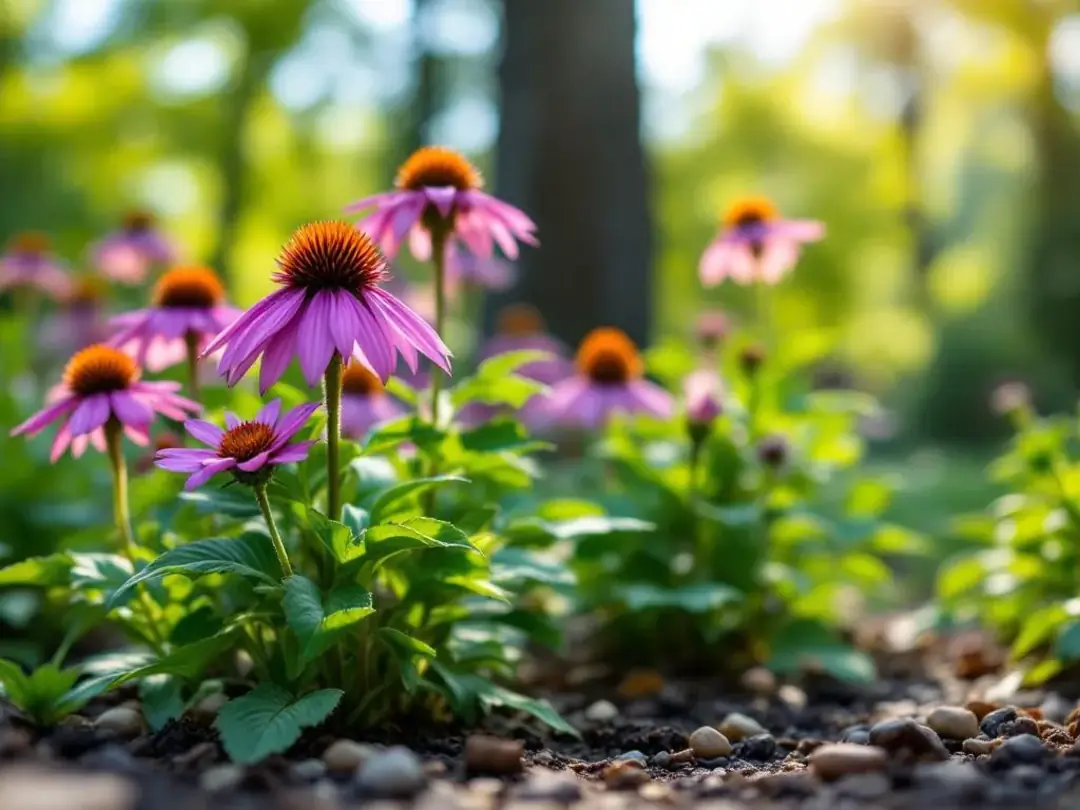
A close-up view showcases vibrant purple coneflowers alongside delicate coral bells blooming in a shaded corner of a...

Beautiful Perennial Flowers Safe for Dogs


Perennial flowers provide long-term garden structure while offering peace of mind for pet owners. These dog friendly plants return year after year, making them excellent investments for creating permanent pet safe spaces.


Roses top every list of safe flowers for dogs, and for good reason-they're universally non toxic and offer incredible variety. From climbing varieties that attract butterflies to compact shrub roses perfect for borders, there's a rose for every garden space. Plant them in well-draining soil with at least six hours of sun, and maintain good air circulation to prevent disease.


Coreopsis brings sunny yellow or pink flowers that bloom for months with minimal care. These drought-tolerant perennials self-seed readily and attract beneficial insects while requiring almost no maintenance once established. Divide clumps every three to four years to maintain vigor. There are also many other types of perennial asters and related species that are safe for dogs, giving gardeners a wide range of options for long-lasting blooms.


Echinacea (purple coneflower) offers beautiful pink, purple, or white flowers that butterflies adore. The seed heads provide winter interest and attract birds, making them excellent for wildlife gardens. These hardy perennials tolerate drought and poor soil while blooming from summer through fall.


Coral bells provide colorful foliage and delicate flower spikes that hummingbirds love. Available in shades from lime green to deep burgundy, they work well in shade to part-shade areas where many other flowers struggle. Their compact size makes them perfect for edging paths where dogs walk.


Winter care varies by climate, but most hardy perennials benefit from leaving seed heads through winter for wildlife, then cutting back in early spring. Mulch around plants in harsh winter areas, but keep mulch away from plant crowns to prevent rot.

Edible Flowers Dogs Can Safely Enjoy

Some flowers offer the bonus of being both beautiful and edible, creating opportunities for shared treats between you and your pet. These varieties add sweet flavors and nutritional benefits while maintaining complete safety for curious dogs.


Nasturtiums provide peppery leaves and flowers in bright orange, yellow, and red. Both dogs and humans can safely eat the entire plant, which contains vitamin C and has natural antibiotic properties. These climbing annuals thrive in poor soil and actually produce more flowers when not over-fertilized.


Pansies offer edible petals with a mild, sweet flavor that makes them perfect for decorating human foods while being completely safe if your dog decides to sample them. These cool-weather flowers prefer spring and fall growing conditions and can often survive light frosts.


Violets produce small purple or white flowers that are rich in vitamins A and C. Both the leaves and flowers are edible, and they often self-seed to create natural groundcover in shaded areas. They prefer moist, rich soil and partial shade.


When preparing edible flowers for consumption, always grow them organically without pesticides or chemical fertilizers. Rinse gently before using, and introduce new foods gradually to prevent digestive upset in both pets and humans. Remove pistils and stamens from larger flowers, and never harvest flowers from roadsides or areas that might be contaminated.


Limit quantities to small amounts-even safe, edible flowers should be treats rather than meal replacements. Store fresh-picked edible flowers in the refrigerator and use within a few days for best flavor and safety.


While these edible flowers are safe for dogs, pet owners should check if each variety is also safe for their cat, as some plants may have different effects on cats.

Self-Seeding Dog-Safe Flowers

Self-seeding flowers offer the perfect solution for busy gardeners who want continuous beauty with minimal effort. These pet friendly varieties drop seeds that germinate naturally, creating sustainable gardens that return year after year without replanting.


Calendula produces bright orange and yellow flowers that are completely edible and naturally antimicrobial. These hardy annuals often survive light frosts and readily self-seed in favorable conditions. Allow some flowers to go to seed by leaving them on the plant through fall, then scatter the dried seeds in desired areas.


Cornflowers (bachelor's buttons) bring true blue color to gardens while attracting bees and butterflies. These drought-tolerant annuals self-seed so readily that they can become naturalized in meadow-style gardens. Deadhead spent flowers to prolong blooming, but leave some to set seed for next year's display.


Sweet alyssum creates carpets of tiny white, pink, or purple flowers that emit a honey-like fragrance. This low-growing annual self-seeds prolifically and often provides multiple generations within a single growing season. It works well as living mulch around larger plants or in rock gardens.


Forget-me-nots offer delicate blue flowers that appear in spring and readily self-seed in moist, shaded areas. While technically biennial, they behave like perennials through self-seeding and create lovely groundcover under trees or in woodland gardens.


Managing self-seeded populations requires a light touch-thin overcrowded seedlings in spring, but allow desired plants to establish. Collect seeds from the best-performing plants and store them in cool, dry conditions for controlled sowing in new areas. Consider putting collected seeds aside for future planting, or putting self-seeded flowers in new garden spots to expand your pet-friendly garden.

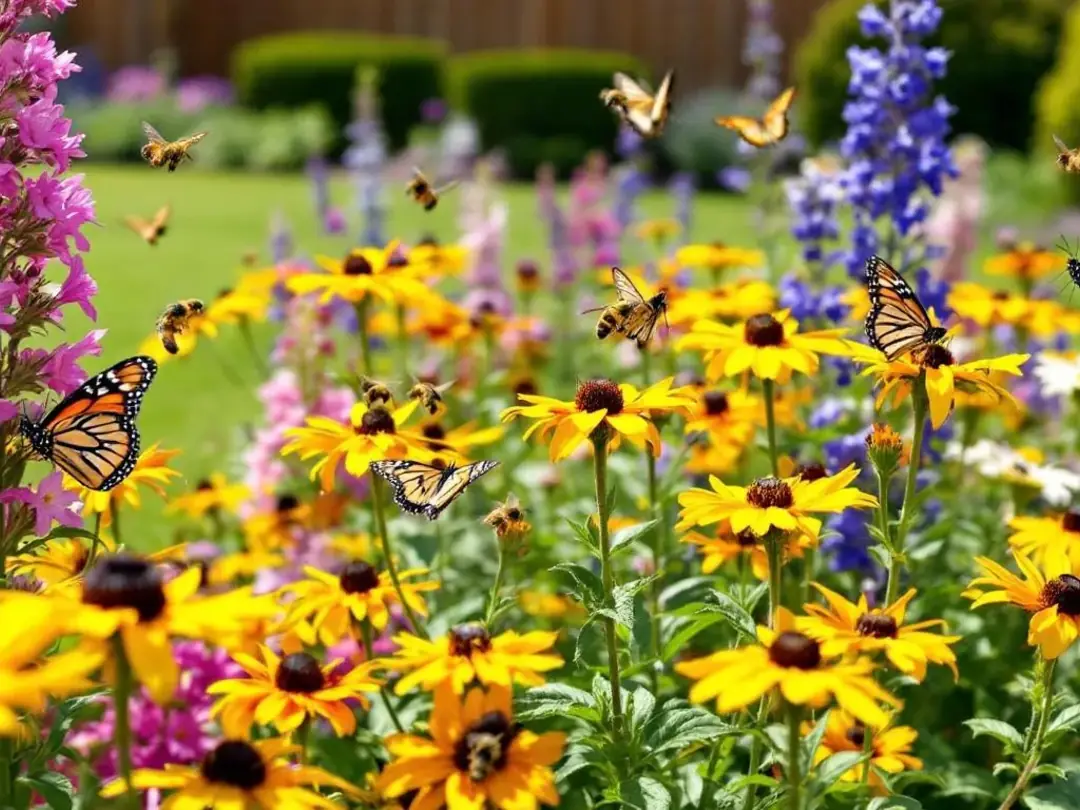
In a vibrant pollinator garden, colorful bee balm and black-eyed Susans attract various butterflies and bees, creating...

Flowers That Attract Pollinators and Are Dog-Safe


Creating pollinator habitat while maintaining pet safety requires careful plant selection, but many flowers excel at both goals. These dual-purpose varieties support bees, butterflies, and other beneficial insects while remaining completely non toxic to dogs.


Bee balm lives up to its name by attracting both bees and hummingbirds with its tubular red, pink, or purple flowers. This native perennial spreads via underground runners and can fill large spaces quickly. Plant it in full sun with good air circulation, and divide clumps every few years to prevent overcrowding.


Black-eyed Susans provide bright yellow flowers with dark centers that bees find irresistible. These hardy perennials bloom from midsummer through fall and tolerate drought once established. They self-seed readily and work well in naturalized areas or wildflower meadows.


Catmint offers spikes of purple-blue flowers that attract butterflies while being safe for dogs (though cats may have different reactions). This drought-tolerant perennial blooms repeatedly if cut back after flowering and works well as edging along paths.


Sedum varieties provide late-season nectar when few other flowers are blooming, making them crucial for fall pollinators. These succulent perennials require minimal water and thrive in poor soil, making them perfect for low-maintenance gardens.


Lavender is another excellent dog-safe flower for pollinator gardens. Its aromatic purple blooms attract bees and butterflies, while the calming fragrance creates a tranquil atmosphere. Lavender is non-toxic to dogs, offers natural pest repellency, and adds beautiful color and texture to pet-friendly landscapes.


Plan pollinator gardens with succession blooming to provide nectar sources throughout the growing season. Include native plants when possible, as they're best adapted to local pollinators and growing conditions. Create clustering masses of the same flower type rather than scattered individual plants for maximum visual impact and pollinator benefit.

Indoor Dog-Safe Flowering Plants

Indoor flowering plants bring beauty inside while maintaining safety for curious dogs who might investigate houseplants. These pet friendly options thrive in indoor conditions while producing charming blooms throughout the year.


African violets offer velvety leaves and delicate flowers in purple, pink, white, or blue. These compact plants prefer bright, indirect light and consistent moisture without waterlogging. They bloom repeatedly with proper care and make excellent choices for windowsills or plant stands.


Orchids provide exotic beauty with surprisingly simple care requirements. Most common varieties like Phalaenopsis are completely safe for dogs and can bloom for months with proper conditions. Place them in bright, indirect light and water weekly by soaking the roots, then draining excess water.


Impatiens work well as temporary indoor plants, bringing bright colors to shaded indoor spaces. While typically grown outdoors, they adapt well to indoor conditions and continue blooming if given adequate light and consistent moisture.


Friendship plants produce small clusters of tiny flowers while maintaining attractive foliage year-round. These low-growing plants thrive in medium light and prefer consistently moist soil without becoming waterlogged.


Position indoor flowering plants away from heating vents and drafts, and rotate them occasionally to ensure even growth. Monitor soil moisture carefully, as indoor conditions can vary significantly from outdoor growing. Consider grouping plants together to increase humidity, which many flowering houseplants prefer.


Most indoor flowering plants benefit from regular fertilizing during growing seasons, but always choose pet safe fertilizers and store all garden chemicals securely away from pets.

Safe Flowers for Cutting Gardens

A cutting garden is a wonderful way to enjoy fresh, vibrant blooms indoors while keeping your outdoor space lively and colorful. When planning a cutting garden with pets in mind, it's important to select non toxic plants that are as safe as they are beautiful. Gerbera daisies, sunflowers, and classic daisies are all excellent dog friendly plants that thrive in cutting gardens and pose no risk to your furry friends. These non toxic flowers are easy to grow, offer long-lasting blooms, and make stunning arrangements for your home.


To add even more interest and attract birds and butterflies, consider planting bee balm and coral bells. These pet safe perennials not only bring dynamic color and texture to your garden but also support local pollinators. Always check the plant toxicity of any new plants before adding them to your garden, as some popular cutting flowers can be toxic to dogs. By choosing a wide array of dog friendly, non toxic plants, you can create a cutting garden that's both a feast for the eyes and a safe haven for your pets. With thoughtful planting, your garden will be bursting with beauty and life-indoors and out.


Dangerous Flowers to Avoid in Dog Gardens

Understanding which flowers pose serious risks helps you make informed decisions about garden planning. Some commonly grown flowers contain compounds that can cause severe illness or death in dogs, making identification and avoidance crucial for pet safety.


Lilies represent one of the most dangerous flower families for pets. Easter lilies, tiger lilies, and day lilies can cause kidney failure in dogs, while peace lily contains different toxins that cause mouth irritation and digestive upset. Avoid all lily varieties in dog-accessible areas.


Azaleas and rhododendrons contain grayanotoxins that affect heart rhythm and can be fatal even in small quantities. These popular landscape shrubs should never be planted where dogs might browse, and fallen flowers pose equal danger.


Foxglove produces beautiful tall spikes of purple, pink, or white flowers but contains digitalis compounds that affect heart function. All parts of the plant are extremely toxic, and even dried flowers remain dangerous.


Oleander offers lovely flowers and evergreen foliage but ranks among the most poisonous plants for dogs. Every part contains cardiac glycosides that can cause death, and even water from vases containing oleander can be toxic.


Autumn crocuses often bloom when other flowers are fading, but they contain colchicine, which can cause severe digestive upset, organ failure, and death. Don't confuse these with spring crocuses, which are generally safer.


If you suspect your dog has ingested any toxic plant, contact your veterinarian or pet poison helpline immediately. Save samples of the plant for identification, and don't wait for symptoms to develop before seeking help. Quick action can make the difference between recovery and tragedy.

Common Symptoms of Plant Poisoning in Dogs

Even in the most carefully planned pet friendly gardens, curious dogs may sometimes nibble on plants. Recognizing the signs of plant poisoning is crucial for every pet owner. If your dog ingests a toxic plant, such as a peace lily or sophronitis spp, you might notice symptoms like vomiting, diarrhea, drooling, lethargy, or loss of appetite. In more severe cases, toxic plants can cause tremors, seizures, or even organ failure.


It's important to remember that while non toxic plants are much safer, eating large amounts of any plant can still upset your dog's stomach. If you see your dog eating something in the garden and they begin to show any unusual symptoms, use caution and contact your veterinarian right away. Quick action can make all the difference, especially if a toxic plant has been ingested. Always keep a list of both toxic and non toxic plants handy, and supervise your dog when they're exploring new areas of the garden to help prevent accidental poisoning.


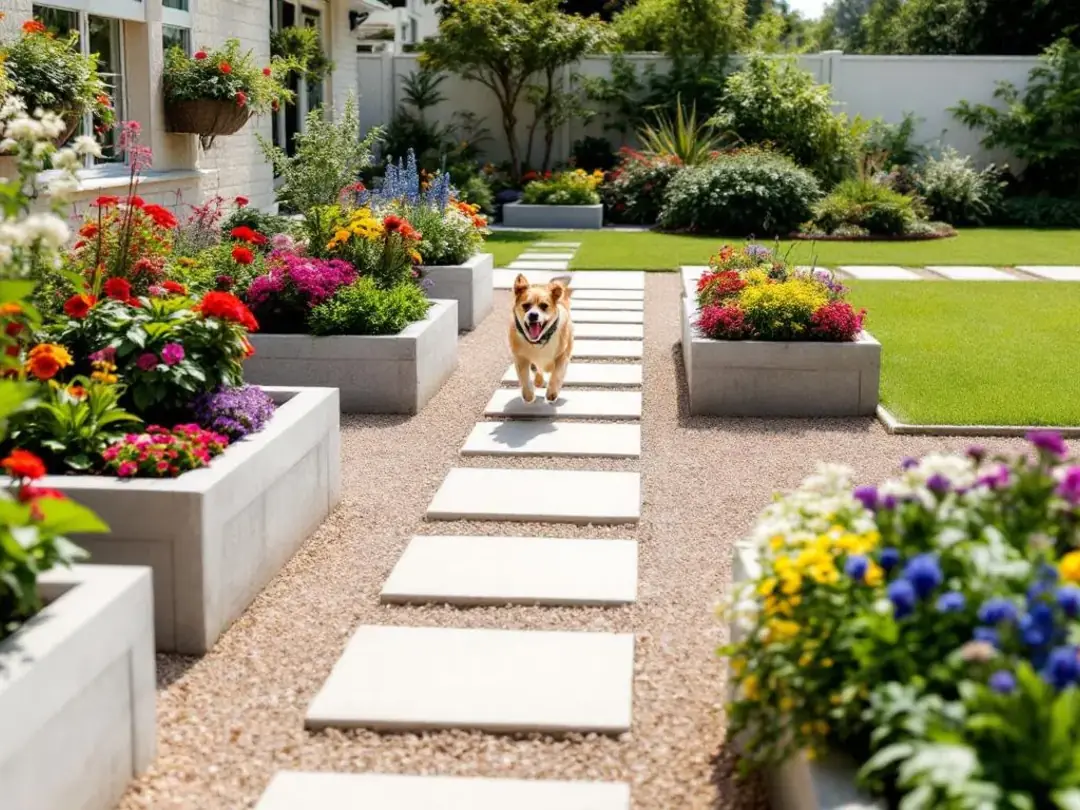
In this vibrant garden, raised flower beds filled with a wide array of blooming flowers, including gerbera daisies and...

Creating a Dog-Friendly Garden Design


Thoughtful garden design protects both your flowers and your pet while creating beautiful outdoor spaces for everyone to enjoy. Strategic planning prevents problems while maximizing the beauty and functionality of dog friendly gardens.


Start by observing your dog's natural movement patterns and favorite spots. Dogs typically follow consistent paths and prefer certain areas for playing, resting, or investigating. Design your garden to work with these patterns rather than against them.


Create designated dog areas with durable groundcover like clover or artificial turf where your pet can play without damaging delicate flowers. Border these spaces with sturdy, safe plants that can withstand occasional trampling. When selecting mulch or groundcover, choose options that do not encourage your dog to dig, helping to protect both your plants and your pet.


Use raised beds or containers to elevate precious flowers above nose level while adding visual interest to the garden. This strategy protects plants while allowing dogs to move freely through the space. Choose materials like stone, wood, or metal that complement your garden style.


Install pathways wide enough for comfortable walking, using materials that provide good traction when wet. Stepping stones, flagstone, or bark chips create defined routes that guide both human and canine traffic through the garden.


Consider using low fencing or decorative edging to define planting areas without creating barriers. Even short borders help establish boundaries and protect young plants while maintaining open sightlines across the garden.


Plan for adequate shade and water access in areas where your dog spends time. Trees, pergolas, or shade sails create comfortable retreats, while accessible water bowls prevent dehydration during hot weather.

Urban Gardening Tips for Dog Owners

Urban gardening with pets may seem challenging, but with a few smart strategies, you can create a lush, pet friendly oasis even in small spaces. Start by using raised beds or hanging baskets to keep toxic plants safely out of reach from your furry friend. Opt for dog friendly plants like roses, marigolds, and orchids, which are not only beautiful but also completely non toxic for dogs.


When selecting flowers for your urban garden, prioritize non toxic varieties and avoid any toxic plants that could pose a risk to your pet. Incorporate edible flowers such as pansies and violas for a splash of color and added interest-these blooms are safe for both pets and people. With careful plant selection and creative use of space, you can design a garden that's both practical and stunning. These tips will help you enjoy the beauty of flowers and greenery in your urban life, all while keeping your dog safe and happy.


Gardening with Kids and Pets: Making Flower Gardens a Family Affair

Gardening is a wonderful way to bring the whole family together, including both kids and pets. When planning a flower garden that's safe for everyone, choose non toxic, pet friendly plants like sunflowers, daisies, and gerbera daisies. These colorful flowers not only brighten up your garden but also attract birds and butterflies, creating a lively and educational space for children to explore.


Consider adding features like a sensory garden or a butterfly garden to provide a wide array of learning opportunities and hands-on fun. Teach your kids about plant toxicity and the importance of respecting both plants and animals in the garden. Always supervise children and pets while they're outdoors, and encourage gentle interaction with the plants and wildlife.


By making gardening a family affair, you'll create lasting memories and a beautiful, safe space that everyone can enjoy. With a little planning and creativity, your garden will be a source of joy, beauty, and discovery for your entire family-furry friends included.

Safe Gardening Practices for Dog Owners

Maintaining a safe garden environment extends beyond plant selection to include all aspects of garden care and maintenance. Smart practices protect your pet from common garden hazards while promoting healthy plant growth.


Choose organic fertilizers and soil amendments whenever possible, avoiding products containing bone meal, blood meal, or cocoa hulls that can attract dogs or cause illness if ingested. Compost provides excellent nutrition for plants while being safe for pets when properly managed.


Store all garden chemicals, tools, and seeds in secure locations that curious dogs can't access. Even safe products can cause problems if consumed in large quantities, and tool storage prevents accidental injuries.


Avoid cocoa mulch, which smells appealing to dogs but contains theobromine-the same compound that makes chocolate toxic to pets. Instead, use shredded bark, straw, or leaf mold that won't tempt your furry friend.


Practice integrated pest management using beneficial insects, companion planting, and physical barriers rather than toxic pesticides. Diatomaceous earth, row covers, and hand-picking provide effective pest control without chemical risks.


Install proper drainage to prevent standing water that can harbor bacteria or parasites. Raised beds, French drains, or amended soil prevent waterlogged conditions that create health hazards for both plants and pets.


Maintain clean garden spaces by promptly removing fallen fruits, seed pods, or other organic matter that might ferment or attract unwanted wildlife. Regular cleanup prevents problems before they develop.


Train your dog to respect garden boundaries through positive reinforcement rather than harsh corrections. Teaching "leave it" and "stay" commands helps dogs understand acceptable behavior around growing plants.

Seasonal Care for Dog-Safe Flower Gardens

Year-round garden management ensures continuous beauty while maintaining safety for your pet throughout changing seasons. Each season brings specific tasks and considerations for dog friendly flower gardens.


Spring marks the time for soil preparation and early planting of cool-season annuals like pansies and sweet alyssum. Test soil pH and amend with compost, then begin sowing seeds of self-seeding varieties like calendula. Divide established perennials before new growth begins, and mulch around plants to suppress weeds and retain moisture.


Summer focuses on maintenance and succession planting to ensure continuous blooms. Deadhead spent flowers regularly to encourage repeat blooming, and provide supplemental watering during hot, dry periods. Plant heat-loving annuals like zinnias and sunflowers, and collect seeds from early-blooming varieties for next year's garden.


Fall brings harvest time for seeds and preparation for winter. Allow some flowers to go to seed naturally for self-seeding varieties, while collecting others for controlled sowing. Plant spring-blooming bulbs that are safe for dogs, and gradually reduce watering as plants enter dormancy. Apply final fertilizer applications to perennials before growth stops.


Winter requires minimal intervention but important planning for the following year. Leave seed heads on perennials to provide winter interest and wildlife food, but remove diseased plant material to prevent problems next season. Review garden performance and plan changes or additions for spring planting.


Monitor your dog's behavior throughout seasons, as different weather conditions can change their garden interaction patterns. Provide adequate shelter and water access during extreme weather, and adjust garden access if seasonal conditions create safety concerns.

FAQ

What should I do if my dog eats flowers from my garden, even safe ones?

Even completely non toxic flowers can cause mild digestive upset if eaten in large quantities. Monitor your dog for any changes in behavior, appetite, or bowel movements. If they show signs of discomfort, vomiting, or diarrhea, contact your veterinarian. Most dogs who sample safe flowers will experience no problems, but it's always better to supervise and redirect their attention to appropriate chew toys.


Can I use regular store-bought flowers in arrangements if they're on the safe list?

Store-bought flowers often receive chemical treatments including preservatives, pesticides, and dyes that can be harmful to pets even if the flower species itself is safe. If you want to bring inside cut flowers, grow your own organically or specifically ask florists about pet-safe, chemical-free options. Never assume commercial flowers are safe just because the species appears on dog-friendly lists.


How can I tell if a flower has been treated with chemicals that might harm my dog?

Unfortunately, there's no visual way to determine chemical treatments on flowers. Always ask suppliers about their growing practices, and specifically request organically grown, chemical-free flowers when purchasing. When in doubt, keep all cut flowers in areas your dog can't reach, and consider them potentially harmful regardless of species.


Are dried versions of dog-safe flowers still safe for pets?

Dried flowers generally retain the same toxicity levels as fresh ones, so safe flowers remain safe when dried. However, dried flowers become more concentrated and may cause choking hazards or digestive blockages if consumed in large pieces. Additionally, potpourri mixes often contain other ingredients like essential oils that can be toxic to dogs, so avoid these products entirely.


What's the difference between "non-toxic" and "safe" when it comes to flowers and dogs?

"Non-toxic" means a plant won't poison your dog, but it doesn't guarantee zero risk. Even non toxic plants can cause mechanical irritation, choking, or digestive upset if consumed in large quantities. "Safe" implies both non-toxic properties and low risk of other complications. Always supervise pets around any plant material and provide appropriate chew toys to redirect their natural curiosity away from garden plants.

ABCs Puppy Zs

ABCs Puppy Zs Ensures Healthy, Lovingly Raised Goldendoodles, for an Exceptional Experience in Pet Ownership.

Could you ask for more? You bet: