


Euthanasia for dogs is one of the hardest decisions a family can face, but in some cases it is the most humane way to prevent further pain, fear, or suffering.
If you're facing difficult health decisions for your dog, our why is my dog shaking guide is a useful next read if you are trying to understand whether new symptoms may reflect pain, distress, or declining quality of life.
Key Takeaways
- Euthanasia is a humane medical procedure used to end suffering peacefully.
- It is often considered when pain, illness, or decline can no longer be managed well.
- Veterinary clinics and at-home services are both common options.
- Planning ahead for aftercare can reduce stress during an emotional time.
- Grief after pet loss is real, valid, and often intense.
When Euthanasia May Be Considered
Euthanasia is often considered when a dog has terminal illness, severe pain, major loss of mobility, uncontrolled symptoms, or a quality of life that has declined beyond what treatment can reasonably improve. For many families, the hardest part is recognizing when love means letting go rather than holding on.
Veterinarians often help by looking at comfort, appetite, hydration, mobility, happiness, and whether good days still outnumber bad ones.
The decision is rarely about one bad moment. It is usually about a pattern that no longer feels fair to the dog.
What the Procedure Is Like
The euthanasia procedure is designed to be peaceful and painless. In many cases, a sedative is given first so the dog can relax. After that, the final medication is administered and the dog loses consciousness quickly and gently.
Some natural reflexes or body movements may happen afterward, but these do not mean the dog is aware or in pain.
What matters most is that the process is meant to provide calm, not fear.

Clinic vs At-Home Euthanasia
Both options can be compassionate. The best choice depends on the dog and the family.
Veterinary clinic euthanasia is often more affordable and easier to schedule through an established medical team. At-home euthanasia allows the dog to remain in familiar surroundings, which some families and some dogs find more peaceful.
There is no universally right setting. The right setting is the one that gives the dog the calmest and most supported goodbye possible.
Comfort matters more than location alone.
Costs and Planning Ahead
Costs vary depending on whether the procedure is done in a clinic or at home, whether sedation is used, and what aftercare options are chosen. Planning ahead for the appointment, transportation, and aftercare can reduce stress when emotions are already high.
Even though it is painful to think about, practical planning often makes the experience gentler for the family.
Preparation does not make the loss easier, but it can make the day less chaotic.
Aftercare Options
It helps to decide on aftercare before the appointment if possible.
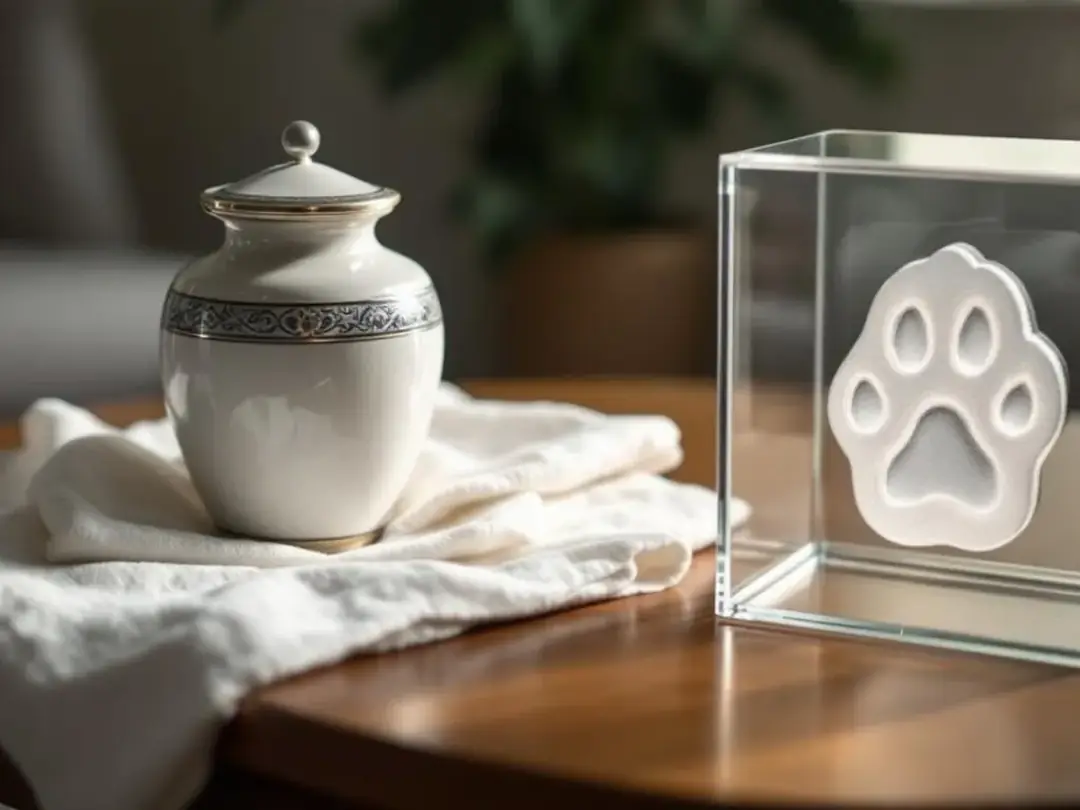
Families may choose private cremation, communal cremation, burial where legally allowed, or memorial options such as paw prints, fur clippings, or keepsakes. None of these choices is more loving than another. They are simply different ways of honoring the relationship.
Making the decision in advance can spare you from having to think clearly in the middle of fresh grief.
Aftercare is not about doing it perfectly. It is about doing what feels right for your family.
Helping Your Family Cope
Pet loss can affect every family member differently. Some people want to be present, some do not. Some want rituals, photos, or memorials, while others need quiet. Children often do best with honest, gentle explanations rather than vague language.
There is no single correct way to grieve a beloved dog.
What matters most is making room for the loss to be real.

Grief After Pet Loss
The grief is real, and for many people it is profound.
After euthanasia, many people feel sadness, guilt, relief, doubt, gratitude, or all of those at once. That mix is common. Support groups, trusted friends, counselors, and memorial rituals can all help people process the loss in healthy ways.
Choosing euthanasia to end suffering is not a betrayal of love. For many families, it is one of the hardest expressions of love they will ever make.
Grief does not mean you chose wrong. It means the bond was real.
FAQ
Common Questions About Euthanasia for Dogs
These quick answers cover common questions about timing, the procedure, location options, and coping after loss.
Is euthanasia painful for dogs?
No. The procedure is designed to be peaceful and painless, often with sedation first.
How do I know when it may be time?
It is often considered when pain, illness, or decline can no longer be managed in a way that gives the dog a fair quality of life.
Is at-home euthanasia better than clinic euthanasia?
Not always. Both can be compassionate. The best option depends on the dog, the family, and the situation.
Should I plan aftercare in advance?
Yes. Deciding on cremation, burial, or memorial options ahead of time can reduce stress on the day of the appointment.
Is it normal to feel guilt afterward?
Yes. Guilt is common, even when the decision was compassionate and medically appropriate.


