
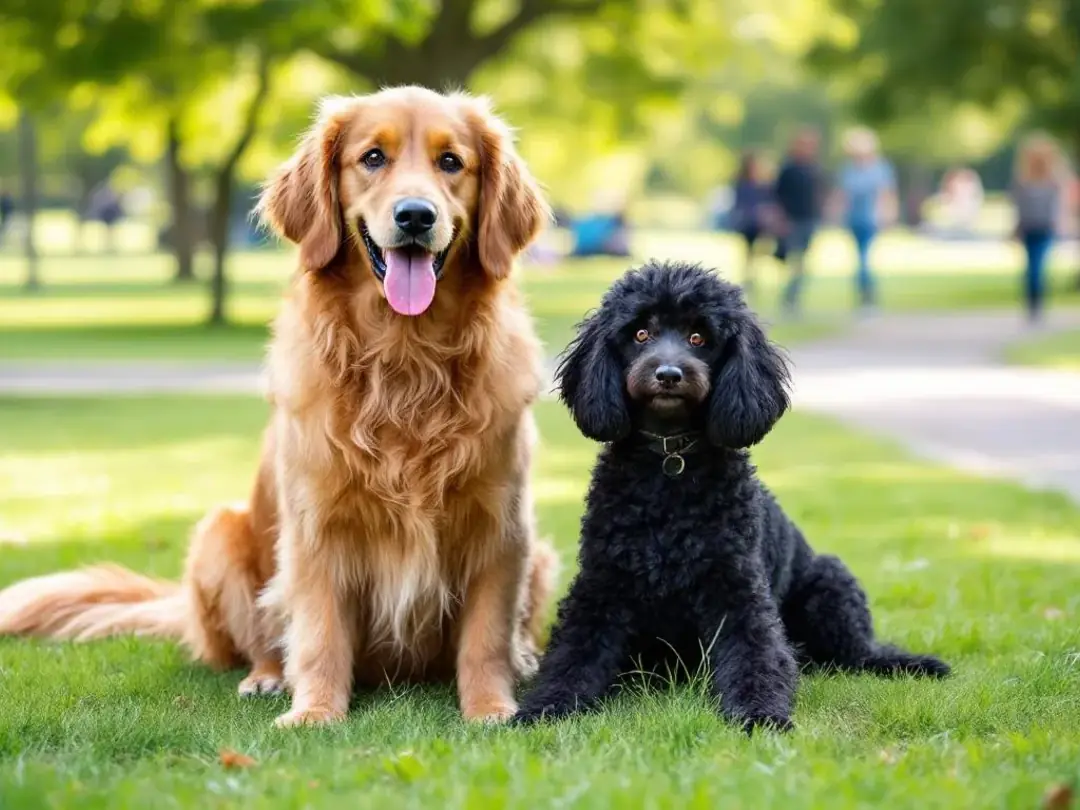

Key Takeaways
-
Doodle dogs are crossbreeds between poodles and other dog breeds, creating over 40 popular variations like goldendoodles, labradoodles, and bernedoodles
-
These hybrid dogs are prized for their low-shedding, hypoallergenic coats inherited from their poodle parent, making them popular as hypoallergenic dogs for families with allergies
-
Doodles require extensive grooming with daily brushing and professional grooming every 4-6 weeks to prevent matting
-
Most doodle breeds are high-energy dogs requiring significant daily exercise and mental stimulation
-
No official breed standards exist for doodles, so traits can vary widely between individual dogs even within the same litter
If you're comparing doodle types and care needs, you may also find our guides on doodle puppies, doodle dog adoption, and dogs with anxiety helpful as well.
What Are Doodle Dogs?
Doodle dogs represent a diverse group of mixed breeds created by crossing poodles-whether standard poodles, miniature poodles, or toy poodles-with other purebred dogs. The term "doodle" typically applies to larger poodle mixes, while smaller crosses often use "poo" in their names, like the shih poo or yorkipoo.
The doodle phenomenon began in the 1980s when Australian breeder Wally Conron crossed a labrador retriever with a standard poodle to create guide dogs suitable for people with allergies. This original labradoodle sparked a breeding revolution that has produced over 40 recognized doodle varieties today.
Unlike traditional dog breeds recognized by the american kennel club, doodle dogs lack standardized breeding guidelines. This means that even puppies from the same litter can vary dramatically in size, coat type, temperament, and other characteristics. The unpredictability stems from the random genetic inheritance that occurs when crossing poodles with other breeds.
The popularity surge of these poodle mixes in the 1990s and 2000s led to the golden doodle becoming one of the most sought-after family pets. However, this popularity also attracted puppy mills and irresponsible breeders, making it crucial for pet parents to research reputable breeders who prioritize health testing and responsible breeding practices.
Most Popular Doodle Dog Breeds
The world of doodle breeds spans an impressive range of sizes, temperaments, and characteristics. From toy varieties perfect for apartment living to standard-sized companions ideal for active families, there's likely a poodle mix suited to almost any lifestyle.
The mini goldendoodle is a popular small-sized variation of the goldendoodle, known for its adorable appearance and suitability for indoor living.
Large Doodle Breeds
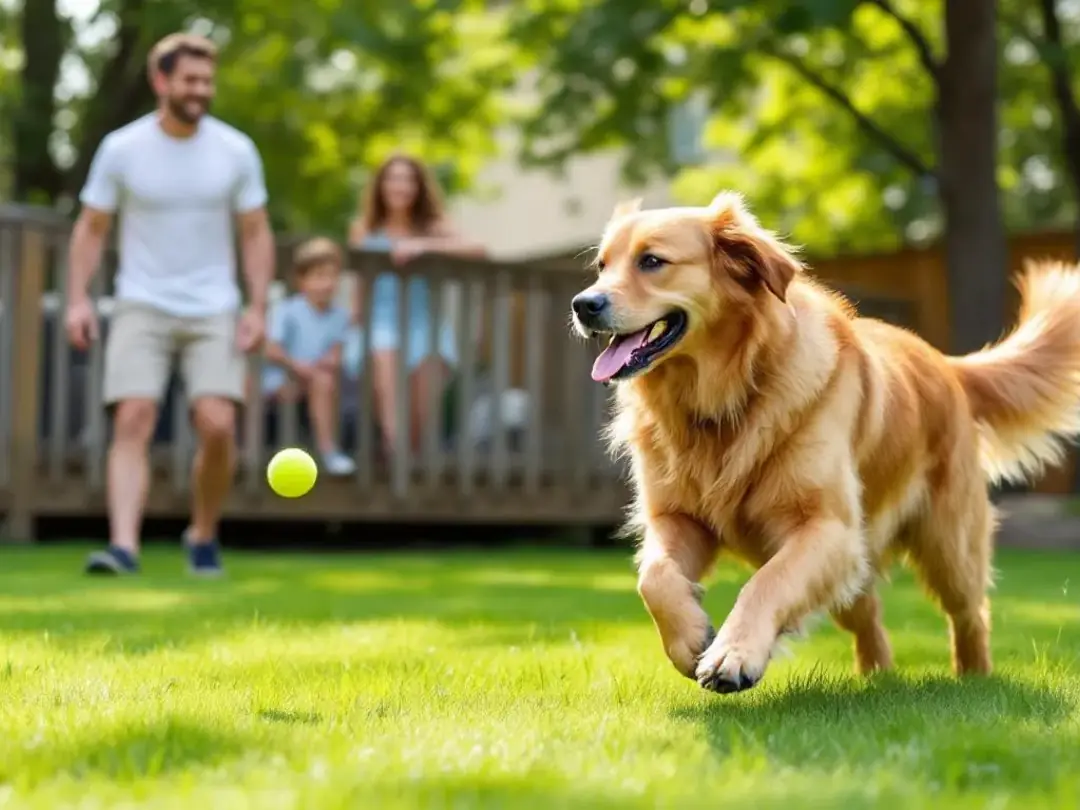
Goldendoodle Weighing 50-90 pounds and standing 20-24 inches tall, goldendoodles combine the gentle nature of golden retrievers with poodle intelligence. These athletic, friendly dogs excel as great family dogs and adapt well to homes with children and other pets. A fenced in yard is ideal for these energetic, playful dogs to safely run and play. Their wavy to curly coat requires regular grooming but often sheds less than their golden retriever parent.
Labradoodle The original doodle dog breed, labradoodles typically weigh 50-70 pounds and reach 20-25 inches in height. Originally bred for service work, these sweet dogs inherit the labrador retriever's eager-to-please attitude and the poodle's trainability. They're among the most popular poodle mixes for families seeking energetic dogs that love playing fetch and outdoor activities. A fenced in yard is also recommended for labradoodles to provide space for exercise and play.
Bernedoodle The Bernedoodle is a cross between the poodle and the Bernese Mountain Dog, a breed known for its gentle and friendly temperament. These gentle giants can weigh 60-100 pounds and reach up to 29 inches tall, combining the calm temperament of bernese mountain dogs with poodle genes. Bernedoodles are known for their patient nature with children and their striking tri-color coats. Despite their size, they often do well in homes with other animals when properly socialized.
Sheepadoodle Weighing 65-85 pounds and standing 16-22 inches tall, sheepadoodles cross the playful nature of Old English Sheepdogs with poodle intelligence. These friendly dogs are known for their distinctive black and white coats and their ability to bond closely with their families.
Aussiedoodle These high energy breed crosses can reach up to 70 pounds and 25 inches tall, inheriting the working dog instincts of Australian Shepherds. Aussiedoodles require extensive mental stimulation and daily exercise, making them ideal for active families who enjoy hiking, running, or dog sports.
Medium Doodle Breeds
Schnoodle With a wide size range from 5-70 pounds and 10-26 inches tall depending on whether they're bred with miniature poodles or standard poodles, schnoodles are smart and active companions. They inherit the alert nature of schnauzers and benefit from early socialization to become well-rounded family pets.
Whoodle These soft-coated companions typically weigh 20-45 pounds and stand 14-20 inches tall, crossing Soft Coated Wheaten Terriers with poodles. Whoodles are known for their silky coat texture and loyal temperament, though they require training to manage their terrier instincts.
Cockapoo One of the earlier poodle mixes, cockapoos are a cross between a cocker spaniel-known for its friendly and affectionate nature-and a poodle. Cockapoos weigh 15-22 pounds and stand 10-18 inches tall. These versatile companions adapt well to both apartment living and homes with yards, making them popular among first-time doodle owners.
Irish Doodle Standing 22-26 inches tall, Irish doodles combine Irish Setters with poodles to create energetic and intelligent family dogs. These crosses inherit the setter's love of activity and the poodle's trainability, requiring regular exercise and mental stimulation to prevent boredom.
Small Doodle Breeds
Cavapoo Weighing 8-25 pounds and standing 9-14 inches tall, cavapoos are a cross between a Cavalier King Charles Spaniel-known for its affectionate nature-and a toy poodle or miniature poodle. These adorable pups often inherit the calm, therapy dog temperament of their spaniel parent, making them excellent for families with young children or elderly members.

Maltipoo These apartment-friendly companions weigh 10-20 pounds and stand 8-14 inches tall, crossing Maltese with toy poodles. Maltipoos are known for their adaptability to smaller living spaces, though they still require daily exercise and regular grooming to maintain their coat.
Yorkiepoo Ranging from 3-15 pounds and 7-15 inches tall, yorkiepoos are a cross between Yorkshire Terriers-famous for their small size and affectionate nature-and toy poodles. These tiny companions can be affectionate but sometimes develop separation anxiety if left alone for extended periods.
Shih-Poo Weighing 8-15 pounds and standing around 10 inches tall, the shih-poo is a cross between a Shih Tzu-recognized for its variety of coat types and affectionate temperament-and a toy poodle. These playful companions require gentle supervision around very young children due to their small size.
Chipoo The smallest doodle variety, chipoos weigh 4-15 pounds and stand 5-15 inches tall, crossing Chihuahuas with toy poodles. Despite their tiny stature, these dogs often have big personalities and can be surprisingly confident.
Doodle Dog Characteristics and Temperament
Most doodle breeds inherit remarkable intelligence from their poodle parentage, making them generally easy to train when owners use positive reinforcement methods. This intelligence, combined with the people-pleasing traits of many parent breeds, creates companions that excel at learning commands, house training, and even complex tricks.
The friendly, social personalities typical of doodles make them excellent choices for families with children. However, it's important to understand that these dogs often require training to manage their enthusiasm-many young doodles jump on visitors or pull on leashes simply because they're excited to interact with people and other pets.
Energy levels vary depending on the parent breeds, but most doodles fall into the category of energetic dogs requiring significant daily exercise. A bernedoodle might be content with moderate walks and yard time, while an aussiedoodle needs vigorous activity and mental challenges to stay mentally stimulated and well-behaved.
The loyalty and affection that characterizes most doodle breeds also means they don't typically do well when left alone for eight or more hours daily. Many develop separation anxiety or destructive behaviors without adequate attention and stimulation. This makes them better suited for families where someone is home regularly or can provide midday exercise breaks.
Doodles generally adapt well to various living situations, from apartments to large homes with fenced yards, provided their exercise needs are met. However, their size and energy level should match your living space-a standard goldendoodle needs more room to move than a cavapoo. When it comes to allergies, it's important to note that there is no such thing as a completely hypoallergenic dog. Some doodle breeds may be more allergy-friendly than others, but no breed is entirely hypoallergenic.
Coat Types and Grooming Requirements
One of the most appealing aspects of doodle dog breeds is their potential for low-shedding, allergy-friendly coats. However, it's crucial to understand that no dog is completely hypoallergenic, and coat characteristics can vary significantly even within the same litter.
Doodle coats typically fall into three categories: straight (more like the non-poodle parent), wavy (a blend of both parents), or curly (more poodle-like). The curlier the coat, the less likely it is to shed, but it also requires more intensive grooming to prevent matting.
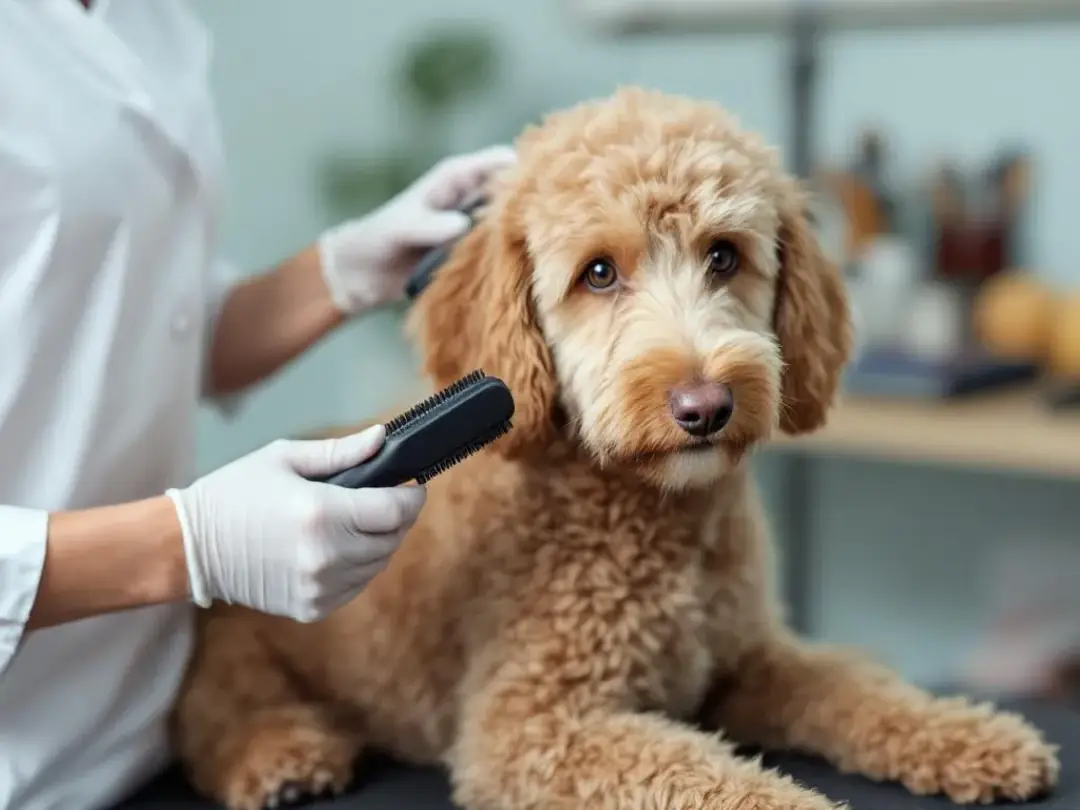
Daily brushing is essential for most doodles, particularly those with wavy or curly coats. This isn't just about appearance-neglected coats quickly develop mats that can cause skin irritation and require expensive removal by a professional groomer. A good slicker brush and metal comb form the foundation of home grooming tools.
Professional grooming every 4-6 weeks helps maintain coat health and prevents the buildup of mats in hard-to-reach areas. Expect to budget $75-150 per grooming session in most areas, making this a significant ongoing expense. Many doodle owners learn basic trimming techniques to extend time between professional visits.
The extensive grooming requirements often surprise new doodle owners who expected a "low-maintenance" pet. These dogs typically need more coat care than either parent breed, not less. However, the trade-off for many families is reduced shedding and less dander production, particularly in F1B generations (75% poodle genetics).
Colors range widely across doodle breeds, including cream, gold, black, brown, white, gray, and parti-color patterns. Some doodles' coats fade or change color as they mature, particularly cream and gold varieties that may lighten significantly by adulthood.
Health and Lifespan
Doodle dogs generally enjoy lifespans ranging from 10-18 years, with smaller varieties typically living longer than their larger counterparts. This longevity, combined with the potential for hybrid vigor (reduced risk of some genetic issues through crossbreeding), makes them appealing long-term companions.
However, doodles can inherit health problems from both parent breeds. Common concerns include hip dysplasia, elbow dysplasia, progressive retinal atrophy, allergies, and epilepsy. Reputable breeders perform health testing on parent dogs to reduce the risk of passing on genetic conditions.
The concept of hybrid vigor doesn't guarantee perfect health-it simply means that some recessive genetic disorders may be less likely to appear when mixing breeds. Responsible breeding practices, including health screening of parent dogs, remain crucial for producing healthy puppies.
Regular veterinary care, including annual checkups, vaccinations, and preventive treatments for parasites, helps maintain long-term health. Keeping doodles at an appropriate weight through proper diet and exercise also reduces stress on joints and organs, particularly important for larger breeds prone to hip dysplasia.
Many doodles benefit from the active lifestyles their energy levels demand. Regular exercise helps maintain healthy weight, provides mental stimulation, and strengthens the bond between dog and owner. However, puppies need age-appropriate exercise to protect developing joints-a good rule is five minutes of exercise per month of age, twice daily.
Training and Exercise Needs
The high intelligence inherited from poodle genes makes most doodles responsive to training when approached with patience and positive reinforcement. However, this intelligence can work against inexperienced owners if dogs become bored or don't receive adequate mental stimulation.
Daily exercise requirements vary significantly among doodle breeds. A cavapoo might be satisfied with 30 minutes of walking and indoor play, while an aussiedoodle could need two or more hours of vigorous activity. Most fall somewhere in the middle, requiring 45-90 minutes of combined exercise and mental stimulation daily.
Mental stimulation is often as important as physical exercise for these intelligent mixed breeds. Puzzle toys, training sessions, sniff work, and rotation of activities help prevent the destructive behaviors that can develop when energetic dogs are under-stimulated. Many doodles excel at dog sports like agility, which combines physical and mental challenges.
Early socialization helps doodles develop into well-rounded adults. Exposure to different people, animals, sounds, and environments during puppyhood builds confidence and reduces the likelihood of anxiety or reactivity later in life. Puppy classes provide structured socialization opportunities while teaching basic obedience.
House training typically progresses smoothly with doodles due to their intelligence and eagerness to please. Crate training provides a safe space and helps establish routines, though these social dogs shouldn't spend excessive time confined. Most adapt well to crate training when it's introduced gradually with positive associations.
Dog Care and Nutrition
Proper nutrition is the foundation of a healthy, happy doodle dog. Doodle breeds, including popular choices like labradoodles and goldendoodles, thrive on a well-balanced diet tailored to their unique needs. Because doodle dogs can be prone to certain health issues-such as joint problems or sensitivities-choosing high-quality dog food is essential for supporting their overall wellbeing.
Work closely with your veterinarian to select a diet that matches your doodle's age, size, and activity level. Puppies, adults, and senior dogs all have different nutritional requirements, and active doodle breeds may need more calories and protein than less energetic dogs. Regular feeding schedules and careful portion control help prevent overeating, which is especially important for maintaining a healthy weight and reducing the risk of obesity-related health problems.
Supplements like omega-3 fatty acids can be beneficial for doodle dogs, supporting skin and coat health and helping to keep their signature curls shiny and soft. Always introduce new foods or supplements gradually and under veterinary guidance to avoid digestive upset. By prioritizing your doodle's nutrition, you'll help them enjoy a vibrant, active life and minimize the risk of common health issues seen in these beloved breeds.
Choosing the Right Doodle Breed
Selecting the appropriate doodle dog breed requires honest assessment of your lifestyle, experience level, and long-term commitment. The popularity of these poodle mixes sometimes overshadows the reality that they're not suitable for every family or living situation.
Consider your activity level realistically. If you enjoy daily walks but aren't interested in hiking, running, or dog sports, high energy breeds like aussiedoodles or irish doodles may not be the best fit. Conversely, if you lead an active lifestyle, a lower-energy bernedoodle might not provide the adventure companion you're seeking.
Living space matters, but it's more about matching energy levels than just square footage. A well-exercised medium-sized doodle can adapt to apartment living better than a large doodle with unmet exercise needs in a house with a yard. However, very large breeds like standard bernedoodles do benefit from space to move around comfortably.
Family dynamics play a crucial role in breed selection. Families with young children might prefer the gentle nature of bernedoodles or cavapoos over the higher energy of aussiedoodles. Households with other animals should consider breeds known for good inter-pet relationships and plan for proper introductions.
First-time dog owners often find success with calmer, smaller doodle varieties like cavapoos or maltipoos, while experienced owners might enjoy the challenge of training high-drive breeds. However, all doodles require significant grooming commitment regardless of size or energy level.
Finding a Reputable Breeder
The popularity of doodle breeds has unfortunately attracted many puppy mills and backyard breeders focused on profit rather than producing healthy, well-socialized pets. Finding reputable breeders requires research and patience but dramatically increases your chances of getting a healthy companion.
Reputable breeders health test both parent dogs for conditions common to their breeds and provide documentation of these tests. They should welcome questions about their breeding practices, allow visits to see the breeding facilities, and introduce you to at least the mother of the puppies.
Warning signs include breeders who always have puppies available, won't allow facility visits, can't provide health testing documentation, or seem primarily focused on payment rather than matching puppies to appropriate families. Responsible breeders often have waiting lists and ask detailed questions about your lifestyle and experience.
Many reputable breeders provide health guarantees and maintain relationships with puppy buyers throughout the dog's life. They're often willing to take back dogs if families can no longer care for them, demonstrating their commitment to the puppies they produce.
Don't overlook rescue organizations and shelters as sources for doodles. The popularity of these mixed breeds has led to more appearing in rescue situations as some families discover they're unprepared for the grooming costs or exercise requirements. Adult doodles from rescue organizations often come with basic training and known temperament characteristics.
Doodle Generation Types (F1, F1B, F2)
Understanding doodle generation terminology helps predict certain characteristics, particularly coat type and shedding tendencies. These designations refer to how many generations removed the dog is from the original purebred parents.
F1 generation doodles are first crosses between a purebred poodle and another purebred dog, resulting in 50% poodle genetics. These crosses often display the most variation in traits, as puppies randomly inherit characteristics from either parent. Coat types can range from straight to curly within the same litter.
F1B generation doodles result from breeding an F1 doodle back to a poodle, creating 75% poodle genetics. These crosses are more likely to have curlier, less-shedding coats that appeal to families with allergies. The increased poodle genetics also often means higher grooming requirements.
F2 generation doodles come from breeding two F1 doodles together. While still 50% poodle genetics overall, these crosses can show even more variation than F1s as genetic combinations become more complex. Some F2 puppies may look and act more like the non-poodle parent breed.
For families prioritizing low-shedding coats, F1B generations offer the best probability of inheriting poodle-like coat characteristics. However, they also typically require the most intensive grooming. F1 crosses might be better for families who want some poodle traits but don't mind moderate shedding.
Pros and Cons of Doodle Ownership
Doodle dogs offer numerous advantages that explain their continued popularity among pet parents. Their intelligence makes them generally easy to train, while their friendly temperaments often make them excellent family companions. The potential for reduced shedding appeals to families with allergies or those who prefer less hair in their homes.
The variety within doodle breeds means there's likely a size and energy level to suit most lifestyles. From tiny chipoos perfect for seniors to athletic goldendoodles ideal for active families, the range of options is impressive. Many doodles also live long, healthy lives when properly cared for and bred responsibly.
However, several significant disadvantages require consideration. The high grooming requirements surprise many new owners and represent a substantial ongoing expense. Professional grooming every 6-8 weeks, combined with daily brushing requirements, makes doodles among the most maintenance-intensive pets in terms of coat care.
The lack of breed standardization means unpredictable traits even from reputable breeders. Families might expect a calm, medium-sized dog and end up with a large, high-energy companion requiring more exercise than they can provide. This unpredictability contributes to doodles appearing in rescue situations.
Many doodles require more exercise and mental stimulation than average pet owners anticipate. Their intelligence and energy levels can lead to destructive behaviors if needs aren't met. Additionally, the popularity has led to overbreeding and higher prices, making it challenging to find well-bred puppies at reasonable costs.
Ownership and Responsibility
Welcoming a doodle dog into your home is a joyful experience, but it also comes with significant responsibility. Doodle breeds, such as bernedoodles and aussiedoodles, are known for their intelligence and high energy, which means they require regular exercise and plenty of mental stimulation to stay happy and well-behaved. As a doodle owner, you'll need to dedicate time each day to walks, play, and interactive activities that challenge your pet's mind.
Training and socialization are crucial for doodle puppies, helping them grow into confident, friendly adults. Regular grooming is another essential part of doodle ownership-these dogs' beautiful coats need frequent brushing and professional grooming to prevent mats and keep them looking their best. Not only does regular grooming maintain your doodle's coat, but it also provides an opportunity to bond with your pet and monitor their health.
Choosing a doodle puppy from reputable breeders is vital to ensure you're bringing home a healthy, well-cared-for companion. Avoid puppy mills, which often prioritize profit over the wellbeing of dogs, leading to health and behavioral issues. Responsible breeders will provide health clearances and support throughout your dog's life.
Before committing to a doodle, honestly assess your ability to meet their needs for exercise, grooming, and companionship. With the right preparation and dedication, owning a doodle dog can be an incredibly rewarding experience, offering years of love, loyalty, and fun with your furry friend.
FAQ
Are doodle dogs hypoallergenic?
While often marketed as hypoallergenic, there is no such thing as a completely hypoallergenic dog. No dog is 100% hypoallergenic. Doodles with more poodle genetics (like F1B generations) tend to shed less and produce less dander, making them more suitable for people with mild allergies. However, people with severe allergies should spend time with individual dogs before committing, as reactions vary based on the specific dog's coat and dander production.
How much do doodle dogs cost?
Doodle puppies typically cost $1,000-$3,000 from reputable breeders, with ongoing expenses including food, grooming ($75-150 every 6-8 weeks), veterinary care, and supplies totaling $1,500-3,000 annually. The high grooming costs often surprise new owners and represent one of the largest ongoing expenses.
Which doodle breed is best for first-time owners?
Cavapoos and maltipoos are often recommended for beginners due to their smaller size, calmer temperaments, and moderate exercise needs. However, all doodles require significant grooming commitment. First-time owners should honestly assess their ability to provide daily brushing and regular professional grooming regardless of which doodle breed they choose.
Do all doodles have curly coats?
No, doodle coats can range from straight to wavy to curly depending on which parent's genes are more dominant. F1B doodles (75% poodle) are more likely to have curlier, non shedding dogs characteristics, while F1 crosses show more variation. Coat type can't be guaranteed even from the same litter.
Can doodles be left alone all day?
Most doodles don't do well being left alone for 8+ hours due to their social nature and high energy needs. They may develop separation anxiety or destructive behaviors without adequate attention and exercise. Families who work full-time should consider dog walkers, daycare, or other arrangements to meet their doodle's social and exercise needs.
Related Resources
More Doodle Breed and Care Guides
If you're comparing doodle types and care needs, these related guides may help.


