


Key Takeaways
-
Doodle dogs are crossbreeds between poodles and other breeds, offering hypoallergenic coats and friendly temperaments perfect for families
-
Adoption fees for doodles typically range from $200-600 and include essential veterinary care like spaying/neutering, vaccinations, and microchipping
-
Popular doodle breeds available for adoption include goldendoodles, Labradoodles, Bernedoodles, and Saint Berdoodles from rescue organizations nationwide
-
Doodles require a lot of attention and human interaction, along with consistent grooming every 6-8 weeks, daily exercise, and mental stimulation to thrive in their new homes
-
Reputable rescue organizations thoroughly evaluate dogs' temperaments and provide ongoing support to ensure successful adoptions
If you're considering a doodle rescue, you may also find our guides on dog years to human years, dogs with anxiety, and doggy daycare near me prices helpful as well.
What Are Doodle Dogs and Why Choose Adoption
Doodle dogs represent a fascinating cross between the intelligent, low-shedding poodle and various other beloved breeds. These designer dogs combine the best traits of both parents, typically inheriting the poodle's hypoallergenic coat alongside the personality characteristics of breeds like the golden retriever, Labrador, or Bernese Mountain Dog. The word "doodle" has become synonymous with family-friendly companions who shed less than traditional dogs while maintaining the affectionate and intelligent nature that makes them perfect household pets. A doodle loves being close to people and thrives on human companionship, making them especially devoted and loving members of the family.
Choosing adoption over purchasing from breeders offers numerous advantages beyond the obvious cost savings. When you adopt, you're literally saving a life while making room for another dog in need. Many people are unable to realize that rescue organizations house incredible doodles of all ages, from playful puppies to calm, trained adults who've already passed their most energetic phase.
The process of rescuing a doodle also means you're taking action against puppy mills and irresponsible breeding practices. These operations often prioritize profit over the health and well-being of dogs, leading to behavioral and health issues that responsible rescues work tirelessly to address. By adopting, you become part of the mission to reduce demand for commercially bred dogs while supporting organizations dedicated to animal welfare.

Popular Doodle Dog Adoption Breeds
The variety of available dogs in rescue organizations might surprise you. Goldendoodles, crosses between golden retrievers and poodles, are among the most popular doodles available for adoption. These gentle giants typically weigh between 45-100 pounds and sport gorgeous coats in shades of golden, cream, red, or even parti-color combinations. Their affectionate personality makes them excellent choices for families with children, as they respond well to training and love human interaction. Goldendoodles can quickly pick up new habits, both good and bad, so consistent training is important.
Labradoodles represent another fantastic choice for those interested in adopting. These intelligent crosses between Labrador Retrievers and poodles often inherit the Lab's water-loving nature and the poodle's trainable temperament. Many rescue organizations report that Labradoodles adapt quickly to new homes and form strong bonds with their adoptive families within weeks of placement.
For those seeking larger companions, Bernedoodles combine the gentle nature of Bernese Mountain Dogs with poodle intelligence. These dogs often display the distinctive tri-color coat pattern and calm demeanor that makes them wonderful therapy dogs. The way Bernedoodles interact with families is typically gentle and affectionate, and they tend to respond well to positive reinforcement during training. Saint Berdoodles offer another large option, inheriting the Saint Bernard's patient personality alongside the poodle's easier-to-manage coat. The way Saint Berdoodles behave in family settings is usually calm and patient, making them great with children.
Smaller options include Schnoodles, Yorkipoos, and Cavapoos - perfect for apartment living or families preferring more manageable sizes. These smaller doodles often retain the friendly, intelligent characteristics of their larger cousins while requiring less space and exercise.
Where to Find Available Dogs like Doodles or Other Dogs
Finding the perfect doodle requires knowing where to look. Specialized doodle rescue organizations like IDOG Rescue and Poo-Chi Rescue focus exclusively on poodle mixes and maintain detailed information about each dog's personality, training level, and specific needs. These organizations often have the most comprehensive understanding of doodle characteristics and can provide excellent guidance throughout the adoption process.
Local animal shelters and humane societies frequently house doodles, though they might not always be immediately recognizable. Many mixed-breed dogs in shelters are actually doodle crosses that weren't properly identified. Building relationships with shelter staff and expressing your interest in doodle-type dogs can help you get notified when suitable matches arrive.
Online platforms like Petfinder.com and Adopt-a-Pet.com allow you to search specifically for doodle breeds in your area. These databases connect you with both rescue organizations and shelters, providing photos, basic information, and contact details for organizations housing dogs that match your criteria.
Don't overlook breed-specific rescue groups for the non-poodle parent breeds. Golden retriever rescues, for example, sometimes have goldendoodles available when families surrender dogs they're unable to care for properly. Similarly, Labrador rescue groups occasionally house Labradoodles seeking new homes.
Social media has become an increasingly valuable tool for finding available dogs. Many rescue organizations maintain active Facebook pages where they post photos and information about dogs needing homes. Joining local pet rescue networking groups can also connect you with people involved in rescue work who might know about doodles needing placement.

The Doodle Adoption Process
The adoption process typically begins with completing a detailed application that covers your living situation, experience with dogs, and expectations for your new pet. Rescue organizations use this information to determine whether you're a good match for their available dogs and which specific dog might fit your family best.
Most reputable rescues require home visits to ensure your living space is secure and appropriate for a doodle. Volunteers will check that you have adequate fencing, safe areas for the dog to exercise, and that all family members are truly committed to the adoption. This might seem intrusive, but it's designed to protect both you and the dog from unsuccessful placements.
Meet-and-greet sessions allow you to interact with potential matches before making final decisions. These meetings help rescue volunteers observe how you and the dog respond to each other, and they provide opportunities to ask specific questions about the dog's personality, training level, and any special requirements.
Many organizations offer trial periods ranging from two weeks to thirty days. This security allows both you and the dog time to adjust and ensures the placement will be successful long-term. During this period, rescue staff typically remain available to answer questions and provide support as you and your new companion establish routines.
Adoption contracts outline expectations for the dog's care and typically include return policies. Most rescues require that you contact them first if you're ever unable to keep the dog, ensuring that adopted animals never end up in shelters or inappropriate situations.
Adoption Costs and What's Included
Adoption fees for doodles typically range from $200 to $600, a fraction of the $1,500 to $3,000 you might pay a breeder. These fees support the rescue organization's mission and cover significant veterinary expenses incurred while caring for dogs before placement.
Your adoption fee usually includes spaying or neutering, current vaccinations, and microchipping - services that would cost hundreds of dollars if purchased separately. Many rescues also provide health testing results and behavioral evaluations, giving you valuable insight into your new dog's medical history and personality traits.
Beyond the adoption fee, budget for ongoing expenses like high-quality food, grooming supplies, and regular veterinary care. Professional grooming every six to eight weeks is essential for maintaining your doodle's coat health, and this typically costs $75 to $150 per session depending on your dog's size and coat condition.
Some rescue organizations offer financial assistance programs for adopters facing economic hardship, and many provide ongoing support including training resources and behavioral guidance. This support network can be invaluable, especially for first-time doodle owners learning to care for their dog's specific needs.
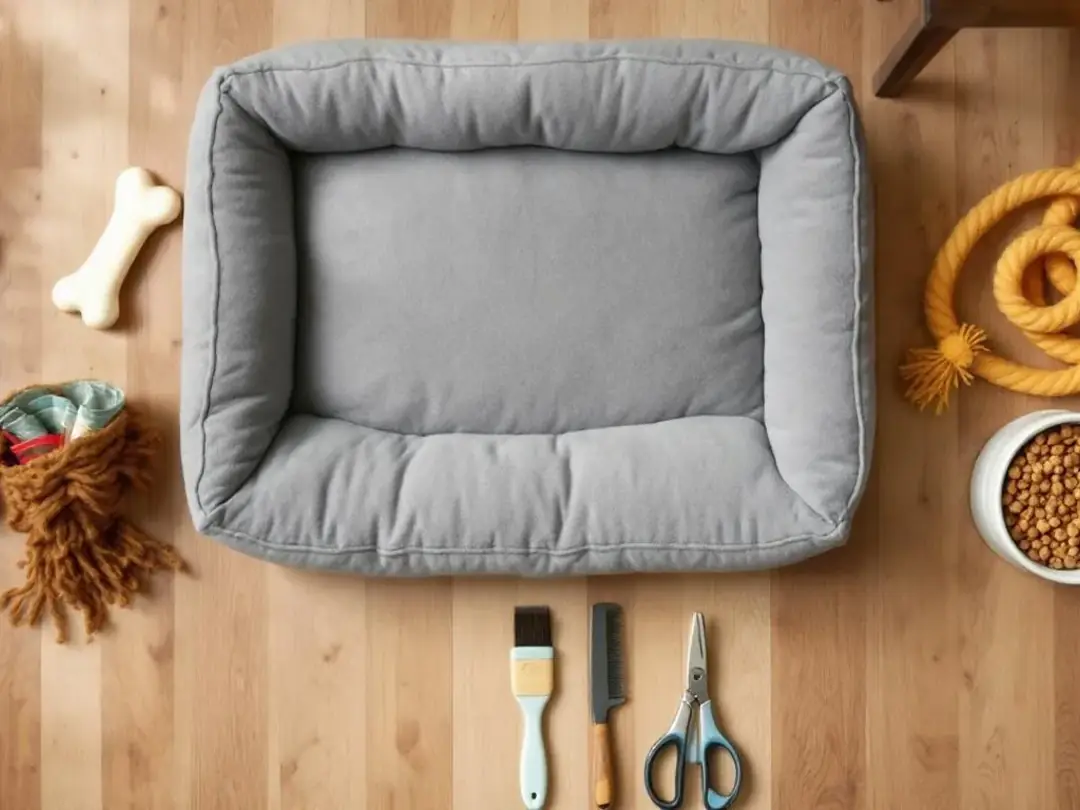
Preparing Your Home for a Doodle Part Golden retriever
Even adult doodles benefit from basic puppy-proofing as they adjust to new environments. Secure or remove items they might chew, ensure all family members understand house rules, and create designated spaces where your new dog can feel secure during the transition period.
Essential supplies include high-quality food recommended by the rescue organization, grooming tools appropriate for your doodle's coat type, a properly fitted collar with identification tags, and a sturdy leash. A slicker brush and metal comb form the foundation of your grooming kit, though specific tools may vary based on whether your dog has a curly, wavy, or straighter coat.
Establishing routines immediately helps your adopted doodle feel secure and understand expectations. Regular meal times, consistent exercise schedules, and predictable bedtime routines provide the structure that helps dogs adjust more quickly to their new homes.
If you have existing pets, prepare for gradual introductions rather than expecting immediate friendship. Many rescue organizations provide guidance on introducing new dogs to established pets, and taking time with this process prevents conflicts and stress for all animals involved.
Research local professional groomers before bringing your doodle home, as regular grooming appointments are crucial for preventing matting and maintaining coat health. Booking your first appointment within a few weeks of adoption ensures your dog stays comfortable and healthy.
Care Requirements for Adopted Doodles
Daily exercise requirements vary by size and energy level, but most doodles thrive with 30 to 60 minutes of activity split into multiple sessions. This might include walks, yard play, or interactive games that provide both physical exercise and mental stimulation. Remember that these intelligent dogs need brain work as much as physical activity to remain happy and well-behaved.
Professional grooming every six to eight weeks prevents matting and keeps your doodle's coat healthy and beautiful. Between appointments, brush your dog two to three times weekly, paying special attention to areas prone to tangling like behind the ears, under the collar, and around the legs. Regular grooming also provides opportunities to check for skin issues or other health concerns.
Mental stimulation through puzzle toys, training sessions, and interactive games helps prevent destructive behaviors that often result from boredom. Doodles are intelligent dogs who love learning new things, so incorporating short training sessions into your daily routine benefits both their mental health and your relationship.
Regular veterinary checkups ensure your adopted doodle maintains good health throughout their life. Establish care with a local veterinarian soon after adoption, and maintain consistent schedules for preventive treatments like heartworm prevention and annual vaccinations.
Nutritional needs vary based on age, size, and activity level. Your rescue organization can provide guidance on appropriate food choices, and your veterinarian can help adjust portions and feeding schedules as your dog settles into their new routine.
Success Stories and Testimonials
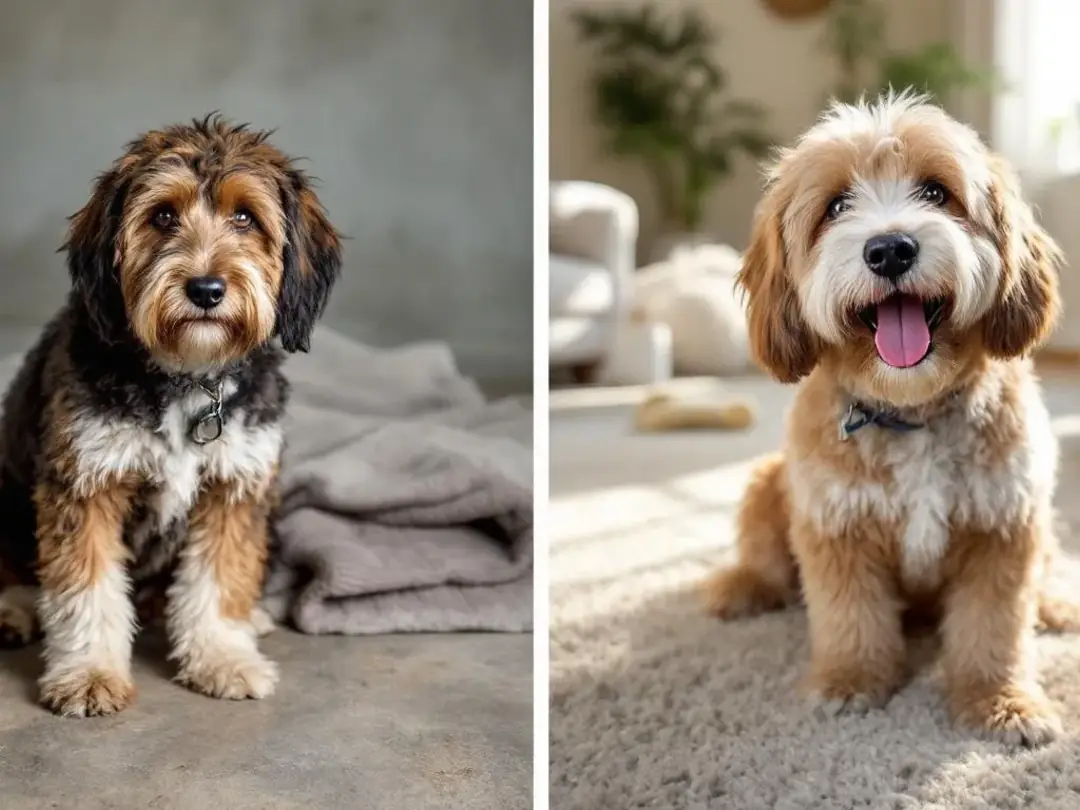
The joy of successful doodle adoptions shines through countless stories from families who found their perfect companions through rescue organizations. Take Sarah, a teacher from Oregon who adopted Max, a three-year-old goldendoodle, after his previous family could no longer provide the exercise and attention he required. Within weeks, Max transformed from an anxious, under-stimulated dog into a confident, well-behaved companion who now serves as a therapy dog in Sarah's classroom.
Another inspiring example involves the Johnson family, who adopted Luna, a Bernedoodle mix, specifically because their youngest child has severe allergies. The rescue organization worked carefully to match them with a dog whose coat would be compatible with their needs. Two years later, Luna remains an integral part of their family, and their child has experienced no allergic reactions while enjoying the companionship of a beloved pet.
These success stories highlight the careful matching process that quality rescue organizations employ. By taking time to understand both the dogs in their care and the families seeking to adopt, they create lasting relationships that benefit everyone involved.
The ongoing support provided by rescue organizations often extends far beyond the initial adoption. Many adopters report maintaining relationships with rescue volunteers who continue providing advice and celebrating milestones years after the adoption. This community of people who love doodles creates networks of support that enhance the entire adoption experience.
FAQ
How long does the typical doodle adoption process take from application to bringing the dog home?
The timeline varies significantly depending on the rescue organization and your specific requirements. Most applications are processed within one to two weeks, followed by home visits and meet-and-greet sessions. If you're open to different ages and personality types, you might complete the process within three to four weeks. However, if you're seeking a specific breed mix, age, or temperament, the process could take several months as rescue organizations work to find the right match.
Are doodles from rescue organizations already house-trained and socialized?
This varies considerably by individual dog and their background. Many adult doodles in rescue have basic house training, though they may need time to adjust to your specific routine and schedule. Puppies and dogs from challenging backgrounds may require more intensive training. Reputable rescue organizations will honestly assess each dog's training level and provide realistic expectations. Most rescued doodles have some level of socialization, but you should plan to continue socialization work regardless of their background.
What should I do if my adopted doodle doesn't get along with my current pets?
Contact your rescue organization immediately for guidance. Most reputable rescues have experience managing pet integration issues and can provide specific strategies for your situation. Many organizations require trial periods specifically to address these concerns before finalization. If integration proves impossible despite professional guidance, ethical rescue organizations will work with you to find alternative solutions, often including taking the dog back to find a more suitable placement.
Do rescue organizations provide ongoing support and training resources after adoption?
Yes, most established doodle rescue organizations offer continued support including training advice, behavioral guidance, and sometimes even group training sessions for adopters. Many maintain active social media groups where adopters can ask questions and share experiences. Some organizations also provide access to discounted training classes or veterinary services. This ongoing support is one of the significant advantages of working with dedicated rescue organizations rather than general shelters.
Can I adopt a specific doodle breed if I have allergies, and how can I test compatibility beforehand?
While no dog is truly 100% hypoallergenic, many doodles do shed less than other breeds. Rescue organizations can help identify dogs with coats more likely to be compatible with allergies. Request extended meet-and-greet sessions where you can spend several hours with potential matches. Some organizations allow overnight visits or trial periods specifically to test compatibility with allergies. Additionally, consider visiting a professional groomer with the dog during your trial period, as proper grooming significantly impacts allergen levels in the home environment.
Related Resources
More Doodle Care and Family Readiness Guides
If you're considering a doodle rescue, these related guides may help.


