
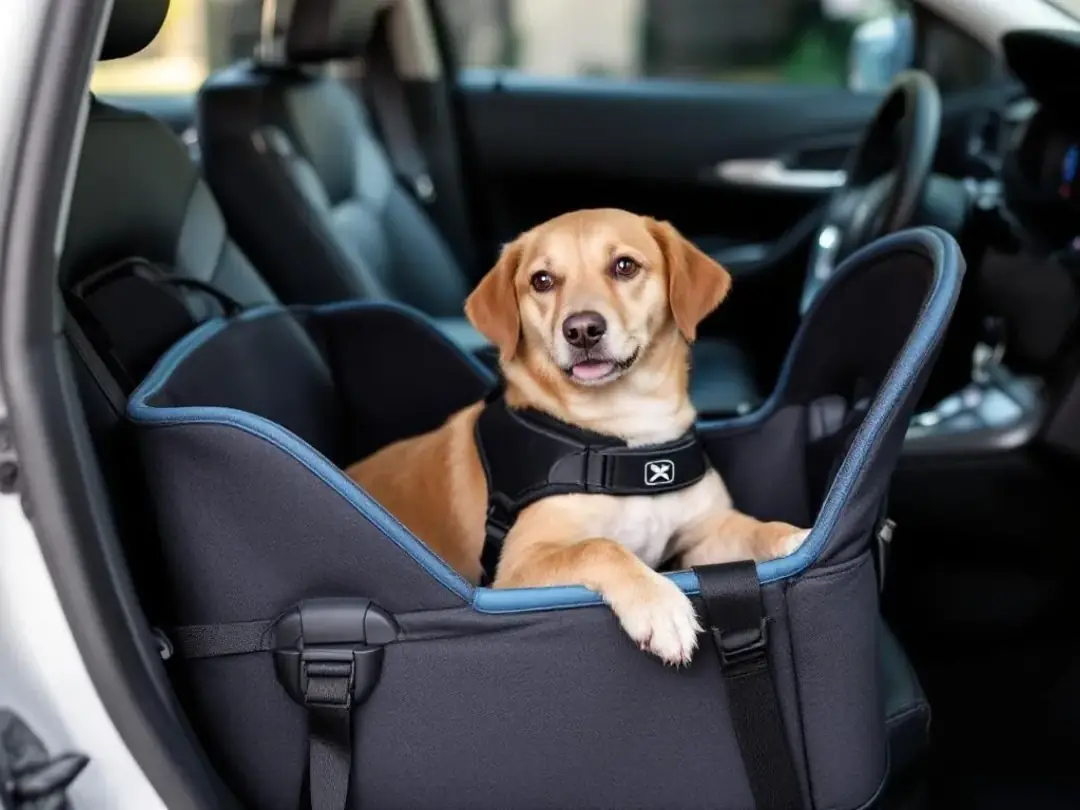

Every year, over 100,000 pets are injured in vehicle accidents across the United States. What makes this statistic particularly sobering is that proper restraint can reduce injury risk by up to 75%. When your dog becomes a projectile during a sudden stop or collision, they're not just at risk themselves-they pose a serious danger to everyone in the vehicle.
A dog car seat isn't just about comfort during car rides; it's a critical safety device designed to protect your pet and your family. This ultimate guide will help you navigate the complex world of pet restraints, from understanding safety certifications to choosing the right car seat for your dog's size and your vehicle type.
If you travel often with your dog, you may also find our guides on how to entertain a puppy, do dogs have a sense of time, and do dogs get bored helpful for making travel and downtime easier.
What is a Dog Car Seat and Why Do You Need One?
A dog car seat is a specialized restraint system engineered to secure pets during vehicle travel, preventing them from becoming dangerous projectiles during accidents or sudden stops. Unlike makeshift solutions or basic harnesses, proper dog car seats are designed with automotive safety principles in mind.
The physics are stark: during a 30 mph crash, an unrestrained 25-pound dog becomes a 500-pound projectile. Even a sudden stop can send your pet flying forward with devastating force. This is why pet owners need to understand that unrestrained pets are killed in approximately 35% of vehicle accidents due to this projectile effect.
Several states now require pet restraints while driving, recognizing that loose animals create dangerous distractions for drivers. Beyond legal requirements, proper restraints protect your pet's safety, prevent injuries to human passengers, and maintain a cleaner car by keeping dogs secure in their designated space.
The best dog car seats combine crash-tested engineering with comfort features that help dogs feel secure during travel. They're not just smaller versions of child seats-they're purpose-built systems that account for how dogs move, behave, and need to be positioned during car rides.
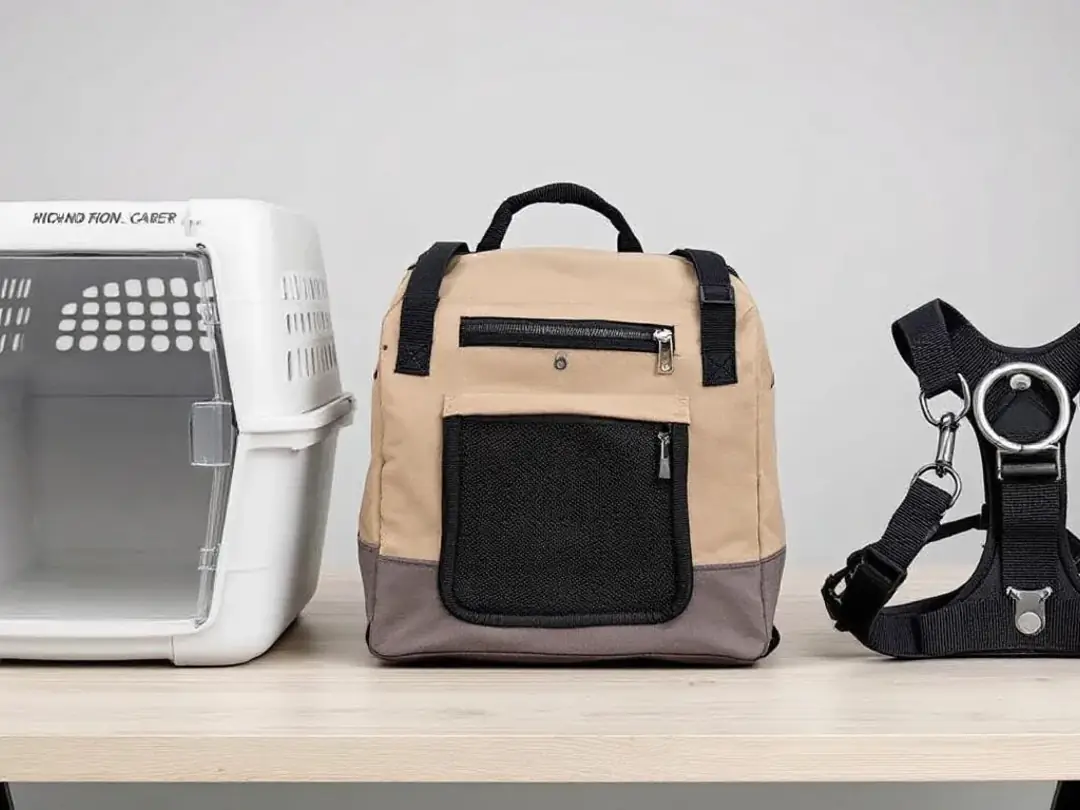
Types of Dog Car Seats and Restraints
Understanding the different restraint options helps you choose the right dog car seat for your pet's specific needs. Each type offers distinct advantages for different dog sizes, travel habits, and safety requirements.
| Restraint Type | Best For | Weight Range | Safety Level | Installation |
|---|---|---|---|---|
| Hard-Shell Crates | Maximum protection | All sizes | Highest | Complex |
| Soft Carriers | Small dogs, air travel | Under 25 lbs | High | Moderate |
| Safety Harnesses | Active dogs | 18-90 lbs | Variable | Simple |
| Booster Seats | Small dogs wanting visibility | Under 20 lbs | Low-Moderate | Simple |
Hard-Shell Crates and Kennels
Hard-shell crates represent the gold standard for pet crash protection. Products like the Gunner G1 kennel feature rotomolded plastic construction with three-point locking systems that can withstand significant impact forces. These crates create a protective shell around your dog, similar to how racing car drivers are protected by roll cages.
The Gunner kennels offer models ranging from small (suitable for dogs up to 25 pounds) to extra-large (accommodating dogs up to 90 pounds). Their double-wall construction and automotive-grade latches provide maximum protection, though they require careful measurement to ensure proper vehicle compatibility.
Pros: Maximum crash protection, suitable for large dogs, doubles as home crate, extremely durable materials Cons: Heavy weight makes removal difficult, complex installation requirements, takes up significant cargo space
Many gunner kennels and similar hard-shell options require LATCH system compatibility in your vehicle's cargo area or rear seat. The installation instructions typically specify exact positioning requirements and securing methods to achieve optimal safety performance.
Soft Carriers and Travel Pods
Soft carriers like the Diggs Travel Pet Carrier offer crash-tested protection in a more portable package. These carriers feature mesh dome designs that provide visibility while maintaining structural integrity during impact. The zippered security features ensure dogs cannot escape during travel, while storage pockets add practical convenience.
Most soft carriers accommodate small dogs and smaller dogs under 25 pounds, making them ideal for tiny dogs who need a secure space but don't require the maximum protection of hard-shell crates. Many models are airplane-compatible, offering versatility for pet owners who travel by multiple transportation methods.
The mesh construction promotes airflow, helping prevent motion sickness in dogs prone to car-related nausea. Quality soft carriers include padded interiors and washable linings that maintain a comfortable space for your pet during extended travel.
Safety Harnesses
Safety harnesses like the Sleepypod Clickit Sport represent a middle ground between maximum protection and everyday usability. These harnesses feature shock-absorbing vests that distribute crash forces across the dog's body rather than concentrating pressure on the neck or chest.
The double-loop strap systems connect directly to your vehicle's seatbelt without requiring extension tethers, which can actually increase injury risk during impact. Automotive-grade seatbelt loops ensure the connection point won't fail under stress, while the harness design allows dogs to sit, lie down, and turn around naturally.
Weight ranges vary significantly among harness models, with options available for dogs from 18 to 90 pounds. However, it's crucial to distinguish between standard walking harnesses and crash-tested safety harnesses-regular harnesses often fail catastrophically during accidents.
Important: Never use extension tethers with any harness system, as they create slack that allows dangerous momentum buildup during sudden stops.
Booster Seats
Booster seats elevate small dogs to window level, providing visibility that can reduce anxiety and motion sickness. Many booster seats attach to the vehicle's seat belt system and include integrated tethers that connect to the dog's harness.
However, safety concerns arise with booster seat placement. Dogs in booster seats are closer to side windows (increasing glass injury risk) and may be in airbag deployment zones if placed in the front passenger seat. The elevation also means greater fall distances if the restraint fails.
For tiny dogs under 15 pounds, bed-style carriers often provide better safety than traditional booster seats while still offering comfort and security. These alternatives keep dogs lower in the vehicle while providing the cozy environment that small dogs prefer.
Safety Certifications and Testing Standards
Not all "crash tested" products offer genuine protection. Understanding certification standards helps you identify truly safe products versus those that rely on marketing claims without rigorous testing.
Center for Pet Safety (CPS) Certification
The Center for Pet Safety conducts independent crash testing using automotive industry standards. Their testing protocol simulates 30 mph crashes-the speed at which most vehicle accidents occur. CPS testing measures three critical factors:
-
Excursion distance: How far the dog travels during impact
-
Structural integrity: Whether the restraint remains intact
-
Strap security: Whether attachment points hold under stress
CPS testing reveals dramatic differences between products. Many popular pet restraints fail completely, with straps breaking or hardware separating at forces far below real-world crash conditions. Currently, only a handful of products maintain CPS certification, including select Sleepypod harnesses and specific carrier models.
You can verify current CPS certified products through their official database, which provides detailed test results and safety ratings for each certified product.
What "Crash Tested" Really Means
The term "crash tested" appears on many pet products, but manufacturer testing often differs significantly from independent certification. Many companies conduct their own testing at lower speeds or with different parameters than what pets experience in real accidents.
Key warning signs of inadequate safety testing include:
-
No specification of testing speed or conditions
-
Claims without third-party verification
-
Marketing language that avoids specific safety metrics
-
Products that emphasize comfort over crash protection
True crash testing requires expensive equipment, controlled conditions, and standardized protocols. Independent testing by organizations like CPS provides manufacturer-agnostic evaluation that protects consumers from misleading safety claims.
The rigorous testing conducted by CPS has shown that proper restraint design can mean the difference between minor injuries and fatal outcomes. Their research demonstrates that crash-tested products consistently outperform non-certified alternatives across all impact scenarios.
How to Choose the Right Dog Car Seat
Selecting the right car seat requires careful consideration of your dog's physical characteristics, behavior, and your vehicle's capabilities. A systematic approach ensures you choose a restraint that provides genuine protection rather than false security.
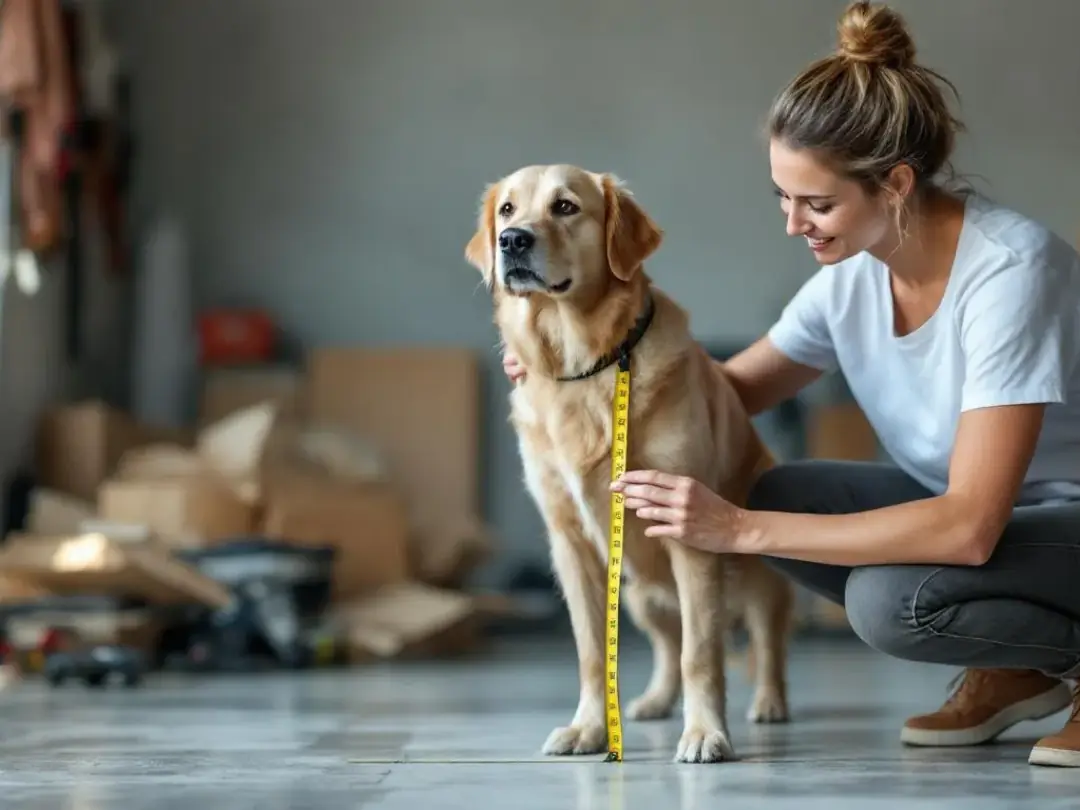
Measuring Your Dog
Accurate measurements are essential for proper fit and safety performance. You'll need four key measurements:
Length: Measure from the tip of the nose to the base of the tail while your dog is standing Height: Measure from the floor to the top of the shoulders (not the head) Weight: Use a reliable scale for precise measurement Chest girth: Measure around the widest part of the chest, just behind the front legs
For restraint selection, your dog should be able to sit, lie down, and turn around comfortably within the designated space. However, too much extra room reduces protection effectiveness by allowing excessive movement during impact.
Growth considerations matter for puppies under 12 months. Many dogs will require restraint upgrades as they mature, so factor ongoing costs into your initial purchase decision. Some modular systems offer size adjustability, though these typically compromise maximum protection for convenience.
Two fingers rule: You should be able to fit two fingers between your dog's body and any harness straps, ensuring proper fit without excessive tightness.
Vehicle Compatibility
Different restraint types require specific vehicle features for proper installation. Before purchasing any dog car seat, verify your vehicle's compatibility:
Seatbelt systems: Most harnesses and some carriers attach to standard three-point seatbelts. Check that your rear seat or cargo area has accessible seatbelt connections.
LATCH systems: Hard-shell crates and premium carriers may require LATCH anchors, which are typically found in rear seating positions. Not all vehicles have LATCH access in cargo areas.
Space requirements: Measure available space in your preferred installation location. Consider door opening widths for crate removal and passenger space impact.
Vehicle type considerations:
-
SUVs and trucks often accommodate larger crates in cargo areas
-
Sedans may limit crate size and require rear seat installation
-
Sports cars and coupes may have space limitations that affect restraint options
Dog Behavior and Comfort Factors
Your dog's temperament significantly influences restraint selection. Anxious dogs often prefer enclosed carriers that provide a safe space, while confident dogs may adapt well to harness systems that allow greater visibility.
Dogs prone to motion sickness benefit from restraints that keep them lower in the vehicle and provide good airflow. The back seat typically offers a smoother ride than cargo areas, which experience more vehicle movement.
Consider your travel frequency when selecting features. Daily commuters benefit from easy-installation harnesses, while occasional travelers might prioritize maximum protection crates despite installation complexity. Active dogs who enjoy looking out windows might prefer harness systems over enclosed carriers, provided safety isn't compromised.
Climate considerations affect material choice. Mesh carriers provide better ventilation in hot climates, while padded harnesses offer comfort during cold weather travel.
Proper Installation and Usage
Even the safest dog car seat becomes dangerous when improperly installed. Following manufacturer installation instructions precisely ensures your restraint performs as designed during an emergency.
Step-by-Step Installation Guide
For Safety Harnesses:
-
Adjust all straps to fit your dog properly before entering the vehicle
-
Secure your dog in the harness outside the car to reduce stress
-
Thread the vehicle seatbelt through the harness loops as specified
-
Ensure the seatbelt clicks securely and cannot be accidentally released
-
Check that the shoulder strap portion crosses your dog's chest properly
-
Verify no extension tethers are used-direct seatbelt connection only
-
Test the installation by gently pulling on the harness
For Crates and Carriers:
-
Position the crate according to manufacturer specifications
-
Use all required anchor points-partial installation compromises safety
-
Ensure the crate cannot slide, tip, or rotate during sudden stops
-
Check that latches are fully engaged and cannot open accidentally
-
Verify adequate ventilation and temperature control for your dog's comfort
-
Test stability by applying firm pressure to different crate sides
Pre-trip Safety Checks:
-
Inspect all straps and hardware for wear or damage
-
Confirm your dog fits comfortably without excess room
-
Check that restraint connections are tight and secure
-
Ensure your dog cannot reach forward into front seat areas
What Never to Do
Certain practices create serious safety hazards despite appearing convenient or logical:
Never use extension tethers: These create slack that allows momentum buildup, dramatically increasing injury risk during sudden stops. Direct seatbelt attachment is always safer.
Avoid collar attachment: Collars can cause severe neck injuries during impact. Always attach restraints to properly fitted harnesses that distribute forces across the dog's body.
Don't use pressure-mounted barriers: These barriers often fail during accidents, becoming projectiles themselves. Properly secured restraints are the only reliable protection method.
Never place loose carriers on seats: Unsecured carriers slide during braking and become dangerous projectiles during collisions. All restraints must be securely fastened to the vehicle structure.
Avoid front seat placement: Airbags can seriously injure dogs, and front seat distractions increase accident risk. The back seat provides optimal safety for most dogs.
Legal Requirements and Regulations
Pet restraint laws vary significantly by state, but the trend toward mandatory pet restraints continues growing as lawmakers recognize the safety risks of unrestrained animals.
Current state requirements:
-
Hawaii requires all pets to be restrained or carriers while in moving vehicles
-
New Jersey prohibits pets in the driver's lap but doesn't mandate restraints
-
Connecticut allows police to issue tickets for unrestrained pets as driving distractions
Liability considerations: Even without specific pet restraint laws, unrestrained pets can result in reckless driving citations if they cause accidents or driver distraction. Insurance companies may reduce claim payouts if unrestrained pets contribute to accident severity.
International travel: Many countries require proper pet restraints for vehicle entry. European Union standards often exceed U.S. requirements, making crash-tested restraints essential for international travel.
Police enforcement varies widely, but accident investigations increasingly consider pet restraint status when determining liability and negligence. Proper restraints demonstrate responsible pet ownership and may provide legal protection in accident scenarios.
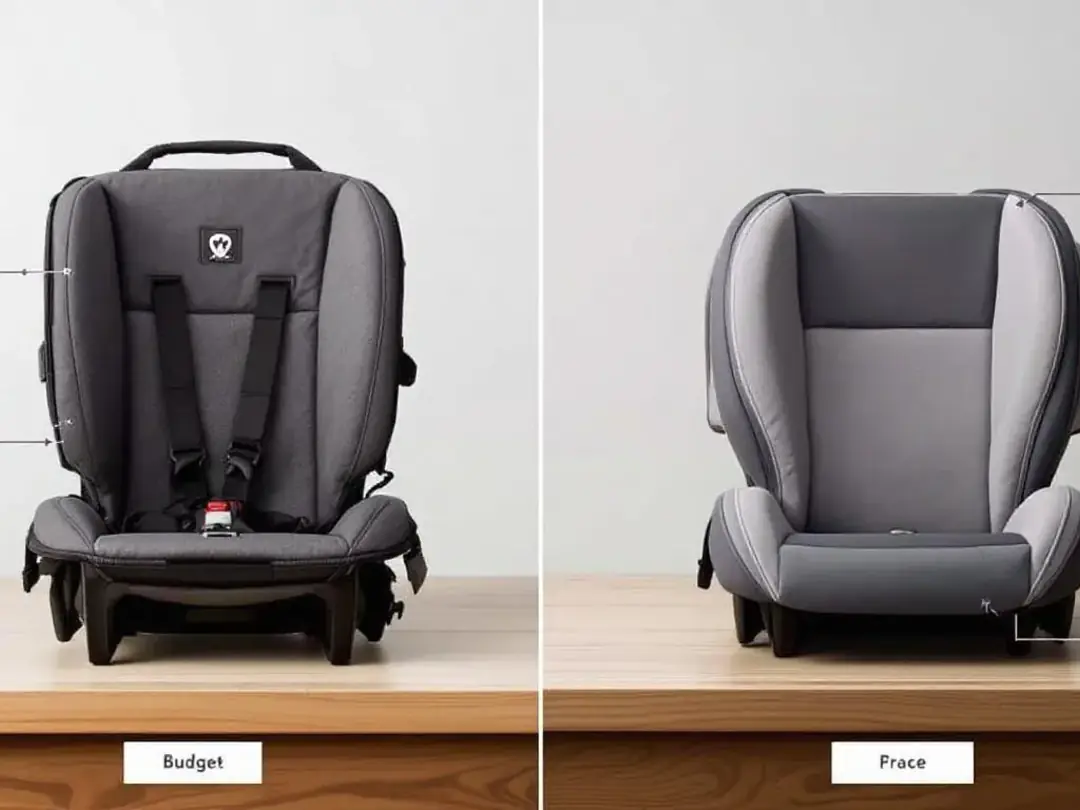
Budget Considerations and Product Recommendations
Quality pet restraints span a wide price range, but safety performance doesn't always correlate with cost. Understanding what drives pricing helps you identify genuine value versus overpriced marketing.
Budget Options Under $100
Cabela's GunDog Intermediate Kennel ($89): This CPS certified crate offers genuine crash protection at an accessible price point. The rotomolded construction and secure latching system provide safety comparable to premium models, though with fewer convenience features.
Basic CPS certified harnesses ($45-75): Select Sleepypod models offer proven crash protection without premium materials or advanced features. These harnesses prioritize safety over comfort but provide reliable protection for dogs who adapt well to restraint.
Simple soft carriers ($60-85): Entry-level crash-tested carriers suitable for small dogs offer basic protection with minimal features. These work well for occasional travel but may lack durability for frequent use.
Budget options typically sacrifice convenience features like quick-release mechanisms, premium padding, or storage pockets. However, they maintain essential safety performance when properly certified and installed.
Premium Options $100-300
Sleepypod Mobile Pet Bed ($200-250): This versatile system functions as both a car restraint and comfortable pet bed. The dual-purpose design offers premium materials, superior comfort, and proven crash protection for medium dogs.
Gunner G1 kennels ($150-300): These rotomolded crates represent the premium standard for maximum protection. Advanced features include double-wall construction, stainless steel hardware, and lifetime durability warranties. The substantial investment pays off for large dogs or frequent travelers prioritizing ultimate safety.
Diggs carriers with airline compatibility ($180-220): Premium soft carriers that meet both automotive crash standards and airline travel requirements. Advanced features include reinforced zippers, premium mesh, and integrated storage solutions.
Premium options justify higher costs through superior materials, enhanced comfort, extended warranties, and additional functionality. The long-term value becomes apparent through durability and versatility that cheaper alternatives cannot match.
Common Mistakes to Avoid
Even well-intentioned pet owners make critical errors that compromise their dog's safety. Avoiding these common mistakes can mean the difference between protection and tragedy.
Using products without CPS certification: Marketing claims about crash testing often mislead consumers. Only independently certified products provide verified protection. Always check the CPS database before purchasing any restraint system.
Choosing convenience over safety: Quick-attach systems and lightweight restraints may seem appealing, but they often sacrifice crash protection for ease of use. The most convenient restraint is worthless if it fails during an accident.
Improper sizing leading to inadequate protection: A restraint that's too large allows dangerous movement during impact, while one that's too small causes discomfort and may fail. Precise measurement and proper fit are essential for safety performance.
Skipping installation instructions: Many pet owners attempt installation based on assumptions rather than manufacturer specifications. Improper installation can cause restraint failure even with high-quality products. Always follow detailed installation instructions and perform safety checks.
Using homemade or modified restraint systems: DIY restraints and modifications to commercial products typically fail during accidents. Engineering safe restraints requires specialized knowledge and testing that individual pet owners cannot replicate.
Trusting wrong size selections: Pet stores and online retailers sometimes recommend restraints based on general guidelines rather than specific measurements. Always verify sizing independently and prioritize your dog's actual measurements over breed generalizations.
Mixing incompatible components: Using harnesses with wrong seatbelt types, adding unauthorized extensions, or combining products from different manufacturers can create dangerous failure points. Use complete systems as designed by manufacturers.
FAQ
Can I use the same restraint for multiple dogs?
Most restraints are designed for single-dog use. Sharing restraints between dogs of different sizes compromises fit and safety. However, some families successfully share properly-sized restraints between dogs of similar dimensions, provided each dog has adequate individual space and the restraint maintains proper fit for both animals.
What's the difference between dog car seats and child car seats?
Dog car seats account for different anatomy, behavior, and positioning requirements. Dogs sit differently than children, have different center-of-gravity considerations, and require restraint systems that accommodate natural movement patterns. Child seats are not appropriate for dogs and vice versa.
How often should I replace my dog's car restraint?
Replace restraints after any accident, regardless of visible damage. Otherwise, inspect restraints regularly for wear, especially stitching, hardware, and attachment points. Most quality restraints last 3-5 years with normal use, though exposure to extreme temperatures or UV light may accelerate deterioration.
Can cats use dog car restraints?
Many small dog restraints work well for cats, particularly enclosed carriers that provide security and reduce anxiety. However, cats require different harness designs due to their unique anatomy. Always verify size compatibility and consider cat-specific behavioral needs when selecting restraints.
What should I do if my dog refuses to use the restraint?
Gradual acclimation helps most dogs accept restraints. Start with short periods in stationary vehicles, rewarding calm behavior with treats and praise. Gradually increase duration and add vehicle movement. Some anxious dogs benefit from calming aids or consultation with veterinary behaviorists. Never compromise safety by skipping restraints due to initial resistance.
Are expensive restraints always safer than budget options?
Price doesn't guarantee safety-certification does. Some budget restraints offer excellent crash protection, while expensive products may emphasize comfort over safety. Always prioritize CPS certification and proven crash performance over price or brand prestige. However, premium restraints often provide better durability and comfort for frequent travelers.
Conclusion
Choosing the right dog car seat requires balancing safety, comfort, and practicality for your specific situation. Prioritize crash-tested certification, proper sizing, and correct installation over convenience features or cost savings. Your best friend deserves protection that performs when it matters most-during those critical seconds when proper restraint can save their life and yours.
Remember that pet safety technology continues evolving, with new products earning certification regularly. Stay informed about advances in pet restraint systems, and don't hesitate to upgrade when better options become available. The investment in your pet's safety pays dividends in peace of mind every time you travel together.
Related Resources
More Dog Travel and Lifestyle Guides
If you travel often with your dog, these related guides may help with comfort, enrichment, and everyday routines.


