


Watching your dog breathe rapidly while sleeping can trigger immediate concern, especially during those quiet nighttime hours when every sound seems amplified. As a pet owner, you naturally want to ensure your furry companion is comfortable and healthy, but distinguishing between normal sleep breathing patterns and signs requiring veterinary attention isn't always straightforward.
Most dogs experience variations in their breathing during different sleep phases, and fast breathing while sleeping often represents completely normal physiological processes. However, certain patterns and accompanying symptoms can signal underlying health conditions that warrant professional evaluation. Understanding these differences empowers you to provide appropriate care while avoiding unnecessary anxiety about benign sleep behaviors.
This comprehensive guide examines normal sleeping respiratory patterns, identifies concerning warning signs, and provides practical monitoring techniques to help you make informed decisions about your dog's breathing health.
If you are monitoring unusual breathing, you may also find our guides on why is my dog shaking, dog barking at night, and do dogs have a sense of time helpful as well.
Is Fast Breathing During Sleep Normal for Dogs?
Understanding your dog's normal respiratory rate provides the foundation for recognizing when fast breathing becomes concerning. A typical healthy dog maintains a breathing rate between 15-30 breaths per minute during sleep, though this range can vary based on several factors including age, size, and breed characteristics. Knowing your dog's normal respiratory rate and your pet's normal respiratory rate at rest is important, as it allows you to compare and identify any abnormal changes that may indicate a health issue.
The REM sleep phase causes naturally increased breathing due to vivid dreams and heightened brain activity. During these periods, your dog may breathe faster and this is considered normal panting. This increased breathing rate may temporarily exceed their baseline, often accompanied by visible muscle twitches, soft vocalizations, or gentle leg movements. This represents normal neurological activity rather than respiratory distress.
Puppies and senior dogs may breathe slightly faster during sleep compared to healthy adult dogs. Young animals have higher metabolic rates that naturally increase their respiratory demands, while older dogs may experience age-related changes affecting their normal breathing patterns. However, dramatic increases beyond typical ranges still warrant attention regardless of age.
Brief episodes lasting 1-2 minutes during sleep cycles are typically harmless, especially when the dog is breathing normally and appears comfortable upon waking. These temporary increases often correlate with dream activity and resolve spontaneously as the sleep cycle progresses into deeper, more stable phases.
Common Causes of Fast Breathing While Sleeping
Active dreaming during REM sleep phases represents the most common cause of temporary rapid breathing in dogs. During these vivid dream episodes, dogs may exhibit increased respiratory effort alongside other physical manifestations like twitching paws, leg movements, and soft barks. This neurological activity reflects normal brain function and typically requires no intervention.
Room temperature significantly impacts your dog's breathing patterns during sleep. When environmental temperatures exceed 75°F, dogs may breathe fast as a natural response to heat or after exercise. Rapid breathing helps dogs regulate their body temperature and return to a normal temperature after activity or overheating. Unlike humans, dogs lack efficient sweat glands and primarily regulate their body temperature through panting and increased respiratory effort.
Sleeping position can affect airway patency, particularly in brachycephalic dog breeds with anatomically compressed airways. Dogs sleeping in positions that compromise their upper respiratory tract may unconsciously increase their breathing rate to maintain adequate oxygenation. This positional effect often resolves when the dog naturally adjusts their position during sleep.
Recent physical activity or excitement before bedtime frequently causes residual increases in respiratory rate that may persist into early sleep phases. Dogs that have been actively playing, exercising, or experiencing stimulating events may require additional time for their circulatory system to return to resting baseline levels.
Anxiety or stress from environmental changes can manifest as increased breathing rates, even during sleep. Dogs experiencing separation anxiety, household disruptions, or other psychological factors may exhibit persistent respiratory changes that reflect their emotional state rather than physical illness.

When Fast Sleeping Breathing Becomes Concerning
Persistent breathing over 40 breaths per minute throughout sleep indicates potential respiratory distress requiring professional evaluation. While brief increases during REM phases are normal, sustained elevated rates suggest underlying health conditions affecting the dog's ability to maintain adequate oxygenation during rest. Breathing rapidly or breathing abnormally fast during sleep may indicate a problem and should not be ignored.
Labored or struggling breathing sounds during rest represent clear warning signs distinguishing abnormal breathing from normal sleep variations. Dogs experiencing respiratory distress may exhibit noticeably labored breathing with increased respiratory effort, straining of stomach muscles, or unusual respiratory sounds indicating airway compromise. Breathing heavily or heavy breathing can also be a sign of respiratory distress and warrants close monitoring.
Open-mouth breathing or excessive drooling while sleeping typically signals respiratory difficulty, as healthy dogs normally breathe through their noses during sleep. Open mouthed breathing during rest often indicates the dog is working harder to obtain sufficient oxygen, potentially due to upper respiratory tract obstruction or other breathing difficulties. Fast or heavy breathing, especially if the dog is not acting normal, should prompt concern and may require veterinary attention.
Blue or pale gums visible during sleep breathing episodes constitute medical emergencies requiring immediate veterinary attention. This discoloration indicates severe oxygen deprivation that can rapidly progress to life-threatening complications without prompt intervention and oxygen therapy.
Frequent waking due to breathing difficulties disrupts normal sleep patterns and often indicates the dog is experiencing respiratory distress severe enough to interrupt rest. Trouble breathing during sleep can disrupt rest and is a sign to seek veterinary attention. Dogs that consistently wake themselves due to breathing issues require thorough veterinary evaluation to identify and address the underlying cause.
High-Risk Breeds and Special Considerations
Brachycephalic dog breeds including Pugs, Bulldogs, Boston Terriers, and Boxers require closer monitoring due to their anatomically compromised airways. These flat-faced breeds have narrowed airways making sleep breathing more challenging, and distinguishing normal breathing from pathological patterns can be particularly difficult in these populations. Pet owners should ensure these dogs are closely monitored for any signs of developing breathing issues, as they are especially prone to respiratory problems that may require prompt attention.
The compressed upper respiratory tract anatomy in brachycephalic breeds creates baseline breathing challenges that may worsen during sleep when muscle tone naturally decreases. These dogs often exhibit what appears to be fast breathing that may actually represent their normal respiratory effort required to maintain adequate ventilation through restricted airways.
Overweight dogs of any breed show increased breathing effort during sleep as excess body weight places additional demands on their respiratory and circulatory systems. Maintaining optimal body weight through proper diet and exercise significantly reduces respiratory stress and improves overall breathing patterns during rest.
Senior dogs over 8 years old may develop age-related breathing changes including decreased lung elasticity, cardiac function decline, or other systemic conditions affecting respiratory efficiency. Regular monitoring becomes increasingly important as dogs age, particularly for detecting early signs of heart disease or other conditions commonly affecting older animals.
Small toy breeds such as Chihuahuas and Yorkshire Terriers can have naturally faster baseline rates compared to larger dogs, making it essential to establish individual normal ranges rather than relying solely on general guidelines. These breeds may also be at higher risk for certain respiratory conditions including collapsing trachea.

How to Monitor Your Dog's Sleep Breathing
Accurate monitoring requires counting breaths for 30 seconds and multiplying by two to determine the breathing rate per minute. This measurement should be taken while your dog is in deep sleep, avoiding periods of obvious dreaming or recent activity that might artificially elevate the count. Monitoring your dog's breaths and knowing your dog's breathing rate is important for pet owners, as it helps detect abnormalities in respiratory patterns early.
Observe chest rise and fall movements while the dog is in deep sleep, ensuring you're counting complete respiratory cycles rather than partial movements. Each complete breath includes both inhalation and exhalation, and consistent counting technique helps establish reliable baseline measurements for your individual pet.
Note frequency and duration of fast breathing episodes to identify patterns that may indicate underlying issues. Brief episodes lasting 1-2 minutes during obvious dream periods differ significantly from sustained increases lasting 10 minutes or longer, and documenting these patterns helps veterinarians assess the clinical significance.
Record any accompanying symptoms like sounds, movements, or distress signs to provide comprehensive information for veterinary evaluation. Details about concurrent coughing, restlessness, unusual positioning, or behavioral changes help differentiate normal variations from pathological breathing patterns.
Taking videos to show your veterinarian can be particularly valuable when abnormal patterns are intermittent or difficult to describe. Visual documentation allows professionals to assess breathing patterns, respiratory effort, and associated behaviors that may not be apparent during routine examinations.
Immediate Steps to Take
Ensure the sleeping area is cool (68-72°F) and well-ventilated to eliminate environmental factors that might contribute to increased breathing rates. Proper air circulation and temperature control often resolve fast breathing related to thermal regulation, particularly in dogs sensitive to environmental conditions.
Check for obvious obstructions around the nose and mouth area, including bedding, toys, or other items that might impede normal airflow. Even minor airway restrictions can cause dogs to increase their breathing effort, and removing these obstacles often provides immediate relief.
Gently wake your dog if breathing appears severely labored or if you observe signs of distress. Most dogs experiencing normal REM-related fast breathing will return to normal respiratory patterns within minutes of waking, while those experiencing true respiratory distress may continue breathing abnormally even when awake.
Move your dog to a cooler, quieter location if environmental factors are suspected contributors to the breathing changes. This intervention helps determine whether external conditions are influencing respiratory patterns and often provides immediate improvement when environmental causes are identified.
Avoid giving food or water if respiratory distress is evident, as compromised breathing can increase aspiration risks. Dogs experiencing genuine breathing difficulties should be kept calm and comfortable while preparing for veterinary evaluation rather than being offered substances that might complicate their condition.
When to Contact Your Veterinarian
Fast breathing that persists for more than 10 minutes after waking indicates potential underlying health conditions requiring professional assessment. While normal REM-related increases resolve quickly upon waking, sustained elevations suggest medical issues affecting respiratory function that warrant thorough evaluation. A veterinarian will diagnose the cause of your dog's fast breathing through a careful review of medical history, physical examination, and diagnostic testing when needed.
Dogs showing signs of distress, anxiety, or discomfort upon waking from episodes of fast breathing require veterinary attention to rule out pain or other conditions causing sleep disruption. Healthy dogs typically wake refreshed and comfortable, while those experiencing medical issues may show continued signs of discomfort.
Breathing rates consistently exceeding 35 breaths per minute during sleep, especially when accompanied by other symptoms, indicate the need for professional evaluation. These sustained elevations often signal respiratory or cardiac conditions requiring medical management to prevent deterioration.
Any blue discoloration of gums, tongue, or inner eyelids represents a medical emergency requiring immediate veterinary care. This cyanosis indicates severe oxygen deprivation that can rapidly progress to life-threatening complications without prompt oxygen therapy and medical intervention.
Sudden changes in normal sleep breathing patterns, particularly in dogs with previous medical issues, warrant veterinary consultation to assess for disease progression or new conditions. Established baseline patterns make deviations more clinically significant and easier to identify as abnormal.
Fast breathing accompanied by loss of appetite, lethargy, or behavioral changes suggests systemic illness rather than isolated sleep phenomena. These concurrent symptoms often indicate underlying conditions such as respiratory infections, heart disease, or other medical issues requiring comprehensive evaluation and treatment.

Veterinary Diagnosis and Evaluation
Complete physical examination focusing on the heart, lungs, airway, neck, and head provides essential baseline information for dogs presenting with breathing concerns. Veterinarians assess heart rate, rhythm, and lung sounds while evaluating for signs of respiratory distress, heart disease, or airway obstruction that might explain abnormal breathing patterns.
Chest X-rays reveal crucial information about lung tumors, fluid accumulation, heart size, and structural abnormalities that may not be apparent during physical examination. These diagnostic images help veterinarians identify conditions such as pneumonia, heart enlargement, lung disease, or broken ribs that may contribute to your dog's fast breathing.
Blood tests evaluate oxygen levels, red blood cell count, and organ function to assess the body's ability to transport and utilize oxygen effectively. These laboratory studies can identify anemia, respiratory infections, or other systemic conditions contributing to increased respiratory effort during sleep. Blood tests can also help identify an underlying health condition that may be causing breathing issues.
Echocardiogram assessment becomes necessary when heart problems are suspected as the underlying cause of breathing changes. This ultrasound evaluation provides detailed information about cardiac structure and function, helping to diagnose conditions such as heart disease that frequently cause respiratory symptoms in dogs.
Sleep study monitoring in severe cases allows comprehensive assessment of breathing patterns throughout complete sleep cycles. This specialized monitoring helps differentiate normal sleep-related breathing variations from pathological patterns requiring specific medical intervention.
Treatment Options for Sleep Breathing Issues
Fast breathing in dogs can have many causes, including respiratory problems, stress, or underlying diseases. The right treatment depends on the underlying issue, and a thorough veterinary diagnosis is essential to determine the best course of action.
Environmental modifications including temperature control and air purifiers often provide significant improvement for dogs whose breathing issues stem from environmental factors. Maintaining optimal sleeping conditions with proper ventilation, appropriate temperature, and clean air can resolve many cases of sleep-related breathing difficulties.
Weight management programs for overweight dogs frequently result in dramatic improvements in breathing patterns during sleep and activity. Controlled weight reduction through proper diet and exercise reduces strain on the respiratory and circulatory systems, often eliminating breathing difficulties related to excess body weight.
Anti-anxiety medications may benefit dogs whose breathing changes stem from stress or anxiety rather than physical illness. These medications help address underlying psychological factors contributing to respiratory changes, though they should only be used under veterinary supervision as part of comprehensive behavioral modification programs. In cases where a dog's breathing difficulties are related to anxiety or stress, consulting a certified dog behaviorist may be recommended to provide specialized behavioral intervention.
Oxygen therapy provides critical support for dogs with respiratory compromise while addressing underlying conditions. This treatment helps maintain adequate tissue oxygenation in dogs with severe breathing difficulties, often serving as a bridge therapy while other treatments take effect. Dogs with severe breathing difficulties may also require intravenous fluids and pain relief as part of their care.
Surgical correction for severe brachycephalic airway syndrome can dramatically improve breathing in flat-faced breeds experiencing significant respiratory compromise. These procedures address anatomical abnormalities contributing to breathing difficulties, though they require careful patient selection and specialized surgical expertise.
Pain relief becomes necessary when underlying conditions cause discomfort that manifests as abnormal breathing patterns. Effective pain management can restore normal sleep breathing in dogs whose respiratory changes result from injury, arthritis, or other painful conditions affecting their comfort during rest.
Prevention and Long-term Management
Maintaining optimal body weight through proper diet and exercise represents one of the most effective prevention strategies for breathing difficulties in dogs. Regular body condition scoring helps prevent weight-related respiratory compromise that commonly develops gradually over time.
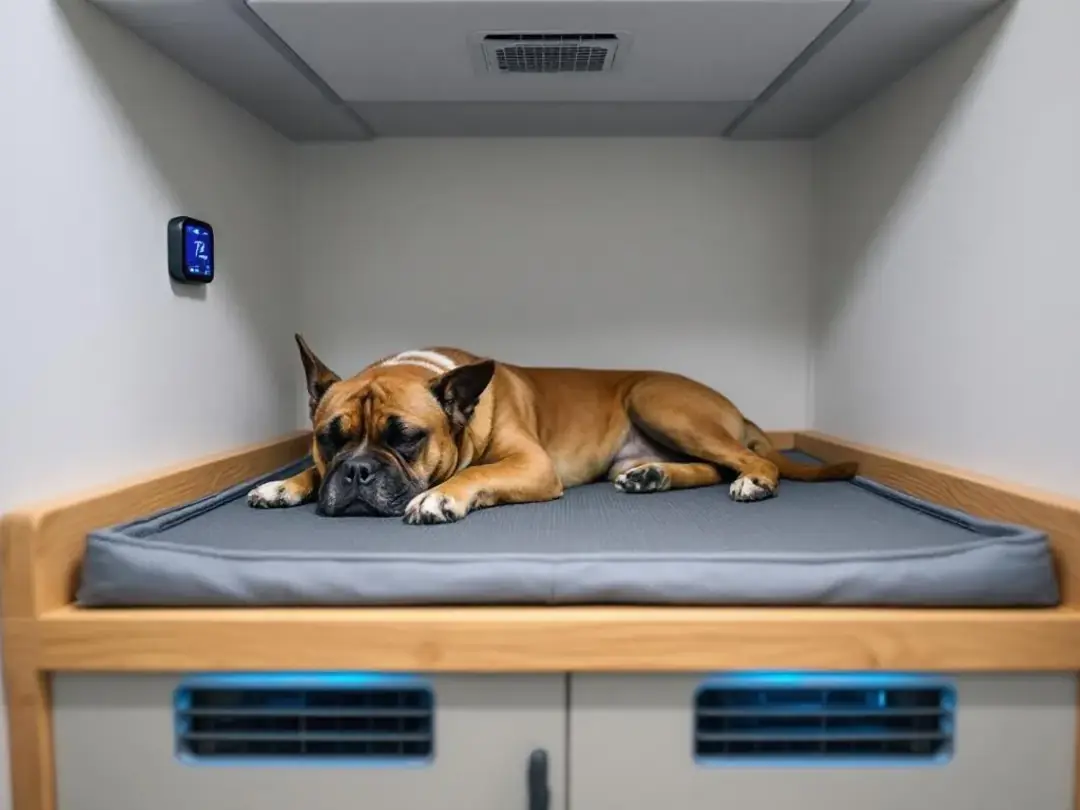
Creating consistent, comfortable sleeping environments supports healthy respiratory patterns and quality rest for all dogs. This includes maintaining appropriate temperature, providing adequate ventilation, and ensuring sleeping areas remain free from irritants or allergens that might compromise breathing.
Regular veterinary check-ups every 6-12 months enable early detection of conditions that commonly cause breathing changes before they become severe. These preventive examinations allow veterinarians to monitor for heart disease, respiratory infections, and other conditions that frequently develop gradually in aging dogs.
Monitoring for seasonal changes that may affect breathing patterns helps identify environmental triggers or conditions that worsen during specific times of year. Dogs with allergies, asthma, or other respiratory conditions may require adjusted management strategies during high-risk seasons.
Keeping detailed logs of breathing patterns provides valuable reference information for veterinary consultations and helps track the effectiveness of treatment interventions. Regular documentation of your dog's normal respiratory rate and any changes helps establish patterns that might not be apparent during brief veterinary visits.
Consider elevated sleeping surfaces for brachycephalic breeds to improve airway positioning during sleep and reduce respiratory effort. These modifications can significantly improve breathing comfort for flat-faced dogs while reducing the risk of sleep-related breathing difficulties.
Disclaimer
This content is for general educational purposes only and does not constitute medical advice regarding your dog's condition. The information provided is intended for screening topics and at-home monitoring rather than diagnosis or treatment plans. If you are concerned about your dog's breathing or overall health, contact your veterinarian promptly for proper evaluation. Breathing difficulties can indicate serious underlying conditions requiring immediate professional attention, and this article should not delay appropriate veterinary care when breathing abnormalities are observed.
Related Resources
More Dog Health and Behavior Guides
If you are monitoring unusual breathing, nighttime behavior, or other changes, these related guides may help.


