
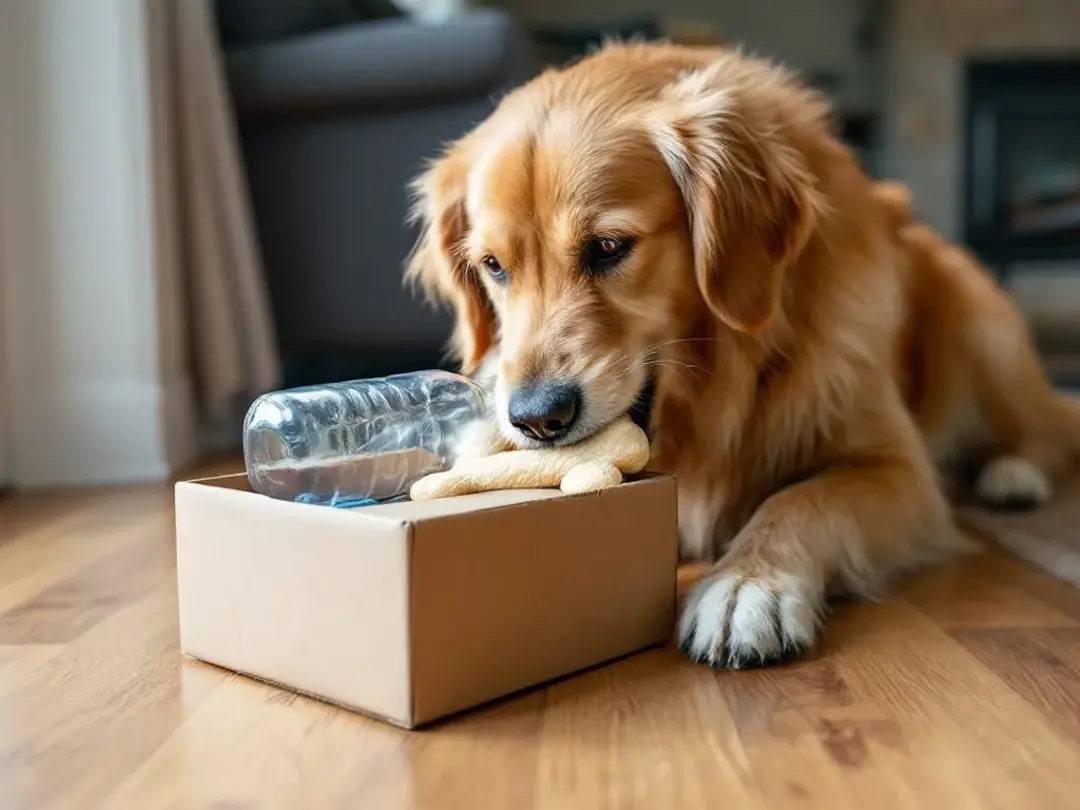

Your dog stares at you with those expectant eyes, clearly bored and ready for trouble. Instead of reaching for another expensive dog toy that might last a week, what if you could create engaging diy dog puzzle toys from household items already in your house?
Mental stimulation is just as important as physical exercise for your furry friend. When dogs lack proper mental exercise, they often turn to destructive behavior like chewing furniture, excessive barking, or digging up your garden. The good news? You can provide mental stimulation and keep your dog occupied with simple DIY projects that cost pennies compared to store-bought puzzle toys.
Let's explore practical dog enrichment ideas that will challenge your dog's mind, slow down fast eaters, and provide hours of entertainment using items from your recycling bin and around your home.
If you are building a better enrichment routine at home, you may also want to read our guides on how to entertain a puppy, how to tire out a puppy, and how to socialize a puppy.
Why DIY Dog Puzzle Toys Are Essential for Your Pet
Mental stimulation prevents destructive behaviors like chewing furniture and digging. When your dog's brain isn't challenged, boredom sets in quickly. A mentally stimulated dog is a well-behaved dog. Puzzle toys redirect that energy into problem solving rather than unwanted behaviors.
Homemade puzzle toys cost 80% less than store-bought alternatives that often break easily. Commercial dog puzzles can range from $15-50, while most diy dog puzzle projects use materials you already have or can grab for under $5. Plus, when cardboard gets destroyed, you simply make another one.
Custom-made toys fit your dog's specific size, skill level, and preferences perfectly. Small dog owners know the frustration of buying toys designed for larger pups. With DIY projects, you control every aspect-from hole size in a treat dispenser to the difficulty level of hiding treats.
Interactive feeding slows down fast eaters and promotes healthier digestion. Dogs who gobble their kibble benefit enormously from puzzle feeders that make them work for each bite. This prevents bloating and encourages natural foraging behaviors.
Puzzle toys provide indoor entertainment during bad weather or quarantine periods. When walks get canceled due to rain or snow, mental enrichment activities become essential for maintaining your dog's well-being and preventing cabin fever.
Simple 5-Minute DIY Puzzle Toys
Toilet Paper Roll Treat Dispensers
Transform empty toilet paper rolls into engaging treat dispensers with this foolproof method. Start by ensuring the cardboard tube is clean and free of adhesive residue.
Fill the tube with your dog's favorite treats or kibble, leaving about half an inch of space at each end. Fold both ends of the tube inward to create flaps that seal the treats inside. For beginner dogs, fold just one end and leave the other open for easier access.
For paper towel roll dispensers suited to larger dogs, cut the roll in half first, then follow the same stuffing and folding technique. The longer tube provides more challenge and accommodates bigger treats.
Safety reminder: Always watch your dog with cardboard toys. Dogs who tend to eat non-food items should only use these puzzles under supervision. Remove any large pieces of chewed cardboard to prevent ingestion.
Muffin Tin Shell Game
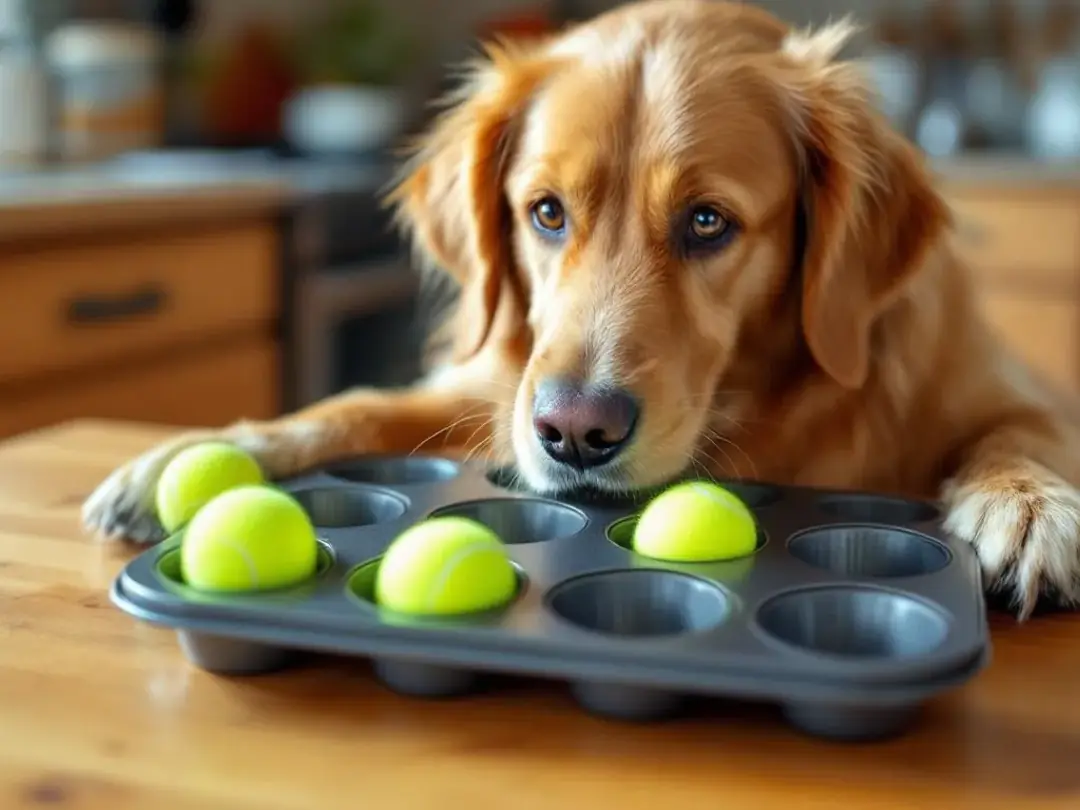
This classic diy puzzle toy requires just a standard 12-cup muffin tin and tennis balls. Place a dog treat in several of the tin's cups, then cover each filled cup with a tennis ball. Start with treats visible in uncovered cups so your dog understands the game.
Progressive training works best with the muffin tin puzzle. Begin by placing treats in all 12 cups without any tennis ball covers. Once your dog masters finding treats in every cup, cover 3-4 cups with balls. Gradually increase the number of covered cups while reducing the number that actually contain treats.
For small dog breeds, use ping pong balls instead of tennis balls to ensure proper fit in the muffin tin cups. Large dogs might need a jumbo muffin tin with correspondingly larger balls to prevent choking hazards.
Watch your dog figure out they need to remove the ball to access the treat underneath. This simple puzzle provides both mental exercise and satisfying problem solving for dogs of all skill levels.
Towel Roll-Up Puzzle
Clean kitchen towels become instant puzzle toys with this technique. Lay a towel flat and sprinkle your dog's favorite treats across the surface, leaving space between each treat. Starting from one end, roll the towel loosely, creating pockets where treats can hide.
For increased difficulty, layer multiple towels with treats between each layer before rolling. Tie a loose knot in the middle of the rolled towel to secure it and extend playtime. Your dog will need to paw, nose, and manipulate the fabric to access hidden treats.
Choose towels made from natural fibers when possible, avoiding synthetic materials that might be harmful if small pieces are ingested. Older towels work perfectly for this project since they're likely destined for the rag bin anyway.
Intermediate DIY Projects (15-30 Minutes)
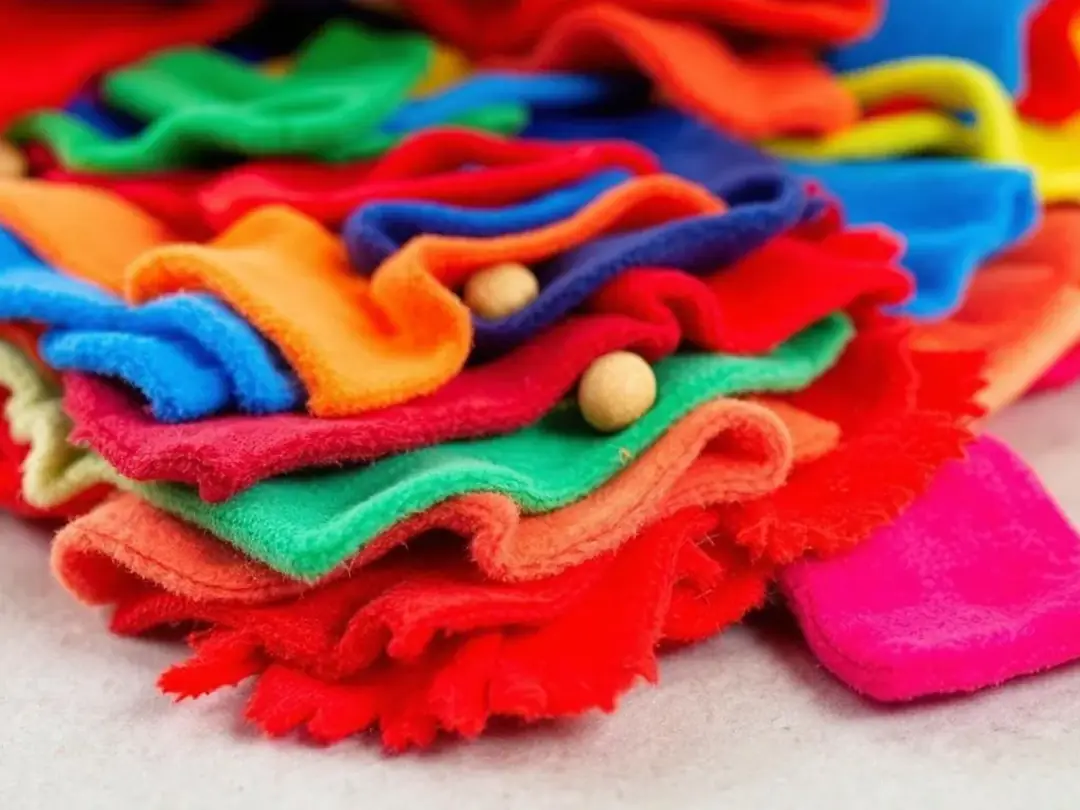
Create a professional-quality snuffle mat using a rubber sink mat with holes and fleece strips. Cut fleece fabric into 8-inch strips, ensuring consistent width for even coverage. Choose multiple colors to make an attractive finished product.
Fleece Snuffle Mat
Thread each fleece strip through adjacent holes in the sink mat, pulling both ends to the same side. Tie the ends together with a simple knot, creating a loop that stands upright. Continue this process across the entire mat, spacing strips closely together to create a dense foraging surface.
The completed mat mimics grass where you can hide treats, encouraging natural sniffing and foraging behaviors. This type of puzzle induces deep breathing and provides calming mental stimulation for anxious dogs.
Wash the snuffle mat in cold water and air dry to maintain the fleece integrity. With proper care, a homemade snuffle mat lasts months of regular use while providing ongoing dog enrichment.
Plastic Bottle Treat Dispenser
Empty water bottles become engaging puzzle toys with strategic hole placement. Select bottles made from thicker plastic that won't create sharp edges when cut. Remove all labels and adhesive residue before starting.
Use scissors to cut holes slightly larger than your dog's kibble or small treats. Space holes randomly around the bottle to create unpredictable treat dispensing. Fill the bottle partway with treats and replace the cap securely.
For added challenge, hang the bottle from rope tied between chair legs, allowing it to spin and move as your dog paws at it. This creates both mental and physical exercise as your pup works to release treats.
Always supervise dogs who might chew plastic. Remove the bottle immediately if you notice your dog trying to eat pieces rather than just manipulating it for treats.
Cardboard Box Destruction Puzzle
Transform clean boxes from your recycling bin into exciting destruction puzzles. Start with appropriately sized boxes-shoeboxes for small dogs, cereal boxes for medium dogs, and large shipping boxes for big pups.
Layer crumpled paper inside the box, hiding treats throughout the layers. Add empty toilet paper tubes stuffed with treats for extra complexity. Seal the box with tape, then cut a few small holes to give your dog starting points.
This puzzle satisfies natural tearing and shredding instincts while providing mental stimulation. The destruction process itself becomes part of the enrichment activity. Clean up is simple-just toss everything in your recycling bin when finished.
Scale the challenge by using smaller boxes nested inside larger ones, creating multiple layers your dog must work through to find all hidden treats.
Advanced DIY Projects (1+ Hours)
This durable puzzle requires basic tools but creates a long-lasting enrichment toy. Purchase a 4-inch diameter PVC pipe from any hardware store, along with two end caps and a drill with a 1/2-inch bit.
PVC Pipe Treat Roller
Measure and mark hole locations along the pipe's length, spacing them 3-4 inches apart in a random pattern. Drill holes just large enough for treats to fall through when the pipe rolls. Sand all rough edges smooth to prevent injury.
Attach one end cap permanently with PVC cement, leaving the other cap removable for refilling. Fill the pipe with kibble or treats, then secure the removable cap. As your dog rolls the pipe with paws or nose, treats dispense gradually through the holes.
This puzzle provides extended entertainment and works especially well for high-energy dogs who need longer mental challenges.
Wooden Puzzle Feeder Box
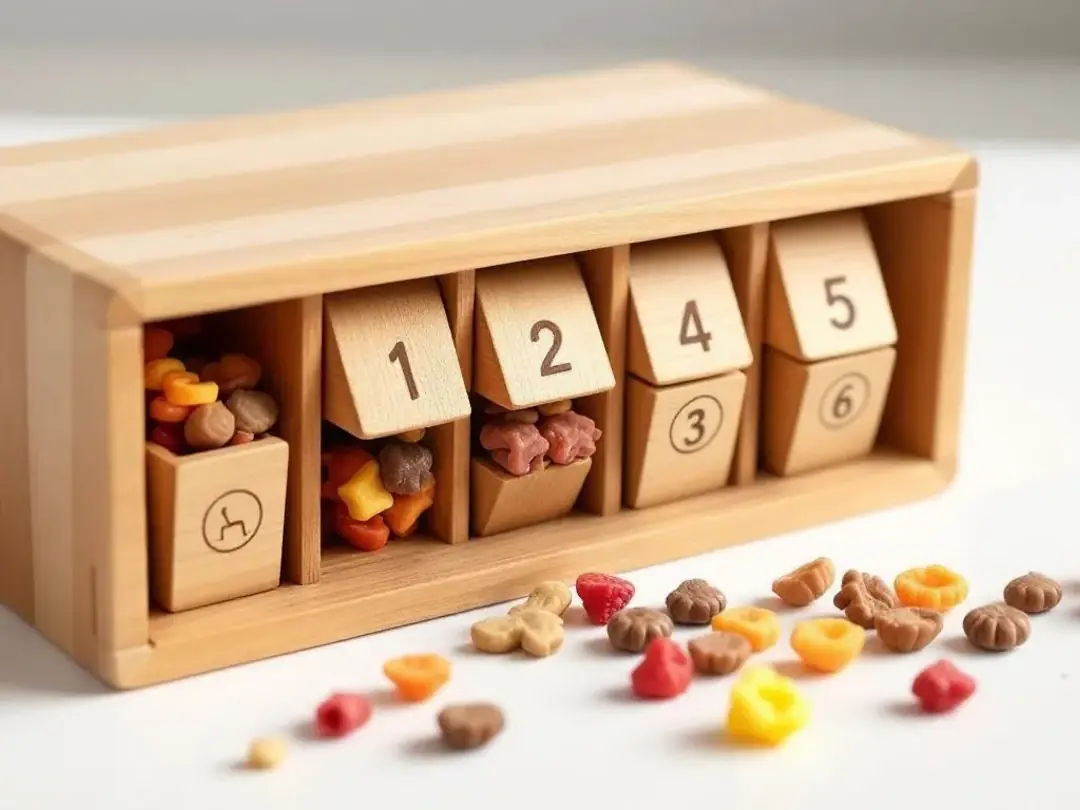
Basic woodworking skills create a beautiful, permanent feeding puzzle. Cut a wooden box with multiple compartments using plywood and simple tools. Design sliding panels that cover treat compartments, requiring your dog to manipulate them open.
Sand all surfaces smooth and apply pet-safe wood finish if desired. Create varying difficulty levels by making some panels easier to slide than others. Size compartments appropriately for your dog's paw size and treat preferences.
This project requires more time and skill but results in a professional-quality puzzle feeder that can be used daily for years. Customize the design to match your home's décor while providing ongoing mental enrichment.
Creative Food-Based Puzzles
Frozen Kong recipes provide extended chewing satisfaction while keeping dogs mentally engaged. Mix peanut butter with mashed banana and plain yogurt, stuff into Kong toys, and freeze overnight. The freezing process extends the puzzle duration and provides cooling relief during hot weather.
Ice cube treat puzzles work wonderfully for summer enrichment. Fill ice cube trays with low-sodium broth or plain water, adding small treats to each cube before freezing. Pop out the cubes and let your dog lick and chew them outside for refreshing mental stimulation.
Cabbage leaf wrapping creates edible puzzle containers. Remove outer cabbage leaves, place treats inside, and wrap like a present. The edible wrapper becomes part of the puzzle, satisfying natural tearing instincts while providing healthy vegetables.
Sweet potato rope toys combine nutrition with puzzle fun. Dehydrate sweet potato rounds until leathery, then thread onto natural fiber rope with knots between each piece. Your dog must manipulate the rope to access each sweet potato treat.
Grass scattering transforms regular feeding into outdoor foraging games. Simply toss your dog's daily kibble across a clean grass area, encouraging natural sniffing and hunting behaviors. This works especially well for dogs with strong prey drives.
Safety Guidelines for DIY Dog Puzzle Toys
Material safety requires careful consideration of everything your dog might ingest. Avoid toxic glues, paints containing lead, and any materials with small parts that could cause choking. Stick to food-grade materials when possible, especially for puzzle toys involving direct food contact.
Supervision requirements vary based on your dog's chewing habits and size. Dogs who tend to eat non-food items need constant watching during puzzle play. Heavy chewers should only use indestructible materials like thick rope or hardwood.
Establish a regular inspection schedule for all homemade toys. Check weekly for wear, loose parts, or sharp edges that could develop over time. Replace cardboard puzzles immediately when they become soggy or torn into large pieces.
Emergency procedures should be established before introducing any new puzzle toy. Know your veterinary emergency contact information and basic signs of intestinal blockage. When in doubt, remove the toy and consult your vet.
Age-appropriate modifications ensure safe play for all life stages. Puppies need softer materials and larger pieces they can't swallow. Senior dogs might struggle with puzzles requiring significant physical manipulation, so focus on scent-based challenges instead.
Getting Started: Introducing Your Dog to Puzzle Toys
Assessment of your dog's current skill level prevents frustration and builds confidence. Start by observing how your dog approaches their regular food bowl. Fast eaters often excel at food-dispensing puzzles, while cautious eaters might prefer stationary puzzles.
Progressive difficulty training ensures success at every stage. Begin with treats visible and easily accessible-literally just scattered on top of a towel. Once your dog understands they should search for food, gradually increase hiding complexity.
Troubleshooting common problems keeps puzzle time positive. If your dog loses interest quickly, the puzzle might be too difficult. If they become frustrated and destructive, simplify the challenge or take a break. Some dogs need several short sessions to understand new puzzle concepts.
Timing recommendations optimize the puzzle experience. Most dogs focus best for 15-20 minutes at a time. Schedule puzzle sessions when your dog is hungry but not desperately so-slightly before regular meal times works perfectly.
Rotation strategy prevents boredom with familiar puzzles. Store several different puzzle types and rotate them weekly. This keeps the mental challenge fresh while allowing you to observe which puzzle styles your dog prefers.
Cost Comparison and Benefits
Price breakdown reveals significant savings compared to commercial alternatives. A basic cardboard puzzle costs under $1 in materials versus $15-25 for similar store-bought toys. Even advanced PVC projects rarely exceed $10 in materials while commercial equivalents often cost $30-50.
Environmental benefits multiply when you upcycle household items destined for the recycling bin. Toilet paper tubes, cardboard boxes, and plastic bottles get second lives as enrichment toys instead of immediate waste. This approach reduces environmental impact while saving money.
Customization advantages become apparent when working with special needs dogs. Blind dogs benefit from scent-heavy puzzles rather than visual challenges. Arthritic seniors need low-impact puzzles that don't require excessive pawing or manipulation. Commercial toys rarely offer this level of customization.
Long-term mental health benefits justify any time investment in DIY projects. Dogs receiving regular mental stimulation show reduced anxiety, fewer behavioral problems, and improved cognitive function as they age. Veterinary behavioral consultations cost hundreds of dollars-prevention through enrichment costs pennies.
Time investment versus entertainment value analysis strongly favors DIY approaches. A 10-minute cardboard box puzzle provides 20-30 minutes of entertainment and can be repeated with different treats. Even hour-long projects like wooden feeders provide daily enrichment for years.
The beauty of diy dog puzzle toys lies in their accessibility and adaptability. Whether you have five minutes or a full afternoon, there's a project that fits your schedule and your dog's needs. Start simple, prioritize safety, and watch your furry friend discover the joy of solving puzzles while you enjoy the satisfaction of providing enriching, budget-friendly entertainment.
Your dog doesn't need expensive gadgets to stay mentally stimulated-they need creativity, consistency, and your attention to their individual preferences. Begin with one simple project today and watch as problem solving transforms both your dog's behavior and your bond together.
Related Resources
More Puppy Enrichment and Training Guides
If you are building a better enrichment routine at home, these related guides can help.


