

Key Takeaways
- Degenerative myelopathy is a progressive, non-painful spinal cord disease affecting primarily older dogs over 8 years, with similarities to human ALS.
- The condition is associated with a mutation in the SOD1 gene and commonly affects German Shepherds, Boxers, Corgis, and many other breeds.
- Early symptoms include hind limb weakness, wobbling, and paw dragging, progressing to severe mobility loss over time.
- No cure exists, but supportive care including physical therapy, mobility aids, and environmental modifications can help maintain quality of life.
- Genetic testing is available and can be useful for breeding decisions and risk assessment.
Degenerative myelopathy is one of the more difficult neurologic conditions for dog owners because it tends to progress gradually, often starting with subtle hind-end weakness that can be mistaken for normal aging or orthopedic problems.
If you are also trying to compare neurologic disease with more mechanical mobility problems, our canine hip dysplasia guide can help explain another common reason older dogs struggle with rising, stairs, and hind limb use.
Understanding Degenerative Myelopathy
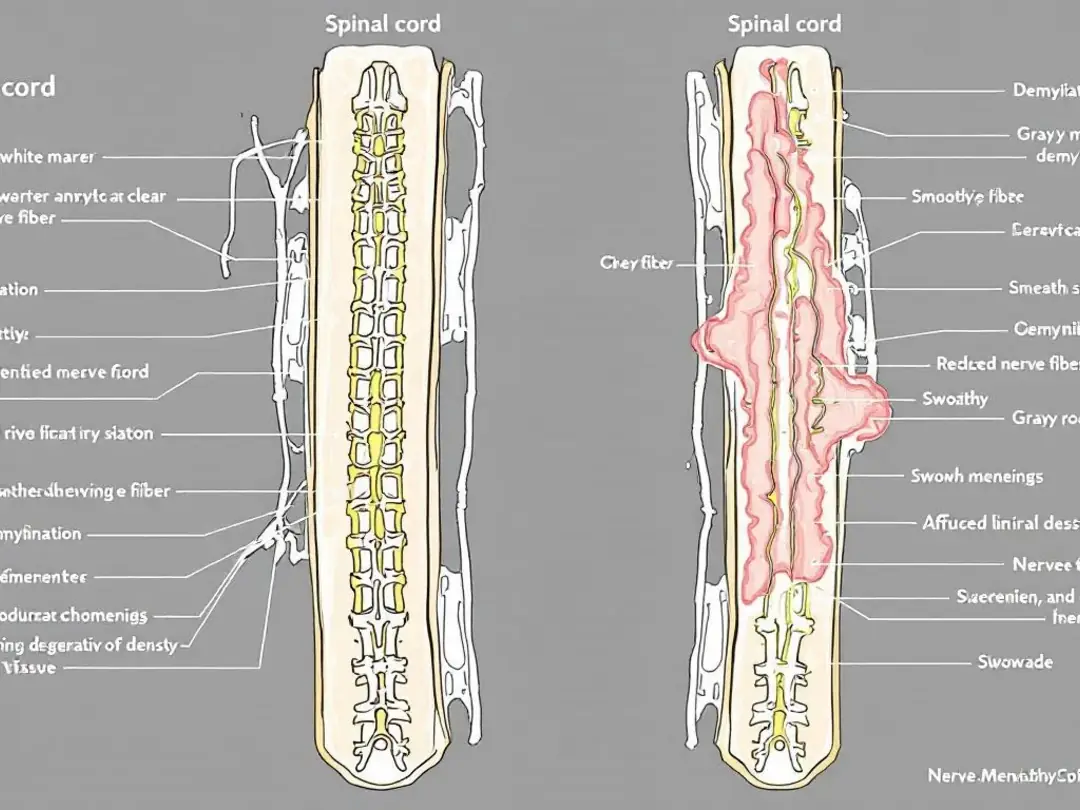
Degenerative myelopathy is a progressive, fatal neurodegenerative condition that primarily affects the spinal cord's white matter. The disease causes the gradual breakdown of nerve fibers responsible for transmitting signals between the brain and hind limbs. As these neural pathways deteriorate, affected dogs experience increasing mobility challenges that eventually progress to complete paralysis.
The condition shares remarkable similarities with human amyotrophic lateral sclerosis, commonly known as Lou Gehrig's disease. Both diseases involve the progressive degeneration of motor neurons and share genetic components, making canine degenerative myelopathy valuable for research into both conditions. This connection has led to collaborative efforts between veterinary medicine and human medical research.
Historically, the condition was known as chronic degenerative radiculomyelopathy, particularly when observed in German Shepherds. The modern understanding of degenerative myelopathy emerged as researchers identified its genetic basis and recognized its occurrence across multiple dog breeds.
One crucial aspect that distinguishes degenerative myelopathy from other spinal conditions is its non-painful nature. Despite severe mobility loss, affected dogs typically show no signs of discomfort, which can actually complicate early diagnosis as owners may delay veterinary consultation.
The progressive nature of this degenerative disease follows a predictable pattern, beginning with subtle hind limb weakness and advancing over months to years. Understanding this progression helps owners and veterinarians develop appropriate management strategies and realistic expectations.

Clinical Signs and Symptoms
The clinical signs of degenerative myelopathy typically emerge in older dogs, usually after age 8, though some cases appear earlier. Recognition of early symptoms is crucial for proper diagnosis and management planning.
| Stage | Common Signs | What Owners Often Notice |
|---|---|---|
| Early | Mild hind limb weakness, wobbling, paw dragging | Scuffed nails, slight swaying, occasional slipping, trouble on slick floors |
| Intermediate | More obvious weakness, stumbling, trouble rising, reduced coordination | Difficulty with stairs, needing help getting up, more frequent falls |
| Advanced | Loss of hind limb function, incontinence, severe muscle loss, possible front limb involvement | Need for slings or carts, full-time mobility support, major daily care changes |
Early Stage Symptoms
Initial clinical signs often appear subtle and may be mistaken for normal aging or orthopedic conditions. Owners frequently notice:
-
Subtle weakness in one hind limb, progressing to affect both sides
-
Slight wobbling or swaying of the hindquarters during movement
-
Occasional knuckling or dragging of hind paws
-
Difficulty maintaining balance when pushed gently from the side
-
Worn toenails or scraped fur on the tops of hind paws
These early symptoms develop gradually, and many owners initially attribute them to arthritis or hip dysplasia, common conditions in large breed dogs.
Intermediate Stage Progression
As the disease progresses, clinical signs become more pronounced and undeniable:
-
Noticeable difficulty rising from a lying position
-
Trouble climbing stairs or jumping into vehicles
-
Frequent falling or stumbling during normal activities
-
Progressive muscle weakness affecting daily movements
-
Increasing reluctance to engage in physical activities
-
Trouble standing, which can lead to further difficulty with mobility and loss of independence
The intermediate stage represents a critical period where quality of life considerations become paramount. Dogs may still enjoy many activities but require increasing assistance with mobility.
Advanced Stage Symptoms
In later stages, the clinical progression becomes severe and life-altering:
-
Complete inability to support weight on hind legs
-
Development of urinary and fecal incontinence
-
Significant muscle atrophy in affected limbs
-
Eventual involvement of front limbs as spinal cord dysfunction ascends
-
Complete paralysis requiring full-time care
The timeline from initial symptoms to severe paralysis typically spans 6 months to 2 years, though individual cases vary considerably. As symptoms worsen, affected dogs require extensive supportive care to maintain quality of life.

Genetic Basis and Affected Breeds
The discovery of the SOD1 gene mutation in 2009 revolutionized understanding of degenerative myelopathy. This genetic abnormality affects the production of superoxide dismutase, an enzyme crucial for protecting cells from damage caused by free radicals.
| Genetic Status | What It Means | Why It Matters |
|---|---|---|
| Clear | No copies of the SOD1 mutation detected | Useful for breeding decisions and lowers concern about inherited DM risk |
| Carrier | One copy of the mutation is present | Important in breeding plans because the mutation can still be passed to offspring |
| At Risk | Two copies of the mutation are present | Does not guarantee disease, but raises concern and supports diagnosis when symptoms fit |
The SOD1 Gene Mutation
The mutated gene leads to the accumulation of toxic free radicals within nerve cells, ultimately causing cell death and the progressive symptoms characteristic of degenerative myelopathy. This same genetic mutation occurs in certain forms of human amyotrophic lateral sclerosis, strengthening the connection between these conditions.
However, not all dogs carrying the SOD1 mutation will end up developing degenerative myelopathy. This incomplete penetrance suggests that other factors, possibly environmental or involving additional genes, influence whether the disease manifests.
High-Risk Breeds
Genetic testing has revealed that many dog breeds carry the SOD1 mutation, though some show higher prevalence rates:
Large Breed Dogs at Higher Risk:
-
German Shepherds
-
Boxers
-
Bernese Mountain Dogs
-
Chesapeake Bay Retrievers
Medium and Small Breeds Also Affected:
-
Pembroke Welsh Corgis
-
Wire Fox Terriers
-
Kerry Blue Terriers
-
Siberian Huskies
The presence of the mutation across such diverse breeds indicates that degenerative myelopathy is not breed-specific but rather represents a genetic predisposition that can affect many types of dogs.
Breeding Considerations
Understanding the genetic basis has important implications for responsible breeding. Dogs identified as carriers or at risk should have their breeding carefully considered to reduce the chance of passing the mutation to offspring. Many responsible breeders now include SOD1 testing as part of their health screening protocols.
Age and Risk Factors
Age represents the primary risk factor for developing degenerative myelopathy, with most cases appearing in middle-aged to older dogs. Understanding these risk factors helps owners and veterinarians maintain appropriate vigilance.
Typical Age of Onset
The majority of affected dogs develop clinical signs between 8 and 14 years of age, with the average onset around 8-9 years. While younger dogs can develop the condition, cases under 5 years are extremely rare and warrant investigation for other possible causes.
Additional Risk Factors
Beyond age, several factors may influence disease development:
-
Breed predisposition: Certain breeds show higher incidence rates
-
Genetic status: Dogs homozygous for the SOD1 mutation face increased risk
-
Size: Large dog breeds appear more commonly affected
-
Environmental factors: While not definitively proven, some researchers continue to explore possible contributing factors
Early Recognition Challenges
The gradual onset and initially subtle clinical signs often lead to delayed recognition. Many owners initially attribute early symptoms to:
-
Normal aging processes
-
Arthritis or joint disease
-
Hip dysplasia
-
General muscle weakness from reduced activity
This delayed recognition can affect early intervention planning and quality of life management.
Diagnosis and Testing
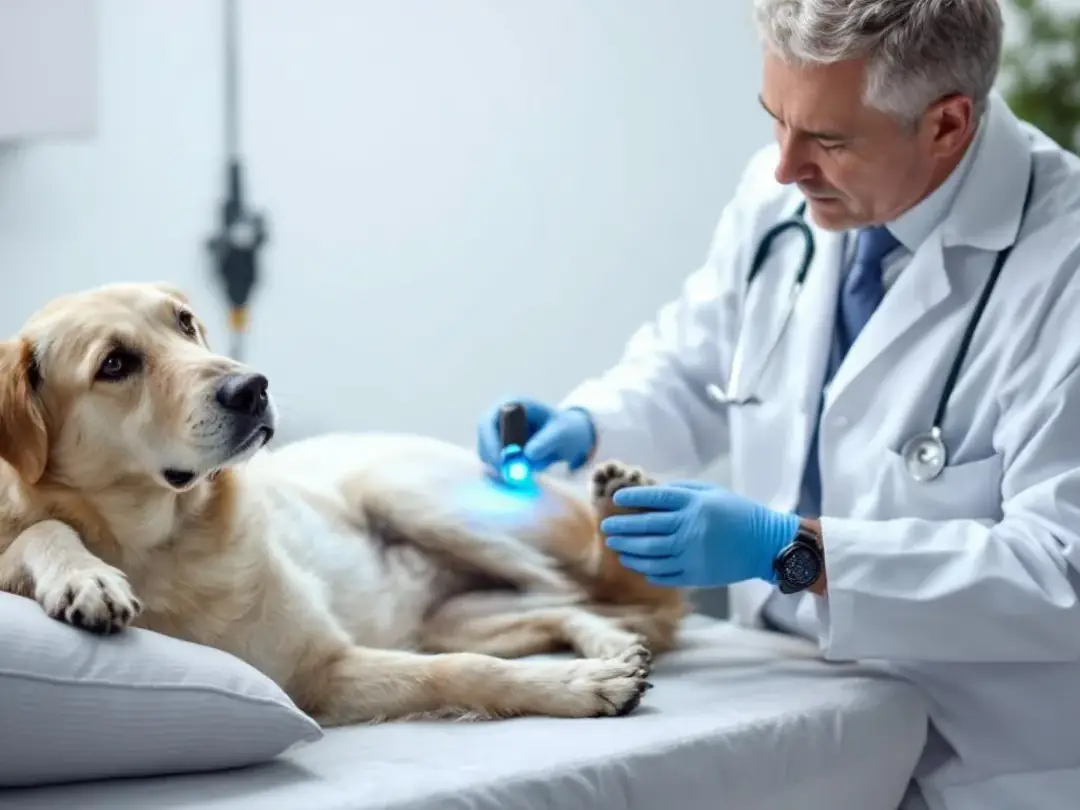
Diagnosing degenerative myelopathy requires a comprehensive approach combining medical history, physical examination, advanced imaging, and genetic testing. The goal is to rule out other conditions while building evidence that supports a DM diagnosis.
| Diagnostic Step | What It Helps Evaluate | Why It Matters |
|---|---|---|
| History and physical exam | Age, breed, gait changes, neurologic findings, muscle loss | Builds the initial case for DM and helps guide next testing |
| Imaging and lab work | Spinal disease, tumors, inflammation, disc problems, systemic illness | Rules out other conditions that can look very similar to DM |
| Genetic testing | SOD1 mutation status | Supports diagnosis and helps with breeding and risk discussions, but does not confirm disease by itself |
Initial Veterinary Assessment
The diagnostic journey begins with a thorough evaluation:
Medical History Review:
-
Age and breed assessment
-
Timeline of symptom development
-
Previous injuries or orthopedic issues
-
Family history if known
Physical Examination:
-
Neurological testing to assess reflexes and responses
-
Orthopedic evaluation to rule out joint problems
-
Gait analysis and mobility assessment
-
Muscle tone and atrophy evaluation
Advanced Diagnostic Tests
Since no single test definitively diagnoses degenerative myelopathy in living dogs, veterinarians use multiple diagnostic approaches:
Imaging Studies:
-
X-rays to rule out spinal fractures, tumors, or disc disease
-
Magnetic resonance imaging, or MRI, for detailed spinal cord visualization
-
CT scans when MRI is unavailable
Laboratory Tests:
-
Cerebrospinal fluid analysis to exclude inflammatory conditions
-
Blood work to rule out systemic diseases
-
Spinal fluid analysis for signs of infection or inflammation
Genetic Testing
DNA testing through organizations like the Orthopedic Foundation for Animals provides valuable information about SOD1 mutation status. While a positive test does not guarantee disease development, it supports the diagnosis when clinical signs are present.
The genetic test results are commonly reported as:
-
Clear: No copies of the mutation
-
Carrier: One copy of the mutation
-
At Risk: Two copies of the mutation
Differential Diagnosis
The diagnostic process must exclude other conditions that can cause similar symptoms:
-
Hip dysplasia and arthritis
-
Intervertebral disc disease
-
Spinal tumors
-
Lumbosacral stenosis
-
Other degenerative diseases
This process of elimination is crucial since many conditions affecting older dogs can mimic early degenerative myelopathy symptoms. If you are also comparing another chronic progressive disease that can change long-term care planning, our dcm disease in dogs guide may be useful for understanding how diagnosis and prognosis discussions often unfold in another serious condition.
Disease Progression and Prognosis
Understanding how degenerative myelopathy progresses helps owners prepare for the journey ahead and make informed decisions about care and quality of life.
Timeline of Progression
The clinical progression of degenerative myelopathy follows a generally predictable pattern, though individual cases vary:
Months 0-6: Initial symptoms appear and gradually worsen
-
Subtle hind limb weakness
-
Occasional paw dragging
-
Mild balance issues
Months 6-12: Moderate to severe symptoms develop
-
Noticeable difficulty with stairs and rising
-
Frequent falling and stumbling
-
Progressive muscle weakness
Months 12-24: Advanced symptoms and paralysis
-
Complete loss of hind limb function
-
Bowel control and urinary incontinence
-
Potential front limb involvement
Factors Affecting Progression
Several factors influence how quickly the disease progresses:
-
Age at onset: Younger dogs may experience slower progression
-
Overall health: Concurrent conditions can accelerate decline
-
Body weight: Maintaining a healthy weight may help preserve function longer
-
Activity level: Appropriate exercise may help maintain mobility for longer
Quality of Life Considerations
As the disease advances, quality of life becomes the primary concern. Owners must evaluate:
-
Mobility and independence levels
-
Ability to maintain basic functions
-
Signs of distress or secondary discomfort
-
Response to supportive care measures
Long-term Prognosis
Degenerative myelopathy is ultimately fatal, though dogs typically do not die directly from the disease itself. Many affected dogs are euthanized when quality of life becomes unacceptable, often within 6 months to 2 years of diagnosis.
The non-painful nature of the condition means dogs may maintain good spirits and appetite even as mobility declines, which can make quality of life decisions especially difficult for families.

Treatment and Management Options
While no cure exists for degenerative myelopathy, comprehensive management strategies can significantly affect quality of life and may help preserve function for longer. Treatment focuses on supportive care and maintaining mobility as long as possible.
| Supportive Care Option | Main Purpose | When It May Help Most |
|---|---|---|
| Physical therapy and exercise | Maintain strength, coordination, and joint mobility | Early to intermediate stages, before severe loss of function |
| Harnesses, slings, ramps, and carts | Improve safety and support daily movement | Intermediate to advanced stages as mobility declines |
| Home and nursing care changes | Reduce falls, protect skin, and improve comfort | Throughout the disease, especially once daily assistance becomes necessary |
Physical Therapy and Exercise
Physical rehabilitation forms the cornerstone of degenerative myelopathy management:
Structured Exercise Programs:
-
Controlled walking on varied surfaces
-
Swimming for low-impact muscle maintenance
-
Balance exercises using therapy balls and platforms
-
Range-of-motion activities to prevent joint stiffness
Professional Physical Therapy:
-
Assessment by certified canine rehabilitation specialists
-
Customized exercise protocols based on disease stage
-
Regular monitoring and program adjustments
-
Integration of new techniques as condition progresses
Studies suggest that consistent physical therapy may help maintain muscle mass and delay functional decline, though it cannot stop disease progression.
Mobility Aids and Assistive Devices
As the disease progresses, various aids can help maintain mobility and independence:
Early Stage Aids:
-
Non-slip booties for better traction
-
Harnesses with handles for assistance
-
Ramps to reduce jumping requirements
Advanced Stage Equipment:
-
Rear-support wheelchairs, or paraplegic carts
-
Full-support wheelchairs for complete paralysis
-
Slings for assisted walking
-
Elevated food and water bowls
Environmental Modifications
Creating a supportive home environment reduces challenges and improves safety:
-
Non-slip surfaces throughout the home
-
Baby gates to prevent falls down stairs
-
Orthopedic bedding for comfort
-
Easy access to outdoor elimination areas
-
Temperature control for comfort
Medical Management
While no medications cure degenerative myelopathy, some treatments may provide supportive benefits:
Nutritional Supplements:
-
Antioxidant vitamins such as C and E
-
B-complex vitamins for nerve health
-
Omega-3 fatty acids for anti-inflammatory effects
Emerging Therapies:
-
Laser therapy for potential supportive benefit
-
Acupuncture for overall wellness
-
Anti-inflammatory medications for concurrent arthritis
Concurrent Condition Management
Many affected dogs have other age-related conditions requiring attention:
-
Arthritis management with appropriate pain medications when needed
-
Weight management to reduce strain on remaining function
-
Skin care to prevent pressure sores
-
Dental care to maintain overall health
Advanced Care Planning
As the disease progresses, families must prepare for increased care needs:
-
Assistance with elimination needs
-
Prevention and treatment of urinary tract infections
-
Pressure sore prevention and treatment
-
24-hour care considerations for severely affected dogs
Prevention and Breeding Considerations
Genetic testing has transformed the approach to reducing degenerative myelopathy risk in future generations. Responsible breeding practices can help lower the incidence of this devastating condition.
Genetic Testing Programs
The development of reliable genetic testing for the SOD1 mutation has enabled evidence-based breeding decisions:
Testing Recommendations:
-
All breeding dogs in at-risk breeds should be tested
-
Test results should be publicly available through databases when possible
-
Breeding decisions should consider both parents' genetic status
Interpreting Test Results:
-
Clear × Clear: No risk of producing affected offspring
-
Clear × Carrier: Carrier offspring possible, but no affected puppies expected
-
Clear × At Risk: Offspring may inherit one copy of the mutation
-
Carrier × Carrier: Risk of affected offspring increases significantly
Responsible Breeding Strategies
Breeders can use genetic information to make informed decisions:
-
Avoid breeding two at-risk dogs together
-
Consider breeding at-risk dogs only to clear partners when appropriate
-
Maintain genetic diversity while reducing disease risk
-
Provide genetic test results to puppy buyers
Industry Standards
Many breed organizations and kennel clubs now recommend or require genetic testing:
-
Registration databases include genetic test results
-
Breed-specific health surveys track disease prevalence
-
Educational programs inform breeders about genetic risks
-
Certification programs for responsible breeding practices
Prospective Owner Guidance
Dog buyers should consider genetic testing information when selecting puppies:
-
Request genetic test results from both parents
-
Understand the inheritance patterns
-
Consider the implications for their individual dog
-
Make informed decisions based on risk tolerance and breeder transparency
Living with Degenerative Myelopathy
Supporting a dog through degenerative myelopathy requires physical, emotional, and practical adjustments. Understanding how to maintain quality of life throughout the disease progression helps families navigate this challenging journey.
Daily Care Management
As symptoms worsen, daily routines require modification:
Mobility Assistance:
-
Learn proper lifting and support techniques
-
Maintain regular but modified exercise schedules
-
Monitor for signs of fatigue or secondary discomfort
-
Adjust activities based on current capabilities
Hygiene and Comfort:
-
Assist with positioning to prevent pressure sores
-
Maintain clean, dry skin, especially in paralyzed areas
-
Provide frequent position changes for comfort
-
Monitor for signs of urinary tract infections
Maintaining Muscle Mass and Function
Preserving remaining function becomes increasingly important:
-
Continue appropriate physical therapy exercises
-
Encourage voluntary movement when possible
-
Provide mental stimulation to maintain engagement
-
Monitor muscle atrophy progression
Weight Management
Maintaining a healthy weight reduces strain on remaining functional muscles:
-
Adjust caloric intake based on reduced activity
-
Choose high-quality, easily digestible foods
-
Monitor body condition regularly
-
Consult with veterinarians about dietary modifications
Emotional Support for Families
Caring for a dog with degenerative myelopathy creates emotional challenges:
Coping Strategies:
-
Connect with support groups for owners of affected dogs
-
Maintain realistic expectations about disease progression
-
Focus on quality time and positive experiences
-
Seek professional counseling if needed
End-of-Life Planning:
-
Discuss quality of life markers with veterinarians
-
Establish criteria for difficult decisions
-
Consider in-home euthanasia services if available
-
Plan for memorial arrangements
Financial Considerations
The cost of managing degenerative myelopathy can be substantial:
-
Budget for ongoing veterinary care
-
Consider pet insurance implications
-
Research financial assistance programs when needed
-
Plan for potential equipment needs
When to Seek Additional Help
Recognize when professional assistance becomes necessary:
-
Veterinary consultation for symptom changes
-
Physical therapy evaluation for exercise modifications
-
Behavioral consultation for adaptation difficulties
-
Emergency care for complications
FAQ
Common Questions About Degenerative Myelopathy
These quick answers cover pain, lifespan, testing, breeding, and how DM differs from arthritis.
Is degenerative myelopathy painful for dogs?
Degenerative myelopathy itself is generally considered non-painful, though dogs can still develop secondary problems such as pressure sores, urinary issues, or arthritis that may cause discomfort.
How long can a dog live with degenerative myelopathy?
Progression varies, but many dogs become non-ambulatory within 6 months to 2 years after symptoms begin. Supportive care can help maintain quality of life during that time.
Can degenerative myelopathy be prevented through breeding?
Genetic testing can reduce risk in future generations by helping breeders make more informed pairing decisions, especially in breeds known to carry the SOD1 mutation.
How is degenerative myelopathy different from arthritis?
Arthritis is usually painful and often causes stiffness that may improve after movement. DM is a progressive neurologic disease that causes weakness and coordination loss without the same pain pattern.
Should I get my dog tested for the SOD1 mutation?
Testing is especially useful for breeding decisions and can also support diagnosis in dogs already showing compatible symptoms, but a positive result alone does not guarantee disease.
Can physical therapy cure degenerative myelopathy?
No. Physical therapy does not cure DM, but it may help preserve strength, mobility, and comfort for longer as the disease progresses.


