Goldendoodle Blog Banner

Cushings in Dogs

Bricks Coggin

Bricks Coggin ยท Director of Services

Published

When your beloved companion starts drinking excessive amounts of water, developing a pot-bellied appearance, or losing hair symmetrically across their body, these changes might signal a serious endocrine condition. Cushing's disease in dogs affects approximately 0.2-0.6% of the canine population, with most cases occurring in middle-aged to senior pets between 8-12 years old. Understanding this complex hormonal disorder can help you recognize early warning signs and seek appropriate veterinary care to maintain your dog's quality of life.

What is Cushing's Disease in Dogs?

Cushing's disease, medically known as hyperadrenocorticism, occurs when the adrenal glands produce cortisol in excessive amounts. This steroid hormone plays a crucial role in regulating metabolism, managing stress responses, and controlling immune function throughout your dog's body. Under normal circumstances, cortisol production follows a carefully balanced feedback system involving the hypothalamus, pituitary gland, and adrenal glands.


When this delicate hormone balance becomes disrupted, the excessive production of cortisol creates widespread effects throughout the body. The hormone cortisol influences nearly every organ system, so when dogs have too much cortisol circulating in their bloodstream, multiple body functions begin to malfunction simultaneously.


Veterinary medicine recognizes this condition as one of the most common endocrine disorders affecting senior dogs. The disease typically develops gradually over months or years, making early detection challenging for many pet owners. Most dogs diagnosed with this condition are between 6-9 years old, though cases can occur in younger animals.


The excessive cortisol disrupts normal metabolic processes, leading to the characteristic symptoms that alert observant owners to seek veterinary attention. Without proper treatment, dogs with cushing's disease face increased risks for secondary complications including diabetes, blood clots, high blood pressure, and compromised immune function.

What Causes Cushing's Disease in Dogs? The Role of the Adrenal Glands

The underlying causes of cushing's disease in dogs fall into three distinct categories, each requiring different diagnostic approaches and treatment strategies. Understanding these causes helps veterinarians develop appropriate treatment plans and provide accurate prognoses for affected pets.


Pituitary gland tumors account for 85-90% of all cases and represent the most common cause of this condition. These tumors, typically benign adenomas, develop in the pituitary gland-a pea sized gland located at the base of the brain. The tumor produces excessive amounts of adrenocorticotropic hormone (ACTH), which continuously stimulates both adrenal glands to overproduce cortisol. This form is called pituitary dependent cushing's disease.


Adrenal gland tumors cause 10-15% of cases and directly affect cortisol production at the source. These adrenal tumors can be either benign or malignant tumor formations that autonomously produce cortisol without responding to normal regulatory signals. When a benign or malignant tumor develops on one adrenal gland, it typically causes the opposite gland to shrink due to suppressed hormone feedback.


Iatrogenic cushing's syndrome results from prolonged use of steroid medications like prednisone or prednisolone prescribed for other medical conditions. This form of iatrogenic cushing's disease develops when external corticosteroids suppress the body's natural cortisol production mechanisms, creating an artificial state of excess cortisol. This medication-induced form is also known as iatrogenic Cushing's syndrome.


Certain breeds show increased predisposition to developing this condition. Poodles, Yorkshire Terriers, Dachshunds, Bichon Frises, Boston Terriers, and Beagles face higher risks compared to other breeds. Age factors significantly influence disease development, with most dogs receiving their cushing's disease diagnosed between 8-12 years old, though younger dogs occasionally develop the condition.

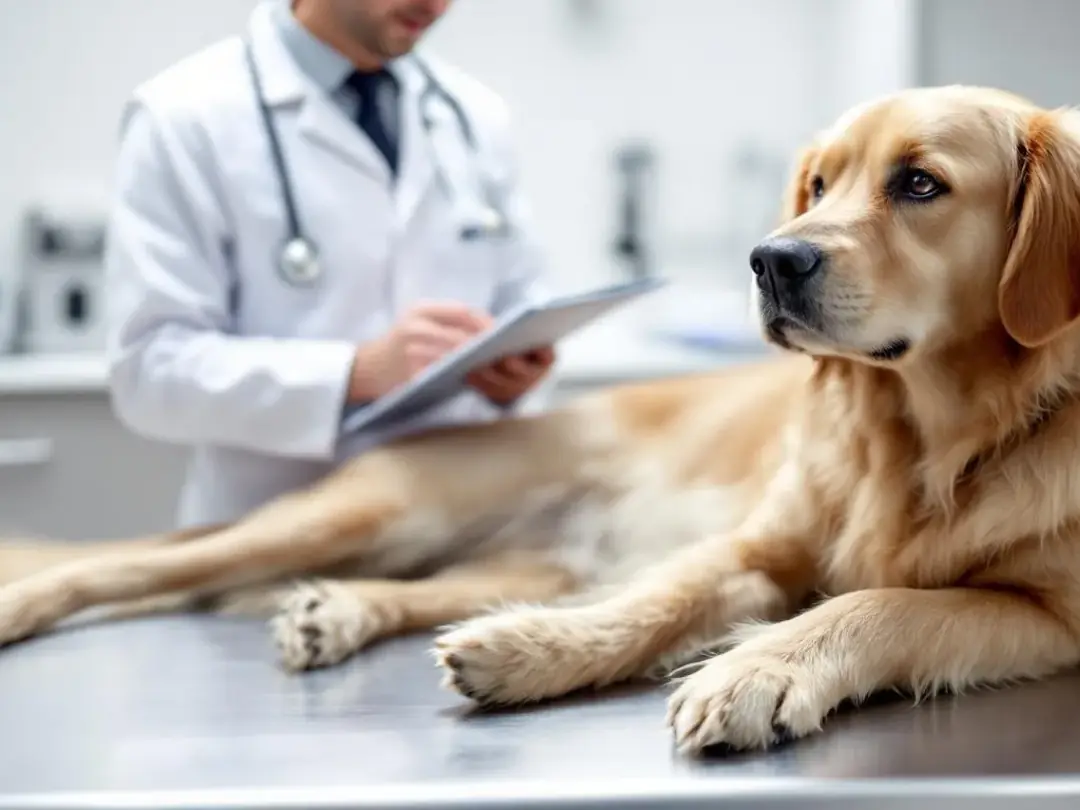
A veterinarian is carefully examining a senior dog that shows common signs of Cushing's disease, such as increased...

Signs and Symptoms of Cushing's Disease


Recognizing the clinical signs of cushing's disease requires careful observation, as symptoms often develop gradually and may initially resemble normal aging changes. The excess cortisol affects multiple body systems, creating a constellation of symptoms that typically worsen over time without treatment.


Early behavioral changes often represent the first noticeable signs that prompt concerned owners to seek veterinary evaluation. Increased drinking, medically termed polydipsia, frequently becomes the most obvious early symptom. Dogs may suddenly begin consuming large quantities of water and subsequently experience increased urination (polyuria) that may include accidents in previously house-trained pets. The increased appetite (polyphagia) often manifests as persistent begging, food-seeking behavior, or attempts to steal food.


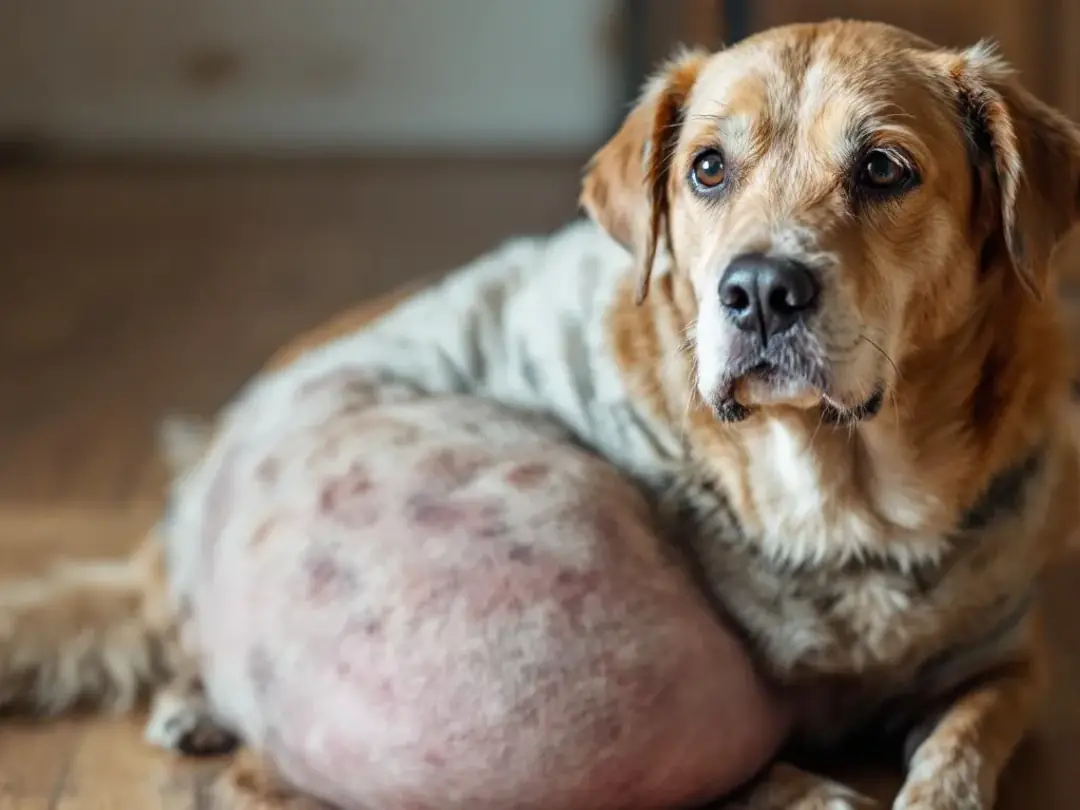
Physical appearance changes develop more gradually but become increasingly apparent as the disease progresses. The characteristic pot-bellied abdomen results from weakened abdominal muscles and fat redistribution caused by excessive cortisol. Symmetrical hair loss typically begins on the trunk and sides, leaving the head and legs relatively unaffected. The remaining coat often becomes dull and brittle, while the skin becomes notably thin-often referred to as thin skin-and easily damaged.


Secondary symptoms significantly impact the dog's overall comfort and daily activities. Excessive panting occurs even in cool temperatures or during rest periods. Many dogs develop profound lethargy and muscle weakness that reduces their interest in play, exercise, or normal activities. Poor wound healing becomes evident when minor cuts or scratches take unusually long to resolve.


Skin complications frequently develop as cortisol suppresses immune function and affects skin integrity. Recurring bacterial skin infections become common, often requiring repeated antibiotic treatments. Some dogs develop hyperpigmentation, creating dark patches on previously normal skin. In severe cases, calcinosis cutis may occur, where calcium deposits form visible, hard nodules beneath the skin surface.


Associated health risks pose serious concerns for dogs with untreated cushing's disease. Urinary tract infection becomes more frequent due to diluted urine that provides poor bacterial resistance. The increased cortisol levels elevate risks for developing diabetes mellitus, blood clots, and high blood pressure. These complications can significantly impact the dog's general health and may become life-threatening without appropriate treatment.

Types of Cushing's Disease

Understanding the different types of cushing's disease helps veterinarians determine the most effective treatment approach and provide accurate prognoses. The classification depends on the tumor location and the underlying mechanism causing excessive cortisol production. Adrenal dependent Cushing's, also known as adrenal dependent Cushing's disease, refers to cases caused by adrenal tumors.


Pituitary-Dependent Cushing's Disease


Pituitary dependent cushing's disease accounts for 80-85% of all diagnosed cases and represents the most common form affecting dogs. This condition develops when a pituitary tumor, usually a benign adenoma, forms in the anterior portion of the pituitary gland and begins producing excessive amounts of the hormone acth.


The excess ACTH continuously stimulates both adrenal glands, causing them to enlarge and produce excessive amounts of cortisol. This bilateral stimulation creates characteristic changes visible on diagnostic imaging, where both adrenal glands appear enlarged compared to normal size.


Smaller dog breeds, including Miniature Schnauzers, Boston Terriers, and Dachshunds, show higher predisposition to developing pituitary dependent disease. The pituitary tumor typically remains small and benign, though occasional cases involve larger tumors that may cause neurological symptoms by pressing on surrounding brain structures.


Diagnosis of pituitary dependent cases requires specialized blood tests and may benefit from advanced imaging like magnetic resonance imaging of the brain. The treatment approach typically involves medical management rather than surgical intervention due to the complexity and risks associated with pituitary surgery.


Adrenal-Dependent Cushing's Disease


Adrenal dependent cushing's disease represents 15-20% of cases and occurs when tumors develop directly on one of the adrenal glands. These adrenal tumors produce cortisol independently, without requiring stimulation from the pituitary gland's ACTH production.


Approximately 50% of adrenal tumors are benign adenomas, while the remaining 50% are malignant carcinomas. Malignant tumor cases pose additional concerns, as these cancers may metastasize to the liver, lungs, or other abdominal organs in 14-50% of affected dogs.


Larger dog breeds, particularly German Shepherds, show increased susceptibility to developing adrenal dependent cushing's. The disease typically affects only one adrenal gland initially, while the opposite gland often shrinks due to suppressed cortisol production feedback.


Abdominal ultrasound represents the primary diagnostic tool for identifying adrenal tumors and assessing their size, appearance, and relationship to surrounding structures. In some cases, the entire tumor can be visualized and measured to help determine surgical feasibility.


Treatment options for adrenal dependent cases may include surgical removal of the affected gland, particularly when dealing with benign tumors or smaller malignant masses that haven't spread to other locations.

Cortisol Levels and Cushing's Disease

Cortisol is a vital steroid hormone produced by the adrenal glands, which are located near your dog's kidneys. In healthy dogs, the pituitary gland-a small but powerful gland at the base of the brain-regulates how much cortisol the adrenal glands produce, ensuring the right balance for managing stress, metabolism, and immune function. However, in dogs with Cushing's disease, this balance is disrupted, leading to the adrenal gland or pituitary gland producing too much cortisol.


When cortisol levels become excessively high, a range of clinical signs can develop, including increased appetite, increased urination, and noticeable hair loss. These symptoms are often the first clues that something is wrong. To accurately diagnose Cushing's disease, veterinarians rely on blood tests that measure cortisol levels in the body. One of the most important diagnostic tools is the ACTH stimulation test, which evaluates how the adrenal glands respond to synthetic ACTH, a hormone that normally prompts them to produce cortisol.


By analyzing the results of these blood tests, veterinarians can determine whether the excess cortisol is due to a problem in the pituitary gland or the adrenal gland. This distinction is crucial for developing an effective treatment plan tailored to your dog's specific needs. Accurate diagnosis not only helps identify the underlying cause of too much cortisol but also guides the selection of therapies that can best manage the disease and improve your dog's quality of life.


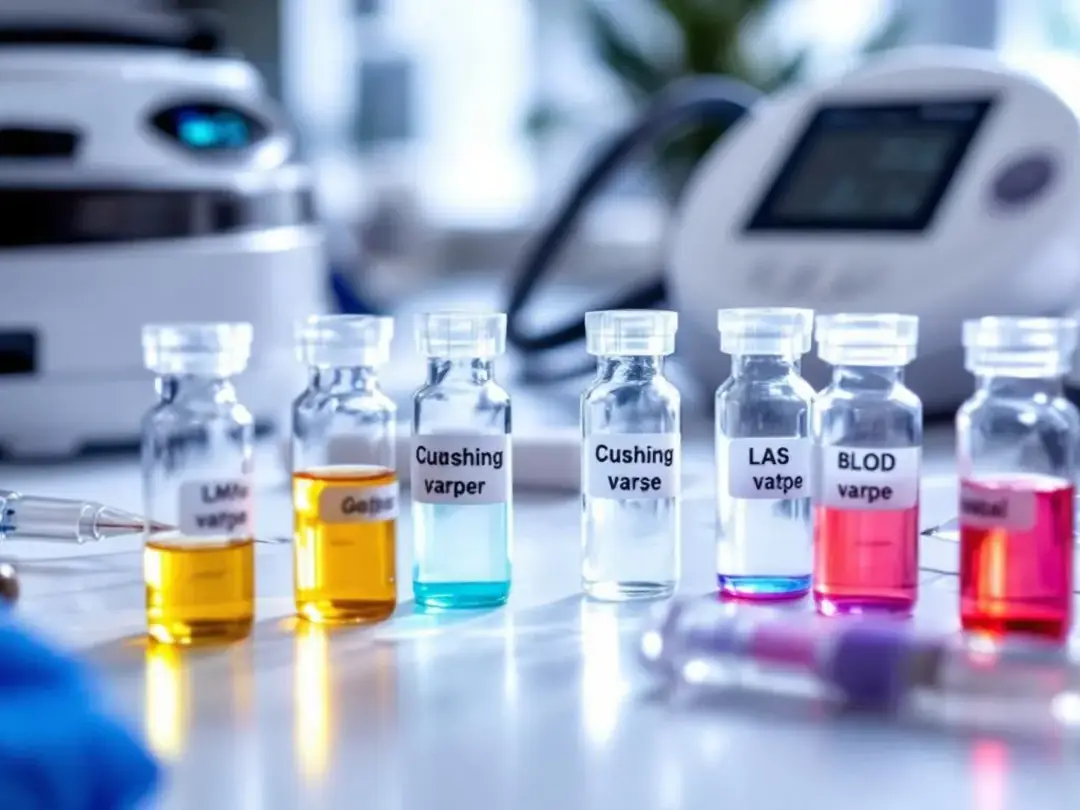
The image shows a close-up of various blood test vials alongside laboratory equipment used for diagnosing Cushing's...

How Veterinarians Diagnose Cushing's Disease


Accurate diagnosis of cushing's disease requires a systematic approach combining clinical evaluation, laboratory testing, and specialized diagnostic procedures. The diagnostic process can be complex, as other diseases may produce similar symptoms, making careful interpretation of test results essential. To have Cushing's disease diagnosed, veterinarians must carefully evaluate the dog's symptoms and use a combination of tests.


Initial assessment begins with a comprehensive physical examination and detailed medical history review. This step is crucial to diagnose Cushing's and to document the dog's symptoms. Veterinarians look for the characteristic clinical signs while documenting the timeline of symptom development. The dog's age, breed, and any current medications, particularly steroid medications, provide important diagnostic clues.


Basic laboratory tests form the foundation of the diagnostic workup and often reveal suggestive changes even before specialized testing. A complete blood count may show a stress leukogram, characterized by increased neutrophils and decreased lymphocytes and eosinophils. Chemistry panels frequently demonstrate elevated alkaline phosphatase (ALP), increased cholesterol and triglyceride levels, and sometimes elevated blood glucose.


Urine tests, such as urinalysis, typically reveal diluted urine with low specific gravity, reflecting the kidneys' inability to concentrate urine properly in the presence of excessive cortisol. Some dogs may show protein in their urine or evidence of urinary tract infection.


Imaging studies provide valuable information about organ changes and help identify tumor locations. Abdominal ultrasound allows veterinarians to examine the adrenal glands directly, measuring their size and assessing their internal structure. This imaging can identify adrenal tumors and help differentiate between pituitary dependent and adrenal dependent disease.


Chest X-rays may be recommended to check for evidence of tumor spread in cases where malignant adrenal tumors are suspected. These images also help assess the dog's overall health status before beginning treatment. Assessing the dog's general health is important to determine the safest and most effective treatment options.


The importance of accurate diagnosis cannot be overstated, as proper treatment planning and prognosis depend on understanding the specific type and severity of the condition affecting each individual dog. Veterinarians use a variety of methods to diagnose Cushing's disease, including physical exams, laboratory tests, and imaging studies.


Specialized Adrenal Function Tests


Low-Dose Dexamethasone Suppression Test (LDDST) serves as the gold standard for diagnosing cushing's disease. This test measures cortisol levels at 0, 4, and 8 hours after administering a low dose of dexamethasone, a synthetic steroid. In healthy dogs, dexamethasone suppresses cortisol production, but dogs with cushing's disease typically show inadequate suppression.


ACTH stimulation test measures the adrenal glands' response to synthetic ACTH administration. Blood samples taken before and one hour after ACTH injection reveal how much cortisol the adrenal glands can produce when stimulated. Dogs with cushing's disease often show exaggerated cortisol responses compared to normal dogs.


High-Dose Dexamethasone Suppression Test helps differentiate pituitary dependent from adrenal dependent causes. Dogs with pituitary tumors may show some cortisol suppression with higher dexamethasone doses, while those with adrenal tumors typically show no suppression.


Urine cortisol to creatinine ratio (UCCR) provides a convenient screening test that can be performed on urine samples collected at home. The creatinine ratio is used to assess adrenal gland function in dogs suspected of having Cushing's disease. Elevated ratios suggest excessive cortisol production, though this test alone cannot confirm the diagnosis due to potential false positives from stress or other conditions.


The importance of accurate diagnosis cannot be overstated, as proper treatment planning and prognosis depend on understanding the specific type and severity of the condition affecting each individual dog.


These specialized tests are essential for confirming a diagnosis of dogs Cushing's disease and determining the most appropriate treatment plan.

Treatment Options for Cushing's Disease

Treatment approaches for cushing's disease focus on managing symptoms and controlling excessive cortisol production rather than achieving a complete cure in most cases. To effectively treat Cushing's disease, veterinarians rely on a combination of medication, surgery, and ongoing monitoring. The selection of appropriate treatment depends on the type of disease (pituitary versus adrenal dependent), the dog's overall health status, age, and the owner's ability to provide long-term care and monitoring.


Successful management requires ongoing veterinary partnership and careful attention to the dog's response to therapy. Most dogs can regain normal health and maintain good quality of life with appropriate treatment, though the condition typically requires lifelong management and regular monitoring.


Medical Management


Trilostane (Vetoryl) represents the FDA-approved first-line medical therapy for treating cushing's disease in dogs. This medication works by blocking an enzyme essential for cortisol synthesis within the adrenal glands, effectively reducing cortisol production without destroying adrenal tissue.


Most dogs begin showing behavioral improvements within 2-4 weeks of starting trilostane therapy. The excessive drinking, urination, and appetite typically decrease first, while physical changes like coat regrowth and muscle strength recovery may take 3-6 months to become apparent.


Dosage adjustments based on acth stimulation tests and clinical response ensure optimal therapeutic benefit while minimizing risks. The medication dosage requires careful titration, as too much can lead to dangerous cortisol deficiency, while insufficient doses fail to control symptoms effectively.


Mitotane (Lysodren) offers an alternative medical approach that works by selectively destroying cortisol-producing cells in the adrenal cortex. This medication requires more intensive monitoring due to its potential for causing permanent adrenal damage if not carefully managed.


Treatment with mitotane involves an initial loading phase where daily medication administration continues until cortisol levels normalize, followed by a maintenance phase with reduced dosing frequency. Regular blood tests during the loading phase help prevent overdosing and subsequent adrenal insufficiency.


Both medications require follow up blood tests to monitor therapeutic response and adjust dosages as needed. Owners must carefully monitored their dogs for signs of medication side effects, including lethargy, vomiting, diarrhea, or loss of appetite, which might indicate excessive cortisol suppression.


Surgical Treatment


Adrenalectomy for adrenal tumors offers the potential for cure, particularly in cases involving benign adenomas. This major abdominal surgery involves removing the affected adrenal gland and any associated tumor tissue. When successful, surgical removal eliminates the source of excessive cortisol production.


The procedure carries significant risks, with mortality rates ranging from 10-25% depending on the tumor size, location, and the dog's overall health status. Pre-surgical medical stabilization often helps reduce operative risks by controlling cortisol levels and addressing secondary complications like diabetes or high blood pressure.


Pituitary surgery remains available only at specialized veterinary centers due to the technical complexity and specialized equipment required. Transsphenoidal hypophysectomy involves removing the pituitary tumor through the nasal cavity, requiring neurosurgical expertise and intensive post-operative care.


Post-operative monitoring becomes crucial for detecting complications including electrolyte imbalances, hormone deficiencies, and surgical site infections. Dogs undergoing successful adrenal surgery may regain normal health without requiring lifelong medication, while pituitary surgery cases typically need hormone replacement therapy.


Radiation Therapy


Radiation therapy provides an option for treating pituitary tumors, particularly those causing neurological symptoms due to their size and location. This treatment modality is available only at university veterinary hospitals or specialty centers equipped with appropriate radiation equipment.


The therapy typically involves multiple treatment sessions over several weeks, requiring general anesthesia for each session to ensure precise radiation delivery. Cost considerations for radiation therapy range from $5,000-$15,000, making it a significant financial commitment for many pet owners.


Best outcomes occur when radiation therapy combines with medical management to control cortisol levels while addressing the underlying tumor. The treatment may help shrink pituitary tumors and alleviate neurological symptoms, though complete cure remains uncommon.

Exercise and Activity

Maintaining an appropriate level of exercise is important for dogs with Cushing's disease, but it requires careful consideration due to the effects of excessive cortisol on the body. Dogs with this condition often experience fatigue, muscle weakness, and reduced stamina as a result of abnormal cortisol production. While regular activity can help manage weight, reduce stress, and support overall well-being, it's essential to avoid overexertion, which could worsen health problems or lead to injury.


A balanced approach to exercise means providing gentle, consistent activity-such as short walks or light play sessions-while allowing plenty of time for rest and recovery. Each dog's tolerance for exercise will vary depending on the severity of their symptoms and their general health. Consulting with your veterinarian is the best way to develop a personalized exercise plan that takes into account your dog's unique needs and limitations. By monitoring your dog's response to activity and adjusting the routine as needed, you can help ensure they remain comfortable, active, and as healthy as possible despite the challenges of excessive cortisol production.


The image depicts a joyful senior dog with a shiny coat and vibrant energy, showcasing the positive effects of...

Long-Term Management and Monitoring


Successful management of cushing's disease requires lifelong commitment to medication administration, regular veterinary monitoring, and careful attention to the dog's response to treatment. The chronic nature of this condition means that most dogs will need ongoing medical support throughout their remaining years.


Medication compliance forms the cornerstone of successful long-term management. Owners must administer prescribed medications consistently and report any missed doses or observed side effects to their veterinarian promptly. Daily medication schedules become part of the routine care that helps maintain stable cortisol levels.


Regular monitoring through acth stimulation tests every 3-4 months once medication doses stabilize helps ensure optimal therapeutic benefit. During the initial treatment phase, more frequent testing every 2-4 weeks for the first 3 months allows for appropriate dose adjustments as the dog responds to therapy.


Owners must learn to recognize signs that might indicate inadequate treatment response or medication side effects. Returning symptoms like increased drinking or appetite may signal the need for dose adjustments, while lethargy, vomiting, or decreased appetite could indicate excessive cortisol suppression requiring immediate veterinary attention.


Dietary management plays an important supportive role in managing dogs with cushing's disease. Low-fat therapeutic diets help address the elevated cholesterol and triglyceride levels commonly associated with excessive cortisol production. Portion control becomes essential to prevent weight gain from the increased appetite characteristic of this condition.


The vet regularly monitors for concurrent health problems that may develop as complications of cushing's disease or aging. Heart disease, diabetes, and other conditions require additional management strategies that must be carefully coordinated with cushing's treatment.


Owners should maintain detailed records of their dog's symptoms, medication administration, and any changes in behavior or appetite. This information helps veterinarians make informed decisions about treatment adjustments and provides valuable insight into the dog's response to therapy. Regular monitoring and adjustments are essential to maintain the dog's quality of life throughout treatment.

Prognosis and Life Expectancy

The prognosis for dogs with cushing's disease varies significantly depending on several factors, including the type of disease, selected treatment approach, presence of concurrent health problems, and the owner's ability to provide consistent long-term care. While the condition cannot be cured in most cases, many dogs can maintain good quality of life with appropriate management.


Overall survival typically ranges from 1-5 years post-diagnosis, though individual cases may exceed these averages with optimal care. The variation in survival times reflects the complex nature of this disease and the multiple factors that influence treatment outcomes.


Pituitary dependent cases generally carry a more favorable prognosis, with average survival times of 2-2.5 years with medical therapy alone. Dogs receiving surgical treatment or radiation therapy for pituitary tumors may achieve survival times of 2-5 years, though these treatments carry additional risks and are not suitable for all patients.


Adrenal dependent cases show more variable outcomes depending on whether the adrenal tumor is benign or malignant. Dogs with benign adrenal tumors that undergo successful surgical removal may achieve survival times of 1.5-4 years or longer. Those with malignant tumors typically have shorter survival times, approximately 1 year with medical therapy alone.


Factors affecting prognosis include tumor size and type, presence of metastatic disease, development of secondary complications like diabetes or blood clots, and the dog's response to initial treatment. Older dogs or those with significant concurrent health issues may have more guarded prognoses.


The dog's quality of life often improves significantly with proper treatment, regardless of the ultimate prognosis. Many owners report that their dogs regain energy, show improved coat quality, and return to more normal behavior patterns within months of beginning treatment.


Regular communication with the veterinary team helps owners understand their dog's progress and make informed decisions about ongoing care. Some dogs may experience periods of excellent quality of life interspersed with health challenges requiring treatment adjustments.

FAQ

Can Cushing's Disease Be Prevented?

Unfortunately, naturally occurring cushing's disease cannot be prevented, as the pituitary tumor and adrenal tumor formations that cause most cases develop spontaneously without known preventable risk factors. The genetic predispositions observed in certain breeds suggest hereditary components, but genetic screening tests are not currently available for this condition.

Iatrogenic cushing's disease represents the only preventable form, occurring when dogs receive prolonged treatment with corticosteroid medications like prednisone. Veterinarians can minimize this risk through careful steroid dosing, regular monitoring during long-term therapy, and gradual medication withdrawal when treatment concludes.

Breed awareness helps owners of predisposed dogs recognize symptoms earlier, potentially leading to earlier diagnosis and treatment. Regular senior dog health screenings, including routine blood tests, may help detect early biochemical changes associated with developing cushing's disease.

Maintaining overall health through appropriate nutrition, regular exercise, and preventive veterinary care supports the immune system and may help dogs better tolerate treatment when cushing's disease does develop.


What Diet is Best for Dogs with Cushing's Disease?

Dogs with cushing's disease benefit from carefully selected therapeutic diets designed to address the metabolic changes associated with excessive cortisol production. Low-fat diets like Royal Canin Gastrointestinal Low Fat or Hill's Prescription Diet i/d help manage the elevated cholesterol and triglyceride levels commonly seen in affected dogs.

The rationale for fat restriction stems from cortisol's effects on lipid metabolism, which often leads to hyperlipidemia and increased risk for pancreatitis. These specialized diets typically contain less than 10% fat content while maintaining adequate protein levels to support muscle mass.

Portion control becomes essential to manage the increased appetite caused by excessive cortisol. Many dogs with cushing's disease act persistently hungry and may gain weight rapidly if food intake is not carefully controlled. Dividing daily food portions into multiple smaller meals can help satisfy the dog's appetite while preventing overconsumption.

Consultation with a veterinarian provides specific dietary recommendations tailored to each dog's individual needs, concurrent health conditions, and treatment response. Some dogs may require additional dietary modifications if they develop secondary conditions like diabetes mellitus.


Are Natural Remedies Effective for Cushing's Disease?

Currently, no scientific evidence supports the effectiveness of natural or herbal treatments for managing cushing's disease in dogs. The complex hormonal imbalances and tumor-related causes of this condition require pharmaceutical intervention or surgical treatment to achieve meaningful symptom control.

Prescription medications like trilostane or mitotane, along with surgical options for appropriate cases, represent the only treatments with demonstrated efficacy for controlling excessive cortisol production. These evidence-based approaches have undergone extensive testing and regulatory approval to ensure safety and effectiveness.

While complementary therapies like dietary supplements, acupuncture, or herbal remedies may support overall health and well-being, they cannot replace proper medical treatment for cushing's disease. Relying solely on natural remedies risks disease progression and the development of serious complications including diabetes, blood clots, and secondary infections.

Some owners choose to incorporate supportive therapies alongside conventional treatment, but these should always be discussed with the veterinarian to ensure they don't interfere with prescribed medications or diagnostic testing.


How Often Should Dogs Be Monitored During Treatment?

Monitoring frequency depends on the treatment phase and the individual dog's response to therapy. During the initial treatment phase, dogs typically require acth stimulation tests every 2-4 weeks for the first 3 months to ensure appropriate dose adjustments and monitor for side effects.

Once medication doses stabilize and the dog shows consistent treatment response, monitoring intervals can extend to every 3-4 months. These regular assessments help detect changes in cortisol levels that might indicate the need for dose adjustments or the development of drug resistance.

Dogs with concurrent conditions like diabetes mellitus require more frequent monitoring, as changes in cortisol levels can significantly affect blood glucose control and insulin requirements. These cases may need monthly evaluations until both conditions achieve stable management.

Immediate veterinary attention becomes necessary if owners observe returning symptoms like increased drinking and urination, or potential side effects such as lethargy, vomiting, decreased appetite, or behavioral changes. These signs may indicate inadequate treatment response or excessive medication effects requiring prompt evaluation.

The few medication side effects associated with modern cushing's treatments are generally manageable with appropriate monitoring and dose adjustments. Regular communication between owners and veterinarians ensures optimal outcomes and helps maintain the dog's quality of life throughout long-term management.

Cushing's disease in dogs represents a complex but manageable condition that requires dedicated veterinary partnership and committed long-term care. While the diagnosis may seem overwhelming initially, many dogs with cushing's disease continue to enjoy good quality of life with appropriate treatment and monitoring. Early recognition of symptoms, prompt veterinary evaluation, and consistent treatment compliance offer the best opportunities for successful management and extended time with your beloved companion.

Conclusion

Cushing's disease is a complex and challenging condition that affects dogs by causing excessive cortisol production, leading to a variety of clinical signs and potential complications. Whether the result of a pituitary tumor, adrenal tumor, or iatrogenic Cushing's syndrome, the disease requires a thorough diagnostic process-including physical exams, blood tests, and imaging studies-to accurately identify the underlying cause and guide treatment.


Treatment options such as medication, surgery, and radiation therapy are designed to control cortisol production and address the root of the problem, helping dogs regain normal health and improve their quality of life. Regular follow up blood tests and a carefully managed treatment plan are essential for monitoring progress and making necessary adjustments. With appropriate treatment and vigilant care, many dogs with Cushing's disease can enjoy a comfortable, active life.


It's vital for dog owners to work closely with their veterinarian to manage the disease, prevent complications like blood clots, heart disease, and other diseases, and ensure the best possible outcome for their pet. By staying informed about the causes, symptoms, and treatment options for Cushing's disease, owners can provide the support their dogs need to thrive. Regular veterinary check-ups, a balanced diet, and a healthy lifestyle not only help manage Cushing's disease but also contribute to the prevention and management of other health issues that may arise alongside it.

ABCs Puppy Zs

ABCs Puppy Zs Ensures Healthy, Lovingly Raised Goldendoodles, for an Exceptional Experience in Pet Ownership.

Could you ask for more? You bet: