


When your dog develops a distinctive honking cough that sounds like a goose, determining the underlying cause becomes crucial for proper treatment. Both collapsed trachea and kennel cough produce remarkably similar coughing sounds, making it challenging for dog owners to distinguish between these two very different conditions. However, understanding the key differences can help you provide the right care and know when immediate veterinary attention is needed.
While both conditions can cause a goose honking cough, they stem from completely different causes and require distinct treatment approaches. One is a highly contagious respiratory infection that resolves quickly, while the other is a progressive structural condition requiring lifelong management. Let's explore these crucial differences to help you better understand your dog's symptoms.
If you are comparing chronic coughing, airway disease, and urgent respiratory symptoms, you may also want to read our guides on canine heart murmur, canine seizures, and why is my dog throwing up.
Key Differences at a Glance
The fundamental distinction between collapsed trachea vs kennel cough lies in their underlying causes and progression patterns. Kennel cough is a contagious respiratory infection caused by bacteria like Bordetella bronchiseptica and viruses that spread rapidly among dogs in close contact. This highly contagious respiratory infection typically affects the upper airways and resolves within weeks with proper care.
In contrast, collapsed trachea is a structural condition where cartilage rings weaken and flatten the windpipe, creating a progressive airway obstruction. This collapsing trachea condition develops gradually as the tracheal rings lose their rigidity, particularly affecting small breed dogs as they age.
The timeline differs dramatically between these conditions. Kennel cough appears suddenly 2-14 days after exposure to infected dogs and typically resolves within 2-3 weeks with appropriate treatment. Meanwhile, collapsed trachea develops gradually over months or years and represents a progressive, lifelong condition requiring ongoing medical management.
Breed predisposition also varies significantly. Kennel cough affects dogs of all ages and breeds after exposure to other dogs in boarding facilities, dog parks, or grooming salons. However, collapsed trachea primarily affects small breeds like Yorkshire Terriers, Pomeranians, and Chihuahuas aged 6-7 years and older, though younger dogs can occasionally develop early signs.
Both conditions produce a distinctive dry, honking cough that sounds like a goose, making differentiation challenging without proper veterinary examination and diagnostic testing.

Understanding Kennel Cough
Also known as infectious tracheobronchitis, kennel cough represents a highly contagious respiratory infection among dogs. This respiratory infection spreads rapidly in boarding facilities, dog parks, grooming salons, and veterinary clinics where dogs congregate in close quarters.
The condition results from multiple pathogens working together, including Bordetella bronchiseptica bacteria, parainfluenza virus, and adenovirus. These pathogens attack the ciliated epithelium lining the dog's airway, impairing the natural cleaning mechanisms and causing acute inflammation throughout the respiratory tract.
Most dogs develop symptoms within an incubation period ranging from 2-14 days after exposure to infected dogs. The infectious nature means that one infected dog can quickly spread the condition to many dogs in the same environment, leading to outbreak situations where nearly 100% of unvaccinated dogs become affected.
Most cases are mild and self-limiting, resolving within 1-3 weeks with supportive care. However, younger dogs, older dogs, and those with compromised immune systems may experience more severe signs requiring intensive veterinary care.
Kennel Cough Symptoms and Triggers
The hallmark sign is a sudden onset of dry, hacking cough that often worsens at night and during periods of excitement. This persistent coughing typically has a distinctive sound that many describe as a goose honking cough, though it can also present as a more traditional hacking cough.
The dog's cough may be triggered by pressure on the throat or trachea, such as when pulling on a collar or during physical examination. Many dogs also develop coughing episodes when they become excited or active, leading to exercise intolerance in some cases.
Additional symptoms include watery nasal discharge and mild eye discharge in some cases, though a runny nose is not always present. In mild cases, most dogs maintain normal appetite and energy levels despite the persistent cough, which helps distinguish it from more serious respiratory infections.
Severe cases may include concerning symptoms such as lethargy, loss of appetite, fever above 103°F (39.4°C), and difficulty breathing. These dogs may also experience gagging or retching motions, especially after intense coughing episodes, and may require supplemental oxygen therapy in extreme situations.

Understanding Collapsed Trachea
Collapsed trachea represents a progressive structural condition affecting the windpipe's cartilage rings. The C-shaped cartilage rings that normally keep the dog's trachea open lose their rigidity and begin to flatten, causing varying degrees of airway obstruction as the dog breathes.
This condition primarily affects toy and small breed dogs weighing under 20 pounds, including toy breeds like Pomeranians, Yorkshire Terriers, Chihuahuas, and toy poodles. The genetic predisposition in these breeds suggests an inherited weakness in the cartilage structure.
Veterinarians classify tracheal collapse into four grades of severity: Grade 1 involves 25% narrowing of the airway, while Grade 4 represents complete collapse requiring immediate medical emergency intervention. Most commonly diagnosed in dogs aged 6-7 years, though signs can appear earlier in predisposed breeds.
The progressive disease cannot be cured but can be managed effectively with proper treatment to maintain quality of life. Dogs with tracheal collapse require ongoing veterinary care and lifestyle modifications to prevent worsening of their dog's condition.
Collapsed Trachea Symptoms and Triggers
The characteristic sign is a chronic, intermittent honking cough that gradually worsens over time. Unlike the sudden onset seen with kennel cough, this persistent cough develops slowly and becomes more frequent and severe as the disease progresses.
Specific triggers often exacerbate coughing in dogs with collapsed trachea. These episodes frequently occur during eating, drinking, or when pulling on a collar, as pressure on the neck area can further compromise the already weakened tracheal rings. Heat, humidity, excitement, and exercise commonly trigger coughing episodes.
Dogs with this condition often develop exercise intolerance and breathing difficulties during activity. As the airway obstruction worsens, even mild exertion can trigger prolonged coughing episodes that may progress to respiratory distress.
In advanced cases, pet owners may notice blue gums (cyanosis) during severe episodes, indicating oxygen deprivation. This represents a serious warning sign requiring immediate veterinary attention. Some dogs may experience fainting or collapse during intense coughing episodes, particularly when the trachea collapse reaches more severe grades.
The chronic coughing often disrupts sleep patterns and can significantly impact the dog's breathing efficiency, leading to rapid breathing even at rest in severe cases.

Diagnosis Methods
Accurate diagnosis begins with a comprehensive veterinary examination that includes a detailed history of the dog's cough onset, duration, and specific triggers. Your veterinarian will want to know about recent exposure to other dogs, travel history, and any environmental factors that might contribute to respiratory symptoms.
The physical examination includes careful listening to breathing sounds and gentle palpation of the throat area. In dogs with collapsed trachea, applying gentle pressure to the trachea often triggers the characteristic cough, helping confirm the diagnosis during the physical exam.
For kennel cough, diagnosis often relies primarily on recent exposure history and clinical signs, particularly when the dog's symptoms align with classic presentation patterns. The sudden onset following exposure to other dogs in boarding or social situations strongly suggests this highly contagious respiratory infection.
Collapsed trachea requires more extensive diagnostic imaging for definitive diagnosis, as the structural changes need visualization to confirm the degree of airway compromise and develop an appropriate treatment plan.
Diagnostic Tests for Each Condition
For kennel cough diagnosis, blood tests and chest X-rays are typically only needed for severe cases or when complications like pneumonia are suspected. Most straightforward cases can be diagnosed based on history and clinical examination alone.
In contrast, diagnosing collapsed trachea requires specific imaging studies. Chest and neck X-rays provide initial visualization of the tracheal structure, while fluoroscopy allows real-time airway visualization during breathing to see the dynamic collapse.
For severe tracheal collapse cases requiring surgical intervention, bronchoscopy or endoscopy provides direct visualization of the airway interior. This allows veterinarians to assess the exact location and severity of the collapse.
Additionally, dogs diagnosed with collapsed trachea often require an echocardiogram to rule out concurrent heart disease, as both conditions can occur together and affect treatment decisions. Blood tests help exclude other potential causes of chronic coughing, ensuring proper treatment focus.
Treatment Approaches
The fundamental difference in treatment approaches reflects the distinct nature of these conditions. Kennel cough treatment focuses on symptom relief and preventing secondary infections while the body's immune system clears the infection naturally.
Collapsed trachea requires lifelong medical management with medications and lifestyle modifications designed to reduce airway irritation and maintain airway patency. The treatment goals differ significantly: kennel cough aims for complete recovery, while collapsed trachea focuses on optimizing quality of life and slowing disease progression.
Kennel Cough Treatment Options
For mild cases, treatment emphasizes rest, isolation from other dogs to prevent spread, and providing humidified air to soothe irritated airways. Many cases resolve with these supportive measures alone within 1-3 weeks.
When bacterial components are suspected or confirmed, antibiotics like doxycycline or azithromycin target the Bordetella bacteria effectively. These medications help reduce the duration and severity of symptoms while preventing secondary bacterial infections.
Cough suppressants such as hydrocodone or butorphanol provide relief for severe coughing that interferes with sleep or eating. However, these medications should be used judiciously, as some coughing helps clear respiratory secretions.
Anti-inflammatory medications like prednisone may be prescribed for significant airway inflammation, particularly in cases where the persistent coughing becomes severe enough to cause additional airway trauma.
Recovery typically occurs within 1-3 weeks with proper treatment, and most dogs return to complete normal activity without lasting effects.
Collapsed Trachea Treatment Options
Medical management forms the cornerstone of treatment for dogs with tracheal collapse. Cough suppressants like hydrocodone help reduce airway irritation and break the cycle of inflammation that worsens the condition over time.
Bronchodilators such as theophylline help improve airflow through the compromised airway by relaxing smooth muscle and reducing airway resistance. These medications can significantly improve breathing difficulties during episodes.
Anti-inflammatory drugs including prednisone or inhaled corticosteroids help reduce inflammation within the airway, though long-term corticosteroid use requires careful monitoring for side effects.
Weight management represents a crucial component of treatment, as excess weight increases pressure on the compromised trachea and exacerbates breathing difficulties. Achieving and maintaining a healthy weight often provides significant symptomatic improvement.
For severe cases that don't respond adequately to medical management, surgical options include tracheal ring placement or stent insertion. However, these procedures carry significant risks and aren't appropriate for all dogs with the condition.
During acute episodes with severe respiratory distress, supplemental oxygen therapy may be necessary as emergency treatment while other medications take effect.
Prevention and Management Strategies
Prevention strategies differ markedly between these conditions due to their distinct underlying causes. Kennel cough prevention relies heavily on vaccination and avoiding exposure to infected dogs, while collapsed trachea cannot be prevented but its progression can be slowed through environmental modifications and careful management.
Kennel Cough Prevention
Bordetella vaccination forms the foundation of kennel cough prevention and is recommended annually for dogs with regular social contact with other dogs. This vaccine significantly reduces the risk of infection and lessens symptom severity if exposure occurs.
Intranasal vaccines provide faster immunity, typically within 72 hours of administration, making them ideal for dogs entering high-risk environments like boarding facilities or dog shows on short notice.
During known outbreaks, avoiding boarding facilities and high-density dog environments helps prevent exposure. Dog owners should also maintain good hygiene practices and avoid sharing water bowls with unknown dogs during travel or social activities.
When a dog is diagnosed with kennel cough, isolation from other dogs for 10-14 days after symptom resolution prevents spread to other pets in the household or community.
Collapsed Trachea Management
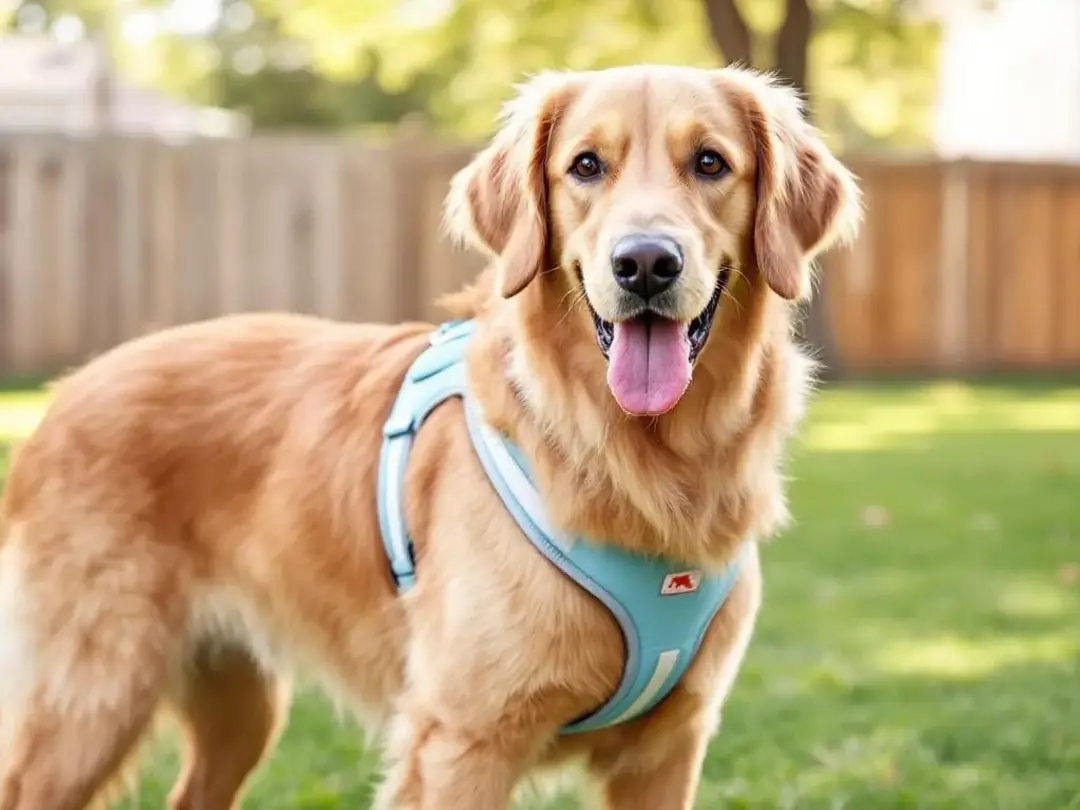
Environmental modifications play a crucial role in managing dogs with collapsed trachea. Using harnesses instead of collars eliminates pressure on the neck area that can trigger coughing episodes and worsen airway compromise.
Maintaining ideal body weight through careful diet management and appropriate gentle exercise helps reduce pressure on the compromised trachea while supporting overall respiratory health.
Avoiding airway irritants becomes essential for these dogs. This includes avoiding smoke exposure, strong fragrances, dust, and other respiratory irritants that can trigger coughing episodes and worsen inflammation.
During hot, humid weather, providing air conditioning or using an air purifier helps maintain comfortable breathing conditions. The combination of heat and humidity can significantly worsen symptoms in affected dogs.
Feeding smaller, more frequent meals reduces esophageal pressure on the trachea during eating, helping prevent food-related coughing episodes. For severe cases, keeping emergency oxygen supplies available can be life-saving during acute respiratory distress episodes.
When to Seek Veterinary Care
Recognizing when professional veterinary care becomes necessary can be life-saving for dogs with either condition. Immediate veterinary attention is essential when dogs show blue gums, severe difficulty breathing, or collapse during coughing episodes.
For kennel cough, veterinary attention becomes necessary if the dog's symptoms worsen after 3-5 days of home care or if the dog develops more severe signs like high fever, lethargy, or loss of appetite.
Dogs with collapsed trachea require ongoing veterinary monitoring and regular treatment adjustments as the progressive disease evolves. This includes routine follow-up appointments to assess progression and modify treatment plans accordingly.
Emergency Warning Signs
Cyanosis, appearing as blue or purple coloration of the gums, tongue, or skin, indicates dangerous oxygen deprivation requiring immediate medical emergency intervention. This represents a critical situation that can rapidly become life-threatening.
Open-mouth breathing at rest or extreme difficulty catching breath suggests severe respiratory distress that requires emergency veterinary care and possibly oxygen therapy.
During coughing episodes, collapse, weakness, or loss of consciousness indicates severe airway compromise requiring immediate intervention. These episodes can progress rapidly and may require emergency surgical intervention in extreme cases.
For dogs with suspected kennel cough, fever above 104°F (40°C) suggests potential complications or secondary infections requiring immediate professional evaluation and treatment.
Any sudden worsening of coughing frequency despite ongoing treatment warrants veterinary reassessment, as this may indicate disease progression or the development of complications.
When persistent coughing prevents eating, drinking, or sleeping, the quality of life becomes significantly compromised and requires aggressive medical intervention to provide relief.
Prognosis and Long-term Outlook
The long-term outlook differs dramatically between kennel cough and collapsed trachea, reflecting their fundamental differences in cause and progression. Kennel cough carries an excellent prognosis with complete recovery expected in most dogs when properly treated.
For collapsed trachea, while the condition is progressive, many dogs live comfortable lives for years with proper medical management and environmental modifications. The key lies in early intervention and consistent adherence to treatment protocols.
Early intervention significantly improves outcomes for both conditions. For kennel cough, prompt treatment reduces symptom duration and prevents complications. For collapsed trachea, early diagnosis allows implementation of management strategies that can slow progression and maintain quality of life longer.
Dogs with collapsed trachea require regular veterinary monitoring to adjust treatment as the condition progresses. This ongoing relationship with veterinary medicine professionals ensures treatment plans remain optimal as the dog's condition evolves.
Despite the progressive nature of tracheal collapse, quality of life typically remains good in most dogs when the condition is properly managed through a combination of medications, environmental modifications, and weight control.
Complications remain relatively rare in kennel cough cases, though severe cases may occasionally progress to pneumonia requiring more intensive treatment. However, with proper veterinary care, even complicated cases generally resolve completely.
The prognosis for dogs with collapsed trachea depends largely on the severity at diagnosis and the owner's commitment to long-term management. Many dogs maintain excellent quality of life for years when treatment plans are followed consistently and environmental modifications are implemented effectively.
Regular monitoring allows veterinarians to identify progression early and adjust treatment plans accordingly, helping maintain the best possible outcomes throughout the dog's life. This collaborative approach between pet owners and veterinary professionals optimizes long-term success in managing this chronic condition.
Understanding the key differences between collapsed trachea vs kennel cough empowers dog owners to make informed decisions about their pet's health and seek appropriate veterinary care when needed. While both conditions can cause concerning symptoms, proper diagnosis and treatment lead to positive outcomes in the vast majority of cases.
Related Resources
More Dog Coughing and Health Guides
If you are checking coughing, breathing changes, and related dog health concerns, these guides can help.


