
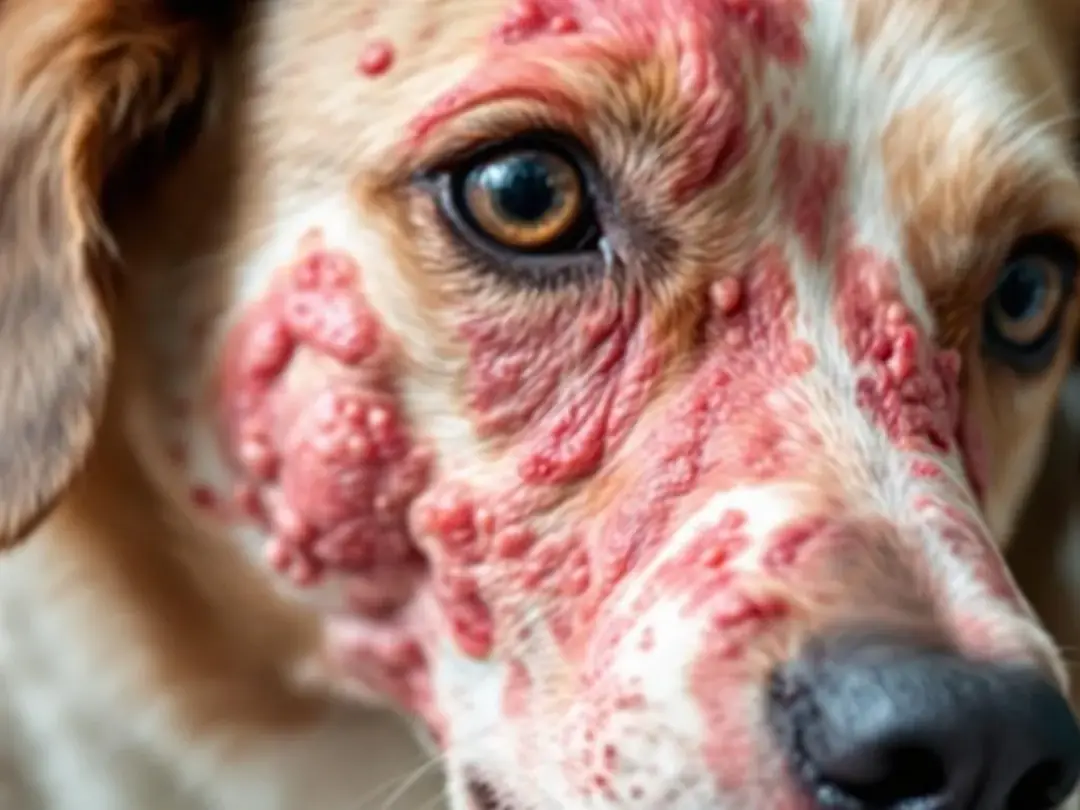

Canine skin infections happen when bacteria, yeast, fungi, or parasites take advantage of damaged or inflamed skin and begin to overgrow.
If you are researching itching, rashes, and chronic dog skin problems, our canine food allergies guide is a useful next read because allergies are one of the most common reasons dogs develop recurring skin infections.
Key Takeaways
- Skin infections in dogs are commonly caused by bacteria, yeast, fungi, or parasites.
- Common signs include redness, itching, odor, pustules, crusting, and hair loss.
- Accurate diagnosis matters because different infection types need different treatment.
- Many skin infections are secondary to allergies, parasites, hormonal disease, or other underlying problems.
- Successful treatment usually means treating both the infection and the reason it happened.
What Are Canine Skin Infections?
Canine skin infections develop when the normal skin barrier is disrupted and harmful organisms are able to multiply. In healthy skin, bacteria and yeast may be present in small amounts without causing trouble, but once the barrier breaks down, infection can follow.
That is why skin infections are often not the first problem. They are frequently the result of another issue that made the skin vulnerable in the first place.
The infection may be what you see, but it is often not where the story started.
Common Types of Skin Infections in Dogs
Different organisms create different patterns of disease.
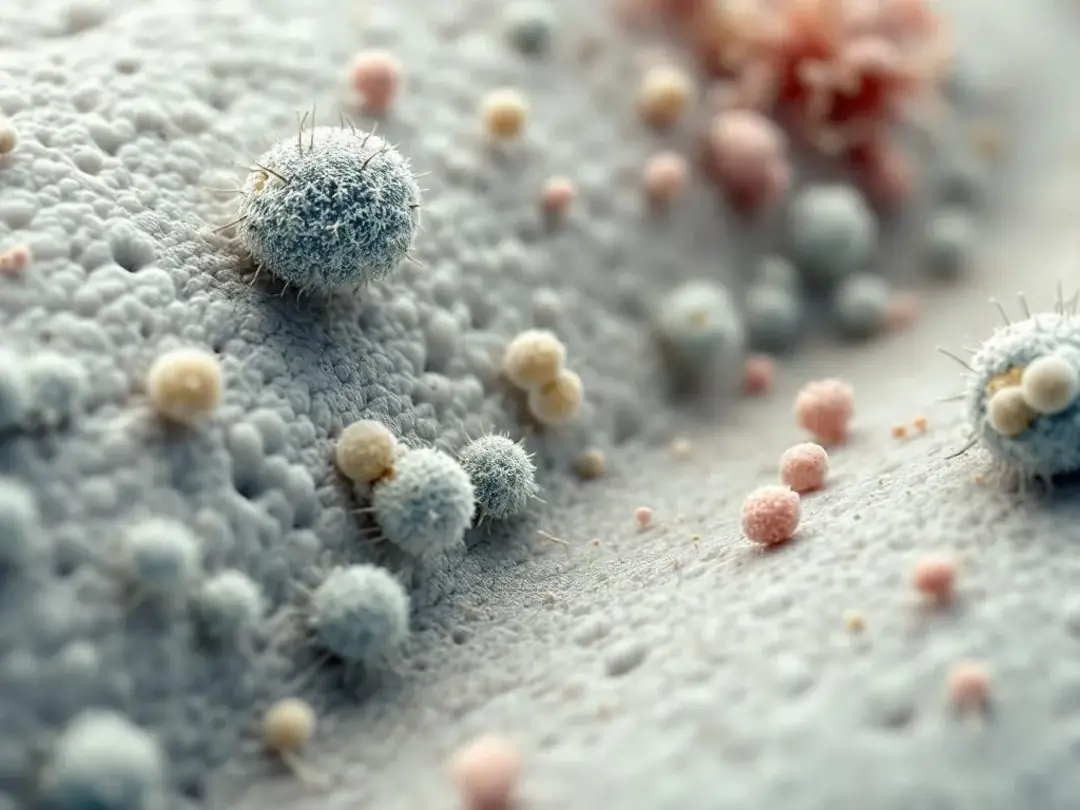
Bacterial infections such as pyoderma are among the most common. Yeast infections often create greasy, odorous, itchy skin, especially in folds and ears. Fungal infections like ringworm and parasitic problems like mange can also create skin lesions that look similar at first glance.
That overlap is one reason owners should not assume every rash or crusty patch is the same thing.
Skin disease often looks repetitive until you learn how many different causes can wear the same mask.
Common Symptoms of Canine Skin Infections
Common signs include redness, itching, pustules, crusting, hair loss, odor, greasy or flaky skin, and areas that look inflamed or painful. Some dogs also develop hot spots, thickened skin, or darkened skin in chronic cases.
Behavior changes matter too. A dog that is licking, chewing, rubbing, or scratching constantly is often telling you the skin is not just abnormal, but uncomfortable.
When the skin is miserable, the behavior usually follows.
Why Skin Infections Keep Coming Back
Recurring skin infections often mean there is an underlying problem that has not been fully addressed. Common drivers include food allergies, environmental allergies, parasites, hypothyroidism, Cushing's disease, poor skin barrier function, and anatomical issues like skin folds.
This is why repeated antibiotics alone may not solve the bigger issue. If the trigger remains, the skin often becomes infected again.
Recurrent infection is often a clue, not bad luck.
How Vets Diagnose Skin Infections
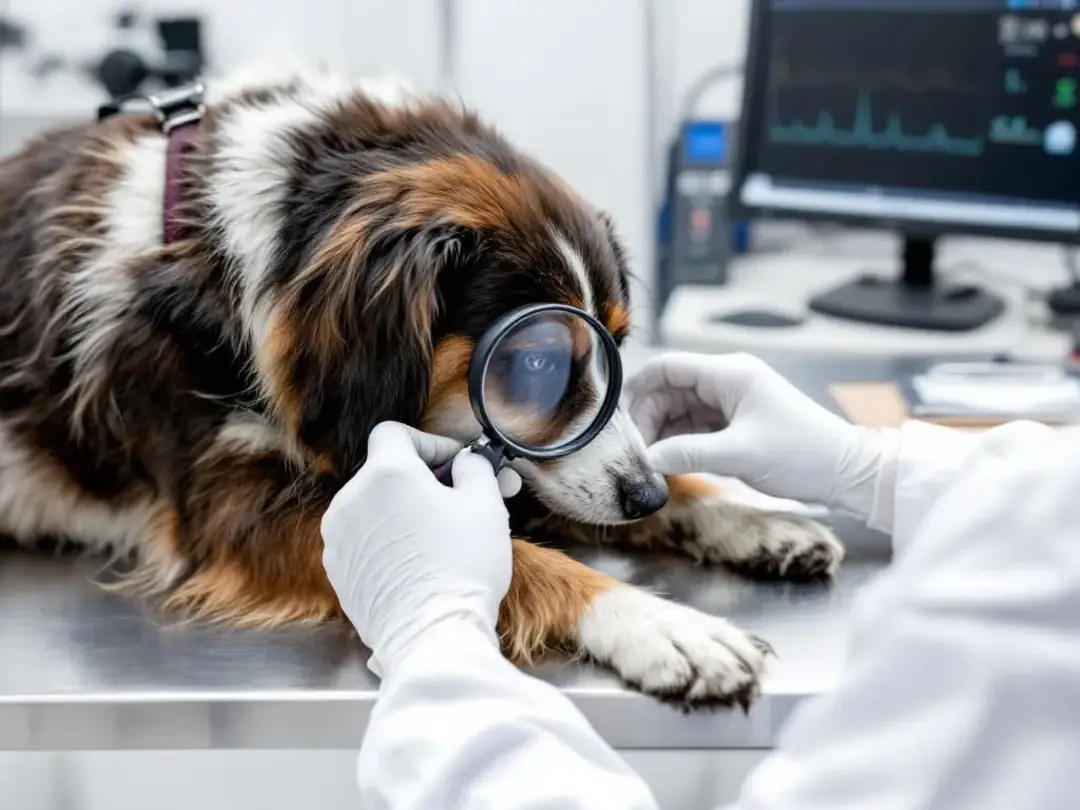
Diagnosis is about identifying both the infection and the reason behind it.
Veterinarians may use physical examination, skin scrapings, cytology, bacterial culture, fungal testing, allergy workups, blood tests, and sometimes biopsy to understand what is happening. These tests help separate bacterial, fungal, parasitic, and inflammatory causes.
That matters because the right treatment depends on knowing what organism is involved and what made the skin vulnerable.
Good skin medicine is not just about treating what is on the skin. It is about explaining why it got there.
Treatment for Canine Skin Infections
Treatment may include oral antibiotics, antifungal medication, medicated shampoos, topical sprays, parasite control, and anti-itch or anti-inflammatory support. The exact plan depends on the type of infection and how severe it is.
Just as important, the underlying cause often needs treatment too. If allergies, endocrine disease, or another trigger are ignored, the infection may improve only to return again.
Clearing the infection is one goal. Preventing the next one is the bigger one.

Prevention and Long-Term Management
Healthy skin is easier to protect than damaged skin is to repair.
Regular grooming, parasite prevention, allergy management, good nutrition, skin fold care, and prompt attention to early irritation all help reduce infection risk. Dogs with chronic skin disease often need long-term maintenance rather than one-time treatment.
That maintenance may include medicated baths, diet changes, recheck visits, and close monitoring during seasons when flare-ups are more likely.
For many dogs, prevention is not a separate step from treatment. It is the treatment continuing.
When to Call the Vet
Call your veterinarian if your dog has persistent itching, redness, odor, pustules, hair loss, hot spots, or skin lesions that are spreading or not improving. You should also seek care if your dog seems painful, lethargic, or develops repeated infections.
Skin infections are often treatable, but they are much easier to manage before they become deep, chronic, or complicated.
When the skin keeps getting worse, waiting usually helps the infection more than the dog.
FAQ
Common Questions About Canine Skin Infections
These quick answers cover common questions about causes, symptoms, diagnosis, treatment, and recurrence.
What causes skin infections in dogs?
Common causes include bacteria, yeast, fungi, and parasites, often after the skin barrier has been compromised.
What are common symptoms?
Common signs include redness, itching, odor, pustules, crusting, and hair loss.
Why do skin infections keep coming back?
Recurring infections often mean there is an underlying issue such as allergies, parasites, or hormonal disease.
How are skin infections diagnosed?
Veterinarians may use skin scrapings, cytology, cultures, blood work, and other tests depending on the case.
Can they usually be treated successfully?
Yes, many can be treated successfully, especially when both the infection and the underlying cause are addressed.


