
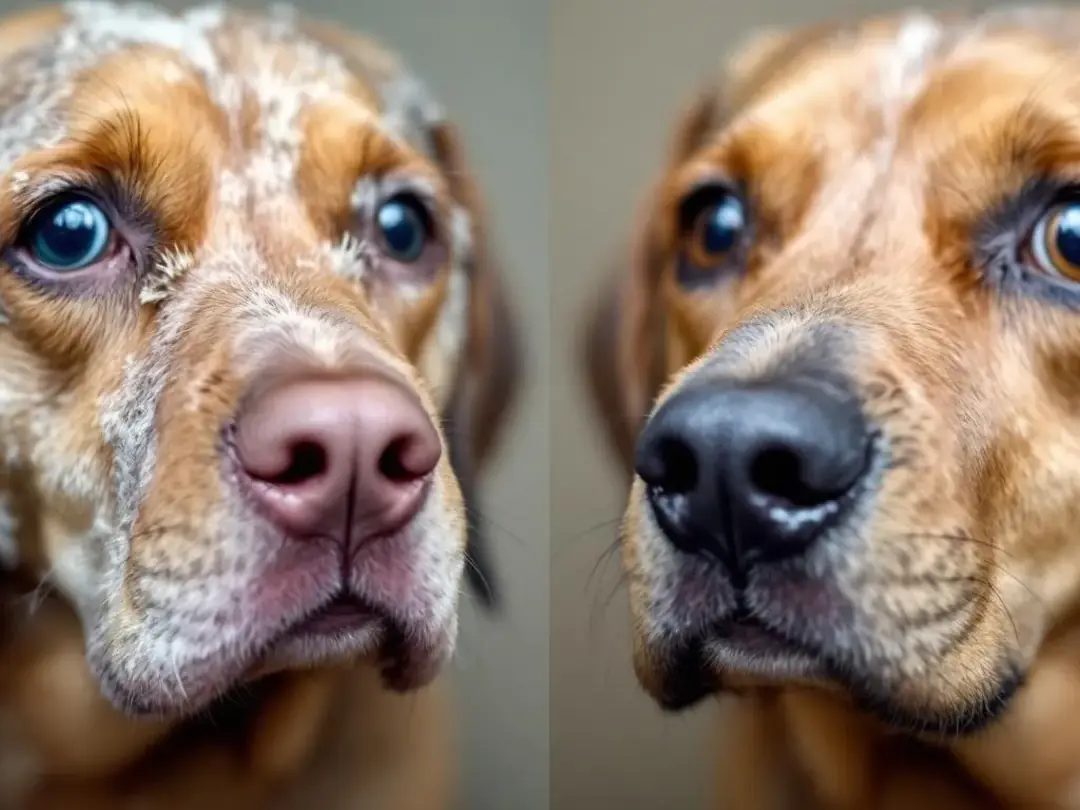

Canine seborrhea is a skin condition that causes abnormal flaking, scaling, greasiness, or a combination of these changes, often making the coat and skin look unhealthy and feel uncomfortable.
If you are researching flaky skin, greasy coats, and chronic dog skin conditions, our canine food allergies guide is a useful next read because allergies are one of the common reasons dogs develop secondary skin problems.
Key Takeaways
- Seborrhea can cause flaky, scaly, greasy, or foul-smelling skin and coat changes.
- There are primary and secondary forms, and the difference matters for treatment.
- Primary seborrhea is inherited, while secondary seborrhea is caused by another underlying problem.
- Diagnosis often requires looking for allergies, infections, parasites, or hormonal disease.
- Many dogs improve when the underlying cause is treated and the skin is managed properly.
What Is Canine Seborrhea?
Canine seborrhea is a disorder of skin cell turnover and oil production that leads to excessive scale, flaking, greasiness, or both. It is not just "dry skin" in the casual sense. It reflects a deeper problem in how the skin is functioning.
That is why seborrhea often comes with odor, irritation, and secondary infections. Once the skin barrier is disrupted, other problems tend to pile on.
Seborrhea is often the visible surface of a larger skin problem.
Primary vs Secondary Seborrhea
Primary seborrhea is an inherited disorder seen in certain breeds and usually requires lifelong management. Secondary seborrhea is much more common and happens because something else is driving the skin problem, such as allergies, parasites, infections, or hormonal disease.
This distinction matters because secondary seborrhea may improve dramatically if the underlying cause is found and treated. Primary seborrhea, by contrast, is usually managed rather than cured.
One form is the disease. The other is the clue.
Common Symptoms of Canine Seborrhea
Common signs include dandruff-like flaking, greasy skin, oily coat, odor, redness, thickened skin, ear problems, and sometimes itching or hair loss. Some dogs look dry and scaly, while others look oily and waxy, and many show a mix of both.
These symptoms often become worse in skin folds, ears, feet, and other areas where moisture and debris build up easily.
When the skin cannot regulate itself well, the whole coat starts telling on it.
How Vets Diagnose Seborrhea
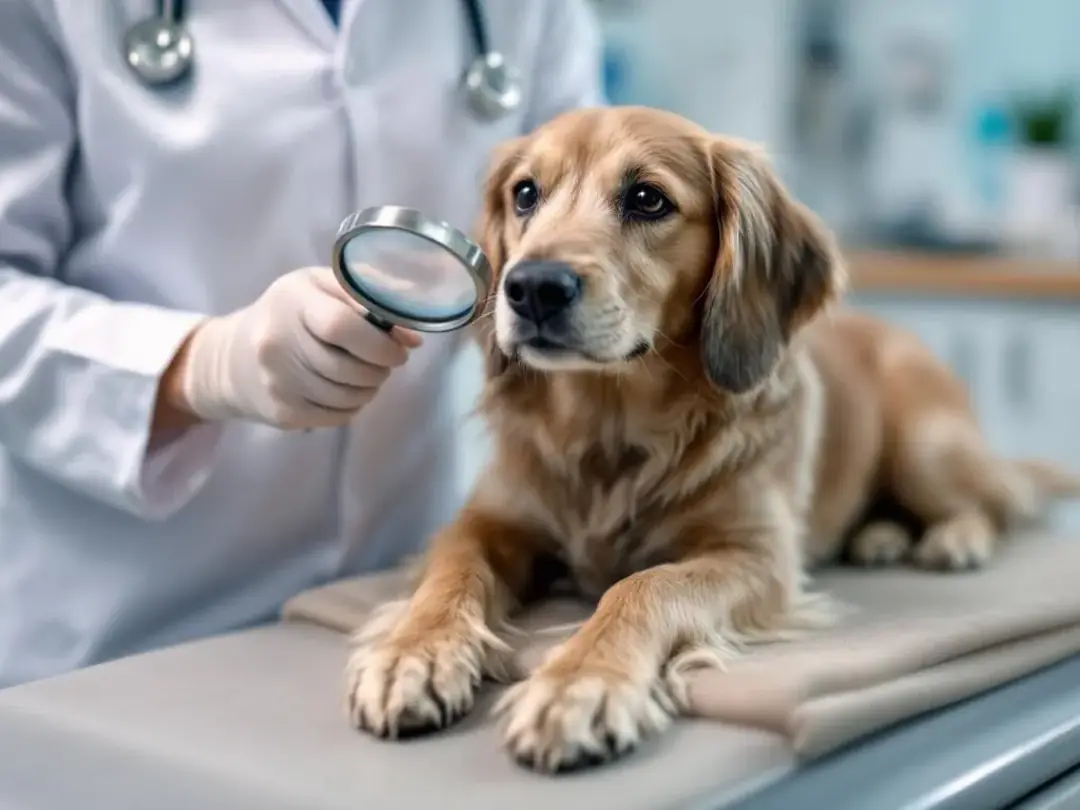
Diagnosis is usually about finding the reason behind the skin changes.
Veterinarians may use skin scrapings, cytology, blood work, thyroid testing, allergy evaluation, and other diagnostics to look for parasites, infections, endocrine disease, or other triggers. The goal is not just to label the skin as seborrheic, but to understand why it became that way.
That is especially important in secondary seborrhea, where the skin problem may be the symptom rather than the root disease.
Good seborrhea workups do not stop at the flakes.
Treatment for Canine Seborrhea
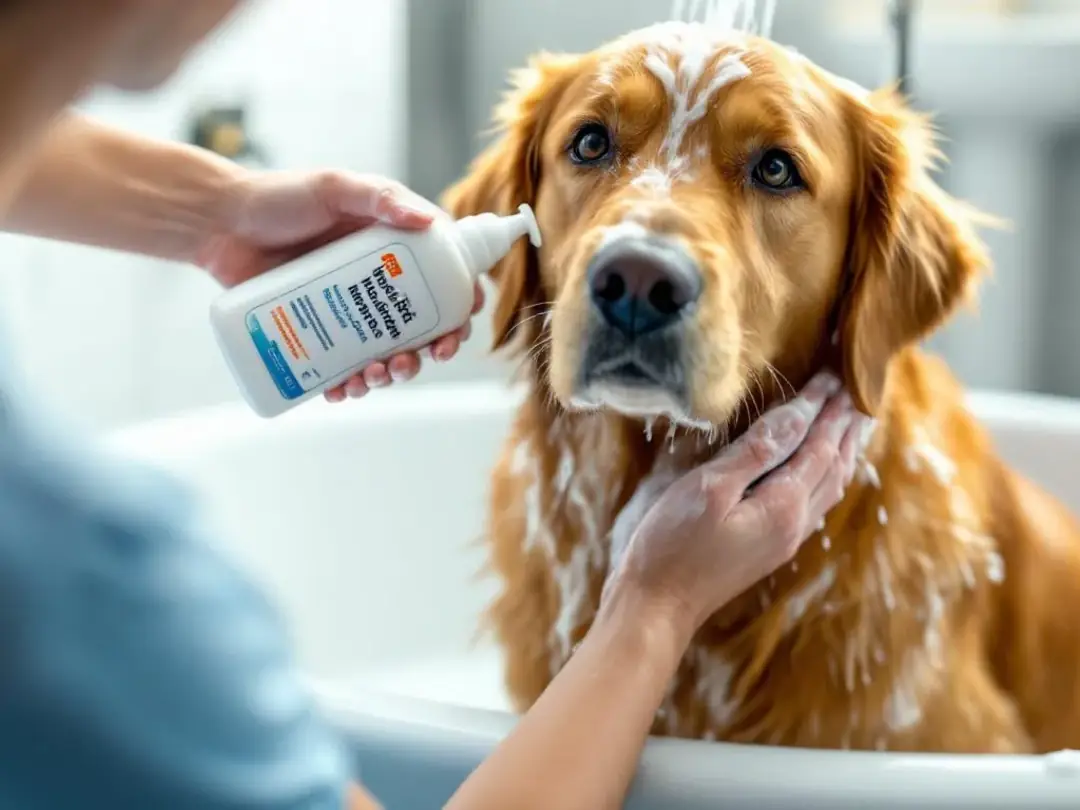
Treatment usually combines skin care with treatment of the underlying cause.
Medicated shampoos, keratolytic products, moisturizers, and antimicrobial treatments are often used to control the skin itself. If the dog has allergies, parasites, hypothyroidism, or another trigger, that problem also needs to be treated for the skin to improve properly.
In primary seborrhea, long-term management is usually the goal. In secondary seborrhea, the best results often come from fixing what is driving it.
Skin treatment helps the surface. Cause treatment changes the outcome.
Long-Term Outlook
The outlook depends on whether the seborrhea is primary or secondary. Dogs with secondary seborrhea may improve greatly once the underlying issue is controlled. Dogs with primary seborrhea often need lifelong management, but many can still be kept comfortable with consistent care.
That is why expectations matter. Some dogs are being cured of a trigger, while others are being managed for a chronic skin tendency.
Better skin is often possible even when perfect skin is not.
When to Call the Vet
Call your veterinarian if your dog has persistent flaking, greasy skin, odor, itching, ear problems, or recurring skin infections. These signs are especially worth checking if they keep returning or do not improve with routine grooming.
Seborrhea is often manageable, but only if the real cause is not being missed.
When the skin keeps relapsing, the answer is usually deeper than the shampoo bottle.
FAQ
Common Questions About Canine Seborrhea
These quick answers cover common questions about symptoms, causes, diagnosis, and long-term management.
What is canine seborrhea?
It is a skin disorder that causes abnormal flaking, scaling, greasiness, or both.
What is the difference between primary and secondary seborrhea?
Primary seborrhea is inherited, while secondary seborrhea is caused by another underlying problem.
What are common symptoms?
Common signs include flakes, greasy skin, odor, redness, ear issues, and sometimes itching or hair loss.
Can secondary seborrhea improve?
Yes. It often improves when the underlying cause is identified and treated properly.
Does primary seborrhea go away?
No. It usually requires lifelong management, though many dogs can still be kept comfortable.


