
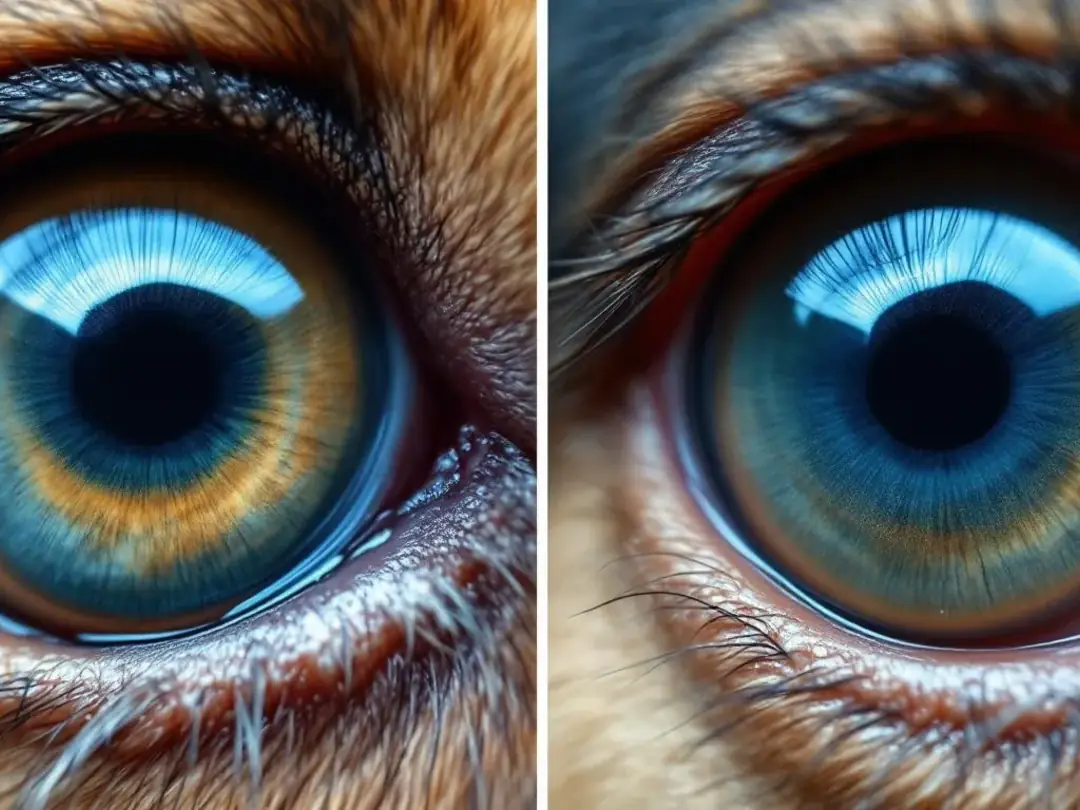

Canine glaucoma is a painful eye condition caused by increased pressure inside the eye, and it can lead to permanent vision loss very quickly.
If you are researching painful eye conditions and vision loss in dogs, our canine eye ulcer guide is a useful next read for another urgent eye problem that should not be ignored.
Key Takeaways
- Glaucoma is caused by increased pressure inside the eye.
- It is often an emergency because vision can be lost fast.
- Common signs include pain, redness, cloudiness, and vision changes.
- Some dogs develop inherited primary glaucoma, while others get secondary glaucoma from another eye problem.
- Fast diagnosis and treatment matter for both comfort and vision.
What Is Canine Glaucoma?
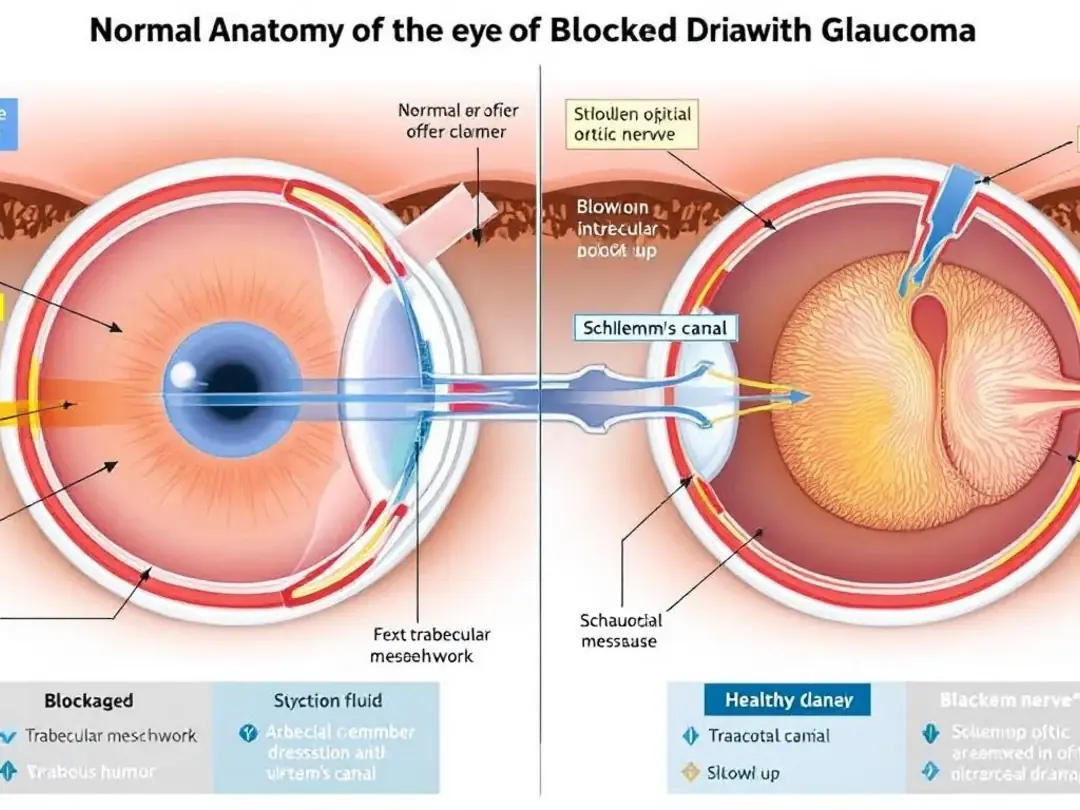
Canine glaucoma is a condition in which pressure inside the eye becomes abnormally high. That pressure damages delicate structures such as the retina and optic nerve, which is why glaucoma can threaten vision so quickly.
It is not just an eye that looks irritated. It is an eye under damaging internal pressure. That is what makes glaucoma so serious.
With glaucoma, pressure is the problem and time is the enemy.
Primary vs Secondary Glaucoma
Primary glaucoma is usually inherited and related to the way the eye drains fluid. Secondary glaucoma happens because another eye problem, such as inflammation, lens luxation, trauma, or a tumor, disrupts normal drainage and causes pressure to rise.
That distinction matters because treatment planning depends on the cause. A dog with inherited glaucoma is not the same case as a dog whose glaucoma developed because of another eye disease.
Glaucoma is one condition, but not one pathway.
Common Symptoms of Canine Glaucoma
The signs often look dramatic because glaucoma is painful.
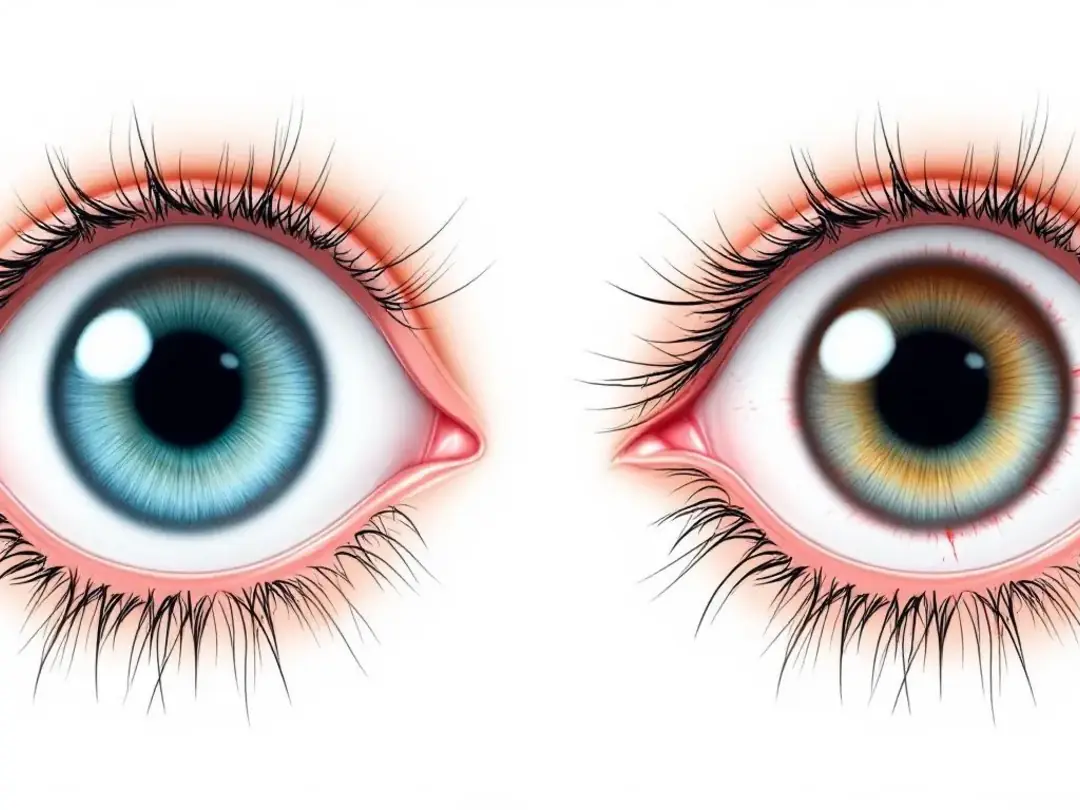
Common signs include a red eye, squinting, cloudiness, a dilated pupil, vision loss, pawing at the eye, and obvious pain. Some dogs also seem lethargic, nauseated, or less interested in food because the eye pain is so severe.
In chronic cases, the eye may enlarge over time. In acute cases, the change can feel sudden and alarming.
When glaucoma shows itself, it often does not do it quietly.
Why Glaucoma Is an Emergency
This is one of the eye conditions where delay can cost vision fast.
High eye pressure can damage the retina and optic nerve in a short amount of time. That means a dog can lose vision permanently if treatment is delayed, even if the eye still looks salvageable from the outside.
Glaucoma is also intensely painful, so emergency care is not only about sight. It is also about relieving suffering.
With glaucoma, urgency is about comfort and vision at the same time.
How Vets Diagnose Canine Glaucoma
Veterinarians diagnose glaucoma by measuring intraocular pressure and performing a full eye exam. Tonometry is the key test used to confirm whether pressure is abnormally high.
They may also evaluate the drainage angle, look for underlying causes, and assess how much damage has already occurred. That helps determine whether the case is primary or secondary and what treatment path makes the most sense.
Diagnosis is not just about proving pressure. It is about understanding the whole eye.
Treatment for Canine Glaucoma
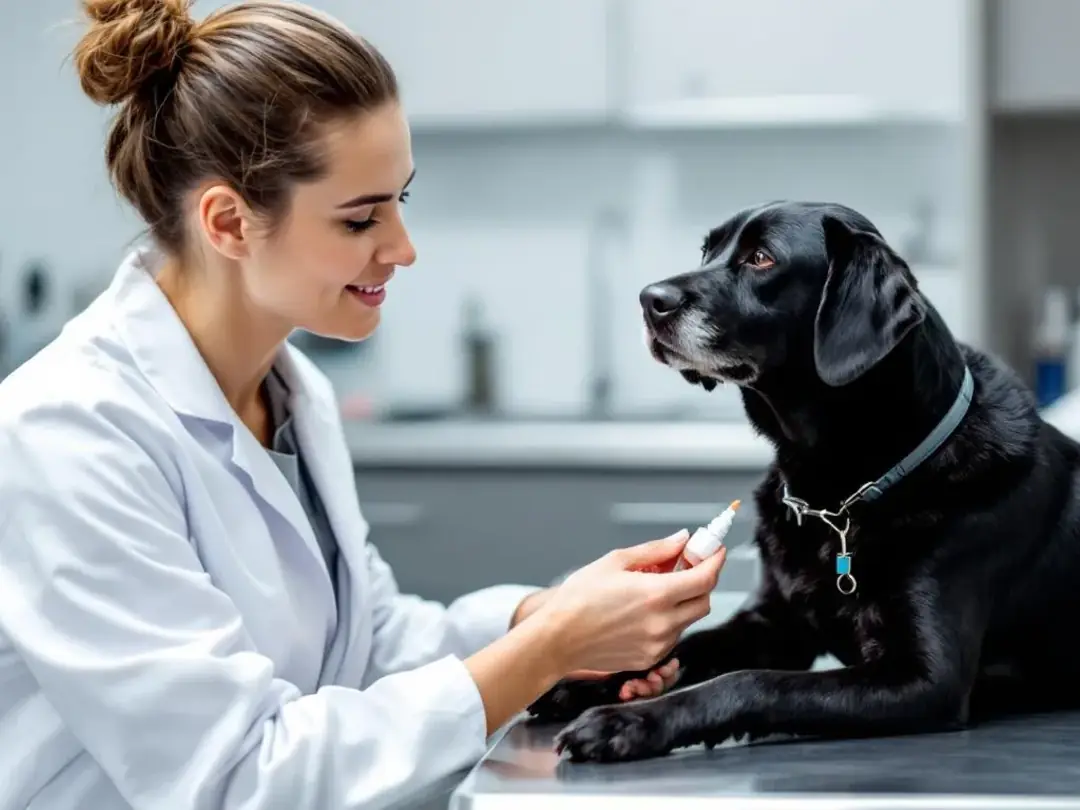
Treatment aims to lower pressure fast and protect the eye if possible.
Treatment may include emergency pressure-lowering medication, long-term eye drops, surgery, or procedures to control pain and preserve quality of life. In some cases, vision can be saved. In others, the focus shifts more toward comfort because the damage is already too advanced.
That is why early treatment matters so much. The same diagnosis can have very different outcomes depending on how quickly the dog is seen.
In glaucoma, timing changes what is still possible.
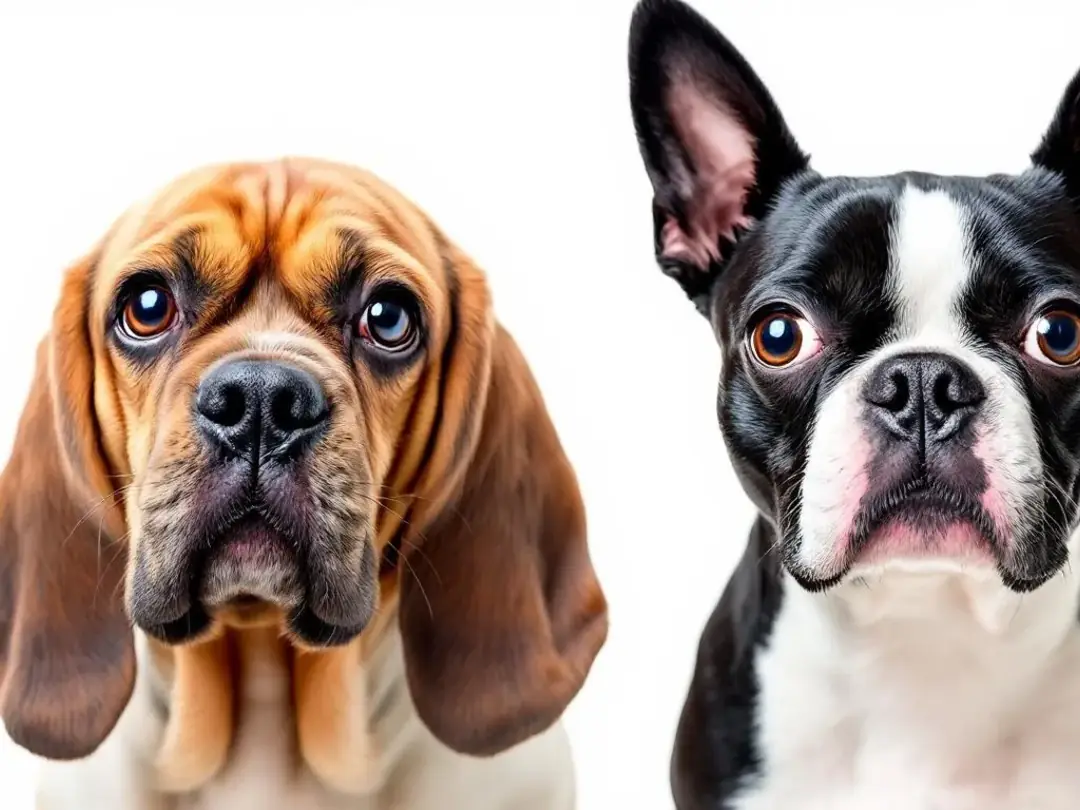
Breeds at Higher Risk
Some breeds are more predisposed to inherited glaucoma than others.
Breeds such as Basset Hounds, Boston Terriers, Beagles, Cocker Spaniels, and several others are known to have higher glaucoma risk. In these dogs, regular eye monitoring can matter even before obvious symptoms appear.
That does not mean other breeds are safe, but it does mean some dogs deserve a lower threshold for screening and concern.
Breed risk does not guarantee glaucoma, but it should sharpen attention.
When to Call the Vet Immediately
Call your veterinarian or an emergency clinic immediately if your dog has a suddenly red, painful, cloudy, or enlarged eye, seems to lose vision, or is acting distressed with obvious eye discomfort. Do not wait to see if it improves on its own.
Glaucoma is one of the clearest examples of an eye emergency in dogs. Fast action can make a real difference.
When the eye changes fast, the response should too.
FAQ
Common Questions About Canine Glaucoma
These quick answers cover common questions about symptoms, emergency care, diagnosis, and treatment.
What is canine glaucoma?
It is a condition where pressure inside the eye becomes abnormally high and damages vision-related structures.
Why is glaucoma an emergency?
Because high eye pressure can cause permanent vision loss quickly and is also very painful.
What are common symptoms?
Common signs include redness, cloudiness, pain, squinting, and vision changes.
How is glaucoma diagnosed?
Veterinarians diagnose it by measuring intraocular pressure and examining the eye.
Can glaucoma be treated?
Yes, but treatment depends on the cause, how advanced it is, and whether vision can still be saved.


