
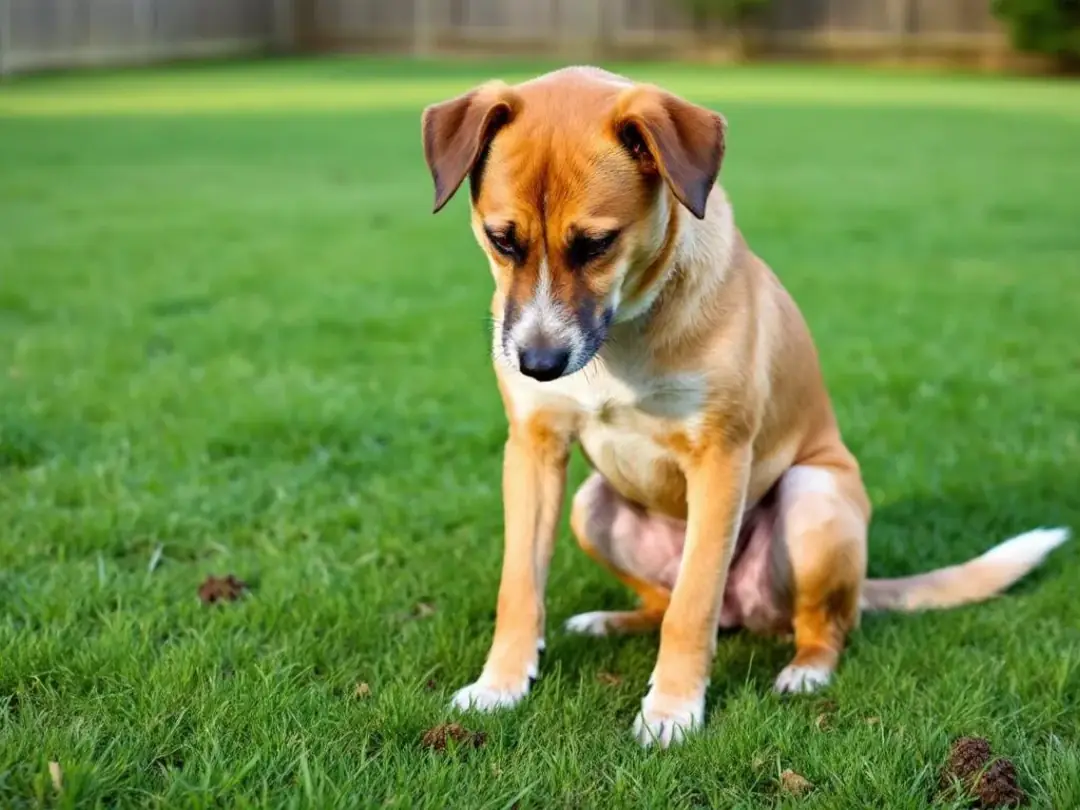

Canine constipation means a dog is having trouble passing stool, passing it too infrequently, or not passing it at all.
If you are researching digestive issues and elimination problems in dogs, our canine colitis guide is a useful next read if you are comparing constipation with other bowel-related problems.
Key Takeaways
- Constipation means stool is hard to pass, delayed, or absent.
- Common causes include dehydration, diet issues, low activity, pain, and underlying disease.
- Straining, hard stool, repeated attempts, and discomfort are common warning signs.
- Mild cases may improve with veterinary guidance, but severe cases can become urgent.
- If a dog cannot pass stool or seems painful, veterinary care matters quickly.
What Is Canine Constipation?
Canine constipation happens when a dog has difficulty passing stool, passes it less often than normal, or stops passing it altogether. The stool often becomes dry, hard, and uncomfortable to eliminate.
That can sound simple, but constipation is not always just a minor delay. In some dogs it is a short lived problem. In others it is a sign of pain, dehydration, obstruction, or another medical issue that needs attention.
Constipation is a symptom pattern, not a final explanation.
Common Causes of Constipation in Dogs
Constipation can happen for many reasons, including dehydration, low activity, diet problems, pain when trying to posture, swallowed foreign material, medication side effects, or underlying disease. In older dogs, age-related issues can also make normal bowel movements harder.
That is why one constipated dog may need a simple adjustment while another may need a much deeper medical workup. The same outward problem can come from very different causes.
Hard stool is the result. The reason behind it still matters.
Signs and Symptoms of Canine Constipation
The most obvious sign is repeated effort with little result.
Dogs with constipation may strain repeatedly, pass very small amounts of hard stool, circle and squat over and over, or seem uncomfortable while trying to defecate. Some dogs also become less interested in food, seem restless, or act painful around the abdomen.
Owners sometimes confuse constipation with diarrhea because a dog may keep trying to go. The difference is that the output is often minimal, dry, or absent.
With constipation, the effort is often bigger than the result.
When Constipation Becomes More Serious
If stool stays in the colon too long, the problem can become more severe and harder to fix. Dogs can develop severe impaction or obstipation, where normal passage becomes extremely difficult or impossible without veterinary help.
This is one reason owners should not keep waiting indefinitely while the dog strains and produces nothing. A simple delay can turn into a much more painful and complicated problem.
Constipation gets riskier the longer it sits there.
How Vets Diagnose Constipation
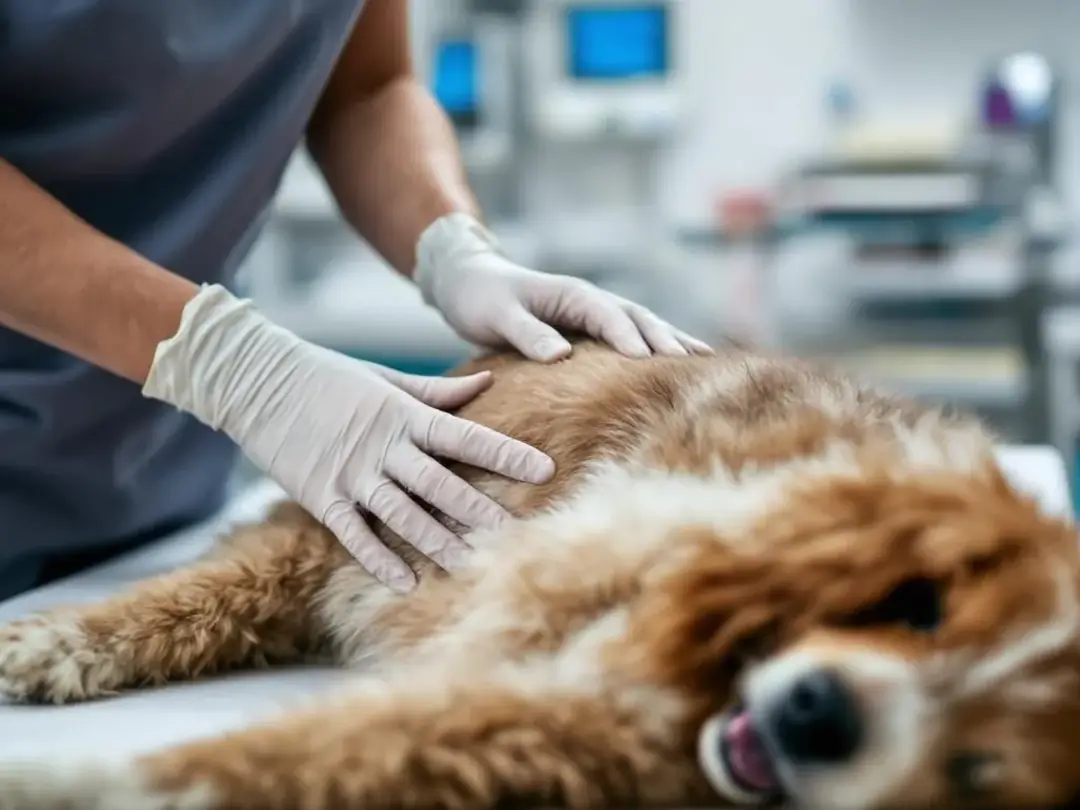
Veterinarians use history, physical exam, and sometimes imaging or lab work to figure out what is causing the constipation. The goal is not just to confirm that stool is backed up. It is to understand why.
That may include checking for dehydration, pain, foreign material, enlarged organs, orthopedic issues, or other medical conditions that make defecation difficult.
Diagnosis matters because constipation is often the visible end of a different problem.

Treatment and Relief Options
Treatment depends on the cause and the severity of the backup.
Treatment may include hydration support, diet changes, increased activity, stool-softening strategies, prescription medication, enemas, or more advanced intervention in severe cases. Some dogs improve with fairly simple care, while others need urgent veterinary help to clear the colon safely.
The key point is that relief should be appropriate to the case. Home ideas that sound mild can be useless or even risky if the dog is actually obstructed or severely impacted.
Safe relief starts with knowing what kind of constipation you are dealing with.
How to Help Prevent Constipation
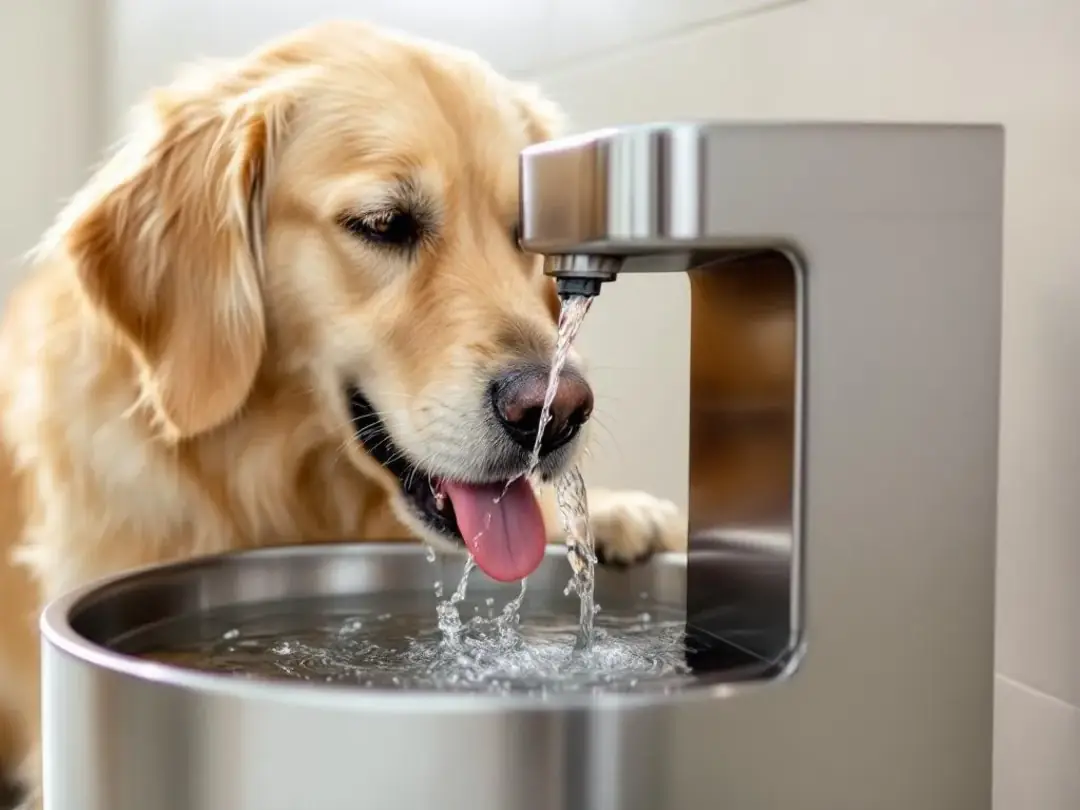
Prevention usually comes down to hydration, diet, movement, and paying attention early.
Consistent water intake, appropriate food, regular exercise, and avoiding bones or non-food items can all help reduce constipation risk. Dogs that have had constipation before may also need closer monitoring for recurrence.
It also helps to notice changes early. A dog that is starting to strain is easier to help than a dog that has been blocked up for days.
Prevention is often less about one product and more about steady habits.
When to Call the Vet Right Away
Call your veterinarian promptly if your dog is straining repeatedly, seems painful, has a swollen or tense abdomen, is vomiting, will not eat, or has gone too long without passing stool. If your dog seems unable to pass anything at all, do not keep waiting.
Constipation can be mild, but it can also be a sign of obstruction, severe impaction, or another medical issue that needs professional care.
When the dog is trying hard and getting nowhere, it is time to escalate.
FAQ
Common Questions About Canine Constipation
These quick answers cover common questions about hard stool, straining, causes, and when constipation becomes more urgent.
What is canine constipation?
It means a dog is having trouble passing stool, passing it too infrequently, or not passing it at all.
What are common signs?
Straining, hard stool, repeated squatting, discomfort, and little or no output are common signs.
What causes constipation in dogs?
Common causes include dehydration, diet issues, low activity, pain, foreign material, and underlying disease.
Can constipation become serious?
Yes. Severe constipation can progress to impaction or obstipation and may need urgent veterinary care.
When should I call the vet?
Call if your dog is straining repeatedly, seems painful, is vomiting, or cannot pass stool.


