
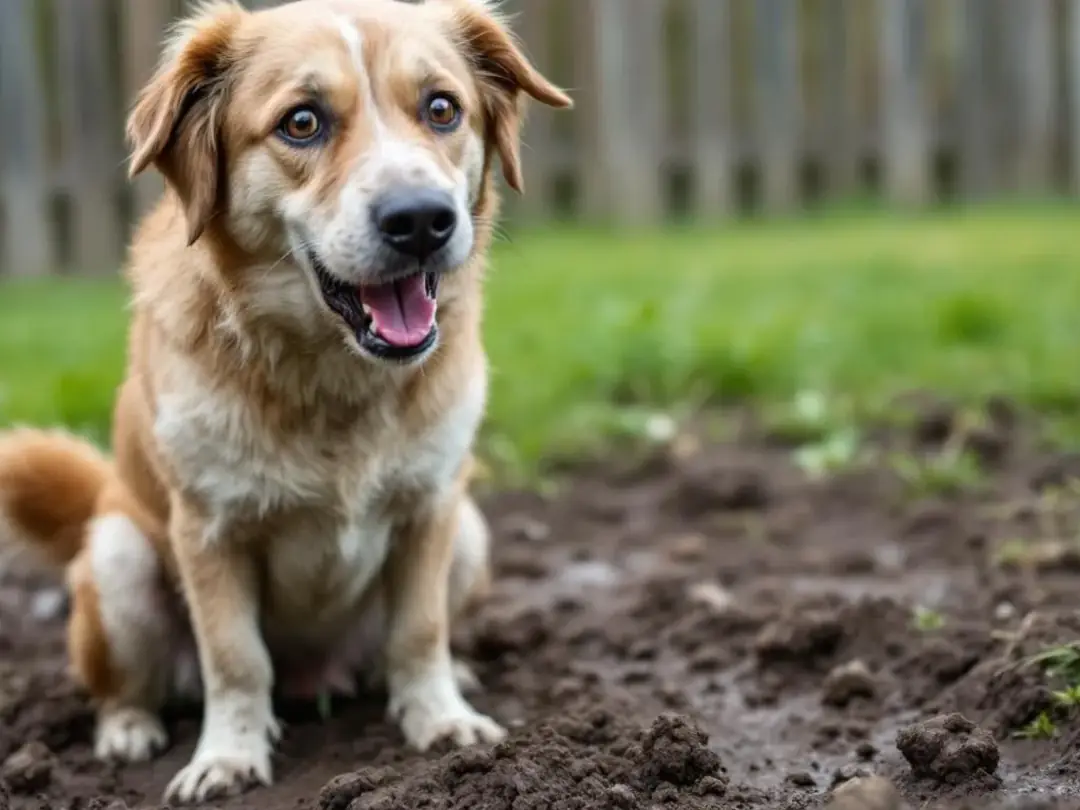

Canine colitis is inflammation of the large intestine that often causes frequent stooling, mucus, blood, and straining.
If you are researching digestive issues and stool changes in dogs, our why is my dog throwing up guide is a useful next read if your dog is also showing vomiting or broader stomach upset.
Key Takeaways
- Colitis is inflammation of the large intestine.
- Common signs include mucus, blood, urgency, and straining with stool.
- Stress, diet changes, parasites, infection, and chronic inflammatory disease can all play a role.
- Acute colitis often improves quickly, but chronic colitis needs a deeper workup.
- Treatment depends on the cause, not just the symptom.
What Is Canine Colitis?
Canine colitis is inflammation of the large intestine, also called the colon. When the colon is inflamed, dogs often develop frequent bowel movements, urgency, mucus, and sometimes fresh blood in the stool.
Colitis is one of the more common reasons owners suddenly notice dramatic stool changes, even when the dog otherwise seems fairly normal. The pattern often looks messy and urgent rather than simply "loose stool."
With colitis, the stool problem is often as much about irritation and urgency as it is about diarrhea.
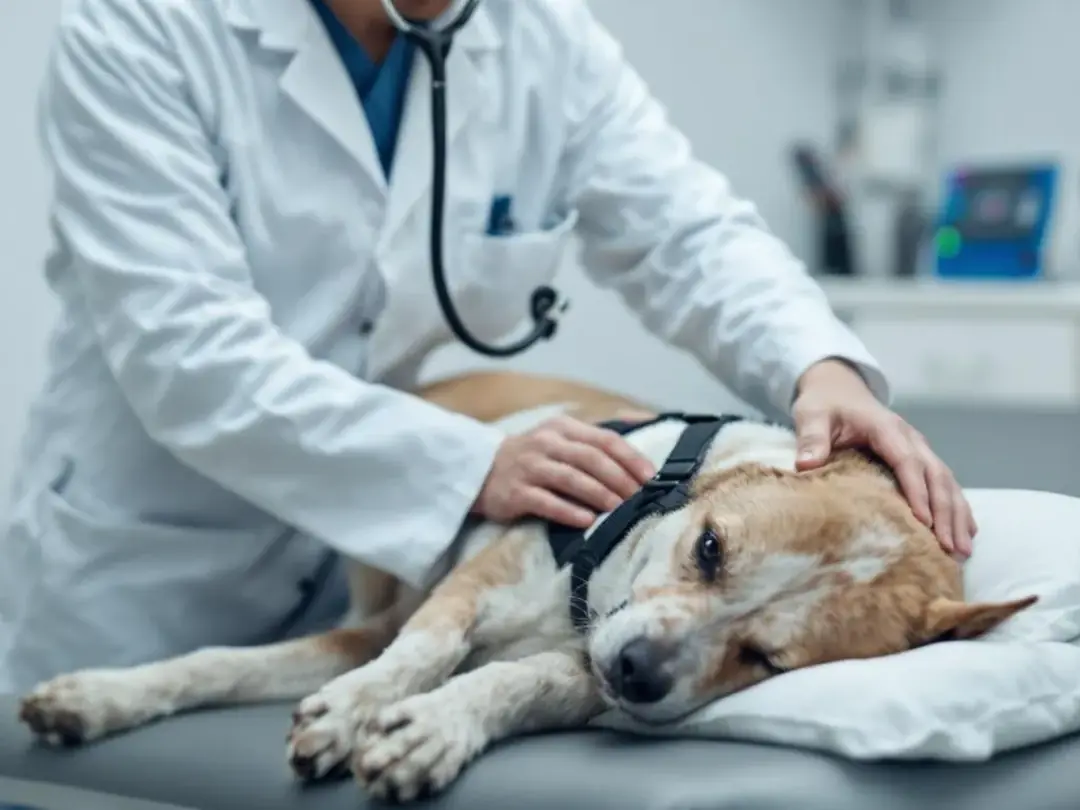
Common Symptoms of Canine Colitis
The most common signs usually show up in the stool and in the dog's bathroom behavior.
Dogs with colitis often pass small amounts of stool many times, strain to go, and produce stool with mucus or bright red blood. Some dogs seem desperate to defecate but only pass a little each time.
Owners may also notice accidents in the house, repeated squatting, or obvious discomfort during bowel movements. These signs can look dramatic even when the dog is still eating and acting fairly normal.
Colitis often looks urgent, frequent, and irritating rather than just loose.
Acute Colitis vs Chronic Colitis
Acute colitis starts suddenly and often improves within a few days once the trigger is removed and the dog gets appropriate care. Chronic colitis lasts longer, recurs, or keeps coming back, which usually means the cause needs a more complete investigation.
That difference matters because a one-time stress or diet-related episode is not the same thing as a dog with ongoing inflammatory bowel problems or repeated flare-ups.
Short-lived colitis is common. Repeated colitis deserves a bigger question.

Common Causes of Canine Colitis
There are several possible causes, and stress is only one of them.
Stress, sudden diet changes, garbage eating, parasites, bacterial infection, food intolerance, and chronic inflammatory disease can all contribute to colitis. In some dogs, the trigger is obvious. In others, it takes testing and time to sort out.
That is why colitis should be thought of as a syndrome with multiple possible causes, not a single disease with one simple fix.
The colon may be inflamed for many reasons, even when the stool looks similar.
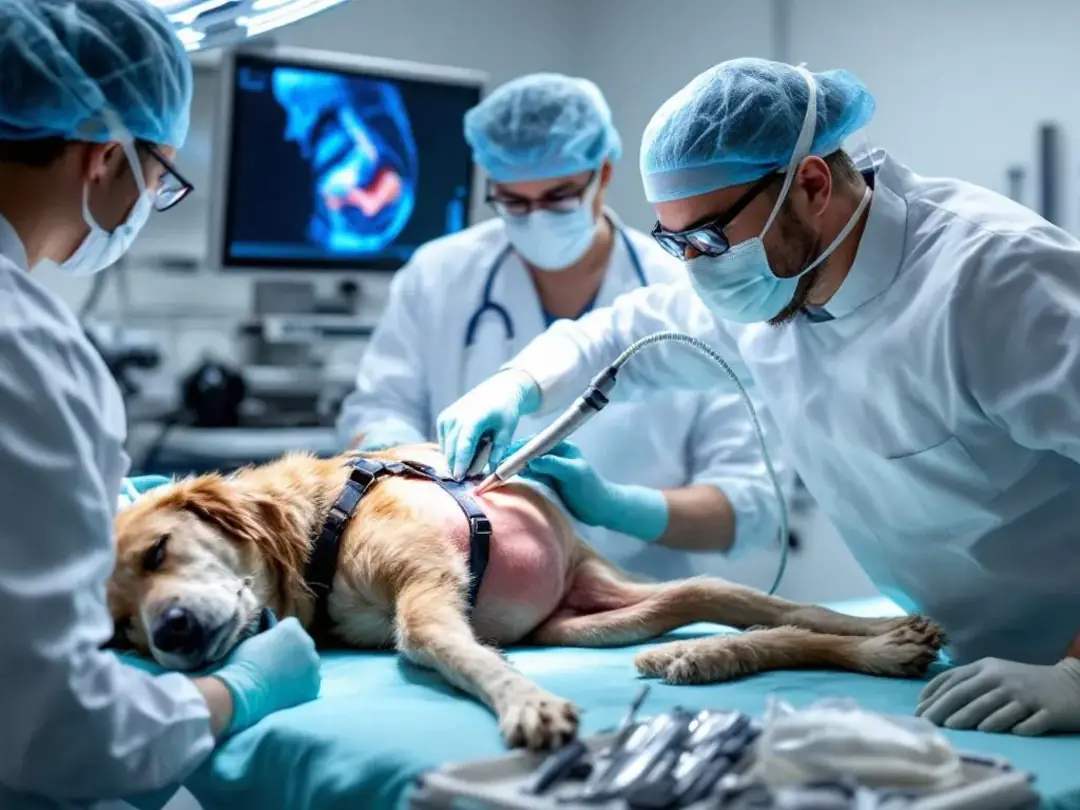
How Vets Diagnose Colitis
Diagnosis starts with the pattern, but it does not end there.
Veterinarians may use history, physical exam, fecal testing, blood work, imaging, diet trials, and in chronic cases more advanced procedures like colonoscopy and biopsies. The goal is to figure out whether the colitis is simple and short-term or part of a larger problem.
That distinction matters because treatment for stress colitis is not the same as treatment for chronic inflammatory disease or infection.
Colitis is easy to suspect from the stool. The cause still has to be earned.
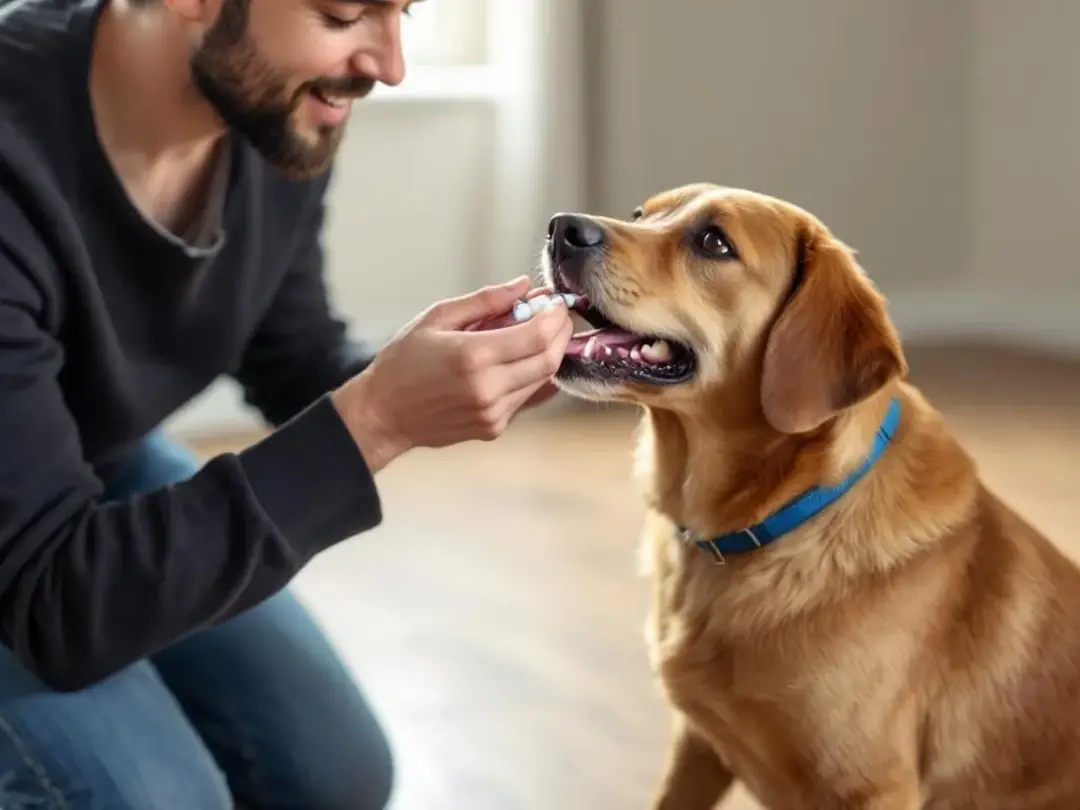
Treatment Options for Canine Colitis
Treatment depends on the cause and the severity.
Treatment may include a bland or prescription diet, probiotics, parasite treatment, antibiotics in some cases, anti-inflammatory medication, hydration support, and management of the underlying trigger. Some dogs improve quickly with simple care, while others need a longer-term plan.
The important thing is that treatment should match the reason for the colitis, not just the fact that the stool looks bad.
Good treatment is targeted treatment.
When to Call the Vet
Call your veterinarian if your dog has repeated straining, blood in the stool, frequent urgent bowel movements, signs of pain, dehydration, vomiting, or symptoms that are not improving quickly. Chronic or recurrent episodes also deserve a proper workup.
Colitis can be mild and self-limited in some dogs, but it can also be part of a more serious digestive problem. The pattern over time matters.
When the stool keeps telling the same story, it is time to ask a bigger question.
FAQ
Common Questions About Canine Colitis
These quick answers cover common questions about bloody stool, stress colitis, chronic cases, and when colitis needs more than simple home care.
What is canine colitis?
It is inflammation of the large intestine that often causes urgency, mucus, blood, and straining.
What are the most common symptoms?
Frequent small stools, mucus, bright red blood, and straining are common signs.
Can stress cause colitis in dogs?
Yes. Stress is a common trigger for acute colitis in some dogs.
Does chronic colitis need more testing?
Usually yes. Chronic or recurring colitis often needs a deeper diagnostic workup.
When should I call the vet?
Call if there is blood, repeated straining, dehydration, vomiting, pain, or symptoms that are not improving.


