
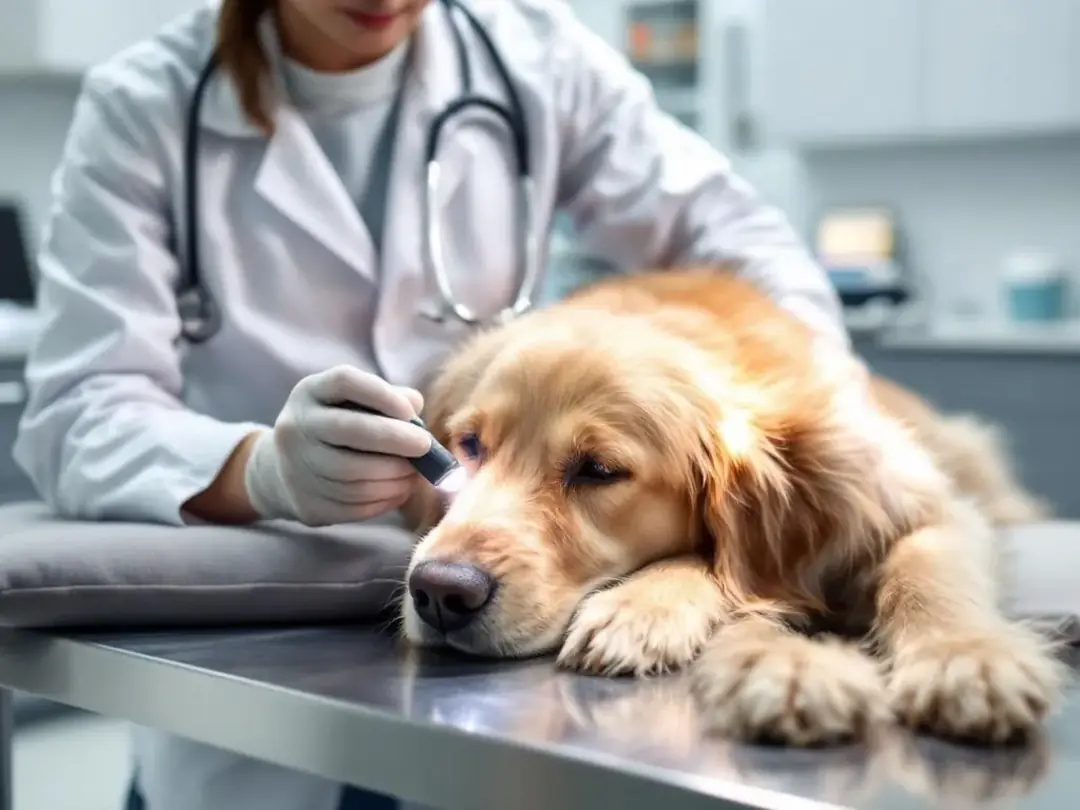

Cancer in dogs is unfortunately common, especially in older dogs, but early recognition can make a real difference. Knowing what signs to watch for helps owners act sooner instead of later.
If you are researching serious dog health conditions and warning signs, our why is my dog throwing up, acid reflux in dogs, and Goldendoodle FAQ guides may also help, but cancer concerns are one of those areas where veterinary evaluation matters more than home interpretation.
Key Takeaways
- Cancer is common in dogs, especially as they age.
- Unexplained lumps, weight loss, appetite changes, and low energy can all be warning signs.
- Diagnosis usually requires veterinary exams and testing, not guesswork.
- Treatment options may include surgery, chemotherapy, radiation, or supportive care.
- Early detection often improves both treatment options and quality of life.
What Dog Owners Should Know About Cancer
Cancer is not one single disease. It is a broad category that includes many different tumor types, behaviors, and outcomes. Some cancers are aggressive. Some are slower moving. Some are treatable for long periods, and some are much harder to manage.
That is why a cancer diagnosis in dogs is serious, but it is not automatically one simple story. The type, location, stage, and overall health of the dog all matter.
With cancer, details matter more than the word alone.
Common Warning Signs at a Glance
| Possible Sign | Why It Matters |
|---|---|
| New lump or bump | May be harmless, but should be checked |
| Unexplained weight loss | Can signal underlying disease, including cancer |
| Loss of appetite | A common sign that something is wrong |
| Low energy or lethargy | Can reflect pain, illness, or systemic disease |
| Wound that will not heal | Persistent tissue problems deserve evaluation |
Common Types of Cancer in Dogs
Some of the more common cancers in dogs include lymphoma, mast cell tumors, osteosarcoma, mammary tumors, and hemangiosarcoma. Different cancers affect different tissues and behave in very different ways.
That is one reason a diagnosis matters so much. A lump is not automatically one specific kind of cancer, and even cancers with similar names can have very different outlooks and treatment plans.
In dog cancer, the exact type changes almost everything.
Signs of Cancer in Dogs
The signs can be obvious, subtle, or somewhere in between.
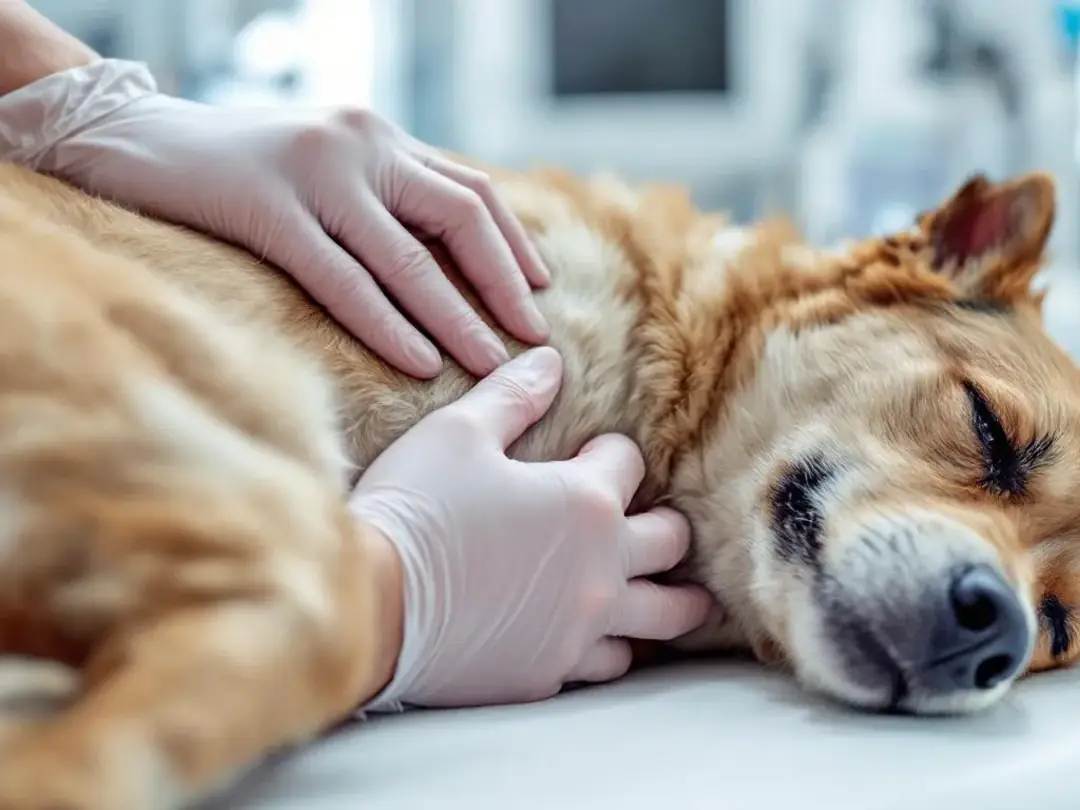
Owners may notice lumps, swollen areas, weight loss, appetite changes, low energy, limping, bleeding, trouble breathing, or wounds that do not heal. Sometimes the first sign is simply that the dog does not seem like itself anymore.
That is part of what makes cancer difficult. The signs are not always dramatic at first, and many of them overlap with other illnesses. But persistent or unexplained changes should not be ignored.
When a change sticks around, it deserves attention.
Why Early Detection Matters
Early detection can improve treatment options, comfort, and in some cases survival time. A smaller, earlier-stage problem is often easier to evaluate and manage than a larger, more advanced one.
This is why regular checkups and paying attention to new lumps or behavior changes matter so much. It is not about panicking over every bump. It is about not ignoring the ones that need answers.
With cancer, earlier usually gives you more room to work with.
How Cancer Is Diagnosed in Dogs
Diagnosis usually takes more than just looking at a lump.
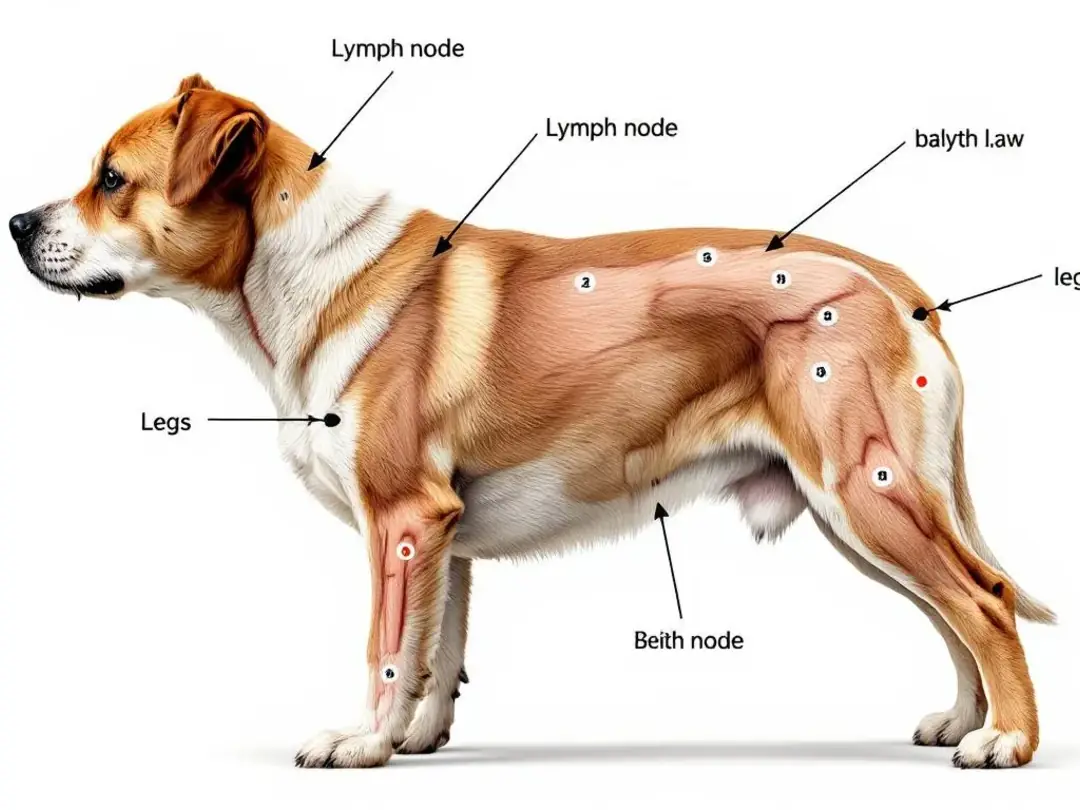
Veterinarians may use physical exams, fine needle aspirates, biopsies, bloodwork, imaging, and other tests to figure out what is going on. That process helps identify the type of cancer, how advanced it may be, and what treatment options make sense.
This is one reason owners should be careful about assuming a lump is "just fat" or "probably nothing." Some masses are harmless, but you cannot know that by guessing.
With cancer, diagnosis is what turns worry into a real plan.
What Treatment Can Look Like
Treatment may include surgery, chemotherapy, radiation therapy, immunotherapy, or supportive care, depending on the cancer type and the dog's overall condition. Not every dog gets the same plan, and not every case has the same goal.
Sometimes the goal is cure. Sometimes it is control. Sometimes it is comfort and quality of life for as long as possible. Those are all valid treatment paths depending on the situation.
In dog cancer care, the right treatment is the one that fits the real case in front of you.
Quality of Life During Treatment
Quality of life is one of the most important parts of cancer care in dogs.
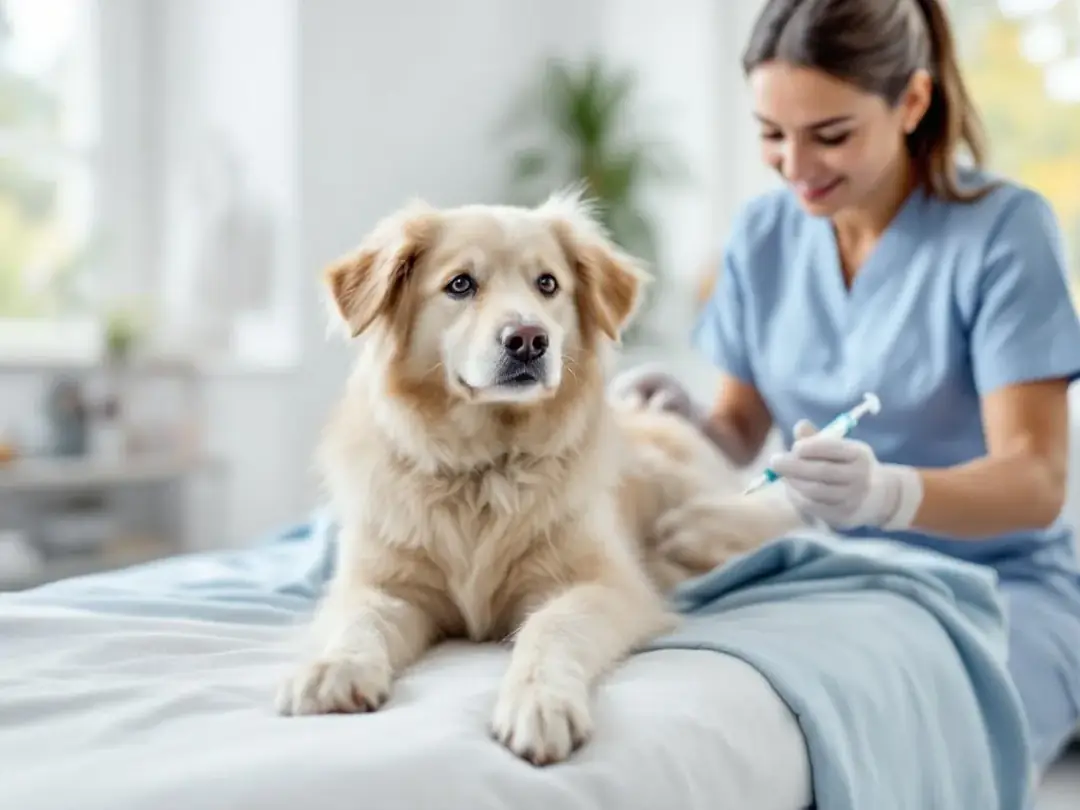
Veterinary oncology is not just about extending time. It is also about protecting comfort, appetite, mobility, and the dog's ability to enjoy daily life. That is why treatment decisions often involve honest conversations about side effects, goals, and what the dog is actually experiencing.
Owners should not feel like the only choices are "do everything" or "do nothing." There is often a range of options in between.
With cancer, quality of life is not a side issue. It is central.

Can Cancer in Dogs Be Prevented?
Not all cancer can be prevented, but some risk factors can be reduced.
Healthy weight, regular veterinary care, appropriate spaying or neutering decisions, and reducing certain environmental risks may help in some cases. But even with excellent care, cancer can still happen.
That is why prevention and early detection are related but different. You may not be able to prevent every case, but you can improve the chances of catching problems earlier.
With cancer, risk reduction matters even when guarantees do not exist.
When to Call the Vet
Call your veterinarian if you notice a new lump, unexplained weight loss, appetite changes, persistent lethargy, unusual bleeding, trouble breathing, or any symptom that does not make sense and does not go away.
You do not need to prove it is cancer before making the appointment. The point is to investigate concerning changes, not to diagnose them at home.
When something feels persistently wrong, that is enough reason to ask for help.
FAQ
Common Questions About Cancer in Dogs
These quick answers cover common questions about warning signs, diagnosis, treatment, and quality of life.
What are common signs of cancer in dogs?
Common signs include lumps, weight loss, appetite changes, low energy, and wounds that do not heal.
Are all lumps in dogs cancer?
No, but new lumps should still be checked because you cannot tell by appearance alone.
How is cancer diagnosed in dogs?
Diagnosis may involve exams, needle samples, biopsies, bloodwork, and imaging.
Can cancer in dogs be treated?
Yes. Treatment may include surgery, chemotherapy, radiation, or supportive care depending on the case.
Does early detection really help?
Yes. Early detection often improves treatment options and can help protect quality of life.


