


The moment you've been waiting for has finally arrived-it's time to bring your new puppy home. While this milestone feels exciting, it also marks the beginning of a significant transition period for both your new furry family member and your household. The first week sets the foundation for your puppy's adjustment, training success, and long-term happiness in their new environment. When you bring home a puppy, making their first day positive and memorable is essential.
Understanding what to expect and having a clear plan makes all the difference. Your new puppy will experience stress, confusion, and gradual adaptation as they adjust to new surroundings, unfamiliar sounds, and different routines. Planning ahead is crucial to ensure a smooth transition when you bring your puppy home. This guide provides you with specific timelines, practical checklists, and proven strategies to help your pup feel safe while establishing the structure they need to thrive.
Whether this is your first time bringing home a puppy or you're welcoming another furry family member, preparation and realistic expectations transform what could be an overwhelming experience into a positive one for everyone involved. It's important to prepare your home and be fully prepared before bringing your puppy home, and spending time preparing in advance will help create a calm, safe environment for your new arrival.
If you are getting ready for your puppy's first week, you may also want to read our guides on 8 week puppy schedule, crate training a puppy, and puppy socialization checklist.
What to Expect When Bringing Your Puppy Home
Your puppy will feel anxious and disoriented during the first 24-48 hours. This big change means leaving behind everything familiar-their littermates, their previous environment, and established routines. It's completely normal for your new family member to seem confused, clingy, or even withdrawn during this initial adjustment period, but providing support during your puppy's first days at home lays the foundation for a smooth adjustment and future training.
Expect frequent potty accidents as your puppy adjusts to new surroundings during the first few days. Most puppies have 3-5 accidents daily during their first week, regardless of any previous potty training. Your pup needs time to learn the layout of their new home and understand where their designated potty spot is located.
Initial whining, especially at night, is normal as they miss their littermates. Puppy crying during the puppy's first few nights occurs because your pup is experiencing separation anxiety from siblings and adjusting to sleeping alone. This behavior typically decreases significantly after 3-4 nights as they start learning to feel safe in their new environment.
Your puppy may refuse food or eat less for the first day or two. Stress often affects appetite, and the combination of travel, new smells, and different water can make even familiar puppy food seem unappealing. Most puppies return to normal eating patterns within 48-72 hours once they begin to relax and their pup's comfort level increases.
The adjustment timeline varies by individual puppy, but most begin showing signs of comfort and confidence by day 3-5. By the end of the first week, your new puppy should be eating regularly, sleeping through longer periods, and showing curiosity about their surroundings rather than just anxiety.
Essential Preparations Before Pickup Day
Gather all the supplies you'll need-food and water bowls, collar with ID tag, 6-foot leash, and age-appropriate toys-before your puppy arrives. Stainless steel or silicone food bowls work best for hygiene and durability. The collar should be adjustable and include an ID tag with your address and phone number. Choose a lightweight 6-foot leash for initial walks and house training sessions.
Set up a designated sleeping area with a comfortable dog bed or crate measuring 24-36 inches for most puppies. The space should be just large enough for your puppy to stand, turn around, and lie down comfortably. Being prepared with the right size supports successful crate training by encouraging your pup to keep their sleeping area clean.
Buy at least one week's supply of the same puppy food your new furry family member has been eating. Sudden food changes can cause digestive upset during an already stressful transition period. Ask the breeder or shelter for specific brand and feeding instructions to maintain consistency.
Install baby gates to block off stairs and restrict access to 2-3 rooms initially. This gradual introduction helps prevent your puppy from feeling overwhelmed while keeping them safe from potential hazards. Most puppies adapt better when they can thoroughly explore and feel confident in smaller spaces before expanding their territory. Preparing your home environment in advance also sets the stage for positive initial introductions with other pets and family members.
Complete Supply Checklist:
Make sure you have all the supplies listed below to ensure a smooth transition for your puppy:
-
Collar with ID tag (adjustable, ½ inch to 1 inch wide)
-
6-foot leash (lightweight nylon or leather)
-
Food and water bowls (stainless steel preferred)
-
One week supply of current puppy food
-
Crate or dog bed (24-36 inches for medium breeds)
-
Comfortable bedding or blankets
-
3-4 age-appropriate toys for chewing and comfort
-
Baby gates for blocking access areas
-
Waste bags for cleanup
-
Paper towels and pet-safe cleaning supplies
-
Car harness or travel crate for safe transport
Puppy-Proofing Your Home
To puppy proof your home, remove electrical cords, small objects, and toxic plants from floor level up to 3 feet high. Puppies explore everything with their mouths, making cords particularly dangerous for chewing. Common toxic plants include lilies, poinsettias, and azaleas. Small objects like coins, buttons, or children's toy parts pose serious choking and intestinal blockage risks.
Secure kitchen cabinets containing cleaning supplies and medications using child-proof latches. Even brief access to these areas can result in poisoning emergencies. Pay special attention to low cabinets under sinks where harsh chemicals are commonly stored.
Block access to spaces under beds, couches, and appliances where puppies can get stuck. Young dogs often seek out small, enclosed spaces when frightened, but getting trapped can cause panic and injury. Use furniture blockers or temporary barriers to prevent access.
Store shoes, children's toys, and remote controls in closed containers or high shelves. These items are particularly appealing to teething puppies and can be destroyed or become dangerous if swallowed. Leather items and electronics with batteries pose additional risks.
Room-by-Room Safety Checklist:
Living Areas:
-
Secure TV cables and charging cords
-
Remove decorative objects below 3 feet
-
Block access behind furniture
-
Store remote controls and gaming controllers
Kitchen:
-
Install cabinet locks on lower cabinets
-
Secure trash cans with tight-fitting lids
-
Remove small appliances from counter edges
-
Check for dropped food or spills regularly
Bedrooms:
-
Store shoes in closets
-
Secure jewelry and small accessories
-
Block access under beds
-
Remove potential chew items from nightstands
Bathrooms:
-
Secure medications in high cabinets
-
Remove toilet paper from easy reach
-
Install toilet locks if needed
-
Store personal care items safely

The Journey Home: Car Safety and First Impressions
When you bring your puppy home, use a secure travel crate or puppy car harness for the 20-45 minute ride. A properly secured puppy protects both your new family member and all passengers in case of sudden stops or accidents. Travel crates should be large enough for your puppy to sit and lie down but small enough to prevent sliding around the vehicle.
Bring old towels in case of car sickness or accidents during transport. Motion sickness affects many puppies during their first car rides, especially when combined with stress from leaving familiar surroundings. Having cleanup supplies ready prevents delays and keeps your puppy comfortable.
Keep the car temperature comfortable at 68-72°F and avoid loud music or sudden stops. Puppies regulate body temperature less efficiently than adult dogs, making them more sensitive to heat and cold. Calm driving with gradual acceleration and braking helps reduce motion sickness and anxiety. When introducing your puppy to the car and new environments, take things slowly to help them adjust and feel safe.
Have a friend drive so you can comfort your puppy and monitor their condition throughout the journey. Your presence and gentle voice provide reassurance during this transition. Watch for signs of distress like excessive panting, drooling, or vomiting, which may require stopping for a break.
Plan your route to avoid heavy traffic or construction delays when possible. A shorter, calmer trip reduces stress for both you and your new puppy. Consider scheduling pickup during quieter times of day to minimize loud noises and stop-and-go traffic.
First 2 Hours at Home: Immediate Priorities
Take your puppy directly to their designated potty spot before entering the house. This establishes the proper location for bathroom breaks from the very beginning and takes advantage of your puppy's likely need to urinate after the car ride. Stay with them until they eliminate, then offer enthusiastic praise to start positive reinforcement immediately.
Show them their water bowl and offer a small amount of food after 30 minutes. Your puppy may be too excited or nervous to eat right away, but having access to fresh water is essential. Wait at least 30 minutes after arrival before offering food to allow initial excitement to settle.
Introduce only their sleeping area and one main room during the first hour. Overwhelming your new furry family member with too much space too quickly can increase anxiety and make potty training more difficult. Use this time for initial introductions to the environment and family members. Choose a quiet room where family members can sit calmly and let your puppy approach them rather than forcing interactions.
Keep interactions calm with only immediate family members present during the first two hours. Children should be instructed to sit quietly and let the puppy come to them. Avoid having visitors, loud conversations, or exciting activities that could overstimulate your pup during this crucial adjustment period. When you bring your puppy home, ensure the environment is calm and structured to help your puppy settle in and start building positive associations from the very beginning.
Hour-by-Hour Timeline:
-
Arrival: Direct trip to potty spot, then inside to designated room
-
First 30 minutes: Quiet observation time, access to water bowl
-
30-60 minutes: Small food offering, gentle family introductions
-
60-90 minutes: Second potty break, brief exploration of main room
-
90-120 minutes: Rest time in crate or bed, preparation for consistent routine
Day 1-3: Establishing Routines and Boundaries
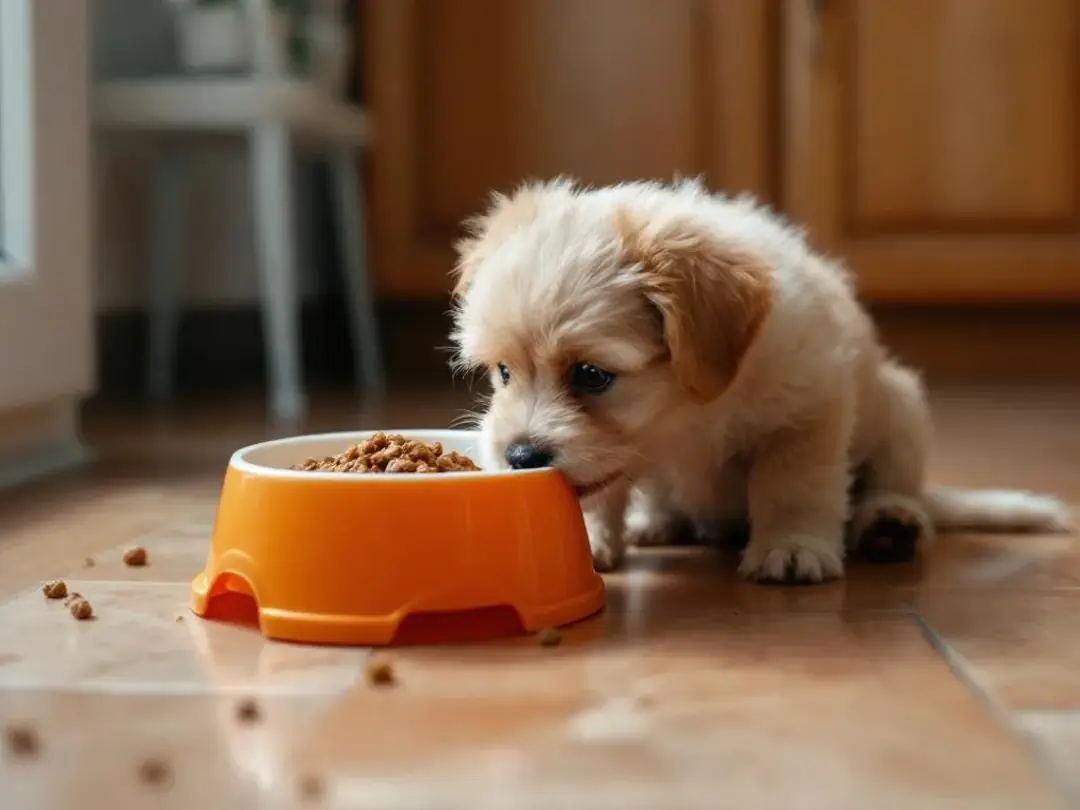
Take your puppy outside every 2 hours and immediately after meals, naps, and play sessions. This frequent schedule is especially important during the first few days, as it accommodates young bladders and helps establish the connection between outside time and elimination. Set timers to maintain consistency, especially during the critical first 72 hours when patterns are forming.
Feed on a consistent schedule with 3-4 meals daily for puppies under 6 months. Regular feeding times support digestive health and make potty training more predictable. Most puppies need to eliminate within 15-30 minutes after eating, making meal timing a valuable tool for house training success.
Limit access to one room at a time, gradually expanding their territory as your pup shows confidence and success with potty training. Start with the main living area, then add the kitchen, followed by bedrooms. This controlled expansion helps prevent accidents and allows your pup to start learning house rules without feeling overwhelmed.
Begin basic name recognition training using high-value treats like small pieces of chicken or special training treats. Use your puppy's name frequently in positive contexts, offering treats and praise when they look at you. Keep initial training sessions short-just 3-5 minutes-to match young attention spans.
Detailed Daily Schedule:
-
6:00 AM: Wake up, immediate potty break
-
6:15 AM: Breakfast, fresh water
-
6:45 AM: Potty break
-
7:00-9:00 AM: Supervised play and exploration
-
9:00 AM: Potty break, then nap time
-
11:00 AM: Potty break, brief training session
-
12:00 PM: Lunch
-
12:30 PM: Potty break
-
1:00-3:00 PM: Supervised activity and rest
-
3:00 PM: Potty break, snack if needed
-
5:00 PM: Dinner
-
5:30 PM: Potty break
-
6:00-8:00 PM: Family time, gentle play
-
8:00 PM: Potty break
-
10:00 PM: Final potty break, bedtime routine
Managing the First Night
Place your puppy's crate or bed near your bedroom for the puppy's first night and the first week. This proximity provides comfort while maintaining boundaries about sleeping arrangements. Your puppy can hear and smell family members nearby, which reduces anxiety without creating dependence on sleeping in your bed.
Expect 2-3 wake-ups for potty breaks during the puppy's first few nights. Young puppies cannot hold their bladders for 8 hours, so midnight and early morning trips outside are normal. Respond quickly but calmly to crying that indicates a genuine need to eliminate versus attention-seeking behavior.
Use a soft blanket with familiar scents from their previous home if available. Many breeders provide a small blanket or toy that carries the scent of littermates and the previous environment. This comfort item can significantly reduce first-night anxiety and help puppies sleep for longer periods.
Avoid taking your puppy into your bed, even if they cry initially. While this may provide immediate comfort, it creates expectations that become difficult to change later. Instead, offer reassurance through calm verbal comfort from your bed or by briefly placing your hand near the crate.
Nighttime Routine:
-
9:30 PM: Last meal removal, quiet family time
-
10:00 PM: Final potty break outside
-
10:15 PM: Into crate or bed with comfort item
-
10:30 PM: Lights out, household settles
-
2:00-3:00 AM: Expected wake-up for potty break
-
5:00-6:00 AM: Morning wake-up, start daily routine
Potty Training Essentials
Potty training is one of the most important first steps when you bring your new puppy home. During those first few weeks, your puppy is learning where and when it's appropriate to go potty, so establishing a consistent routine is key. Start by choosing a specific potty spot outside-whether it's a patch of grass in your yard or a designated area on walks-and always take your puppy there after meals, naps, and play sessions. This helps your puppy associate that spot with bathroom breaks.
Supervision is crucial in the early days. Keep a close eye on your puppy inside the house, watching for signs they need to go, such as sniffing, circling, or heading toward the door. When you see these cues, take your puppy straight to their potty spot. Each successful potty break should be met with enthusiastic praise and a small treat-this positive reinforcement teaches your puppy that going in the right place is good behavior.
Accidents are a normal part of the process, especially in the first few weeks. If your puppy has an accident, clean it up thoroughly with an enzymatic cleaner to remove any lingering scent. This prevents your puppy from returning to the same spot. As your puppy becomes more reliable, you can gradually extend the time between potty breaks, but always stick to a consistent routine to reinforce good habits.
With patience, supervision, and plenty of positive reinforcement, your new puppy will quickly learn where to go potty, setting the stage for a lifetime of good behavior.
Nutrition and Care
Giving your new puppy the right nutrition and care is essential for their healthy development and happiness. Start by selecting a high-quality puppy food that's formulated to meet the unique needs of growing dogs. Consult your veterinarian to determine the best feeding schedule and portion sizes for your puppy's breed and age. Always provide fresh water in a sturdy water bowl that won't tip over easily, ensuring your puppy stays hydrated throughout the day.
Create a safe and cozy environment by setting up a dog bed or crate in a quiet area of your home. This space should be inviting, with soft bedding and a few favorite toys to help your puppy feel secure. A consistent routine for feeding, playtime, and rest will help your puppy adjust to their new life and start learning what to expect each day.
As your puppy grows, keep a close eye on their health and adjust their care as needed. Regular veterinary check-ups are important for monitoring growth, updating vaccinations, and discussing any questions about nutrition or behavior. Staying on top of preventatives and keeping your puppy's environment clean and comfortable will help them thrive as they transition from a playful pup to a confident adult dog.
By focusing on proper nutrition, a safe sleeping area, and a consistent daily routine, you'll give your new furry family member the best possible start in their new home.
Week 1: Building Confidence and Social Skills
Introduce new family members, friends, and gentle visitors one at a time over 7 days. Each introduction should be calm and controlled, allowing your puppy to approach at their own pace. Children should be taught to sit quietly and offer treats rather than reaching for or grabbing the puppy.
Allow supervised exploration of the entire house by day 5-7, once your pup demonstrates success with potty training and shows confidence in their main areas. If you have other animals in the home, use baby gates or barriers for gradual introductions and offer resident pets a snack to create positive associations. This gradual expansion prevents overwhelming your new furry family member while building positive associations with each room.
Begin basic commands like "sit" and "come" using positive reinforcement methods. Start with "sit" by holding a treat above your puppy's nose and slowly moving it back over their head. When their bottom touches the ground, immediately say "sit," give the treat, and offer praise. As your puppy becomes more comfortable, begin gentle socialization with other dogs, but wait until your puppy is fully vaccinated before introducing them to other dogs in social settings. Keep training sessions to 5-10 minutes to maintain engagement.
Schedule your first veterinary appointment within 48-72 hours of arrival. This visit establishes a baseline for your puppy's health, ensures vaccinations are up to date, and provides an opportunity to discuss feeding, parasite prevention, and any concerns you've noticed during the adjustment period.
Week 1 Milestone Checklist:
-
Day 1: Successful arrival and first potty break
-
Day 2: Eating regular meals, sleeping 2-3 hour stretches
-
Day 3: Responding to name, showing interest in toys
-
Day 4: Comfortable with main family members
-
Day 5: Exploring multiple rooms confidently
-
Day 6: Beginning to learn "sit" command
-
Day 7: Veterinary checkup completed
Introducing Your Puppy to Existing Pets
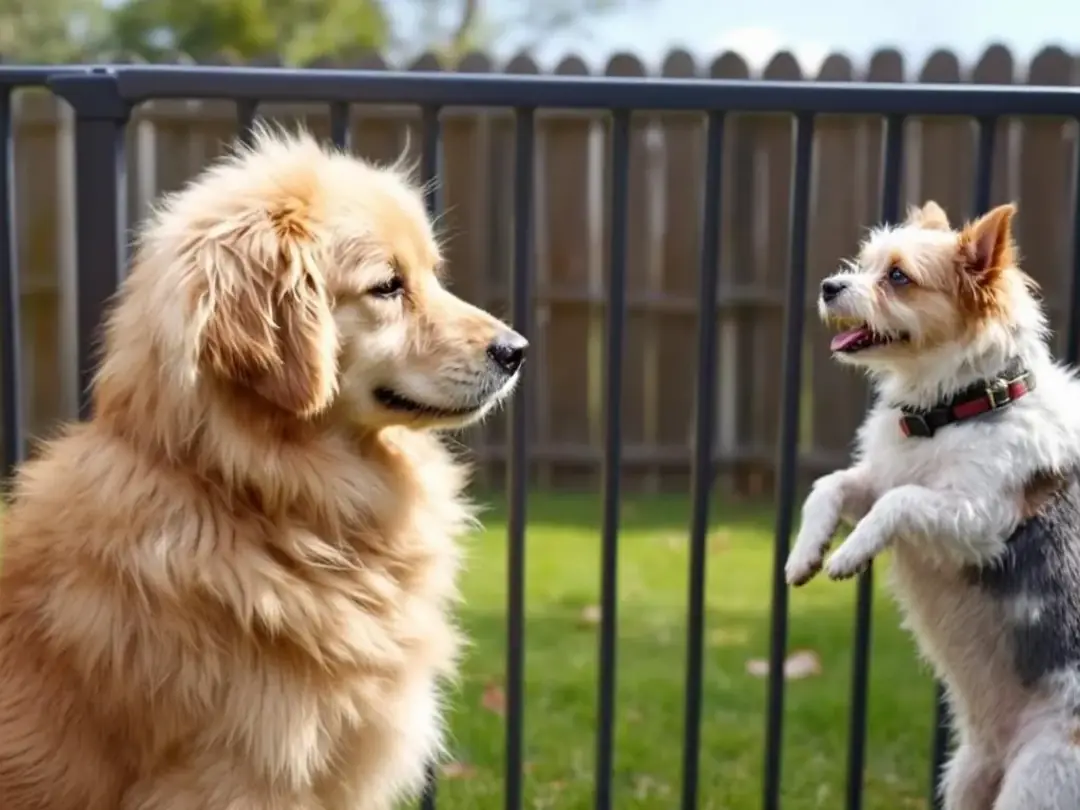
Keep your new puppy separated from other pets for the first 3-5 days. This period allows your current pets to adjust to new smells and sounds without direct confrontation. It also gives your puppy time to feel secure in their new home before adding the complexity of pet relationships.
Allow pets to smell each other's scents through baby gates before face-to-face meetings. Feed them on opposite sides of a gate so they associate each other's presence with positive experiences. This gradual approach helps prevent territorial disputes and reduces stress for all animals involved.
Supervise all interactions and maintain separate feeding areas for at least 2 weeks. Even friendly pets may become possessive around food bowls or favorite toys. Initial meetings should be brief and positive, with both animals leashed and handled by separate family members.
Watch for signs of stress in existing pets like hiding, loss of appetite, or aggressive behavior. An older dog may need extra attention and reassurance during this transition period. Some adjustment time is normal, but persistent stress signals may require slowing the introduction process.
Step-by-Step Introduction Timeline:
-
Days 1-3: Complete separation, scent introduction through barriers
-
Day 4: Visual contact through baby gate during meal times
-
Day 5: Brief leashed meeting in neutral territory (yard or hallway)
-
Day 6: Supervised interaction in main room with toys removed
-
Day 7: Longer periods together with continued supervision
-
Week 2: Gradual increase in unsupervised time based on positive interactions
Common First Week Challenges and Solutions
Address excessive crying by ensuring basic needs are met before assuming attention-seeking behavior. Check if your puppy needs to eliminate, is hungry, thirsty, too hot, or too cold. Once physical needs are addressed, during puppy training avoid rewarding demand crying with attention, which reinforces the behavior.
Handle potty training setbacks by increasing supervision and returning to more frequent outdoor trips. Accidents often increase during exciting or stressful periods. Clean accidents thoroughly with enzymatic cleaners to remove odors that might attract repeat incidents in the same spot.
Manage destructive chewing by providing appropriate toys and redirecting unwanted behavior immediately. Offer praise when your puppy chews designated items. If you catch them chewing something inappropriate, calmly redirect to an approved toy rather than scolding, which can increase anxiety.
Deal with food refusal by maintaining consistent meal times and removing uneaten food after 15 minutes. This approach prevents grazing behavior and helps establish healthy eating patterns. If refusal continues beyond 48 hours, consult your veterinarian to rule out health issues.
Quick Problem-Solving Guide:
-
Excessive crying at night: Check potty needs first, then provide brief comfort without removing from crate
-
Not eating: Try hand-feeding small amounts, warming food slightly, or mixing with small amount of warm water
-
Hiding or withdrawal: Allow alone time, don't force interactions, create quiet safe spaces
-
Hyperactivity: Increase structured exercise and mental stimulation, establish calm-down routines
-
Regression in potty training: Return to more frequent breaks, increase supervision, clean accidents thoroughly
The first week of bringing home a new puppy requires patience, consistency, and realistic expectations. Remember that every puppy adjusts at their own pace, and small setbacks are completely normal during this major life transition. The foundation you build during these crucial first days will impact your relationship and your puppy's confidence for years to come.
Focus on creating positive experiences, maintaining consistent routines, and giving your new furry family member time to discover that their new environment is safe and welcoming. With preparation and understanding, this first week becomes the beginning of a wonderful lifelong bond between your family and your new companion.
Related Resources
More New Puppy Guides
If you are preparing for your puppy's first week at home, these related articles can help with routines, crate training, socialization, and feeding.


