
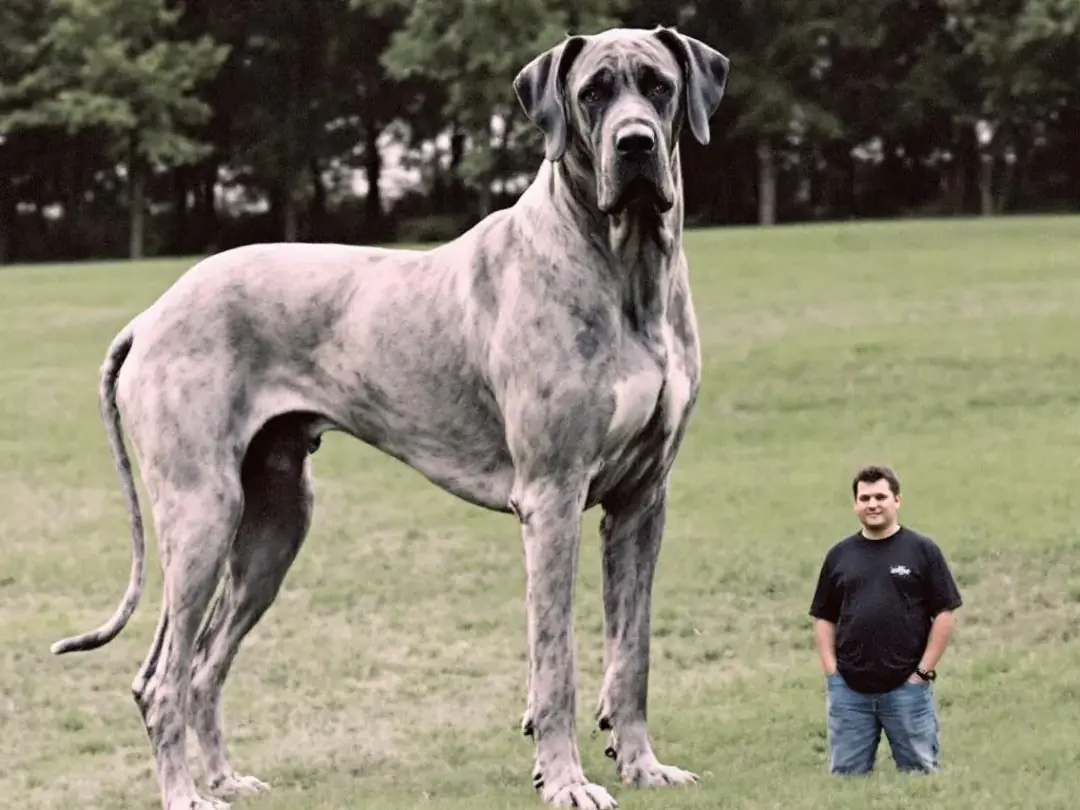

The biggest dog breeds are impressive not just because of their height or weight, but because giant dogs come with very different care needs than smaller breeds. Size affects everything from food costs and space needs to training, health risks, and daily handling.
If you are comparing giant breeds with more family-oriented companion options, our best family dogs guide can help you think through whether a giant breed is really the right fit for your home.
Key Takeaways
- Irish Wolfhounds are often considered the tallest giant breed, while Mastiffs are among the heaviest.
- Giant breeds need more space, more food, and more planning than many owners expect.
- Training and early socialization matter even more when the dog will become extremely large.
- Many giant breeds have shorter lifespans and more joint or structural health concerns.
- The biggest dog is not always the best fit unless the home is ready for the practical realities of giant breed ownership.
What Counts as a Giant Dog Breed?
Giant dog breeds are usually separated from standard large breeds by both height and weight. These are the dogs that do not just look big. They take up real physical space in the home, the car, and daily life.
That distinction matters because giant breeds often have different growth patterns, different health risks, and different care costs than dogs that are simply large. A dog that reaches giant size is not just a scaled-up medium breed. It often comes with a very different ownership experience.
That is why people researching the biggest dog breeds should think beyond the wow factor and look at the full lifestyle picture too.
Biggest Dog Breeds by Height and Weight
| Breed | Known For | General Size Pattern |
|---|---|---|
| Irish Wolfhound | Extreme height | Very tall, lean giant build |
| Great Dane | Height and overall presence | Tall, powerful, athletic giant |
| English Mastiff | Mass and weight | Heavy, broad, extremely powerful build |
| Saint Bernard | Heavy family giant | Large frame with substantial weight |
| Leonberger | Balanced giant size | Large, strong, more athletic than some mastiffs |
Tallest Giant Dog Breeds
When people think of the biggest dog breeds, height is often what stands out first. Irish Wolfhounds and Great Danes are usually the breeds that dominate this part of the conversation because they can tower over many other dogs at the shoulder.
These breeds often look especially dramatic because their size is carried upward rather than just outward. That creates the kind of visual impact people associate with record-breaking giant dogs.
But height alone does not tell the whole story. Some of the tallest breeds are not the heaviest, and that difference matters in daily care.
Heaviest Giant Dog Breeds
Weight is where mastiff-type breeds often take over the conversation.
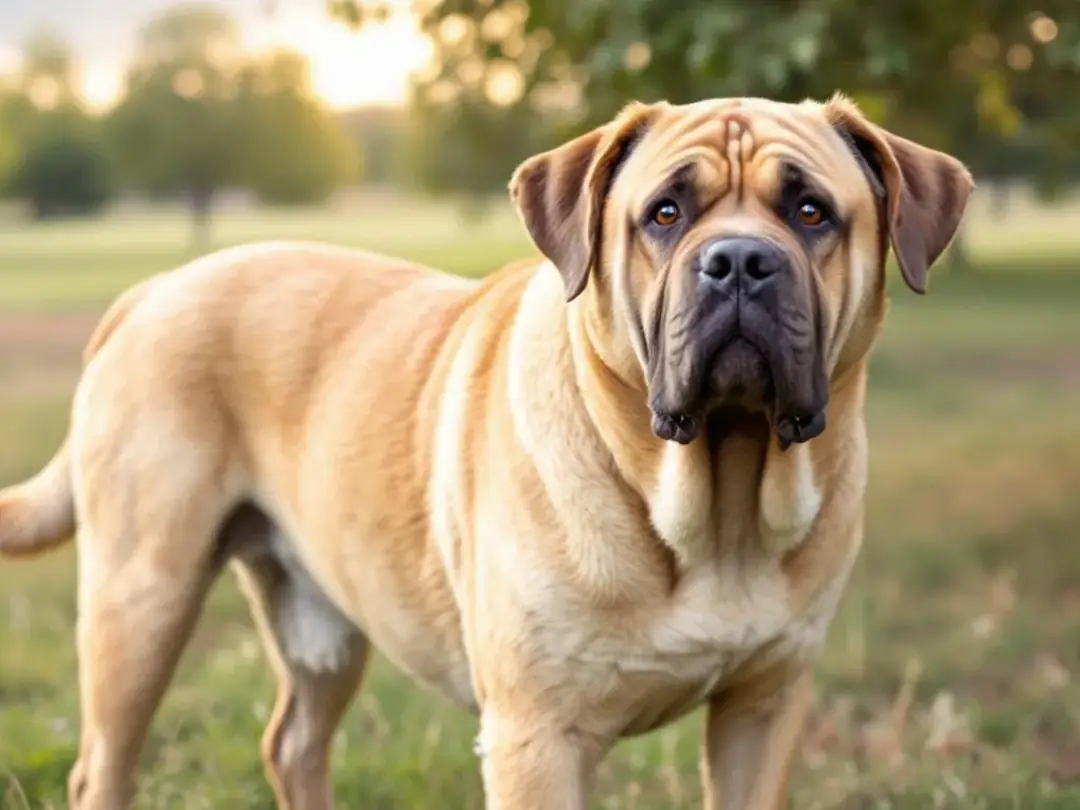
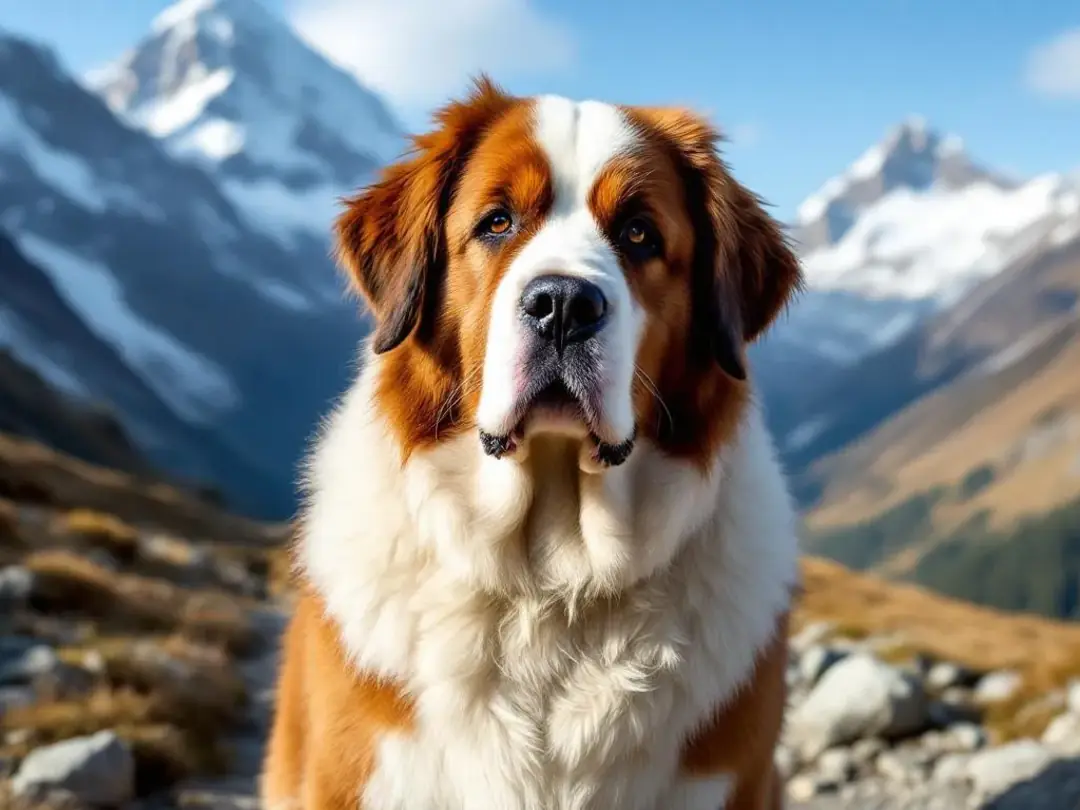
English Mastiffs, Saint Bernards, and other heavy giant breeds may not always be the tallest, but they can be far more massive overall. That extra weight changes everything from feeding costs to joint stress to how much physical control an owner needs.
Heavy giant breeds often look calmer and more grounded than the tallest athletic giants, but they can be just as demanding in practical terms. A dog that weighs well over 150 pounds is a major physical presence, even if it is gentle and laid back.
That is why weight matters just as much as height when comparing the biggest breeds.
What Giant Breeds Need in Daily Life
Giant breeds need more room, more food, and more planning than many first-time owners realize. They may need larger vehicles, stronger equipment, bigger beds, and more thought around flooring, stairs, and house layout.
They also need training that starts early, because a giant dog that pulls, jumps, or ignores cues is a much bigger problem than a smaller dog doing the same thing. Even a friendly giant can become hard to manage if the basics are not in place.
Owning one of the biggest dog breeds is often less about the dog looking impressive and more about the owner being ready for the scale of everyday life with that dog.
Health and Lifespan in Giant Breeds
One of the hardest realities of giant breed ownership is that many of these dogs do not live as long as smaller breeds.
Joint issues, structural stress, heart concerns, and conditions like bloat can all be more common in giant dogs. Their size is part of what makes them remarkable, but it is also part of what can make them more medically vulnerable.
That is why nutrition, weight management, and preventive veterinary care matter so much. A giant dog carrying extra weight is under even more physical strain than a smaller dog in the same situation.
Anyone considering one of the biggest breeds should go in understanding that the health side of giant dog ownership is a serious part of the commitment.
Are Giant Breeds Good Family Dogs?
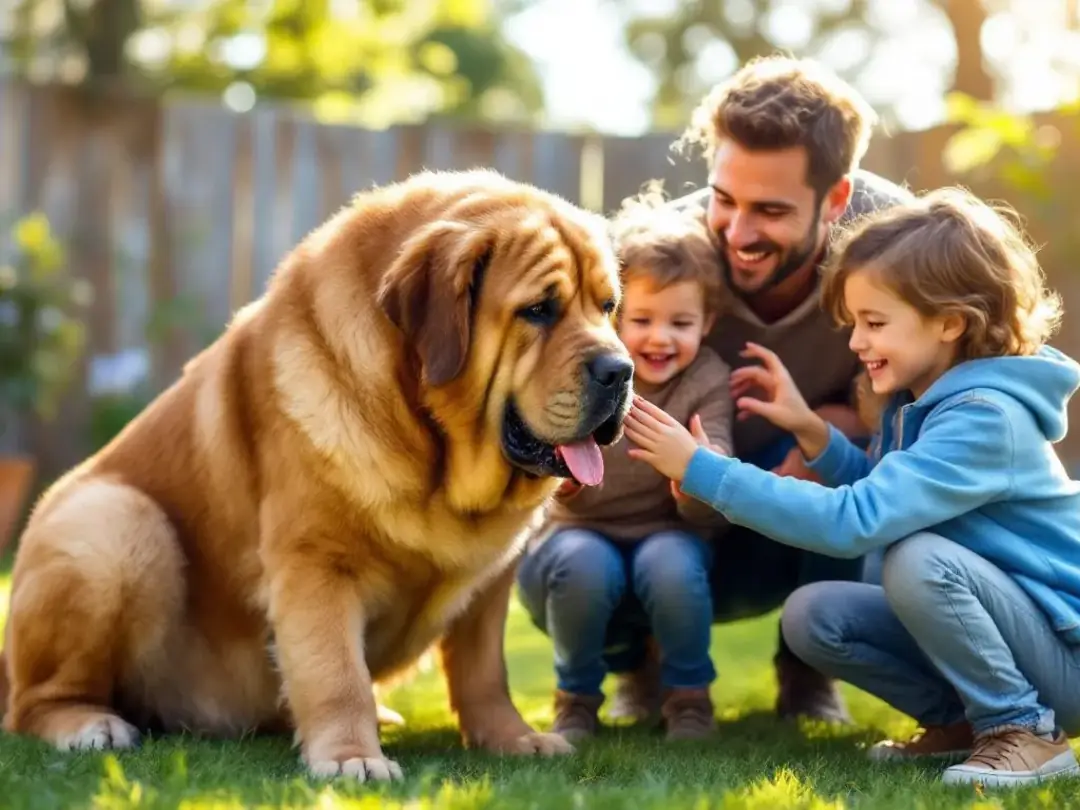
Some giant breeds are excellent family dogs and are often described as gentle giants for a reason. Many are calm, affectionate, and deeply attached to their people.
But giant size changes the stakes. A dog can be sweet and still accidentally knock over a child, take up huge space, or become difficult to manage if training is inconsistent. That is why temperament alone is not enough. Handling, training, and supervision matter too.
If you are comparing giant breeds with more broadly family-focused options, our best dogs for seniors and family-oriented breed guides can help you think through lifestyle fit more realistically.
How to Choose the Right Giant Breed
The right giant breed depends on more than just which one is tallest or heaviest. Energy level, protective instinct, grooming needs, drool tolerance, training difficulty, and home space all matter.
Some giant breeds are more laid back and family-oriented, while others are more independent, more protective, or more physically demanding. A giant dog that is wrong for the home can feel overwhelming very quickly.
The best giant breed is usually the one whose daily needs match the household, not the one with the most impressive measurements.
The Real Cost of Owning One of the Biggest Breeds
Giant breeds are often much more expensive to own than people expect.
Food, medication, equipment, grooming, boarding, and veterinary care all tend to cost more when the dog is extremely large. Even routine things like crates, beds, and car transport can become more expensive and more complicated.
That does not mean giant breeds are not worth it for the right owner. It just means the financial side should be part of the decision from the beginning, not an afterthought.
With giant dogs, the scale of the dog often means the scale of the costs rises too.
FAQ
Common Questions About the Biggest Dog Breeds
These quick answers cover common questions about giant breed size, lifespan, family fit, and what owners should expect before bringing one home.
What is the tallest dog breed?
Irish Wolfhounds are often considered the tallest breed, though individual Great Danes have also set height records.
What is the heaviest dog breed?
English Mastiffs are usually among the heaviest dog breeds in the world.
Do giant dog breeds live as long as smaller dogs?
Often no. Many giant breeds have shorter lifespans than smaller dogs.
Are giant breeds good with children?
Many can be excellent with children, but their size means training and supervision are especially important.
Can giant breeds live in small homes or apartments?
Usually they need more room than many smaller homes comfortably provide, though the exact answer depends on the breed and the setup.


