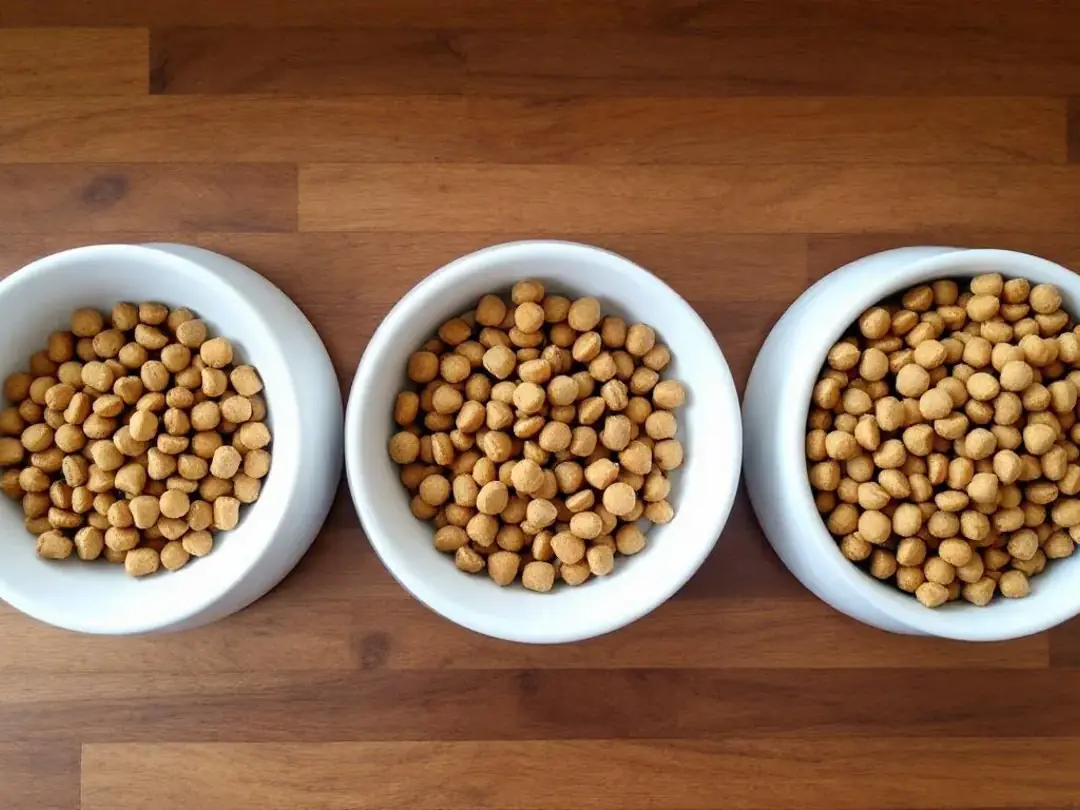
Quick Answer: Top Goldendoodle Puppy Food Recommendations
Finding the best puppy food for Goldendoodles requires understanding their unique needs as large breed puppies with mixed genetics. Here are our top evidence-based recommendations for the best foods for Goldendoodle puppies:
-
Best Overall: Orijen Large Breed Puppy with 43% protein from fresh chicken, turkey, and fish
-
Best for Sensitive Stomachs: Hill's Science Diet Large Breed Puppy with easily digestible ingredients
-
Best Grain-Free: Blue Buffalo Wilderness Large Breed Puppy with deboned chicken
-
Best Budget Option: Purina Pro Plan Large Breed Puppy with real chicken as first ingredient
-
Reputable Brand Option: Royal Canin Large Breed Puppy, a trusted choice for balanced nutrition and breed-specific needs
These dog food brands excel for goldendoodle puppies because they provide controlled calcium levels essential for large breed development, high-quality animal protein for growth, and balanced nutrition that supports both digestive health and coat health. Each formula addresses the specific nutritional requirements of growing goldendoodles while considering their Golden Retriever and Poodle heritage.
Why Goldendoodle Puppies Need Special Nutrition
Goldendoodle puppies inherit unique characteristics from both Golden Retriever and Poodle lineage that directly impact their nutritional needs. As a mixed breed combining two distinct genetic lines, these pups require carefully balanced diets that support their rapid growth while preventing common health issues.
Most goldendoodle puppies fall into the large breed category, requiring specialized large breed puppy food formulated with controlled calcium and phosphorus ratios. This prevents accelerated growth that can lead to hip dysplasia and other skeletal problems common in Golden Retrievers. Improper diets put Goldendoodle puppies at a higher risk for these skeletal issues. The calcium content should not exceed 1.2% on a dry matter basis to ensure proper bone development.
Their high energy needs reflect the intelligence and activity levels inherited from both parent breeds. A growing puppy requires 20-25% protein and 13-20% fat to fuel brain development, muscle growth, and their characteristically active lifestyle. These essential nutrients support both physical development and cognitive function during critical puppy months.
Common digestive sensitivities run in both Poodle and Golden Retriever lines, making many goldendoodle puppies prone to food allergies or sensitive stomachs. This genetic predisposition means selecting dog food for goldendoodles often requires avoiding common allergens like chicken, corn, or wheat, depending on individual sensitivity. Proper nutrition is crucial for a puppy's system to develop healthily and avoid digestive upset.
Their signature curly coats demand specific nutritional support through omega-3 and omega-6 fatty acids. These essential nutrients promote healthy skin development and create the foundation for their adult coat quality. Without proper nutritional support, goldendoodle puppies may develop dull, brittle fur or skin irritation that affects their comfort and appearance. Nutrition not only impacts coat health but also plays a vital role in a dog's health and overall quality of life.
The right nutrition during puppyhood sets the foundation for a healthy dog's life.
Detailed Reviews: Best Puppy Foods for Goldendoodles
Best Overall: Orijen Large Breed Puppy
Orijen Large Breed Puppy stands out as the best food for most goldendoodle puppies due to its exceptional protein content and ingredient quality. With 43% protein, 20% fat, and 13% carbohydrates, this formula provides optimal macronutrient ratios for large breed development.
Fresh chicken, turkey, and fish serve as the primary protein sources, delivering essential amino acids crucial for muscle development and overall growth. The freeze-dried liver coating enhances palatability, making this an excellent choice for picky eaters. Freeze-dried ingredients can also enhance a dog's diet by providing concentrated nutrition and flavor, supporting both the nutritional quality and appeal of the food. This high-quality animal protein supports rapid growth while maintaining lean muscle development.
Real customer reviews from goldendoodle owners consistently praise improved coat shine, steady energy levels, and excellent digestive tolerance. The premium ingredient profile includes sweet potatoes and peas for digestible carbohydrates, plus natural sources of glucosamine for joint support.
Price ranges from $80-120 for a 25-pound bag, making feeding costs approximately $3-4 per day for a standard goldendoodle puppy. While expensive, the nutritional value and feeding efficiency often justify the investment for health-conscious owners.
Best for Sensitive Stomachs: Hill's Science Diet Large Breed Puppy
Hill's Science Diet Large Breed Puppy earns veterinarian recommendations for goldendoodle puppies with digestive sensitivities. This breeder recommended formula uses easily digestible ingredients specifically chosen to minimize gastrointestinal upset while providing complete nutrition.
The limited ingredient profile reduces exposure to common allergens, making it suitable for puppies showing early signs of food sensitivities. Prebiotics and probiotics support healthy gut bacteria, crucial for developing immune function and reducing digestive issues common in this mixed breed.
Veterinary nutritionists formulated this diet with precise calcium and phosphorus levels appropriate for large breed puppies. The controlled mineral content prevents excessive growth rates that could lead to joint problems later in the dog's life. Brown rice provides easily digestible carbohydrates without triggering sensitivities.
Most dogs with sensitive stomachs show improvement within 2-3 weeks of transitioning to this formula. The balanced nutrition supports steady growth while the gentle ingredients help establish healthy digestive patterns that benefit adult goldendoodles. Establishing these patterns early helps ensure the adult goldendoodle maintains optimal digestive health as it matures and transitions to adult dog food.
Best Grain-Free: Blue Buffalo Wilderness Large Breed Puppy
Blue Buffalo Wilderness Large Breed Puppy offers a grain free option for goldendoodle puppies whose owners prefer avoiding grains. Deboned chicken serves as the first ingredient, providing 36% protein to support muscle development and energy needs.
This grain free diet eliminates corn, wheat, and soy while using sweet potatoes and peas for carbohydrate sources. The formula includes omega-3 and omega-6 fatty acids specifically beneficial for coat health, supporting the development of goldendoodles' characteristic curly coats.
When considering grain free diets for puppies, consultation with a veterinarian is essential due to recent FDA investigations linking certain grain free foods to heart disease in some dogs. This formula uses traditional proteins rather than exotic ingredients, reducing potential risks associated with grain free diets.
The nutritionally complete recipe includes antioxidants from blueberries and carrots, supporting developing immune systems. Joint support comes from natural sources of glucosamine and chondroitin, important for large breed puppy development.
Best Budget Option: Purina Pro Plan Large Breed Puppy
Purina Pro Plan Large Breed Puppy provides proven nutrition at an accessible price point without compromising essential quality factors. Real chicken as the first ingredient ensures high-quality protein, while the formula includes DHA from omega-rich fish oil for brain development.
This cost-effective option maintains the controlled calcium levels necessary for large breed puppies while providing balanced nutrition suitable for goldendoodle growth requirements. The widely available formula can be found at most pet stores, making feeding consistency easier for busy owners.
Clinical research supports this formula's effectiveness for large breed development, with studies showing appropriate growth rates and skeletal development. The digestible ingredients minimize upset stomach risks while providing steady energy for active goldendoodle puppies.
Feeding costs average $1.50-2.50 per day for standard goldendoodle puppies, making this an excellent choice for budget-conscious owners who still want quality nutrition. The proven track record and veterinary acceptance make this a reliable choice for most goldendoodle puppies.
Special Considerations for Goldendoodle Puppies
The puppy's size significantly impacts nutritional requirements, with standard goldendoodles requiring large breed puppy food while miniature varieties may need small breed puppy formulations. Standard goldendoodles typically reach 50-90 pounds as adults, necessitating careful growth management through controlled nutrition.
Standard vs Mini Goldendoodles
Mini goldendoodles, expected to weigh 15-35 pounds as adults, have different metabolic needs and can often eat small breed puppy food with higher caloric density. However, many veterinarians still recommend large breed formulas for medium-sized goldendoodles to ensure appropriate growth rates.
Kibble size considerations matter for different puppy sizes, with smaller goldendoodle puppies potentially struggling with large kibble pieces. Many manufacturers offer the same formula in different kibble sizes to accommodate various puppy mouths and preferences.
Growth rate differences mean mini goldendoodles typically transition to adult food around 12 months, while standard goldendoodles may continue puppy food until 14-18 months. Monitoring body condition and consulting with a veterinarian helps determine appropriate transition timing for each individual pup.
Common Food Allergies and Sensitivities
Food allergies in goldendoodle puppies most commonly involve chicken, beef, wheat, corn, and soy proteins. Signs of food allergies include persistent itching, hot spots, ear infections, and digestive upset that doesn't resolve with standard treatments.
Novel protein options like lamb, fish, duck, or venison can help identify and avoid allergens while providing necessary nutrition. Limited ingredient diets simplify the elimination process when trying to identify specific triggers causing allergic reactions.
When puppies show signs of food sensitivities, avoid foods containing artificial additives, by products, and common allergens. Working with a veterinarian to conduct proper elimination trials helps identify specific triggers while maintaining nutritional adequacy during the puppy's system development.
Some goldendoodle puppies develop sensitivities to artificial preservatives or colors, making natural preservation methods using vitamin E and rosemary extract preferable choices. These natural alternatives provide food safety without triggering sensitivity reactions.
Coat Health and Nutrition
Omega fatty acids prove essential for developing the characteristic goldendoodle coat, with omega-3 supporting skin health and omega-6 promoting coat shine. Proper fatty acid balance during puppyhood establishes the foundation for adult coat quality and reduces skin problems.
Biotin and zinc support healthy skin development and fur growth, preventing the dull, brittle coats that result from nutritional deficiencies. These nutrients become particularly important during the rapid growth phases when coat development accelerates.
Quality food choices during puppyhood directly affect adult coat characteristics, with poor nutrition potentially leading to increased shedding, matting, or skin irritation. The right food provides building blocks for healthy hair follicles and sebaceous gland function.
Foods specifically formulated for coat health often include additional omega fatty acids, zinc, and biotin beyond basic requirements. These enhanced formulations can significantly improve coat quality, creating the shinier coat that goldendoodle owners expect from proper nutrition.
What to Look for in Goldendoodle Puppy Food
High-quality protein sources should always appear as the first ingredient, with named meats like chicken, lamb, or fish preferred over generic meat meals or by products. These specific protein sources provide essential amino acids necessary for muscle development and overall growth.
Appropriate calcium and phosphorus ratios for large breed puppies typically range from 1.0-1.2% calcium and 0.8-1.1% phosphorus on a dry matter basis. These controlled ratios prevent the rapid growth that can lead to skeletal problems in large breed dogs.
DHA content supports brain and eye development during critical puppy months, with fish oil being the most bioavailable source. This omega-3 fatty acid proves especially important for intelligent breeds like goldendoodles, supporting cognitive development and learning ability.
Natural preservatives using vitamin E, vitamin C, and rosemary extract provide food safety without the potential health risks associated with artificial preservatives. These natural alternatives maintain nutritional value while avoiding chemicals that may trigger sensitivities.
AAFCO certification ensures the food meets established nutritional standards for puppies or all life stages. This certification indicates complete and balanced nutrition, providing confidence that the food contains all essential nutrients in appropriate proportions.
Ingredients to Avoid
Artificial colors, flavors, and preservatives serve no nutritional purpose and may trigger allergic reactions or sensitivities in goldendoodle puppies. These synthetic additives can cause behavioral changes, digestive upset, or skin problems in sensitive individuals.
Generic meat meals and by products often contain lower-quality proteins with reduced bioavailability compared to named meat sources. While not necessarily harmful, these ingredients provide less nutritional value than fresh, identifiable protein sources.
Excessive fillers like corn gluten meal provide calories without essential nutrients, potentially displacing more beneficial ingredients. These fillers can also trigger allergies in sensitive goldendoodle puppies while providing minimal nutritional value.
Too much calcium (over 1.2% dry matter basis) can accelerate growth rates in large breed puppies, increasing the risk of developmental orthopedic diseases. Avoiding high-calcium foods helps maintain appropriate growth speeds for healthy skeletal development.
Toxic ingredients like onions, garlic, corn syrup, and artificial sweeteners can cause serious health problems or even death in puppies. Always check ingredient lists carefully and avoid foods containing any potentially harmful substances.
Dry Food vs. Wet Food: Which is Best for Goldendoodle Puppies?
Choosing between dry food and wet food is an important decision for Goldendoodle puppy owners, as each option offers distinct benefits for your growing pup. Dry food, or kibble, is a staple for many because it's convenient to store, easy to measure, and helps support dental health by reducing plaque buildup. High-quality dry food, such as Orijen Large Breed Puppy, is specifically formulated for large breed puppies like Goldendoodles, providing balanced nutrition and essential nutrients in every bite.
Wet food, on the other hand, contains a higher moisture content, which can be especially helpful for puppies who may not drink enough water or have sensitive stomachs. Wet food options like Open Farm Harvest Chicken Rustic Stew can be more palatable for picky eaters and may aid in digestion for some puppies. Many dog food brands now offer both dry and wet food options, allowing you to mix and match to suit your Goldendoodle puppy's preferences and dietary needs.
For large breed puppies, including Goldendoodles, it's crucial to select a food that supports steady growth and joint health. Some owners choose to combine dry kibble with a portion of wet food to provide variety and extra hydration. Ultimately, the best dog food for your Goldendoodle puppy will depend on their individual taste, health, and lifestyle. Always monitor your puppy's response to their food and consult your veterinarian if you have concerns about their diet or digestion.
Feeding Guidelines for Goldendoodle Puppies
Proper feeding schedules support digestive health and prevent blood sugar spikes that can affect growing puppies' energy levels and behavior. Young goldendoodle puppies require frequent meals to maintain stable energy and support rapid growth.
Age-Based Feeding Schedule
From 8-12 weeks, puppies need 4 meals per day to accommodate their small stomach capacity and high energy needs. This frequent feeding prevents hypoglycemia while providing steady nutrition for rapid development during this critical growth phase.
At 3-6 months, reduce to 3 meals per day as stomach capacity increases and growth rates stabilize. This schedule continues supporting steady growth while beginning to establish adult feeding patterns that will serve the dog throughout its life.
From 6-12 months, transition to 2 meals per day, which most adult dogs maintain throughout their lives. This schedule supports healthy digestion while providing adequate nutrition for the final growth phases before reaching adult size.
Portion Sizes by Weight and Age
Mini goldendoodles with expected adult weights of 15-35 pounds typically require 1-2.5 cups of dry food daily, divided into age-appropriate meals. Adjust portions based on body condition, with ribs easily felt but not visible indicating proper weight.
Standard goldendoodles expecting to reach 50-90 pounds need 2-4.5 cups daily during peak growth periods. Monitor body condition monthly using a Body Condition Score chart to ensure appropriate growth rates without excess weight gain.
Activity level significantly affects portion requirements, with highly active puppies needing 10-20% more food than sedentary individuals. Adjust portions based on your puppy's energy expenditure, growth rate, and body condition rather than following feeding charts blindly.
Signs of overfeeding include rapid weight gain, loose stools, and excessive growth rates that may stress developing joints. Signs of underfeeding include visible ribs, low energy, poor coat quality, and slower than expected growth for the breed size.
Transitioning to New Food
A 7-day transition schedule prevents digestive upset when changing puppy foods. Start with 75% old food and 25% new food for days 1-2, then gradually increase new food proportions every two days until feeding 100% new food.
During food transitions, monitor for signs of digestive upset including loose stools, vomiting, or decreased appetite. If problems occur, slow the transition process or return to the previous ratio until symptoms resolve before continuing.
Some goldendoodle puppies with sensitive stomachs require slower transitions lasting 10-14 days. Extended transition periods allow the digestive system to adapt gradually while minimizing gastrointestinal stress during the change.
Emergency feeding situations may require immediate food changes, but provide small, frequent meals of bland foods like boiled chicken and rice until normal feeding can resume. Contact your veterinarian if emergency feeding extends beyond 24-48 hours.
Rotation Diet Benefits for Goldendoodle Puppies
Introducing a rotation diet can be a smart way to keep your Goldendoodle puppy's meals exciting and nutritionally balanced. By rotating between different dog food formulas and protein sources-such as chicken, beef, and fish-you can help reduce the risk of developing food allergies and sensitivities, which are not uncommon in Goldendoodle puppies. This approach also ensures your puppy receives a broader spectrum of essential nutrients, supporting overall health and a robust immune system.
Many reputable dog food brands, like Acana Regionals, offer a variety of recipes designed for rotation. For example, you might alternate between Acana Regionals Grassland and Meadowland formulas, giving your puppy a mix of animal proteins and wholesome ingredients. This variety can help prevent boredom at mealtime and encourage a healthy appetite.
When starting a rotation diet, it's important to introduce new foods gradually to avoid upsetting your puppy's digestive system. Begin by mixing small amounts of the new food with the current food, slowly increasing the proportion over several days. This careful transition helps your Goldendoodle puppy adjust smoothly to dietary changes, minimizing the risk of upset stomachs or digestive issues.
Homemade Dog Food Options for Goldendoodle Puppies
For owners who want complete control over their Goldendoodle puppy's diet, homemade dog food can be a rewarding option. Preparing meals at home allows you to select high-quality ingredients and tailor recipes to your puppy's specific needs, especially if they have allergies or sensitivities to certain commercial dog foods. Key components of a balanced homemade diet include animal protein sources like chicken or turkey, complex carbohydrates such as sweet potatoes and brown rice, and a variety of vegetables for added vitamins and minerals.
It's essential to ensure that homemade meals provide all the essential nutrients your puppy needs for healthy growth and development. This often means supplementing with healthy fats, like fish oil or coconut oil, and including a calcium source for bone health. A sample meal might include cooked chicken, mashed sweet potatoes, green beans, and a drizzle of fish oil.
Before switching to a homemade diet, consult with your veterinarian or a canine nutritionist to develop a nutritionally complete meal plan. They can help you avoid common pitfalls, such as nutrient deficiencies or imbalances, and ensure your Goldendoodle puppy thrives on their new diet.
Consulting with a Veterinarian About Your Puppy's Diet
Partnering with your veterinarian is one of the best ways to ensure your Goldendoodle puppy receives optimal nutrition from the start. A veterinarian can help you navigate the many dog food options available, recommend the best dog food for your puppy's breed and size, and address any specific health concerns, such as allergies or sensitivities. They can also advise you on whether a grain free or grain-inclusive diet is most appropriate, especially in light of recent concerns about heart disease in dogs fed certain grain free diets.
During your puppy's check-ups, discuss feeding schedules, portion sizes, and any changes in appetite or digestion. Your vet can help you determine how often to feed your puppy, how much food is ideal for their age and weight, and when to transition to adult food. If your Goldendoodle puppy shows signs of allergies or digestive issues, your veterinarian can recommend alternative diets or conduct food trials to identify triggers.
Regular veterinary consultations are key to monitoring your puppy's growth, preventing common health issues, and making timely adjustments to their diet as they mature. By working closely with your vet, you can confidently feed your Goldendoodle puppy a diet that supports a long, healthy, and active life.
FAQ
When should I switch from puppy to adult food?
Most goldendoodle puppies transition to adult food between 12-18 months, depending on their size and growth rate. Standard goldendoodles often continue puppy food until 14-18 months to support their extended growth period, while mini goldendoodles typically transition around 12 months. Monitor your puppy's growth and consult your veterinarian for personalized timing.
Can I feed my Goldendoodle puppy grain-free food?
Grain free diets are possible but require careful consideration due to recent FDA investigations linking certain grain free foods to heart disease. If choosing a grain free option, select formulas using traditional proteins and avoid exotic ingredients. Consult your veterinarian before starting any grain free diet for your growing puppy.
How much should my Goldendoodle puppy eat per day?
Daily food amounts depend on your puppy's current weight, expected adult size, and activity level. Mini goldendoodles typically need 1-2.5 cups daily, while standard goldendoodles require 2-4.5 cups during peak growth. Divide daily portions into age-appropriate meal frequencies and adjust based on body condition.
What if my puppy is a picky eater?
Picky eating often improves with consistent feeding schedules and high-quality foods with enhanced palatability. Try warming dry kibble slightly, adding small amounts of wet food, or choosing formulas with freeze-dried coatings. Avoid constantly changing foods, which can worsen pickiness and cause digestive upset.
Should I add supplements to my puppy's diet?
Most high-quality puppy foods provide complete nutrition without requiring supplements. Adding unnecessary supplements can create nutrient imbalances or interfere with growth. Only add supplements under veterinary guidance for specific health concerns or confirmed deficiencies identified through testing.
Can I give my puppy treats, and how many?
Treats should comprise no more than 10% of your puppy's daily caloric intake to maintain balanced nutrition. Choose small, easily digestible treats appropriate for puppy age and size. Training treats should be tiny and given frequently, while recreational chews should be supervised to prevent choking or digestive blockages.
What human foods are safe for Goldendoodle puppies?
Safe human foods for occasional treats include plain cooked chicken, carrots, green beans, and small amounts of plain rice. Avoid foods toxic to dogs including chocolate, grapes, onions, garlic, and artificial sweeteners. Always introduce new foods gradually and in small amounts to monitor for adverse reactions.
Final Recommendations
For most goldendoodle puppies, Orijen Large Breed Puppy provides the best overall nutrition with its high-quality proteins, appropriate mineral ratios, and superior ingredient profile. This premium choice supports optimal growth, coat development, and long-term health for goldendoodle puppies without special dietary needs.
Puppies with sensitive stomachs benefit most from Hill's Science Diet Large Breed Puppy, while budget-conscious owners will find excellent value in Purina Pro Plan Large Breed Puppy. Those preferring grain free options should consider Blue Buffalo Wilderness Large Breed Puppy with appropriate veterinary guidance.
Consulting with your veterinarian remains essential for choosing the best food for your specific goldendoodle puppy. Individual factors including genetics, growth rate, activity level, and any emerging health concerns should guide food selection beyond general breed recommendations.
Monitor your puppy's response to the chosen food through regular weight checks, body condition scoring, and observation of energy levels, coat quality, and digestive health. The right food will support steady growth, maintain ideal body condition, and promote the healthy development that sets the foundation for your dog's entire life.