
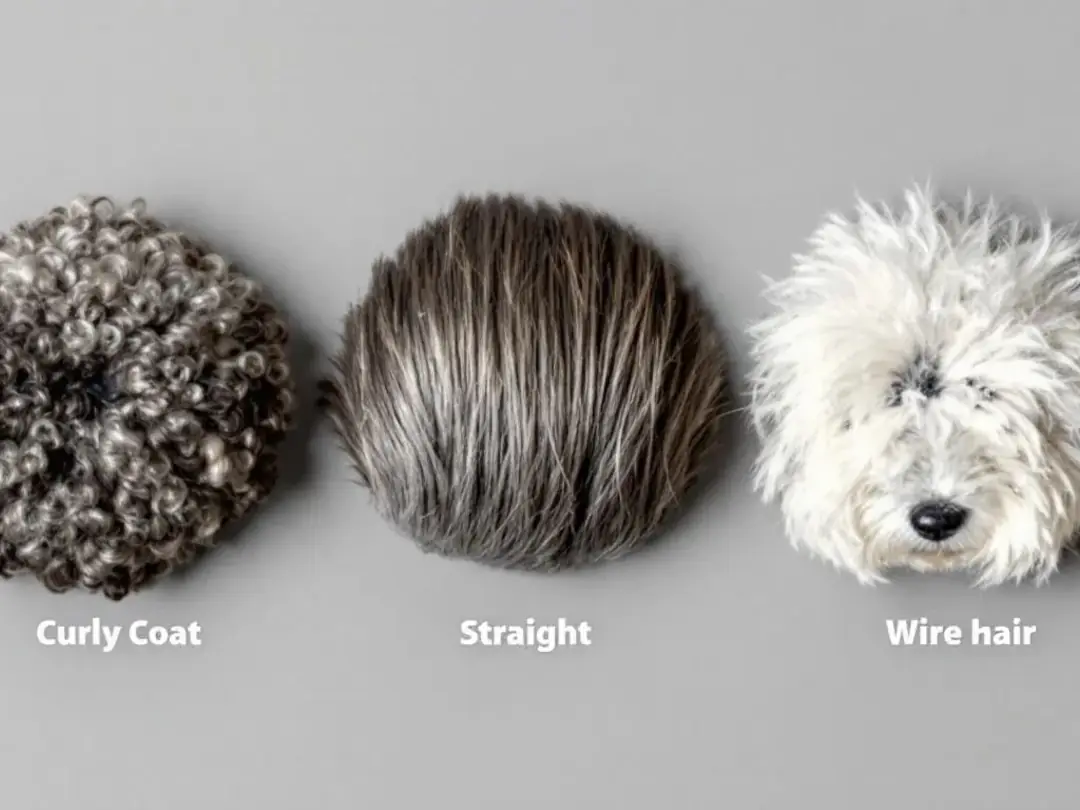

The best hypoallergenic dog breed is not the same for every home because no dog is completely allergen-free. The better question is usually which low-shedding breed is most manageable for your allergy level, home setup, and lifestyle.
If you are comparing several allergy-friendly options, our best dogs for allergies guide is a helpful companion because it looks at the broader group rather than just one "best" answer.
Key Takeaways
- No dog is truly 100 percent hypoallergenic, but some breeds are much easier for allergy sufferers to live with.
- Low shedding helps, but dander and saliva still matter.
- Poodles, Bichon Frises, Maltese, and Portuguese Water Dogs are often among the most commonly recommended options.
- Grooming and home cleaning are a major part of allergy management.
- The best breed for allergies is the one that fits both your symptoms and your lifestyle realistically.
What Makes a Dog More Hypoallergenic?
Dogs are not considered allergy-friendly just because they look fluffy or because a breeder says they are hypoallergenic. What usually matters more is how much they shed, how their coat holds onto dander, and how much allergen ends up spreading through the home.
Breeds with hair-like or curly coats often shed less into the environment, which can make them easier for some allergy sufferers. That does not mean they produce no allergens. It usually just means the allergens may be easier to manage.
This is why the word hypoallergenic should be treated as relative, not absolute.
Why No Dog Is Completely Allergy-Free
Dog allergies are usually triggered by proteins found in dander, saliva, and skin oils, not just loose hair. That means even a low-shedding dog can still trigger symptoms in a sensitive person.
Some breeds simply make the situation easier because they release less hair and dander into the home. That can reduce exposure, but it does not eliminate it.
For that reason, the best hypoallergenic dog breed is usually the breed you personally tolerate best, not just the one with the strongest marketing reputation.
What Allergy-Friendly Breeds Often Have in Common
| Trait | Why It Helps | Common Example |
|---|---|---|
| Low shedding | Reduces how much allergen spreads through the home | Poodle, Maltese |
| Curly or hair-like coat | Can trap loose hair and dander until grooming | Poodle, Bichon Frise |
| Regular grooming needs | Makes allergen control more manageable with routine care | Portuguese Water Dog, Schnauzer |
| Smaller body size | May reduce total allergen load in some homes | Yorkshire Terrier, Bolognese |
Best Small Hypoallergenic Dog Breeds
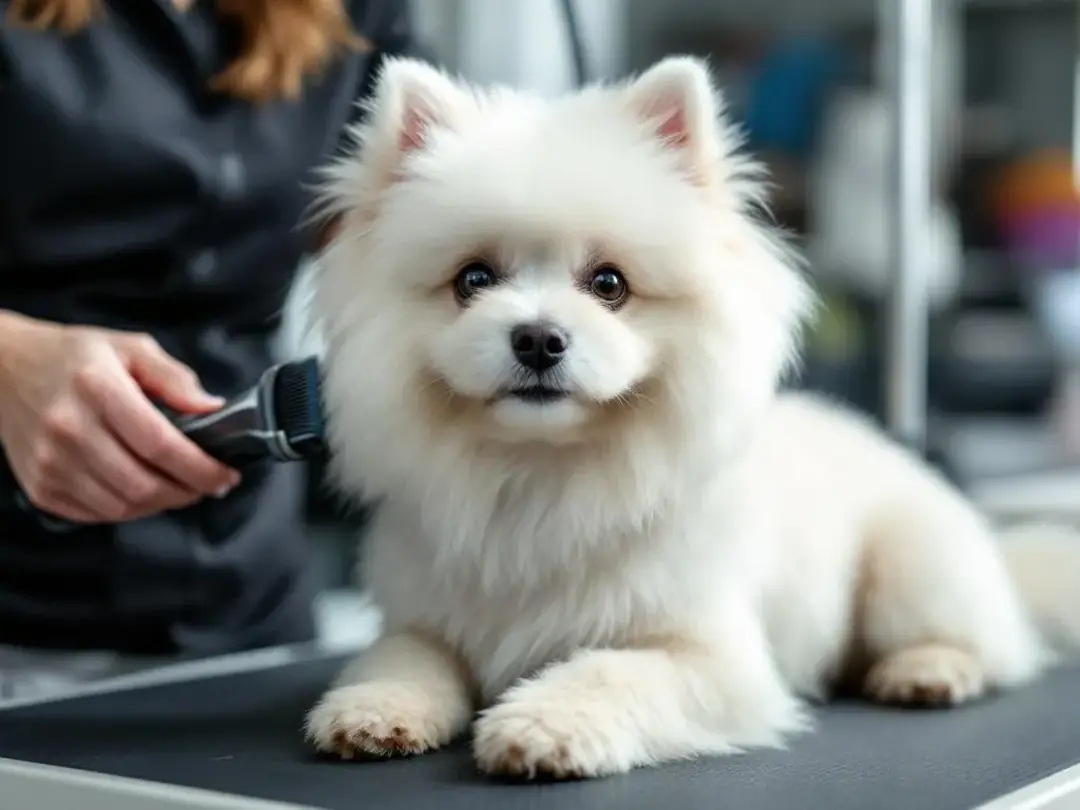
Small breeds are often a practical choice for allergy sufferers because they may produce less total allergen and are easier to groom and clean up after.
Maltese, Bichon Frise, Miniature Poodle, Yorkshire Terrier, and some other small companion breeds are often among the most commonly recommended options. These dogs usually shed less and can be easier to manage in smaller homes or apartments.
That said, small does not automatically mean better for every allergy sufferer. A small dog that licks constantly, sleeps on the bed, or is not groomed regularly can still create a lot of symptoms.
The best small breed is usually the one that fits your allergy level and your daily routine, not just the one with the smallest body size.
Best Medium Hypoallergenic Dog Breeds
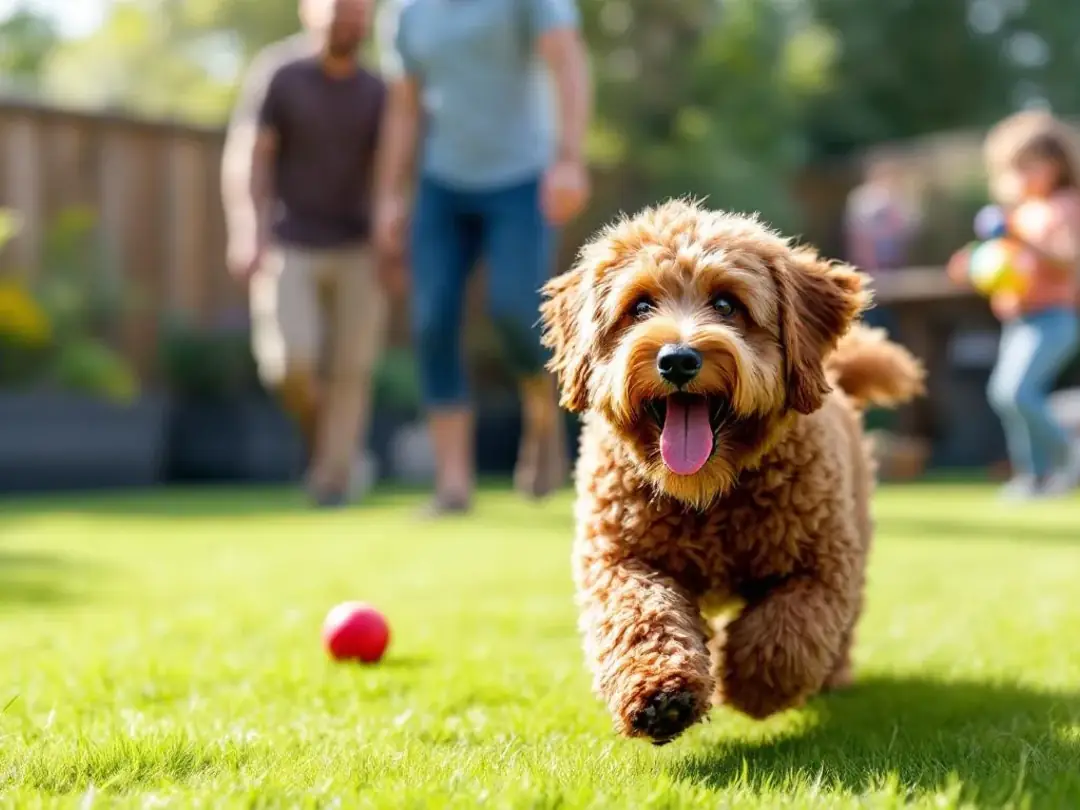
Medium-sized breeds can offer a good balance between manageable size and a more active, athletic lifestyle fit.
Portuguese Water Dogs, Soft Coated Wheaten Terriers, Standard Schnauzers, and similar breeds are often strong options for people who want a more active dog without moving into the largest size category.
These breeds often need more exercise and more grooming than smaller companion dogs, so they are not just an allergy decision. They are also a lifestyle decision.
If you want a dog that is more athletic or family-active, medium hypoallergenic breeds are often where the best balance shows up.
Best Large Hypoallergenic Dog Breeds
If you want a larger dog, there are still some strong low-shedding options, but management becomes even more important.
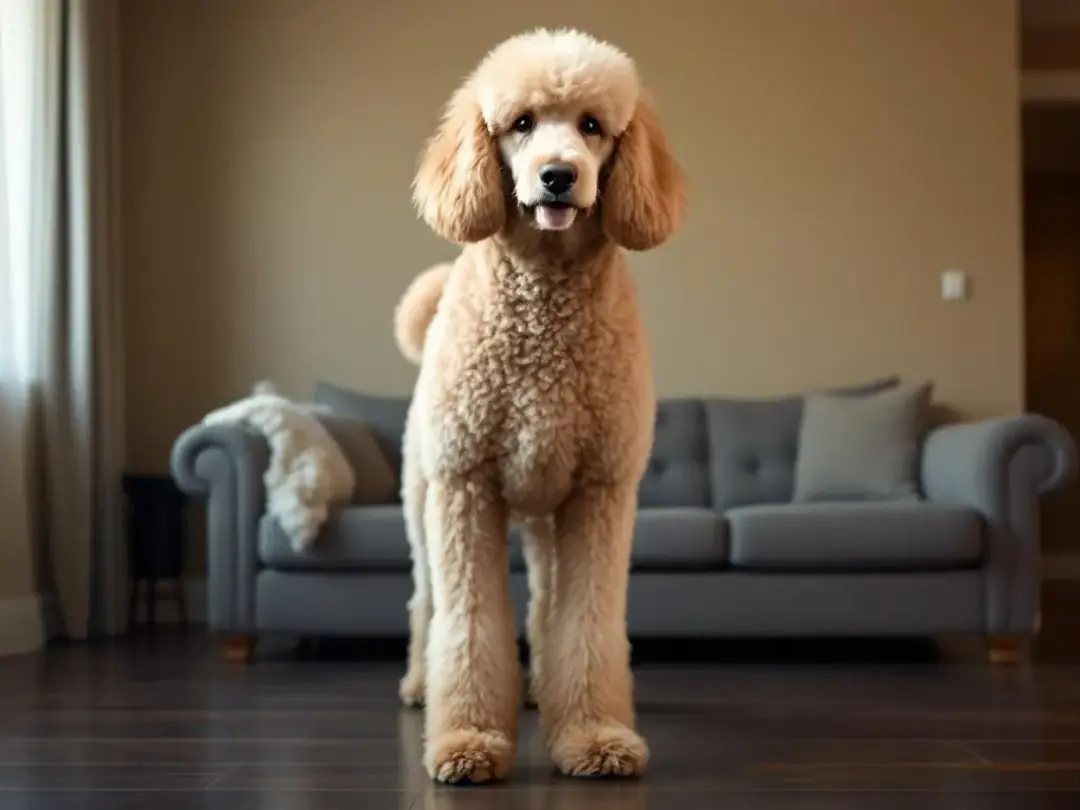
Standard Poodles are often one of the most commonly recommended large hypoallergenic breeds because they combine size, intelligence, and a low-shedding coat. Portuguese Water Dogs and some larger terrier or schnauzer types may also work well depending on the home.
Larger dogs may still create more total allergen simply because there is more dog in the house. More body, more saliva, more contact, and more grooming all come with the size increase.
That does not rule them out. It just means the best large hypoallergenic breed is usually one you can manage well in real life.
Unique and Less Common Hypoallergenic Breeds
Some less common breeds can also be good options for allergy-prone homes.
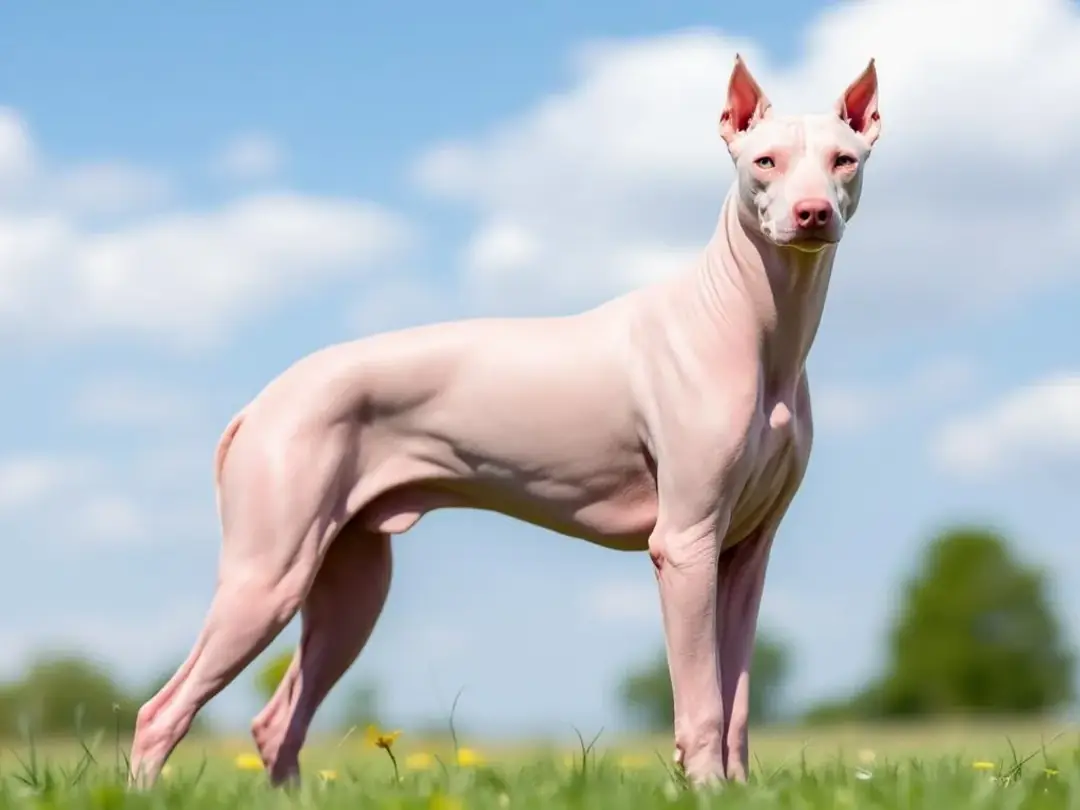
Hairless or rare low-shedding breeds like the Xoloitzcuintli, American Hairless Terrier, or Peruvian Inca Orchid may appeal to owners who want something different. These dogs can reduce some of the coat management issues that come with more traditional low-shedding breeds.
But rare breeds often come with their own care needs, including skin care, breeder availability, and less familiar temperament expectations. They are not automatically easier just because they are unusual.
For some homes they are a great fit. For others, a more established low-shedding breed is the more practical choice.
Are Doodle Mixes Really Hypoallergenic?
Doodle mixes are often marketed as hypoallergenic because of their Poodle influence, but the reality is more variable. Some inherit a curlier, lower-shedding coat, while others inherit more shedding from the other parent breed.
That means a doodle is not automatically the best hypoallergenic dog breed just because it has Poodle in the mix. Coat predictability can vary, especially in first-generation crosses.
If you are comparing doodle options more directly, our Goldendoodle vs Labradoodle guide can help you think through how different doodle mixes may compare in coat and lifestyle fit.
Grooming Is a Big Part of the Allergy Equation
Low-shedding dogs often need more grooming, not less. That is one of the biggest tradeoffs people miss. A coat that sheds less into the home often needs more brushing, trimming, and professional grooming to stay healthy and manageable.
Regular grooming can help reduce allergen buildup by removing trapped hair and dander before it spreads through the house. But if grooming is neglected, even a low-shedding breed can become much harder to live with.
That is why the best hypoallergenic breed is not just about coat type. It is also about whether you can keep up with the maintenance that coat requires.
How to Choose the Best Hypoallergenic Breed for Your Home
The best breed for your home depends on more than allergies alone. Size, energy level, grooming needs, temperament, and your living space all matter. A breed that is great for allergies may still be a poor fit if it needs far more exercise or coat care than you can realistically provide.
It is also smart to spend time with the breed, and ideally the individual dog, before making a final decision. Some people react strongly to one low-shedding breed and do much better with another.
That is why the best hypoallergenic dog breed is usually the one that works for both your body and your lifestyle.
Managing Allergies at Home Still Matters
Even with a low-shedding breed, home management still matters. Air purifiers, regular vacuuming, washing dog bedding, and keeping some rooms dog-free can all help reduce allergen load.
For many allergy sufferers, success comes from combining the right breed with the right home habits. That often works better than relying on breed choice alone.
In other words, the dog matters, but the environment matters too.
FAQ
Common Questions About Hypoallergenic Dog Breeds
These quick answers cover common questions about low-shedding breeds, doodles, grooming, and what allergy sufferers should realistically expect.
Are any dogs completely hypoallergenic?
No. Some dogs are easier for allergy sufferers, but no dog is completely free of allergens.
What is the best small hypoallergenic dog breed?
Maltese, Bichon Frise, and Miniature Poodles are often among the most commonly recommended small options.
Are doodles always hypoallergenic?
No. Doodle coat outcomes can vary, so some may be more allergy-friendly than others.
Do hypoallergenic dogs need more grooming?
Often yes. Many low-shedding coats need regular brushing and professional grooming to stay healthy and manageable.
Should I spend time with a breed before bringing one home?
Yes. That is one of the best ways to see how your allergies respond before making a long-term decision.


