Goldendoodle Blog Banner

Best Harness for Puppies That Pull

Bricks Coggin

Bricks Coggin · Director of Services

Published

Your adorable puppy turns into a furry bulldozer the moment you clip on the leash. Those cute paws suddenly have the power of a sled dog, and your peaceful walk becomes an arm-stretching workout. If this sounds familiar, you're not alone-and more importantly, you're not stuck with this behavior forever.


The right harness can transform your pulling puppy into a pleasant walking companion while protecting their developing body. Unlike just a collar, which puts dangerous pressure on your dog's neck and throat, a well-designed harness distributes force across your dog's torso and chest. For puppies who pull, this isn't just about comfort-it's about safety and successful training.


Let's explore the best harness options for puppies that pull, plus everything you need to know about sizing, fitting, and using these tools effectively.

Quick Picks: Best Puppy Harnesses for Pullers

Blue-9 Balance Harness - Best Overall: Six adjustment points and dual clip design accommodate rapid growth while providing excellent pull control. The Y-shaped design doesn't restrict your dog's shoulder blades, making it perfect for active puppies who need freedom of movement during training.


2 Hounds Design Freedom No-Pull - Best Budget: This freedom no pull harness offers front and back rings with velvet-lined chest straps that prevent chafing during extended training sessions. At under $35, it's an affordable option that doesn't compromise on puppy comfort.


Puppia Soft Harness - Best for Small Breeds: Designed specifically for toy breeds under 15 pounds, this gentle mesh harness protects delicate puppy skin while providing just enough control for tiny pullers.


Ruffwear Front Range - Best for Active Puppies: Built for everyday adventures, this harness features reinforced construction and reflective elements perfect for energetic puppies who need gear that can keep up with their enthusiasm.


Kurgo Tru-Fit Smart - Best Step-In Design: The step in harness design reduces stress for puppies sensitive to overhead fitting, while dual d rings provide training flexibility as your puppy learns leash manners.


Each of these harnesses addresses the unique needs of growing puppies while effectively managing pulling behavior through strategic design and proper fit.

Why Puppies Need Special Harness Considerations

Puppies aren't just small dogs-they're developing athletes with unique physical and behavioral needs. Understanding these differences is crucial when selecting the best dog harness for your pulling puppy.


A puppy's neck and trachea are still developing, making traditional collars particularly dangerous for dogs that pull. The delicate cartilage rings that protect the airway can be damaged by the sudden pressure that occurs when your dog pulls against a collar. This is especially concerning for brachycephalic dogs like French bulldogs, whose already compromised airways need extra protection.


Growing bodies require harnesses with multiple adjustment points to accommodate rapid size changes. Most dogs can double or triple their weight in the first year, and toy breeds might need three different harness sizes during puppyhood. A harness that fits properly today might be too tight in just a few weeks.


Puppy behavior patterns also influence harness selection. Young dogs have natural pulling instincts-they're curious about everything and haven't learned leash manners yet. This creates the perfect training opportunity when combined with the right equipment. A front clip harness naturally redirects your dog's forward momentum, teaching them that pulling doesn't get them where they want to go faster.


Material sensitivity matters more in young dogs with developing skin. Puppies have softer, more sensitive skin than adult dogs, making padded chest straps and breathable materials essential for comfortable training sessions.

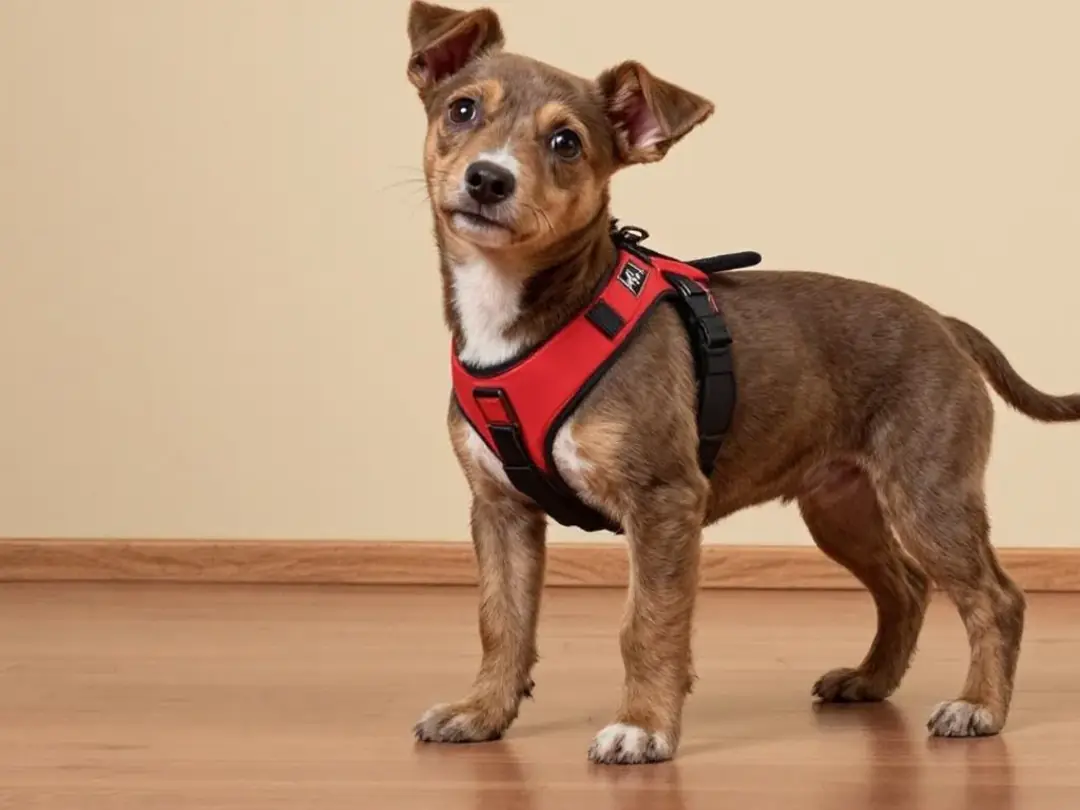
The image shows a playful puppy wearing a dual-clip harness, featuring both front and back attachment points for better...

Essential Features for Anti-Pull Puppy Harnesses


The best dog harnesses for pulling puppies share several key features that make training more effective and comfortable for your growing dog.


Front clip attachment points are the most important feature for managing pulling behavior. When the leash attaches to your dog's chest instead of their back, it creates natural steering. As your puppy moves forward, the front clip gently turns them toward you, disrupting their pulling momentum without causing discomfort.


Multiple adjustment points ensure a secure fit throughout your puppy's growth spurts. Look for harnesses with four adjustment points minimum-chest, neck, and both shoulder straps. The best options offer six adjustment points, allowing you to fine-tune the fit as your puppy's body proportions change.


Padded chest plates prevent chafing during training sessions. Puppies need more training walks than adult dogs, and that extra contact time requires comfortable materials. Look for soft neoprene or velvet lining that won't irritate your pet's skin during extended wear.


Quick release buckles make harness removal fast and easy during frequent training sessions. Plastic buckles are lighter for small puppies, while metal hardware provides extra security for strong dogs who might challenge their gear.


Reflective elements keep you and your puppy safe during early morning or evening training walks. Puppy socialization often requires walking during peak commuter hours, making visibility crucial for safety.


Machine washable materials handle the reality of puppy ownership. Between muddy paws, drool, and the occasional accident, your puppy's gear needs to be easily cleanable without losing its effectiveness.


Front vs Back Clip Systems for Puppies


Understanding when to use front versus back clips helps maximize your training success. Front clips naturally discourage pulling by redirecting your puppy's forward motion. When your dog starts to pull, the front attachment point steers them back toward you, making pulling uncomfortable and ineffective.


Back clip harnesses are suitable only for puppies who already have good leash manners. The back attachment allows full forward motion, which can actually encourage pulling in untrained dogs. However, once your puppy learns not to pull, back clips provide more comfortable walking for both of you.


Dual-clip harnesses offer the best training versatility. Start with the front clip during training sessions, then transition to the back clip for relaxed walks as your puppy's behavior improves. This flexibility makes dual-clip designs excellent long-term investments.


Most harnesses allow you to transition from front to back clips gradually. Begin with front-only attachment for the first few weeks, then try short back-clip sessions for well-behaved portions of walks. Eventually, you can use the back clip for most walks, returning to the front clip only when your dog gets excited or distracted.

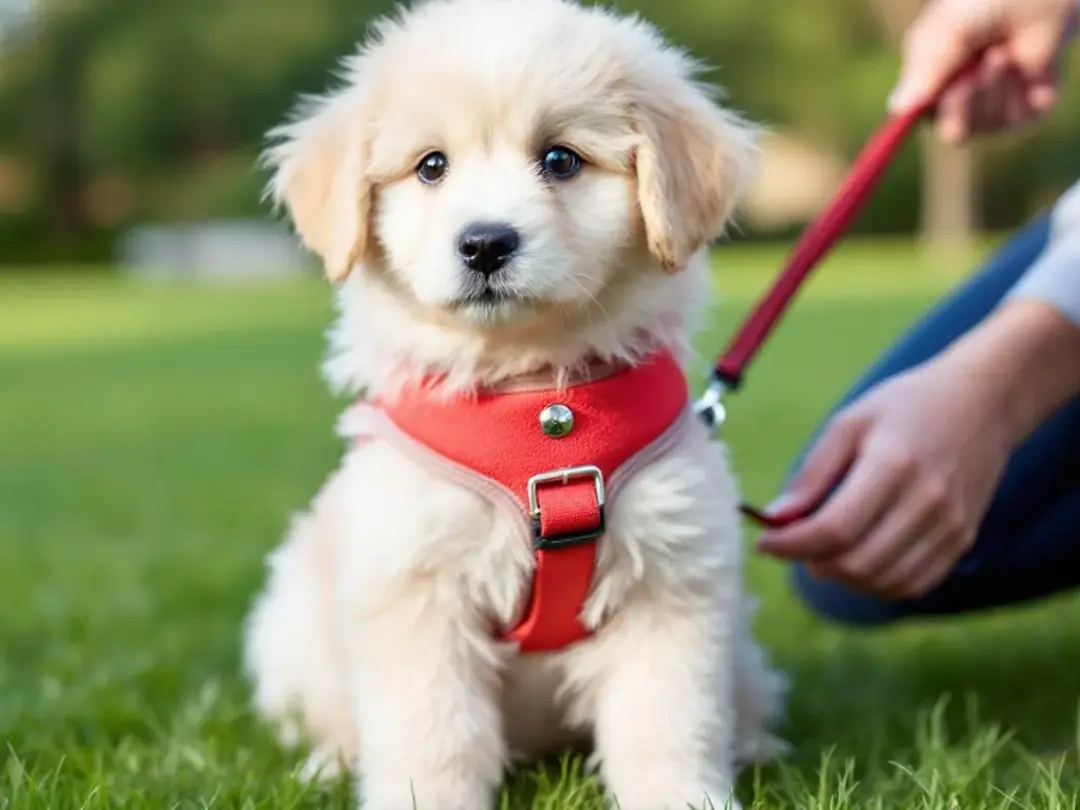
A comfortable-looking puppy is wearing a padded no-pull harness during a training session, showcasing its secure fit...

Detailed Reviews: Top 5 Puppy Harnesses for Pullers


The Blue-9 Balance Harness earns top marks for puppies who pull thanks to its thoughtful design and exceptional adjustability. With six adjustment points, this harness accommodates rapid puppy growth better than most competitors while maintaining a secure fit throughout size changes.


Blue-9 Balance Harness - Best Overall


The Y-shaped design preserves natural shoulder movement, crucial for developing puppies whose joint health depends on unrestricted motion. Unlike harnesses that cross over the dog's shoulder blades, the Balance Harness allows full front leg extension during play and exercise.


Both front and back leash attachment options provide training flexibility. The front d ring sits perfectly positioned on your dog's chest for effective pull redirection, while the back ring offers comfortable walking once training progresses. The hardware uses high-quality metal components that withstand enthusiastic puppy behavior.


Sizes range from XS (8-12 inches chest) up to XXL, covering everything from tiny toy breeds to large breed puppies. The sizing system accommodates dogs up to 150 pounds when fully grown, making this harness a long-term investment.


Pricing ranges from $45-65 depending on size, placing it in the premium category. However, the exceptional adjustability means most owners won't need to purchase multiple harnesses during puppyhood, making the cost-per-month reasonable for budget-conscious families.


Pros: Exceptional adjustability, unrestricted movement, dual attachment points, premium materials Cons: Higher upfront cost, more complex fitting process, may be overwhelming for very small puppies


2 Hounds Design Freedom No-Pull - Best Budget


The Freedom No-Pull Harness proves that effective doesn't have to mean expensive. At $25-35 across all puppy sizes, this harness delivers excellent value without compromising on the features that matter most for pulling puppies.


The velvet-lined chest strap sets this harness apart from budget competitors. Swiss velvet lining prevents chafing during extended training sessions, crucial for puppies who need frequent practice to develop good leash manners. This attention to comfort makes longer training walks possible without irritating your dog's skin.


Four adjustment points provide adequate customization for most puppy growth patterns. While not as extensive as premium options, the adjustment range accommodates typical size increases during the most rapid growth phases.


The harness features both front and back d rings, offering training versatility that rivals more expensive models. The front ring position effectively redirects pulling behavior, while the back ring provides comfortable walking for well-behaved moments.


Available in over 15 colors, the Freedom harness lets you match your puppy's personality while maintaining training effectiveness. The variety also helps with quick identification at busy dog parks or training classes.


Pros: Excellent value, comfortable velvet lining, dual attachment points, wide color selection Cons: Fewer adjustment points than premium options, may require sizing up sooner with fast-growing breeds


Puppia Soft Harness - Best for Small Breeds


Toy breed puppies face unique challenges that require specialized solutions. The Puppia Soft Harness addresses these needs with gentle materials and proportions designed specifically for dogs under 15 pounds.


The soft mesh construction protects delicate puppy skin while providing breathability during warm weather walks. Small breed puppies overheat more easily than larger dogs, making ventilation a crucial safety feature during training sessions.


The single back attachment point reduces complexity for tiny puppies who might be overwhelmed by dual-clip systems. While this means the harness is less effective for serious pullers, most small breed puppies lack the body weight to create dangerous pulling forces.


Chest sizes from 9-16 inches accommodate the smallest toy breed puppies, including Yorkshire Terriers, Chihuahuas, and Maltese. The size range covers puppies from 8 weeks through small adult size, potentially eliminating the need for multiple harness purchases.


Affordable pricing under $20 makes this harness accessible for families wanting to start training immediately without a large upfront investment. The lower cost also makes it reasonable to purchase multiple colors or have backup harnesses for accidents.


Pros: Perfect for toy breeds, soft materials, excellent ventilation, very affordable Cons: Single attachment point only, not suitable for strong pullers, limited size range


Ruffwear Front Range - Best for Active Puppies


An energetic puppy is playing outdoors while wearing a sturdy dog harness with reflective details, designed to provide...


The Ruffwear Front Range harness is built for puppies whose energy levels require gear that can keep up with their enthusiasm. Reinforced construction withstands the wear and tear of daily puppy adventures while maintaining comfort during active play.


The ID pocket keeps puppy information secure during training walks, especially valuable during the socialization period when puppies explore new neighborhoods. This feature provides peace of mind for owners concerned about escape artists who might slip their collar.


Reflective trim enhances safety during early morning or evening socialization walks. Puppy training often requires walking during commuter hours when visibility is crucial for safety near traffic.


Four adjustment points accommodate medium to large breed puppy growth patterns effectively. The adjustment range is generous enough to last through most rapid growth phases, though giant breed puppies may outgrow the largest size before reaching maturity.


Pricing ranges from $40-50 with exceptional durability that justifies the investment. Many owners report using Ruffwear harnesses for years without hardware failure or significant wear, making them excellent long-term value despite higher upfront costs.


The aluminum V-ring provides two leash attachment options-front for training and back for comfortable walking. The hardware quality exceeds most competitors, important for active puppies who test their gear limits regularly.


Pros: Exceptional durability, ID pocket, reflective safety features, aluminum hardware Cons: Higher price point, limited color options, may be too structured for sensitive puppies


Kurgo Tru-Fit Smart - Best Step-In Design


Some puppies resist traditional overhead harness fitting, making the step in design of the Kurgo Tru-Fit Smart a game-changer for sensitive dogs. This design eliminates the need to pull anything over your dog's head, reducing stress during initial harness introduction.


The step in harnesses system uses a simple process: your puppy steps into the harness, you bring the straps up around their torso, and click the buckles. This approach works particularly well for puppies who are head-shy or have had negative experiences with overhead gear.


Dual metal d rings provide the same front and back attachment options as traditional harnesses. The front ring position effectively manages pulling behavior, while the back attachment offers comfortable walking for trained moments.


The clear front and back orientation makes fitting easier for new puppy owners. Color-coded components and intuitive design reduce fitting errors that could compromise safety or comfort.


Mid-range pricing around $35-45 positions this harness as an affordable solution for puppies who need special fitting considerations. The price point makes it accessible for owners who want to try the step-in style without a major investment.


An additional car harness attachment feature makes this harness useful beyond walking. The ability to secure your puppy safely in the car using the same harness eliminates the need for separate travel gear.


Pros: Stress-free fitting, dual attachment points, car safety feature, intuitive design Cons: Limited adjustment compared to premium options, may not fit all body types perfectly

A person is gently measuring a calm puppy's chest with a tape measure while the puppy sits patiently, showcasing the...

Puppy Harness Sizing and Fit Guide


Proper harness sizing makes the difference between effective training and frustrated struggles. Puppies present unique challenges because their proportions change rapidly, requiring careful measurement and regular fit checks.


Measuring your puppy's chest girth provides the primary sizing reference for most harnesses. Use a soft tape measure around the widest part of your dog's chest, typically just behind the front legs. For wiggly puppies, try measuring during calm moments or recruit a helper to provide gentle restraint.


Add 2-3 inches to the chest measurement when selecting harness size. This ensures comfortable fit without restriction while accommodating the coat thickness and allowing for slight growth. The two finger rule applies here-you should be able to slide two fingers under any strap when the harness is properly fitted.


Expected growth patterns vary significantly by breed size:


  • Toy breeds (under 10 pounds): May need 2-3 harness sizes from 8 weeks to adult

  • Small breeds (10-25 pounds): Usually require 2 size changes during puppyhood

  • Medium breeds (25-60 pounds): Often need 3-4 different sizes

  • Large breeds (60-90 pounds): May require 4-5 size changes

  • Giant breeds (over 90 pounds): Can need 5-6 different harnesses during growth


Signs your puppy has outgrown their current harness include:


  • Difficulty fitting two fingers under any strap

  • Red marks on your dog's skin after harness removal

  • Restriction of natural movement during play

  • The harness rides up toward your dog's neck during walks

  • Straps are adjusted to their longest setting


Seasonal considerations affect fit for fluffy puppies. A harness that fits perfectly in summer might be too tight once your puppy grows their winter coat. Plan to readjust or size up before cold weather arrives.


Regular fit checks every 2-3 weeks during rapid growth phases help catch sizing issues early. Many puppy owners mark their calendars to remember these checks, preventing discomfort or safety issues from developing gradually.

Training Tips: Using Harnesses to Stop Puppy Pulling

The best harness in the world won't stop pulling without proper training techniques. Combining equipment with positive reinforcement creates lasting behavior change that makes walks enjoyable for both you and your puppy.


Start with harness introduction before addressing pulling. Let your puppy explore the harness, offering dog treats and praise when they show interest. Practice putting the harness on for short periods indoors, rewarding calm behavior throughout the process.


Age-appropriate expectations keep training realistic and positive:


  • 8-12 weeks: Focus on harness acceptance and very short outdoor exposures

  • 12-16 weeks: Begin basic leash pressure training indoors

  • 16-20 weeks: Practice outdoor walking with frequent direction changes

  • 4-6 months: Expect more consistent loose leash walking with occasional reminders


Positive reinforcement techniques work best with front clip harnesses. When your puppy walks beside you without pulling, mark the behavior with a verbal cue ("yes!" or click) and immediately reward with treats or brief play. The timing of rewards matters more than the size-small, frequent treats keep your puppy engaged without overfeeding.


Common puppy pulling triggers include:


  • Other dogs or people approaching

  • Interesting smells or sights

  • Excitement at the beginning of walks

  • Approaching favorite destinations like the dog park


Management strategies help prevent pulling scenarios while training progresses. Use higher-value treats near distractions, practice direction changes to keep your puppy's attention, and keep initial training walks short enough to maintain success.


Professional trainer assistance becomes valuable when:


  • Pulling behavior worsens despite consistent training

  • Your puppy shows fear or aggression during harness fitting

  • Physical limitations make handling a pulling puppy difficult

  • Multiple behavior issues complicate training progress


Transitioning from harness to collar happens gradually as pulling decreases. Most puppies can transition to collar use for calm neighborhood walks by 8-12 months, while keeping the harness for exciting situations like trips to new places.

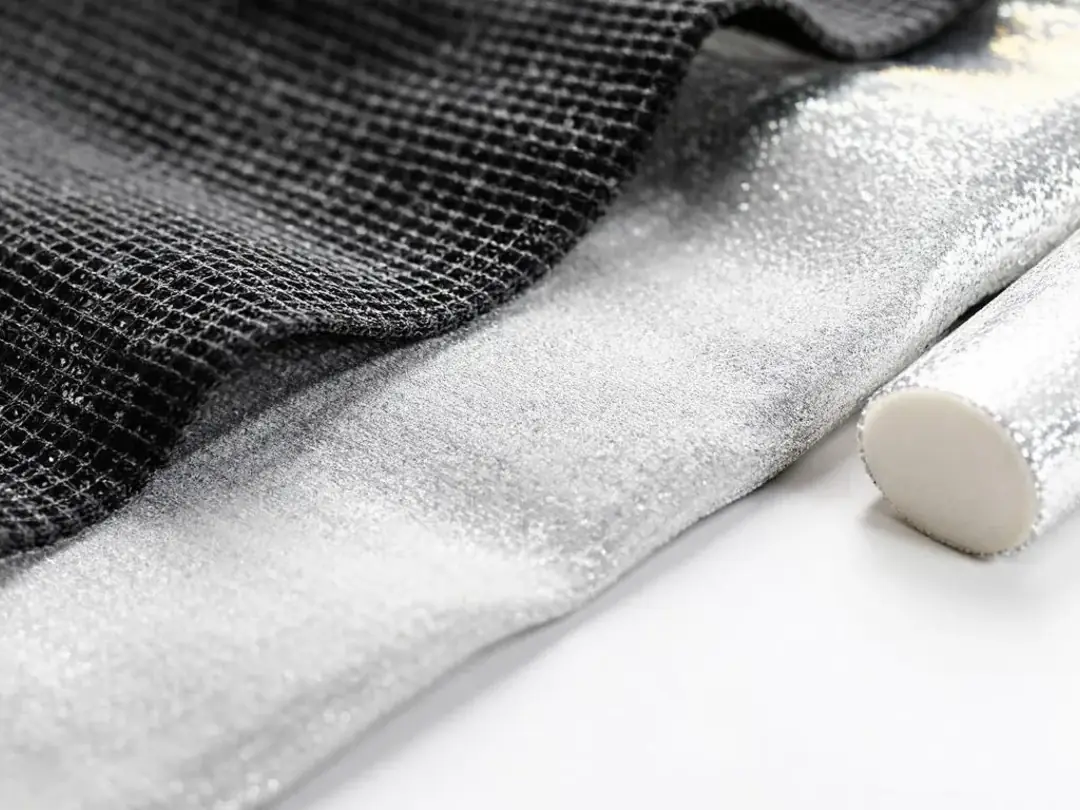
The image features a close-up view of various dog harness materials, including breathable mesh, padded options, and...

Materials and Safety Considerations for Puppies


Puppy-specific material considerations ensure comfort, safety, and durability throughout the challenging first year. Understanding these factors helps you select gear that protects your developing dog while withstanding puppy-level wear and tear.


Hypoallergenic materials matter more for puppies whose immune systems are still developing. Neoprene, soft nylon, and bamboo fiber blends provide comfort for sensitive skin while maintaining durability. Avoid rough materials or chemical treatments that might irritate your pet's skin during extended wear.


Breathable fabrics prevent overheating during active play and training. Mesh panels or moisture-wicking materials keep your puppy comfortable during warm weather training sessions. This consideration is especially important for brachycephalic dogs who struggle with temperature regulation.


Hardware durability requires balance between strength and weight. Plastic buckles work well for small breed puppies, providing adequate security without unnecessary weight. Metal components offer superior strength for larger or more active puppies who might stress-test their gear.


Choking hazards to avoid include small decorative elements, loose threads, or poorly secured attachments. Regular inspection for wear prevents small parts from becoming dangerous if chewed or swallowed by teething puppies.


Quick release buckles provide safety during emergencies while maintaining security during normal use. Look for buckles that release under extreme pressure but won't open accidentally during normal puppy activity.


Regular safety inspections should occur weekly during rapid growth phases. Check for:


  • Frayed stitching or worn fabric

  • Loose or damaged hardware

  • Proper fit after growth spurts

  • Signs of chafing or irritation on your dog's skin


Cleaning and maintenance requirements vary by material. Machine washable harnesses simplify care for accident-prone puppies, while hand-wash-only materials might require more maintenance than busy families can manage consistently.

Common Puppy Harness Mistakes to Avoid

Learning from common mistakes helps you avoid frustration and ensures your puppy's comfort and safety during the training process. These issues occur frequently enough that awareness and prevention strategies can save time and stress.


Choosing adult-sized harnesses expecting puppies to "grow into them" creates immediate safety and training problems. Loose harnesses allow escape artists to slip free, while poor fit makes pulling correction ineffective. Always fit for current size, planning to replace as needed.


Using back clip harnesses for confirmed pullers actually encourages the behavior you're trying to stop. The back attachment provides unrestricted forward motion, making pulling more successful and reinforcing the behavior. Start with front clips for any puppy showing pulling tendencies.


Ignoring breed-specific considerations leads to poor harness selection. Long-backed breeds like Dachshunds need longer chest plates to distribute pressure properly, while brachycephalic dogs require careful attention to throat clearance and breathing comfort.


Inadequate adjustment creates either escape risks or discomfort issues. Too loose allows your puppy to back out of the harness, while too tight restricts movement and can cause chafing. The two finger rule provides a reliable guide for proper adjustment.


Expecting immediate results without consistent training leads to frustration and abandoned equipment. Harnesses provide mechanical advantage, but behavior change requires repetition and positive reinforcement over weeks or months. Patience and consistency produce better results than frequent equipment changes.


Neglecting regular fit checks during rapid growth periods allows problems to develop gradually. Weekly assessments during peak growth help catch sizing issues before they become safety concerns or training obstacles.


Using damaged or worn equipment compromises both safety and effectiveness. Frayed straps, damaged buckles, or worn attachment points can fail unexpectedly, potentially injuring your puppy or allowing escape in dangerous situations.

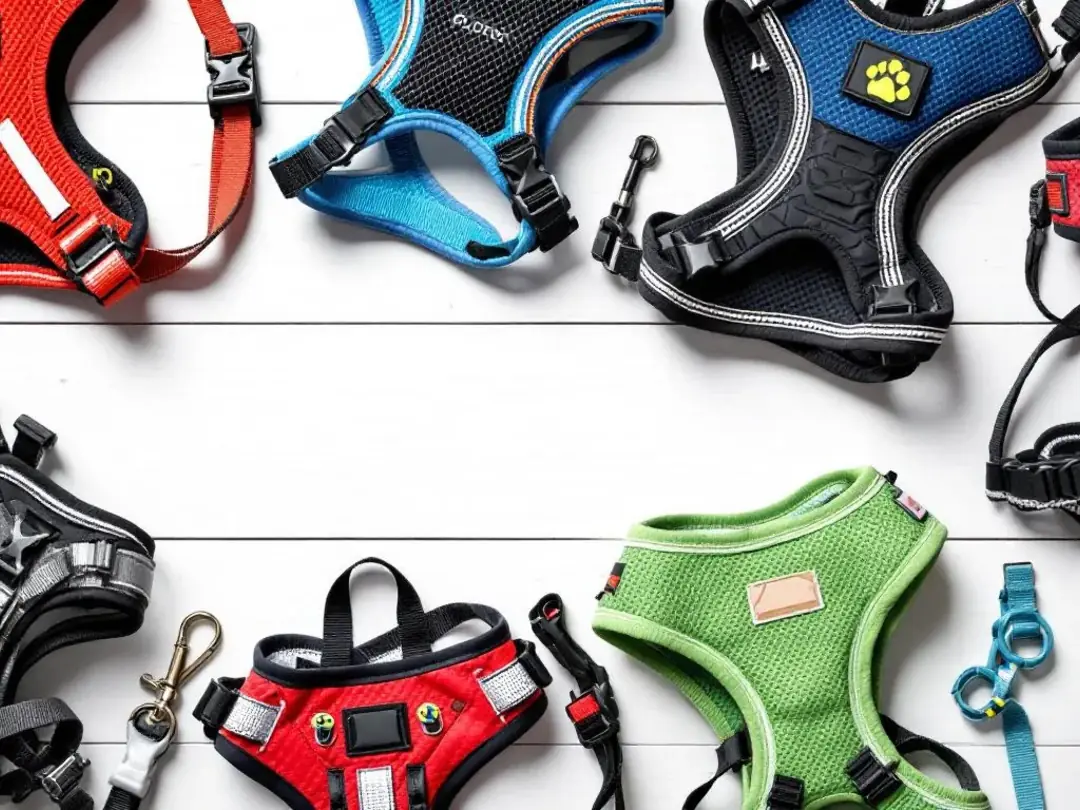
The image displays a side-by-side comparison of three types of puppy harnesses categorized by price: budget, mid-range...

Budget Considerations and Value Picks


Smart budgeting for puppy harnesses requires balancing upfront costs with long-term value, especially considering the multiple size changes most puppies require during their first year.


Cost-per-month analysis provides a realistic view of harness expenses. A $60 harness that lasts six months costs $10 monthly, while a $25 harness that needs replacement every two months costs $12.50 monthly. Factor in your puppy's expected growth rate when calculating true costs.


When to invest in expensive harnesses:


  • Large or giant breed puppies who will stress-test durability

  • Families planning multiple dogs who can reuse quality equipment

  • Puppies with special needs requiring premium materials or construction

  • Situations where harness failure could create safety risks


Budget options that maintain effectiveness:


  • 2 Hounds Design Freedom No-Pull ($25-35): Excellent value with key features

  • Puppia Soft Harness ($15-20): Perfect for small breed puppies

  • Basic front clip harnesses from established brands ($20-30): Focus on essentials


Harnesses that maintain resale value help offset replacement costs. Premium brands like Ruffwear and Blue-9 often sell for 50-60% of retail price in good condition, making them more affordable when you factor in resale potential.


Multi-pack deals sometimes offer savings for families anticipating several size changes. Some retailers offer discount programs for customers who return outgrown harnesses when purchasing larger sizes.


DIY adjustments can extend harness life during growth spurts. Adding extra holes to straps or adjusting buckle positions might provide another few weeks of use, though safety should never be compromised for cost savings.


Timing purchases strategically around sales events can reduce costs significantly. End-of-season clearances, Black Friday sales, and retailer anniversary events often feature significant discounts on quality puppy gear.


Consider total training investment when budgeting. A more expensive harness that accelerates training success might save money on professional training sessions or damage caused by continued pulling behavior.


Finding the right harness for your pulling puppy sets the foundation for years of enjoyable walks together. Remember that even the best harness is just a tool-success comes from combining quality equipment with patient, consistent training.


Start with proper measurements and realistic expectations for your puppy's breed and age. Choose features that match your specific needs, whether that's maximum adjustability for rapid growth or step-in design for sensitive puppies. Most importantly, stay consistent with your training approach while your puppy learns that walking beside you is more rewarding than pulling ahead.


Your puppy's pulling phase won't last forever, especially with the right combination of equipment and training. Pick the harness that fits your situation, commit to regular practice, and enjoy watching your furry friend transform into the walking companion you've been hoping for.

ABCs Puppy Zs

ABCs Puppy Zs Ensures Healthy, Lovingly Raised Goldendoodles, for an Exceptional Experience in Pet Ownership.

Could you ask for more? You bet: