
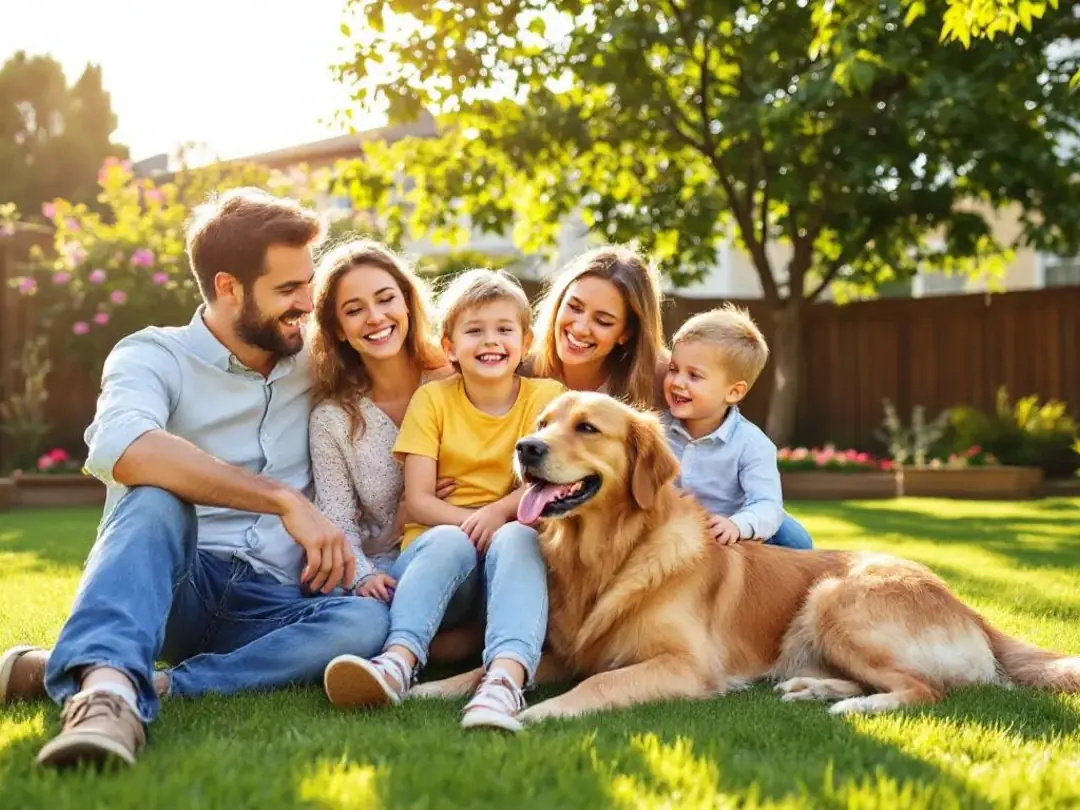

The best family dogs are usually friendly, trainable, patient, and realistic for the household's energy level, space, and daily routine. A great family dog is not just good with kids in theory. It is a dog that fits the real life of the family it is joining.
If you are also comparing doodle-type companions, our are Goldendoodles good dogs guide can help if that is one of the breeds on your shortlist.
Key Takeaways
- The best family dogs are usually patient, friendly, trainable, and adaptable.
- Energy level, size, grooming needs, and temperament matter more than popularity alone.
- Some large breeds are excellent with children, but only if the family can handle their size and needs.
- Small dogs can be great family pets too, but not all small breeds are ideal for young children.
- The best family dog is the one that fits the household's real lifestyle, not just the ideal one.
What Makes a Dog a Good Family Dog?
A good family dog is usually one that can handle everyday life with people of different ages, energy levels, and routines. That often means a dog with a stable temperament, decent trainability, and enough patience to live around noise, movement, and unpredictability.
It also means the dog should fit the home itself. A breed that is wonderful in one family may be a poor match in another if the exercise needs, grooming demands, or size are not realistic for the household.
The best family dogs are not just friendly. They are manageable, adaptable, and a good long-term fit.
Helpful Family-Dog Traits at a Glance
| Trait | Why It Matters | Best For |
|---|---|---|
| Friendly temperament | Helps the dog fit into busy family life | Most households |
| Trainability | Makes daily life and boundaries easier | Families with children |
| Patience | Important around kids and changing routines | Homes with younger children |
| Appropriate energy level | Prevents mismatch between dog and family lifestyle | Active or quieter homes |
| Manageable grooming and care | Keeps the dog sustainable for the whole family | Busy households |
Best Large Family Dogs
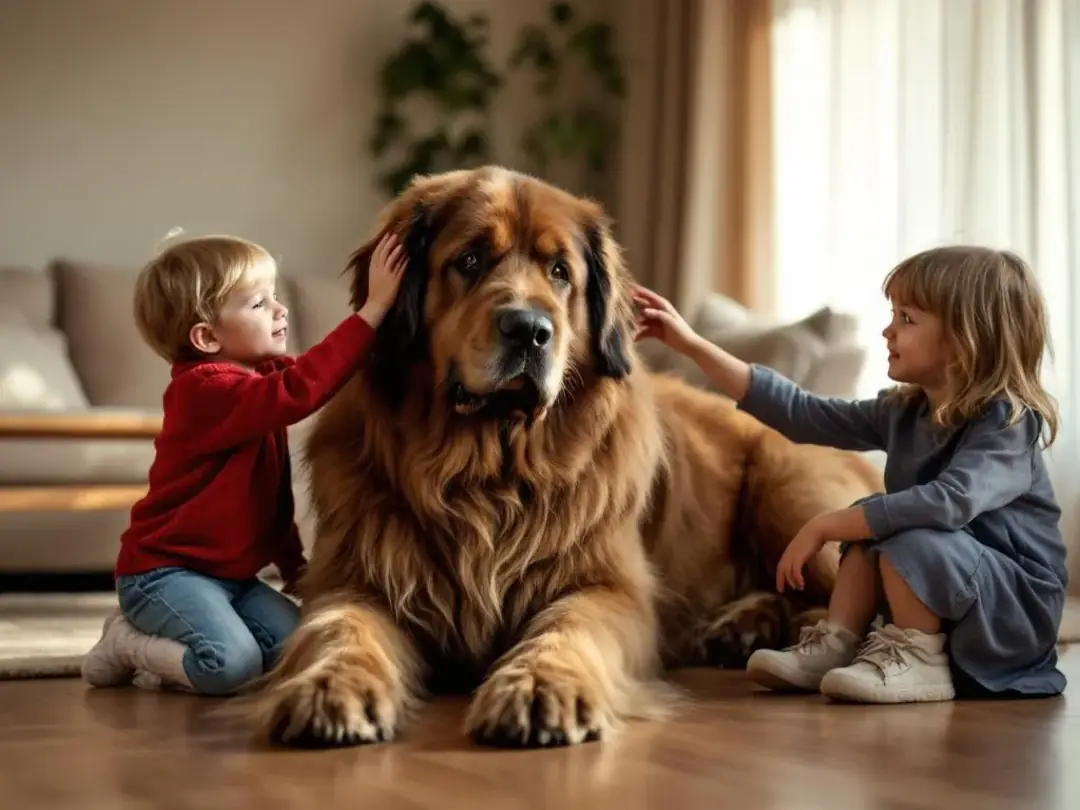
Large breeds can be wonderful family dogs when the home has enough space and the family is ready for the size and care needs.
Labrador Retrievers, Golden Retrievers, Bernese Mountain Dogs, and Newfoundlands are often mentioned because they tend to be friendly, patient, and family-oriented. Many large breeds also handle the energy of children better than more delicate small dogs do.
But large size changes the practical side of ownership. Food costs, exercise needs, training, and physical handling all matter more when the dog is big. A large dog that jumps, pulls, or lacks manners is a much bigger issue than a smaller dog doing the same thing.
That is why large family dogs can be excellent, but only when the family is ready for the full picture.
Best Medium Family Dogs
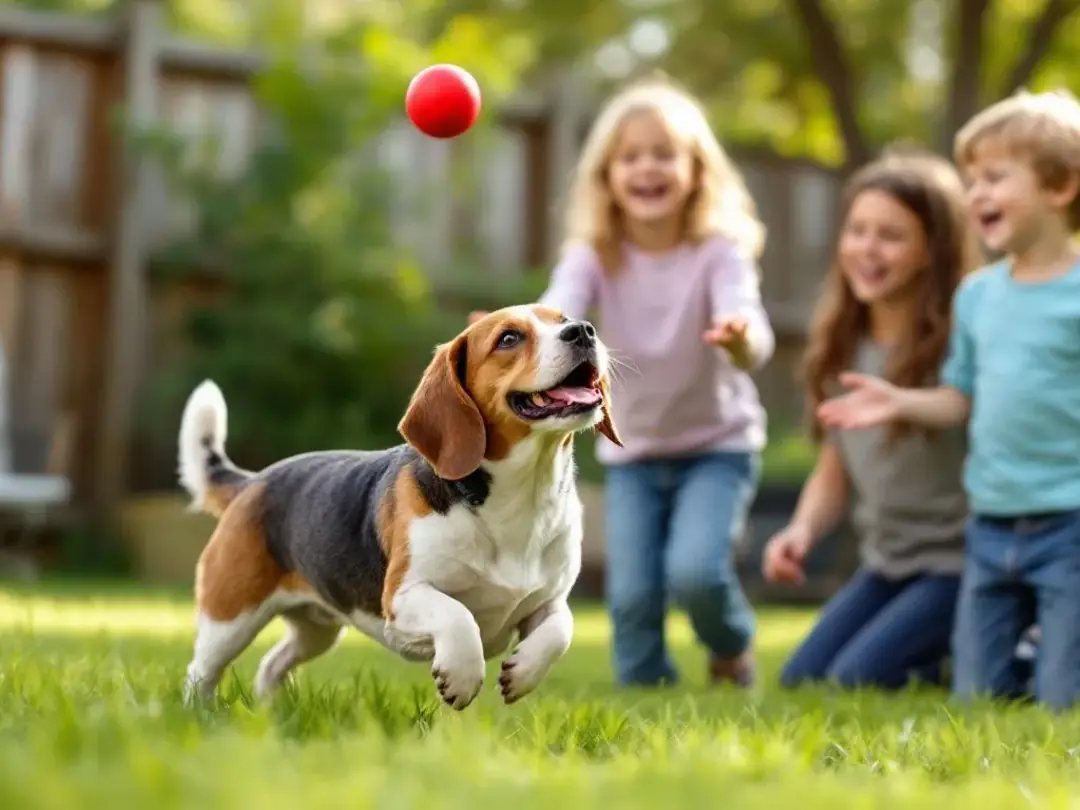
Medium-sized dogs often hit a useful middle ground for many families.
Breeds like Beagles, Cocker Spaniels, and some Poodles or Spaniel-type dogs can work well because they are often sturdy enough for family life without being as physically demanding as giant breeds. For many households, medium dogs feel easier to balance.
That said, medium size does not automatically mean easy. Some medium breeds are very active, very vocal, or need more mental stimulation than families expect. Energy level and temperament still matter more than size alone.
For many homes, though, medium dogs are where the best balance of manageability and family fit shows up.

Best Small Family Dogs
Small dogs can be excellent family pets, especially in smaller homes or apartments, but they are not all equally kid-friendly.
Cavalier King Charles Spaniels, Bichon Frises, Havanese, and some Boston Terriers are often good options because they can be affectionate, adaptable, and easier to handle physically. They may also fit better in homes where space is limited.
But some small dogs are more fragile, more reactive, or less tolerant of rough handling. That is why families with very young children need to think carefully about whether a small dog is truly the best match.
Small can be a great fit, but only when the dog's temperament and the children's behavior are both part of the decision.
How Kids' Ages Change the Best Breed Choice
The best dog for a family with toddlers may not be the best dog for a family with older children. Younger kids often need a dog with more patience, more stability, and enough size or sturdiness to handle awkward interactions safely.
Older children may do well with a more active or more trainable breed because they can participate more in walks, play, and basic care. That can open up more options for the family overall.
Thinking about the ages and behavior of the children in the home is one of the most important parts of choosing well.
What Lifestyle Fit Really Means
Family lifestyle matters just as much as breed reputation. A dog that is perfect for an active family with a yard may be a poor fit for a quieter family in a smaller home. The same breed can feel wonderful in one setting and overwhelming in another.
That is why it helps to think honestly about exercise, time, grooming, training, travel, and how much chaos the household already has. A dog should fit into the family, not constantly fight against the way the family actually lives.
The best family dog is usually the one that feels sustainable in everyday life, not just exciting at the beginning.
Are Mixed Breed Dogs Good Family Dogs?
Absolutely. Mixed breed dogs can make excellent family pets, and in many cases the individual dog's temperament matters more than whether the dog is purebred. Adult mixed breeds can also give families a clearer picture of size, energy level, and personality before adoption.
That can be especially helpful for families who want to avoid too much guesswork. Shelters and rescues often know a lot about how a dog behaves around people, other pets, and different home environments.
The best family dog does not have to come from a breed list. It can absolutely be the right mixed breed match from a rescue or shelter.
Training and Socialization Still Matter
Even the friendliest breed still needs training, boundaries, and socialization. A dog that is naturally good with people can still become difficult if the family does not teach basic manners and create consistent expectations.
That includes teaching children how to interact respectfully with the dog too. Good family-dog relationships are not just about the dog being patient. They are also about the people being fair, predictable, and safe.
The best family dogs usually come from a combination of good temperament and good handling, not one or the other alone.

How to Find the Right Family Match
The best way to choose is to look at the actual dog, the actual family, and the actual daily routine.
Spend time with the dog if possible. Ask about energy level, behavior around children, grooming needs, and how the dog handles stress or change. If adopting an adult dog, that information can be especially valuable because the personality is already more visible.
For some families, a classic breed like a Lab or Golden is the right answer. For others, a calmer small companion or a mixed breed rescue dog is the better fit. The right answer depends on the home, not just the breed list.
The best family dog is the one that helps family life feel fuller, calmer, and more connected over time.
FAQ
Common Questions About Family Dogs
These quick answers cover common questions about size, temperament, children, and what really makes a dog a good fit for family life.
What makes a dog a good family dog?
Friendly temperament, patience, trainability, and a good lifestyle fit are usually the biggest factors.
Are large dogs better with kids than small dogs?
Some large dogs are more tolerant and sturdy around children, but the best choice still depends on temperament and the family setup.
Can small dogs be good family pets?
Yes, many small dogs can be excellent family pets, but not all small breeds are ideal for very young children.
Are mixed breed dogs good family dogs?
Absolutely. Many mixed breed dogs make excellent family companions, especially when temperament is a good match.
Should families choose a dog based on breed popularity?
Not by popularity alone. Lifestyle fit, energy level, and temperament matter much more than trend or reputation.


