
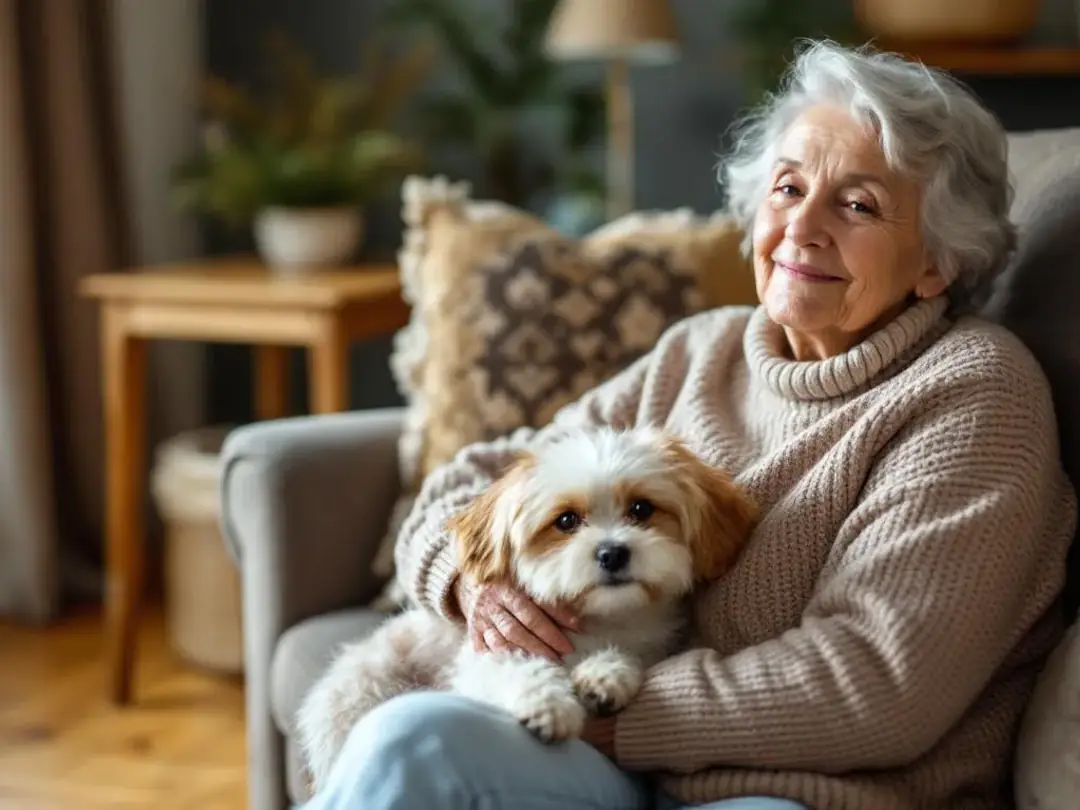

The best dogs for seniors are usually calm, manageable, affectionate, and realistic for the owner's energy level, home setup, and daily routine. The right dog can bring companionship, structure, and joy, but the wrong fit can feel overwhelming very quickly.
If you are comparing companion breeds more broadly, our are Goldendoodles good dogs guide can help if you are also considering a doodle-type family companion.
Key Takeaways
- The best senior-friendly dogs are often calm, affectionate, and easier to manage physically.
- Size, energy level, grooming needs, and trainability all matter when choosing the right fit.
- Older dogs can sometimes be a better match than puppies because they are often calmer and more predictable.
- The best breed depends on the person's lifestyle, mobility, and living space.
- A good match should feel supportive and enjoyable, not physically or financially overwhelming.
Why Dogs Can Be Great Companions for Seniors
Dogs can bring routine, companionship, and a sense of connection that matters a lot, especially for people living alone or looking for more daily structure. Even a simple routine of feeding, walking, and spending time together can make the day feel fuller and more grounded.
For many seniors, a dog also encourages gentle activity and more social interaction. Walks, vet visits, and everyday conversations with neighbors or other dog owners can all add up to a more connected life.
That said, the benefits are strongest when the dog is a good fit. A dog that is too demanding can create stress instead of comfort.
What Traits Matter Most in a Senior-Friendly Dog
Calm temperament, manageable size, moderate exercise needs, and a friendly personality are often the biggest priorities. A dog that is affectionate and easy to live with usually matters more than a dog that is trendy or visually appealing.
Grooming needs also matter. Some seniors are happy to keep up with regular brushing or grooming appointments, while others may prefer a lower-maintenance coat. The same goes for training and energy level. A dog that needs constant stimulation may not be the best fit for a quieter household.
The best dogs for seniors are usually the ones that fit daily life naturally rather than demanding major lifestyle changes.
Helpful Traits at a Glance
| Trait | Why It Helps | Best For |
|---|---|---|
| Smaller or moderate size | Usually easier to handle physically | Seniors wanting easier daily management |
| Calm temperament | Reduces chaos and makes daily life easier | Quieter households |
| Moderate exercise needs | Supports routine without becoming exhausting | Owners wanting gentle daily activity |
| Friendly and affectionate | Builds companionship and emotional comfort | Most senior homes |
| Lower grooming demands | Can reduce maintenance and cost | Owners wanting simpler care routines |

Best Small Dogs for Seniors
Small dogs are often a practical choice because they are easier to lift, easier to transport, and often easier to manage in smaller homes.
Breeds like Cavalier King Charles Spaniels, Shih Tzus, French Bulldogs, Bichon Frises, and Maltese are often mentioned because they can combine companionship with a more manageable size. Many of these breeds also adapt well to apartment or retirement-community living.
That does not mean every small dog is automatically a good fit. Some small breeds are very vocal, very active, or more demanding than people expect. Temperament still matters more than size alone.
For many seniors, though, a calm small dog is often one of the easiest and most rewarding matches.
Best Medium Dogs for Active Seniors
Some seniors want a dog with a little more size and a little more activity, and that can work well if the lifestyle supports it. Medium-sized dogs can be a great fit for people who still enjoy regular walks and want a dog that feels a bit sturdier or more outdoorsy.
Breeds like Corgis or Beagles may appeal to more active seniors, though they still need the right temperament match and enough daily engagement. A medium dog that is too energetic or too strong can still become difficult if the owner's mobility changes.
The best medium dog for a senior is usually one that stays manageable, not just one that looks like a good compromise on paper.
Are Older Dogs Better Than Puppies for Seniors?
In many cases, yes. Older dogs are often calmer, more predictable, and already past the most demanding puppy stage. That can make them a much easier fit for seniors who want companionship without the chaos of house training, teething, and constant supervision.
Puppies can still be a good fit for the right person, but they usually require more energy, more training, and more patience in the early months. For many seniors, an adult or senior dog is simply the more realistic and enjoyable choice.
The best match is not always the youngest dog. It is often the dog whose current needs fit the home best.
How Lifestyle and Mobility Affect the Best Choice
The best dog for one senior may be completely wrong for another.
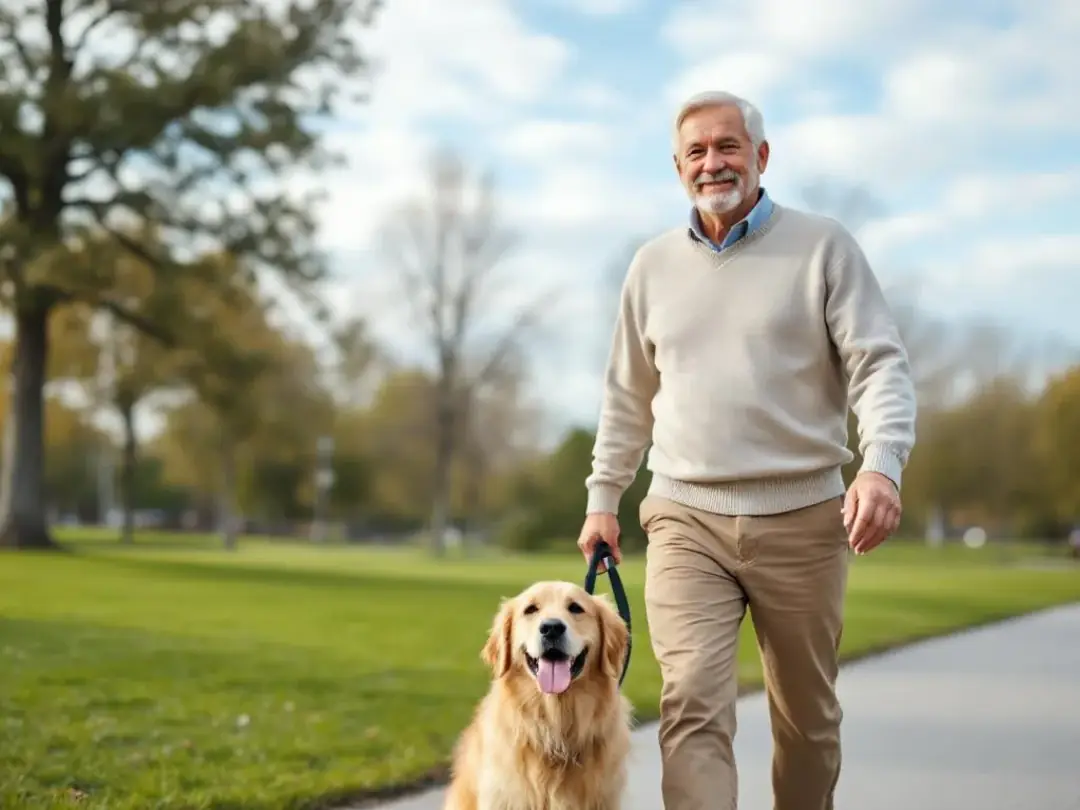
Someone who enjoys daily walks and has a yard may do well with a more active companion. Someone living in a smaller space or dealing with mobility limitations may need a calmer, lower-maintenance dog that is easier to handle physically.
That is why it helps to think honestly about walking ability, lifting ability, grooming tolerance, and how much daily care feels realistic. A dog should add comfort and companionship, not create constant physical strain.
The best dogs for seniors are the ones that fit the real lifestyle, not the idealized one.
What About Allergies and Grooming?
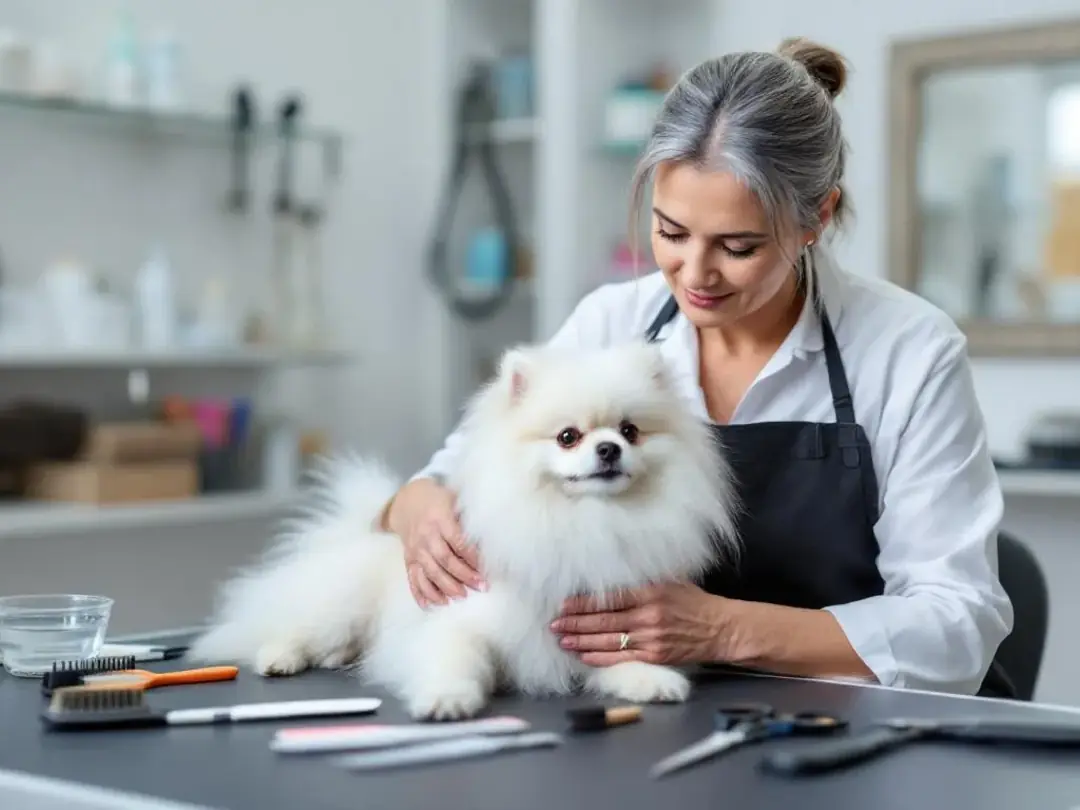
For seniors with allergies or a strong preference for less shedding, coat type can matter a lot. Some owners are happy to keep up with regular brushing and grooming appointments, while others want something simpler.
Low-shedding breeds can be a good option, but they often come with more grooming needs rather than less. That tradeoff is important to understand before choosing a breed based only on allergy-friendliness.
If allergies are part of the decision, our best dogs for allergies guide can help compare some of the more common low-shedding options.
Cost and Long-Term Planning Matter Too
Food, grooming, veterinary care, medications, and emergency costs all matter when choosing a dog. A breed that seems perfect in temperament may still be a poor fit if the long-term care costs are more than you want to take on.
It also helps to think about backup care. If you travel, have health changes, or need help unexpectedly, who can step in? That question matters for every dog owner, but it is especially important when planning for the long term.
The best dog for a senior should feel sustainable, not just appealing in the moment.
How to Find the Right Match
The best way to choose is to think beyond breed reputation and focus on the actual dog and the actual home.
Spend time with the dog if possible. Ask honest questions about energy level, behavior, grooming, and health. If adopting, adult dogs often give you a much clearer picture of what daily life will really look like.
For some seniors, a small calm companion is ideal. For others, a slightly more active dog is still a great fit. The right answer depends on the person, not just the breed list.
The best dogs for seniors are the ones that make life feel fuller and easier, not harder.
FAQ
Common Questions About Dogs for Seniors
These quick answers cover common questions about size, age, grooming, and what makes a dog easier to live with in the senior years.
What size dog is usually best for seniors?
Small to medium dogs are often the easiest to manage, but the best size depends on the person's strength, mobility, and lifestyle.
Are older dogs better than puppies for seniors?
Often yes. Older dogs are usually calmer and more predictable, which can make them a better fit for many seniors.
What traits matter most in a senior-friendly dog?
Calm temperament, manageable size, moderate exercise needs, and an affectionate personality are often the biggest priorities.
Should seniors avoid high-energy breeds?
Not always, but high-energy breeds are often a harder fit unless the owner is very active and ready for the daily demands.
Can seniors still choose low-shedding or allergy-friendly dogs?
Yes, but it is important to remember that low-shedding dogs often need more grooming, not less.


