
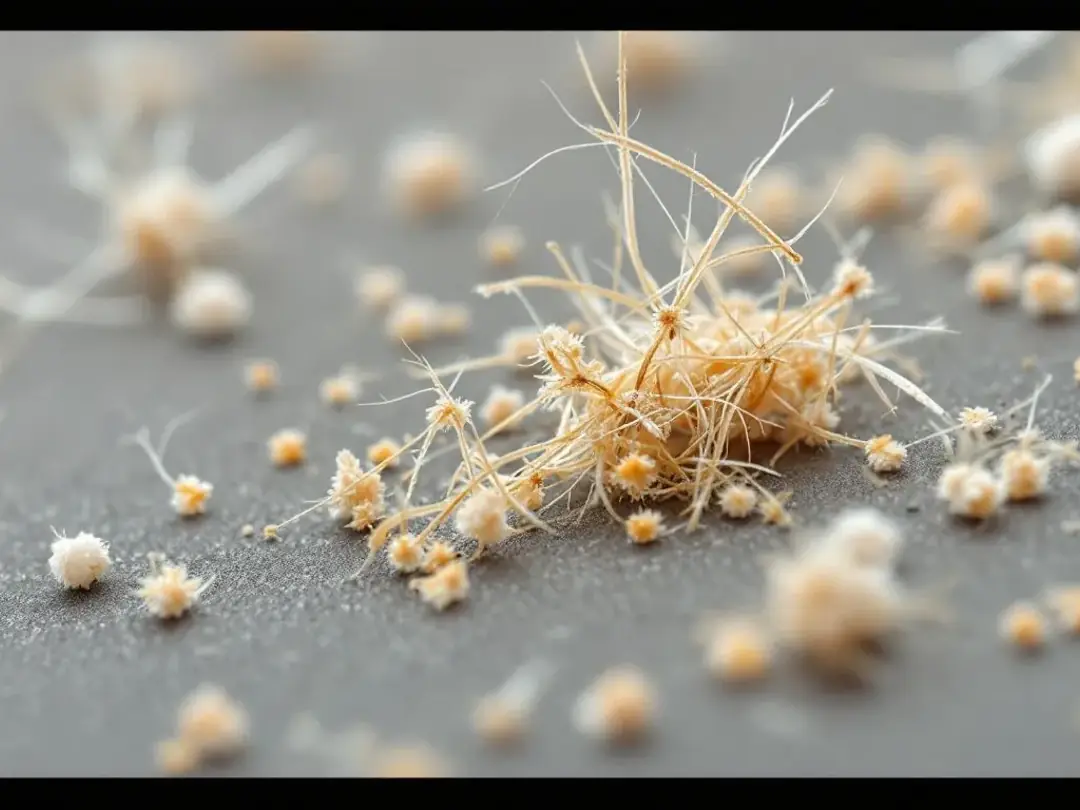

The best dogs for allergies are usually breeds that shed less and release fewer allergens into the home, but no dog is truly 100 percent hypoallergenic. For most allergy sufferers, the goal is not finding a perfectly allergy-free dog. It is finding a breed and care routine that make symptoms more manageable.
If you are comparing doodle breeds specifically, our are Goldendoodles hypoallergenic guide is a useful next step because coat type and shedding patterns matter a lot in allergy planning.
Key Takeaways
- No dog is completely hypoallergenic, but some breeds are easier for allergy sufferers to live with.
- Low-shedding coats can help reduce allergen spread, but saliva and dander still matter.
- Poodles, Bichon Frises, and Portuguese Water Dogs are often among the most allergy-friendly choices.
- Grooming, cleaning, and air filtration can make a major difference in symptom control.
- Spending time with a breed before committing is one of the smartest steps an allergy-prone owner can take.
What Actually Causes Dog Allergies?
Many people think dog allergies are caused only by fur, but the real triggers are usually proteins found in dander, saliva, and skin oils. Fur and shedding matter because they help spread those allergens through the home, but the hair itself is not the whole story.
That is why a low-shedding dog may still trigger symptoms in some people. A dog can shed less and still produce allergens that bother sensitive owners.
Understanding that difference helps set more realistic expectations. The goal is usually lower allergen exposure, not zero exposure.
Are Any Dogs Truly Hypoallergenic?
No dog is completely hypoallergenic. That is one of the most important things to understand before choosing a breed. Some dogs are simply more manageable for allergy sufferers because they shed less or have coat types that keep allergens from spreading as easily.
Breeds with curly, continuously growing coats often fall into this category because loose hair and dander are more likely to stay trapped in the coat until grooming. That can reduce how much allergen ends up in the air and on furniture.
Still, even the best low-shedding breed can trigger symptoms in the wrong person. Individual reactions vary a lot.
What Makes a Breed More Allergy-Friendly?
| Trait | Why It Helps | Common Example |
|---|---|---|
| Low shedding | Reduces how much allergen spreads through the home | Poodle, Bichon Frise |
| Curly or hair-like coat | Can trap loose hair and dander until grooming | Poodle, Portuguese Water Dog |
| Smaller body size | May produce less total allergen overall | Maltese, Yorkshire Terrier |
| Regular grooming compatibility | Makes allergen control easier with routine care | Bichon Frise, Schnauzer |
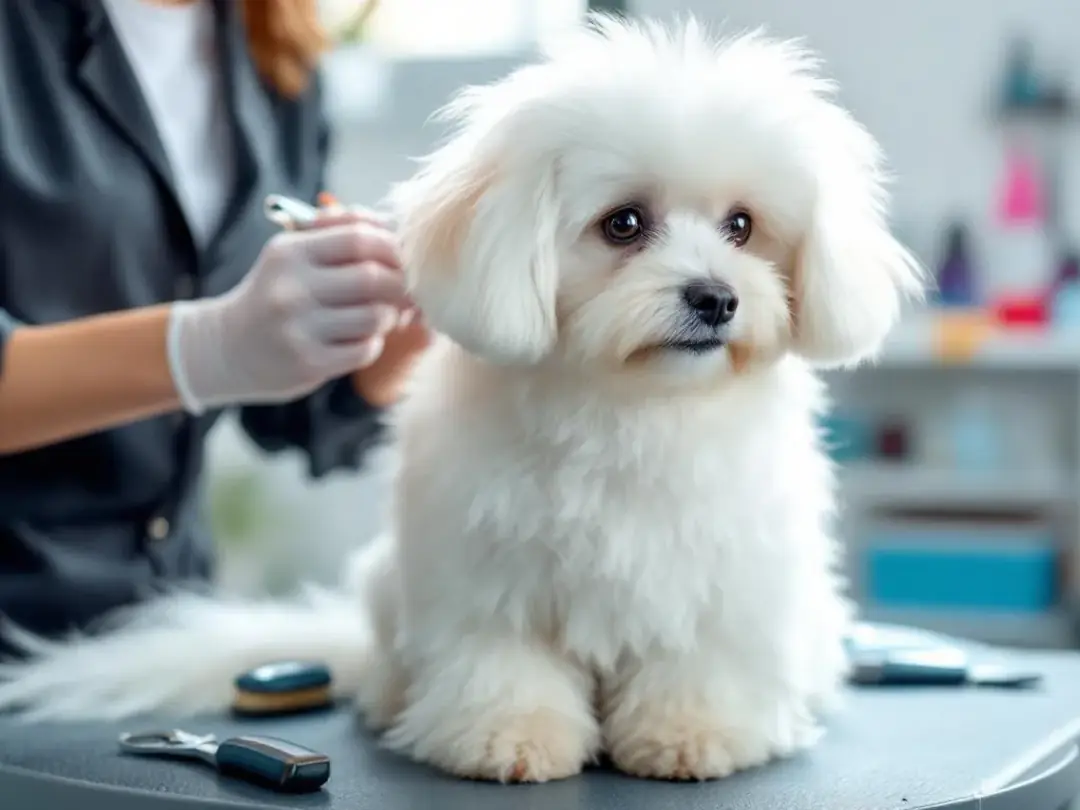
Top Small Dogs for Allergy Sufferers
Small breeds are often a practical starting point because they may produce less total allergen and are easier to groom and clean up after.
Poodles, Bichon Frises, Maltese, Yorkshire Terriers, and some small companion breeds are often recommended for allergy-prone homes. Their coats tend to shed less, and many owners find them easier to manage with regular grooming.
That said, small size does not automatically mean low allergy impact. A small dog that licks constantly or is poorly groomed can still trigger strong symptoms in a sensitive person.
For many people, the best small breed is the one that combines lower shedding with a temperament and care routine that fits the home well.
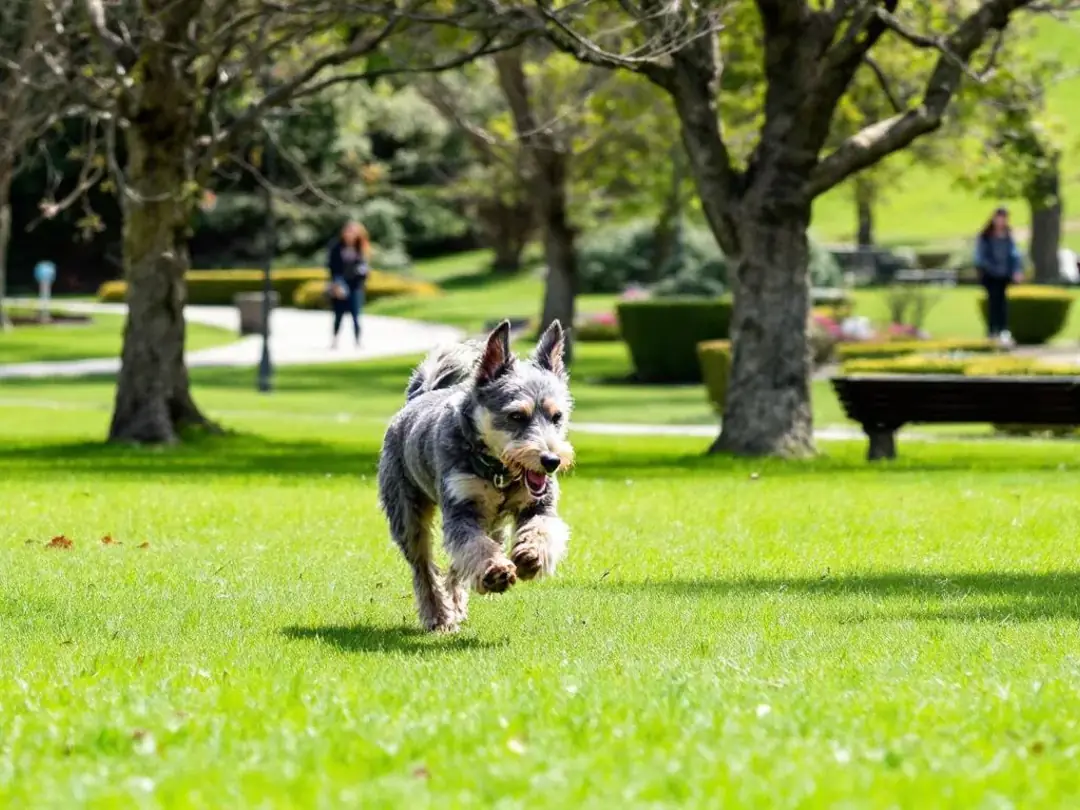
Medium and Large Dogs for Allergy Sufferers
People who want a larger dog still have options, but breed choice and maintenance become even more important.
Standard Poodles, Portuguese Water Dogs, and some Schnauzer varieties are often among the better larger options for allergy sufferers. These breeds can offer the size and presence some families want without the heavy shedding seen in many other medium and large dogs.
Larger dogs may still produce more total allergen simply because they have more body surface area and more saliva and skin contact in daily life. That does not make them impossible for allergy sufferers, but it does mean management matters more.
If you want a larger allergy-friendlier dog, it is especially important to think beyond the breed name and consider grooming, cleaning, and your own reaction level.
What About Doodle Mixes?
Doodle mixes are often marketed as allergy-friendly because of their Poodle influence, but coat and allergen outcomes can vary more than many buyers expect. Some doodles inherit a curlier, lower-shedding coat, while others inherit more shedding from the non-Poodle parent.
That means a doodle is not automatically a safe choice for allergies. It depends on the individual dog, the coat, and how the dog is maintained. This is especially important for first-generation mixes where traits may be less predictable.
If you are comparing doodle options, our Bernedoodle guide can help you think through how one popular doodle type may fit into the allergy conversation.
Grooming and Cleaning Matter as Much as Breed Choice
Even the best breed choice can fall short if grooming and cleaning are ignored. Regular brushing, bathing, coat maintenance, and cleaning of bedding and furniture all help reduce allergen buildup in the home.
Air purifiers, vacuuming, and keeping some areas of the home dog-free can also make a major difference. For many allergy sufferers, success comes from combining a lower-shedding breed with a strong home management routine.
In other words, the dog matters, but the environment matters too.
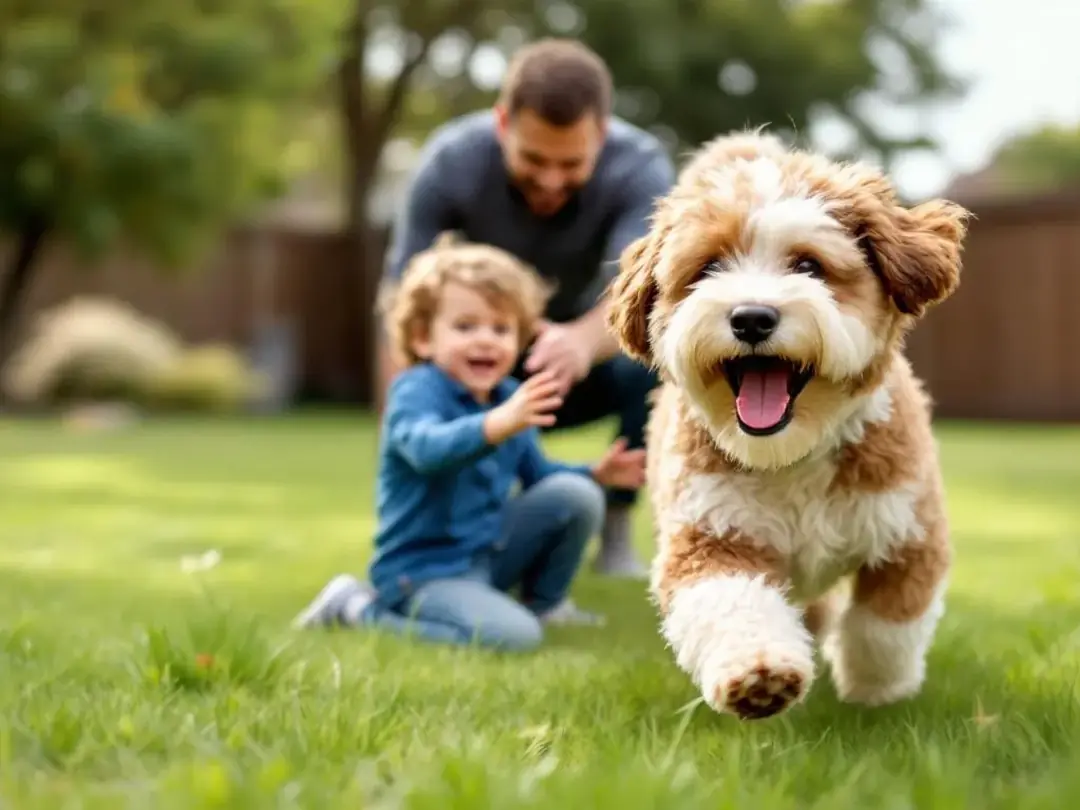
How to Choose the Right Dog If You Have Allergies
The smartest approach is to test your real-life reaction before making a commitment.
Spend time with the breed you are considering, and if possible, with the actual dog you may bring home. Some people react strongly to one low-shedding breed and do much better with another. Individual chemistry matters.
It also helps to think honestly about grooming costs, cleaning habits, and how much management you are willing to do. A breed that is technically allergy-friendlier may still be a poor fit if the coat care is more than you can realistically maintain.
For many families, the best dog for allergies is not just the one with the lowest shedding. It is the one that fits both the allergy situation and the household lifestyle.
Practical Tips for Living with Dog Allergies
Breed choice helps, but daily habits often determine whether the setup actually works.
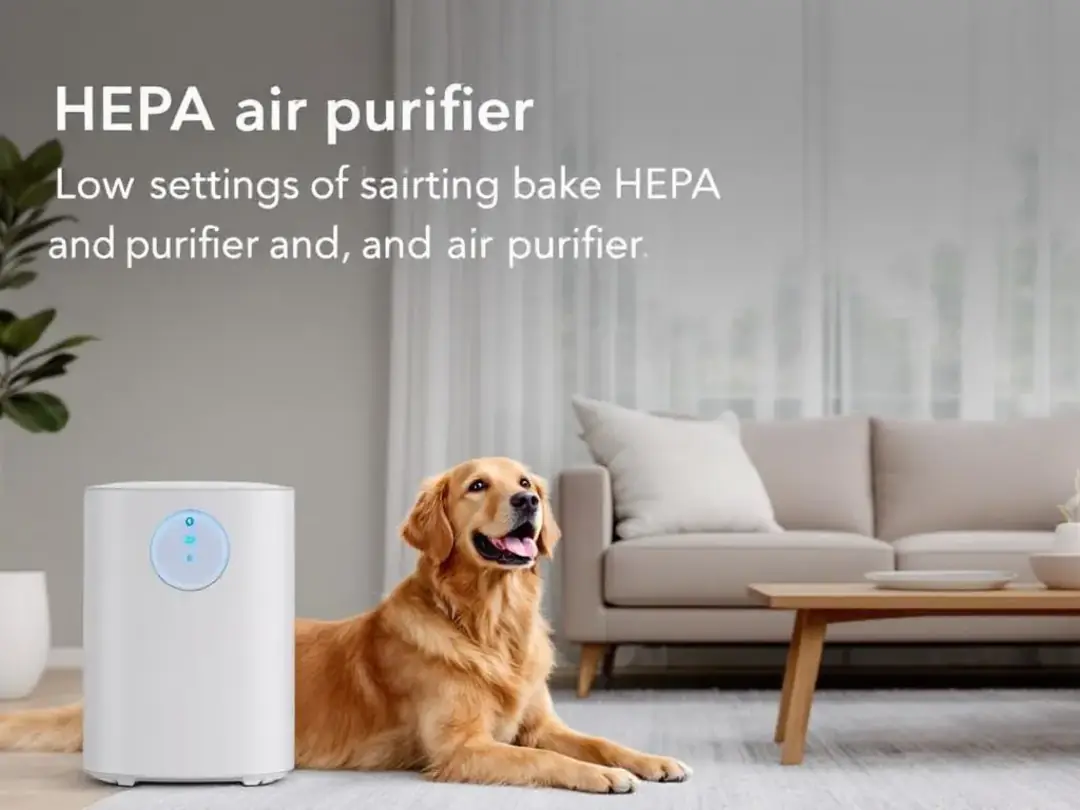
Frequent vacuuming, washing dog bedding, using HEPA filtration, and keeping the dog out of certain rooms can all reduce allergen load. Grooming on a regular schedule also helps keep dander and loose hair from building up indoors.
Some owners also work with an allergist to build a more complete plan, especially if symptoms are moderate or severe. That can make dog ownership much more realistic than trying to solve everything through breed choice alone.
For many people, success comes from layering several small strategies rather than relying on one perfect answer.
FAQ
Common Questions About Dogs and Allergies
These quick answers cover common questions about hypoallergenic breeds, doodles, grooming, and what allergy sufferers should expect.
Are there any completely hypoallergenic dogs?
No. Some breeds are easier for allergy sufferers, but no dog is completely free of allergens.
Do low-shedding dogs always work for people with allergies?
Not always. Low shedding can help, but saliva and dander still matter, and individual reactions vary a lot.
Are doodles a safe choice for allergy sufferers?
Sometimes, but not automatically. Doodle coat outcomes can vary, so one dog may be much easier to live with than another.
What is the best small dog for allergies?
Poodles, Bichon Frises, Maltese, and Yorkshire Terriers are often among the most commonly recommended small breeds for allergy-prone homes.
Should I spend time with a dog before bringing it home?
Yes, absolutely. That is one of the best ways to see how your allergies respond before making a long-term commitment.


