


The best dog sunscreen is one that is made specifically for dogs, uses pet-safe ingredients, and is easy to apply to exposed areas like the nose, ears, and belly. Dogs can absolutely get sunburned, and some are much more vulnerable than owners realize.
If your dog already has skin or coat issues that leave more skin exposed, our balding dogs guide is a helpful companion because hair loss and thin coat coverage can increase sun risk.
Key Takeaways
- Dogs can get sunburned, especially on exposed or lightly covered skin.
- Pet-specific sunscreen is safer than human sunscreen because some human ingredients are toxic to dogs.
- Light-colored, thin-coated, and hairless dogs are often at the highest risk.
- Sunscreen should be applied to vulnerable areas like the nose, ears, belly, and other exposed skin.
- Shade, timing, and protective clothing can work alongside sunscreen for better sun safety.
Do Dogs Really Need Sunscreen?
Yes, some dogs really do need sunscreen. Dogs with light skin, thin coats, short hair, pink noses, or exposed skin are especially vulnerable to sunburn and long-term sun damage.
Even dogs with more coat coverage can still burn on areas like the nose, ear tips, belly, and inner legs. Repeated sun exposure can do more than cause temporary discomfort. It can also increase the risk of skin damage and, in some cases, skin cancer.
That is why sunscreen is not just a beach-day extra for some dogs. It can be a real part of skin protection during regular outdoor life.
What Makes a Good Dog Sunscreen?
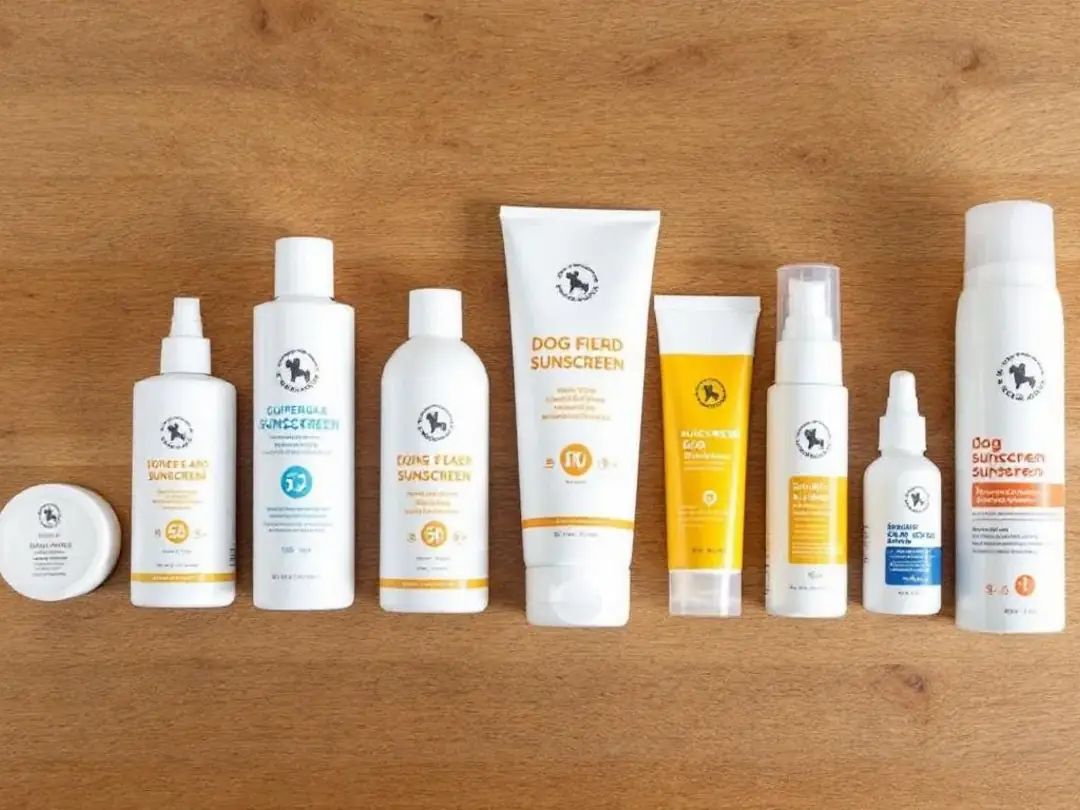
A good dog sunscreen should be made specifically for pets, easy to apply, and safe if a dog licks a small amount after application. It should also provide broad sun protection without relying on ingredients that are risky for dogs.
Many owners prefer sprays or sticks depending on where the sunscreen is being used. Sticks can be useful for noses and ear tips, while sprays may be easier for larger exposed areas if applied carefully.
The best product is usually the one that is both safe and realistic for your dog to tolerate. A great formula does not help much if it is impossible to apply consistently.
Dog Sunscreen Features at a Glance
| Feature | Why It Matters | Best For |
|---|---|---|
| Pet-specific formula | Avoids common toxic human sunscreen ingredients | All dogs needing sun protection |
| Broad-spectrum protection | Helps protect against multiple types of UV exposure | Regular outdoor use |
| Stick format | Allows more precise application | Nose, ears, and small exposed areas |
| Spray format | Can be faster for larger areas | Body coverage with careful use |
| Moisturizing ingredients | May help support dry or sensitive skin | Dogs with skin sensitivity |
Ingredients to Avoid in Dog Sunscreen
One of the biggest mistakes owners make is assuming human sunscreen is close enough. It is not. Some human sunscreen ingredients can be dangerous for dogs, especially because dogs may lick treated areas.
Zinc oxide is one of the most important ingredients to avoid in standard human products. Certain chemical filters and added fragrances may also be a poor choice for dogs, especially those with sensitive skin or a habit of grooming the area right away.
That is why pet-specific sunscreen matters. It is not just marketing. It is a safety issue.
Which Dogs Need Sunscreen the Most?
Not every dog has the same level of sun risk.
Dogs with light-colored fur, pink skin, thin coats, shaved areas, or naturally exposed skin are often the most vulnerable. Hairless breeds and dogs with patchy hair loss are also at much higher risk than dogs with dense, dark coats.
Short-haired dogs that spend a lot of time outdoors may also need more protection than owners expect, especially on the belly, nose, and ears. Dogs that love sunbathing or spend time near water, sand, or other reflective surfaces can get even more exposure.
If your dog already deals with skin irritation or dryness, our dry skin on dogs guide may also help you think through whether the skin barrier needs extra support beyond sunscreen alone.
How to Apply Dog Sunscreen Safely
Dog sunscreen should usually be applied before outdoor exposure, with extra attention to the nose, ear tips, belly, inner legs, and any thin-coated or exposed areas. If you are using a spray, it is usually safer to spray it onto your hands first rather than directly at the dog's face.
Apply it evenly and give it time to settle before your dog heads into full sun. Reapplication matters too, especially if your dog is swimming, rolling around, or spending a long time outside.
As with any skin product, it is smart to watch for irritation the first time you use it and stop if your dog reacts poorly.

Other Ways to Protect Dogs from the Sun
Sunscreen works best as part of a bigger sun-safety plan.
Shade is one of the simplest and most effective tools. Limiting outdoor time during peak sun hours can also reduce risk significantly, especially for high-risk dogs.
Protective clothing like dog sun shirts can help in some situations, especially for dogs with large exposed areas or very thin coats. Water, sand, and pavement can all increase exposure in different ways, so location matters too.
In other words, sunscreen is important, but it should not be the only line of defense if your dog is regularly out in strong sun.
How to Recognize Sunburn in Dogs
Sunburn in dogs may show up as red, warm, tender skin, especially on the nose, ears, belly, or other exposed areas. Some dogs may seem uncomfortable, avoid touch, or become restless after a long day in the sun.
More serious cases may involve peeling, swelling, or obvious pain. If the skin looks badly damaged or your dog seems unwell, it is best to contact your veterinarian rather than trying to manage it casually at home.
Repeated sunburn is not something to ignore. It can become a long-term skin health issue, not just a temporary irritation.
Choosing the Best Option for Your Dog
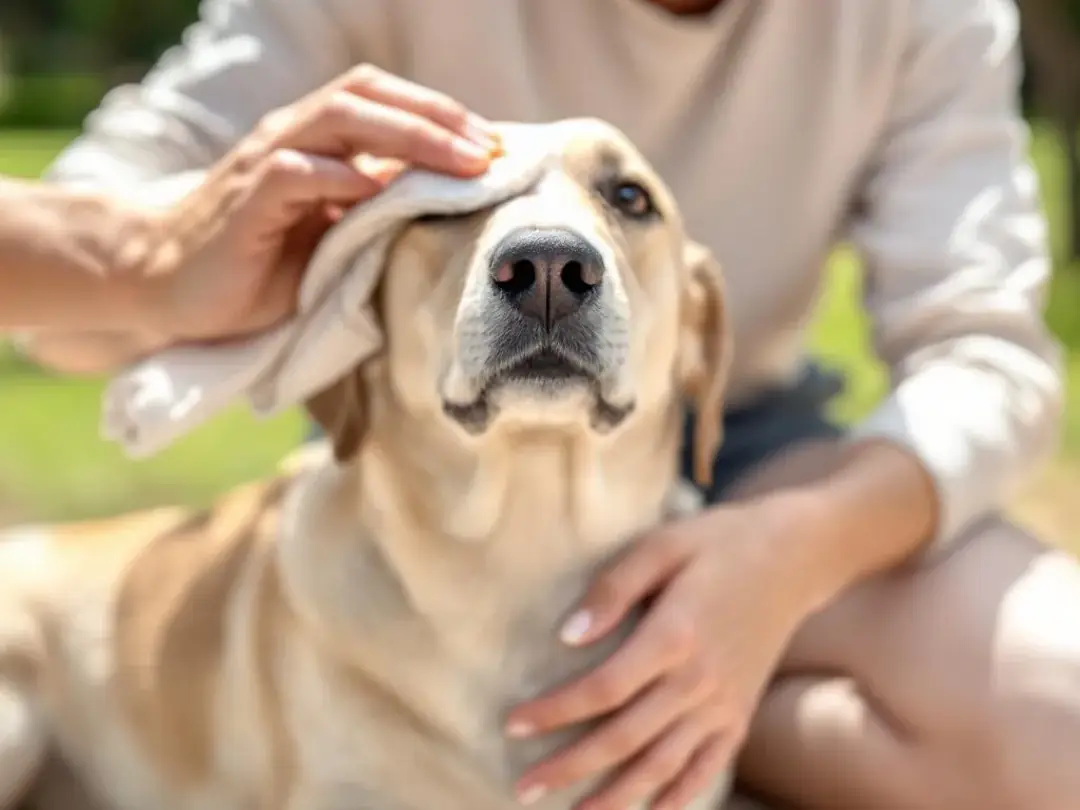
The best sunscreen depends on your dog's coat, skin exposure, and how easy the product is to use consistently.
A dog with a pink nose and exposed ears may do well with a stick product for targeted use. A dog with thin coat coverage over larger areas may need a spray or lotion that is easier to spread more broadly.
What matters most is safety, consistency, and realistic use. A product that is technically good but impossible to apply to your dog is not the best fit in practice.
For many owners, the right answer is a combination of pet-safe sunscreen, shade, and better timing for outdoor activity.
FAQ
Common Questions About Dog Sunscreen
These quick answers cover common questions about human sunscreen, reapplication, licking, and which dogs need the most protection.
Can I use human sunscreen on my dog?
No, that is usually not a good idea. Some human sunscreen ingredients can be toxic to dogs if licked or absorbed.
How often should dog sunscreen be reapplied?
It depends on the product and activity level, but reapplication is often needed every few hours and after swimming or heavy outdoor activity.
Which dogs need sunscreen the most?
Dogs with light skin, pink noses, thin coats, shaved areas, or exposed skin are often the most at risk for sunburn.
What if my dog licks the sunscreen?
Pet-specific sunscreen is designed to be much safer than human sunscreen, but you should still follow the product directions and contact your vet if your dog seems unwell.
Is sunscreen enough to protect a dog from the sun?
Not always. Shade, timing, and protective clothing can all help reduce sun exposure along with sunscreen.


