
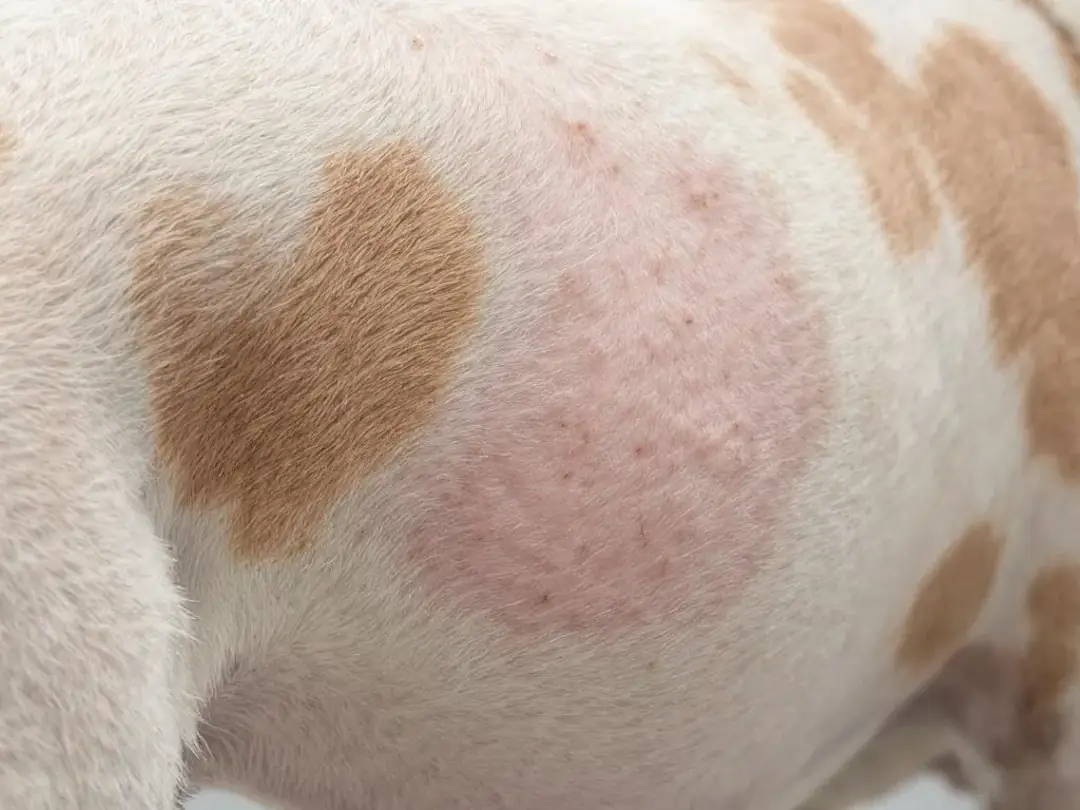

Balding in dogs usually means hair loss that goes beyond normal shedding. While some coat thinning can be seasonal or breed-related, true bald patches, uneven thinning, or irritated skin often point to an underlying issue that needs attention.
If you are also comparing other skin and coat problems, our itchy dog skin guide is a useful companion because itching and hair loss often show up together.
Key Takeaways
- Hair loss in dogs is different from normal shedding and often signals an underlying problem.
- Common causes include parasites, allergies, infections, hormonal disorders, and genetics.
- Bald patches, skin irritation, odor, and excessive scratching are important warning signs.
- Veterinary diagnosis matters because treatment depends on the specific cause.
- Many cases of dog hair loss improve with proper treatment and long-term skin care support.
What Is Balding in Dogs?
Balding in dogs, often called alopecia, means partial or complete hair loss in areas where the coat should normally be present. This is different from regular shedding, which tends to happen more evenly and follows a more predictable seasonal pattern.
With alopecia, you may notice bald spots, patchy thinning, or areas where the coat does not seem to grow back normally. Sometimes the skin underneath looks healthy, but in many cases it appears red, flaky, darkened, or irritated.
That difference matters because normal shedding is expected, while unusual hair loss often means something else is going on beneath the surface.
Common Causes of Hair Loss in Dogs
Hair loss in dogs can happen for many reasons, which is why guessing at the cause is often difficult. Parasites like fleas and mites are common triggers, especially when they cause intense itching and self-trauma from scratching or chewing.
Allergies are another major cause. Dogs may react to food, pollen, dust, grooming products, or flea bites, and that inflammation can damage the skin and coat over time. Infections, including bacterial and yeast-related skin problems, can also lead to thinning hair or bald patches.
Hormonal disorders such as hypothyroidism or Cushing's disease may cause more symmetrical hair loss, often without the same level of itching seen in allergy cases. Some dogs also have hereditary or breed-related coat issues that make hair loss more likely.
Hair Loss Causes at a Glance
| Cause | Common Clues | Typical Next Step |
|---|---|---|
| Fleas or mites | Scratching, chewing, irritated skin | Parasite check and treatment |
| Allergies | Itching, redness, recurring flare-ups | Allergy workup and trigger control |
| Skin infection | Odor, redness, scabs, discharge | Vet exam and targeted medication |
| Hormonal disorder | Symmetrical thinning, coat changes | Bloodwork and endocrine testing |
| Genetic or breed-related issue | Predictable pattern, little inflammation | Veterinary evaluation and management |
Signs and Symptoms to Watch For
Hair loss is often only one part of the bigger picture.
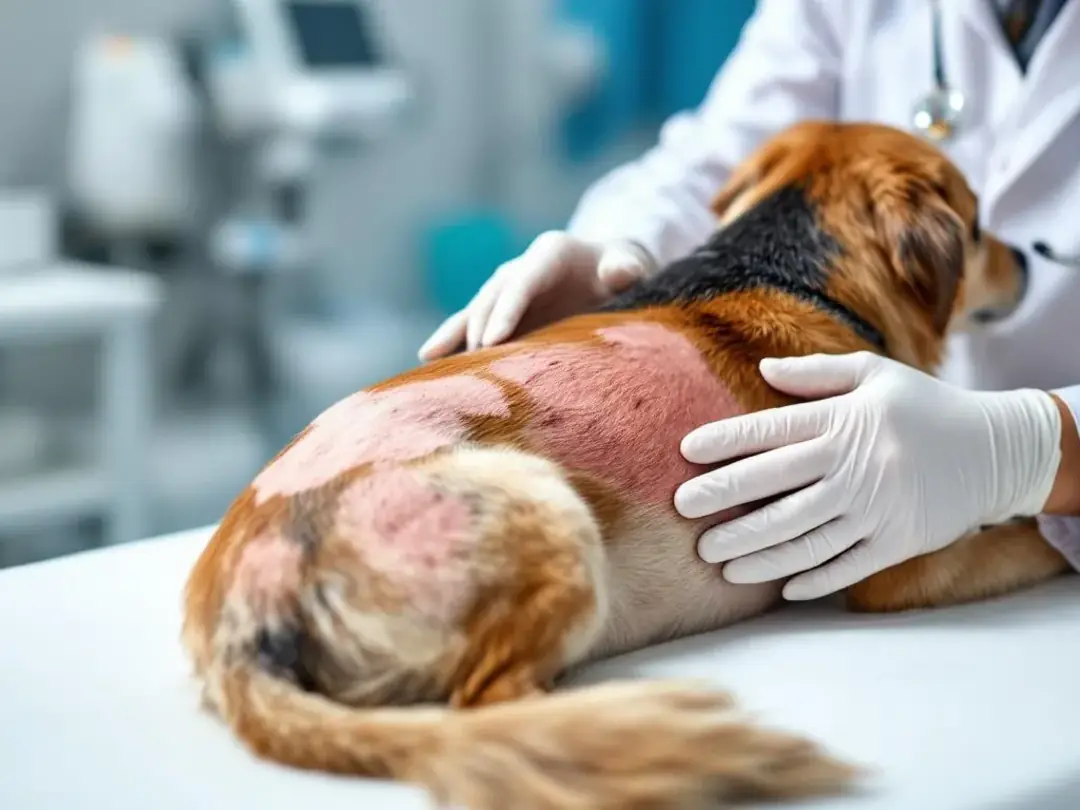
Some dogs develop small bald patches that slowly spread, while others lose hair more quickly. You may also notice redness, flaky skin, darkened skin, scabs, bumps, or an unusual odor. These details can help point toward infection, allergy, or another skin problem.
Excessive scratching, licking, or chewing is another major clue. In many cases, the dog is not just losing hair on its own. The dog is also damaging the coat and skin through constant irritation.
If the hair loss is symmetrical, such as thinning on both sides of the body, that can sometimes suggest a hormonal issue rather than a parasite or localized infection.
When Hair Loss May Be an Emergency
Some cases of balding can wait for a normal appointment, but others should be treated more urgently. If hair loss is spreading quickly, the skin looks infected, or your dog seems lethargic, painful, or unwell, it is best to contact a veterinarian right away.
Open sores, bleeding, severe itching, or signs of a widespread skin infection should not be ignored. These situations can worsen quickly and may become much harder to manage if treatment is delayed.
Rapid change is usually the key warning sign. A small stable patch is one thing. A fast-moving skin problem is another.
How Veterinarians Diagnose Balding in Dogs
Diagnosis usually starts with a physical exam and a close look at the skin and coat pattern. Your vet may ask when the hair loss started, whether your dog is itchy, what food your dog eats, and whether there have been any recent changes in environment or grooming products.
From there, testing may include skin scrapings, cytology, fungal checks, bloodwork, or allergy-related evaluation depending on what the skin looks like. In some cases, a biopsy is needed if the cause is not clear from simpler tests.
The reason diagnosis matters so much is that treatment for fleas, allergies, infection, and hormonal disease can look completely different even when the hair loss appears similar at first.
Treatment Options for Balding Dogs
Treatment depends entirely on the cause. Parasites may require prescription flea or mite control. Bacterial or yeast infections may need medicated shampoos, topical products, or oral medication. Allergies may require diet changes, environmental management, or anti-itch treatment.
Hormonal disorders often need longer-term medical management rather than quick skin treatment alone. In those cases, hair regrowth may take time even after the underlying issue is being treated properly.
Supportive care can also help. Better skin hydration, improved nutrition, and reducing self-trauma from scratching can all make recovery easier while the main problem is being addressed.

Prevention and Long-Term Skin Care
Not every case of hair loss can be prevented, but many skin problems can be reduced with consistent care.
Year-round parasite prevention is one of the most important steps. Regular grooming and skin checks also make it easier to catch small changes before they become major problems.
Nutrition matters too. A healthy coat depends on a balanced diet, and dogs with chronic skin issues may sometimes benefit from diet review or allergy-focused feeding plans. If your dog also struggles with dry or irritated skin, our dry skin on dogs guide may help you compare related causes and care strategies.
Routine veterinary visits are also part of prevention, especially for dogs with recurring skin trouble or breeds known for coat and allergy issues.
How Long Does Hair Regrowth Take?
Hair regrowth depends on the cause, the severity of the skin damage, and how quickly treatment begins. Some dogs improve within a few weeks once parasites or infections are treated, while hormonal or chronic skin conditions may take months to show visible coat recovery.
In some cases, the skin heals before the coat fully returns. In others, hair may regrow thinner or more slowly if the follicles were badly damaged.
That is why patience matters. Improvement is often gradual, and the timeline can vary a lot from one dog to another.
FAQ
Common Questions About Balding Dogs
These quick answers cover common questions about stress, diagnosis, home care, and when hair loss should be treated more urgently.
Can stress cause hair loss in dogs?
Yes, stress can contribute to hair loss, especially when it leads to excessive licking, chewing, or scratching. It is usually not the only thing to consider, though.
Should I wait to see if a bald patch goes away on its own?
It is better not to wait too long. A small patch may not be an emergency, but new or spreading hair loss should be checked by a veterinarian.
Can I treat dog hair loss at home first?
Basic supportive care may help, but true treatment depends on the cause. Home remedies can delay proper care if the problem is infection, mange, or a hormonal disorder.
Do all bald dogs have itchy skin?
No. Some causes, like allergies or parasites, are very itchy, while others, like certain hormonal disorders, may cause hair loss with much less itching.
Will the hair always grow back?
Not always completely, but many dogs do improve with the right treatment. The outcome depends on the cause and how much damage the skin and follicles have already experienced.


