
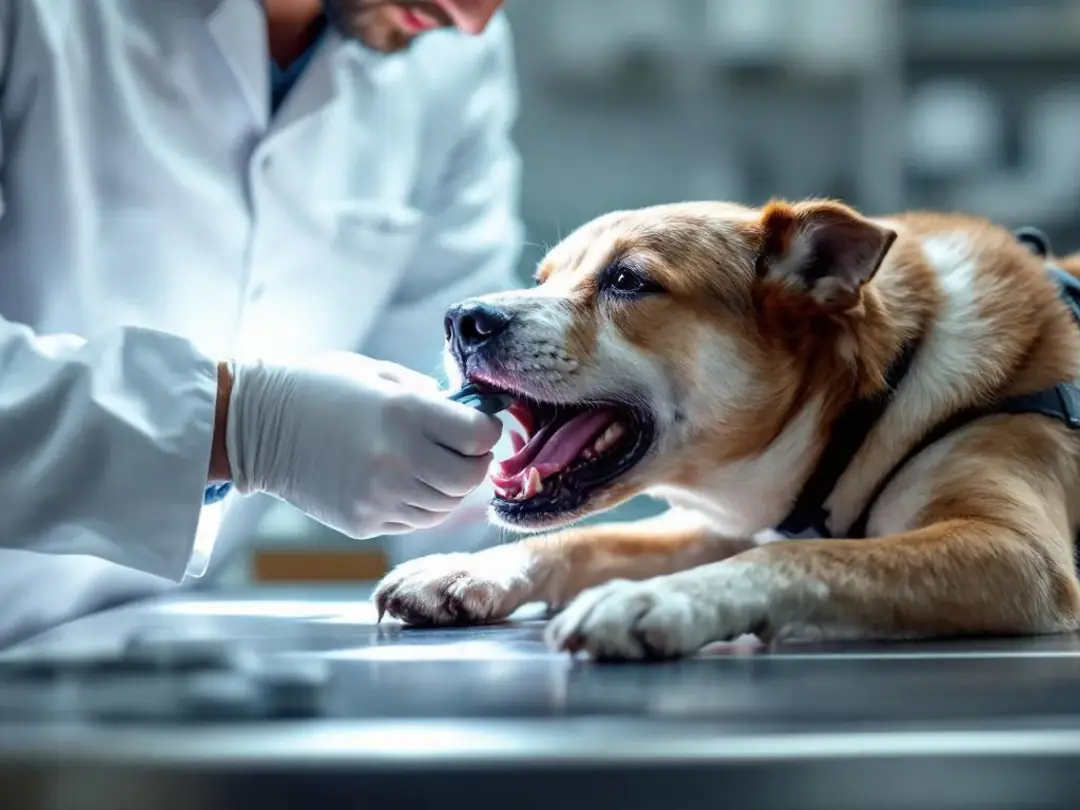

Anemia in dogs is not a disease by itself. It is a sign that something is interfering with normal red blood cell production, causing red blood cells to be destroyed too quickly, or leading to blood loss somewhere in the body. Because red blood cells carry oxygen, dogs with anemia can become weak, pale, and easily tired.
Some cases develop gradually, while others become emergencies very quickly. If you are already monitoring other chronic conditions, it may also help to review related topics like canine kidney failure because kidney disease can contribute to non-regenerative anemia in some dogs.
Key Takeaways
- Anemia occurs when dogs have too few red blood cells or too little hemoglobin to carry oxygen normally.
- Common symptoms include pale gums, weakness, lethargy, rapid breathing, and reduced stamina.
- Main categories include blood loss anemia, hemolytic anemia, and non-regenerative anemia.
- Treatment depends on the underlying cause and may include medications, transfusions, parasite control, or supportive care.
- Prompt veterinary evaluation matters because severe anemia can become life-threatening.
What is Anemia in Dogs?
Anemia in dogs means there is a decrease in circulating red blood cells, hemoglobin, or both. Since red blood cells are responsible for carrying oxygen throughout the body, anemia can affect energy, breathing, heart rate, and overall organ function.
It is important to understand that anemia is usually a symptom of another problem rather than a standalone diagnosis. Dogs can become anemic because they are losing blood, destroying red blood cells too quickly, or not producing enough new red blood cells in the bone marrow.
The body normally replaces aging red blood cells on a steady cycle. When that balance is disrupted, oxygen delivery drops and the clinical signs of anemia begin to appear.
Developing Anemia in Dogs
Anemia can develop through several different pathways. One of the most common is blood loss, which may happen suddenly after trauma or more gradually through internal bleeding, ulcers, parasites, or tumors. Another pathway is hemolysis, where red blood cells are destroyed faster than the body can replace them.
Some dogs develop anemia because the bone marrow is not producing enough new red blood cells. This can happen with chronic disease, kidney disease, certain cancers, bone marrow disorders, or long-term inflammatory conditions. In some cases, inherited or immune-mediated problems also play a role.
Because the causes vary so widely, anemia should always be treated as a sign that further veterinary workup is needed.
Recognizing Symptoms of Anemia in Dogs
One of the most recognizable signs of anemia is pale gums. Healthy gums are usually pink, while anemic dogs may have gums that look pale, grayish, or even white in more serious cases.
Other common symptoms include weakness, lethargy, reduced interest in exercise, rapid breathing, and an increased heart rate. Some dogs may seem tired after only mild activity, while others may lose their appetite or appear generally unwell.
In more severe cases, dogs may collapse, develop jaundice, or show signs of shock. If symptoms appear sudden or severe, emergency veterinary care is important.
Types of Anemia in Dogs
The main types of anemia are grouped by how the red blood cells are being lost, destroyed, or underproduced.
This table gives a quick side-by-side view of the main anemia categories and how they differ.
| Type | What Happens | Common Examples |
|---|---|---|
| Blood Loss Anemia | Blood is lost faster than the body can replace it | Trauma, ulcers, parasites, internal bleeding |
| Hemolytic Anemia | Red blood cells are destroyed too quickly | Immune-mediated disease, toxins, infections |
| Non-Regenerative Anemia | The body does not make enough new red blood cells | Kidney disease, bone marrow disease, chronic illness |
Blood Loss Anemia
Blood loss anemia can happen suddenly after trauma or surgery, or more gradually through internal bleeding, stomach ulcers, tumors, or heavy parasite burdens. Chronic blood loss may eventually lead to iron deficiency as well.
Hemolytic Anemia
Hemolytic anemia happens when red blood cells are destroyed faster than they can be replaced. Immune mediated hemolytic anemia is one of the best-known forms, where the immune system attacks the dog's own red blood cells. Some infections, toxins, and medications can also trigger hemolysis.
Non-Regenerative Anemia
Non-regenerative anemia develops when the bone marrow does not produce enough new red blood cells. Kidney disease is a common contributor because the kidneys help regulate red blood cell production through erythropoietin. Chronic inflammatory disease, cancer, and bone marrow disorders can also be involved.
Common Causes of Anemia in Dogs
Many different conditions can lead to anemia, which is why diagnosis matters so much.
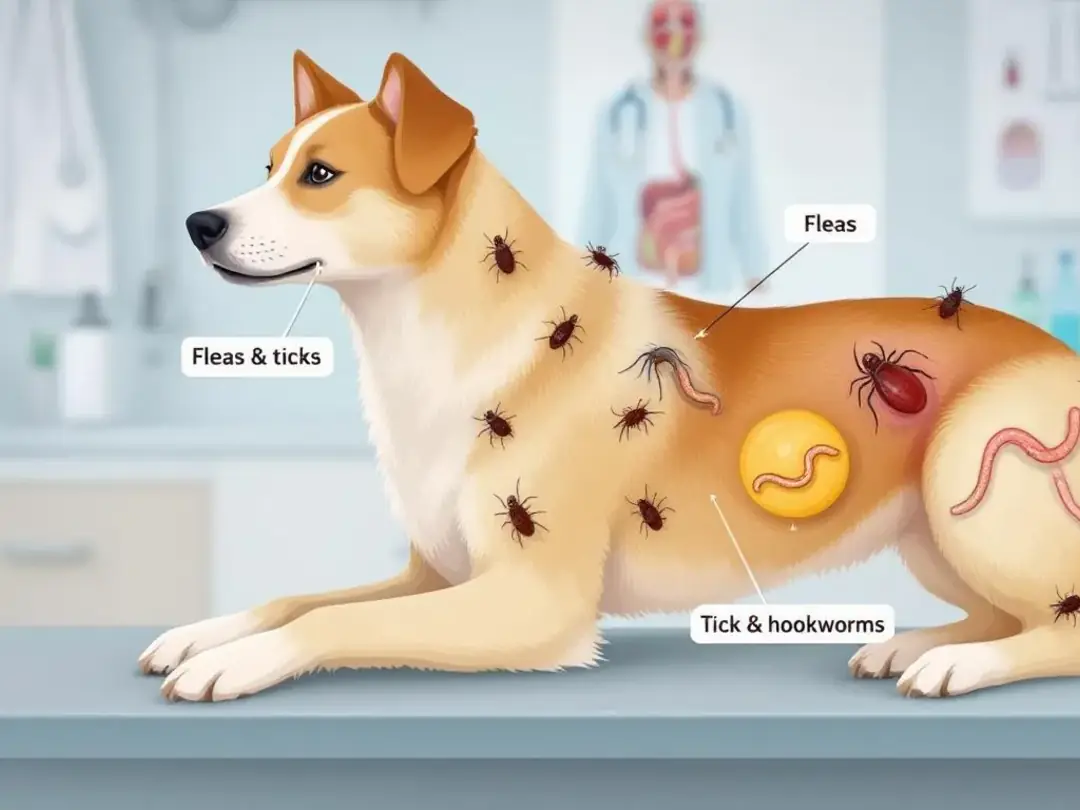
Parasites are a common cause, especially in puppies and dogs without consistent preventive care. Hookworms, fleas, and some tick-borne infections can all contribute to blood loss or red blood cell destruction.
Toxic substances can also trigger anemia. Certain human medications, onions, garlic, zinc, and other toxins can damage red blood cells or interfere with normal blood production. If you are reviewing broader canine health risks, our article on cancer in dogs may also be useful because some cancers can contribute to chronic blood loss or bone marrow suppression.
Chronic diseases such as kidney disease, liver disease, inflammatory illness, and cancer can all contribute to anemia. Some breeds may also have inherited conditions that affect red blood cell stability or bone marrow function.
Diagnosis and Testing
Diagnosis usually starts with a complete blood count, which measures red blood cell levels, hemoglobin, and other important blood values. A packed cell volume test may also be used to quickly estimate how severe the anemia is.
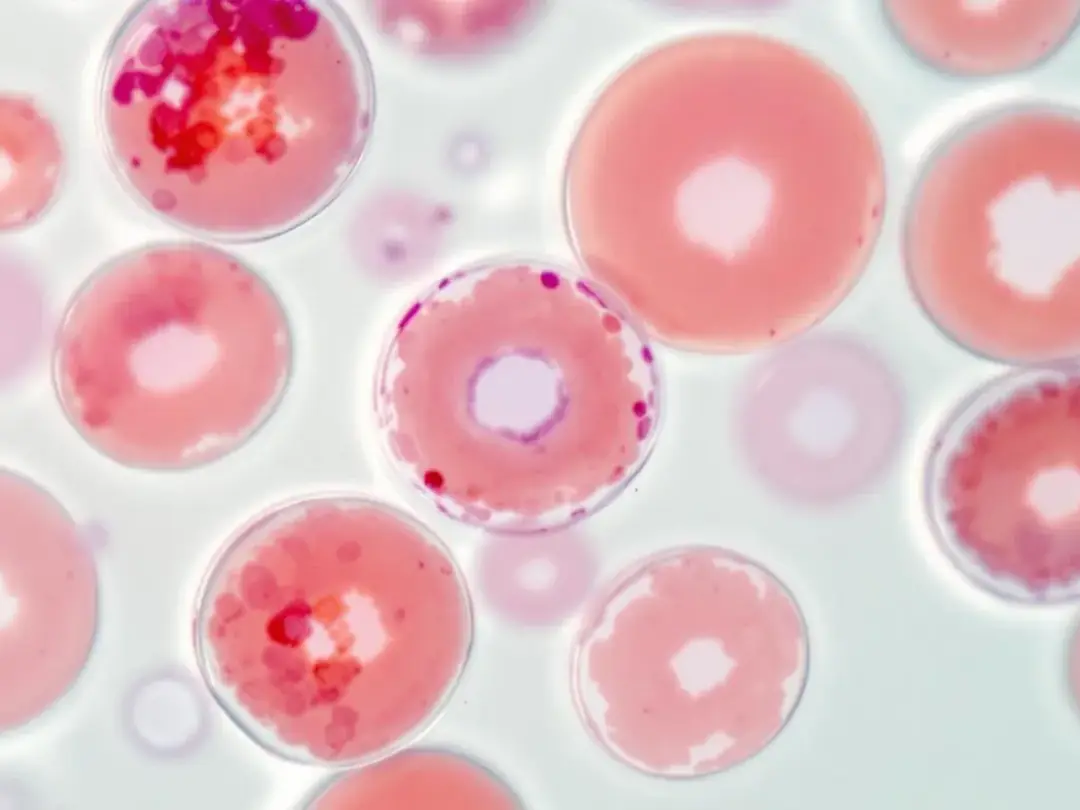
Blood smears can help veterinarians look at red blood cell shape, identify parasites, and spot clues that point toward hemolysis or other abnormalities. Reticulocyte counts help determine whether the bone marrow is responding appropriately by releasing immature red blood cells.
Depending on the case, additional testing may include imaging, parasite screening, infectious disease tests, chemistry panels, or even bone marrow evaluation. The goal is not just to confirm anemia, but to identify why it is happening.
Anemia Diagnosed: What's Next?
Once anemia is confirmed, the next step is to identify the underlying cause and decide how urgently treatment is needed. Some dogs need immediate stabilization, while others can be managed with a more gradual treatment plan.
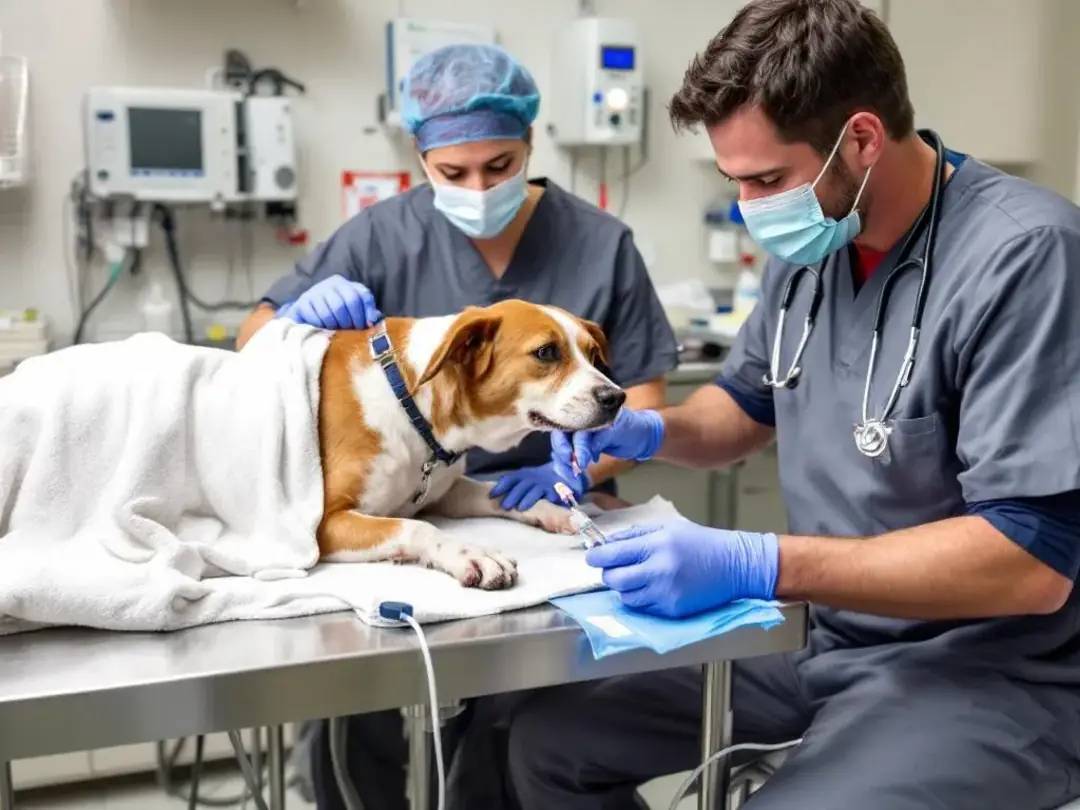
Severe cases may require hospitalization, oxygen support, or blood transfusions. Other dogs may need medications for immune-mediated disease, parasite treatment, iron support, or management of a chronic condition that is interfering with red blood cell production.
Follow-up blood work is often necessary to track whether red blood cell levels are improving and whether the treatment plan is working as expected.
Treatment Options for Canine Anemia
Treatment depends on both the severity of the anemia and the reason it developed in the first place.
This summary table shows how treatment often changes depending on the underlying cause.
| Cause Category | Common Treatment Direction |
|---|---|
| Blood Loss | Stop bleeding, stabilize the dog, replace blood if needed |
| Hemolytic | Address immune or toxic trigger, consider immune suppression |
| Non-Regenerative | Treat chronic disease, support marrow function, monitor closely |
Blood transfusions may be necessary in severe or life-threatening cases. Dogs with immune mediated hemolytic anemia often need immune suppression therapy, while dogs with iron deficiency may need iron supplementation after the source of blood loss is identified.
When kidney disease is involved, treatment may focus on supporting kidney function and managing the reduced stimulation of red blood cell production. In other cases, treating parasites, infections, ulcers, or tumors is the most important part of correcting the anemia.
Supportive care may also include fluids, oxygen, rest, and close monitoring while the underlying problem is being addressed.
Managing Anemia in Dogs
Managing anemia often means managing the condition behind it. Some dogs recover fully once the cause is treated, while others need long-term monitoring and ongoing care.
Dogs with chronic disease may need repeat blood work, medication adjustments, and supportive care over time. Those with severe or recurring anemia may need closer veterinary follow-up to watch for relapse or treatment side effects.
A healthy diet, parasite prevention, and consistent veterinary care all play a role in long-term management.
Prevention Strategies
Not every case of anemia can be prevented, but some common causes can be reduced with good routine care. Year-round parasite prevention helps protect against fleas, hookworms, and tick-borne infections that may contribute to anemia.
Safe storage of medications and household toxins is also important. Dogs can develop serious red blood cell damage after exposure to certain human drugs, foods, or metals.
Regular wellness exams can help catch chronic disease earlier, before anemia becomes severe. Good nutrition, preventive care, and prompt attention to unusual symptoms all improve the chances of early detection.
When to Contact Your Veterinarian
Immediate veterinary care is important if your dog has very pale gums, collapses, struggles to breathe, shows obvious bleeding, or becomes suddenly weak. These can be signs of severe anemia or rapid blood loss.
Even milder symptoms such as reduced energy, poor appetite, or gradual weakness should not be ignored if they persist. Early evaluation often makes diagnosis and treatment easier than waiting until the condition becomes more advanced.
If your dog already has a chronic illness, regular follow-up visits and blood work may help catch anemia before it becomes an emergency.
FAQ
Common Questions About Anemia in Dogs
These quick answers cover common questions about recovery, causes, breed risk, cost, and long-term management.
How long does it take for a dog to recover from anemia?
Recovery time depends on the cause and severity. Some dogs improve within days or weeks, while others with chronic disease or immune-mediated anemia may need much longer treatment and monitoring.
Can puppies develop anemia differently than adult dogs?
Yes. Puppies can become dangerously anemic more quickly from parasites or blood loss because they have less total blood volume and fewer reserves than adult dogs.
Are certain dog breeds more susceptible to anemia?
Some breeds are more prone to specific inherited or immune-mediated conditions that can contribute to anemia. Breed history can be one part of the diagnostic picture, but it is not the only factor.
What is the cost of treating anemia in dogs?
Cost varies widely depending on the cause, the tests needed, and whether emergency care or transfusion is required. Mild cases may be much less expensive than severe cases needing hospitalization.
Can anemia in dogs be cured?
Some cases can resolve completely if the underlying cause is treated successfully. Other cases, especially those linked to chronic disease, may need long-term management instead of a full cure.
When is anemia in dogs an emergency?
It is an emergency when a dog becomes very weak, collapses, has extremely pale gums, struggles to breathe, or shows signs of active bleeding. Those symptoms need urgent veterinary attention.


